Back to Network



7
Shared Docs
7
Same-Page
7 / 8
Mentions
Document Mentions (7 shared documents)
3 mentions1 same-page
Page ?Same page
nest minds in the world for three centuries until Andrew Wiles published the solution in 1995. Philosophy
vailable for business to borrow and invest. But business lacked the “animal spirits” to take such a risk ina slump. We saw the same story after 2008. Keynes’ proposal was for government to do the borrowing and investing instead. That’s part of the “fiscal policy” I described in Chapter 1. Here we tend to
saving is invested, as I use the word, but finds different returns. Saving under the mattress is investment at zero return, and drops output just as Keynes said. Investment at the current average return keeps output unchanged. That’s what Keynes meant. But investment at lower returns lowers output, and c
2 mentions1 same-page
Page ?Same page
g with what you own may be enough — although it may not be easy in tough times. • In my memo on liquidity in March, I borrowed an idea from my son Andrew: If you look longingly at the chart for a stock that has risen for twenty years, think about how many days there were when you would've had to talk
ipating what average opinion expects the average opinion to be. And there are some, I believe, who practice the fourth, fifth and higher degrees." (Keynes, The General Theory of Employment, Interest and Money, 1936). 3 0 Oaktree Capital Management, L.P. All Rights Resented EFTA00302098 Keynes cre
2 mentions1 same-page
Page ?Same page
ld benefit from what 50 HOUSE_OVERSIGHT_013550 Andrew Carnegie famously called the dignity of real work
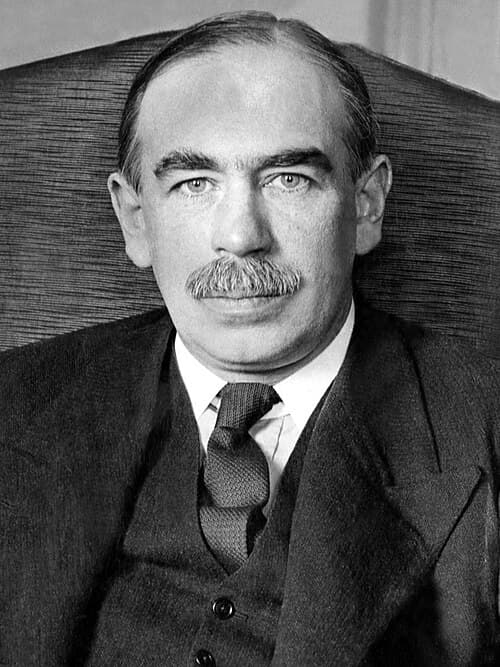
tic properties of light like a talisman. In his essay called Newton, the Man, the early 20" Century Cambridge Don and economic theorist, John Maynard Keynes, said that the Newton of the chapel followed “...certain mystic clues which God had laid about the world to allow a sort of philosopher’s treasure hu
Sponsored
2 mentions1 same-page
Page ?Same page
s (Bluejacket Press, 1984) 179 36 The IED threat: Andrew Smith, “Improvised Explosive Devices in Iraq, 200
tire world was pulled into the fire. “In the autumn of 1919, in which I write, we are at the dead season of our fortunes,” the economist John Maynard Keynes wrote after the Paris Peace Conference settled The Great War, dimly aware that an even deader season lay somewhere in the future in the form of anoth
2 mentions1 same-page
Page ?Same page
ophy,” cybersecurity researchers Stephen Cobb and Andrew Lee have written, “so we are unaware of the corre
ooking back on his formative years, before Europe was ground up in the First World War, the powerfully brilliant and sensitive economist John Maynard Keynes bitterly recalled the iron certainty of his set of friends and their confident, diffident arrogance: “We were not aware that civilization was a thin
2 mentions1 same-page
Page ?Same page
e joined by Venki Ramakrishnan, Jaan Tallinn, and Andrew Blake, research director of The Alan Turing Insti
ods is largely automated, as are many services. What’s left for humans to do? In 1930—long before the advent of computers, let alone AI—John Maynard Keynes wrote, in an essay called “Economic Possibilities for our Grandchildren,” that as a result of improvements in productivity, society could produce all
Sponsored
2 mentions1 same-page
Page ?Same page
e joined by Venki Ramakrishnan, Jaan Tallinn, and Andrew Blake, research director of The Alan Turing Insti
ods is largely automated, as are many services. What’s left for humans to do? In 1930—long before the advent of computers, let alone AI—John Maynard Keynes wrote, in an essay called “Economic Possibilities for our Grandchildren,” that as a result of improvements in productivity, society could produce all
Sponsored
Mutual Connections (693)
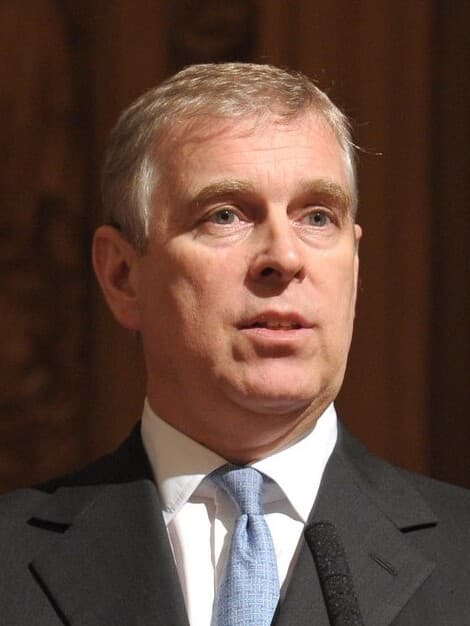
Entities connected to both Prince Andrew and Keynes
Jeffrey Epstein
PERSON9,960 w/ Prince·9 w/ Keynes
Ghislaine Maxwell
PERSON2,544 w/ Prince·11 w/ Keynes
Marc Rich
PERSON1,327 w/ Prince·18 w/ Keynes
LB
Leon Black
PERSON1,263 w/ Prince·9 w/ Keynes
Donald Trump
PERSON1,068 w/ Prince·4 w/ Keynes
Bill Clinton
PERSON997 w/ Prince·6 w/ Keynes
Alan Dershowitz
PERSON982 w/ Prince·12 w/ Keynes
United States
LOCATION906 w/ Prince·8 w/ Keynes
George W. Bush
PERSON817 w/ Prince·19 w/ Keynes
Richard Kahn
PERSON832 w/ Prince·2 w/ Keynes
Michael Cohen
PERSON808 w/ Prince·3 w/ Keynes
Woody Allen
PERSON736 w/ Prince·2 w/ Keynes
Martha Stewart
PERSON719 w/ Prince·3 w/ Keynes
Virginia Giuffre
PERSON687 w/ Prince·5 w/ Keynes
Prince Charles
PERSON679 w/ Prince·13 w/ Keynes
Bradley Edwards
PERSON684 w/ Prince·2 w/ Keynes
Joe Biden
PERSON655 w/ Prince·2 w/ Keynes
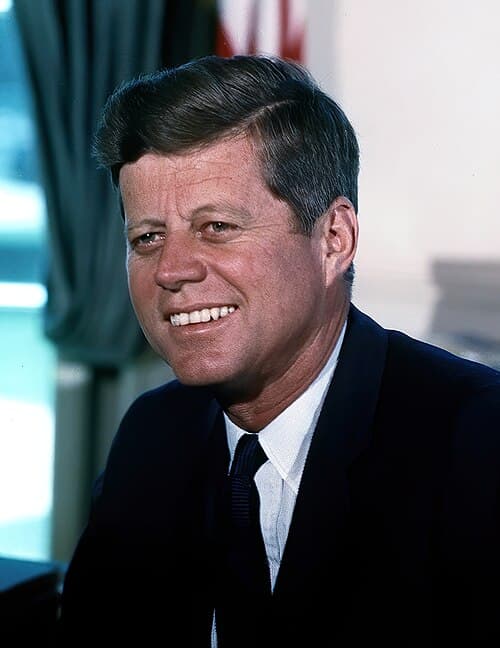
John F. Kennedy
PERSON641 w/ Prince·4 w/ Keynes
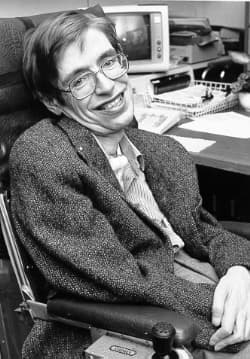
Stephen Hawking
PERSON627 w/ Prince·7 w/ Keynes
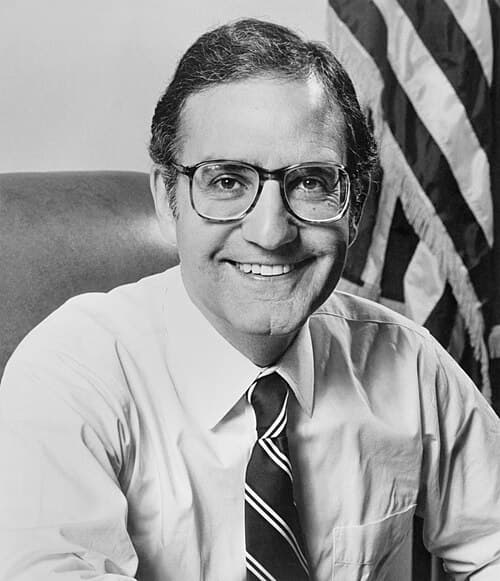
George Mitchell
PERSON583 w/ Prince·2 w/ Keynes