Back to Network










5
Shared Docs
5
Same-Page
5 / 5
Mentions
Document Mentions (5 shared documents)
2 mentions1 same-page
Page ?Same page
and the Jencks Act and that it will provide the required information to the defendants in accordance with its responsibilities under Giglio and the Jencks Act sufficiently in advance of each witness's testimony to allow adequate time to prepare for cross- examination. These representations are sufficie
decision theory, the comparative disparity theory, and the absolute disparity theory. See Biota, 97 F.3d at 655. Although no method is perfect, see Berghuis v. Smith, 559 U.S. 314, 329 (2010), the Second Circuit has made clear that the comparative disparity theory is disfavored and strongly suggested that the ab
2 mentions1 same-page
Page ?Same page
and the Jencks Act and that it will provide the required information to the defendants in accordance with its responsibilities under Giglio and the Jencks Act sufficiently in advance of each witness's testimony to allow adequate time to prepare forcross- examination. These representations are sufficien
decision theory, the comparative disparity theory, and the absolute disparity theory. See Rioux, 97 F.3d at 655. Although no method is perfect, see Berghuis v. Smith, 559 U.S. 314, 329 (2010), the Second Circuit has made clear that the comparative disparity theory is disfavored and strongly suggested that the ab
2 mentions1 same-page
Page ?Same page
and the Jencks Act and that it will provide the required information to the defendants in accordance with its responsibilities under Giglio and the Jencks Act sufficiently in advance of each witness's testimony to allow adequate time to prepare for cross- examination. These representations are sufficie
decision theory, the comparative disparity theory, and the absolute disparity theory. See Biota, 97 F.3d at 655. Although no method is perfect, see Berghuis v. Smith, 559 U.S. 314, 329 (2010), the Second Circuit has made clear that the comparative disparity theory is disfavored and strongly suggested that the ab
Sponsored
2 mentions1 same-page
Page ?Same page
and the Jencks Act and that it will provide the required information to the defendants in accordance with its responsibilities under Giglio and the Jencks Act sufficiently in advance of each witness's testimony to allow adequate time to prepare for cross- examination. These representations are sufficie
decision theory, the comparative disparity theory, and the absolute disparity theory. See Biota, 97 F.3d at 655. Although no method is perfect, see Berghuis v. Smith, 559 U.S. 314, 329 (2010), the Second Circuit has made clear that the comparative disparity theory is disfavored and strongly suggested that the ab
2 mentions1 same-page
Page ?Same page
and the Jencks Act and that it will provide the required information to the defendants in accordance with its responsibilities under Giglio and the Jencks Act sufficiently in advance of each witness's testimony to allow adequate time to prepare for cross- examination. These representations are sufficie
decision theory, the comparative disparity theory, and the absolute disparity theory. See Rioux, 97 F.3d at 655. Although no method is perfect, see Berghuis v. Smith, 559 U.S. 314, 329 (2010), the Second Circuit has made clear that the comparative disparity theory is disfavored and strongly suggested that the ab
Sponsored
Mutual Connections (192)
Entities connected to both Jencks and Berghuis v. Smith
Jeffrey Epstein
PERSON35 w/ Jencks·10 w/ Berghuis
United States
LOCATION28 w/ Jencks·10 w/ Berghuis
Ghislaine Maxwell
PERSON24 w/ Jencks·10 w/ Berghuis
LB
Leon Black
PERSON21 w/ Jencks·5 w/ Berghuis
ET
Emmy Taylor
PERSON16 w/ Jencks·10 w/ Berghuis
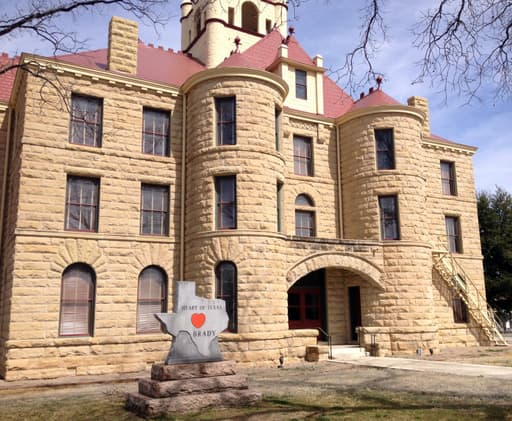
Brady
PERSON19 w/ Jencks·5 w/ Berghuis
Department of Justice
ORGANIZATION19 w/ Jencks·5 w/ Berghuis
Giglio
PERSON14 w/ Jencks·10 w/ Berghuis
Second Circuit
ORGANIZATION18 w/ Jencks·5 w/ Berghuis
Southern District of New York
ORGANIZATION13 w/ Jencks·10 w/ Berghuis
Alexander Acosta
PERSON16 w/ Jencks·5 w/ Berghuis
BO
Bortnovsky
PERSON11 w/ Jencks·10 w/ Berghuis
Scarlett Johansson
PERSON10 w/ Jencks·10 w/ Berghuis
Supreme Court
ORGANIZATION14 w/ Jencks·5 w/ Berghuis
Cynthia Nixon
PERSON9 w/ Jencks·10 w/ Berghuis
TH
Thompson
PERSON9 w/ Jencks·10 w/ Berghuis
FBI
ORGANIZATION13 w/ Jencks·5 w/ Berghuis
WA
Walker
PERSON8 w/ Jencks·10 w/ Berghuis
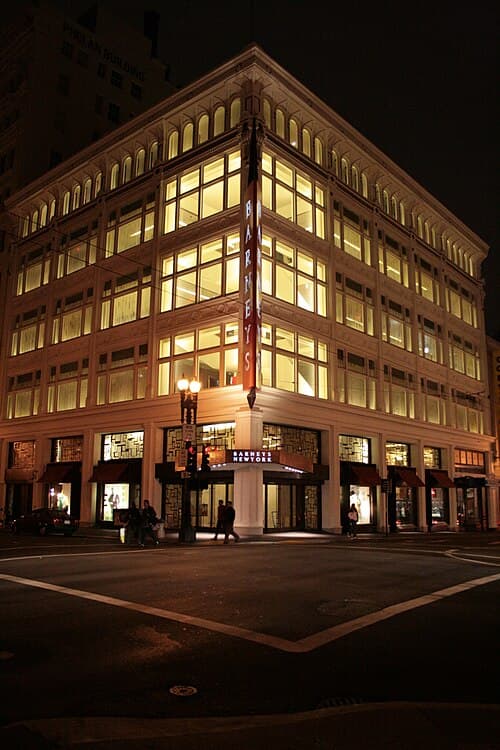
Barneys New York
ORGANIZATION8 w/ Jencks·10 w/ Berghuis
Torres
PERSON9 w/ Jencks·9 w/ Berghuis