Back to Network






6
Shared Docs
6
Same-Page
10 / 6
Mentions
Document Mentions (6 shared documents)
3 mentions1 same-page
Page ?Same page
HOUSE_OVERSIGHT_011754 votes: one for a party list and one for a directly elected Prime Minister. This would be a personal test, an opportunity for Shimon to build on the still-tenuous achievement of Oslo and finally secure the endorsement of the Israeli people. It seemed, for a while, I might even hav
had made Foreign Minister, Shimon Peres. Though the two men had grown to respect each another over the years, Rabin neither trusted, nor much liked, Shimon. In fact, though Peres’s support inside Labor had secured him the foreign ministry, Rabin had stipulated that all peace talks would remain under his
h their lives. Yet there were signs of trouble. The PLO leaders’ relocation to Tunis had reduced their direct influence. But the briefings I got from Shin Bet officers made it clear that some young West Bankers had begun trying to organize attacks against police, soldiers and Israeli civilians. The settleme
3 mentions1 same-page
Page ?Same page
’d agree on a unity government. To my amusement, if not altogether to my surprise, I got word that Bibi was putting out separate political feelers to Shimon Peres. But before long, it became clear there was a specific political motivation behind his approaching me. It was indeed the peace process. But it
And while I did make a brief attempt to return as party leader later in the year, when it was clear I wasn’t going to win, I threw my support behind Shimon and against the other challenger, the longtime labor- union leader Amir Peretz, who was running on a platform to take Labor out of Sharon’s governmen
ed there as well: Danny Yatom, as well as Shaul Mofaz and Uzi Dayan, who was now deputy chief of staff. Newer colleagues, too, like Yossi Ginossar, a Shin Bet veteran who spoke fluent Arabic and, after working in the West Bank and Gaza in the late 1960s became one of the first Israelis to hold secret talks
3 mentions1 same-page
Page ?Same page
HOUSE_OVERSIGHT_028131 votes: one for a party list and one for a directly elected Prime Minister. This would be a personal test, an opportunity for Shimon to build on the still-tenuous achievement of Oslo and finally secure the endorsement of the Israeli people. It seemed, for a while, I might even have
had made Foreign Minister, Shimon Peres. Though the two men had grown to respect each another over the years, Rabin neither trusted, nor much liked, Shimon. In fact, though Peres's support inside Labor had secured him the foreign ministry, Rabin had stipulated that all peace talks would remain under his
h their lives. Yet there were signs of trouble. The PLO leaders' relocation to Tunis had reduced their direct influence. But the briefings I got from Shin Bet officers made it clear that some young West Bankers had begun trying to organize attacks against police, soldiers and Israeli civilians. The settleme
Sponsored
3 mentions1 same-page
Page ?Same page
'd agree on a unity government. To my amusement, if not altogether to my surprise, I got word that Bibi was putting out separate political feelers to Shimon Peres. But before long, it became clear there was a specific political motivation behind his approaching me. It was indeed the peace process. But it
GHT_028163 / BARAK / 30 I'd tried not to pay too much attention to newspaper polls during the campaign, perhaps because even the "good" ones, to use Shimon's phrase, had me with just a narrow lead, with Yitzhik Mordechai's 10 or 11 percent still likely to prevent outright victory in the first round. But
ed there as well: Danny Yatom, as well as Shaul Mofaz and Uzi Dayan, who was now deputy chief of staff. Newer colleagues, too, like Yossi Ginossar, a Shin Bet veteran who spoke fluent Arabic and, after working in the West Bank and Gaza in the late 1960s became one of the first Israelis to hold secret talks
2 mentions1 same-page
Page ?Same page
I told a television interviewer that the government had every right to respond and was doing so effectively. Olmert phoned to thank me. When he, like Shimon, asked what I thought the government should do next, I was straightforward: “Do your best to bring things to an end as soon as you can.” I said that
an and I withdrew into a side room to talk with the chief of staff, Gaby Ashkenazi, as well as the heads of military intelligence, the Mossad and and Shin Bet. We emphasized that no final decision on whether to attack had been taken. That would require a further meeting with the Group of Eight, and then the
2 mentions1 same-page
Page ?Same page
I told a television interviewer that the government had every right to respond and was doing so effectively. Olmert phoned to thank me. When he, like Shimon, asked what I thought the government should do next, I was straightforward: "Do your best to bring things to an end as soon as you can." I said that
an and I withdrew into a side room to talk with the chief of staff, Gaby Ashkenazi, as well as the heads of military intelligence, the Mossad and and Shin Bet. We emphasized that no final decision on whether to attack had been taken. That would require a further meeting with the Group of Eight, and then the
Sponsored
Mutual Connections (534)
Entities connected to both Shimon and Shin Bet
Benjamin Netanyahu
PERSON11 w/ Shimon·13 w/ Shin
Mossad
ORGANIZATION8 w/ Shimon·14 w/ Shin
Ehud Barak
PERSON11 w/ Shimon·9 w/ Shin
Jerusalem
LOCATION9 w/ Shimon·11 w/ Shin
Shimon Peres
PERSON12 w/ Shimon·8 w/ Shin
Lebanon
LOCATION11 w/ Shimon·9 w/ Shin
George W. Bush
PERSON12 w/ Shimon·7 w/ Shin
Fatah
ORGANIZATION11 w/ Shimon·8 w/ Shin
Likud
ORGANIZATION11 w/ Shimon·7 w/ Shin
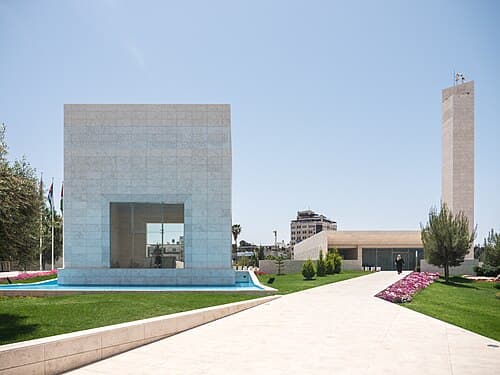
Yasser Arafat
PERSON11 w/ Shimon·7 w/ Shin
United States
LOCATION10 w/ Shimon·7 w/ Shin
Knesset
ORGANIZATION9 w/ Shimon·7 w/ Shin
West Bank
LOCATION9 w/ Shimon·7 w/ Shin
Haifa
LOCATION9 w/ Shimon·7 w/ Shin
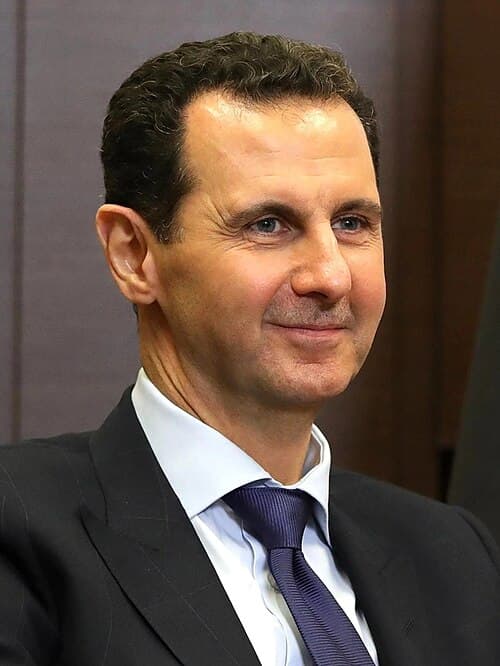
Bashar al-Assad
PERSON7 w/ Shimon·9 w/ Shin
the West Bank
LOCATION8 w/ Shimon·8 w/ Shin
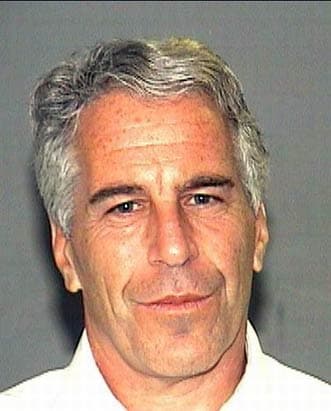
Jeffrey Epstein
PERSON9 w/ Shimon·7 w/ Shin
Ramallah
LOCATION9 w/ Shimon·7 w/ Shin
Sinai
LOCATION9 w/ Shimon·6 w/ Shin
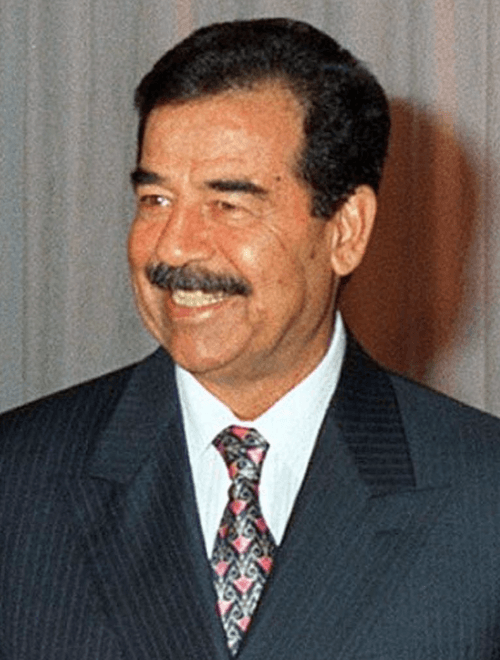
Saddam Hussein
PERSON9 w/ Shimon·6 w/ Shin