Back to Network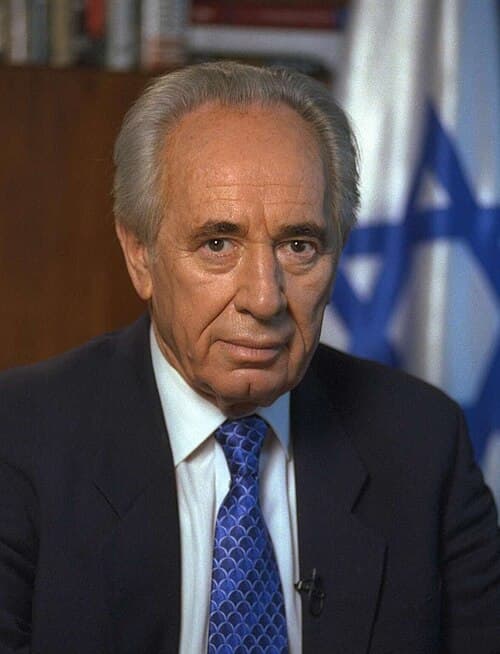





6
Shared Docs
6
Same-Page
9 / 6
Mentions
Document Mentions (6 shared documents)
3 mentions1 same-page
Page ?Same page
HOUSE_OVERSIGHT_011754 votes: one for a party list and one for a directly elected Prime Minister. This would be a personal test, an opportunity for Shimon to build on the still-tenuous achievement of Oslo and finally secure the endorsement of the Israeli people. It seemed, for a while, I might even hav
had made Foreign Minister, Shimon Peres. Though the two men had grown to respect each another over the years, Rabin neither trusted, nor much liked, Shimon. In fact, though Peres’s support inside Labor had secured him the foreign ministry, Rabin had stipulated that all peace talks would remain under his
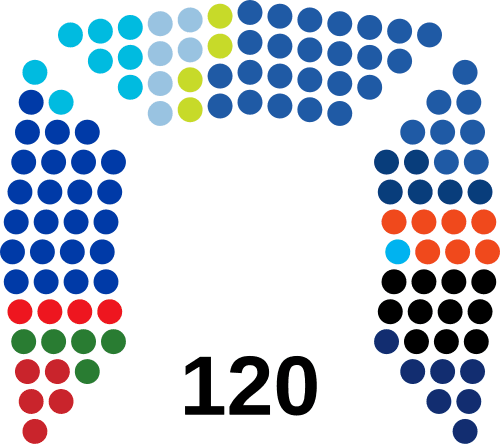
res might bring Labor back to power. There was no prospect he’d win an outright majority in the 120-seat Knesset. No one had ever done that, not even Ben-Gurion in his political heyday. From 1948, Israel’s political landscape had been populated by at least a dozen-or-so parties, mostly a reflection of the var
3 mentions1 same-page
Page ?Same page
rces, it was critical to keep him in the picture. I told them all that we'd be working through the night, and that I had to be able to tell Motta and Shimon by the morning whether we really could mount a rescue mission. I still thought I'd end up having to tell them no. However difficult the obstacles we'
inly Ben-Zion and Bibi, would expect me to say. Not only was Yoni being mourned across Israel after Entebbe. He was being elevated - in the spirit of Shimon's words at the funeral -to something approaching sainthood. I did not want to detract from his evolving status as national hero, or his importance as
Nili. Her parental home was in Tiberias. Her parents were from old Sephardi families, with a centuries-long history in Palestine, and were also solid Ben-Gurion Labor supporters. Her father had fought in the British army in the Second World War. He now ran the branch of Bank Leumi in Tiberias. Her mother ran
3 mentions1 same-page
Page ?Same page
HOUSE_OVERSIGHT_028131 votes: one for a party list and one for a directly elected Prime Minister. This would be a personal test, an opportunity for Shimon to build on the still-tenuous achievement of Oslo and finally secure the endorsement of the Israeli people. It seemed, for a while, I might even have
had made Foreign Minister, Shimon Peres. Though the two men had grown to respect each another over the years, Rabin neither trusted, nor much liked, Shimon. In fact, though Peres's support inside Labor had secured him the foreign ministry, Rabin had stipulated that all peace talks would remain under his
res might bring Labor back to power. There was no prospect he'd win an outright majority in the 120-seat Knesset. No one had ever done that, not even Ben-Gurion in his political heyday. From 1948, Israel's political landscape had been populated by at least a dozen-or-so parties, mostly a reflection of the var
Sponsored
2 mentions1 same-page
Page ?Same page
inly Ben-Zion and Bibi, would expect me to say. Not only was Yoni being mourned across Israel after Entebbe. He was being elevated — in the spirit of Shimon’s words at the funeral —to something approaching sainthood. I did not want to detract from his evolving status as national hero, or his importance as
Nili. Her parental home was in Tiberias. Her parents were from old Sephardi families, with a centuries-long history in Palestine, and were also solid Ben-Gurion Labor supporters. Her father had fought in the British army in the Second World War. He now ran the branch of Bank Leumi in Tiberias. Her mother ran
2 mentions1 same-page
Page ?Same page
I told a television interviewer that the government had every right to respond and was doing so effectively. Olmert phoned to thank me. When he, like Shimon, asked what I thought the government should do next, I was straightforward: “Do your best to bring things to an end as soon as you can.” I said that
tructure, the economy, the internal security and the stability needed for an eventual state to succeed. He was trying to do for the Palestinians what Ben-Gurion had done before 1948. He and I met and talked often but discreetly — sometimes in his office in Ramallah, sometimes in mine, sometimes over dinner in
2 mentions1 same-page
Page ?Same page
I told a television interviewer that the government had every right to respond and was doing so effectively. Olmert phoned to thank me. When he, like Shimon, asked what I thought the government should do next, I was straightforward: "Do your best to bring things to an end as soon as you can." I said that
tructure, the economy, the internal security and the stability needed for an eventual state to succeed. He was trying to do for the Palestinians what Ben-Gurion had done before 1948. He and I met and talked often but discreetly - sometimes in his office in Ramallah, sometimes in mine, sometimes over dinner in
Sponsored
Mutual Connections (614)
Entities connected to both Shimon and Ben-Gurion
Shimon Peres
PERSON12 w/ Shimon·9 w/ Ben-Gurion
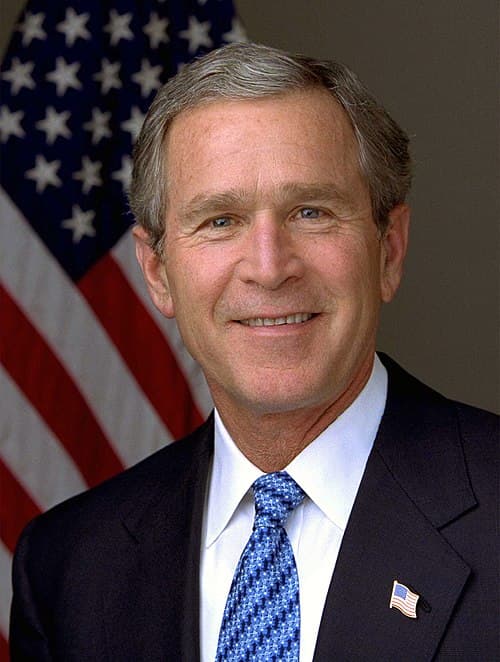
George W. Bush
PERSON12 w/ Shimon·8 w/ Ben-Gurion
Likud
ORGANIZATION11 w/ Shimon·9 w/ Ben-Gurion
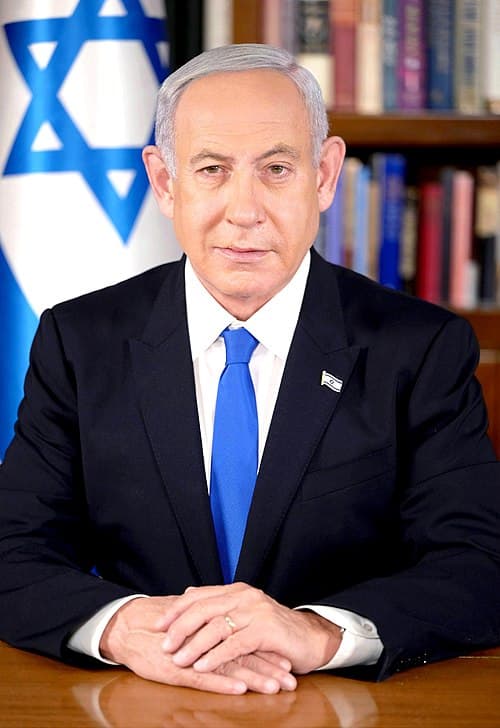
Benjamin Netanyahu
PERSON11 w/ Shimon·9 w/ Ben-Gurion
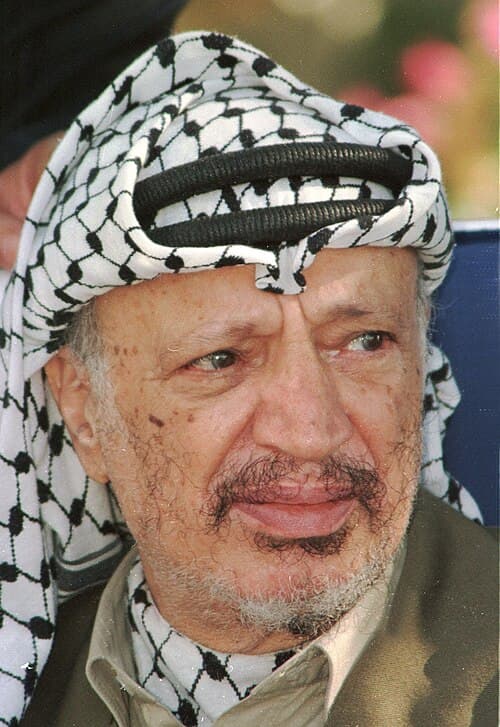
Yasser Arafat
PERSON11 w/ Shimon·7 w/ Ben-Gurion
Ehud Barak
PERSON11 w/ Shimon·7 w/ Ben-Gurion
Fatah
ORGANIZATION11 w/ Shimon·7 w/ Ben-Gurion
Lebanon
LOCATION11 w/ Shimon·7 w/ Ben-Gurion
Jerusalem
LOCATION9 w/ Shimon·8 w/ Ben-Gurion
Saddam Hussein
PERSON9 w/ Shimon·7 w/ Ben-Gurion
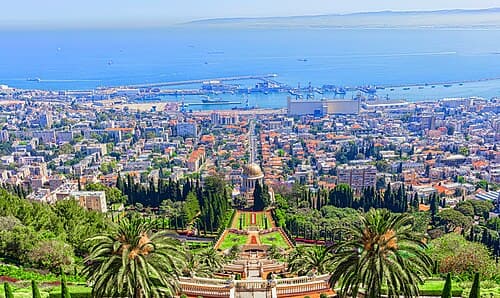
Haifa
LOCATION9 w/ Shimon·7 w/ Ben-Gurion
Knesset
ORGANIZATION9 w/ Shimon·7 w/ Ben-Gurion
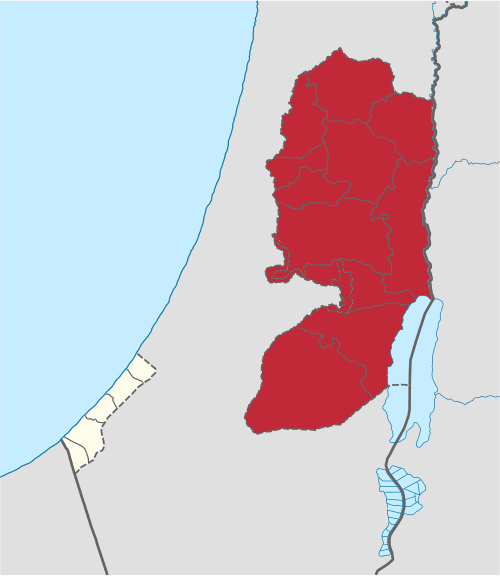
West Bank
LOCATION9 w/ Shimon·6 w/ Ben-Gurion
the West Bank
LOCATION8 w/ Shimon·7 w/ Ben-Gurion
Mossad
ORGANIZATION8 w/ Shimon·7 w/ Ben-Gurion
United States
LOCATION10 w/ Shimon·5 w/ Ben-Gurion
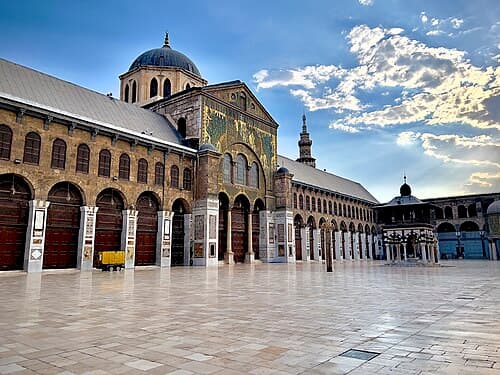
Damascus
LOCATION9 w/ Shimon·6 w/ Ben-Gurion
Baghdad
LOCATION9 w/ Shimon·6 w/ Ben-Gurion
Sinai
LOCATION9 w/ Shimon·6 w/ Ben-Gurion
Bibi Netanyahu
PERSON8 w/ Shimon·6 w/ Ben-Gurion