Back to Network












5
Shared Docs
5
Same-Page
5 / 5
Mentions
Document Mentions (5 shared documents)
2 mentions1 same-page
Page ?Same page
d on interview, rather than practical tests. Could a computer hold a conversation with me and persuade me it is intelligent? Meet Eliza. Invented by Joseph Weizenbaum of the Massachusetts Institute of Technology, and named after George Bernard Shaw’s character in Pygmalion, Eliza runs an algorithm pretending to be
How Alan Turing invented the computer, helped win World War II and left us with one of the greatest puzzles of our time: are humans simply computers or are we more t
2 mentions1 same-page
Page ?Same page
lding - this is fine. Wonderful even. But it’s also not enough. “It happens that programming is a relatively easy craft to learn,” the MIT scientist Joseph Weizenbaum observed in the 1970s, as computers emerged into academic life. “Almost anyone with a reasonably ordered mind can become a good programmer with just
redictability and emergence are regarded as the best way to grow. 119 Long before the idea of a smart phone or 3D goggles, the British mathematician Alan Turing anticipated their arrival when he dreamed of what he called a “universal device”!2°: A notional box that, starting from the ones and zeros of digitiz
2 mentions1 same-page
Page ?Same page
government (or our enemies) behave. We are, ina sense, being engineered by the damn opaque systems we are using. In 1965 the MIT computer scientist Joseph Weizenbaum found himself, somewhat unexpectedly, considering this same problem. 175 Weizenbaum had written a primitive computer program to perform what is now k
ended and the machine began. This was a puzzle that had been, in a sense, anticipated at the very dawn of the digital revolution by the mathematician Alan Turing in a 1950 paper called “Computing Machinery and Intelligence” that he published in the British journal Mind. “Can machines think?” Turing began.?5” H
Sponsored
2 mentions1 same-page
Page ?Same page
e; the Fair Access to Science and Technology Research Act (FASTR); and the Open Humans Foundation. In his 1976 book Computer Power and Human Reason, Joseph Weizenbaum argued that machines should not replace Homo in situations requiring respect, dignity, or care, while others (author Pamela McCorduck and computer sc
- reproducing systems. As an abstraction of life, he modeled a machine that can communicate a computation that constructs itself. And the final thing Alan Turing, who is credited with the theoretical framework for computer science, studied was how the instructions in genes can give rise to physical forms. Thes
Sponsored
Mutual Connections (489)
Entities connected to both Joseph Weizenbaum and Alan Turing
Alan Dershowitz
PERSON7 w/ Joseph·34 w/ Alan
Stephen Hawking
PERSON10 w/ Joseph·27 w/ Alan
Samantha Power
PERSON10 w/ Joseph·14 w/ Alan
Jeffrey Epstein
PERSON2 w/ Joseph·21 w/ Alan
Turing
PERSON6 w/ Joseph·17 w/ Alan
Marc Rich
PERSON10 w/ Joseph·10 w/ Alan
Prince Charles
PERSON6 w/ Joseph·14 w/ Alan
Prince Andrew
PERSON7 w/ Joseph·12 w/ Alan
George W. Bush
PERSON6 w/ Joseph·13 w/ Alan
Harvey Weinstein
PERSON7 w/ Joseph·12 w/ Alan
Eric Trump
PERSON5 w/ Joseph·13 w/ Alan
Eric Schmidt
PERSON4 w/ Joseph·13 w/ Alan
LB
Leon Black
PERSON7 w/ Joseph·9 w/ Alan
Earth
LOCATION6 w/ Joseph·10 w/ Alan
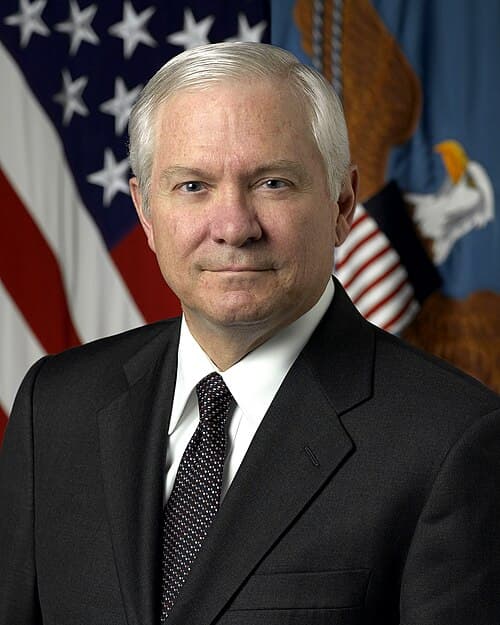
Robert Gates
PERSON8 w/ Joseph·7 w/ Alan
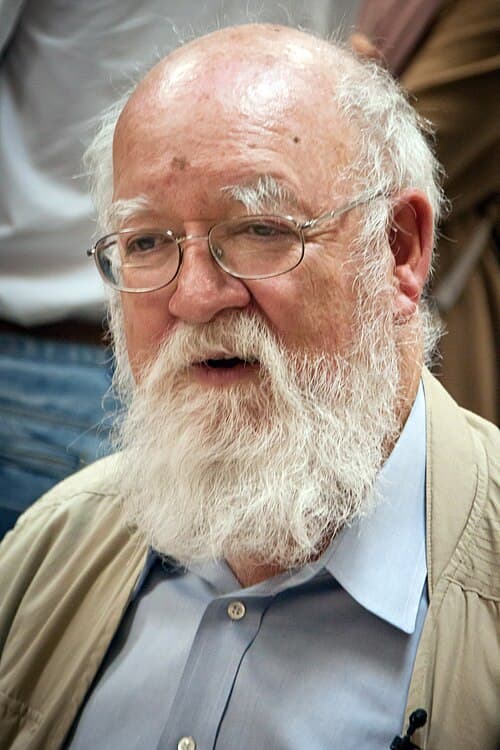
Daniel Dennett
PERSON5 w/ Joseph·10 w/ Alan
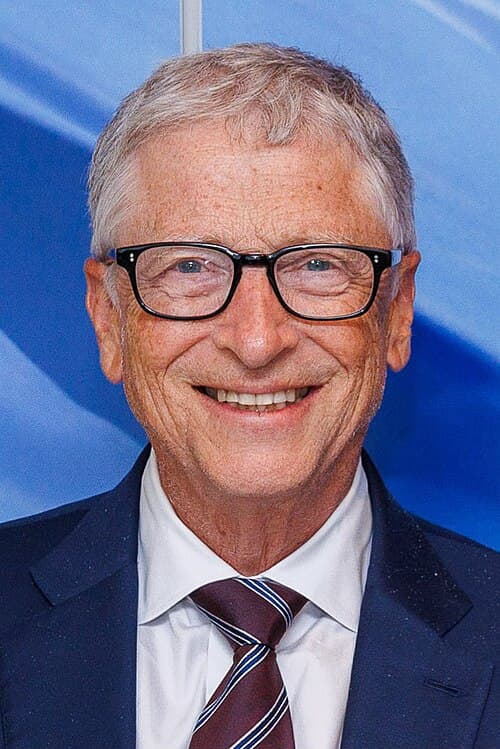
Bill Gates
PERSON8 w/ Joseph·7 w/ Alan
Quantum
ORGANIZATION6 w/ Joseph·9 w/ Alan
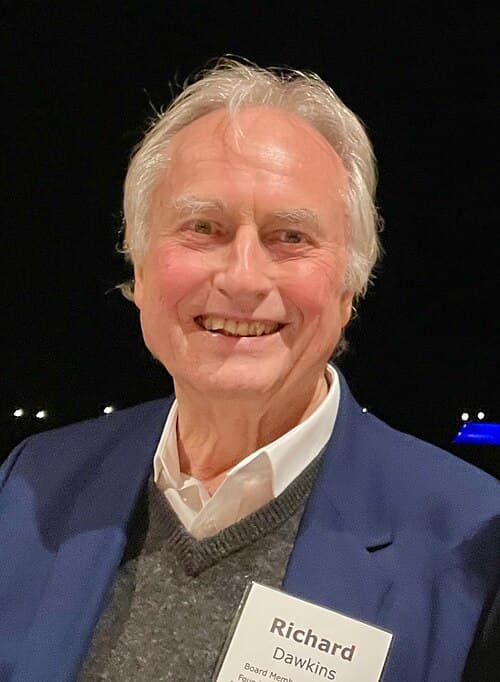
Richard Dawkins
PERSON2 w/ Joseph·12 w/ Alan
Feynman
PERSON6 w/ Joseph·8 w/ Alan