Back to Network




5
Shared Docs
5
Same-Page
5 / 5
Mentions
Document Mentions (5 shared documents)
2 mentions1 same-page
Page ?Same page
pochs of the high cultural achievements at the close of the Classical Period in the Third Century, the Medieval Period in the Fourteenth Century, the Renaissance in the Seventeenth Century and, now, as we know, in the Western World toward the end of the Twentieth Century. An increase in general acceptance of t
he polychromatic properties of light like a talisman. In his essay called Newton, the Man, the early 20" Century Cambridge Don and economic theorist, John Maynard Keynes, said that the Newton of the chapel followed “...certain mystic clues which God had laid about the world to allow a sort of philosopher’s trea
2 mentions1 same-page
Page ?Same page
cientists John Padgett and Walter Powell, after considering examples of epochal, collapsing change in political and biological systems of all sorts - Renaissance finance markets, coral reefs, innovation clusters, and others - summed up their conclusions in a little koan-like package of logic: “In the short run
tually the entire world was pulled into the fire. “In the autumn of 1919, in which I write, we are at the dead season of our fortunes,” the economist John Maynard Keynes wrote after the Paris Peace Conference settled The Great War, dimly aware that an even deader season lay somewhere in the future in the form o
2 mentions1 same-page
Page ?Same page
!. The mouse. Laser printing. A graphical user interface. PARC was arguably the most economically significant small group in human history, an entire Renaissance packed into a couple of dozen offices. Just as the nations that produced the finest mariners once dominated global commerce and decided political que
ine power. Looking back on his formative years, before Europe was ground up in the First World War, the powerfully brilliant and sensitive economist John Maynard Keynes bitterly recalled the iron certainty of his set of friends and their confident, diffident arrogance: “We were not aware that civilization was
Sponsored
2 mentions1 same-page
Page ?Same page
American Physics and the Cold War Bubble (forthcoming). In The Sleepwalkers, a sweeping history of scientific thought from ancient times through the Renaissance, Arthur Koestler identified a tension that has marked the most dramatic leaps of our cosmological imagination. In reading the great works of Nicolaus
ovement of goods is largely automated, as are many services. What’s left for humans to do? In 1930—long before the advent of computers, let alone AI—John Maynard Keynes wrote, in an essay called “Economic Possibilities for our Grandchildren,” that as a result of improvements in productivity, society could prod
2 mentions1 same-page
Page ?Same page
American Physics and the Cold War Bubble (forthcoming). In The Sleepwalkers, a sweeping history of scientific thought from ancient times through the Renaissance, Arthur Koestler identified a tension that has marked the most dramatic leaps of our cosmological imagination. In reading the great works of Nicolaus
ovement of goods is largely automated, as are many services. What’s left for humans to do? In 1930—long before the advent of computers, let alone AI—John Maynard Keynes wrote, in an essay called “Economic Possibilities for our Grandchildren,” that as a result of improvements in productivity, society could prod
Sponsored
Mutual Connections (484)
Entities connected to both Renaissance and John Maynard
Jeffrey Epstein
PERSON51 w/ Renaissance·4 w/ John
Marc Rich
PERSON30 w/ Renaissance·7 w/ John
George W. Bush
PERSON19 w/ Renaissance·8 w/ John
Ghislaine Maxwell
PERSON18 w/ Renaissance·3 w/ John
Eric Trump
PERSON13 w/ Renaissance·6 w/ John
Earth
LOCATION13 w/ Renaissance·5 w/ John
Barack Obama
PERSON13 w/ Renaissance·5 w/ John
Prince Andrew
PERSON13 w/ Renaissance·5 w/ John
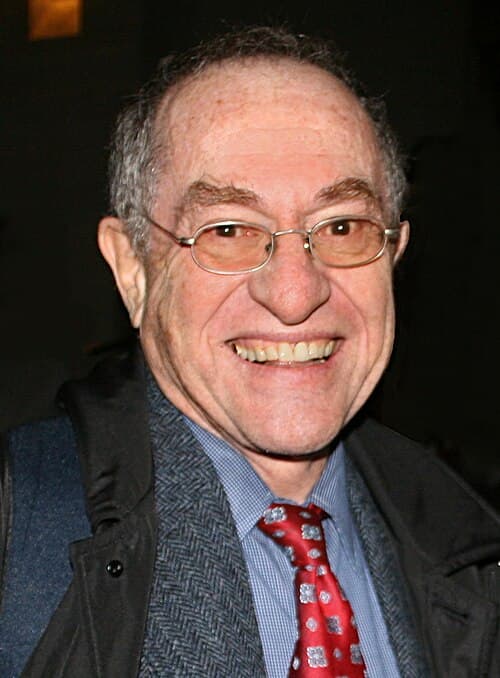
Alan Dershowitz
PERSON12 w/ Renaissance·6 w/ John
Julie K. Brown
PERSON12 w/ Renaissance·6 w/ John
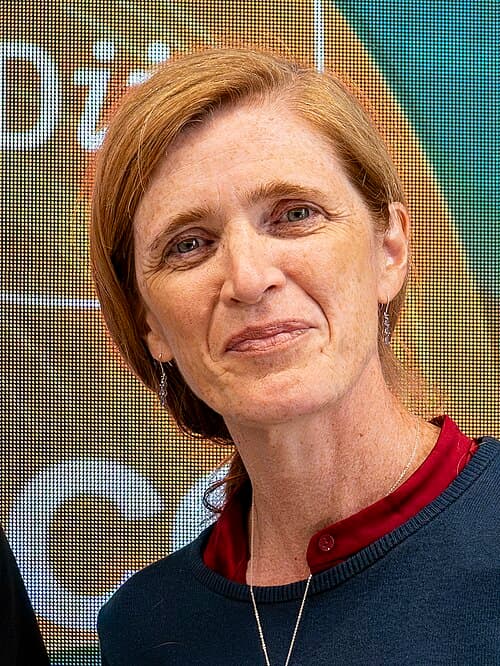
Samantha Power
PERSON12 w/ Renaissance·5 w/ John
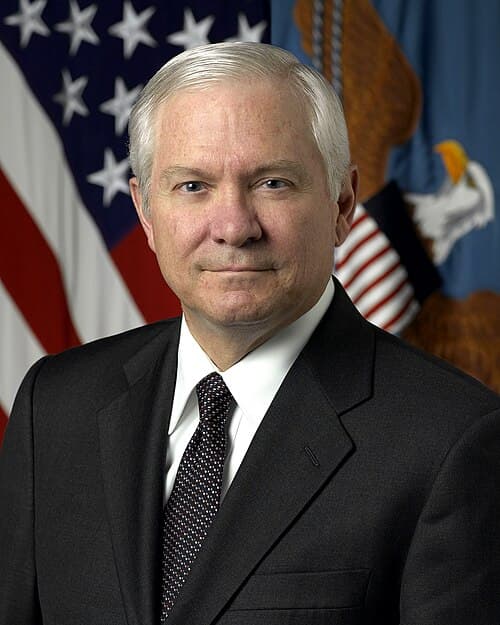
Robert Gates
PERSON14 w/ Renaissance·3 w/ John
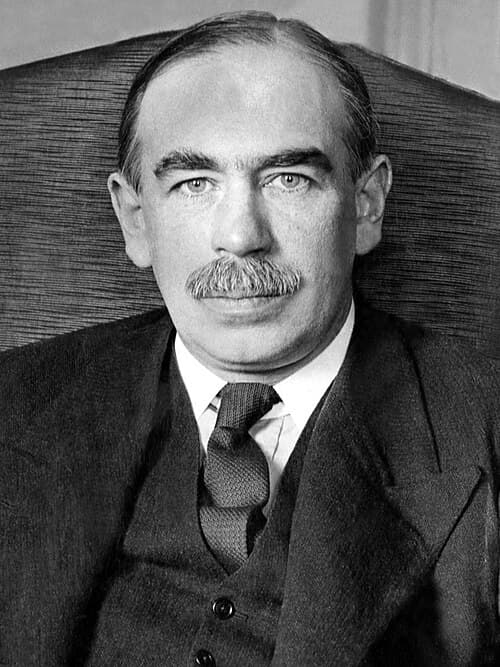
Keynes
PERSON8 w/ Renaissance·9 w/ John
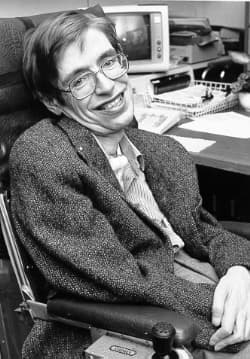
Stephen Hawking
PERSON12 w/ Renaissance·5 w/ John
Donald Trump
PERSON12 w/ Renaissance·4 w/ John
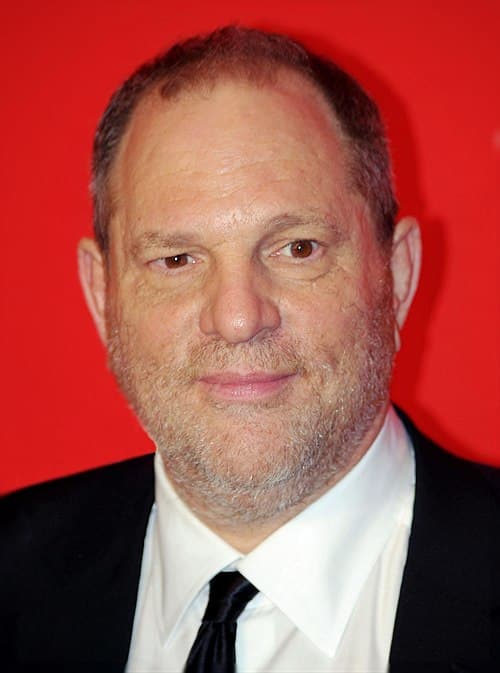
Harvey Weinstein
PERSON11 w/ Renaissance·5 w/ John
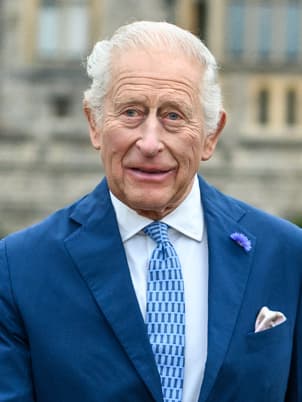
Prince Charles
PERSON12 w/ Renaissance·4 w/ John
LB
Leon Black
PERSON11 w/ Renaissance·4 w/ John
DB
Doug Band
PERSON9 w/ Renaissance·6 w/ John
Michael Cohen
PERSON12 w/ Renaissance·2 w/ John