Back to Network




4
Shared Docs
4
Same-Page
4 / 4
Mentions
Document Mentions (4 shared documents)
2 mentions1 same-page
Page ?Same page
ng the terminals of the circuit of a black box. How can we know our experience of the world is real? Understanding the World The French philosopher Descartes gave us an explanation for this paradox. He spent a long time looking skeptically at everything we perceive. For example, when we poke a stick into a
ns had perfected their calculations to predict the motion of Venus and it proved reliable over a whole century? Would this constitute understanding? Feynman would say no: the Mayan understanding was not complete. It was only black box equivalent to our modern understanding over a limited period. We known
2 mentions1 same-page
Page ?Same page
it allowed us to make sense of the world around us, to plan ahead, and thus cope with all sorts of unexpected things in order to survive. However, as Descartes stated, we humans define our very existence by our ability to think. So it is not surprising that, in an anthropomorphic way, our fears about AI refl
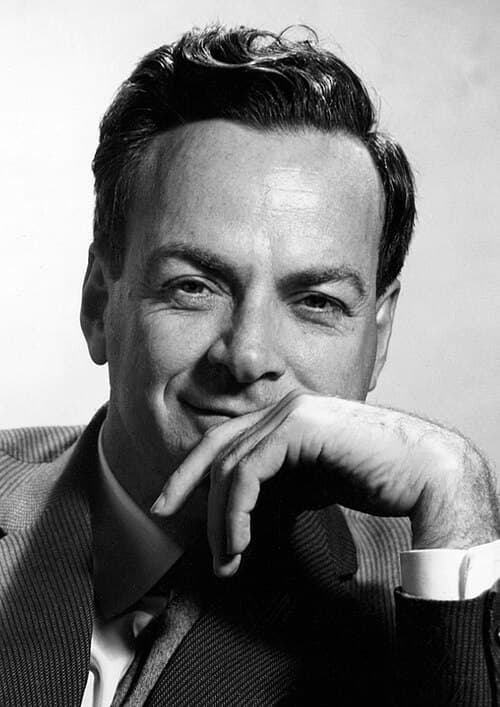
ard Feynman, at which the celebrated physicist remarked, “That is positively the dopiest idea I ever heard.” Maybe “despite” is the wrong word, since Feynman had a well-known predilection for playing with dopey ideas. In the event, he showed up on the day the company was incorporated and stayed on, for sum
2 mentions1 same-page
Page ?Same page
it allowed us to make sense of the world around us, to plan ahead, and thus cope with all sorts of unexpected things in order to survive. However, as Descartes stated, we humans define our very existence by our ability to think. So it is not surprising that, in an anthropomorphic way, our fears about AI refl
ard Feynman, at which the celebrated physicist remarked, “That is positively the dopiest idea I ever heard.” Maybe “despite” is the wrong word, since Feynman had a well-known predilection for playing with dopey ideas. In the event, he showed up on the day the company was incorporated and stayed on, for sum
Sponsored
2 mentions1 same-page
Page ?Same page
is motivation, but because of what he discovered. Newton was convinced that light was made of particles, which he re- ferred to as corpuscles, while Descartes, and later Newton's nemesis Robert Hooke, and still later the Dutch scientist Christiaan Huygens, all claimed that light was a wave. One of the key
seems to offer hope of a world where any dream, no matter how outlandish, is realizable. Other familiar names, Bohr, Schrodinger, Dirac, and later Feynman and Dyson, each made great leaps into the unknown. But they weren't alone. Physics is a collaborative discipline. Too often science stories are wr
Sponsored
Mutual Connections (425)
Entities connected to both Descartes and Feynman
Jeffrey Epstein
PERSON9 w/ Descartes·32 w/ Feynman
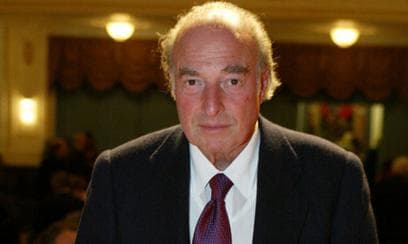
Marc Rich
PERSON12 w/ Descartes·11 w/ Feynman
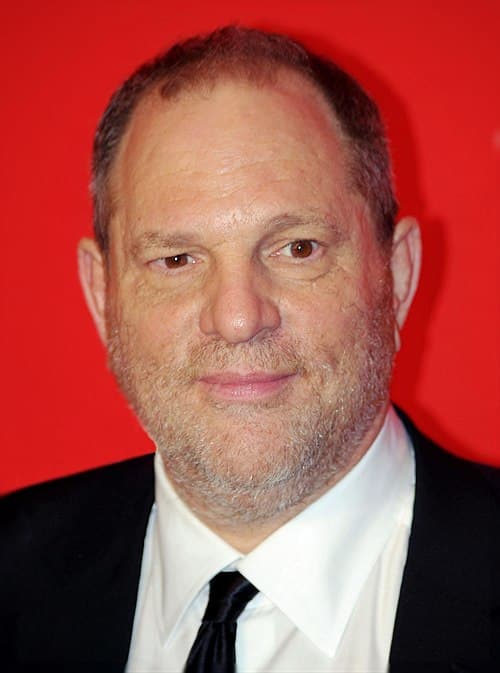
Harvey Weinstein
PERSON8 w/ Descartes·14 w/ Feynman
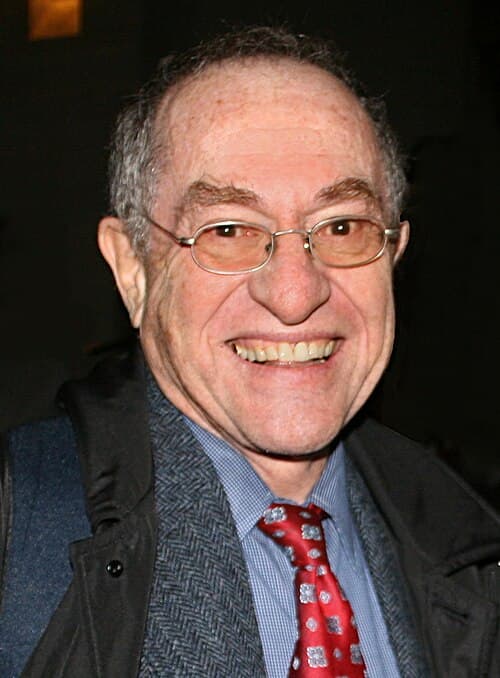
Alan Dershowitz
PERSON5 w/ Descartes·15 w/ Feynman
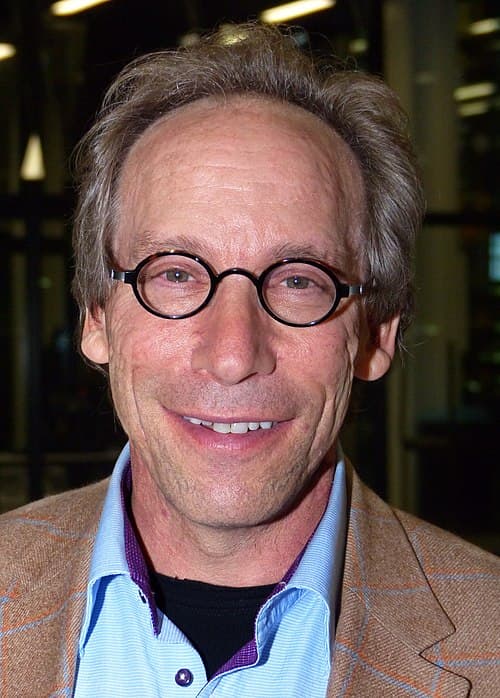
Lawrence Krauss
PERSON5 w/ Descartes·14 w/ Feynman
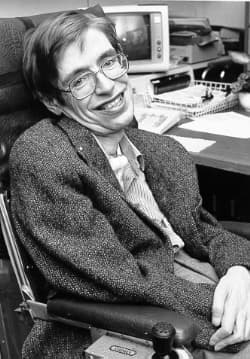
Stephen Hawking
PERSON5 w/ Descartes·13 w/ Feynman
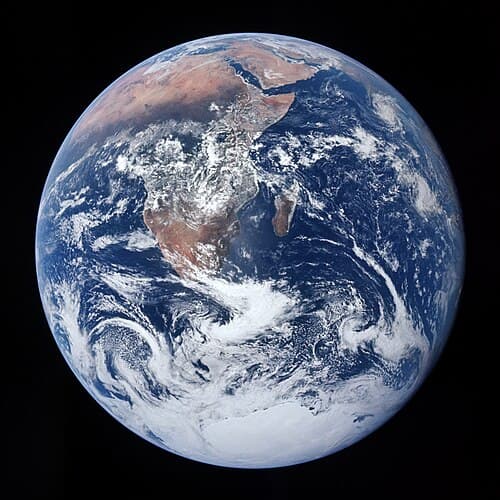
Earth
LOCATION4 w/ Descartes·14 w/ Feynman
Quantum
ORGANIZATION4 w/ Descartes·13 w/ Feynman
Prince Andrew
PERSON7 w/ Descartes·10 w/ Feynman
Richard Feynman
PERSON5 w/ Descartes·12 w/ Feynman
DB
Doug Band
PERSON8 w/ Descartes·9 w/ Feynman
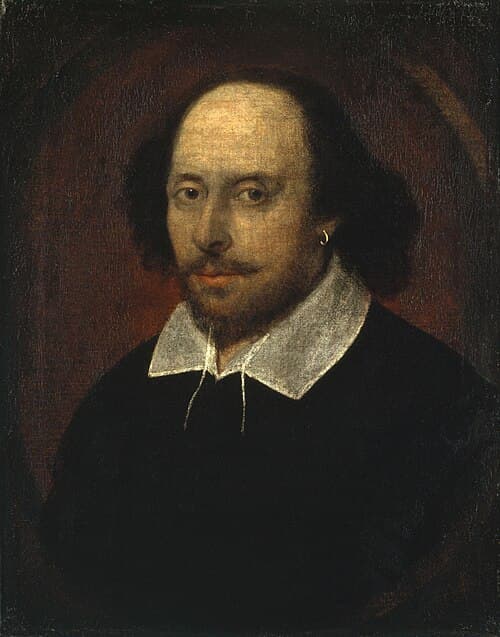
William Shakespeare
PERSON8 w/ Descartes·9 w/ Feynman
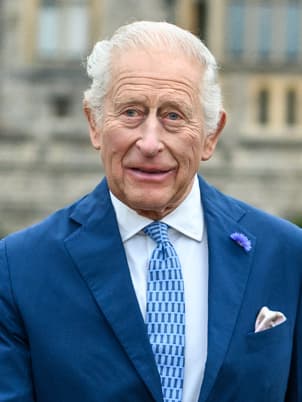
Prince Charles
PERSON9 w/ Descartes·8 w/ Feynman
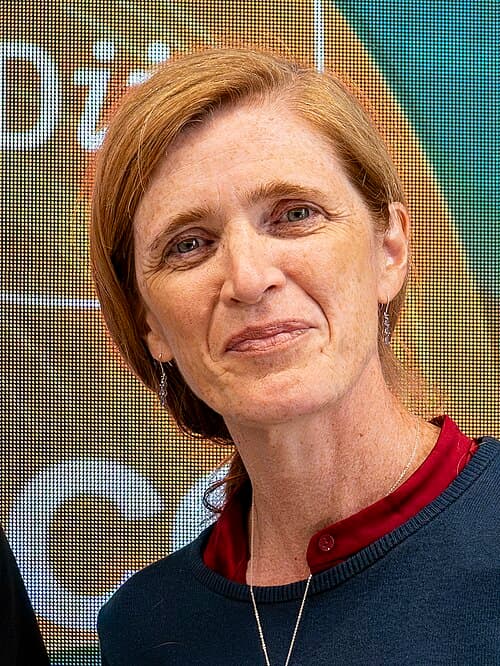
Samantha Power
PERSON7 w/ Descartes·10 w/ Feynman
Julie K. Brown
PERSON6 w/ Descartes·10 w/ Feynman
LB
Leon Black
PERSON6 w/ Descartes·9 w/ Feynman
George W. Bush
PERSON6 w/ Descartes·9 w/ Feynman
Eric Trump
PERSON4 w/ Descartes·11 w/ Feynman
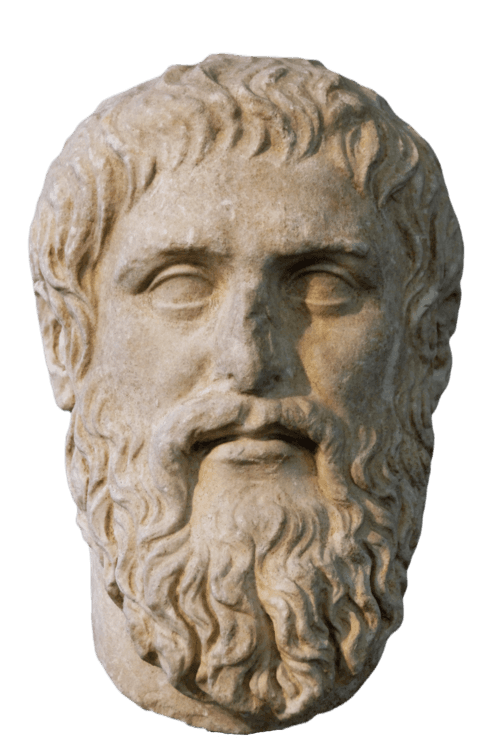
Plato
PERSON6 w/ Descartes·8 w/ Feynman
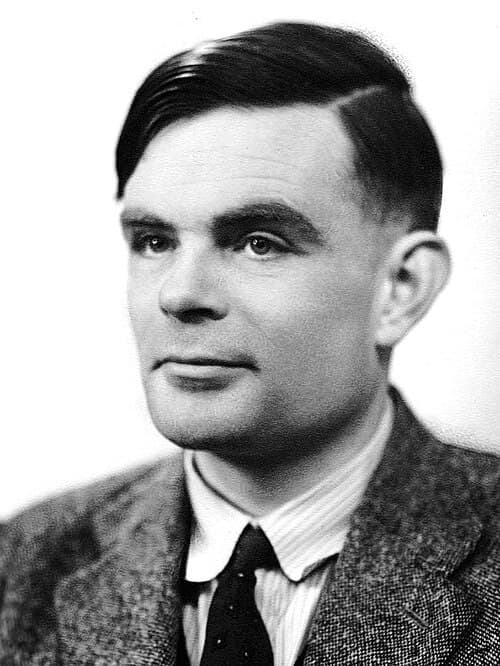
Turing
PERSON4 w/ Descartes·10 w/ Feynman