Back to Network















8
Shared Docs
7
Same-Page
8 / 13
Mentions
Document Mentions (8 shared documents)
3 mentions1 same-page
Page ?Same page
President's delegates to help him discharge his constitutional responsibility to 'take Care that the Laws be faithfully executed.' United States v. Armstrong, 517 U.S. 456, 464 (1996) (quoting Wayte v. United States, 470 U.S. 598, 607 (1985); quoting U.S. Const., Art. II § 3; citing 28 U.S.C. §§ 516, 547)
of Petitioners' Motion for Finding of Violations — does not always provide a remedy, even when a federal criminal case exists. In United States v. Rubin, 558 F. Supp. 2d 411 (E.D.N.Y. 2008), the district court treated the victims with a fair amount of skepticism, and noted that the government believ
that the victims were attempting to use the CVRA to obtain discovery from the defendant. Id. at 416, 425. With respect to certain CVRA rights, the Rubin court noted the lack of a remedy: The CVRA also lists among the rights secured to a victim the right to "be treated with fairness and with respect
3 mentions1 same-page
Page ?Same page
egates to help him discharge his constitutional responsibility to `take Care that the EFTA00208520 Laws be faithfully executed.'" United States v. Armstrong, 517 U.S. 456, 464 (1996) (quoting Wayte v. United States , 470 U.S. 598, 607 (1985); quoting U.S. Const., Art. II § 3; citing 28 U.S.C. §§ 516, 547
ctims with a fair amount of skepticism, and noted that the government believed that the victims were trying to use the CVRA as a mechanism to "undo Rubin's guilty plea in exchange for a favorable settlement of their ongoing civil suit in California state court. Movants take vigorous exception to any [
of Petitioners' Motion for Finding of Violations — does not always provide a remedy, even when a federal criminal case exists. In United States v. Rubin , 558 F. Supp. 2d 411 (E.D.N.Y. 2008), the district court treated the victims with a fair amount of skepticism, and noted that the government believ
3 mentions1 same-page
Page ?Same page
President's delegates to help him discharge his constitutional responsibility to 'take Care that the Laws be faithfully executed.' United States v. Armstrong, 517 U.S. 456, 464 (1996) (quoting Wayte v. United States, 470 U.S. 598, 607 (1985); quoting U.S. Const., Art. II § 3; citing 28 U.S.C. §§ 516, 547)
of Petitioners' Motion for Finding of Violations — does not always provide a remedy, even when a federal criminal case exists. In United States v. Rubin, 558 F. Supp. 2d 411 (E.D.N.Y. 2008), the district court treated the victims with a fair amount of skepticism, and noted that the government believ
that the victims were attempting to use the CVRA to obtain discovery from the defendant. Id. at 416, 425. With respect to certain CVRA rights, the Rubin court noted the lack of a remedy: The CVRA also lists among the rights secured to a victim the right to "be treated with fairness and with respect
Sponsored
3 mentions1 same-page
Page ?Same page
resident's delegates to help him discharge his constitutional responsibility to `take Care that the Laws be faithfully executed.'" United States v. Armstrong, 517 U.S. 456, 464 (1996) (quoting Wayte v. Untied States, 470 U.S. 598, 607 (1985); quoting U.S. Const., Art. II § 3; citing 28 U.S.C. §§ 516, 547)
that the victims were attempting to use the CVRA to obtain discovery from the defendant. Id. at 416, 425. With respect to certain CVRA rights, the Rubin court noted the lack of a remedy: The CVRA also lists among the rights secured to a victim the right to "be treated with fairness and with respect
of Petitioners' Motion for Finding of Violations — does not always provide a remedy, even when a federal criminal case exists. In United States v. Rubin, 558 F. Supp. 2d 411 (E.D.N.Y. 2008), the district court treated the victims with a fair amount of skepticism, and noted that the government believ
3 mentions1 same-page
Page ?Same page
t to charge, are all in the prosecutor's discretion." United States'. BP Products North America, Inc., 2008 WL 501321 at *11, citing United States'. Armstrong, 517 U.S. 456, 464 (1996Xquoting Bordenkircherl. Hayes, 434 U.S. 357, 364 (1978)). Allowing claims like Petitioners' to proceed would open the inne
that the victims were attempting to use the CVRA to obtain discovery from the defendant. Id. at 416, 425. With respect to certain CVRA rights, the Rubin court noted the lack of a remedy: The CVRA also lists among the rights secured to a victim the right to "be treated with fairness and with respect
s of Petitioners' Motion for Finding of Violations — does not always provide a remedy, even when a federal criminal case exists. In United States'. Rubin, 558 F. Supp. 2d 411 (E.D.N.Y. 2008), the district court treated the victims with a fair amount of skepticism, and noted that the government believ
2 mentions1 same-page
Page ?Same page
public officials in the Executive Branch. See U.S. Const. art. II, § 3 (duty to "take Care that the Laws be faithfully executed"); United States'. Armstrong, 517 U.S. 456, 467 (1996) ("power to prosecute" is "one of the core powers of the Executive Branch"). There is no history of "any private prosecutio
ictims of their rights if the government has not verified to at least an elementary degree that a crime has actually taken place[.]" United States'. Rubin, 558 F.Supp. 2d 411, 419 (E.D.N.Y. 2008). I ANY AMENDMENT TO ADD JANE DOE NO. 3 AND JANE DOE NO. 4 WOULD NOT RELATE BACK UNDER RULE 15(c)(1)(B)
Sponsored
2 mentions1 same-page
Page ?Same page
g principle that It]he Attorney General and United States Attorneys retain broad discretion to enforce the Nation's criminal laws." United States v. Armstrong, 517 U.S. 456, 464 (1996). This is due in large pan to the separation of powers doctrine — prosecutors are delegates of the President, helping him
ly compromising its ability to be impartial to the government and defendant, the only true parties to the trial of the indictment." United States'. Rubin, 558 F. Supp. 2d 411, 428 (E.D.N.Y. 2008). 4 EFTA00177118 Case 9:08-cv-80736-KAM Document 58 Entered on FLSD Docket 04/07/2011 Page 5 of 15 crim
HOUSE_OVERSIGHT_016509 - HOUSE_OVERSIGHT_016551
Article: Criminal Enforcement Redundancy: Oversight of Decisions Not to Prosecute
2 mentions
Page HOUSE_OVERSIGHT_016511
97 U.S. 358, 364 (1970) (holding that proof beyond a reasonable doubt is constitutionally required under the Due Process Clause). ° United States v. Armstrong, 517 U.S. 456, 456-71 (1996) (examining selective prosecution claim based on racial bias); see also Whren v. United States, 517 U.S. 806, 813 (1996)
Page: HOUSE_OVERSIGHT_016511 →Page HOUSE_OVERSIGHT_016535
respect for [his or her] dignity and privacy,’ ... may apply before any prosecution is underway" (quoting /8 U.S.C. § 377I(a))); cf. United States v. Rubin, 558 F. Supp. 2d 411, 419 (E.D.N.Y. 2008) (assuming without deciding that some federal victim rights may apply before any prosecution is under way, b
Page: HOUSE_OVERSIGHT_016535 →Sponsored
Mutual Connections (770)
Entities connected to both Armstrong and Rubin
Jeffrey Epstein
PERSON53 w/ Armstrong·296 w/ Rubin
LB
Leon Black
PERSON26 w/ Armstrong·167 w/ Rubin
Prince Andrew
PERSON19 w/ Armstrong·168 w/ Rubin
Donald Trump
PERSON14 w/ Armstrong·170 w/ Rubin
Marc Rich
PERSON9 w/ Armstrong·150 w/ Rubin
Colorado
LOCATION8 w/ Armstrong·141 w/ Rubin
Michael Cohen
PERSON7 w/ Armstrong·137 w/ Rubin
William Barr
PERSON5 w/ Armstrong·136 w/ Rubin
MW
Martin Weinberg
PERSON14 w/ Armstrong·126 w/ Rubin
Alexander Acosta
PERSON5 w/ Armstrong·124 w/ Rubin
United States
LOCATION36 w/ Armstrong·91 w/ Rubin
Denver
LOCATION4 w/ Armstrong·120 w/ Rubin
Steve Bannon
PERSON5 w/ Armstrong·113 w/ Rubin
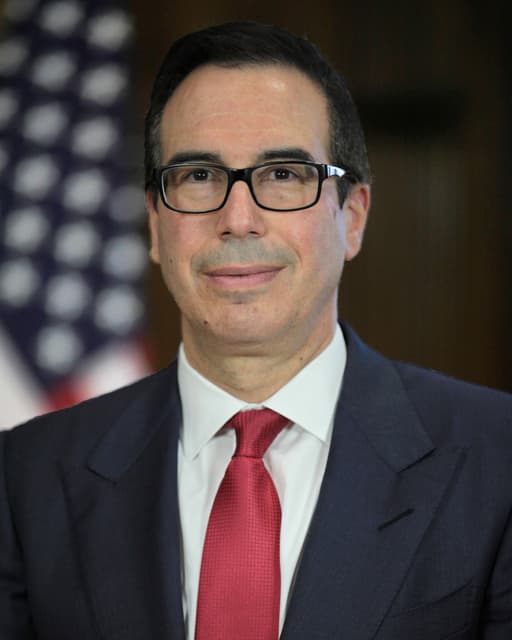
Steven Mnuchin
PERSON3 w/ Armstrong·110 w/ Rubin
George W. Bush
PERSON22 w/ Armstrong·91 w/ Rubin
Tony Blair
PERSON4 w/ Armstrong·106 w/ Rubin
BE
Berger
PERSON3 w/ Armstrong·105 w/ Rubin
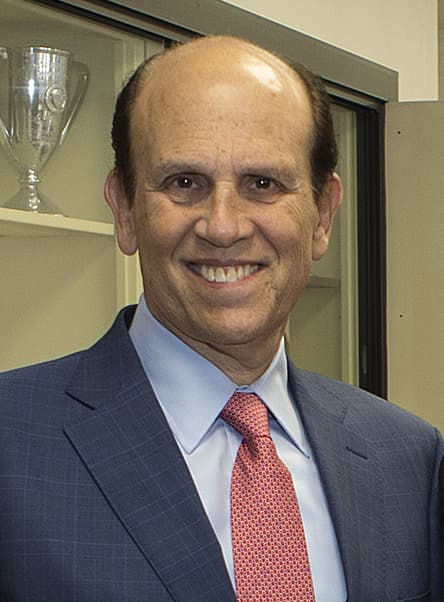
Michael Milken
PERSON4 w/ Armstrong·103 w/ Rubin
Department of Justice
ORGANIZATION22 w/ Armstrong·83 w/ Rubin
Credit Suisse
ORGANIZATION2 w/ Armstrong·103 w/ Rubin