Back to Network














8
Shared Docs
8
Same-Page
8 / 8
Mentions
Document Mentions (8 shared documents)
2 mentions1 same-page
Page ?Same page
for the purpose of " requi ment fly in the face of the two Suprems Court decisions addressing that element. See Hansen'. Huff, 291 U.S. 559 (1934); Mortensen. United States, 322 U.S. 369 (1944). Santos and Cuellar speak loudly and clearly against prosecutors seeing such elasticity in federal criminal stat
olations of 18 U.S.C. §§ 1591, 2422(b) and 2423(b). Since the limited review conducted by CEOS, two Supreme Court decisions—one authored by Justice Scalia and the other by Justice Thomas—have revitalized the bedrock principles that federal criminal statutes must be narrowly construed, that they may not
2 mentions1 same-page
Page ?Same page
cts, they travel for that purpose, is to emphasize that which is incidental and ignore what is of primary significance." Id. at 562-63. Likewise, in Mortensen v. United States, 322 U.S. 369 (1944), defendants were convicted after two women they employed as prostitutes at their Nebraska brothel traveled to
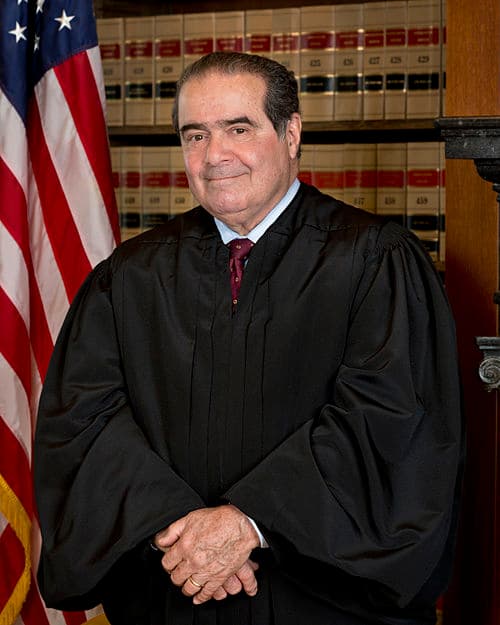
law that existed when the conduct took place has timeless and universal appeal." Kaiser Alum. & Chem. Corp. v. Bonjorno, 494 U.S. 827, 855 (1990) (Scalia, J., concurring). Id. at 265 (footnote omitted). Courts therefore apply the statute in effect at the time of the underlying conduct unless there is
2 mentions1 same-page
Page ?Same page
cts, they travel for that purpose, is to emphasize that which is incidental and ignore what is of primary significance." Id. at 562-63. Likewise, in Mortensen v. United States, 322 U.S. 369 (1944), defendants were convicted after two women they employed as prostitutes at their Nebraska brothel traveled to
law that existed when the conduct took place has timeless and universal appeal." Kaiser Alum. & Chem. Corp. v. Bonjorno, 494 U.S. 827, 855 (1990) (Scalia, J., concurring). Id. at 265 (footnote omitted). Courts therefore apply the statute in effect at the time of the underlying conduct unless there is
Sponsored
2 mentions1 same-page
Page ?Same page
cts, they travel for that purpose, is to emphasize that which is incidental and ignore what is of primary significance." Id. at 562-63. Likewise, in Mortensen v. United States, 322 U.S. 369 (1944), defendants were convicted after two women they employed as prostitutes at their Nebraska brothel traveled to
law that existed when the conduct took place has timeless and universal appeal." Kaiser Alum. & Chem. Corp. v. Bonjorno, 494 U.S. 827, 855 (1990) (Scalia, J., concurring). Id. at 265 (footnote omitted). Courts therefore apply the statute in effect at the time of the underlying conduct unless there is
2 mentions1 same-page
Page ?Same page
cts, they travel for that purpose, is to emphasize that which is incidental and ignore what is of primary significance." Id. at 562-63. Likewise, in Mortensen v. United States, 322 U.S. 369 (1944), defendants were convicted after two women they employed as prostitutes at their Nebraska brothel traveled to
law that existed when the conduct took place has timeless and universal appeal." Kaiser Alum. & Chem. Corp. v. Bonjorno, 494 U.S. 827, 855 (1990) (Scalia, J., concurring). Id. at 265 (footnote omitted). Courts therefore apply the statute in effect at the time of the underlying conduct unless there is
2 mentions1 same-page
Page ?Same page
cts, they travel for that purpose, is to emphasize that which is incidental and ignore what is of primary significance." Id. at 562-63. Likewise, in Mortensen v. United States, 322 U.S. 369 (1944), defendants were convicted after two women they employed as prostitutes at their Nebraska brothel traveled to
law that existed when the conduct took place has timeless and universal appeal." Kaiser Alum. & Chem. Corp. v. Bonjorno, 494 U.S. 827, 855 (1990) (Scalia, J., concurring). Id. at 265 (footnote omitted). Courts therefore apply the statute in effect at the time of the underlying conduct unless there is
Sponsored
2 mentions1 same-page
Page ?Same page
cts, they travel for that purpose, is to emphasize that which is incidental and ignore what is of primary significance." Id. at 562-63. Likewise, in Mortensen'. United States 322 U.S. 369 (1944), defendants were convicted after two women they employed as prostitutes at their Nebraska brothel traveled to U
der the law that existed when the con uct took place has timeless and universal appeal." Kaiser Alum. & trt Corp . B mo 494 U.S. 827, 855 (1990) (Scalia, J., concurring). Id. at 265 (footnote omitted). Courts therefore apply the statute in effect at the time of the underlying conduct unless there is
2 mentions1 same-page
Page ?Same page
going determination, it is not necessary to examine the further contention of appellant that the judgment should be versed under authority of of Mortensen United States, 322 U.S. 369, 64 S.Ct. 1 . The judgment is reversed and the caw remanded with directions to enter judg- ment of acquittal. SANBOR
y affect interstate commerce. See also United States I Ili 514 U.S. 549, 558-59, 115 S.Ct. 1624, 1 1 L. .2d 626 (1995); Reich, 125 S.Ct. at 2215 (Scalia, J., concurring) (noting that *1103 for over thirty years, "our cases have mechanically recited that the Commerce Clause permits congressional reg
Sponsored
Mutual Connections (212)
Entities connected to both Mortensen and Scalia
Jeffrey Epstein
PERSON25 w/ Mortensen·32 w/ Scalia
United States
LOCATION26 w/ Mortensen·30 w/ Scalia
George W. Bush
PERSON15 w/ Mortensen·28 w/ Scalia
LB
Leon Black
PERSON19 w/ Mortensen·21 w/ Scalia
Supreme Court
ORGANIZATION18 w/ Mortensen·21 w/ Scalia
Alexander Acosta
PERSON17 w/ Mortensen·15 w/ Scalia
Scarlett Johansson
PERSON11 w/ Mortensen·18 w/ Scalia
Virginia Giuffre
PERSON13 w/ Mortensen·15 w/ Scalia
Department of Justice
ORGANIZATION12 w/ Mortensen·16 w/ Scalia
EV
Evans
PERSON18 w/ Mortensen·9 w/ Scalia
JD
Jane Doe
PERSON13 w/ Mortensen·14 w/ Scalia
EL
Ellis
PERSON18 w/ Mortensen·6 w/ Scalia
Jennifer Lopez
PERSON17 w/ Mortensen·7 w/ Scalia
Alan Dershowitz
PERSON11 w/ Mortensen·13 w/ Scalia
Marc Rich
PERSON12 w/ Mortensen·12 w/ Scalia
JG
Jack Goldberger
PERSON13 w/ Mortensen·11 w/ Scalia
Prince Andrew
PERSON7 w/ Mortensen·17 w/ Scalia
Julie K. Brown
PERSON4 w/ Mortensen·19 w/ Scalia
MU
Murrell
PERSON13 w/ Mortensen·9 w/ Scalia
Alfredo Rodriguez
PERSON9 w/ Mortensen·12 w/ Scalia