Back to Network










4
Shared Docs
4
Same-Page
7 / 4
Mentions
Document Mentions (4 shared documents)
3 mentions1 same-page
Page ?Same page
step down from his other post, as Chin='s president, next March, but that is a far less substantial job. His pr=decessors, Jiang Zemin and the late Deng Xiaoping, both kept the military =ost for a couple of years after leaving the Politburo, ostensibly to ensur= a smooth transition. Not since Hua Guofeng took
l job. His pr=decessors, Jiang Zemin and the late Deng Xiaoping, both kept the military =ost for a coupl
Mr Hu. The membership of the Politburo Sta=ding Committee, the party's ruling body, bears Mr Jiang's imprint. Mr =i and the man expected to succeed Wen Jiabao as prime minister next March,=Li Keqiang, are the only two left from the outgoing committee, which has b=en reduced from nine members to seven. Of t
3 mentions1 same-page
Page ?Same page
atisfying the material needs of its people. The people along China's east coast, in particular, have been able to enjoy rapidly growing prosperity. Deng Xiaoping, the reformer, deliberately chose to develop the coastal regions first. Under Deng's policies, the losers were primarily in rural areas and in west
ar, have been able to enjoy rapidly growing prosperity. Deng Xiaoping, the reformer, deliberately chose to develop the coastal regions first. Under Deng's policies, the losers were primarily in rural areas and in western China. Nowadays, when Shanghai residents take a taxi they can learn about the
government attaches great importance to the strategy, as evidenced by the fact that it has appointed a special "leadership group" headed by Premier Wen Jiabao, as well as a separate agency, to manage the program. The new strategy was adopted in 1999, under then President Jiang Zemin. Even though Jiang may
3 mentions1 same-page
Page ?Same page
for Constructive Vigilance HOUSE_OVERSIGHT_020459 Introduction For three and a half decades following the end of the Maoist era, China adhered to Deng Xiaoping’s policies of “reform and opening to the outside world” and “peaceful development.” After Deng retired as paramount leader, these principles continued
the end of the Maoist era, China adhered to Deng Xiaoping’s policies of “reform and opening to the outside world” and “peaceful development.” After Deng retired as paramount leader, these principles continued to guide China’s international behavior in the leadership eras of Jiang Zemin and Hu Jintao.
what has come to be known as the Grand Overseas Propaganda Campaign (AJB), first promoted by the administration of Party Chief Hu Jintao and Premier Wen Jiabao. The International Herald Leader, a publication of the Xinhua News Agency, reported in 2009 that foreign propaganda work had been elevated by the Par
Sponsored
2 mentions1 same-page
Page ?Same page
ch is controlled by the Communist Party, published an analysis on the Web site of the business magazine Caijing. According to Agence France-Presse, Deng argued that President Hu Jintao and Prime Minister Wen Jiabao "had `created more problems than achievements' during their 10 years in power. ... Th
alysis on the Web site of the business magazine Caijing. According to Agence France-Presse, Deng argued that President Hu Jintao and Prime Minister Wen Jiabao "had `created more problems than achievements' during their 10 years in power. ... The article highlighted 10 problems facing China that it said we
Sponsored
Mutual Connections (55)
Entities connected to both Deng Xiaoping and Wen Jiabao
George W. Bush
PERSON82 w/ Deng·3 w/ Wen
Jeffrey Epstein
PERSON65 w/ Deng·7 w/ Wen
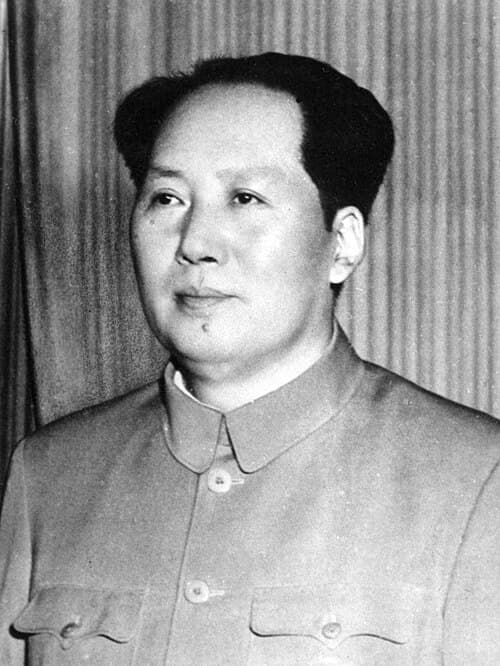
Mao Zedong
PERSON60 w/ Deng·3 w/ Wen
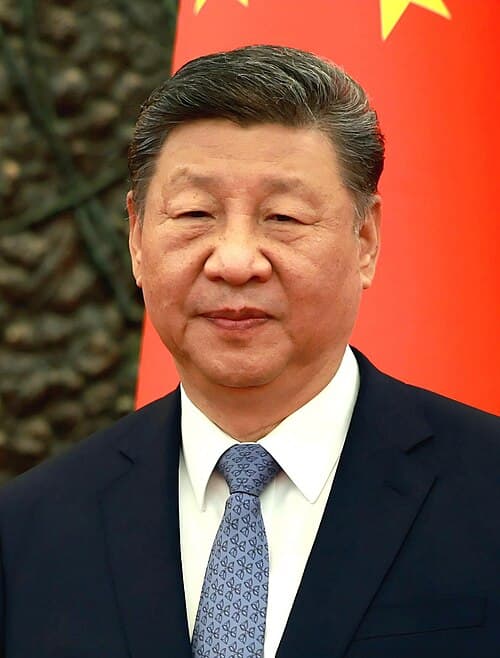
Xi Jinping
PERSON42 w/ Deng·3 w/ Wen
Barack Obama
PERSON40 w/ Deng·4 w/ Wen
Marc Rich
PERSON40 w/ Deng·3 w/ Wen
United States
LOCATION35 w/ Deng·3 w/ Wen
Eric Trump
PERSON19 w/ Deng·2 w/ Wen
Bashar al-Assad
PERSON18 w/ Deng·2 w/ Wen
Cynthia Nixon
PERSON18 w/ Deng·2 w/ Wen
Bloomberg L.P.
ORGANIZATION16 w/ Deng·3 w/ Wen
Middle East
LOCATION17 w/ Deng·2 w/ Wen
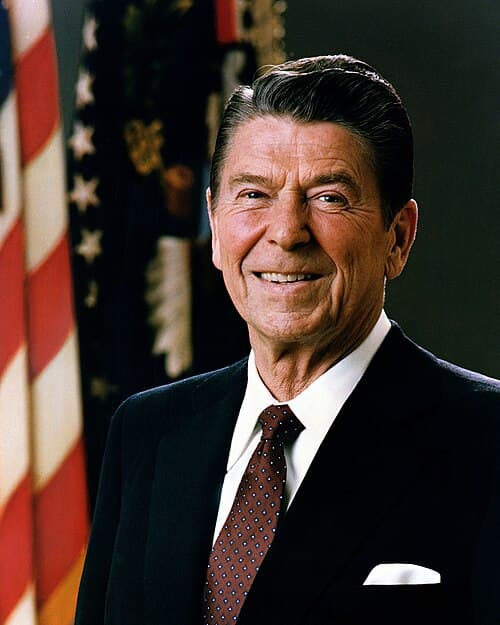
Ronald Reagan
PERSON16 w/ Deng·2 w/ Wen
Woody Allen
PERSON14 w/ Deng·2 w/ Wen
GOP
ORGANIZATION13 w/ Deng·2 w/ Wen
East Asia
LOCATION13 w/ Deng·2 w/ Wen
Samantha Power
PERSON13 w/ Deng·2 w/ Wen
JPMorgan Chase
ORGANIZATION12 w/ Deng·3 w/ Wen
Richard Nixon
PERSON12 w/ Deng·2 w/ Wen
the Soviet Union
LOCATION11 w/ Deng·3 w/ Wen