Back to People & Entities

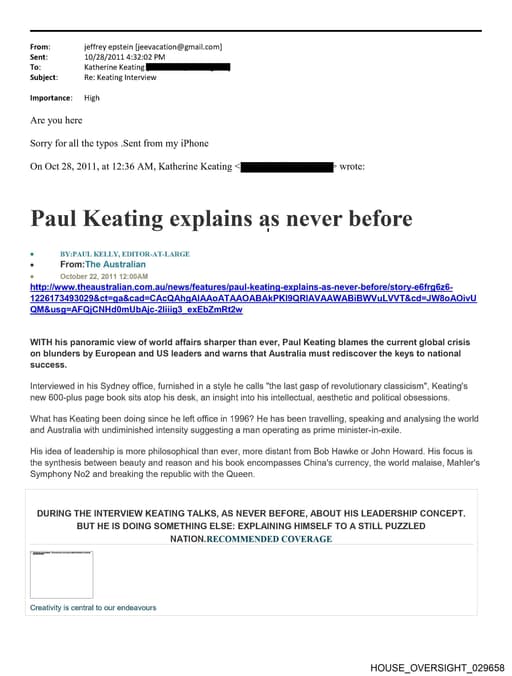
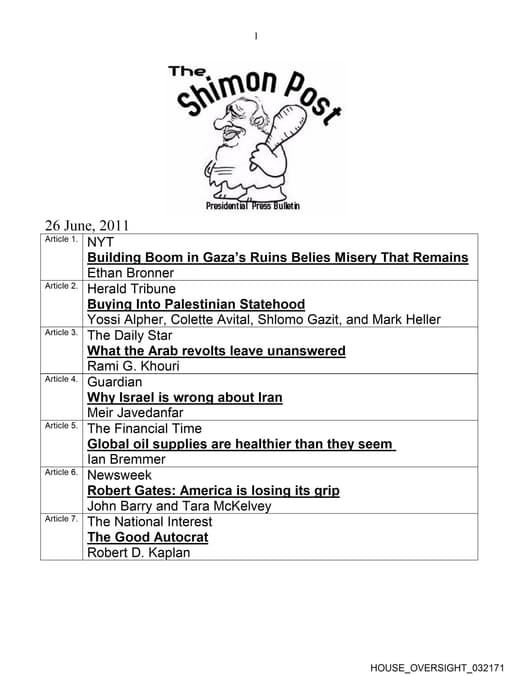
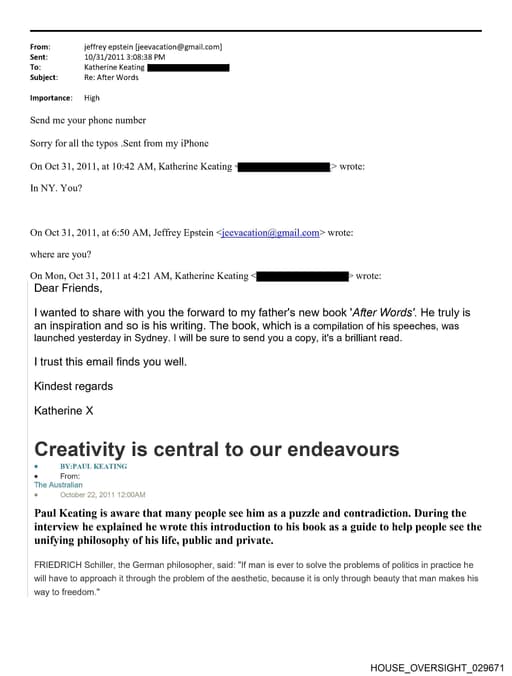
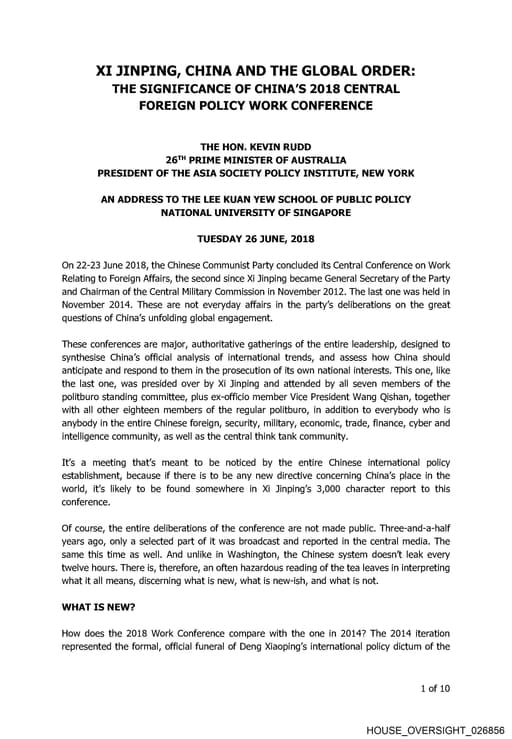
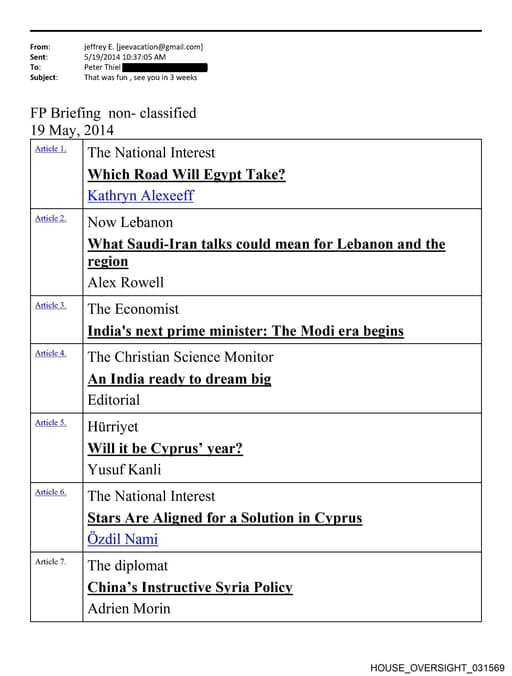
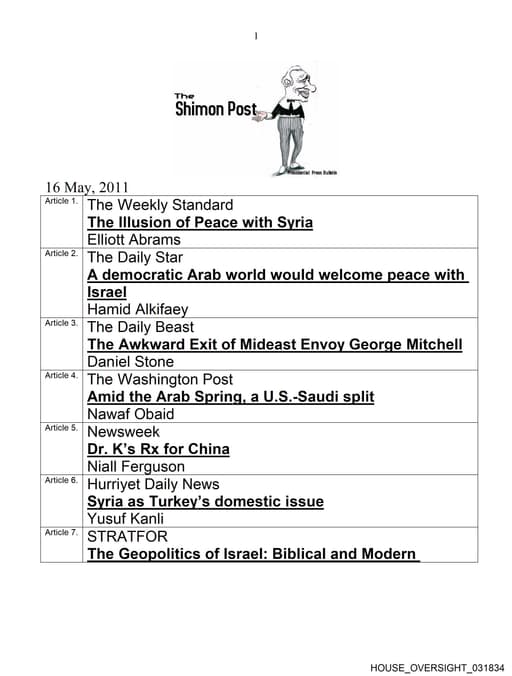
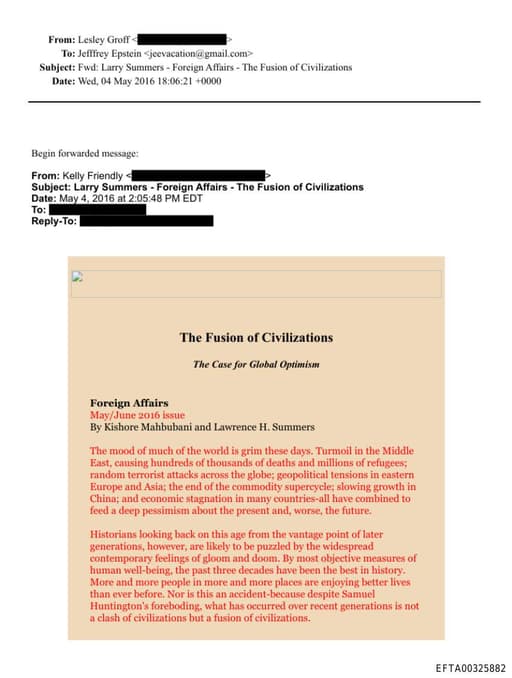

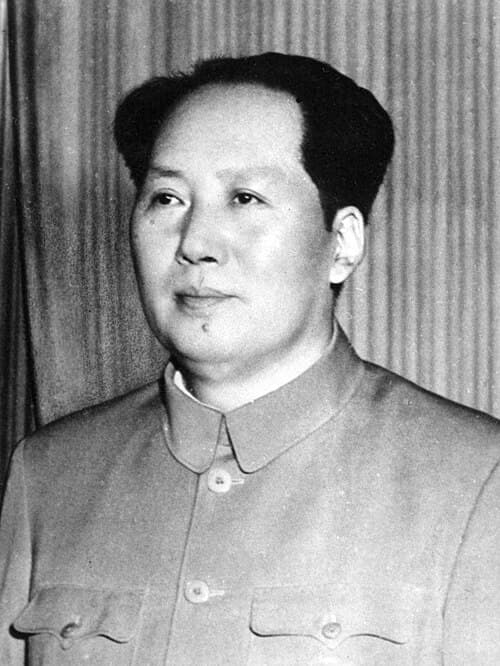

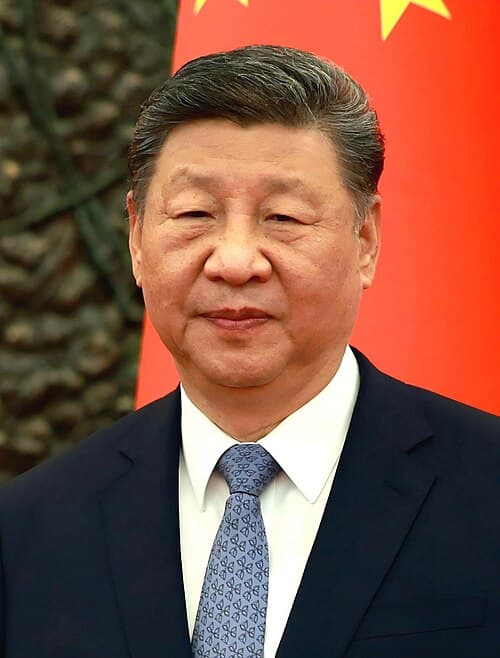
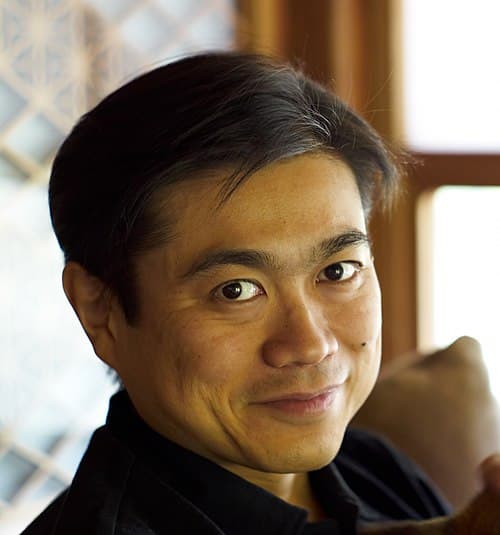
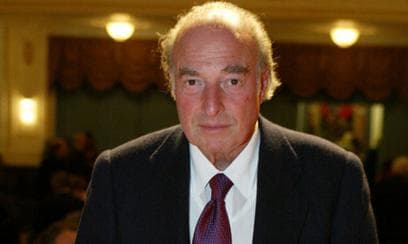


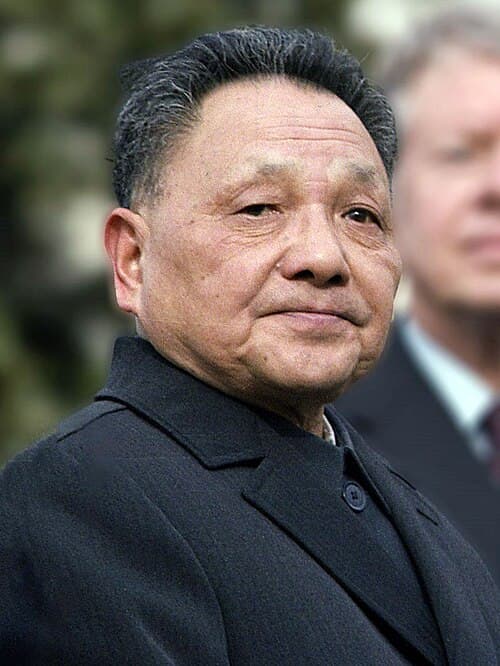
Deng Xiaoping appears in these documents exclusively as a historical and political reference point in discussions about China's economic reforms, geopolitics, and leadership transitions. There is no connection to Jeffrey Epstein—his name appears in completely unrelated materials about Chinese politics and global affairs.
The mentions occur entirely within political analysis documents, economic reports, and geopolitical commentary from the House Oversight Committee collection. Deng Xiaoping is referenced as China's paramount leader (1978-1989) who initiated the "reform and opening up" policies that transformed China's economy. The documents discuss his legacy in the context of modern Chinese leadership under Xi Jinping, comparisons to Mao Zedong, and analysis of China's foreign policy evolution. These are clearly misfiled or broadly collected government records about international affairs that have no connection to the Epstein investigation.
Key Highlights
- •All 46 mentions are in government records analyzing Chinese politics and economic policy, particularly comparing modern China under Xi Jinping to the Deng Xiaoping era
- •Documents reference Deng's famous policies like "hide your strength, bide your time" and "enriching oneself is glorious" in discussions of China's geopolitical strategy
- •One mention incorrectly appears to reference "Wendi Deng Murdoch" (Rupert Murdoch's ex-wife) in a social context, showing how the keyword search captured unrelated individuals with the surname "Deng"
- •The documents span 2012-2018 political analysis, including CNN transcripts and think tank reports about US-China relations, trade policy, and Xi Jinping's leadership consolidation
Frequently Asked Questions
Related Links
Document Mentions (20 of 149)
EFTA00007893 - EFTA00007955
5 mentionsSource: DOJ EFTA Records
IS SWEEMENT IS IASI 0RMIRISTRINENT CR ASSERTED ACREWENT 0Y41HERCRAL OR N WRING; COMENpUTEDN WraT,CTION wmi miSAGRIENENt. n+2/ts of ectipuermouns( cc Deng, AssE•rmosATEwNrseiRchacRAL OR IN RaTIRI). OR ACTOG BY ANT NAM Ins PROvSION IS A Malt ft:MENEM FOR MAUR TO ENTER ROO THE ACREENENT OUSTOYERHCR, OYACI
Page: EFTA00007899 →IS SWEEMENT IS IASI 0RMIRISTRINENT CR ASSERTED ACREWENT 0Y41HERCRAL OR N WRING; COMENpUTEDN WraT,CTION wmi miSAGRIENENt. n+2/ts of ectipuermouns( cc Deng, AssE•rmosATEwNrseiRchacRAL OR IN RaTIRI). OR ACTOG BY ANT NAM Ins PROvSION IS A Malt ft:MENEM FOR MAUR TO ENTER ROO THE ACREENENT OUSTOYERHCR, OYACI
Page: EFTA00007899 →IS SWEEMENT IS IASI 0RMIRISTRINENT CR ASSERTED ACREWENT 0Y41HERCRAL OR N WRING; COMENpUTEDN WraT,CTION wmi miSAGRIENENt. n+2/ts of ectipuermouns( cc Deng, AssE•rmosATEwNrseiRchacRAL OR IN RaTIRI). OR ACTOG BY ANT NAM Ins PROvSION IS A Malt ft:MENEM FOR MAUR TO ENTER ROO THE ACREENENT OUSTOYERHCR, OYACI
Page: EFTA00007899 →HOUSE_OVERSIGHT_022344 - HOUSE_OVERSIGHT_022345
2 mentionsSource: House Oversight Committee
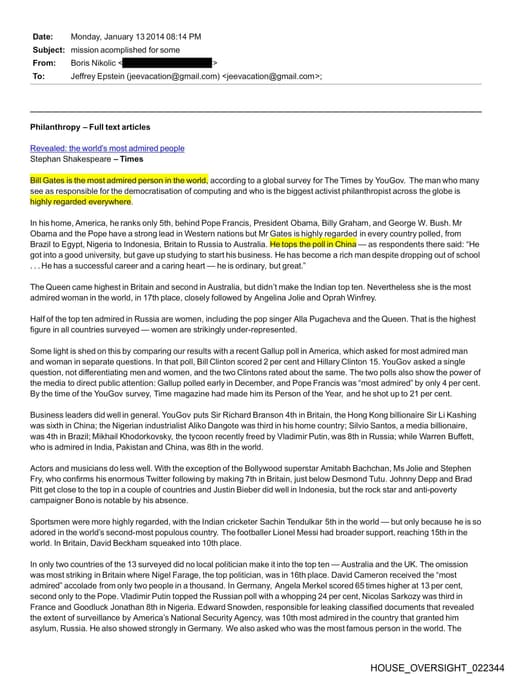
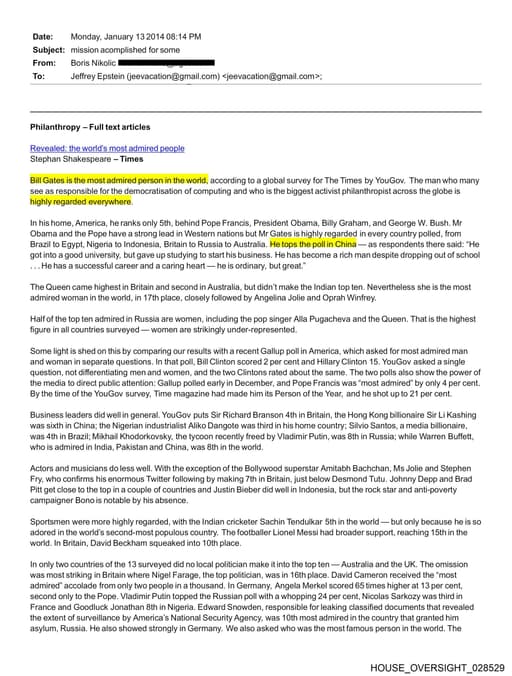
anyway, and had we conducted the survey a month earlier he would have come top. In China there was significant support for Mao Zedong, Zhou Enlai and Deng Xiaoping, with 14 per cent between them, and had those respondents considered only the living, Xi Jinping would have scored even more highly. Who’s Who - Na
Page: HOUSE_OVERSIGHT_022345 →ignificant support for Mao Zedong, Zhou Enlai and Deng Xiaoping, with 14 per cent between them, and had
Page: HOUSE_OVERSIGHT_022345 →HOUSE_OVERSIGHT_029663 - HOUSE_OVERSIGHT_029670
2 mentionsSource: House Oversight Committee
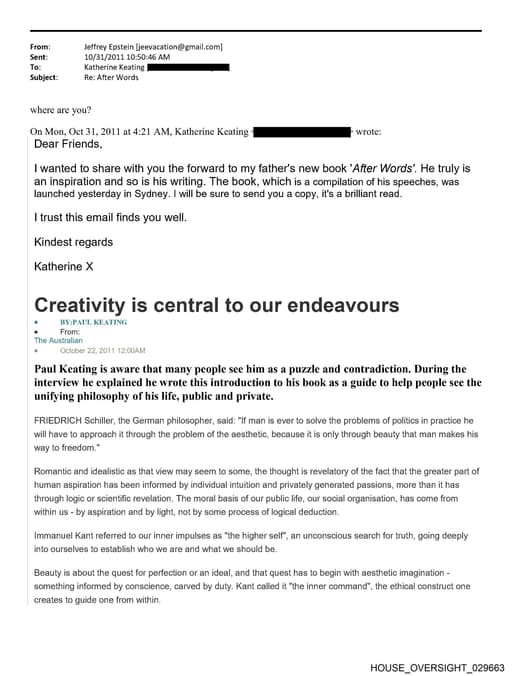
"If you look at the other figures of the century, Roosevelt, Churchill, Stalin and Mao, none Will leave the legacy in terms of the 21st century that Deng leaves," he says. "He walked away from the ideology of the Communist Party just as effectively as Mikhail Gorbachev walked away from the essence of t
Page: HOUSE_OVERSIGHT_029667 →nt question is whether the pallbearers will be crying." For Keating, the 20th-century leader exerting most influence on the coming century is China's Deng Xiaoping. "If you look at the other figures of the century, Roosevelt, Churchill, Stalin and Mao, none Will leave the legacy in terms of the 21st century that
Page: HOUSE_OVERSIGHT_029667 →Sponsored
Rock all NoFT.pdf
2 mentionsHOUSE_OVERSIGHT_012048 - HOUSE_OVERSIGHT_012101
Nov 14, 2017Source: House Oversight Committee
d the end of the decade-long Cultural Revolution. Deng Xiaoping then returned to power and embarked on r
Page: HOUSE_OVERSIGHT_012084 →Chairman Mao passed away in September 1976, and a month later, the arrest of the Gang of Four marked the end of the decade-long Cultural Revolution. Deng Xiaoping then returned to power and embarked on reforms that powered roughly 10% real GDP growth per annum for the next four decades and lifted more than 800
Page: HOUSE_OVERSIGHT_012084 →HOUSE_OVERSIGHT_025094 - HOUSE_OVERSIGHT_025099
2 mentionsSource: House Oversight Committee
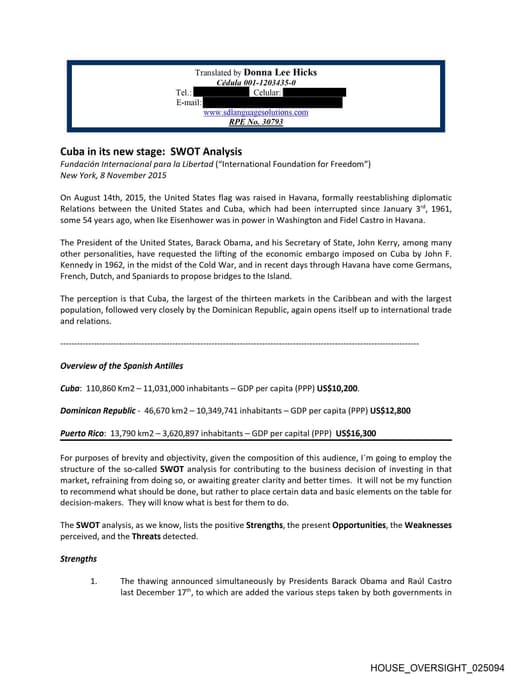
duction, but rather to small service enterprises (small food businesses, beauty salons, etc.). 2. The government of Raul Castro does not believe, as Deng Xiaoping proclaimed in 1992, that “enriching oneself is glorious.” Raul and Fidel continue to believe that capitalism is an evil expression of the worst human
Page: HOUSE_OVERSIGHT_025096 →he government of Raul Castro does not believe, as Deng Xiaoping proclaimed in 1992, that “enriching ones
Page: HOUSE_OVERSIGHT_025096 →2 mentions
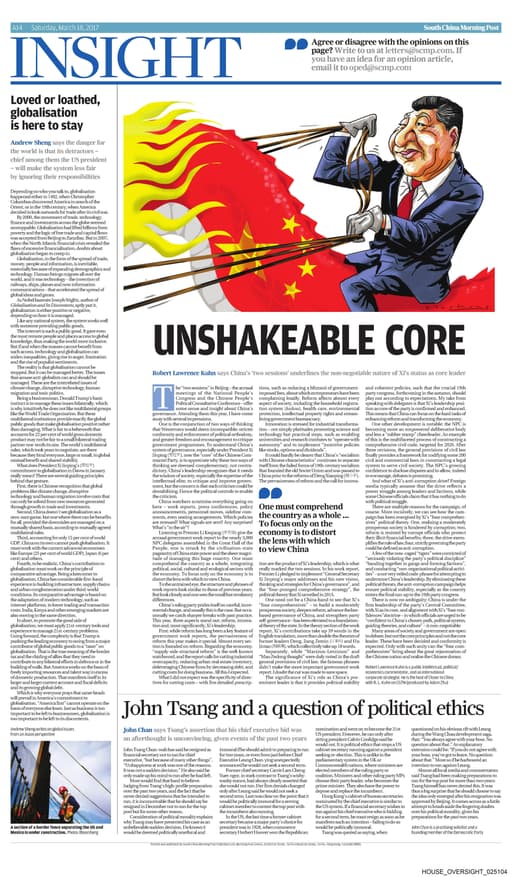
to separate itself from the failed forms of 19th-century socialism that founded the old Soviet Union and was passed to China prior to the reforms of Deng Xiaoping (S/F). The pervasiveness of reform and the call for innova- One must comprehend the country as a whole... To focus only on the economy is to distort
Page: HOUSE_OVERSIGHT_025104 →the theory section ofthe work report, Xi’s contributions take up 39 words in the English translation, more than double the theories of former leaders Deng, Jiang Zemin (2) and Hu Jintao (4833), which collectively take up 18 words. Separately, while “Marxism-Leninism” and “Mao Zedong thought” were duly
Page: HOUSE_OVERSIGHT_025104 →Sponsored
HOUSE_OVERSIGHT_026840 - HOUSE_OVERSIGHT_026848
2 mentionsSource: House Oversight Committee
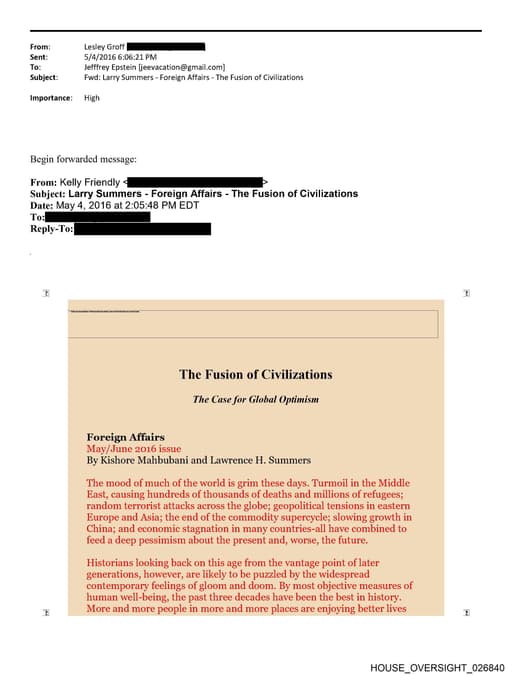
t better relations with China under Mao, and when Deng Xiaoping doubled down by opening up the country,
Page: HOUSE_OVERSIGHT_026844 →tory is reflected in the West's schizophrenic response to it. The Nixon administration eagerly sought better relations with China under Mao, and when Deng Xiaoping doubled down by opening up the country, the West applauded the change. The United States generously accepted Chinese products into its markets, allow
Page: HOUSE_OVERSIGHT_026844 →Dr. Robert Lawrence Kuhn - bio, media, press - September 2018.pdf
2 mentionsHOUSE_OVERSIGHT_023666 - HOUSE_OVERSIGHT_023706
Jun 1, 2012Source: House Oversight Committee
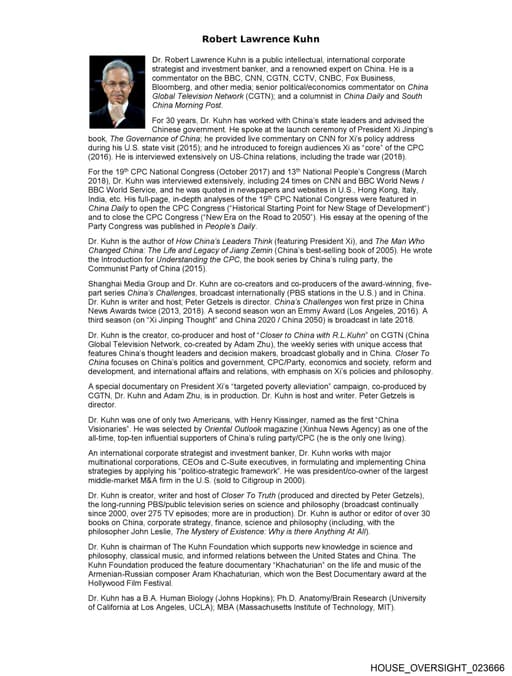
ied by public or com- mon ownership of the means of production and concern for the masses. “Chinese characteristics” is the phrase, originating with Deng Xiaoping, that adapts Marxism to China’s special conditions — the Sinicization of Marxism in modern China — which includes the market playing a decisive role
Page: HOUSE_OVERSIGHT_023685 →on network and the question put to me, in January of that year, was, “isn’t Xi Jinping going to be a very weak leader because he was not appointed by Deng Xiaoping and he has no strong base of support?” TESL A SOLAR POWER ARRIVES IN PUERTO AI HOUSE_OVERSIGHT_023679 --- PAGE BREAK --- CW CNN Intern
Page: HOUSE_OVERSIGHT_023680 →·P·1·AWLmI0utNK0_gICq5ATFhlxNBUjh·imgfile
2 mentionsHOUSE_OVERSIGHT_028453 - HOUSE_OVERSIGHT_028466
Sep 25, 2018Source: House Oversight Committee
Kuan Yew, Singaporeât™s founding father, of even Deng Xiaoping of China.", "type": "text"}, ("bannerTyp
Page: HOUSE_OVERSIGHT_028457 →North KoreaâE™s great economic reformer, argues one historian, putting him in the same league as Lee Kuan Yew, Singaporeât™s founding father, of even Deng Xiaoping of China.", "type": "text"}, ("bannerType":"any", "identifier":" _anf-banner_advertisement- 3", "layout": "ComponentLayout- 10", "role": "banner_adve
Page: HOUSE_OVERSIGHT_028457 →Sponsored
HOUSE_OVERSIGHT_028529 - HOUSE_OVERSIGHT_028530
2 mentionsSource: House Oversight Committee
anyway, and had we conducted the survey a month earlier he would have come top. In China there was significant support for Mao Zedong, Zhou Enlai and Deng Xiaoping, with 14 per cent between them, and had those respondents considered only the living, Xi Jinping would have scored even more highly. - Narendra Modi,
Page: HOUSE_OVERSIGHT_028530 →ignificant support for Mao Zedong, Zhou Enlai and Deng Xiaoping, with 14 per cent between them, and had
Page: HOUSE_OVERSIGHT_028530 →Mongolia Sovereignty Summary_Final.pdf
2 mentionsHOUSE_OVERSIGHT_029427 - HOUSE_OVERSIGHT_029428
Jun 18, 2017Source: House Oversight Committee
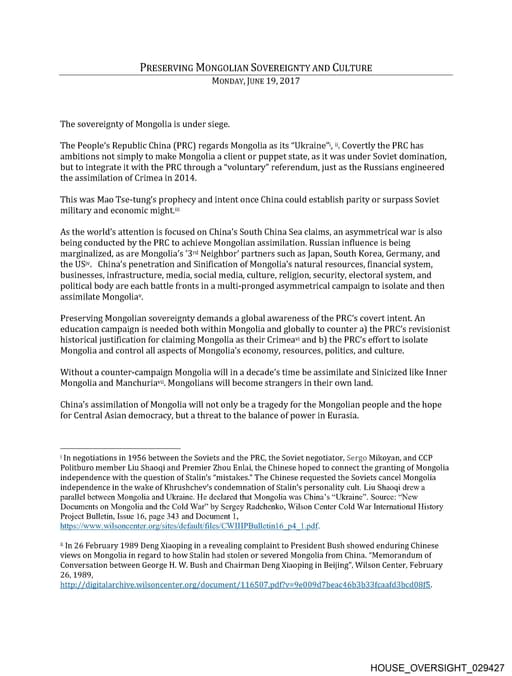
s/CWIHPBulletin16_p4_1.pdf. i In 26 February 1989 Deng Xiaoping in a revealing complaint to President Bu
Page: HOUSE_OVERSIGHT_029427 →Project Bulletin, Issue 16, page 343 and Document 1, https://www.wilsoncenter.org/sites/default/files/CWIHPBulletin16_p4_1.pdf. i In 26 February 1989 Deng Xiaoping in a revealing complaint to President Bush showed enduring Chinese views on Mongolia in regard to how Stalin had stolen or severed Mongolia from Chin
Page: HOUSE_OVERSIGHT_029427 →HOUSE_OVERSIGHT_029553 - HOUSE_OVERSIGHT_029557
2 mentionsSource: House Oversight Committee
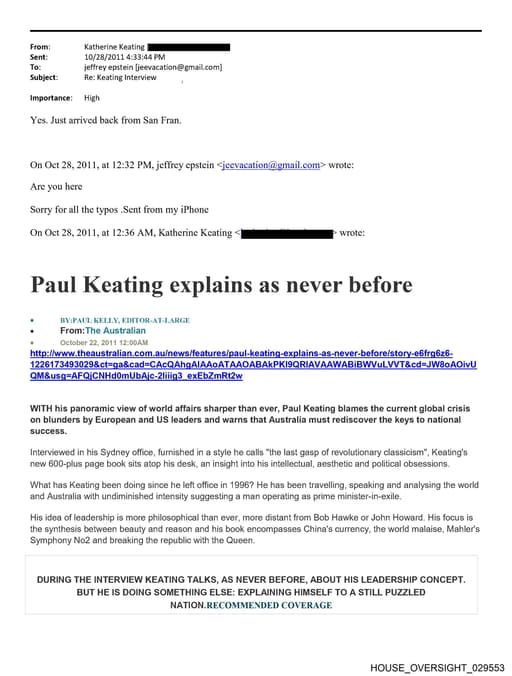
nt question is whether the pallbearers will be crying." For Keating, the 20th-century leader exerting most influence on the coming century is China's Deng Xiaoping. "If you look at the other figures of the century, Roosevelt, Churchill, Stalin and Mao, none will leave the legacy in terms of the 21st century that
Page: HOUSE_OVERSIGHT_029555 →"If you look at the other figures of the century, Roosevelt, Churchill, Stalin and Mao, none will leave the legacy in terms of the 21st century that Deng leaves," he says. "He walked away from the ideology of the Communist Party just as effectively as Mikhail Gorbachev walked away from the essence of t
Page: HOUSE_OVERSIGHT_029555 →Sponsored
HOUSE_OVERSIGHT_029558 - HOUSE_OVERSIGHT_029563
2 mentionsSource: House Oversight Committee
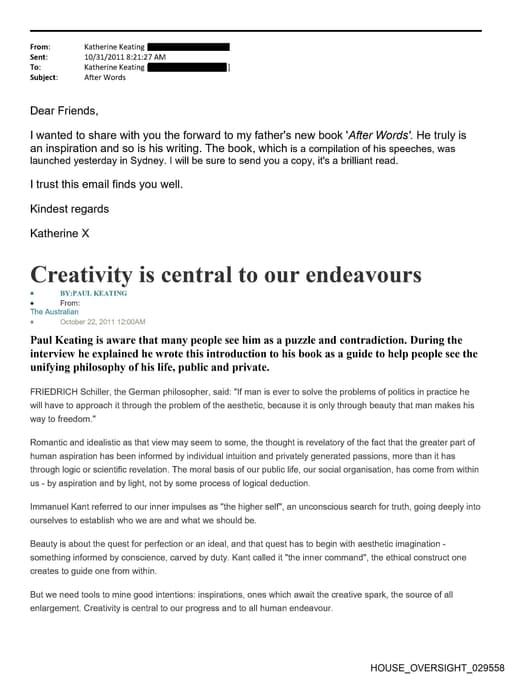
nt question is whether the pallbearers will be crying." For Keating, the 20th-century leader exerting most influence on the coming century is China's Deng Xiaoping. "If you look at the other figures of the century, Roosevelt, Churchill, Stalin and Mao, none will leave the legacy in terms of the 21st century that
Page: HOUSE_OVERSIGHT_029561 →"If you look at the other figures of the century, Roosevelt, Churchill, Stalin and Mao, none will leave the legacy in terms of the 21st century that Deng leaves," he says. "He walked away from the ideology of the Communist Party just as effectively as Mikhail Gorbachev walked away from the essence of t
Page: HOUSE_OVERSIGHT_029561 →HOUSE_OVERSIGHT_029658 - HOUSE_OVERSIGHT_029662
2 mentionsSource: House Oversight Committee
nt question is whether the pallbearers will be crying." For Keating, the 20th-century leader exerting most influence on the coming century is China's Deng Xiaoping. "If you look at the other figures of the century, Roosevelt, Churchill, Stalin and Mao, none will leave the legacy in terms of the 21st century that
Page: HOUSE_OVERSIGHT_029660 →"If you look at the other figures of the century, Roosevelt, Churchill, Stalin and Mao, none will leave the legacy in terms of the 21st century that Deng leaves," he says. "He walked away from the ideology of the Communist Party just as effectively as Mikhail Gorbachev walked away from the essence of t
Page: HOUSE_OVERSIGHT_029660 →26 June.doc
2 mentionsHOUSE_OVERSIGHT_032171 - HOUSE_OVERSIGHT_032203
Jun 26, 2011Source: House Oversight Committee
scale. Here the debate gets interesting. Indeed, probably one of the most morally vexing realizations in the field of international politics is that Deng Xiaoping, by dramatically raising the living standard of hundreds of millions of Chinese in such a comparatively short space of time-which, likewise, led to a
Page: HOUSE_OVERSIGHT_032199 →ersonal freedoms across China—was, despite the atrocity of Tiananmen Square that he helped perpetrate, one of the great men of the twentieth century. Deng's successors, HOUSE_OVERSIGHT_032198 --- PAGE BREAK --- 29 though repressive of political rights, have adhered to his grand strategy of seeking nat
Page: HOUSE_OVERSIGHT_032199 →Sponsored
HOUSE_OVERSIGHT_029671 - HOUSE_OVERSIGHT_029678
2 mentionsSource: House Oversight Committee
nt question is whether the pallbearers will be crying." For Keating, the 20th-century leader exerting most influence on the coming century is China's Deng Xiaoping. "If you look at the other figures of the century, Roosevelt, Churchill, Stalin and Mao, none will leave the legacy in terms of the 21st century that
Page: HOUSE_OVERSIGHT_029675 →"If you look at the other figures of the century, Roosevelt, Churchill, Stalin and Mao, none will leave the legacy in terms of the 21st century that Deng leaves," he says. "He walked away from the ideology of the Communist Party just as effectively as Mikhail Gorbachev walked away from the essence of t
Page: HOUSE_OVERSIGHT_029675 →CSIS China Kevin Rudd 6.26.18.pdf
2 mentionsHOUSE_OVERSIGHT_026856 - HOUSE_OVERSIGHT_026865
Jun 27, 2018Source: House Oversight Committee
is not. WHAT IS NEW? How does the 2018 Work Conference compare with the one in 2014? The 2014 iteration represented the formal, official funeral of Deng Xiaoping’s international policy dictum of the 1 of 10 HOUSE_OVERSIGHT_026856 --- PAGE BREAK --- previous 30 years of “hide your strength, bide your time, ne
Page: HOUSE_OVERSIGHT_026856 →ation represented the formal, official funeral of Deng Xiaoping’s international policy dictum of the 1
Page: HOUSE_OVERSIGHT_026856 →HOUSE_OVERSIGHT_031569 - HOUSE_OVERSIGHT_031590
2 mentionsSource: House Oversight Committee
countries. Since the opening of the country under Deng Xiaoping in 1978, Chinese foreign policy can be m
Page: HOUSE_OVERSIGHT_031588 →ceful coexistence in developing diplomatic relations and economic and cultural exchanges with other countries. Since the opening of the country under Deng Xiaoping in 1978, Chinese foreign policy can be more generally characterized as pragmatic. Pragmatism and the five principles are the key to understanding Chi
Page: HOUSE_OVERSIGHT_031588 →Sponsored
16 May.doc
2 mentionsHOUSE_OVERSIGHT_031834 - HOUSE_OVERSIGHT_031875
May 16, 2011Source: House Oversight Committee
conomy was roughly five times that of the People's Republic. Forty years later, as a result of the industrial revolution unleashed by Mao's successor Deng Xiao- ping, it is conceivable that China could overtake America within a decade. This is a feat the Soviet Union never came close to achieving. Moreover, China
Page: HOUSE_OVERSIGHT_031851 →ndustrial revolution unleashed by Mao's successor Deng Xiao- ping, it is conceivable that China could ov
Page: HOUSE_OVERSIGHT_031851 →EFTA00325882.pdf
2 mentionsEFTA00325882
ry is reflected in the West's schizophrenic response to it. The Nixon administration eagerly sought better relations with China under Mao, and when Deng Xiaoping doubled down by opening up the country, the West applauded the change. The United States generously accepted Chinese products into its markets, all
better relations with China under Mao, and when Deng Xiaoping doubled down by opening up the country,
Sponsored
Connected Entities(20 of 6,186)
George W. Bush
PersonPresident of the United States from 2001 to 2009
82 docs82 co-mentions
Jeffrey Epstein
PersonAmerican sex offender and financier (1953–2019)
65 docs65 co-mentions
Mao Zedong
Person1st chairman of the Chinese Communist Party and founder of the People's Republic of China (1893–1976)
60 docs60 co-mentions
Ghislaine Maxwell
PersonBritish socialite and sex trafficker, daughter of Robert Maxwell, accomplice of Jeffrey Epstein
52 docs52 co-mentions
Xi Jinping
PersonGeneral Secretary of the Chinese Communist Party since 2012
42 docs42 co-mentions
Joi Ito
PersonJapanese-American activist, entrepreneur, and venture capitalist
42 docs42 co-mentions
Marc Rich
PersonAmerican commodities trader (1934–2013)
40 docs40 co-mentions
Barack Obama
PersonPresident of the United States from 2009 to 2017
40 docs40 co-mentions
Condoleezza Rice
PersonAmerican diplomat and political scientist (born 1954)
39 docs39 co-mentions
Bill Clinton
PersonPresident of the United States from 1993 to 2001 (born 1946)
39 docs39 co-mentions
United States
LocationCountry located primarily in North America
35 docs35 co-mentions
Alan Dershowitz
PersonAmerican lawyer, author, and art collector (born 1938)
31 docs31 co-mentions
LB
Leon Black
PersonAmerican billionaire businessman (born 1951)
29 docs29 co-mentions
Vicky Ward
PersonBritish investigative journalist
29 docs29 co-mentions
Donald Trump
PersonPresident of the United States (2017–2021, 2025–present)
29 docs29 co-mentions
DB
Doug Band
PersonAmerican presidential advisor
28 docs28 co-mentions
MF
Maria Farmer
PersonAmerican visual artist
28 docs28 co-mentions
CW
Courtney Wild
PersonAmerican victim/survivor of Jeffrey Epstein who led legal battle for victims' rights
25 docs25 co-mentions
Michael Cohen
PersonAmerican former attorney and former Republican official
24 docs24 co-mentions
Puerto Rico
LocationUnincorporated territory of the United States of America
23 docs23 co-mentions