HOUSE_OVERSIGHT_026679 - HOUSE_OVERSIGHT_026730
Document HOUSE_OVERSIGHT_026679 is a government record from the House Oversight Committee, consisting of 52 pages.
This document appears to be related to a report concerning sovereign asset management, possibly part of an annual study. It discusses factors influencing sovereign investors, such as geopolitical shocks and macroeconomic uncertainty. It also includes important information intended for professional clients and financial advisors in various locations, including Continental Europe, Switzerland, Dubai, Jersey, Guernsey, the Isle of Man, Ireland, the UK, the United States, Australia, Singapore, Hong Kong, Japan, New Zealand, Canada, Taiwan, Bermuda, Chile, Panama and Peru.
Key Highlights
- •The document is intended for Professional Clients and Financial Advisers in Continental Europe.
- •Mentions several locations including the United States, the Isle of Man, and Panama.
- •Refers to a study involving interviews with sovereign wealth funds, state pension funds, and central banks.
Frequently Asked Questions
Books for Further Reading



Document Information
Bates Range
HOUSE_OVERSIGHT_026679 - HOUSE_OVERSIGHT_026730
Pages
52
Source
House Oversight Committee
Date
June 1, 2017
Original Filename
igsams-2017-emea.pdf
File Size
8.13 MB
Document Content
Page 1 - HOUSE_OVERSIGHT_026679
is available inside the front cover. ged ana RTA 7 Vas 4+ “weer Srremassads ameoms HOUSE_OVERSIGHT_026679
Page 2 - HOUSE_OVERSIGHT_026680
Important information This document is intended only for Professional Clients and Financial Advisers in Continental Europe (as defined in the important information); for Qualified Investors in Switzerland; for Professional Clients in, Dubai, Jersey, Guernsey, Isle of Man, Ireland and the UK, for Institutional Investors in the United States and Australia, for Institutional Investors and/or Accredited Investors in Singapore, for Professional Investors only in Hong Kong, for Qualified Institutional Investors, pension funds and distributing companies in Japan; for Wholesale Investors (as defined in the Financial Markets Conduct Act) in New Zealand, for accredited investors as defined under National Instrument 45-106 in Canada, for certain specific Qualified Institutions/Sophisticated Investors only in Taiwan and for one-on-one use with Institutional Investors in Bermuda, Chile, Panama and Peru. Cover Aerial view of Midtown South, New York HOUSE_OVERSIGHT_026680
Page 3 - HOUSE_OVERSIGHT_026681
Introduction We published our first report on the sovereign asset management industry in 2013 following interviews with 43 sovereign investors. This year marks our fifth annual study with evidence-based findings based predominantly on face-to-face interviews with 97 leading sovereign wealth funds, state pension funds and central banks with assets in excess of US$12 trillion. Over the past five years we've noted a number of factors influencing sovereigns such as low interest rates, the falling oil price and reduced funding. This year however we note geopolitical shocks in developed markets are shaping decision making. When coupled with uncertainty over the end of quantitative easing, the commencement of quantitative tightening and ongoing volatility in currencies and commodities it’s clear sovereign investors are faced with a challenging macroeconomic and therefore investment environment. The first theme in this year’s report addresses the aforementioned factors and notes a continuing return gap between target and actual returns with asset deployment challenges limiting the ability for sovereigns to match strategic asset allocation targets. We note sovereigns are increasingly looking to evolve their business models through internalisation or investment partnerships to reduce management costs and improve placement efficiency. Geopolitical risks have led to an increased concentration on perceived ‘safe haven’ international markets such as the US, India and Germany as well as an increasing focus on home market allocations in an effort to reduce foreign currency exposure. We focus on real estate in our third theme, highlighting accelerated growth in the asset class. We examine the drivers for these allocations as well as setting out how and where assets are being deployed. Despite sovereigns being well placed to implement Environmental, social and governance (ESG) strategies due to their size and long-term orientation, the uptake of ESG practices by sovereigns appears to have varying success. We highlight sovereigns’ polarised perspectives on ESG investing across various regions. We conclude with a theme focused on central banks. This year we have expanded and segmented our central bank sample to understand differences in strategy and pace of change with respect to investment tranches across developed and emerging markets. We hope the unique, evidence-based findings in this year’s report provide a valuable insight into a fascinating and important group of investors. Alexander Millar Head of EMEA Sovereigns & Middle East and Africa Institutional Sales [email protected] +44 1491 416180 Ol Key themes Shift from investment strategy to business model The gap between target and actual portfolio returns along with declines in investment commitments are reshaping sovereigns’ strategic agendas. Increasing appeal of perceived ‘safe haven’ markets Geopolitical uncertainty is leading to a focus on perceived ‘safe haven’ international markets and home markets. Attraction to real estate for matching and flexible participation Sovereigns are increasing allocations to high-quality direct real estate given perceived return, matching and flexibility attributes. Environmental, social and governance (ESG) growth dependent on performance data Perspectives on ESG are polarised with supporters moving to further embed and integrate ESG in investment processes while non-supporters wait for evidence of investment implications. Central bank risk appetite driven by financial market exposure Central bank investment priorities and risk appetite vary according to the size of the country’s reserves and to the level of exposure to financial market shocks. HOUSE_OVERSIGHT_026681
Sponsored
Page 4 - HOUSE_OVERSIGHT_026682
Sovereign segmentation is crucial to understanding Investment sovereigns attitudes and responses to external themes Investment sovereigns do not have any liabilities, Economic challenges affect sovereigns differently, allowing for long time horizons and high exposure to according to their liabilities, risk appetites, funding illiquid asset classes. Due to this investment freedom, dynamics and other factors. We use the framework return targets are high - investment sovereigns have in figure 1 to categorise sovereign investors. We will responded to falling returns by targeting greater explore the unique implications of the themes in illiquid asset exposure (to generate higher returns) this report for each of these segments. and developing internal management capability (to capture more of the value chain), however many funds are reaching limits on these allocations. Liability sovereigns Liability sovereigns are split into funds with existing outflows (current liability sovereigns) and funds with future liabilities (partial liability sovereigns). While partial liability sovereigns have similar strategies to investment sovereigns (due to their long time horizons), matching outflows is a key concern for funds with current liabilities. The return gap is therefore of particular significance to liability sovereigns and many funds expect their target rates to eventually increase as they update models to lower ‘risk free’ rates and increasing life expectancy. To manage these concerns, many current liability sovereigns are seeking greater exposure to high- yielding asset classes. Fig 1. Sovereign profile segmentation Primary objective Investment only Investment & liability Global sovereign profile Investment sovereigns Liability sovereigns (INV) (LIA) Sovereign investors € ‘Central banks have secondary liquidity objectives as well as primary capital preservation objectives. They are distinct from sovereigns through their role in local market money supply and their regulatory function. 02 HOUSE_OVERSIGHT_026682
Page 5 - HOUSE_OVERSIGHT_026683
Liquidity sovereigns Liquidity sovereigns manage assets to stimulate economies that are highly dependent on commodity prices during a market shock. Due to the unpredictable and sudden nature of outflows, liquidity sovereigns have extremely short time horizons and prioritise portfolio liquidity above investment returns. Despite low yields of government bonds, liquidity sovereigns are unable to seek higher returns from alternative asset classes due to the inherent liquidity risk. Development sovereigns The asset and geographic allocation of development sovereigns is driven by the requirement to encourage local economic growth (rather than investment return). Development sovereigns take large (often controlling) stakes in companies of economic significance in order to grow their presence in the local market. While other sovereigns adjust allocations to maximise their asset growth and yield, development sovereigns consider their success in economic metrics such as GDP growth and job creation, working closely with their investments to grow long-term strategic assets. This means that development funds are relatively unreactive to return shortfalls and asset allocation trends. Central banks Central banks are ‘lenders of last resort’ - managers of a large foreign reserves portfolio to bail out financial institutions of public importance. Due to the importance of maintaining reserves to sufficiently cover such requirements, preservation of capital is of greatest importance. Central banks also have high levels of public accountability and disclosure, encouraging risk aversion through short time horizons and highly liquid investments. While other sovereigns invest in home market assets, central bank reserve managers hold the majority of their assets in foreign securities, increasing the importance of currency exposure relative to other sovereigns. Unlike sovereign investors, central banks have objectives outside of reserves management, including local market liquidity management and maintenance of currency pegs. Since these external factors have influence over the foreign reserves, in this study we consider central banks separately from sovereign investors. However, as many government bonds have negative yields, certain central banks have looked to invest in non-traditional asset classes (e.g. equities) to preserve their capital, closer aligning their foreign reserves investment strategy to that of sovereign wealth funds. Funding challenges and the low return environment have unique implications for each sovereign segment. Investment & liquidity Liquidity sovereigns (ale) (DEV) Investment & development Development sovereigns Capital p Central banks! (CB) 03 HOUSE_OVERSIGHT_026683
Page 6 - HOUSE_OVERSIGHT_026684
No text available for this page
Sponsored
Page 7 - HOUSE_OVERSIGHT_026685
HOUSE_OVERSIGHT_026685
Page 8 - HOUSE_OVERSIGHT_026686
The outlook for macro policy and for the geopolitical environment remains uncertain Our fifth annual cycle of interviews took place between January and March 2017. In speaking with leading sovereign investors and central banks (with assets in excess of US$12 trillion) we identified a number of critical themes that shaped interview responses. Unsurprisingly, we noted that the outlook for macro policy and the potential for further geopolitical shocks dominated discussions. - Sovereigns see the end of QE (Quantitative Easing) without a clear indication as to the form or timeframe for further QT (Quantitative Tightening). While the US has begun to raise interest rates, the Federal Reserve is engaged in parallel measures that may reduce the quantum and pace of further increases; and there is uncertainty whether and when other major markets will follow suit - The bifurcation of the US and other developed markets (notably the UK, Germany and Japan) had significant implications for currency rates, challenging sovereign geographic allocations - Political change in developed markets (notably Brexit and the US election) created volatility in sovereign portfolios, challenging the robustness of sovereign risk models. As policy changes are worked through governments (e.g. the terms of Brexit and US corporate tax reform), there will be wider implications for long-term geographic and asset allocation - Emerging markets face various macro challenges, with commodity prices recovering slowly (e.g. oil, natural gas and copper) and an increasingly unstable political outlook in Brazil and South Africa 06 Sovereigns face a continuing ‘return gap’ These dynamics suggest a continuation of the ‘lower rates, lower return’ environment over at least the next 24 months. While the lower return environment has been a consistent theme in past years, in 2017 the implications are compounded, with low interest rates the factor of greatest importance to both strategic and tactical asset allocations in figure 2. Risk asset valuations have inflated over a number of years, while the near- uniform tilt to alternatives such as infrastructure has resulted in supply challenges and delays. In 2016, all sovereign profiles displayed a return gap (figure 3), driven by the low interest rate environment, however this shortfall was greatest among investment sovereigns. Traditionally, liability sovereigns have hedged fixed income against inflation (due to the focus on matching outflows to beneficiaries), while investment sovereigns have left their inflation exposure open. This has led to investment sovereigns having the greatest return gaps, as developed economies return to growth and inflation rises. While liquidity and development sovereigns are also suffering from low interest rates, respondents noted that investment returns were of secondary importance, relative to liquidity and development objectives. Furthermore, liquidity sovereigns noted that their long-duration fixed income assets had increased in value as rates fell. Against this, sovereigns are challenged by fixed return targets, which are typically set to match potential liabilities and do not adjust to market conditions. Despite return challenges, we do not see aconcurrent shift in investment activity year-on-year (as we go on to explore). HOUSE_OVERSIGHT_026686
Page 9 - HOUSE_OVERSIGHT_026687
Fig 2. Importance of macroeconomic conditions to strategic and tactical asset allocation HS Importance to SAA @ Importance to TAA Low interest rates US election Commodity prices Brexit, EU break Stock market volatility Terrorism War in Syria Emerging market Climate change Chinese volatility Sample is based on sovereign investors and excludes central banks. SAA=Strategic Asset Allocation. TAA= Tactical Asset Allocation. Sample=20. Fig 3. Past year returns and target returns (% AUM) Mi Past year returns M@ Target returns Sovereign sample Investment sovereig ns Liability sovereigns Liquidity sovereigns Development sovereigns Sample is based on sovereign investors and excludes central banks. Sample size shown in grey. Data is not weighted by AUM. 07 HOUSE_OVERSIGHT_026687
Sponsored
Page 10 - HOUSE_OVERSIGHT_026688
Fig 4. Expected time (years) to deploy assets M@ 2016 mi 2017 Infrastructure Private equity Real estate Hedge funds Sample is based on sovereign investors and excludes central banks. Sample: 2016=21, 2017=35. 08 HOUSE_OVERSIGHT_026688
Page 11 - HOUSE_OVERSIGHT_026689
Deployment challenges are limiting sovereign ability to match targets In previous reports, we observed sovereigns’ return gaps, driven by low interest rates and challenging targets for fixed income allocations. We have also noted how appetite for alternatives has grown as sovereigns seek greater returns from private markets. In last year’s report, we demonstrated that high levels of competition in infrastructure and private equity were causing sovereigns to shift deployment of real assets towards real estate. Competition for infrastructure and private equity deals has accelerated in 2016, with deployment times increasing across alternative asset classes (figure 4). While the growth in these times is small, it is significant: sovereigns are increasingly dependent on their alternative investments to generate yields, however, growing levels of undeployed capital for alternative investments are being held in cash and money market funds, so that sovereigns can respond quickly when real asset opportunities arise. These highly liquid investments offer limited returns, particularly in comparison to sovereign targets for real asset investments, causing further growth in the return gap. Risk of fund withdrawals is slowing further illiquid asset investment The ability of sovereigns to respond to the return gap is being limited by the increasing likelihood of withdrawals. Over the past three years, governments have responded to economic volatility by reducing new funding to sovereigns and, in some cases, drawing down from sovereign reserves, as seen in figure 5. While previously only liability sovereigns experienced regular drawdown of funds (in the form of outflows to beneficiaries), an increasing propensity for government withdrawals is encouraging investment and liquidity sovereigns to consider the liquidity of their portfolio. Liquidity sovereigns were comfortable in their ability to withdraw from their portfolio at short notice, however, many sovereigns stated that liquidity management was an entirely new objective, with certain investment sovereigns responding by creating tactical allocations to cash and money market funds. This has led to conflicting liquidity requirements: sovereigns have to manage withdrawal risks by shortening time horizons while simultaneously seeking to access illiquidity premia to generate greater returns. Fig 5. Expected new funding and cancelled investments (% AUM) Sovereign sample Investment sovereigns 2015 2016 2017 2015 2016 2017 on 56 58 ] 10 10 Liability sovereigns 2015 17 20 2G 14 6 8 fe 14 13 New funding i Cancelled investments Liquidity sovereigns Development sovereigns 2016 2017 «2015 2016 2017 2015 2016 2017 Sample is based on sovereign investors and excludes central banks. Sample sizes shown in grey. Data is not weighted by AUM. Periods shown reflect past year new funding/cancellations. 09 HOUSE_OVERSIGHT_026689
Page 12 - HOUSE_OVERSIGHT_026690
Fig 6. Change in past year allocations by asset class (% citations) i Decrease @ Stay the same Mi Increase Global equity 2013 2014 2015 2016 2017 Home market equity 2013 2014 2015 2016 2017 Global bond 2013 2014 2015 2016 2017 Home market bond 2013 2014 2015 2016 2017 Sample is based on sovereign investors and excludes central banks. Sample: 2013=22, 2014=36, 2015=33, 2016=44, 2017=60. 10 HOUSE_OVERSIGHT_026690
Sponsored
Page 13 - HOUSE_OVERSIGHT_026691
11 Uncertain market direction has challenged response to return gaps through asset allocation Political change across developed markets challenges high conviction geographic allocations outside a small number of perceived ‘safe haven’ markets. Similarly, the staggered shift to QT is creating uncertainty over sovereign forecasts for asset class performance. Additionally, in many cases allocations to illiquid assets were approaching restrictions put in place by investment boards, with little room to further tilt to risk classes. Such uncertainty over investment strategy means that very few sovereigns are willing to adjust strategic asset allocations, and internal restrictions are a challenge to those that are seeking to change. This can be seen in figure 6, in which an increasing number of sovereigns state they have ‘frozen’ asset allocations to traditional asset classes. A focus on business model to drive implementation efficiency and liquidity premium capture As willingness to take active positions in geographic and asset allocation decreases, the effects of the return gap are compounded. Sovereigns are unable to respond to growing shortfalls through asset allocation alone, and are instead looking at how to evolve their business models to drive more efficient realisation against portfolio objectives, notably through internalisation or investment partnerships to reduce management cost and improve placement efficiency. However, sovereigns acknowledged that any changes to business models carried trade-offs against execution and investment risk: - Many respondents have struggled to reach target alternative allocations and the shift to internalise or move to co-investment or operating partnerships may create further constraints - Over-investing in privately listed assets puts sovereigns at risk of future valuation adjustments while utilisation of alternative deployment models (working directly with operating partners) has implications for governance processes and disclosure - Reducing intermediation while potentially improving line-of-sight to placement also reduces external objective inputs to asset selection and valuation - Finally, the tilt to internalisation may not be consistent with geographic diversification objectives, and there is some evidence of an increasing ‘home market’ bias despite stated objectives to the contrary While the motivation for business model changes is clear and aligned, there is an acknowledgement amongst participants that not all sovereigns will be successful in executing, with the potential for risk or investment shocks where execution is unsuccessful. As willingness to take active positions in geographic and asset allocations slows, sovereigns must engage with investment boards to include consideration of market conditions (as well as potential outflows) in their return targets to continue to work towards their long-term objectives. HOUSE_OVERSIGHT_026691
Page 14 - HOUSE_OVERSIGHT_026692
HOUSE_OVERSIGHT_026692
Page 15 - HOUSE_OVERSIGHT_026693
ef Construction of subway system extension, New York HOUSE_OVERSIGHT_026693
Sponsored
Page 16 - HOUSE_OVERSIGHT_026694
Sovereigns are targeting markets offering security and growth Traditionally sovereigns have grouped countries by economic development or geographic region to form their overall geographic allocations. Indeed, last year, we highlighted increased allocations to North America, based on perceptions of the US as a ‘safe haven’ for sovereign assets, driven by the strength of its currency and positive tax changes for international investors. While at a high level, sovereigns have been unwilling to adjust regional allocations (as outlined in theme 1), idiosyncratic geopolitical risks are causing sovereigns to reweight to countries within these allocation bands. In developed markets, uncertainty over global interest rates is shifting this focus to identifying markets to shelter assets (as shown by the increased attractiveness of the US and Germany in figure 7), with Brexit and the US election cited as the factors of fastest growing importance to asset allocation (growing importance cited by 82% and 68% of sovereigns respectively). Similarly, emerging markets sovereigns are identifying countries with the greatest potential for long-term economic growth. 14 Sovereigns are seeking greater exposure to perceived ‘safe havens’ within each key region. HOUSE_OVERSIGHT_026694
Page 17 - HOUSE_OVERSIGHT_026695
15 HOUSE_OVERSIGHT_026695
Page 18 - HOUSE_OVERSIGHT_026696
Growth of the US for both returns and protection The attractiveness of the US has been driven by interest rate rises (with expectations for further raises this year) and bond yields lagging in other developed markets (figure 8). There is also market confidence of a ‘pro-business’ corporate tax regime following Trump taking office in January 2017, causing sovereigns to note the growth potential of US equity markets (with 40% of sovereigns expecting to increase North American allocations in 2017), as other developed market stocks remain flat. Currency strength underlies this optimism (USD up 3% against EUR and 20% against GBP in 2016‘), with some sovereigns deliberately targeting dollar exposure through their international investments. Liability sovereigns noted the dual benefit of the open currency position, both eliminating hedging costs and generating additional returns relative to home market currency. In our 2015 sovereign study, we highlighted the attractiveness of real estate investments in developed markets. Under FIRPTA (Foreign Investment in Real Property Tax Act), sovereign appetite for real estate investment in the US has further grown. Most notable, however, is the growing optimism around the potential for new infrastructure deals in the US following political campaigning suggesting an investment opportunity of USS1 trillion. Despite positivity, sovereigns in Europe and Asia noted that successful US real estate investments gave no guarantee of similar opportunities within infrastructure. Many respondents were concerned about growing protectionism in the US, questioning if it might both limit access to infrastructure and real estate investments for foreign sovereigns and would have long-term economic implications as foreign relations are strained. 1Source: XE currency data. Data from 01 January 2016-01 January 2017. 16 Fig 8. 10-year government bond yields US UK Germany Japan 0.0 Source: US - US Treasury Resource Center, UK - Bank of England Data, Germany - Bundesbank Statistics, Japan - Ministry of Finance Interest Rate Index. Data taken as daily average yield on 30 December 2016. HOUSE_OVERSIGHT_026696
Sponsored
Page 19 - HOUSE_OVERSIGHT_026697
UK challenges centred on currency, but future role as European hub is unclear While the UK has faced short-term challenges over low interest rates (relative to the US), the Brexit decision poses a threat to the long-term attractiveness of the UK. Brexit is seen as a significant negative for UK investment, and investment sovereigns with European interests questioned the future of the UK as an ‘investment hub’ for Europe, given uncertainty over taxes on imports and market access. Liquidity sovereigns also noted their concern that demand for UK government bonds would drop, challenging the liquidity of their holdings. Despite this negative sentiment, UK allocations remain relatively stable with stated declines likely linked to currency fluctuations rather than withdrawal, as demonstrated in figure 9. Furthermore, the fall in value of the pound has led to a rally in UK stocks as export-linked businesses benefit from more competitive pricing. The low value of the pound also allows UK asset managers to offer their services at a discount to international competitors. This low entry price into the UK represents an opportunity for UK managers who can demonstrate local market expertise and robust currency hedging processes to international sovereign investors. There has also been a demonstration of ongoing sovereign commitment to long-term alternative investments in the UK. Many sovereigns noted that they were unlikely to cancel UK real estate assets in the near future and there have been several high-profile statements of renewed commitment to UK infrastructure investments following the Brexit decision, including Thames Water and Heathrow Airport. However, respondents noted that these are long-term investments which are unlikely to move until the outlook of the UK as a preferred investment destination (comparable to the US or Germany) becomes clearer. 17 Mi 2016 M2017 Fig 9. Exchange rate, geographic allocations to the UK (% AUM) GBP/USD exchange rate (External data) Geographic allocations to the UK (% AUM) (Sovereign sample) LHS: Source - XE currency data. Data as of beginning of given year. RHS: Sample is based on sovereign investors and excludes central banks. Data is not weighted by AUM. Sample: 2016=55, 2017=57. HOUSE_OVERSIGHT_026697
Page 20 - HOUSE_OVERSIGHT_026698
Positivity towards Germany amidst concerns for Continental Europe Brexit has raised awareness of the related threat of wider EU disbandment, although this has had a relatively small effect on Continental European allocations on the whole (from 12.8% of AUM in 2016 to 11.2% in 2017). Instead, it has caused sovereigns to focus on the more stable countries within the EU. Sovereign investments in Germany have increased based on its economic strength (with its attractiveness increasing year-on-year in figure 10), and many respondents attribute this to Germany's industrial sector (an estimated 30.3% of GDP relative to 19.2% in the UK, 19.4% in France and 23.9% in Italy). However, investment sovereigns identified German financial markets as an area of potential growth post-Brexit, offering a stable platform for investments across Europe. Furthermore, liability sovereigns explained that if the eurozone were to disband, Germany's role as the financial hub of Europe would have significant upside for the German currency, with many funds building currency hedging strategies to take this into account. Fig 10. Attractiveness of continental European markets M2015 to sovereign investors @ 2016 @ 2017 Germany France Italy ee Germany is seen Sample is based on sovereign investors and excludes central banks. as astable platform Rating on ascale from 1 to 10 where 10 is the most attractive. Rating scored as of Q1 of the given years. for investments Sample: 2015=26, 2016=44, 2017=58. across Europe. 18 HOUSE_OVERSIGHT_026698
Page 21 - HOUSE_OVERSIGHT_026699
Sovereigns see potential in Indian private markets Despite tactical switching between developed markets, increasing investment into emerging markets remains a long-term strategic objective for many sovereigns (as stated in our 2016 report). Stock markets have relatively small coverage of emerging market economies, driving greater emphasis on illiquid real asset categories. In fact, many sovereigns use infrastructure deals to manage near-term macro and geopolitical risk, as outlined in our 2015 study. However, challenging placement dynamics and uncertainty over commodity prices mean sovereigns are being more selective in their emerging market investments, focusing on the identification of high- growth markets. While many emerging markets have struggled with slow commodity price recovery and political instability, India has experienced consistent growth in GDP (figure 11). However, India’s economic structure is complex and publicly listed investments have relatively low coverage of the wider economy (with stock market capitalisation 65% of GDP in India, relative to 146% in the US and 112% in the Uk). Indeed, many sovereigns are focusing on opportunities within Indian private equity (as seen in India’s increasing private sector attractiveness in figure 12), seeking returns from its rapid urbanisation. Typically, in emerging markets sovereigns have faced considerable regulatory and governance challenges to direct private equity investment, leading them to seek assistance from external managers. However, in 2016 India introduced reforms to foreign direct investment, loosening government restrictions on investment in certain sectors, with wider reform expected in 2017. This has enabled large investment and liability sovereigns to invest heavily in Indian private equity, and many funds are developing internal management expertise based in India to have greater access and control over private equity investments. Despite sovereign desire to invest directly in Indian private equity, the development of local management capability is often complex and deployment of assets to meet targets will be lengthy. While concerns remain over governance and liquidity of private equity investments in emerging markets, sovereigns note that local management teams are best equipped to deal with these concerns. 19 Fig 11. Gross domestic product of M2015 emerging markets (USS, trillions) @ 2016 @ 2017 India Brazil Russia South Africa Creal Source: World Bank Data - GDP (Current USS) data as at 17 April 2017. Fig 12. Opportunity of Indian private sector M@ 2015 and attractiveness of India to sovereign investors @ 2016 m 2017 Private sector opportunity Attractiveness to sovereigns Sample is based on sovereign investors and excludes central banks. Rating on a scale from 1 to 10 where 10 is the most opportunistic/attractive. Rating scored as of Q1 of the given years. Sample: 2015=26, 2016=44, 2017=58. HOUSE_OVERSIGHT_026699
Sponsored
Page 22 - HOUSE_OVERSIGHT_026700
Fig 13. Geographic allocations to home market (% AUM) mM 2015 m 2016 M2017 Sample is based on sovereign investors and excludes central banks. Data is not weighted by AUM. Sample: 2015=39, 2016=55, 2017=57. 20 HOUSE_OVERSIGHT_026700
Page 23 - HOUSE_OVERSIGHT_026701
21 Home market investment allows for greater internalisation and reduced hedging costs Given recent increases in the likelinood of outflows, figure 13 shows how sovereigns are growing their focus on home market allocations to reduce foreign currency exposure. While home market investment aligns to greater internalisation, it also grows correlations between sovereign portfolio performance and local economic performance. Since sovereign funding is also heavily dependent on the local market, sovereigns are at risk of increasing cashflow strains (from both investment returns and new funding) when the local economy underperforms. Sovereigns may need to revert to greater geographic diversification, at the cost of short- term returns The combination of continuing home market tilts, along with a concentration in a small number of ‘safe havens’, threatens to squeeze allocations to markets that lack clear growth or stability attributes. As the granularity of geopolitical risk models increases, sovereigns are at risk of being overly selective in their geographic investments and becoming dependent on single markets within geographic regions. However, many of the driving forces behind concentrated geographic allocations are unlikely to last. Interest rate disparity in developed markets is expected to reduce if European and Japanese quantitative tightening begins, suggesting that increased fixed income allocations to the US are tactical. Similarly, while growing emerging market allocations is a strategic initiative, India has been targeted due to its recent economic growth, relative to other major emerging markets. While sovereigns are willing to be overweight individual countries to capture additional returns (either through short-term tactical allocations or greater internalisation), they may shift their focus back to managing risk across diverse geographic allocations, fulfilling their aim to make government reserves independent of local economic performance. HOUSE_OVERSIGHT_026701
Page 24 - HOUSE_OVERSIGHT_026702
tice hS Dean’ f f f y f f Ad i, <e & ~ MQ ~. Yee y “Sey, =, et ~~ ay x a tan : ne ™ ew. Uy, < ty - S De, Tig > ve Te hn Mies “Sl, TR Gy ’ tee *S ae . TR “i. all HOUSE OVERSIGHT 026702
Sponsored
Page 25 - HOUSE_OVERSIGHT_026703
No text available for this page
Page 26 - HOUSE_OVERSIGHT_026704
Real estate is perceived as attractive based on supply of investment opportunities In last year’s report, we monitored sovereign investment in real estate, with its perceived superior supply-side dynamics relative to other real asset and alternative categories. While asset allocation shifts have slowed this year, the trend towards real estate has accelerated, driven by capacity for sovereign investment. For example, it is noted that while relatively few countries offer private investors access to a wide range of investment-grade infrastructure investments, there is broad access to commercial and office sectors across major developed and emerging markets, causing sovereigns to cite real estate as the asset class with the fewest execution challenges (figure 14). Furthermore, investment sovereigns with large internal teams noted that real estate was unique in its scope for greenfield investment. Sovereigns continue to develop internal asset management capability in real estate (figure 15 highlights the high levels on internal management within real estate), enabling them to generate investment opportunities themselves, rather than source and compete for real estate deals with other investors. In an environment where challenges executing against target real asset and alternative allocations drag on investment returns, supply depth is a key differentiator for real estate. 24 Target illiquid alternative allocations have increased, despite deployment challenges. mM 2016 M2017 Fig 14. Underweight asset classes due to execution challenges (% citations) Infrastructure Real estate Private equity Sample is based on sovereign investors and excludes central banks. Sample: 2016=20, 2017=41. i Real estate i Private equity WS Infrastructure Fig 15. Internal management of international illiquid alternatives (% AUM) Sample is based on sovereign investors and excludes central banks. Data is not weighted by AUM. Sample: Real estate=31, Private equity=26 Infrastructure=24. HOUSE_OVERSIGHT_026704
Page 27 - HOUSE_OVERSIGHT_026705
Real estate offers income generation and access optionality This year, sovereigns cited a range of reasons for increasing target real estate allocations, including the scope to capture liquidity alpha, the potential to generate income matching mid- to long-term liabilities and the potential for internalisation and control. With lower interest rates, lower funding commitments to sovereigns and a lack of appetite to vary asset allocations, the potential for leveraged participation in real estate (equity and debt) appeals to sovereigns seeking alternative means of scaling ‘frozen’ asset allocation to match liabilities. In addition, while there are few alternatives to third-party management and fee structures across infrastructure and private equity (with co-investment in many cases challenged by fund governance and risk appetite), sovereigns have a broad range of options to participate in the development, acquisition and management of real estate. Indeed, there was no consensus among sovereigns on the best placed real estate manager, with internal and external managers, developers and operators cited as preferred real estate partners in figure 16. Sovereigns are also attracted to the flexibility of real estate value chain participation as it reduces upfront funding commitments and allows for a gradual internalisation of expertise and resource. 25 Low fixed income yields means sovereigns are beginning to view property asa reliable source of income. Fig 16. Preferred manager for real estate investments (% citations) Hl Real estate developer i Real estate operator WS Internal investment team li External asset manager Sample is based on sovereign investors and excludes central banks. Sample=28. HOUSE_OVERSIGHT_026705
Sponsored
Page 28 - HOUSE_OVERSIGHT_026706
Fig 17. Allocations to international and home market real estate (% AUM) WB International real estate i Home market real estate 2015 2016 2017 Sample is based on sovereign investors and excludes central banks. Data is not weighted by AUM. Sample: 2015=44, 2016=57, 2017=62. Fig 18. Primary factor driving real estate investment (% citations) Generate higher yields Accessing liquidity premium Diversification from Long-term investment traditional assets 58 Sample is based on sovereign investors and excludes central banks. Sample=33. 26 HOUSE_OVERSIGHT_026706
Page 29 - HOUSE_OVERSIGHT_026707
Property allocations are concentrated in Fig 19. Primary source of funds for new real estate investments (% citations) ‘home market’ to match liabilities While real estate allocations account for a small portion of sovereign portfolios, there has been Fixed income significant relative growth in allocations, particularly in sovereign home markets (figure 17). Home market real estate is attractive for liability and investment sovereigns, as there is no need to hedge currency exposure, as outlined in theme 2. The increase in home market allocations is mirrored in sovereign appetite for income-generating real estate assets (with yield generation the lead factor for increased allocations shown in figure 18), matching home currency-denominated liabilities at higher yields than domestic fixed income. Consequently, the tilt to real estate in home markets is substantially funded from lower allocations to fixed income (figure 19). Home market allocations also benefited from the trend to internalisation of real asset management. With limited capability to source and manage real estate globally, sovereigns noted that internal = investment teams focused more on the local market, Equities particularly in respect of greenfield or residential investments. Domestic real estate investment was greatest among Western and Asian sovereigns (4.9% and 3.1% of assets respectively), due to the depth of high-quality domestic real estate markets. Home markets were viewed as more familiar and accessible; there was a view that proximity facilitated oversight and control, which in turn afforded greater comfort in higher risk categories. Many respondents were also more confident in their ability to pitch for real estate deals locally, given the positive reputation of sovereign investors. Liquid alternatives New contributions Sample is based on sovereign investors and excludes central banks. Sample=31. 27 HOUSE_OVERSIGHT_026707
Page 30 - HOUSE_OVERSIGHT_026708
International real estate focused on key markets with potential for long-term investment International real estate allocations also grew in the period to 2016, though at a lower rate than home market. Sovereigns reported that increased international allocations in many cases represented tactical factors such as restrictions in domestic market or challenges achieving target allocations in infrastructure or private equity. As aresult, increases in international allocations were relatively concentrated in terms of asset quality (tier-1 assets offering a comparable return profile of private equity and infrastructure). This has led sovereigns to expect greater growth in high grade office and commercial real estate (figure 20), with long-term tenancies underpinning income generation, over industrial or residential categories which offer asset growth and development potential. The importance of quality to international real estate allocations is also evident in geographic allocations. Sovereigns prefer ‘safe haven’ markets such as North America and Western Europe when investing in overseas real estate, with developed markets leading sovereign citations for preferred real estate locations shown in figure 21. Sovereigns acknowledged the benefits of external asset managers, particularly for international allocations The success of domestic real estate investments in matching liabilities and the scope to capture liquidity alpha through internal models is reflected in the pace of home market allocations over the past three years. However, looking forward sovereigns appreciate that further increases may be constrained by asset allocation or the maturity and depth of the local market. Many sovereigns also noted that there were risks associated with further internal investment in home market real estate: - Despite a focus on high-quality assets, liquidity is a challenge for real estate investors and many sovereigns are approaching limits on the size of their investments - Growing internalisation leaves sovereigns without third-party support in governance and compliance for their real estate investments - lf interest rates rise, demand for real estate is expected to slow, with implications for both asset pricing and liquidity However, on the assumption that interest rates globally remain lower near-term, we expect that sovereign demand for real estate will grow faster than sovereigns are willing or able to deploy to home markets. As a result, we expect that over the next three years allocations to international markets will grow, and diversification outside preferred geographies and classes will accelerate. Despite success in greenfield investing in their home market, sovereigns are less able to influence supply of real estate opportunities overseas, providing an opportunity for external asset managers to support sovereigns in sourcing and managing real estate deals. Developed market sovereigns have access to a wide range of high- quality domestic realestate assets. Fig 20. Future increase in real estate sub-asset class allocations (% citations) Sample is based on sovereign investors and excludes central banks. Sample=25. 28 Office Commercial Residential Industrial HOUSE_OVERSIGHT_026708
Sponsored
Page 31 - HOUSE_OVERSIGHT_026709
Fig 21. Preferred location for real estate investments (% citations) mi UK Wi Western Europe BB North America HB Home market Residential Commercial Office Industrial 9 9 10 48 62 43 19 HOUSE_OVERSIGHT_026709 Sample is based on sovereign investors and excludes central banks. Sample=22. 29
Page 32 - HOUSE_OVERSIGHT_026710
HOUSE_OVERSIGHT_026710
Page 33 - HOUSE_OVERSIGHT_026711
The Hoover Damon the Colorado River, Arizona, US ir ; a Prt oe HOUSE_OVERSIGHT_026711
Sponsored
Page 34 - HOUSE_OVERSIGHT_026712
In the absence of long-term risk and performance data, the role of ESG is unclear for many sovereigns Environmental, social and governance (ESG) investing looks to incorporate ethics and sustainability into the investment process. Sovereigns are well placed to implement ESG strategies (or component sub- strategies) due to their scale, reach, size and long- term orientation. In addition, many investment and liability sovereigns have a clear basis to consider sustainability factors in delivering their objectives, given their own mandates and through their growing internal management capability. However, contrary to early expectations, uptake of ESG practices appears to be less broad than initially anticipated. On the one hand, established sovereigns across Europe, Canada and Australia have been pivotal to the evolution of ESG investing among institutional investors. Many of these sovereigns were crucial in the development of sovereign investment strategies over past decades, and continue to have high levels of influence over sovereign models globally relative to their size. Against this, funds in the US and emerging markets have been reluctant to commit to ESG (figure 22) in the absence of objective data on the investment risk/return trade-offs implicit in these strategies. While uptake of ESG has not increased in line with historical expectations, there is a clear appetite for perspectives and analysis from adopters, asset managers and academics. In fact, among institutional investors globally ESG is cited as the most important area for thought leadership (NMG's Global Asset Management Study 2017), highlighting investor demand for greater understanding. 32 Qualified support for ‘environmental’ and ‘social’ screens given reputational risks of non-adoption, however further commitment depends on emerging evidence of investment implications For sovereigns looking to adopt ESG investing, the most common step is to introduce negative screens on managers and securities which fall below ethical standards (figure 23). This process lends itself to environmental and social factors, given growing levels of disclosure of carbon footprint and employee diversity within public markets. Indeed, environmental factors are among the ESG issues of greatest importance to sovereigns shown in figure 24. Certain sovereigns noted that negative environmental and social screens can be simply inserted into the investment process as an extra step within security selection, with minimal additional costs of management and expertise. Respondents also stated that the measurement of the investment impact of negative screens was simple, as the social investment strategy was most often constructed from a fully inclusive benchmark. Despite some non-users citing analysis showing the negative effect of ESG screening strategies on short-term returns, there was a sense among interviewees that greater levels of disclosure increased reputational risk of non-adoption relative to high-profile ESG adopters. HOUSE_OVERSIGHT_026712
Page 35 - HOUSE_OVERSIGHT_026713
Fig 22. Sovereign adoption of ESG factors (% citations) West (ex-US) Rest of world Sample is based on sovereign investors and excludes central banks. Sample: West (ex-US)=11, Rest of world=44. Fig 23. ESG screen usage (% citations, ESG users) Security negative screen Manager negative screen Manager positive screen Security positive screen Sample is based on sovereign investors and excludes central banks. Multiple responses. Sample=22. Fig 24. ESG issue importance (ESG users) B@ Environmental factor HS Social factor Mi Governance factor Yee) Climate change 7.8 Sustainability Energy resources N I 5 N oO Human rights Executive remuneration Diversity uw 00 Water scarcity Sample is based on sovereign investors and excludes central banks. Rating ona scale from 1 to 10 where 10 is the most important. Rating scored as of Q1 of the given year. Sample=22. 33 HOUSE_OVERSIGHT_026713
Page 36 - HOUSE_OVERSIGHT_026714
Fig 25. Current approach to investment management by size of assets (% citations, ESG users) mi Attend AGMs @ Board representation for majority of investments BS Actively engage with board i Don't actively engage 26 AUM < USS 25bn 19 | hk AUM > USS 25bn 35 23 23 Sample is based on sovereign investors and excludes central banks. Sample sizes shown in grey. Fig 26. Effect of ESG on investment costs/long-term returns (% citations, ESG users) WS Increase in returns HS Decrease in returns No difference Effect of ESG on long-term returns Effect of ESG on investment costs N ‘x Sample is based on sovereign investors and excludes central banks. Sample=25. 34 HOUSE_OVERSIGHT_026714
Sponsored
Page 37 - HOUSE_OVERSIGHT_026715
Leading adopters are embedding governance-based engagement, with an expectation of improved long- term returns While non-adopters wait on the evidence of ESG investment outcomes, leading adopters are moving further down the path of integrating ESG principles into investment allocation and management decisions, including through active engagement with or participation in investee company decision-making. Larger sovereigns with internal asset management capability were most confident in their ability to execute their ESG strategies, due to their higher levels of engagement with their investments (figure 25). These larger sovereigns noted that direct engagement benefits substantially outweighed the cost of external advisers and representation; notably - The largest sovereigns drew a clear line from long- term investor influence on corporate structure and executive remuneration to ‘active’ investment performance through the cycle - Sovereigns felt able to better represent the interest of government or non-government stakeholders through direct engagement - Finally, for sovereigns committed to ESG, direct governance engagement provided a mechanism to proactively drive an ESG agenda in future investment and management decision-making 35 Future uptake of ESG integration requires more performance data, while growth in active ownership requires third-party assistance The adoption of negative screens is encouraging for ESG advocates; however, the majority of current non-adopters are unwilling to move further in the absence of strong objective evidence of positive investment risk/return outcomes from ESG investing relative to cost. ESG adopters overwhelmingly observe a positive differential in long-term returns (with 70% of respondents perceiving an increase in returns from ESG as seen in figure 26), and many adopters explained that they were seeking to integrate systematic ESG risk measurement into the investment process. However, ESG user and non-user respondents acknowledge that there is a need for robust data on integrated ESG strategies, which can only be addressed through continued measurement of the impact on performance. Despite uncertainties around the impact of ESG integration, there is a growing consensus among all respondents on the positive effect of governance on investment returns. However, there are many challenges to developing and managing an active ownership strategy: - Many sovereigns have not defined their governance principles and were wary of demanding levels of transparency from their investees that the sovereign fund itself did not provide - The adoption of active ownership requires hiring subject matter experts, and many investment sovereign respondents were intent on using recruitment budget to expand internal investment teams - Certain sovereigns did not hold shareholder voting rights across the majority of their securities and were wary of the costs involved in switching these investments for those with voting rights - Many respondents stated that they were challenged by lack of engagement from consultants and asset managers While smaller sovereigns have been dissuaded from investment engagement by these cost restraints, evidence of benefits in returns and representation of sovereign interests will be key in driving greater uptake of sovereign active ownership. With some sovereigns looking internally to invest, based on the ability to embed government-based engagement, asset managers must respond by offering sovereigns the opportunity participate in the stewardship of companies by means of voting rights. HOUSE_OVERSIGHT_026715
Page 38 - HOUSE_OVERSIGHT_026716
saa a we | AN ee a | Teed Th | fy A__A\__ |_| _t mm. \ | | HOUSE_OVERSIGHT_026716
Page 39 - HOUSE_OVERSIGHT_026717
fe) Al aol, ll aa a es ee a KN = De lee: ie ae , aa | a a = a a ey | ee, A_ ot Gi “y Vey mes | my? HE fr fl Isa \ a —_ = 4 an fiw 4) d Ar | == = i \~se- } - A. I hd a a ey eh = f ek ih 7 “Postal employees filing, ~ tte | \ | I f dk. | a a ww ww by ay: A 4 packages at parcel As ik S a/_ a —h =r _ =, | sorting facility, , 25 = @ i\ A : q | | | 1 ums Mikes P| ‘| Fy a | | = Say ay * A a ee Peel ee \ \~ Ms! Z sf fini a arr! _ i. i} | i Abe) “ wd eth ¥ — 2 _h we | = a) Sa a = y moe || A = a td —— > i ae Al ‘i= =a : | way riley 3 A Fe a er ee — Sy “Sere ml =i al a ria i= } ij * . = ae en | call a ae | \ = | | | \ | Bh L— th all A —1 pal ee | i | A = | t A a= | | ~/m| hs = me] /e i | 2 Bl we cal | dl AD ail ; ee mf r= i a m MA | om | dh ey ie a a ne A Ahad | rN Aa 1a f\_a. an ‘ Bi le oe ——| #50 a 1 — ae we 19, Sy A a I ed A da A — et le [eel is 4 =—_ | o 7 a ey ay a ae \ am \ afl — narse ms A rey yA Ly “aa A ba a | ri Lm 4 ml a a te eww | FJ== a ot | — Z tl | yo nN ae | [| a | | } fe A lm 2 || { ' il = = La oe ae =) ~—_ in — —— ave \ = a | i | |_| Min some rh a) h | SS a q hb Ad ole Ae bof a a ae eo i Sa ae “SS Sit th eek dh dK A dd ie = [hl i ae | a ees AT le eo ee a YO a Ge a a Med, ~ hot ol ff fl || Al gd A AZ kh aA a A SD . oe i = | Fie m/e 7) A 2 fi \ Pye \ 4 1nd crt Z : Vere See’ n [Ny i e 4 | ( | ae \ = \ oa i le 4\ Ala oa A ele | d| al Nae | q | |) | hb Aly | |e Wh “ AL lech! Ma d =| fm | Ad i aa — awed a | Ne aa Pale * 4 i Al \s 1 a aye a | Sia te/) \ a ao i A Pee So) es Mm | coef! | ak Am 7 | oe | - al mal ae ie a | ssf i\ a | A | a rN am /\ ww Ay— am | | | al i | ~ 1 SS 2 f|_AN| sae Ni foe ya AME_\_7 AL fe 4\_4 \ B\, / XV Din A AS a | |_| Af \_-| — ame fh : | _ hw la / \ 4 1 Va——a ae 4 <= | , I \en/'_A\ oe a /s 4 | i |S a n_/ Mats ar \_ | 4" Sacre wee (J LSS aerririmrn " oy ar a = [ SEA i es —_— | m/X 7) SSS ? Ee Ts rl ar = — | m/e | A _ | \ |.) fy | oa i)" Aa | F] , Leh An | | a YALA a a iP “Tae ao -_— =< { ! wf, : v. i \ A 5 wed HOUSE_OVERSIGHT_026717
Sponsored
Page 40 - HOUSE_OVERSIGHT_026718
While central bank investment tranches are in some ways comparable to sovereign portfolios, they are differentiated by the former's broader market functions While there are similarities in the approach taken to investment tranches (in terms of risk asset allocation and development of internal capability), central banks have a broader set of functions, including local market money supply, the role of lender of last resort and currency exchange rate regime management. These factors have considerable influence over investment strategy and capacity, and differentiate central banks from sovereign investors. In last year’s report, we focused on emerging market (EM) central banks due to their increasing use of investment tranches (reserves sub-portfolios which prioritise investment return over liquidity), which have similar allocations to sovereign investor portfolios. We noted that many of the respondent banks were moving up the risk spectrum in response to achieving capital preservation in the face of low and negative yields, and that reserve managers were allocating higher levels of reserves to the investment tranche. We explore how central banks in developed markets with low financial market exposure have followed emerging market reserve managers up the risk spectrum. Low banking sector exposure is accompanied by lesser build-up in the levels of reserves and a growing appetite for risk assets In this year’s report, we have expanded our central bank sample and segmented the central bank universe into developed and emerging markets to understand differences in strategy and pace of change with respect to investment tranches. Within developed market central banks, we further segmented them into two categories: those with high exposure to financial markets (DM High FME) and those with low exposure (DM Low FME?). We summarise these classifications in figure 27. While there are various means of calculating reserves adequacy (with import coverage and short- term debt coverage most frequently cited in figure 28), all measures link level of reserves to potential drawdown of funds. Following the Global Financial Crisis of 2008, DM High FME central banks increased estimates of the likelinood and size of potential drawdowns, increasing the level of reserves over the intervening years to better equip themselves as ‘lenders of last resort’. In 2016, this trend continued with DM High FME central banks increasing reserves more rapidly than DM Low FME and EM (figure 29). DM High FME reserve managers rely on these large net inflows to maintain high levels of liquidity (with 67% of respondents describing reserves as ‘ample’ in figure 30), and focus less on capital preservation and investment returns. Furthermore, reserve managers in High FME markets noted that they are unwilling to invest in risk assets such as equities or asset-backed securities as they are seeking to diversify (not correlate) their reserves from local financial market shocks. IMeasure of financial exposure based on World Bank Global Financial Development - Private credit by deposit money banks and other financial institutions to GDP (%), 24 June 2016. Medium/Low Medium/Low High/Medium Medium Ww 8 HOUSE_OVERSIGHT_026718
Page 41 - HOUSE_OVERSIGHT_026719
Fig 28. Factors used to calculate reserve adequacy (% citations) Rank 1 Rank 2 Rank 3 Rank 4 Import coverage 6 6 Short-term debt coverage 6 GDP coverage ey 3 Money supply 6 3} Capital flight oy 3 Current account deficit Exchange rate regime Sample comprises of central banks only. Key denotes each factors' level of importance according to central banks. Rankings split into four categories in descending order with rank 1=most important. Rating scored as of Q1 of the given year. Sample=31. Fig 29. Net increase in foreign currency reserves (% AUM) DM High FME DM Low FME EM Sovereigns Sample size shown in grey. DM High FME=High financial market dependency. DM Low FME=Low financial market dependency. Fig 30. Level of reserves adequacy (% citations) Ample Sufficient Insufficient DM High FME DM Low FME EM 14 Sample comprises of central banks only. Sample size shown in grey. 39 HOUSE_OVERSIGHT_026719
Page 42 - HOUSE_OVERSIGHT_026720
Due to the lower capitalisation of local stock and bond markets, economic performance in DM Low FME countries is relatively less vulnerable to financial shocks than in DM High FME markets, giving Low FME central banks greater freedom to invest in higher risk asset classes. Furthermore, whereas most High FME central banks self-assess ‘ample’ reserves adequacy, the majority of Low FME central bank respondents describe reserve levels as ‘sufficient’, and are therefore more likely to seek higher returns through the investment tranche to improve their long-term reserves adequacy position (figure 31). Typically, emerging market central banks have the lowest levels of reserves adequacy due in large part to greater vulnerability to foreign shocks. Indeed, certain emerging market central banks with a currency peg noted that falling commodity prices had created pressure on the local currency, causing a drawdown of foreign reserves to maintain the peg. Countries with more flexible exchange rate arrangements are instead seeking greater exposure to risk asset classes to generate positive returns to preserve capital and maintain reserves adequacy. Fig 31. Investment tranche usage (% citations) m EM Mi DM Low FME DM High FME Sample comprises of central banks only. Sample: DM High FME=6, DM Low FME=6 and EM=22. Note low sample. DM High FME=High financial market dependency. DM Low FME=Low financial market dependency. 40 HOUSE_OVERSIGHT_026720
Sponsored
Page 43 - HOUSE_OVERSIGHT_026721
Emerging market central banks have pioneered investment tranches to generate greater returns and developed markets are exploring their ability to follow suit In last year’s report we identified that emerging market reserve managers were developing an investment tranche, to diversify away from low- yielding government bonds and generate better risk adjusted returns. This year, low interest rates again led EM central banks to increase the level of the investment tranche and invest in riskier asset classes, targeting higher returns over time to support future reserves adequacy. Additionally, certain emerging market central banks had recently relaxed fixed or managed exchange rate regimes, allowing for greater freedom to allocate reserves to the investment tranche. As central banks (including DM Low FME) expand the size and risk asset exposure of the investment tranche, they also are assessing how to best manage risk, return and cost, particularly where higher levels of reserves and depth of internal resources support developing internal management expertise. Central banks have a range of resources available in making their assessments, including case studies and performance data from those EM central banks reaching the end of the first cycle of risk assessments, with many respondents indicating their willingness to share such information with peers. While we note the long timeline for the first generation of EM central banks to establish their investment tranches (an average of 22 months across our emerging market sample), the availability of peer support and information sharing has the potential to create a positive network effect supporting future implementations. Central banks acknowledge the need for external support as they move out the risk spectrum to corporate bonds and equities Typically, the development of the investment tranche starts with asset-backed securities (figure 32). The majority of central banks are comfortable managing investment grade government debt internally and perceive high grade asset-backed securities as comparable in terms of management requirements and risk profile. However, reserve managers are moving up the risk curve, primarily seeking to increase allocations to equities and corporate bonds (figure 33). Many respondents acknowledged they do not yet have the necessary internal governance process or risk management capability to manage these investments internally. Respondents also noted that while reserves management peers were able to assist them in planning the development of the investment tranche, their support often lacked technical detail on investment governance and asset management infrastructure. 41 Fig 32. First investment tranche asset class (% citations) Asset-backed Equities Corporate bonds Alternatives securities 54 23 20 3 | Sample comprises of central banks only. Sample=30. Fig 33. Investment tranche asset class future increase (% citations) Equities Corporate bonds USagencyMBS Agencies, Multilateral debt, Supranational debt Bf Sample comprises of central banks only. Sample=30. HOUSE_OVERSIGHT_026721
Page 44 - HOUSE_OVERSIGHT_026722
Central banks are seeking external assistance in building internal capability as well as for investment strategy and execution Central bank decisions on the allocation and risk profile of the investment tranche allocations are generally made internally. Reserves managers are seeking wider assistance in building internal investment frameworks to support their growing appetite for risk asset exposure, whether through asset management mandates or collaboration with academic and multi-lateral institutions such as the World Bank. Central banks will continue to look to external managers for their technical advisory and systems support (figure 34), as sovereigns have done over many years. While 87% of central bank respondents use an asset manager within their entire reserves portfolio, there is less usage when building the first investment tranche (figure 35). This reflects a bias to first develop internal capacity before outsourcing to external asset managers for alpha generation and expansion into new asset classes. Central banks are reluctant to convert relationships into ongoing mandates until they have developed the capacity to oversee the risks incurred by external asset managers. Those that elect to allocate assets to external managers include requirements to continue supporting central banks in developing their own internal management capability. External managers must be patient and offer real value through transfer of experience, processes and technology, and must then have a sufficiently compelling value proposition to sustain a long-term commercial relationship. 42 Fig 34. Future asset manager support requirements (% citations, current users of external managers) Technology advisory 83 Systems support Custodian services Broker relations Sample comprises of central banks who use external managers to manage assets. Sample=24. HOUSE_OVERSIGHT_026722
Page 45 - HOUSE_OVERSIGHT_026723
Fig 35. Use of external asset managers (% citations) i Yes Mi No Entire foreign reserves portfolio First investment tranche investment Samples comprise of central banks only. LHS Sample=27. RHS Sample=31. 43 HOUSE_OVERSIGHT_026723
Sponsored
Page 46 - HOUSE_OVERSIGHT_026724
HOUSE_OVERSIGHT_026724
Page 47 - HOUSE_OVERSIGHT_026725
@ &, % ¢ ° e ° t oe, . @ es é * ¢@ @ e @ ‘ e. &, ¢ ) @ % @ & G e @ & & e A e ° & HOUSE_OVERSIGHT_026725
Page 48 - HOUSE_OVERSIGHT_026726
Sample and methodology The fieldwork for this study was conducted by NMG's strategy consulting practice. Invesco chose to engage a specialist independent firm to ensure high-quality objective results. Key components of the methodology included: - A focus on the key decision makers within sovereign investors and central banks, conducting interviews using experienced consultants and offering market insights rather than financial incentives - In-depth (typically one-hour) face-to-face interviews using a structured questionnaire to ensure quantitative as well as qualitative analytics were collected - Analysis capturing investment preferences as well as actual investment allocations with a bias toward actual allocations over stated preferences - Results interpreted by NMG's strategy team with relevant consulting experience in the global asset management sector In 2017 we conducted interviews with 97 funds: 62 sovereign investors (compared to 59 in 2016) and 35 central bank reserve managers (18 in 2016). The 2017 sovereign investor sample is split into three core segmentation parameters (sovereign investor profile, region and size of assets under management) in figures 36 to 38. The 2017 central bank sample is broken down by segment in figure 39. 46 Fig 36. Sovereign investor sample ™2013 @ 2015 2017 ™ 2014 2016 By profile Investment Liability Liquidity Development sovereigns sovereigns sovereigns sovereigns 2% 28 U2 fale _: B76 6 By region The West Asia Middle East Emerging markets 21 ele 19 19 13 By size of assets under management Uss 10bn 10-25bn 25-100bn >100bn 7 a 16 : 14 Sample=62. Fig 37. Central bank sample by segment DM High FME DM Low FME EM Sample=35. HOUSE_OVERSIGHT_026726
Sponsored
Page 49 - HOUSE_OVERSIGHT_026727
Invesco Invesco is a leading independent global investment management firm, dedicated to helping investors achieve their financial objectives. With offices globally, capabilities in virtually every asset class and investment style, a disciplined approach to investment management and a commitment to the highest standards of performance and client service - we are uniquely positioned to help institutional investors achieve their investment objectives. 47 NMG Consulting - Shape your thinking NMG Consulting is a global consulting business operating in the insurance and investment markets. Our specialist focus, global insights programmes and unique network give us the inside track in insurance and investment markets, translating insights into opportunities. We provide strategy consulting, as wellas actuarial and research services to financial institutions including asset managers, insurers, reinsurers and fund managers. NMG's evidence-based insight programmes carry out interviews with industry-leading experts, top clients and intermediaries as a basis to analyse industry trends, competitive positioning and capability. Established programmes exist in asset and wealth management, life insurance and reinsurance across North America, the UK and Europe, Asia Pacific, South Africa and the Middle East. HOUSE_OVERSIGHT_026727
Page 50 - HOUSE_OVERSIGHT_026728
Important Information This document is intended only for Professional Clients and Financial Advisers in Continental Europe (as defined in the important information); for Qualified Investors in Switzerland: for Professional Clients in, Dubai, Jersey, Guernsey, Isle of Man, Ireland and the UK, for Institutional Investors in the United States and Australia, for Institutional Investors and/or Accredited Investors in Singapore, for Professional Investors only in Hong Kong, for Qualified Institutional Investors, pension funds and distributing companies in Japan; for Wholesale Investors (as defined in the Financial Markets Conduct Act) in New Zealand, for accredited investors as defined under National Instrument 45-106 in Canada, for certain specific Qualified Institutions/Sophisticated Investors only in Taiwan and for one-on-one use with Institutional Investors in Bermuda, Chile, Panama and Peru. For the distribution of this document, Continental Europe is defined as Austria, Belgium, France, Finaland, Greece, Luxembourg, Norway, Portugal, Denmark, Germany, Italy, the Netherlands, Spain, Sweden and Switzerland. This document is for information purposes only and is not an offering. It is not intended for and should not be distributed to, or relied upon by members of the public. Circulation, disclosure, or dissemination of all or any part of this material to any unauthorised persons is prohibited. All data provided by Invesco as at 31 March 2017, unless otherwise stated. The opinions expressed are current as of the date of this publication, are subject to change without notice and may differ from other Invesco investment professionals. The document contains general information only and does not take into account individual objectives, taxation position or financial needs. Nor does this constitute a recommendation of the suitability of any investment strategy for a particular investor. This is not an invitation to subscribe for shares in a fund nor is it to be construed as an offer to buy or sell any financial instruments. While great care has been taken to ensure that the information contained herein is accurate, no responsibility can be accepted for any errors, mistakes or omissions or for any action taken in reliance thereon. You may only reproduce, circulate and use this document (or any part of it) with the consent of Invesco. 48 Additional information for recipients in: Australia This document has been prepared only for those persons to whom Invesco has provided it. It should not be relied upon by anyone else. Information contained in this document may not have been prepared or tailored for an Australian audience and does not constitute an offer of a financial product in Australia. You should note that this information: - may contain references to amounts which are not in local currencies; - may contain financial information which is not prepared in accordance with Australian law or practices: - may not address risks associated with investment in foreign currency denominated investments; and does not address Australian tax issues. Hong Kong This document is provided to Professional Investors in Hong Kong only {as defined in the Hong Kong Securities and Futures Ordinance and the Securities and Futures (Professional Investor) Rules). New Zealand This document is issued only to wholesale investors in New Zealand to whom disclosure is not required under Part 3 of the Financial Markets Conduct Act. This document has been prepared only for those persons to whom it has been provided by Invesco. It should not be relied upon by anyone else and must not be distributed to members of the public in New Zealand. Information contained in this document may not have been prepared or tailored for a New Zealand audience. You may only reproduce, circulate and use this document (or any part of it) with the consent of Invesco. This document does not constitute and should not be construed as an offer of, invitation or proposal to make an offer for, recommendation to apply for, an opinion or guidance on Interests to members of the public in New Zealand. Applications or any requests for information from persons who are members of the public in New Zealand will not be accepted. Singapore This document may not be circulated or distributed, whether directly or indirectly, to persons in Singapore other than to an institutional investor pursuant to Section 304 of the Securities and Futures Act, Chapter 289 of Singapore (the ‘SFA’) or otherwise pursuant to, and in accordance with the conditions of, any other applicable provision of the SFA. This document is for the sole use of the recipient on an institutional offer basis and/ or accredited investors and cannot be distributed within Singapore by way of a public offer, public advertisement or in any other means of public marketing. HOUSE_OVERSIGHT_026728
Page 51 - HOUSE_OVERSIGHT_026729
This document is issued in: Australia by Invesco Australia Limited (ABN 48 001 693 232), Level 26, 333 Collins Street, Melbourne, Victoria, 3000, Australia, which holds an Australian Financial Services License number 239916. Austria by Invesco Asset Management Osterreich - Zweigniederlassung der Invesco Asset Management Deutschland GmbH, Rotenturmstrasse 16-18, A-1010 Vienna. Belgium by Invesco Asset Management SA Belgian Branch (France), Avenue Louise 235, B-1050 Brussels. Canada by Invesco Canada Ltd., 5140 Yonge Street, Suite 800, Toronto, Ontario, M2N 6X7. Dubai by Invesco Asset Management Limited, Po Box 506599, DIFC Precinct Building No 4, Level 3, Office 305, Dubai, United Arab Emirates. Regulated by the Dubai Financial Services Authority. France, Finland, Greece, Luxembourg, Norway, Portugal and Denmark, by Invesco Asset Management SA, 16-18 rue de Londres, 75009 Paris. Germany by Invesco Asset Management Deutschland GmbH, An der Welle 5, 60322 Frankfurt am Main. Hong Kong by Invesco Hong Kong Limited SIIB ‘Et2 4h ),41/F, Champion Tower, Three Garden Road, Central, Hong Kong. the Isle of Man and Ireland by Invesco Global Asset Management DAC, Central Quay, Riverside IV, Sir John Rogerson's Quay, Dublin 2, Ireland. Regulated in Ireland by the Central Bank of Ireland. Italy by Invesco Asset Management S.A. - Italian Branch, Via Bocchetto 6, 20123, Italy. Japan by Invesco Asset Management (Japan) Limited, Roppongi Hills Mori Tower 14F, 6-10-1 Roppongi, Minato-ku, Tokyo 106-6114; Registration Number: The Director-General of Kanto Local Finance Bureau (Kin-sho) 306; Member of the Investment Trusts Association, Japan and the Japan Investment Advisers Association. Jersey and Guernsey by Invesco International Limited, 2nd Floor, Orviss House, 17a Queen Street, St Helier, Jersey, JE2 4WD. Regulated by the Jersey Financial Services Commission. The Netherlands by Invesco Asset Management S.A., Dutch Branch, UN Studio Building, Parnassusweg 819, 1082 LZ, Amsterdam, Netherlands. New Zealand by Invesco Australia Limited (ABN 48 001 693 232), Level 26, 333 Collins Street, Melbourne, Victoria, 3000, Australia, which holds an Australian Financial Services License number 239916. Singapore by Invesco Asset Management Singapore Ltd, 9 Raffles Place, #18-01 Republic Plaza, Singapore 048619. Spain by Invesco Asset Management SA, Sucursal en Espafia, C/GOYA 6, 3rd floor, 28001 Madrid, Spain. Sweden by Invesco Asset Management SA, Swedish Filial, Stureplan 4c, 4th floor, 114 35 Stockholm, Sweden. Switzerland by Invesco Asset Management (Schweiz) AG, Talacker 34, CH-8001 Zurich, Switzerland. Taiwan by Invesco Taiwan Limited, 22F, No.1, Songzhi Road, Taipei 11047, Taiwan (0O800-045-066). Invesco Taiwan Limited is operated and managed independently. the UK by Invesco Asset Management Limited, Perpetual Park, Perpetual Park Drive, Henley-on- Thames, Oxfordshire RG9 1HH. Authorised and regulated by the Financial Conduct Authority. the United States of America by Invesco Advisers, Inc., Two Peachtree Pointe, 1555 Peachtree Street, N.W., Suite 1800, Atlanta, Georgia 30309, US. HOUSE_OVERSIGHT_026729
Sponsored
Page 52 - HOUSE_OVERSIGHT_026730
wit hi = = = Nene my,. oil { tre ways tay = HOUSE_OVERSIGHT_026730
Entities Mentioned
AA
Al aol
PERSON
Name reference in documents

Alexander Millar
PERSON
King of Macedonia and conqueror of Achaemenid Persia (356–323 BC)

Donald Trump
PERSON
President of the United States (2017–2021, 2025–present)

Matt Damon
PERSON
American actor (born 1970)

Victoria Beckham
PERSON
English businesswoman, fashion designer and singer
Australian Financial Services License
ORGANIZATION
Organization referenced in documents

Bundesbank
ORGANIZATION
Central bank of Germany (1957-)

Continental
ORGANIZATION
German automotive supplier and rubber processing company founded in Hanover in 1871

Continental Europe
ORGANIZATION • 2 mentions
Continent of Europe, excluding European islands
DM High FME
ORGANIZATION
Organization referenced in documents
DM Low FME
ORGANIZATION
Organization referenced in documents
EMEA Sovereigns & Middle East
ORGANIZATION
Organization referenced in documents
Espafia
ORGANIZATION
Organization referenced in documents
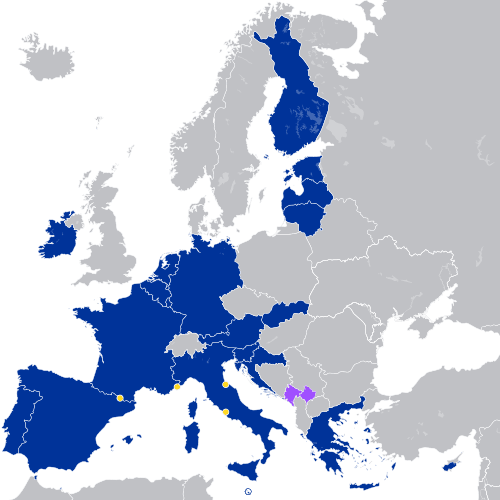
Eurozone
ORGANIZATION
Region of EU countries using the Euro

Federal Reserve
ORGANIZATION
Federal Reserve System, central banking system of the United States
Invesco
ORGANIZATION
US investment management company
Invesco Asset Management (Japan) Limited
ORGANIZATION
Organization referenced in documents
Invesco Asset Management (Schweiz)
ORGANIZATION
Organization referenced in documents
Invesco Asset Management Deutschland
ORGANIZATION
Organization referenced in documents
Invesco Asset Management Limited
ORGANIZATION
Organization referenced in documents
Invesco Asset Management Singapore
ORGANIZATION
Organization referenced in documents
Invesco Australia Limited
ORGANIZATION
Organization referenced in documents
Invesco Global Asset
ORGANIZATION
Organization referenced in documents
Invesco Hong Kong Limited
ORGANIZATION
Organization referenced in documents
Invesco International Limited
ORGANIZATION
Organization referenced in documents
Invesco Taiwan Limited
ORGANIZATION
Organization referenced in documents
Japan Investment Advisers Association
ORGANIZATION
Organization referenced in documents
Kanto Local Finance Bureau
ORGANIZATION
Japanese financial regulatory body
KPMG Consulting
ORGANIZATION
Organization referenced in documents
Qualified Institutions/Sophisticated
ORGANIZATION
Organization referenced in documents
Swedish Filial
ORGANIZATION
Organization referenced in documents

Target
ORGANIZATION
American retail corporation
the Central Bank of Ireland
ORGANIZATION
Organization referenced in documents
the Dubai Financial Services Authority
ORGANIZATION
Organization referenced in documents
the Jersey Financial Services Commission
ORGANIZATION
Organization referenced in documents
Wholesale
ORGANIZATION
Sale of goods or merchandise to retailers or other wholesalers rather than end consumers
World Bank
ORGANIZATION
International financial institution

Amsterdam
LOCATION
Capital and most populous city of the Netherlands

Atlanta
LOCATION
Capital city of Georgia, United States
Belgian
LOCATION
Location referenced in documents

Belgium
LOCATION
Country in western Europe

Bermuda
LOCATION
British overseas territory in the North Atlantic Ocean

Chile
LOCATION
Country in South America

Denmark
LOCATION
Country in Northern Europe and North America

Dublin
LOCATION
Capital and largest city of Ireland

Finaland
LOCATION
Location referenced in documents
Finland
LOCATION
Country in Northern Europe

Frankfurt am Main
LOCATION
City in Hesse, Germany
Guernsey
LOCATION
One of the Channel Islands, part of the Bailiwick of Guernsey, which is one of the British Crown Dependencies

Jersey
LOCATION
State of the United States of America

Luxembourg
LOCATION
Country in Western Europe

Madrid
LOCATION
Capital of Spain

Melbourne
LOCATION
Capital city of Victoria, Australia
Midtown
LOCATION
Neighborhood in Manhattan, New York City

Netherlands
LOCATION
Country in Northwestern Europe with territories in the Caribbean

New Zealand
LOCATION
Island country in the southwest Pacific Ocean

North
LOCATION
1994 comedy film by Rob Reiner

North America
LOCATION
Continent
Norther
LOCATION
Finnish melodic death metal band

Norway
LOCATION
Country in Northern Europe

Ontario
LOCATION
Province of Canada
Oxfordshire
LOCATION
County in England, UK

Panama
LOCATION
Sovereign state in Central America
Parnassusweg
LOCATION
Street in Amsterdam, the Netherlands
Roppongi
LOCATION
Neighborhood in Minato-ku, Tokyo

St Helier
LOCATION
One of the twelve parishes and capital of Jersey in the Channel Islands

Stockholm
LOCATION
Capital and largest city of Sweden

Taipei
LOCATION
Special municipality and capital city of Taiwan
the Colorado River
LOCATION
Location referenced in documents
the Isle of Man
LOCATION • 2 mentions
Location referenced in documents

Tokyo
LOCATION
Capital and largest city of Japan

Toronto
LOCATION
Capital and largest city of the province of Ontario, Canada

United States
LOCATION • 2 mentions
Country located primarily in North America

Vienna
LOCATION
Capital of and state in Austria

Western Europe
LOCATION
Western part of the European continent

Zealand
LOCATION
Island in Denmark

Zurich
LOCATION
Capital of the canton of Zurich, Switzerland
Statistics
Pages:52
Entities:77
Avg. OCR:87.8%
Sponsored