HOUSE_OVERSIGHT_020153_sub_003 - HOUSE_OVERSIGHT_020436
Document Information
Bates Range
HOUSE_OVERSIGHT_020153_sub_003 - HOUSE_OVERSIGHT_020436
Pages
84
Source
House Oversight Committee
Original Filename
NOVEMBER DRAFT.docx
Document Content
Page 201 - HOUSE_OVERSIGHT_020353
201 “Tt was the information in his head that we wanted.” Cherkashin said that as KGB rarely got access to any NSA officer, it was worth the risk. So he was given $5,000 in cash and a plane ticket to Vienna, where he was domiciled at the residence of the Soviet ambassador to Austria. A KGB’s electronic communications expert, Anatoly Slavnov, was then sent to Vienna to supervise the Pelton debriefings. The debriefing sessions, which went on for 15 days, were from 8 AM to 6 PM. In them, Pelton managed to recall Project A, a joint NSA-CIA-Navy operation in which submarines surreptitiously tapped into Soviet undersea cables in the Sea of Okhotsk, which connected a to the Soviet Pacific Fleet's mainland headquarters at Vladivostok. Pelton received another $30,000 from the KGB. “Did the information in his head proved valuable?” I asked. “As long as the NSA didn’t know the tap was compromised by Pelton, we could use the cable to send to the NSA the information we wanted it to intercept.” He said while actual NSA documents would have proved more useful than someone’s memories, “Our job is to take advantage of whatever we can get.” Two years later, Pelton was again flown to Vienna for a follow-up debriefing to see if he could recall any further details. Finally, in 1985, Pelton was arrested by the FBI and, like Ames and Hanssen, sentenced to life imprisonment. Looking at his watch, Cherkashin politely excused himself, saying he had work to do. On parting, I signed a copy of my book on Angleton for him and thanked him for his insights. Through the eyes of the KGB, a penetration of American intelligence was clearly opportunistic. If these practices continued, they put the Snowden case in a new light for me. If Russian intelligence considered it worthwhile to send an ex-civilian worker at the NSA, such as Ronald Pelton, from Washington D.C. 2,000 miles to Austria so that its specialists could debrief him on the secrets he held in his head, it would have an even greater interest in exfiltrating Snowden from Hong Kong to get, aside from his documents, whatever secrets he held in his head. If Russian intelligence was willing to opportunistically accept the delivery of U.S. secrets from an unknown espionage source that it neither recruited nor controlled, such as Hanssen, it would have little hesitancy in acquiring the secrets that Snowden had stolen on his own volition, even if Snowden acted for idealistic reasons. If Russian intelligence focused its search pattern on disgruntled American intelligence workers, such as Ames, it is plausible that it spotted Snowden through his Internet rants against U.S. surveillance. Even if it had missed Snowden in Hawaii, a disgruntled ex-civilian employee at the NSA would have received its full attention after he contacted Russian officials in Hong Kong. While the tactics of the SVR may have changed since Cherkashin retired, its objectives remained the same. And the NSA remained its principal target. Nor is there any reason to doubt that it still measures success in its ability to obtain, by whatever means, the secret sources and methods of its adversaries. Snowden was in a position, both with the documents he had taken and the knowledge he had in his head, to deliver the KGB such a HOUSE_OVERSIGHT_020353
Page 202 - HOUSE_OVERSIGHT_020354
202 coup. HOUSE_OVERSIGHT_020354
Page 203 - HOUSE_OVERSIGHT_020355
203 CHAPTER TWENTY-SEVEN The Handler As for his [Snowden’s] communication with the outside world, yes, I am his main contact --Anatoly Kucherena, September 23, 2013 Time was rapidly running out for me in Moscow. On November 1*, I still had not been able to make contact with Anatoly Kucherena, and my flight back to New York was in five days. My fixer, Zamir, had been trying to arrange an appointment for three weeks but he had only received one call back from Kucherena’s assistant, Valentina Vladimirovna Kvirvova. She wanted to know how I knew Oliver Stone. He told her of my part in Stone’s movie Wall Street 2: Money Never Sleeps. That was the last he had heard from her. Meanwhile a Moscow based journalist told me that she had waited 18 months to hear back from him giving up. I also learned from a Russian researcher that Kucherena had not given a single interview to any journalist since his television interview with Sophie Shevardnadze on September 23, 2013. And no Russian journalist, or any Moscow-based foreign journalist, had ever obtained an interview with Snowden. At this point, Zamir was becoming increasingly doubtful about getting my access to either Kucherena or Snowden. But I had another contact in Moscow. When I had been investigating the 2006 Polonitum poisoning of ex-KGB officer Alexander Litvinenko in London, I had interviewed a number of people in Moscow, including Andrei Lugovoy. A former KGB officer assigned to protecting the Kremlin’s top members in the 1990s, Lugovoy later opened his own security company. In 2005, he became a business associate of Litvinenko’s in gathering information, and made regular trips to London to meet with him. Since he had tea with Litvinenko at the Millennium hotel in London on November 1, 2006, the day Litvinenko was poisoned, he became the main suspect in the British investigation. He could not be extradited, however. After reconstructing the chronology of the crime, I established that Litvinenko had been contaminated with Polonium at a Japanese restaurant some four hours before his tea with Lugovoy. I therefore wrote that Lugovoy could not have poisoned Litvinenko in the Millennium hotel, a finding that he said he greatly appreciated. Lugovoy was elected to the Duma in 2008, and also hosted a 24 part television series espionage for which he was personally decorated by Putin. He was also now reputed to be in the inner circle of power in Moscow. So I called him. We arranged to meet in the lobby bar of the National Hotel. A short but well-built man with a bullet-style haircut, Lugovoy showed up promptly at 1 PM. After discussing some of the subsequent developments in the still-lingering Polonium investigation, I asked him if he knew Kucherena. HOUSE_OVERSIGHT_020355
Sponsored
Page 204 - HOUSE_OVERSIGHT_020356
204 “T don’t know him, but I know someone who does,” he answered. “Why are you interested in seeing Kucherena?” I told him that I wanted to speak to him about Snowden but that I had been unable to arrange a meeting. “That’s no problem,” he said, raising his cell phone (which never left his hand.) He hit a number the speed dial, and spoke rapidly in Russian (which I do not understand.) He cupped his hand over the phone and asked how long I would be in Moscow. After I told him that I was leaving on Friday, he spoke again in to the person on the other end. “You will have an appointment on Thursday,” he said. Later that afternoon Valentina, Kucherena’s assistant, called to say that Kucherena would be happy to see me at his office at 6 PM on Thursday. I didn’t ask Lugovoy who he had called or how this had happened. Clearly, whoever Lugovoy called had the power to arrange the meeting. Power evidently works in unseen ways in Putin’s Russia. Kucherena’s office was only two subway stops from the National hotel, and I arrived ten minutes early. A receptionist showed me into a well-lit square room with an elegant table in the center. There was a sumptuous basket of exotic fruit on the table and large portraits of racehorses on the walls. Another door opened, and a tall, graceful woman came into the room and introduced herself as “Valentina.” She was wearing a well-fitting black dress, striking jade necklace and high heels. When she asked whether I would like anything to drink, it seemed more like the prelude to an elegant dinner party than an interview about Snowden. As Kucherena did not speak English, I brought Zamir along to translate for the conversation, but Valentina also spoke very good English. She apologized for the delay in responding to my requests, explaining that she received “thousands of requests” for interviews and did not have time to answer them. When I asked how many were answered, she shrugged and said “not many.” At that moment, Kucherena entered with a jaunty step, a cherubic face and an untamed white hair. He was wearing grey slacks, a partially buttoned cashmere polo sweater and a fully engaging smile. As [had learned from his entry in Wikipedia, he was born in a small village in the Soviet Socialist Republic of Moldavia in 1960, and he had obtained his law degree from the All-Union Correspondence Law Institute in 1991. He opened his own law firm in Moscow in 1995. Kucherena’s well-known friendship with Putin evidently had not hurt his law practice. His clients had included such well-connected defendants as Viktor Yanukovych, the overthrown president of Ukraine in 2014; Grigory Leps, a Russian singer blacklisted by the U.S. for allegedly acting as a money courier for a Eurasian criminal organization; Valentin Kovalev, a former Russian Minister HOUSE_OVERSIGHT_020356
Page 205 - HOUSE_OVERSIGHT_020357
205 of Justice charged with corruption; and Suleyman Kerimov, a civil servant from Dagestan, who had amassed an estimated fortune of $7.1 billion. Kerimov recently had been charged for manipulating a Potash cartel case in Belarus. Most of these clients were reputed to be part of Putin’s inner circle. To break the ice, I asked him about Oliver Stone. I knew he had a small role in Oliver Stone’s forthcoming movie “Snowden.” in which he plays Snowden’s lawyer in Moscow. “T was impressed by how few takes he needed to shoot my scene,” he answered. “How did you come to be Snowden’s lawyer?” I asked. “Snowden picked me from a roster of 15 lawyers with which he had been given.” He then went to Sheremetyevo International Airport to meet his new client. They met on the morning of Friday July 12, 2013. At that point, he said that Snowden had been held virtually incommunicado for 20 days. Other than Russian officials, the only person he had been allowed to see during this period was Assange’s aide, Sarah Harrison. “Where in the airport did you meet him?” I asked. Was it in a VIP lounge?” “Tt was in the transit zone,” he replied coyly. “That is all I can say.” They spoke through a translator, as Snowden did not speak Russian. By this time, Sarah Harrison had sent 21 countries petitions for asylum that were signed by Snowden. Whatever their purpose, Kucherena did not consider them helpful. “I told him that if he wanted to get sanctuary in Russia, he would have to immediately withdraw all the petitions in which he had asked other countries for asylum.” Kucherena said that otherwise he could not represent him. Snowden agreed to that condition. Later that afternoon Kucherena accompanied Snowden to area G9 in the transit zone where they emerged from a door marked “authorized personnel only” shortly before 5 PM. The room was packed with representatives of Human Rights Watch, Amnesty International, Wikileaks and other Moscow-based activist groups. They had been invited the previous day by an emails signed “Edward Snowden” instructing then to go to Terminal F at Sheremetyevo International Airport where they would be met by airport personnel carrying a “G9.” It was a rare, if not unprecedented, event, for an American citizen to defect to Russia. Wearing an open-neck blue shirt and badly-creased jacket, Snowden read a prepared statement that accused the United States government of violating the universal declaration of human rights and described himself as a victim of political persecution. | He then formally announced that he was “requesting asylum in Russia.” In discussing this meeting, Kucherena told me that Snowden had not intended to seek asylum in Russia when he arrived on June 23. Since he also said he had not met Snowden prior to July 12", I asked how he knew Snowden’s intentions. HOUSE_OVERSIGHT_020357
Page 206 - HOUSE_OVERSIGHT_020358
206 “When I accepted the case, I received Snowden’s dossier.” He answered. “I was able to see all his interviews.” Presumably Snowden’s dossier included his interviews with the FSB, SVR and other Russian security services. If so, it would explain how Kucherena could be so certain that Snowden had brought “material” with him to Russia that he had not provided to journalists in Hong Kong. Before meeting with Kucherena, I had met with Sophie Shevardnadze, the previously-mentioned grand-daughter of Politburo member Edward Shevardnadze and widely-followe3d television journalist. She told me that Kucherena had personally approved the translation of the interview into English. So I asked Kucherena about his 2013 interview with her, which was the last interview he had given about Snowden. It will be recalled that in response to a question about whether Snowden had secret material with him in Russia, Kucherena had said “certainly.” Was this exchange accurate? “It was accurate,” he answered. Snowden himself had said in Hong Kong that he had only given journalists some of the state secrets he had stolen and that he deemed others too sensitive for journalists. So I sought to find out from Kucherena which documents Snowden had taken to Russia. I went about it in a roundabout way. When Shevardnadze asked him about the secret material Snowden had might reveal in Russia, Kucherena pointedly called her attention to Snowden’s CIA service, suggesting that he might possess CIA files. I also knew that in his roman a clef novel which Oliver Stone had optioned for $1 million, he had Joshua Frost, the thinly veiled Snowden-based character, steal a vast number of CIA documents that could do great damage to U.S. intelligence. By retaining them, Frost made himself a prime target of the CIA. So I asked “Is Joshua Frost fact or fiction?” “T can’t tell you that,” he said, “If I said he was Snowden it would violate the attorney client privilege.” “T understand,” I persisted, “But did Snowden do what Frost did in your book.” “That is for you to decide,” he answered with a sly smile. “It’s my first novel.” When I asked if he could arrange for me to see Snowden, he said that first I would have to first submit my questions to Ben Wizner, Snowden’s American lawyer. He made it clear to me that the exposure of Snowden to journalists, or at least the vetting of journalists, had been outsourced to Wizner, “After that the final decision is up to Snowden,” he said. That seemed to conclude the interview but, as I got up to leave, he added, “His legal defense is fairly expensive and Snowden is running out of money.” I was intrigued by this parting remark. Snowden, as far as I knew, didn’t need a legal defense because he was not charged with a crime in Russia and the United States had no extradition treaty with Russia. But I asked, “Could I make a contribution to his defense fund?” “It would be greatly appreciated,” he said, “We will supply you with instructions to wire the money to our bank.” “How much should I send?” “That’s up to you,” he said, getting up to walk me to the door. “I should add for the record that the contribution will not influence Snowden's decision to see you.” “T will send the wiring instructions” Valentina said as I left. “I hope you come back to Moscow.” HOUSE_OVERSIGHT_020358
Sponsored
Page 207 - HOUSE_OVERSIGHT_020359
207 While Kucherena did not arrange an interview with Snowden, as I had hoped, he did something I considered more important. He confirmed the accuracy of his September 2013c assertion that Snowden had brought secret material to Russia; material he had not given to journalists in Hong Kong. After what I learned from Cherkashin about the lengths that Russian intelligence would go to obtain U.S. communications intelligence secrets, I viewed Snowden’s access to this material to be a crucially important part of the mystery. As for Snowden, I would send my questions to Ben Wizner and, if he and Snowden approved them, I would fly back to Moscow. But I decided that I was not going to send money to Kucherena— or to Snowden. HOUSE_OVERSIGHT_020359
Page 208 - HOUSE_OVERSIGHT_020360
208 PART SIX CONCLUSIONS HOUSE_OVERSIGHT_020360
Page 209 - HOUSE_OVERSIGHT_020361
209 HOUSE_OVERSIGHT_020361
Sponsored
Page 210 - HOUSE_OVERSIGHT_020362
210 CHAPTER TWENTY-EIGHT Snowden’s Choices “Tt is the choices we make that show who we truly are” J.K Rowling, the Philosopher’s Stone Whereas Russian authorities had the opportunity to thoroughly debrief Snowden as to his motive for stealing state secrets, US authorities did not have that opportunity (and it seems unlikely that they will have it in the foreseeable future.) So Snowden’s motive is a missing part of the puzzle. It also cannot even be assumed that he had a single consistent motive during the nine- month course of his illicit copying of documents. Snowden has shown, if nothing else, that he is adaptable. He may have began taking documents for one reason and found other reasons as he proceeded in his quest. Many of the circumstances of his probes, contacts, theft and escape remain disputed by his supporters and shrouded by the secrecy of the NSA. What we do know is that Snowden made four extraordinary choices during the nine month period in 2013 that speak to the concerns that may have guided his actions. In the case of a classified intelligence breach, as in a chess game, the sequence of moves a player makes provides an important clue to his strategy. The first move that Snowden made in preparation of the Level 3 breach was switching jobs on March 15th 2013. Snowden chose to leave his job as a system administrator at Dell SecureWorks to take job at Booz Allen as an analyst-in-training. His motive was not money, as it was a lower- paying position. At the time, he made this choice he had already set up an encrypted channel with Laura Poitras for the purpose of sending her secret material. But he did not have to change jobs to send her secrets. So what was his purpose in making this fateful choice? The job change was not necessary to expose NSA domestic activities. If he had only wanted to be a whistle-blower, there were ample documents about the NSA’s activities already available to him on the NSANet. He also had access at Dell to the administrative file which contained the FISA court orders issued every three months to Verizon. In addition, as the NSA’s damage assessment established, before switching jobs Snowden had already taken most of the documents pertaining to the NSA’s domestic operations that he could have supplied to Poitras and Greenwald for whistle-blowing purposes. Indeed, while still at Dell, it will be recalled, he had he had told Poitras he had a copy of Presidential Policy Directive 20, a document in which President Obama authorized the NSA to tap into fiber cables crossing the United States. Snowden described it to her as “a kind of martial law for cyber operations, created by the White House.” True, he took a more recently-issued FISA warrant and PRISM presentation in April after switching jobs, but he could have just as easily taken the January 2013 version of the FISA warrant from the administrative file of Dell. It would have had the same explosive effect in the media. Nor did he switch jobs to lessen the risk of getting caught. He actually put himself in far greater jeopardy by switching jobs. At Dell he was relatively safe from apprehension since he could take documents, such as the above-mentioned Presidential Policy Directive 20, from access points at the NSA shared by many of his peers. Since these shared access points provided the equivalent of a common reading room at a library, it would be difficult to trace the theft of any documents taken from them to a particular user. Indeed, if he just wanted to expose the NSA’s domestic HOUSE_OVERSIGHT_020362
Page 211 - HOUSE_OVERSIGHT_020363
211 operations, he could have done the entire operation at Dell. He even could have sent Poitras documents anonymously over his own TOR software and server. And he could have remained in his self-described “paradise” in Hawaii with his girl friend. Yet he chose to move to Booz Allen he also greatly increased the risk of exposure because the auditing system at Booz Allen could trace back unauthorized copying (though not in real time.) Presumably he knew, as he later told Greenwald and Poitras, that stealing documents at the Booz Allen job meant that he would either go to prison or escape from America. He didn’t want to face prison time, so the job change required an escape plan. In keeping with the latter option, only about a week after he started work at the Booz Allen-managed facility, he submitted a request for a medical leave of absence. We can safely assume that the reason for him to make this risky switch in employment was because he wanted something beyond the whistle-blowing documents. He wanted now to get documents that were not available at the Dell job. One such document he took was the top-secret Congressional Budget Justification Book for Fiscal Year 2013. This “black budget,” as it is called in Congress, contained the entire Intelligence Community’s priorities for, among other things, monitoring the activities of potential adversaries and terrorist organizations. It specified the money requested by not only the NSA, but the CIA, DIA, National Reconnaissance Office and other intelligence services. Snowden could not have considered the budget illegitimate, since is duly approved by both houses of Congress and the President. Nor could he objected to its secrecy since he himself had sworn oaths to protect all classified documents to which he was privy for the past eight years. If it was not for purposes of whistle-blowing, presumably he had another purpose for taking such a document. It certainly held value to other actors. “For our enemies, having it is like having the playbook of the opposing NFL team,” said CIA Deputy Director Morell in 2015. “I guarantee you that the SVR, the Russian foreign intelligence service, would have paid millions of dollars for such a document.” Unlike Ames, Hanssen and Pelton, Snowden was not after money. He sought documents that enhanced his power and importance. He made no secret of this part of his motive after he got safely to Hong Kong. As will be recalled in answer to a question from the journalist Lana Lam about his motive for changing jobs, he answered that he took the Booz Allen job to get access to secret lists that were not available to him by working for Dell. These documents certainly increases his value to other nations since they included Level 3 lists revealing the NSA’s sources in Russia, China and other foreign countries. Snowden also wanted more than NSA secrets. He used his new position, and widened access at Booz Allen, to go after secret documents from the intelligence services of Britain, Australia. New Zealand and Israel He revealed this operation only after receiving sanctuary in Russia. He told an interviewer that by moving to his new Booz Allen job as an infrastructure analyst he gained the ability to pry secrets out of the allied of the NSA. “I had a special level of clearance, called ‘Priv Ac’,” he said. This “priv ac” status, he further explained, allowed him to request files from other services cooperating with U.S. intelligence. By way of example, he described one file from the British GCHQ cipher service that he copied, stole and provided to other parties. It exposed a legally-authorized British operation to collect electronic data on terrorist matters in Pakistan by tapping into Cisco routers used by telecom companies in Asia. This GCHQ operation, as he himself recognized, violated neither British nor American law. He told a BBC interviewer in regard to that file:’ What's scariest is not what the government is doing that's unlawful, but what they're doing that is completely lawful.” So his criteria for taking such HOUSE_OVERSIGHT_020363
Page 212 - HOUSE_OVERSIGHT_020364
212 documents were not their illegality. Nor did the fact they were lawful actions stop him from taking highly-sensitive GCHQ documents referring to them. In his five weeks at this Booz Allen job, he also used this same newly-acquired “Priv Ac” at the NSA to steal files from the Israeli, Canadian and Australian intelligence services. Jumping from one outside contracting firm to another for the purpose of penetrating other/r western intelligence services is not the conventional mission of a whistle-blowing. In the parlance of intelligence operations, an employee of an intelligence service who changes his jobs\ solely to steal the more valuable secrets of services is called an “expanding penetration.” It is not possible to believe that Snowden did not know the damage that the highly-sensitive documents he was taking from the NSA and its allies. Even if they did not reveal any unlawful American activities, could do immense damage to Western intelligence. Indeed, he said as much once he got to Moscow. In respect to China alone, he told James Risen, the New York Times’ national security reporter, in October 2013 that he had had “access to every [NSA] target, every [NSA] active operation” that could turn out the NSA’s “lights” in China. He no doubt assumed that he had the same power to close down the NSA’s operations in Russia. His choice to switch jobs did not come out of the blue. It was not based on serendipitously discovering the documents after he began working at Booz Allen. . It was a carefully calculated move. As he told Lana Lam, he knew in advance that by switching to the job at Booz Allen he would gain the opportunity to take the lists of NSA sources. He knew that the NSA’ secretive National Threat Operations Center’s chief business was, as its name suggests, countering direct threats from China, Russia and other adversary states, and that, to deal with these threats, the NSA had used sophisticated methods to hack into the computers of adversaries. The NSA was even able to remotely gain entry to adversary computers that were not hooked into a network. “Tt’s no secret that we hack China very aggressively,” Snowden later said from Moscow. He had a planned target: getting the lists of the enemy computers that the NSA hacked into. He also knew he was undertaking s a dangerous enterprise. He would tell Poitras in Hong Kong that the NSA would literally “kill” to protect their secrets. He also said he could be seized in a rendition operation by the CIA in Hong Kong. He even foresaw the probability that he “would be in an orange jumpsuit, super-max prison in isolation or Guantanamo.” He knowingly chose this course, despite the possibility of assassination or imprisonment, presumably because he believed the value of the secrets he would obtain by switching jobs outweighed the risk of imprisonment. Part of his calculus might have been the belief that the NSA lists, GCHQ documents and other material in his possession could give him great leverage, if he chose to exert it, in his future dealings with intelligence services (including the NSA.) If so, his choice to widen his access was also a choice to empower himself. The second choice of consequence that Snowden made was to make Hong Kong his first stop. He had many other options. He could have remained in America, as almost all previous whistle-blowers in the past had chosen to do. If he did that, he would have to make his case in court (and, in that case, the level 3 documents he took might have been retrieved before they fell into unauthorized hands.) He could have also chosen to make a cross-border escape to a country that did not have an active extradition treaty with the United States. He could have, for example, taken a direct flight to Brazil, which has no extradition treaty with the United States. Brazil also had the advantage of being the home country of Glenn Greenwald, the journalist who he wanted to break the whistle-blowing story. As Greenwald seemed (at least to Snowden) hesitant to travel HOUSE_OVERSIGHT_020364
Sponsored
Page 213 - HOUSE_OVERSIGHT_020365
213 12 times zones away to meet an anonymous source, Brazil also would have been a more certain place to meet Greenwald. If some consideration by Snowden precluded Brazil as a destination, Snowden could have also gone to Ecuador, Bolivia, Cuba, Iceland, or Venezuela, which are also countries that do not have active extradition treaties with the United States. Yet, instead of proceeding to a country from which he could not have been extradited, he flew to Hong Kong, which had a vigorously enforced extradition agreement. His reason for choosing was not to keep a previously arranged rendezvous with a journalist. As previously mentioned, when he left Hong Kong not a single journalist had agreed to meet him in Hong Kong. Indeed, Gellman considered Hong Kong, as he put it, “in the jurisdiction of a country that’s unfriendly to the United States,” and notified Snowden that he would not be able to journey to Hong Kong. Yet, even without any appointments with journalists, he chose to fly to Hong Kong. So his choice was not based on either evading extradition or on accommodating journalists. He chose Hong Kong for another reason. He told Greenwald Hong Kong, as a part of China, could provide him protection from any countermeasures by U.S. intelligence agencies. He made that consideration clear, saying that that Snowden’s “first priority was to ensure his physical safety from US interference.” Hong Kong “was part of China’s territories, he [Snowden] reasoned, and American agents would find it harder to operate there than other places,” according to Greenwald. Snowden further reckoned that China’s control over Hong Kong prevented “American agents from breaking down the door” of the hotel room and from seizing him. Tyler Drumheller, a former CIA station chief, told me that Snowden was correct in his assessment of that Hong Kong advantage. Drumheller said that Hong Kong was “home court” for the Chinese intelligence services. It played a: dominant role” in running the police, airport passport control and security regime there. According to Drumheller, this reality limited the role that American and British intelligence operatives could play there and Snowden would be protected in Hong Kong against an intrusion by America. “Snowden obviously knew this from his training at the CIA,” Drumheller said. As the Chinese service was under no such restrictions, Snowden had gained protection at a price. While no US or British intelligence operatives would be in a position to retrieve the NSA files he had brought with him to Hong Kong, Chinese operatives, and their allies in the intelligence war, would have a free hand in Hong Kong. Yet, Snowden chose to put his physical safety in the hands of China. One reason why Snowden may not have been overly concerned about Hong Kong’s extradition treaty with the U.S. was that he had never intended to test it by staying in Hong Kong after his media events. Snowden told the editor of the Guardian from the safety of Moscow, Hong Kong was only a temporary stop over. He added in the interview that allowing himself to become part of an extradition proceeding in the Hong Kong court was not part of his plan. If so, the Hong Kong lawyers, who believed they had been retained pro bono to battle against extradition, were part of a charade. Hong Kong merely was a protected stopover. The stopover may have provided him with a further advantage. If he had gone directly to his next destination, Moscow, and he provided the same journalists with the same documents at a press conference in Moscow, his status as a whistle-blower might have been viewed with less sympathy in the media. Even the Guardian, for example, might have been reluctant to publish a Moscow-based story revealing British and American communications intelligence secrets, HOUSE_OVERSIGHT_020365
Page 214 - HOUSE_OVERSIGHT_020366
214 The third choice Snowden made, and the choice that most effectively defined him to the public, was to reveal himself as the man behind the leak in a video in Hong Kong. He not only identified himself as the person who stole the government documents published by the Guardian and Washington Post, but he incriminated himself further on camera by allowing Poitras to film him actually disclosing NSA’s secret operations to Greenwald. By disclosing classified data to Greenwald, an unauthorized person, he intentionally burned his bridges. What makes this choice intriguing is that there was no evident need for him to expose himself in this way. If he merely wanted to be a whistle-blower, he could have, as Bradley Manning did, anonymously sent the documents to journalists as “Citizen 4.” In fact, in late May 2013, that was exactly what he did. He sent Barton Gellman the PRISM scoop anonymously which the Washington Post published on June 6", 2013. In that scoop, Snowden’s name was not revealed. He also sent Greenwald and Poitras documents while he was still the anonymous source “Citizen 4.” Neither Gellman nor Greenwald had suggested the need for a face-to-face meeting with Snowden. Even after he had revealed his true identity to Poitras and Greenwald on June 2™ 2013, Guardian editor Ewen MacAskill offered him the option of remaining an unnamed source for the stories. He said, as he later told Vanity Fair. “You should remain anonymous; the stories are just as good without you.” However, anonymity was not part of Snowden’s long game. The reason he gave Greenwald in Hong Kong for going public in this way was to avoid any suspicion falling on his co-workers at the NSA. Yet, if merely wanted to take sole responsibility for stealing state secrets, he did not need to be the subject of a documentary. He could have simply allowed Greenwald to identify him by name as the source in the stories. That would not present an issue since he had not been identified by either name or position in the initial stories published on June 5" and 6" by Greenwald, Poitras and Gellman. In short, he did not act to defect suspicion from his co-workers for the initial investigation. Why now? The one thing that Snowden could not accomplish by anonymously transferring the documents to journalists was a starring role in the drama. If he had appeared digitally-masked in Poitras’ video with an altered voice, he would not achieve fame in the media. For that, he needed to allow Poitras to film him committing the crime of turning over NSA documents to Greenwald. This video was also the result of his advanced planning. Indeed, one reason he chose Poitras was that she was a prize-winning/ documentary film-maker who had already made a documentary about NSA whistle-blower William Binney. Snowden, while he was still working at the NSA in March 2013, made it clear how he intended to use Poitras' film-making skills. He told her: “My personal desire is that you paint the target directly on my back.” He chose to make himself the on-camera star of a 20-hour long reality show. This sensational footage would transform him in the public’s mind into a selfless hero. It would be a mistake to assume that the central role he gave himself was an exercise in narcissism. It was an integral part of his personal transformation. After this globally-watched video, he was no longer a near non- entity servicing a computer system at a back-water NSA base in Hawaii. In the space of 12 minutes on television, he had emerged from the shadowy world of electronic intelligence and became one of the most famous whistle-blowers in modern history. It was a mantle that would allow him to also become a leading advocate of privacy and encryption rights as well the leading opponent of NSA spying. While this remarkable transformation may not have been his entire motive, it certainly was the result of the choice he made to go public. HOUSE_OVERSIGHT_020366
Page 215 - HOUSE_OVERSIGHT_020367
215 The final choice he was made to board a non-stop flight to Moscow on June 23, 2013. To remain in Hong Kong once a criminal complaint was leveled against him would have meant that, at the very minimum, Hong Kong authorities would seize him and the alleged stolen property of the US government in his possession. Even if he was released on bail, the Hong Kong authorities would almost certainly retain all the NSA and GCHQ files he had gone to such lengths to steal. He also would not be allowed to leave Hong Kong and possibly denied any access to the Internet. As he demonstrated by his subsequent actions, this option was not acceptable to him. Once the U.S. criminal complaint was unsealed on June 21, 2013, which became all but inevitable after his video, his only route out of Hong Kong went through two adversaries of the United States, China and Russia. China, as far as is known, did not offer him sanctuary. According to one U.S diplomat, it may have already obtained copies of Snowden’s NSA files, and did not want the problem of having Snowden defect to Beijing. In any case, if it had not already acquired the files. It could assume it would receive that intelligence data from its Russian ally in the intelligence war. Whatever its reason, China did not use its considerable power in Hong Kong to block Snowden’s exit. Nor did Snowden obtain a visa to any country in Latin America or elsewhere during his month- long stay in Hong Kong. As in the oft-cited Sherlock Holmes’ clue of the dog that did not bark, Snowden’s lack of any visas in his passport strongly suggests that he had not made plans to go anyplace but where he went: Moscow. His actions here, including his contacts with Russian officials in Hong Kong, speak louder than his words. Snowden chose, if he had any choice left at all, the Russian option. Just as he believed Chinese intelligence could protect him in Hong Kong from the United States, he could assume that the FSB could protect him in Moscow from the United States. He was not entirely na* ve about its capabilities. During his service in the CIA, he had taken a month-long training course at the CIA’s “farm” at Fort Peary in which counterintelligence officer taught about the capabilities the Russian security services To be sure, he might not have known that Moscow would be his final destination. He may have naively believed that Russia would allow a defector from the NSA who claimed to have had access to the NSA’s sources in Russia and China leave Moscow before its security services obtained that information. But that was not to be. It is not uncommon for a defector to change sides in order to find a better life for himself in another country. Some defectors flee to escape a repressive government or to find one in which they believe they are more closely attuned. But Russia is ordinarily not the country of choice for someone such as Snowden seeking greater civil liberties and personal freedom. So why did Snowden choose Russia for his new life? The four choices that Snowden made in 2013 did not come out of the blue. They all were planned out well in advance. He applied for the job to Booz Allen in February 2013, more than a month before leaving his job at Dell. He applied to Booz Allen for his medical leave, although in fact he had no medical problem, a month before departing for Hong Kong. He brought with him to Hong Kong enough cash to pay his living expenses, according to him, for the next two years. He arranged the encrypted channel with Poitras in February 2013, three months before he would induce her to come to Hong Kong. He made contact with a foreign diplomatic mission at least a month before flying to Moscow and, at some point, met with Russian officials, who arranged a visa-less entry for him. He called Assange in London to arrange for Wikileaks help, 13 days HOUSE_OVERSIGHT_020367
Sponsored
Page 216 - HOUSE_OVERSIGHT_020368
216 before departing to Moscow, and Assange accommodated him by laying down a smoke screen of decoy flights to facilitate his escape from Hong Kong and sending him a helper. Taken together, these actions show that Snowden was determined to succeed where others before him had failed. He not only wanted to take full credit for stealing files from the NSA but he wanted to escape any American retribution for his act. His decision suggests to me a highly- intelligent, carefully calculating man who was hell-bent on finding a new life for himself in a foreign country. There is a common thread that runs through these four choices. It is a willingness to do whatever was necessary to achieve this new life, including disregarding his oath to protect secrets and instead transporting them on thumb drives to a foreign country. To protect himself, he was also willing to rely on the influence of an adversary intelligence services in Hong Kong and put himself of the hands of Russian authorities in Moscow. He also was willing to use some of his classified documents as a medium of exchange, if not bait, with journalist to get the public attention he sought. These choices paid off for him. The video presentation he partly authored changed his status in the eyes of the public from a document-stealer to whistle blower. Against all odds, Snowden succeeded in transforming himself from a low-level computer technician working, without any public recognition at the NSA into an internationally-acclaimed spokesman against the NSA’s surveillance. And in Moscow, he could enjoy a safe life, free from the threats of a CIA rendition team dropping from the sky or extradition proceedings. He was now under the protection of Putin’s Russia. As far as Snowden was concerned, as he told Gellman of the Washington Post on December 21, 2013 in Moscow, “The mission’s already accomplished.” HOUSE_OVERSIGHT_020368
Page 217 - HOUSE_OVERSIGHT_020369
217 CHAPTER TWENTY NINE The Whistle Blower Who Became a Controlled Source “The [U.S.] government’s investigation failed—that they don’t know what was taken” —Edward Snowden in Moscow In Moscow I had learned that Russian intelligence services use the broad, umbrella term “espionage source” to describe moles, volunteers and anyone else who delivers another state’s secrets to it. It applies not only to documents but to the secret knowledge that such a source is able to recall and includes both controlled and uncontrolled bearers of secrets. It is also a job description that fitted Edward Snowden in June 2013. Unless one is willing to believe that the Putin regime acted out of purely altruistic motives in exfiltrating this American intelligence worker to Moscow, the only plausible explanation for its actions in Hong Kong was that it valued Snowden’s potential as an espionage source. Snowden’s open disillusionment with the NSA presented the very situation that the Russian intelligence services specialized in exploiting. He had also revealed to reporters in Hong Kong that he had deliberately gained access to the NSA’s sources and methods and he that he had taken to Hong Kong highly-classified documents. He further disclosed that, before leaving the NSA, he had gained access to the lists of computers that the NSA had penetrated in foreign countries. He even went so far as to describe to these journalists the secrets that he had taken as a “single point of failure” for the NSA. And aside from the documents he had copied, he claimed, it will be recalled, that he had secret knowledge in his head that, if disclosed would wreak havoc on the entire U.S. foreign intelligence system. “If I were providing information that I know, that’s in my head, to some foreign government, the US intelligence community would ... see sources go dark that were previously productive, he told the editor of the Guardian in Moscow. In short, he advertised possessing precisely the priceless data that the Russian intelligence services had been seeking, with little success, for the past six decades. These electronic files could provide it with the keys to unlock the NSA’s entire kingdom of electronic spying. Could any world-class intelligence service ignore such a prize? To miss the opportunity to gets in hands such a potential espionage source would be nothing short of gross negligence. In fact, as has been already established in these pages, this golden opportunity was not missed in Hong Kong. Even if the Russian intelligence service had not previously had him in its sights — which, as discussed in chapter XV, appears to me to be extremely unlikely-- he made contact with Russian officials in Hong Kong, and Putin, as he himself said, personally approved allowing HOUSE_OVERSIGHT_020369
Page 218 - HOUSE_OVERSIGHT_020370
218 Snowden to come to Russia. Putin’s s decision no doubt set in motion the operation to exfiltrate him on Aeroflot, the state-controlled airline. We know that the Russian government acted in advance to facilitate Snowden’s trip from Hong Kong. Without such an intervention, it would not be possible for an American without an entry visa to Russia, or, for that matter, any other country to check-in and board an Aeroflot flight to Moscow. Aeroflot had to be instructed to allow Snowden on the plane without a visa. We also know that a special operation was mounted to take Snowden off the plane once it landed in Moscow. Such an operation could not have been done without advance planning. Nor would he be removed from the plane without a plan for his stay in Russia. Since Putin himself has taken credit for authorizing Snowden’s trip to Russia, there is no reason to doubt that these plans, and whatever cover stories were deemed necessary, were approved at the highest level of the regime. When an intelligence service makes such elaborate preparations for extracting a foreign intelligence worker, it presumably also expects to debrief him or her on arrival. Pelton, for example, who had access to far less valuable information than had Snowden, was held incommunicado in Vienna for two weeks during his debriefing. What would be inconceivable would be for an intelligence service to go to such lengths to bring a potential espionage source such as Snowden to Russia and allow him to catch the next plane to Latin America. The false report provided to the press that Snowden was flying to Latin America was likely nothing more than a cover story to confuse foreign observers while he was receiving his initial debriefing and evaluation. When it comes to the esoteric enterprise of reconstructing the work of U.S. signals intelligence, military as well as civilian experts in cryptology, computer sciences and communications are necessary. Unlike in the case of Pelton, Snowden had secret material in his possession, at least according to Anatoly Kucherena. Even if Russian intelligence had already acquired copies of his electronic files prior to Snowden’s arrival in Moscow, Snowden’s interpretation of them would be part of the debriefing since intelligence data needs to put in context. “This debriefing could not be done overnight,” according to a former high-ranking officer in the GRU, the Russian military intelligence service. “There is no way that Snowden would not be fully debriefed,” he said. He also said GRU specialists in signal intelligence would be called in. We know that the Putin regime paid a significant price in terms of the cancellation of the pre- Olympics summit with Obama. Having to accept the onus of declining relations with the Obama administration, it is hard to believe that it didn’t attempt to get the bonus of signals intelligence from Snowden. The GRU, SVR and other Russian intelligence services would not be denied the opportunity to y question Snowden until to all they had squeezed out of him whatever state secrets he had or knew during the 38 days that he had vanished from public sight. Since Snowden was rewarded with sanctuary, a residence and body guards, there is no reason to doubt that he satisfactorily accommodated his interrogators. While he might elect to continue believing that he a whistle-blower true to his ideals, as far as Russian intelligence was concerned, he was an espionage source. / For an intelligence service, the game is not over when it obtains state secrets. It still needs to fog over the extent of its coup, as far as possible, to prolong the value of the espionage. Hence it is plausible that the story that Snowden had thoroughly destroyed all his data he stolen the prior month prior to departing for Russia as well as the story that he had turned down all requests to be questioned by the FSB and other Russian intelligence officials were part of his legend. The repetitions of these uncorroborated claims in his press interviews also may have enhanced his public image for the ACLU effort to get clemency for him. Even so, in view of the importance of HOUSE_OVERSIGHT_020370
Sponsored
Page 219 - HOUSE_OVERSIGHT_020371
219 such communication intelligence to Russia, it would be the height of naiveté for U.S. or British intelligence to accept such claims as anything more than part of the cover story. As for the Snowden’s motive, I see no reason to doubt Snowden’s explanation that he stole NSA documents to expose NSA surveillance that he believed was an illicit intrusion into the privacy of individuals. Such disaffection is not a unique situation in the intelligence business. Many of Russia’s espionage sources before Snowden were also dissatisfied employees who had access to classified secrets. Like some of them, Snowden used his privileged access to blow the whistle on what he considered to be the improper activities of the organization for which he worked. In that sense, I fully accept that he began as a whistle-blower, not as a spy. It was also as a whistle-blower that he contacted Laura Poitras, Glenn Greenwald and Barton Gellman, who published the scoops he provided in the Guardian, Der Spiegel and Washington Post, Snowden’s penetration went beyond whistle-blowing, however. He copied a vast number of electronic files, including the level 3 files that contained the NSA’s most sensitive sources and methods. While these files had little, if anything, to do with domestic surveillance or whistle- blowing, they gave him the sense of power he demonstrated in asserting that he could make all of U.S. communication intelligence “go dark” all over the world. We know from Kucherena that he did not share part of data with journalists. Instead, he took it to Russia. As far as carrying out the most damaging part of the operation, he could not have acted entirely alone. It will be recalled that the deepest part of his penetration was during the five weeks he worked at the National Threat Operations Center in Hawaii as a contract employee of Booz Allen Hamilton. It was there that he copied level 3 files, including the so-called road map to the gaps in American intelligence. During this period, as discussed in Chapter HII, Snowden had neither the passwords nor system administrator’s privileges that would allow him to copy, transfer and steal the electronic files. He therefore must have obtained that assistance from some who had the passwords and privileges. Even if that reality does not sit well with the NSA administration, there is no reason to assume that Snowden was the only disgruntled employee at that NSA facility in 2013. That a dozen or so NSA co-workers attended his anti-surveillance Crypto party in 2012 shows that others shared his sensibilities and antipathy towards NSA surveillance. It therefore seems plausible to me that he found a co-worker willing to cooperate, or vice versa, a co-worker found him. To be sure, Snowden might not have been aware of his new accomplice’s true motives or affiliations. But without some co-worker providing him with entry to the sealed-off computers, he could not have carried out the penetration. To our knowledge, whoever helped him evidently did not want to expose himself to prosecution or defect from the NSA. That was Snowden’s role. By accepting the sole blame in the video that Poitras made about him in Hong Kong, Snowden shielded anyone else from suspicion, which was, as he told Poitras, his purpose, Whoever helped him may still be working at the NSA. To be sure, there remains another glaring gap in the chain of events that led Snowden to Moscow: his whereabouts and activities during his first eleven days in Hong Kong. Mike Rogers, the chairman of the House Select Committee on Intelligence, even speculated that Snowden might have been taken to mainland China during this period. What drove his speculation was the admission of U.S. intelligence that, despite its vast global resources for searching credit card charges, banking transactions, hotel registrations, emails, police records and even CCTV cameras, neither it, nor its allies, were able to find a trace of Snowden. It was, in a phrase later made famous by former Secretary of Defense Donald Rumsfeld. “A known unknown.” Yet there HOUSE_OVERSIGHT_020371
Page 220 - HOUSE_OVERSIGHT_020372
220 provided no basis to speculate that he was in mainland China. He could have been staying in a well-prepared safe-house anywhere in Hong Kong or even at the home of an unknown associate. All that is really known is that soon after he emerged from this venue and gave his celebrated interview to journalist he was aboard an Aeroflot plane bound for Moscow where he would become, if he was already, a potential espionage source for Russia. Whatever his initial motivation may have been, Snowden’s actions would appear squarely at odds with his assertions of serving his country’s interests. Even accepting that he began with a sincere desire to be a world-class whistleblower, his mission evolved, deliberately or not, into one that led him to disclose key communications intelligence secrets to a foreign power with an agenda that can hardly be aligned with his country’s interests. In the end, it is Snowden’s actions, not his words that matter. HOUSE_OVERSIGHT_020372
Page 221 - HOUSE_OVERSIGHT_020373
Zed EPILOGUE THE SNOWDEN EFFECT HOUSE_OVERSIGHT_020373
Sponsored
Page 222 - HOUSE_OVERSIGHT_020374
Laide CHAPTER THIRTY The Consequences for the ‘War on Terrorism’ “ “Because of a number of unauthorized disclosures and a lot of hand-wringing over the government’s role in the effort to try to uncover these terrorists, there have been some policy and legal and other actions that make our ability collectively, internationally, to find these terrorists much more challenging.” CIA Director John Brennan in response to the Paris attack, November 2015 In the evening of November 13, 2015, normal life in Paris was brought to a screeching halt by nine Jihadist terrorists acting on behalf of ISIS. Three blew themselves up at the stadium at Saint- Denis, where President Hollande was attending a match between France and Germany, while the others shot killed 130 people at cafes, restaurants and a theater. 388 others had been wounded in the carnage. The attack was planned over many months by Abdelhamid Abaaoud, a 28-year old Belgium citizen of Moroccan origins, who served ISIS as a logistics officer in Syria in 2014. To organize the attack, he smuggled three suicide bombers into Europe through Greece, raise financing, set up a base in the Molenbeek section of Brussels, import deactivated assault weapons from Slovenia (which then had to be restored by a technician), buy ammunition, acquire suicide vests, obtain “burner” cell phones, rent cars and make on-line bookings for quarters in Paris for the nine attackers.. Even though Abaaoud was well known to western intelligence services, none of the communications surrounding the preparations for the attack came to the attention of the NSA or its allied services in Europe. Those Paris attackers who did not kill themselves with their suicide vests were killed by the police, but the real challenge in such a terrorist operation is not bringing culprits to justice after the massacre civilians. It is preventing them from carrying it out. As “soft targets,” such as restaurants, cafes, theaters and street gatherings, cannot be continually protected by police, the only practical means by which a government can prevent such attacks is to learn in advance about their planning and preparations. One means of acquiring this information is by listening in on the channels through which members of loosely-knit terrorists organizations, such as ISIS, communicates with one another. This form of intelligence-gathering obviously works best so long as the terrorists remain unaware that the communication channels they are using are being monitored. Once they find out that their messages and conversations are being intercepted, they will likely find a safer means to communicate important information. For that reason, communications intelligence organizations keep the sources and methods they employ for monitoring these channels in a tightly-sealed envelope of secrecy. HOUSE_OVERSIGHT_020374
Page 223 - HOUSE_OVERSIGHT_020375
Zn Yet, in June 2013, the NSA found that envelope had been breached by Snowden who deliberately compromised three programs that it used to keep track of terrorist organizations around the world. The first system he divulged, and the one which though it received the most public attention, did the least damage, was what the NSA called the 215 program because it had been authorized by section 215 of the Patriot Act of 2001. This program amassed, the billing records of every phone call made in America that could be used as a data base by the FBI. The idea was that when any foreigner on the FBI’s watch list of terrorists called anyone in the U.S. the FBI could trace that person’s entire chain of telephone contacts to try to determine if he was connected to a terrorist cell. There was, however, a major flaw in this program: it did not cover e- mail and other Internet messaging, which 2013 had largely replaced telephone calls. In addition, terrorist organizations had become fully aware of the vulnerability of telephoning overseas. So although the NSA could cite a handful of early successes that “215” yielded, Snowden’s exposure of it did only limited damage/ But Snowden did not stop with “215.” He next did vastly more damage by exposing the PRISM program also called “702” since it was authorized in 2007 by section 702 of the Foreign Intelligence Surveillance Act.) Since a large part of the fiber cables on which the world’s Internet runs pass through the United States, the NSA was able to intercept 91 percent of its data, including Google searches, social media postings, Skype conversations, messages on Xbox Live, Instant messaging services, tweets on Twitter and e-mails. The CIA and FBI could then track the movements of foreign terrorists. Up until June 6, 2014, terrorist groups presumably were unaware of the NSA’s capacity to vacuum in even encrypted parts of the Internet since they used it for their lethal planning. This ignorance gave U.S intelligence an important edge in pre- empting terrorist actions. According to the testimony of General Alexander, data intercepted under PRISM helped detect and thwart no fewer than 45 terrorist attacks prior to Snowden’s making this capability known. The third NSA program of interest to Jihadists that Snowden revealed was called XKeyscore. Using Internet data from PRISM, it created the equivalent of digital fingerprints for suspected foreign terrorists based on their search patterns on the Internet. This made it difficult for a terrorist suspect to hide on the Internet. He might attempt to evade surveillance by using a different computer and another name but, unknown to him, the XKeyscore algorithms would continue to track him under his new alias. To even further enable furtive Internet users evade surveillance, Snowden provided in an interview specific data about the secret sources and methods used both the NSA and British GCHQ. He revealed, for example that the GCHQ had deployed the first "full-take" Internet interceptor that “snarfs everything, in a rolling buffer to allow retroactive investigation without missing a single bit.” When asked how to circumvent it, he replied: “you should never route through or peer with the UK under any circumstances. Their fibers are radioactive, and even the Queen's selfies to the pool boy get logged.” Aside from this warning about using Internet providers whose wiring passes through Britain, he also warned Internet users against using the services of American Internet companies since the NSA considered “telecom collaborators to be HOUSE_OVERSIGHT_020375
Page 224 - HOUSE_OVERSIGHT_020376
224 the jewels in their crown of omniscience. “ Snowden also suggested that to avoid being automatically “targeted” by the NSA, one should avoid “jihadi forums.” These tips for evading U.S. and British surveillance, far from being an off-hand leakage of information, were supplied by him in written answers to interrogatives sent to him by Laura Poitras and Jacob Appelbaum while Snowden was still on the NSA payroll in May 2013. If he intended to damage the NSA’s ability to monitor unsuspecting individuals abroad, he clearly succeeded. Just as Robert Hanssen had compromised the NSA’s interception of communication at the Soviet Embassy in the 1990s, Snowden compromised the NSA’s interception of Jihadist targets on the Internet. The Snowden intervention was soon felt by the CIA. “Within weeks of the leaks,” writes Michael Morell, then CIA deputy director. He notes that “Terrorist organizations around the world were already starting to modify their actions in light of what Snowden disclosed. Communication sources dried up.” What heightened Morell’s concern about this loss of intelligence sources was the discovery a 26-page document on an ISIS computer in Syria indicating that the terrorist group had been considering using plague germs and other biological weapons on foreign targets. The NSA was also seeing the Snowden effect on the war on terrorists. In 2013, the FBI, CIA, and DIA had compiled a watch list of some 400 foreign terrorist targets for NSA’s PRISM program. Up until June 6", many of these targets frequently used Internet services, such as Twitter, Facebook, and Xbox live, to send what they believed would be hidden messages. After the PRISM story broke in the Washington Post on June 6", the NSA “saw one after another target go dark,” according to a senior executive involved in that surveillance. In 2014, Admiral Rogers, the new NSA director, was even blunter. Asked whether or not the disclosures by Snowden had reduced the NSA’s ability to pursue terrorist, he answered: “Have I lost capability that we had prior to the revelations? Yes.” In Moscow, Snowden insists that not a single death has been traced back to his disclosures. I agree that it would be unfair to jump to the conclusion that he is responsible for any single event, such as the massacre in Paris in November 2015, because we cannot know whether or not a jihadist involved in the event, such as Abdelhamid Abaaoud in the case of Paris, would have used the Internet if Snowden had not exposed the interception of it by the NSA. But however sincere were his intentions, Snowden cannot escape his responsibility for his actions. He totally and purposefully compromised an intelligence operation that could prevent such villainous attacks. // HOUSE_OVERSIGHT_020376
Sponsored
Page 225 - HOUSE_OVERSIGHT_020377
2D CHAPTER THIRTY-ONE The Consequences for America: The Good, the Bad and the Ugly [TK] HOUSE_OVERSIGHT_020377
Page 226 - HOUSE_OVERSIGHT_020378
226 END NOTES Prologue On The Trail of Snowden “No Such Agency’—The best description of the birth of the NSA can be found in James Bamford, The Puzzle Palace, Houghton Mifflin Company, Boston, 1982, pp. 1-4 “the NSA learned ...”—Author Interview with General Keith Alexander “12 minute video ...”——This extraordinary video can be seen at http://www.theguardian.com/world/video/2013/jun/09/nsa-whistleblower-edward-snowden- interview-video / All of the dozens of video Snowden made after this initial one can be viewed in chronological order at: https://nsa.gov 1 .info/dni/snowden.html 4. “T had written several books ...”_-- My first book, Jnquest: The Warren Commission and the Establishment of Truth, (Viking Press, New York 1966) examined the failure of the FBI, Secret Service and CIA to establish the context of the John F. Kennedy Assassination. This interest continued on other of my books, including Deception: The Invisible War Between the KGB and the CIA (Simon and Schuster, New York, 1989), in which I investigated the vulnerability of intelligence services involved in espionage during the Cold War; Agency of Fear (G.P. Putnam’s Sons, New York, 1977), in which I explored intelligence failures of domestic intelligence in the war on drugs; and James Jesus Angleton: Was He Right (Fast Track Press/EJE Publications, New York 2011). “extraditing Trent Martin ...”—The FBI press statement on this case was released March 27, 2013, less than two months before Snowden bought his ticket for Hong Kong. https://www.fbi.gov/newyork/press-releases/2013/australian-research-analyst-extradited- on-insider-trading-charges HOUSE_OVERSIGHT_020378
Page 227 - HOUSE_OVERSIGHT_020379
Zand 6. “It’s very mysterious ...”—Author’s interviews, Michael Hayden 7. “My first surprise ...” -- I interviewed 6 members of the Mira staff, all of whom asked me not to identify them. Te-Ping Chen, a journalist for the Asian edition of the Wall Street Journal, also received some similar replies when she interviewed Mira hotel employees the day Snowden left the Mira. Te-Ping Chen and Ken Brown, “Snowden’s Options for Refuge Narrow,” Wall Street Journal, June 10, 2013 > 8. “He sent journalist Glenn Greenwald ...”—Greenwald’s description of his encounters with Snowden is taken mainly from Chapter I, “Contact his book,” and Chapter II “Ten Days in Hong Kong” of his book. See Glenn Greenwald, No Place to Hide, (Metropolitan Books, New York) 2014, pp7-32. > 9. “directly contacted via email...”—See Barton Gellman and Laura Poitras, “Code Name Verax: Snowden, in exchange with Post reporter, made clear he knew risks, Washington Post, June 9, 2013 10. “He proposed we meet...”—Author’s interview with Keith Bradsher. Bradsher wrote a number of excellent articles about Snowden and Ho. See Keith Bradsher, “Hasty Exit Started With Pizza Inside a Hong Kong Hideout.” New York Times, June 24, 2013 11. “Appointment with Robert Tibbo...”==Author’s interviews with Tibbo. “Meet with me on condition...”—this source, as well as many others in the investigation, spoke to me on condition that I did not identify them by name. HOUSE_OVERSIGHT_020379
Sponsored
Page 228 - HOUSE_OVERSIGHT_020380
228 Chapter I The Great Divide 1. CitizenFour can be seen in its entirety on-line at https://thoughtmaybe.com/citizenfour/ 2. “Sitting on his unmade bed...”— George Packer, “The Holder of Secrets,” New Yorker, October 20, 2014 3. “This powerful narrative...” See Greenwald, op. cit. pp. 248-254. Snowden “Trapped: Interview with Brian Williams, May 28, 2014, http://www.nbcnews.com/feature/edward-snowden-interview 4. “When two NSA analysts...”—‘“Claim US Spy Caught with Secrets.” Los Angeles Mirror, p.1, August 2, 1960. Also see, Rick Anderson,, “Before Edward Snowden,” Salon, July 1, 2013 5. “Man up”—Interview with John Kerry, CBS This Morning (TV), May 28, 2014 6. “British cyber service GCHQ ...”—RT Television report “NSA, GCHQ targeted Kaspersky, other cyber security companies.” http://www.rt.com/usa/26889 1 -nsa-gchq- software-kaspersky/ 7. “He posted about it...”—Snowden’s wrote in chat rooms on the Ars Technica site between May 2001 and May 2012. His posts are quoted by Joe Mullins, “NSA leaker Ed Snowden’s life on Ars Technica,” Ars 7echnica, June 13, 3013. (Hereinafter cited as Ars Technica report.) http://arstechnica.com/tech-policy/2013/06/nsa-leaker-ed- snowdens-life-on-ars-technica 8. “Ben Wizner, a lawyer...”-- Wizner called his representation of Snowden the “work of a lifetime.” Kashmir Hill, “How ACLU Lawyer Ben Wizner Became Snowden’s Lawyer,” Forbes, March 10, 2014. HOUSE_OVERSIGHT_020380
Page 229 - HOUSE_OVERSIGHT_020381
ane 10. 11. 12. LB. 14. 15. 16. 17. 18. “Six government employees...” Matt Apuzzo, “C.I.A. Officer Is Found Guilty in Leak Tied to Times Reporter,” New York Times, January 26, 2015. The notable exception to policy of seeking imprisonment of intelligence workers found guilty of passing classified information to journalist is the extraordinary case of ex-CIA director General David Petraeus. General Petraeus had given classified information from his personal notebooks to his mistress and biographer, Paula Broadwell. Although none of this information appeared in her 2012 biography A// In: The Education of Davis Petraeus, he had violated his oath to protect this information. Yet, in a 2014 deal with the Justice Department, General Petraeus was allowed to plead guilty to a misdemeanor charge and sentenced to two years probation and a $100,000 fine. See Eli Lake, “Petraeus, Justice and Washington’s Culture of Leaks,” Bloomberg View, March 4, 2015 http://www.bloombergview.com/articles/2015-03-04/petraeus-justice- and-washington-s-culture-of-leaks > In an interview in Moscow...”—Snowden met with James Bamford, the author of the 1982 book The Puzzle Palace. In Moscow in June 2014. James Bamford. “Edward Snowden: The Untold Story,” Wired, August 2014. (Hereinafter Bamford Wired.) “We’ve crossed lines.” --- Snowden quoted by Bamford, Wired “Congressman Ron Paul organized...”—Rebecca Shabad, “Former Rep. Ron Paul launches petition for Snowden clemency,” The Hill, February 13, 2014. “Rand Paul” support, see Katie Gluck, “Rand Paul Backs Snowden,” Politico, January 5, 2014 “We actually buy cell phones...” Snowden quoted in “New Guardian Interview with Edward Snowden,” Guardian, July 17, 2014. http://www.activistpost.com/2014/07/new-guardian-interview-with-edward.html “Dominique Strauss-Kahn....”—Edward Jay Epstein, “What Really Happed To Strauss- Kahn” New York Review of Books, December 22, 2011 “Consumer Financial Protection Bureau...”—Newt Gingrich, “A Government Snoop That Puts the NSA to Shame,” Wall Street Journal, July 7, 2015 “The FISA court...” The history of the FISA court is a matter of public record. http://www.fjc.gov/history/home.nsf/page/courts_special_fisc.html ‘Let’s collect the whole haystack,”-- Ellen Nakashima and Joby Warrick, “For NSA chief, Terrorist Threat Drives Passion to ‘collect it all,” Washington Post, July 14, 2013 “Second U.S. Circuit Court of Appeals...”—Charlie Savage and Jonathan Weisman. “NSA Collection of Bulk Data Ruled Illegal.” New York Times, May 5, 2015. This court decision was stayed three months later on August 27, 2015 by a 3-judge panel of HOUSE_OVERSIGHT_020381
Page 230 - HOUSE_OVERSIGHT_020382
230 the U.S. Court of Appeals on procedural grounds. By this time, however, the legal issue was rendered moot by Congress. See http://law justia.com/cases/federal/appellate-courts/ca2/2015/ 19. “This program was not entirely secret...” Timothy B. Lee, “Here Is Everything We Know About Prism to Date,” Washington Post, June 12, 2013 20. “. By the Lawfare Institute’s count,” https://www.lawfareblog.com/snowden- revelations 21. “Edward Snowden is not the "whistleblower" ...”-- “NSA Director Adm. Michael Rogers discusses freedom, privacy and security issues at Princeton University,” http://www.nj.com/mercer/index.ssf/2015/03/nsa_director_admiral_michael_rogers_during princet.html 22. “Snowden stole from the United States.” Mark Hosenball, “U.S. Spy Agency Targets Changed Behavior after Snowden,” Reuters, May 12, 2014 23. "The vast majority of the electronic documents. ..”—“Snowden Leak Could Cost Military Billions: Pentagon,” NBC News, March 6, 2014 24. “Has caused grave damage to our national security.” Hearings Before Senate Select Committee on Intelligence, January 27, 2017, See: http://www.dia.mil/News/SpeechesandTestimonies/Article View/tabid/11449/Article/5670 78/dia-director-flynn-unauthorized-disclosures-have-caused-grave-damage-to-our- nat.aspx 25. “John Walker’”— See “The Spy Cases,” Appendix A of this book. 26. “The CIA’s assessment was no less grim...”—Michael J. Morell, The Great War of our Time, Twelve. New York 2015. P.298 27. “The greatest damage to our combined nations’ intelligence systems.” Transcript of Interview with General Keith Alexander, Australian Financial Review, May 8, 2014. 28. “Act of treason...” ---Jeremy Herb and Justin Silk. “Sen. Feinstein Calls Snowden’s NSA Leaks “Act of Treason,” The Hi//, June 6, 2013 29.” Rep. Mike Rogers....” Tim Curry, “House Intelligence Chair Hints at Russian Help in Snowden Leaks,” January 18, 2014. NBC News http://www.nbcnews.com 30. “Were briefed by David Leatherwood...”—See “Unclassified Declaration of David G. Leatherwood,” U.S. DISTRICT COURT FOR THE DISTRICT OF COLUMBIA.Case 1:10-cv-02119-RMC Document 63-8 Filed 04/26/13, https://www.fas.org/sgp/jud/shaffer/0426 13-leather.pdf 31. “William Martin and Bernon Mitchell’—See the Spy Cases,” Appendix A of this book. HOUSE_OVERSIGHT_020382
Sponsored
Page 231 - HOUSE_OVERSIGHT_020383
ZS'L aT. 38. 39. 40. 32.”Fact and Fable in Psychology,” Joseph Jastro, Fact and Fable in Psychology, Houghton Mifflin and Company, Boston, 1900, pp.202-204 33. “I haven’t shot anybody...” Statement Analysis: “The Last Words of Lee Harvey Oswald.” http://www.statementanalysis.com/lee-harvey-oswald/ Like Snowden, Oswald was a high school dropout from a broken family who joined an elite unit of the U.S military but failed to get an honorable discharge, became hostile to policies of the U.S. government and defected to Russia. See Edward Jay Epstein, Legend: The Secret World of Lee Harvey Oswald, McGraw-Hill Book Company, (New York, 1978) pp.64-104 34. “He gave her his word.” Snowden emails to Laura Poitras, see: http://www.wired.com/2014/10/snowdens-first-emails-to-poitras/ 35.”a bodyguard of lies...” — Churchill wrote “In wartime, truth is so precious that she should always be attended by a bodyguard of lies” in the fifth volume of his autobiography Closing the Ring, (Houghton Mifflin, 1951) 36. “Clapper answered that the NSA...”—the transcript was published by the Washington Post, January 29, 2014. For Clapper’s earlier closed door testimony, see Stephen Aftergood, “The Clapper Lie and the Senate Intelligence Committee,” FAS. January 6, 2014, https://fas.org/blogs/secrecy/2014/01/clapper-ssci/ “On his application to Booz Allen...” -- Mark Hosenball, “NSA contractor hired Snowden despite concerns about resume discrepancies,” Reuters, June 20, 2013 “Read in” new reports...” —Snowden O&A, Moscow July 12, 2013, https://www. youtube.com/watch?v=yNQS VurlAak ABC News reported...”--James Gordon Meek, Kirit Radia, Leezel Tanglao and Dean Schabner, “NSA Leaker Edward Snowden Seeks Asylum in Ecuador,” ABC News, June 23, 2013. http://abcnews.go.com/International/nsa-leaker-edward-snowden-seeks-asylum- ecuador/story?id=194663 18 “Read in the media...” —Snowden Q&A, Moscow July 12, 2013, https://www. youtube.com/watch?v=yNQS VurlAak 38. “Morell would go no further...”-- Michael J. Morell, the Great War of our Time, Twelve. New York 2015. P.284 39.”Angleton...” See Appendix A. “my book on deception...” Edward Jay Epstein, Deception: The Invisible War Between the KGB and the CIA (Simon and Schuster, New York), 1989 40. “The Enigma machines...”—Hugh Sebag-Montefoire, Enigma: the Battle for the Code (John Wiley and Sons, New York), 2001, pp 286-294 HOUSE_OVERSIGHT_020383
Page 232 - HOUSE_OVERSIGHT_020384
BA 8: CHAPTER TWO The Crime Scene Investigation 10. 11. 12. 13 14 1S. . “Something is not right,” Alexander... “Any private contractor. ..”—Snowden Interviewed by Brian Williams, NBC, May 28, 2014 (Hereinafter Snowden NBC Interview.) “About 15 miles....”.—U.S. Navy Information Operations Command, “History of NIOC Hawaii”, http://www.public.navy.mil/fec- c10f/niochi/Pages/AboutUs.aspx “Keith Alexander, the four-star general who headed...”—Author’s Interview with Keith Alexander “The NSA meanwhile notified the FBI...”— Author’s interview with anonymous source A, a former government intelligence executive familiar with the initial investigation. “Within the next few days...” ...”— Author’s interview with anonymous source A, a former government intelligence executive familiar with the initial investigation. ”’Copied “over 900,000” military files...” —the document was obtained via a Freedom of Information request by VICE. See Jason Leopold, “Inside Washington's Quest to Bring Down Edward Snowden,” Vice, June 4, 2015 “NSA did not immediately share with the CIA....” Morell, op.cit. pp. 283-288 “By late July, NSA investigators...”-- Author’s interview with anonymous source B, a former government intelligence executive familiar with the initial investigation. “They could walk out the door,” Snowden interview, German NDR TV, January 26, 2014. http://www.tagesschau.de/snowden-interview- englisch100.pdf “According to Ledgett, the perpetrator...” Tabassum Zakaria and Warren Strobel, “After 'cataclysmic' Snowden affair, NSA faces winds of change,” Reuters December 13, 2013 “the analysis of the logs,” Author's interview with Source A Services’ “black budget...”-- Morell .op.cit. p. 285 ”_-“Tnterview transcript: General Keith Alexander,” Australian Financial Review. http://www.afr.com/technology/web/security/interview-transcriptformer-head-of-the- nsa-and-commander-of-the-us-cyber-command-general-keith-alexander-20140507- itzhw#ixzz3m6TkuRal . “This discovery came when...”—Guardian staff, “Glenn Greenwald's partner detained at Heathrow airport for nine hours, Guardian, August 18, 2013 “What we know, what we don’t know...”-- Bryan Burroughs, Sarah Ellison and Suzanna Andrews. “The Snowden Saga, Vanity Fair, May 2014. (Hereinafter “The Snowden Saga.) HOUSE_OVERSIGHT_020384
Page 233 - HOUSE_OVERSIGHT_020385
Phe 16. Ky. 18. 19. 20. 21. oe. 23. 24. 25. 26. Zi. 28. “Lewd photographs of foreign suspects...” “Discussed the chronology of the copied documents...” — Author’s Interview with Source A “Down-loading documents for some 10 months...” Ledgett was interviewed in this time-line by Bryan Burroughs. See “The Snowden Saga, Vanity Fair, May 2014 “ Snowden had not yet completed his...” — Author’s Interview with Source A “FBI faced a dilemma...”-- Author’s Interview with a former Justice Department official with knowledge of the Snowden case, hereinafter Source Cc. “Pandora’s Box...”-- Author’s Interview with a Congressional aide with knowledge of investigation, hereinafter Source D. “Guy Burgess, Donald Maclean and Kim Philby, See “The Spy Cases,” Appendix A of this book. Intention of staying in Russia...”-- Snowden NBC Interview. Op cit. Bamford, Wired. Op. cit. Jane Mayer “Snowden Calls Russian-Spy Story “Absurd” in Exclusive Interview,” New Yorker, January 21, 2014. December 28, 2014. “State Department revoked...”- Author’s interview with a former member of the National Security staff who cited State Department records. Also, Jen Psaki, the State Department spokeswoman, told AP "As is routine and consistent with US regulations, persons with felony arrest warrants are subject to having their passport revoked," That arrest warrant was issued on June 14, 2013. The State Department Operations Center alert said “Snowden's U.S passport was revoked on June 22, 2013” after the Justice Department unsealed the charges that had been filed in the U.S. District Court for the Eastern District of Virginia on June 14, 2013. “The Consul General in Hong Kong confirmed Hong Kong authorities were notified that Mr. Snowden's passport was revoked on June 22,” according to the State Department's senior watch officer. 2 “Putin had personally approved...”—Jennifer Martinez, “Report: Snowden Passport Revoked,” The Hill, June 23,2013 “CIA also had reports. ..’”—Morell .op.cit. pp284-5 “Putin gave a lengthy interview...”—Interview Channel One. http://en.kremlin.ru/events/president/news/19143 “Snowden’s lawyer Tibbo...”—Author’s interview with Robert Tibbo in Hong Kong > “When Snowden first met Greenwald...’ Greenwald, op cit. p.35 Snowden interview, “Last Week Tonight with John Oliver: Surveillance,” HBO ,April 6, 2015, HOUSE_OVERSIGHT_020385
Sponsored
Page 234 - HOUSE_OVERSIGHT_020386
234 http://www.thejournal.ie/edward-snowden-says-the-us-can-look-at-nude- photos-20323 14-Apr2015 HOUSE_OVERSIGHT_020386
Page 235 - HOUSE_OVERSIGHT_020387
ID CHAPTER THREE Tinker 1. “You get exposed to a little bit of evil...” Bamford. Wired. op. cit 2. “Lon Snowden, like his father ...”—The best reporting on Snowden’s 10. 11. {2. he 14. 1S. childhood was done by Suzanne Andrews. See: Bryan Burroughs, Sarah Ellison and Suzanna Andrews. “The Snowden Saga, Vanity Fair, May 2014. “Snowden, alone, stayed home...”—Author’s interview with Joyce Kinsey. “Posting under the alias The TrueHooHa...”--Ars Technica Report. Op. cit. “Brad Gunson, who knew him....”-- Carol D. Leonnig, Jenna Johnson and Marc Fisher, “Who Is Edward Snowden,” Washington Post, June 15, 2013 “To Anime conventions ...”—Christopher Johnson, “Chatting about Japan with Snowden, Japan Times, June 18, 2013. “His “body fat percentage to between...”— Carol D. Leonnig, Jenna Johnson and Marc Fisher, “Who Is Edward Snowden,” Washington Post, June 15, 2013 “T’ve always dreamed...”-- Ars Technica Report. Op. cit “Admiral Edward J. Barrett...”—Coast Guard Biography, http://www.uscg.mil/history/people/Flags/BarrettEBio.pdf, Also, For his FBI career, see http://www 1.umn.edu/humanrts/OathBetrayed/FBI%2047.pdf “Army records show...”—Author’s interviews. US Army spokesman George Wright stated Snowden was enrolled in program between May 7, 2004 and September 28, 2004. Spokesman Colonel David Patterson said "He attempted to qualify to become a Special Forces soldier but did not complete the requisite traming and was administratively discharged from the Army," “He took a job as a security guard...” — “The Snowden Saga,” Vanity Fair.op.cit. “So sexxxy it hurts’—The information about Snowden’s modeling career comes from his posts on Ars Technica. See “Ars Technica Report,” op.cit. “Jonathan Mills, Lindsay’s father...”— Daniel Bates, “Snowden totally abandoned his girlfriend when he fled amid NSA revelations, her dad says,” Daily Mail, January 17, 2014. The information about Lindsay Mills comes from her Twitter and Instagram postings. “The CIA’s minimum requirements in 2006///” CIA website, https://www.cia.gov/careers/application-process “Deputy Director Ledgett...” is quoted in “The Snowden Saga, Vanity Fair, op.cit. HOUSE_OVERSIGHT_020387
Page 236 - HOUSE_OVERSIGHT_020388
236 29 “He pointed out from Moscow...”—Snowden interview with Brian Williams. NBC Interview, op.cit. HOUSE_OVERSIGHT_020388
Sponsored
Page 237 - HOUSE_OVERSIGHT_020389
ba i CHAPTER FOUR Secret Agent 1. “An hour-long NBC television interview....” Williams. NBC Interview, op.cit. 2. “Part of a 12 man team...”-- Author’s Interview with former CIA officer who requested anonymity (Hereinafter Source E.) 3. “The only person there to...”—Mavanee Anderson interview, “Edward Snowden's Friend Mavanee Anderson Exclusive Interview,” MSNBC,’Last Word,” www.youtube.com/watch?v=beQUMdolBWE 4. “He received an unfavorable evaluation,,,”—Eric Schmitt, “C.I.A. Warning on Snowden in ’09 Said to Slip Through the Cracks, New York Times, October 10, 2013 5. “It was not a stellar...”—Author’s interviews with Tyler Drumheller 6. “Snowden’s superior had suspected...”-- Eric Schmitt, “C.L.A. Warning on Snowden in ’09 Said to Slip Through the Cracks, New York Times, October 10, 2013 7. “The discrepancy was explained. ..”—Author’s interview with Source H. 8. “Snowden blamed his career-ending...”— Snowden was interviewed via the Internet by James Risen, James Risen, “Snowden Says He Took No Secret Files to Russia,” New York Times, October 17, 2013 9. “NSA experts who examined...”—Snowden interview with James Bamford. Wired, op.cit. 10. “Snowden later told Vanity Fair’ —“The Snowden Saga,” Vanity Fair.op.cit. "T realized that I was...”—-Glenn Greenwald, Laura Poitras and Ewen MacAskill, “Edward Snowden: the whistleblower behind the NSA surveillance revelations,” Guardian, June 9, 2013 HOUSE_OVERSIGHT_020389
Page 238 - HOUSE_OVERSIGHT_020390
238 CHAPTER FIVE Contractor L 10. 11. 12. 13. “Much of what I saw in Geneva...”-- Glenn Greenwald, Laura Poitras and Ewen MacAskill, “Edward Snowden: the whistleblower behind the NSA surveillance revelations,” Guardian, June 9, 2013 “This “free pass,” as ...”—Author’s Interview with Tyler Drumheller . “So the guy with whom the CIA...:-- Morell. Op.cit. p. 284 . “His initial job for Dell...”.—“The Snowden Saga,” Vanity Fair, op, cit. The information about Lindsay comes from her postings on Instagram and her blog “LS Journey.” https://twitter.com/Isjourneys. The information about her and Snowden’s travel to Mount Fuji and other places in Japan come from the Little Red Ninja blog written by Jennie Chamberlin. https://www.facebook.com/Little-Red-Ninja- 214045021941347/timeline/ . “He attempted to get a ...”.—Mark Hosenball, “NSA contractor hired Snowden,” Reuters, June 11, 2013. . “System code-named EPIC SHELTER,” --“The Snowden Saga,” Vanity Fair, op, cit. “Since most of the classified...” —Author’s interview with Source A “Spotted a major flaw....”—Snowden interview with Bamford in 2014. See Bamford Wired, op.cit. “T actually recommended they. ..”—ibid. “Snowden made a ten day...’”—Shane Harris, “What Was Edward Snowden Doing in India?” Foreign Policy, Jan 13, 2014. Also, Shilpa Phadnis, “Edward Snowden sharpened his hacking skills in Delhi.” Zimes of India, December 4, 2013 ““Tt is a dead end...” Author’s interview with a former Booz Allen employee, who requested anonymity. (Hereinafter referred to as Source F.) “Shaded by a Sakura tree...:-- The description of Snowden’s life in Maryland come entirely from Lindsay Mill’s Internet postings. “LS Journey.” https://twitter.com/Isjourneys. HOUSE_OVERSIGHT_020390
Page 239 - HOUSE_OVERSIGHT_020391
239 14. "They [the NSA] are intent ...”-- Glenn Greenwald, Laura Poitras and Ewen MacAskill, “Edward Snowden: the whistleblower behind the NSA surveillance revelations,” Guardian, June 9, 2013 15. “None of whom took any action...”--Andrea Peterson, “Snowden: I raised NSA concerns internally over 10 times before going rogue,” Washington Post, March 7, 2014. The NSA’s response came from NSA spokesperson, Vanee Vines—Author’s Interview. 16. “US Investigations Services, or USIS...”-- Dion Nissenbaum, “U.S. Gives New Contract To Firm That Vetted NSA Leaker Edward Snowden,” Wall Street Journal, July 2, 20141. For history, see https://en.wikipedia.org/wiki/USIS (company) HOUSE_OVERSIGHT_020391
Sponsored
Page 240 - HOUSE_OVERSIGHT_020392
240 CHAPTER SIX Thief 1. “In Hawaii in 2012...”—Author’s interview with former Dell executive who requested anonymity because of company policy about Dell employees discussing the Snowden case. 2. “Living in paradise...” Glenn Greenwald, Laura Poitras and Ewen MacAskill, “Edward Snowden: the whistleblower behind the NSA surveillance revelations,” Guardian, June 9, 2013 3. “You’re in a vaulted space...”—Transcript of interview with Snowden in Moscow. “I, Spy: Edward Snowden in Exile,” Ewen MacAskill and Alan Rusbridger, The Guardian, July 18, 2014. http://www. theguardian.com/world/2014/jul/18/-sp-edward- snowden-nsa-whistleblower-interview-transcript 4. “Law is a lot like medicine ...”-- David Weigel, “Edward Snowden and Ron Paul Kick Off Libertarian Student Conference,” Bloomberg News, February 13, 2015. For Ron Paul position on “secret government, see http://www.presstv.ir/Detail/2015/06/02/413952/US-Ron-Paul-CIA-NSA-secret- government 5. “Fear and a false image...” —Bamford Wired, op. cit. 6. “Snowden was fully aware...”—James Risen email interview with Snowden in Moscow. James Risen, “Snowden Says He Took No Secret Files to Russia,” New York Times. October 17, 2013 (Hereinafter referred to as Risen interview) 7. “Called “Physical Phatness,” Lindsay Mills’ Facebook page. https://www.facebook.com/lindsay.mills.90/about > > 8.” It was the first known document...”—Ledgett revealed this in an in interview with Vanity Fair. “The Snowden Saga,” Vanity Fair, op. cit 9.”” Whatever his motive, he...” Snowden’s obtaining the NSA examination is described by Michael McConnell. See Rachael King, “Ex-NSA Chief Details Snowden's Hiring at Agency, Booz Allen,” Wall Street Journal, February 4, 2014. The extended video of interview is at: www.wsj.com/articles/SB1000142405270230462680457936365 1571199832 10 “Tt was totally unrealistic. ..”-- Author’s interview with source B 11.”’Subsequently joking to a reporter,” Bamford Wired. op.cit HOUSE_OVERSIGHT_020392
Page 241 - HOUSE_OVERSIGHT_020393
241 CHAPTER SEVEN Crossing the Rubicon 1. “What I came to feel...” —Snowden quoted in “I, Spy: Edward Snowden in Exile,’Ewen MacAskill and Alan Rusbridger, The Guardian, July 18, 2014. http://www.theguardian.com/world/2014/jul/18/-sp-edward-snowden-nsa-whistleblower- interview-transcript 90 66 2. “Deputy Director Ledgett explained...”--“The Snowden Saga,” Vanity Fair, op. cit 3. “Such real-time auditing...”—Author’s interview with source B 4. “As he pointed out...” —Bamford. Wired/ op.cit 5.”’Was still working at Dell. ..”-- “The Snowden Saga,” Vanity Fair, op. cit 6 “This 2012 theft was made...”—Author’s interview with Michael Hayden 7.” “I crossed that line...”--“The Snowden Saga,” Vanity Fair, op. cit 8. “We’re subverting our security...” —Transcript Snowden “interview on PBS. James Bamford and Tim De Chant, “Edward Snowden on Cyber Warfare,” Nova, January 8. 2015. www.pbs.org/wgbh/nova/next/military/snowden-transcript 9.” Bragged to James Risen...”-- James Risen, “Snowden Says He Took No Secret Files to Russia,” New York Times. October 17, 2013 10. “Torment of Secrecy..” Edward Shils, book The Torment of Secrecy: The Background and Consequences of American Security Policies, (Free Press, Chicago), 1956. Passim 10. “A coming “dark future,”-- Arundhati Roy, “Edward Snowden meets Arundhati Roy and John Cusack,” Guardian, November 28, 2015 11. “Violate US espionage laws...”—Author’s interview with Michael Hayden HOUSE_OVERSIGHT_020393
Page 242 - HOUSE_OVERSIGHT_020394
242 CHAPTER EIGHT Hacktavist > “The group “Anonymous...”— Gabriella Coleman, Hacker, Hoaxer, Whistleblower, Spy: The Many Faces of Anonymous (Verso, New York), 2014, pp 1-8 Sue Halpern, “In the Depths of the Net,” New York Review of Books, October 8, 2015 “What do you think the public would do...”—Barton Gellman, “Edward Snowden, after months of NSA revelations, says his mission’s accomplished,” Washington Post, December 23, 2013 “Silk Road, which acted...”-- Homer Jenkins, “The Anti-Hero of Silk Road.” Wall Street Journal, June 3, 2015. Also, author’s interview with a Justice Department official who requested anonymity. “Assange said in an ...”-- Michael Hastings, “Julian Assange: The Rolling Stone Interview,” Rolling Stone, January 18, 2012. Also see Julian Assange introduction to Suelette Dreyfus and Julian Assange, Underground. (Canongate, Edinburgh) 2012 “TOR originally was a...” — Catherine A. Fitzpatrick, Privacy for Me and Not for Thee: The Movement for Invincible Personal Encryption, Radical State Transparency, and the Snowden Hack, (Catherine A. Fitzpatrick, New York) 2014, Kindle edition. Fitzpatrick reconstructs the history of TOR in Part VI “The result was ...”-- Yasha Levine, “Almost everyone involved in developing Tor was (or is) funded by the US government,” Pando, January 16, 2014. https://pando.com/2014/07/16/tor-spooks/ “The NSA’s adversaries also ...”=Jacob Appelbaum and Roger “How governments have tried to block TOR,2011,//www.youtube.com/watch?v=GwMr8X17JMQ, December 28,2011 “The state is all-powerful,”-- Catherine A. Fitzpatrick, Privacy for Me and Not for Thee: The Movement for Invincible Personal Encryption, Radical State Transparency, and the Snowden Hack, (Catherine A. Fitzpatrick, New York) 2014, Kindle edition. HOUSE_OVERSIGHT_020394
Sponsored
Page 243 - HOUSE_OVERSIGHT_020395
243 10. 11. 12. 13. 14. 15. 16. 17. 18. 19. “The most dangerous man...”--Rolling Stone interview with Jacob Appelbaum, “Meet the Most Dangerous Man in Cyberspace: The American Behind Wikileaks, Rolling Stone, December 2,2010 “Appelbaum acted to defeat-...”—George Packer, The Holder of Secrets, The New Yorker, October 20, 2014 “She identified herself in Forbes...’”—Runa A Sandvik, Forbes, http://www.forbes.com/sites/runasandvik/ “TOR Stinks...”—Sean Michael Kerner, “Snowden Leaks Show NSA Targets Tor,” E Week, October 4, 2013 “Parody of the NSA...”—Kashmir Hill, “A Q&A with Edward Snowden,” Fusion, September 24, 2015, http://fusion.net/story/201737/edward-snowden-interview/ “He had been “moonlighting”...”-- Runa Sandvik,” What Edward Snowden said at the Nordic Media Festival,” Forbes, May 10, 2015 “According to her account, Snowden. ..”—Sandvik did not reveal her encounter with Snowden in any of her blogs until 11 months after Snowden went public in June 2013. It was only after Greenwald disclosed in his book No Place to Hide that Snowden used the alias Cincinnatus that Internet investigators discovered that he had hosted with Sandvik the Crypto Party. Sandvik then wrote her account of it, See Runa A. Sandvik, “That One Time I Threw a Crypto Party with Edward Snowden,” Forbes, May 27, 2014. Also, Kevin Poulsen, “Snowden’s First Move Against the NSA Was a Party in Hawaii,” Wired, May 21, 2014 “Snowden declared the Crypto party...”—All of Snowden’s post-party activities in 2012 and 2013 come from the Twitter account of “Oahu Crypto Party”. [TK] “NSA’s new “culture of transparency’—Morell. op. cit, p. 288 “According to a former intelligence executive,”’—Author’s interview with a Defense Intelligence Agency officer who requested anonymity, “T asked a former...”—Author’s interview with source A HOUSE_OVERSIGHT_020395
Page 244 - HOUSE_OVERSIGHT_020396
244 CHAPTER NINE The String-Puller 1, 10. ““Tt wasn’t that they put ...”-- Barton Gellman, “Edward Snowden, after months of NSA revelations, says his mission’s accomplished,” Washington Post, December 23, 2013 “The Journalist to whom...” —The description of Snowden’s attempts to contact Glenn Greenwald in December 2012 and January 2013 can be found in Glenn Greenwald, No Place to Hide, (Metropolitan Books, New York, 2014, pp. 7-10 “Up until 2004, Greenwald...”-- Mark Memmott, “He Broke the NSA Leaks Story, But Just Who Is Glenn Greenwald?" NPR, June 11, 2013. For his part ownership of HJ website, see Dareh Gregorian, “Glenn Greenwald, journalist who broke Edward Snowden story, was once lawyer sued over porn business,” Daily News, June 26, 2013 Also, Jessica Testa, “How Glenn Greenwald Became Glenn Greenwald,” Buzzfeed, June 26, 2013, www.buzzfeed.com/jtes/how-glenn-greenwald-became-glenn- greenwald#.uyOxxkEAlq/ ““By ordering illegal eavesdropping...” —Greenwald. No Place to Hide. op.cit. p.2. On Ron Paul, ibid, p.24 “Freedom of the Press Foundation ...”-- Michael Calderone, “Freedom Of The Press Foundation Launches To Support WikiLeaks,” Huffington Post, December 16, 2012 “The first serious info war...”-- David Sarno, “Hactivists fight for their cause online,” Los Angeles Times, December 11, 2010 “Snowden also sent Greenwald...”—Greenwald. No Place to Hide, op. cit, p.2 “Government’s increasing powers of...’”—Glenn Greenwald, “U.S. filmmaker repeatedly detained at border,” Sa/on, April 8, 2012 “Sprawling, unaccountable Surveillance State...”-- Glenn Greenwald, “FBI's abuse of the surveillance state is the real scandal needing investigation,” Guardian, November 13, 2012 “ Poitras had been filming. ..”--Adan Salazar, Mini documentary reveals full extent of ‘Stellar Wind’ domestic spy program,” HOUSE_OVERSIGHT_020396
Page 245 - HOUSE_OVERSIGHT_020397
245 16. 18. 19. Infowars, August 28, 2012 http://www.infowars.com/mini- documentary-reveals-full-extent-of-stellar-wind-domestic-spy- program/ 11. “Poitras had other impressive credential...” New School blog, “Laura Poitras: Secret No Longer,” New School News, August 14, 2013 http://blogs.newschool.edu/news/2013/08/laura-poitras-secret- no-longer/#. VggJhN_BzGc 12. ““T didn’t. You chose yourself.”—Snowden’s emails to Laura Poitras were extracted from her film CitizenFour and published in Wired. See Andy Greenberg, “These Are the Emails Snowden Sent to First Introduce His Epic NSA Leaks,” Wired, October 13, 2014 (Hereinafter Snowden Emails to Poitras.) 13. “He wrote to Micah Lee...”—Micah Lee’s involvement with Snowden, although know to journalists Greenwald and Poitras since April 2013, was not revealed to the public for some 18 months. See Micah Lee, “Ed Snowden taught me to smuggle secrets past incredible danger.” Zhe Intercept, Oct 28, 2014. 14. “Anon108 aka Edward Snowden. ..”-- 15. “I was at that point filming. ..”—Poitras interview by Amy Goodman. Democracy Now, January 15, 2015. http://www.democracynow.org/blog/2015/1/15/oscars_2015 laura _poitras_film_on “Iam a senior government employee..”-- Snowden Emails to Poitras. op.cit 17. “Surveillance of her communications...”-- Glenn Greenwald, “U.S. filmmaker repeatedly detained at border,” Salon, April 8, 2012 “Kafkaesque government harassment.”-- Ben Child, “Citizenfour director Laura Poitras sues US over 'Kafkaesque harassment’, Guardian, July 14, 2015 2 “The only person “more paranoid. ..”—Snowden Interviewed by Katrina vanden Heuval and Stephen F. Cohen, “Snowden Speaks: A Sneak Peek an Exclusive Interview,” Zhe Nation, (website), October HOUSE_OVERSIGHT_020397
Sponsored
Page 246 - HOUSE_OVERSIGHT_020398
246 10, 2014 http:/Awww.thenation.com/article/edward-snowden-speaks- sneak-peek-exclusive-interview/ > 20. “You have been ‘selected’...”-- Snowden Emails to Poitras. op. cit. 21. “Binney had been a...” —Frontline Interview, “William Binney,” PBS. December 13, 3013, //www.pbs.org/wgbh/pages/frontline/government- elections-politics/united-states-of-secrets/the-frontline-interview- william-binney/ 22. “What you know as Stellar Wind,”-- Andy Greenberg, “These Are the Emails Snowden Sent to First Introduce His Epic NSA Leaks,” Wired, October 13, 2014 23. “Presidential policy 20...” 24. “My most trusted confidante...”-- Andy Greenberg, “These Are the Emails Snowden Sent to First Introduce His Epic NSA Leaks,” Wired, October 13, 2014 25. “He had Poitras write Barton Gellman...”—The Frontline Interview, “Barton Gellman,” PBS, March 7, 2014. http://www.pbs.org/wgbh/pages/frontline/government-elections- politics/united-states-of-secrets/the-frontline-interview-barton- gellman/ 26. “CAIR, a pro-Moslem...”-- CAIR-NY Blog “Glenn Greenwald Speaks at CAIR-NY Annual Banquet,” May 16, 2013, https://cair- ny.org/blog/glenn_greenwald_speaks_at_cairny_annual_banquet.ht ml#sthash.6D Vny6U8.dpuf “After they finally found...”—The descriptions of the initial two meetings between Greenwald and Poitras in April 2013 are provided on Greenwald’s 2014 boo, Greenwald, No Place to Hide. op. cit. p. 5ff- HOUSE_OVERSIGHT_020398
Page 247 - HOUSE_OVERSIGHT_020399
247 CHAPTER TEN Raider of the Inner Sanctum 1.’ They think there’s a smoking gun...”—Bamford. Wired. op. cit. 2.”System for stratifying its data...”—Michael McConnell interview, Rachael King, “Ex-NSA Chief Details Snowden's Hiring at Agency, Booz Allen,” Wall Street Journal, February 4, 2014. 3.” Snowden applied to Booz...’”—Author’s interview with Source F 4.”’Snowden made no secret...” —Lana Lam. the South China Morning Post, June 23, 2013 5.”He targeted my company...”-- Rachael King, “Ex-NSA Chief Details Snowden's Hiring at Agency, Booz Allen,” Wall Street Journal, February 4, 2014. 6. “Engaged in a minor subterfuge...”-- -- Mark Hosenball, “NSA contractor hired Snowden despite concerns about resume discrepancies,” Reuters, June 20, 2013 7.”He would not have password...”—Author’s interview with Source A 8.”Establish a paper trail...” —Director of National Intelligence, “IC on the Record,” (Blog on Tumbler) May 27, 2014. http://icontherecord.tumblr.com/post/872 18708448/edward-j-snowden- email-inquiry-to-the-nsa-office For Snowden response, see: Washington Post staff, “Edward Snowden responds to release of e-mail by U.S. officials.” Washington Post, May 29, 2014 9.”He returned on April 13"...” Lindsay Mills’s blog.op.cit 10. “A brief medical leave...”—Author’s interview with Source B 11. “Three of his fellow workers...”-- Stephen Braun, "NSA to Congress: Snowden copied co-worker's password,” Military Times, February 13, 2014. 12. “Robotic devices, called “spiders”...”-- David E. Sanger and Eric Schmitt, “Snowden Used Low-Cost Tool to Best N.S.A.” New York Times, February 8, 2014 13.”Finally, Snowden had to...” Author’s interview with Source F 14. “Famous warrant from the FISA...”—The document can be seen in the National Security Archives. http://nsarchive.gwu.edu/NSAEBB/NSAEBB436/docs/EBB-059.pdf HOUSE_OVERSIGHT_020399
Page 248 - HOUSE_OVERSIGHT_020400
248 CHAPTER ELEVEN The Escape Artist 1. “I’m not self-destructive...”—Bamford. Wired. op.cit. 2. “At this point, Snowden...”—Author’s interview with former DIA officer who requested anonymity. 3. “He had visited Hong Kong. ...”—Lindsay Mills’ blog, op.cit. 4. “According to Albert Ho...”-- Keith Bradsher, “Hasty Exit Started With Pizza inside a Hong Kong Hideout.” New York Times, June 24, 2013. Also, author’s interview with Keith Bradsher. 5. “For the next ten...”-- author’s interview with former DIA officer who requested anonymity. 6. “His first priority,’ —Greenwald, No Place to Hide. op cit. p. 43 7. “That whole period was...”-- “I, Spy: Edward Snowden in Exile,’Ewen MacAskill and Alan Rusbridger, the Guardian, July 18, 2014. http://www.theguardian.com/world/2014/jul/18/-sp-edward-snowden-nsa-whistleblower- interview-transcript 8. “He emailed Gellman under...”-- Barton Gellman, “Code name ‘Verax’: Snowden, in exchanges with Post reporter, made clear he knew risk.” Washington Post, June 9, 2013 9. “Gellman could not make...”—Greenwald. No Place to Hide. op.cit. pp 51-52 10. “More pressure on Gellman...”-- Barton Gellman,’Code name ‘Verax’: Snowden, in exchanges with Post reporter, made clear he knew risk.” Washington Post, June 9, 2013 11. “You recently had to decline...”-- Greenwald. No Place to Hide. op.cit. p 11 12. “Continuing his string-pulling...”— Andy Greenberg, “These Are “the Emails Snowden Sent to First Introduce His Epic NSA Leaks,” Wired, October 13, 2014 13. “The hacktavist Jacob Appelbaum. ..”-- Jacob Appelbaum, “Edward Snowden Interview: The NSA and Its Willing Helpers.” Spiegel On Line, July 8, 2013, //www.spiegel.de/international/world/interview-with-whistleblower-edward- snowden-on-global-spying-a-9 10006. html HOUSE_OVERSIGHT_020400
Sponsored
Page 249 - HOUSE_OVERSIGHT_020401
249 14.”Overcome a final hurdle...”-- Greenwald. No Place to Hide. op.cit. p16-18 15. “Miss publishing it...” —The description of the Guardian’s reaction to Greenwald’s offer of a scoop was reported by Luke Hardy, a Guardian reporter commissioned by the Guardian editor to write “the Snowden Files,” a book that Oliver Stone bought the film rights from the Guardian for $700,000. See The Snowden Files. op cit. p.100-115 16. “Arranged for Micah Lee...”-- Micah Lee, “Ed Snowden taught me to smuggle secrets past incredible danger.” The Intercept, Oct 28, 2014. 17. “I took everything I...” Edward Snowden and Peter Taylor, “Are you a traitor,” Transcript. BBC Panorama, October 15, 2015 (Aired on BBC October 10, 2015) HOUSE_OVERSIGHT_020401
Page 250 - HOUSE_OVERSIGHT_020402
250 CHAPTER TWELVE Whistle-blower 1. “They elected me. The overseers...”-- Barton Gellman, “Edward Snowden, after months of NSA revelations, says his mission’s accomplished,” Washington Post, December 23, 2013. 2. “Received a jarring surprise...” Lindsay Mills’s blog, op.cit. 3. “Every trick in the book...” Snowden Poitras emails. Op.cit. 4. “On timing, regarding meeting. ..”—The description of the meetings with Snowden in Hong Kong, June 3-June 9, is taken from Poitras’ documentary CitizenFour. 2014, The film, hereinafter referred to as CitizenFour, can be found at: https://thoughtmaybe.com/citizenfour/ 2 5. “The initial impression was...’ p. 30. Greenwald, No Place to Hide, op. cit. 6. “Minutes after meeting, I...”--...”— George Packer, “The Holder of Secrets,” New Yorker, October 20, 2014 7. “Guardian policy required...”-- Luke Hardy, The Snowden Files: the Inside Story of the Most Wanted Man in the World (Vintage New York) 2014, p. 114-116 8. “The next morning he...”-- George Packer, “The Holder of Secrets,” New Yorker, October 20, 2014 9. “Iam ina safe house..,’—Greenwald, No Place to Hide, op.cit. p.82 10. “Chosen was Lana Lam...”-- Lana Lam, “Post reporter Lana Lam tells of her journey into the secret world of Edward Snowden,” South China Morning Post, June 12, 2014. Also, author’s interview with Lana Lam and Robert Tibbo 11. “I was being tailed...”--Sara Corbett. “How a Snowdenista Kept the NSA Leaker Hidden in a Moscow Airport,” Vogue, February 19, 2015 HOUSE_OVERSIGHT_020402
Page 251 - HOUSE_OVERSIGHT_020403
21 CHAPTER THIRTEEN Enter Assange 1. “Thanks to Russia ...”--Julian Assange, “How 'The Guardian' Milked Edward Snowden's Story,” Newsweek, April 20, 2015 “Julian Assange had made...”-- David Leigh and Luke Harding, “Julian Assange: the teen hacker who became insurgent in information war,” Guardian, January 30, 2011 “Sarah Harrison, his comely...”—Sarah Ellison, “The man who came to dinner,” Vanity Fair, October 2013 “Snowden telephoned Assange...”-- Assange interview in (London) Sunday Times. Giles Whittell, “Julian Assange unmasked.” Times Magazine, August 29, 2015. Also, “Snowden told me they had abused Manning. ..”— Michael Sontheimer, “Spiegel Interview with Julian Assange,” Spiegel Online International, July 19. 2015 ““Assange called Harrison...”-- ...”--Sara Corbett. “How a Snowdenista Kept the NSA Leaker Hidden in a Moscow Airport,” Vogue, February 19, 2015 “We were working very hard...” —/bid. “U.S. government informed the...”-- Jane Perlez and Keith Bradsher, “China Said to Have Made Call to Let Leaker Depart.” New York Times, June 23, 2013 8 “Tibbo had a strategy...”—Author Interview with Robert Tibbo “The purpose of my mission...”-- “I, Spy: Edward Snowden in Exile,’Ewen MacAskill and Alan Rusbridger, the Guardian, July 18, 2014. HOUSE_OVERSIGHT_020403
Sponsored
Page 252 - HOUSE_OVERSIGHT_020404
Ze CHAPTER FOURTEEN Fugitive 1. “If I end up in chains...” Snowden video on Guardian site. June 17, 2013, //www.theguardian.com/world/video/2014/jul/17/edward- snowden-video-interview 2. “Insert an encrypted key...”--...”-- Barton Gellman, “Code name ‘Verax’: Snowden, in exchanges with Post reporter, made clear he knew risk.” Washington Post, June 9, 2013 3. “I can’t help him evade...”—Gellman quoted in “The Snowden Saga, Vanity Fair. op.cit 4.” Asked Fidel Narvaez...”-- Juan Forero, “Ecuador’s strange journey from embracing Snowden to turning him away,” Washington Post, July 2, 2013 5. “My only comment is that...” —Lana Lam, “Whistle- blower Edward Snowden talks to South China Morning Post,” South China Morning Post, June 12, 2013 6. “His passage through passport ...”-- Jane Perlez and Keith Bradsher, “China Said to Have Made Call to Let Leaker Depart.” New York Times, June 23, 2013 7. “Snowden only met Harrison...”-- Sara Corbett. “How a Snowdenista Kept the NSA Leaker Hidden in a Moscow Airport,” Vogue, February 19, 2015 8. “Assange continued creating...”-- Assange interview, (London) Sunday Times. Giles Whittell, “Julian Assange unmasked.” Times Magazine, August 29, 2015. “Three-mile radius...”-- Sara Corbett. “How a Snowdenista Kept the NSA Leaker Hidden in a Moscow Airport,” Vogue, February 19, 2015 HOUSE_OVERSIGHT_020404
Page 253 - HOUSE_OVERSIGHT_020405
2d HOUSE_OVERSIGHT_020405
Page 254 - HOUSE_OVERSIGHT_020406
254 10. CHAPTER FIFTEEN Did Snowden Act Alone? > “Totality of Snowden’s Actions,”— Author’s interview with Michael Hayden. Also, “Hayden interview,” Meet The Press, NBC, December 15, 2013 “Maclean stole immensely valuable. ..”—See Appendix A, Donald Maclean “Whistle blower Bradley Birkenfeld...”-- David Kocieniewski, “Whistle-Blower Awarded $104 Million by I.R.S.” New York Times, September 11, 2012 “Whistle-blower Daniel Ellsberg...”-- Martin Arnold, “Pentagon Papers Charges Are Dismissed,” New York Times, May 11, 1973 “FBI office in Media...”-- Mark Mazzetti, “Burglars Who Took On F.B.I. Abandon Shadows,” New York Times, January 7, 2014 “Agee left the CIA...”—See Phillip Agee in Appendix A “Kalugin a top Soviet...”—See Oleg Kalugin in Appendix A “A treasure trove of...”—Christopher Andrews, The Sword and the Shield (Basic Books, New York) 2000 p.206 “Tt is inconceivable to me...”— Author’s interview with a former Booz Allen executive who requested anonymity. “We know that Snowden...”-- Runa A. Sandvik, “That One Time I Threw a Crypto Party with Edward Snowden,” Forbes, May 27, 2014. HOUSE_OVERSIGHT_020406
Sponsored
Page 255 - HOUSE_OVERSIGHT_020407
2D 11. “The FBI, which was...”-- Author’s interview with a Senate Intelligence Committee staff member who requested anonymity. 12. “Snowden may have carried...”—Author’s interview with Tyler Drumheller. 13. “As Snowden acknowledged, he...”-- Bamford, Wired, op.cit. 14. “Absence of evidence is...” —Carl Sagan, Cosmos (Random House, New York) 1980. P. 49 15. “We have many notable cases...” For the cases of Robert Hanssen and Aldrich Ames, see Appendix A 16. “The greatest trick the...”—Author’s interview with Victor Cherkashin. The quote from Zhe Usual Suspects was adopted by the movie from Charles Baudelaire’s observation, “La plus belle des ruses du diable est de vous persuader qu'il n'existe pas.” HOUSE_OVERSIGHT_020407
Page 256 - HOUSE_OVERSIGHT_020408
256 10. 11. CHAPTER SIXTEEN The Question of When “The NSA was actually...”--James Bamford and Tim De Chant, “Edward Snowden on Cyber Warfare, Nova, PBS. January 8, 2015 “The career of KGB...” -- Tennent H. Bagley, Spy Wars: Moles, Mysteries, and Deadly Games, (Yale University Press, New Haven) 2008, p. 46. See also, Heinz Felfe in Appendix A “A counterespionage review done...”—Author’s interview with a member of PFIAB who requested anonymity “Hanssen laid down his ...”—Author’s interview with Victor Cherkashin, Also see Victor Cherkashin and Robert Hanssen in Appendix A “KGB Major Anatoli Golitsyn...”-- Tennent H. Bagley, Spy Wars: Moles, Mysteries, and Deadly Games, (Yale University Press, New Haven) 2008, pp. 6-11 See Also, Anatoli Golitsyn in Appendix A “Wang Lijun, a well-connected...”-- Steven Lee Myers and Mark Landler, “Frenzied Hours for U.S. on Fate of a China Insider,” /New York Times, April 17, 2012 “Within weeks of the...”’—Morell, op.cit. p. 294 “T think Snowden is...”-- Vincent Kessler, “Snowden being manipulated by Russian intelligence: ex-NSA chief,” Reuters, May 7, 2014 “A former CIA officer...”—Author’s interview with Tyler Drumheller “Tt is not statistically improbable. ..”—Author’s interview with former NSA officer who requested anonymity. “When and how he...”-- Morell, op.cit. p. 296 HOUSE_OVERSIGHT_020408
Page 257 - HOUSE_OVERSIGHT_020409
Zod 12. 13. 14. 15. 16. 17. 18. 19. 20. “Looking to capitalize on...” —Transcript of Interview with General Keith Alexander, Australian Financial Review, May 8, 2014. "He can compromise thousands...”--Carol J. Williams, “NSA leaker Edward Snowden seeks return to U.S., on his terms,” Los Angeles Times, July 22, 2015 “T am still working for...”-- Barton Gellman, “Edward Snowden, after months of NSA revelations, says his mission’s accomplished,” Washington Post, December 23, 2013 “Every facet of Snowden's...”--Janet Reitman, “Snowden and Greenwald,” Rolling Stone, December 4, 2013 “His hosts and they...”--Richard Byrne Reilly, “Former KGB general: Snowden is cooperating with Russian intelligence,” Venture Beats, May 22, 2014 “T would lose all respect...” —Author’s interview with Michael Hayden. Also, Richard Byrne Reilly, “Former NSA director: 'I would lose all respect for Russia if they haven't fully exploited Snowden.” Venture Beats, May 23 2014 “He was put in contact...’”—Der Spiegel interview with Anatoli Kucherana, “Snowden's Lawyer: ‘Russia Will Not Hand Him Over’,” Spiegel Online International, June 24, 2013. “An interview as “great...”-- James Bamford and Tim De Chant, “Edward Snowden on Cyber Warfare, Nova, PBS. January 8, 2015 > “One million dollars for...”—This payment was revealed in the Sony documents allegedly stolen by North Korea. They were posted on the Wikileaks website. Author’s interview with Oliver Stone. “Putin’s telethon on...”-- Elias Grolla, “Snowden Called in to Putin’s Telethon. Does That Really Make Him a Kremlin Pawn?” Foreign Policy, April 17, 2014 HOUSE_OVERSIGHT_020409
Sponsored
Page 258 - HOUSE_OVERSIGHT_020410
258 CHAPTER SEVENTEEN The Keys to the Kingdom Are Missing 1. 10. 11. “There’s a zero percent...”-- James Risen, “Snowden Says He Took No Secret Files to Russia,” New York Times, October 17, 2013 “The instruction manual ...”--Glenn Greenwald, “Guardian Journalist: Snowden docs contain NSA ‘blueprint',” USA Today, June 15, 2013 “A heart attack” when...” CitizenF our, op.cit Sound track, “Keys to the Kingdom...”—Walter Pincus, “Snowden still holding ‘keys to the kingdom’,” Washington Post, December 18m 2013. Also, Richard Ledgett interview, :60 Minutes,” CBS, December 15, 2013 “Jack Dunlap and David Boone...” See Appendix A. “Of these “touched” documents...”—Author’s Interview with Source A. “This total included documents...” Author’s interview with a staff member of the Senate Intelligence Committee who requested anonymity. “Snowden also disputed the...” —Bamford, Wired, op cit. “Via a Vice magazine...”-- Jason Leopold, “Inside Washington's Quest to Bring Down Edward Snowden,” Vice, June 4, 2015 > “A roadmap of what...’ Vanity Fair. op. cit. The Snowden Saga, “The compartment logs showed. ..”—Author’s interview with Source A. HOUSE_OVERSIGHT_020410
Page 259 - HOUSE_OVERSIGHT_020411
Zoe 12. 13. 14. 15. 16. 17. 18. 19. 20. 2 — 19 "No intelligence service. ..”-- Glenn Greenwald, “Email exchange between Edward Snowden and former GOP Senator Gordon Humphrey,” Guardian, July 16, 2013 An answer came three...”-- Sophie Shevardnadze, “'Snowden believes he did everything right' - lawyer Anatoly Kucherena,” RT Television, September 23, 2013 //www.tt.com/shows/sophieco/snowden-russia- lawyer-kucherena-2 14/ “T had all of...” —Author’s interview with Anatoly Kucherena “Shevardnadze, who told me...”—Author’s interview with Sophie Shevardnadze “He was correct that ...”-—Morell, op. cit. p. 287. Also, Author’s interview with Anatoly Kucherena “Russian cyber service had...”—Author’s interview with a former member of the staff of the National Security Advisor. “State Department explicitly told...”-- Author’s interview with a former member of the staff of the National Security Advisor. “Tn this exchange...”-- James Risen, “Snowden Says He Took No Secret Files to Russia,” New York Times, October 17, 2013 “T had spent ten years...”--Kashmir Hill, “How ACLU Attorney Ben Wizner Became Snowden's Lawyer,” Forbes, March 10, 2014 . “Russians can't break my finger ...”-- NBC Interview with Brian Williams, op. cit. See also The Snowden Saga, Vanity Fair. op.ed and Bamford. Wired. op.ed. “Chinese government had managed...”-- Jane Perlez and Keith Bradsher, “China Said to Have HOUSE_OVERSIGHT_020411
Page 260 - HOUSE_OVERSIGHT_020412
260 Made Call to Let Leaker Depart.” New York Times, June 23, 2013 20 “Both the Chinese and the Russians. ..”—Morell. op. cit. p. 284 21 .’What I can say...” Snowden Interview, ARD-TV, January 26, 2014. https://docs.google.com/file/d/0B95Id3j0M0IrdDAS W 1Z4dllUbjg/preview 22 “She urgently texted Snowden. ..”—Laura Poitras, CitizenFour. 23 “Poitras’ co-interrogator of Snowden.” Jacob Appelbaum, “Edward Snowden Interview: The NSA and Its Willing Helpers.” Spiegel On Line, July 8, 2013 24 “There was no document...”—Author’s interview with Source B 25 “He reported that no...”—Bamford, Wired. op.cit 26 “Another mole in the NSA...”-- Bamford, Wired. op.cit 27 “Greenwald and Poitras also...”-- Staff, “Snowden leak: Israeli commandos killed Syrian general at dinner party.” Jerusalem Post, July 16, 2015/ Also, Author’s interview with Source B 28. “Putin publicly forbade him. ..”—Interview Channel One. http://en.kremlin.ru/events/president/news/19143. Also Author’s interview with former Russian intelligence officer who requested anonymity... 29. “If Snowden didn’t give...”—Author’s interview with Source B 30. “German federal prosecutor concluded. ..”-- Theodore Schleifer, “Germany drops probe into U.S. spying on Merkel,” CNN Politics, June 13, 2015 HOUSE_OVERSIGHT_020412
Sponsored
Page 261 - HOUSE_OVERSIGHT_020413
261 31. “ NSA lost sight of. ..”-- Adam Entous, Julian E. Barnes and Siobhan Gorman, “U.S. Scurries to Shore Up Spying on Russia,” Wall Street Journal, March 24, 2013 32. “Britain also discovered...”-- Tom Harper, Richard Kerbaj and Tim Shipman, “British spies betrayed to Russians and Chinese,” Sunday Times (London) June 14 2015. “Losing some of its capabilities...”--Chris Strohm and Gopal Ratnam, “NSA Leader Seeks Openness on Secret Surveillance Orders.” Bloomberg News, June 13, 2013. Also Author’s Interview with a staff member of National Security Council who requested anonymity. HOUSE_OVERSIGHT_020413
Page 262 - HOUSE_OVERSIGHT_020414
20. 10. 11. 12. 13. CHAPTER EIGHTEEN The Unheeded Warning “The NSA—the world’s...”—Morell, op. cit. p. 287 “Alexander Poteyev, a 54-year old...”-- Sergei L. Loiko, “Former Russian spymaster convicted of treason,” Los Angeles Times. June 28, 2011 “Harold Nicholson in 1996..."—See Harold Nicolson, Appendix A “According to Pavel Sudoplatov...”—p.xxii “The CIA learned of this...”—Author’s interview with Source B Preparing these “Americans,”-- /'B/, “Operation Ghost Stories: Inside the Russian Spy Case.” October 31,2011, https://www.fbi.gov/news/stories/201 1/october/russian_103111/russian_10311 1 > Author's interview with James Jesus “Angleton had pointed out...’ Angleton. “The situation suddenly changed...”-- Bill Gertz, “Counterspies hunt Russian mole inside National Security Agency,” Washington Times, December 1, 2010. Also, author’s interview with Bill Gertz. “A counter-espionage probe...”—Author’s interview with former NSA executive who requested anonymity. “Insider threats by trusted insiders...”--Barton Gellman and Greg Miller, “Black budget’ summary details U.S. spy network’s successes, failures and objectives.” Washington Post, August 25, 2013 “The pre-emptive arrests also...”-- Gregory L. White, “Russia Convicts Former Spy Official for Exposing Agents in U.S. Ring,” Wall Street Journal, June 28, 2011 “Turned up no evidence...”-- Author’s interview with former NSA executive who requested anonymity. “Broke the record for...” —Tennent Bagley, Spy Master, (Sky Horse Publishing, New York) 2015, p.3 HOUSE_OVERSIGHT_020414
Page 263 - HOUSE_OVERSIGHT_020415
263 14. “Russia had dispatched at least...”.—Tim Weiner, Legacy of Ashes, (Doubleday, New York) 2007, pp.450-451. Also, Walter Pincus, “CIA passed bogus news to presidents,” Washington Post, October 31, 1995 15. “There are no rivers...”—Michael Hayden interview in Wall Street Journal. Gerald Baker, “Michael Hayden Says U.S. Is Easy Prey for Hackers,” Wall Street Journal June 22, 2015 16. “The best defense in this...”—Author’s interview with Source B/ “Meanwhile, it had become...”—NMorell. op. cit. p. xv HOUSE_OVERSIGHT_020415
Sponsored
Page 264 - HOUSE_OVERSIGHT_020416
264 HOUSE_OVERSIGHT_020416
Page 265 - HOUSE_OVERSIGHT_020417
265 CHAPTER NINETEEN The Rise of the NSA 1. 10. 11. 12. “There are many things...” -- Barton Gellman, “Edward Snowden, after months of NSA revelations, says his mission’s accomplished, “ Washington Post, December 13, 2013 “By 1914, the US Army...”—National Security Agency, Pearl Harbor Review: The Black Chamber, NSA, 2009 https://www.nsa.gov/about/cryptologic_heritage/center_crypt_history/pearl_ha rbor_review/black_chamber.shtml “Tts sensitive ears catch ,,,’—David Kahn, 7he Codebreakers (Simon and Schuster, New York), 1967 p.358 “Expeditions to penetrate cables...”—Bob Woodward, Veil: The Secret Wars of the CIA, 1981-1987, (Simon and Schuster, New York), 2005, pp. 471°-5 “In 1980, President Ronald Reagan...”—David R. Shedd, “How Obama Unilaterally Chilled Surveillance,” Wall Street Journal, November 30, 2015 “We are approaching a...”--Stansfield Turner, Secrecy and Democracy: The CIA in Transition (Houghton Mifflin, New York) 1985, p.92 “Vastness of the...” —Woodward. op.cit. p.202 “James Bond” provision of the. ..”--Ian Cobain, “How secret renditions shed light on MI6's license to kill and torture,” Guardian, February 13, 2012 “The NSA had assiduously...” Kevin Poulson, “New Snowden Leak Reports ‘Groundbreaking’ NSA Crypto-Cracking,” Wired. August 29, 2013 “Yes, my continental European...”—R. James Woolsey, “Why we spy on our allies,” Wall Street Journal. March 17, 2000 “Very foundation of US intelligence. ..”--John McLaughlin, “We need NSA to do what it does -- it makes us safer,” Press of Atlantic City, January 8, 2014 “Tt made leading hacktavists...”-- Charlie Savage, Julia Angwin, Jeff Larson and Henrik Moltke, “Hunting for Hackers, N.S.A. Secretly Expands Internet Spying at U.S. Border,” New York Times, June 4, 2015 HOUSE_OVERSIGHT_020417
Page 266 - HOUSE_OVERSIGHT_020418
266 13. , Rajesh De, the NSA’s ...”—Rajesh De, “Former NSA Lawyer on ‘Harm’ of Edward Snowden’s Revelations,” Bloomberg, July 27, 2015. https://bol.bna.com/former-nsa-lawyer-on-harm-of-edward-snowdens- revelations/ 14. “The attack on Sony...”-- Rob Lever, “Some Experts Still Aren't Convinced That North Korea Hacked Sony,” Business Insider, December 30, 2014 15. “The Chinese are viewed ...”--General Alexander quoted in: Kelley Vlahos, “America’s Already-Failed Cyber War,” Zhe American Conservative, July 23, 2015 16. “We are bolstering our...”--Staff, “Black Budget: Congressional Budget Justification Excerpt,” Washington Post, August 30, 2013 17. “These compartments were the...”—Author’s interview with Source B 18. “The queen on our chessboard. ..”—Author’s interview with Source A 19. “To confront flagging morale...”—Author’s interview with Michael Haydon 20. “The nation has lost ...”--Nicole Mulvaney,”NSA Director Adm. Michael Rogers discusses freedom, privacy and security issues at Princeton University,” N.J. com. March 14, 2015. http://www.nj.com/mercer/index.ssf/2015/03/nsa_director_admiral_michael_ro gers during _princet.html “Although repairing the damage...”-- Rachael King, “Ex-NSA Chief Details Snowden's Hiring at Agency, Booz Allen,” Wall Street Journal, February 4, 2014. HOUSE_OVERSIGHT_020418
Sponsored
Page 267 - HOUSE_OVERSIGHT_020419
267 CHAPTER TWENTY The NSA’s Back Door 1. 11. | eA . “You have private for-profit ...”--James Bamford and Tim De Chant, “Edward Snowden on Cyber Warfare.” PBS Nova, January 8 2015 “Ames had been a...”—See Aldrich Ames, Appendix A “All their classified information...”—Anonymous, “Out of Control,” NSA. http://nsarchive.gwu.edu/NSAEBB/NSAEBB424/docs/Cyber-009.pdf “Whitworth came from a...”-- See Jerry Whitworth, Appendix A “All of us just...”-- Gerald Baker, “Michael Hayden Says U.S. Is Easy Prey for Hackers,” Wall Street Journal, June 21, 2015 “White House lawyer ...”-- Rajesh De, “Former NSA Lawyer on ‘Harm’ of Edward Snowden’s Revelations,” Bloomberg, July 27, 2015. https://bol.bna.com/former-nsa-lawyer-on-harm-of-edward-snowdens- revelations/ “North Korea in 1968...”-- John Prados and Jack Cheevers, “USS Pueblo: LBJ Considered Nuclear Weapons,” National Security Archive Electronic Briefing Book No. 453, January 23, 2014 “Booz Allen, like all...,-— Booz Allen Hamilton issued a history of its evolution in 2004.,\ “Helping Clients Envision the Future,” PDF file, 2004 https://www.boozallen.com/content/dam/boozallen/documents/90th-History-Book- Complete. pdf “The private company named... Julie Cresswell, “The Private Equity Firm That Grew Too Fast,” New York Times, April 24, 2015 “USIS had prematurely closed...”-- Tom Hamburger and Debbi Wilgoren, “Justice Department says USIS submitted 665,000 incomplete background checks,” Washington Post, January 23, 2014 “USIS was also opened to...”-- Ellen Nakashima, “DHS contractor suffers major computer breach, officials say,” Washington Post, August 6, 2014 “Successful 2011 attack on...”-- Andy Greenberg, “Anonymous Hackers Breach Booz Allen Hamilton,” Forbes, July 11, 2011 HOUSE_OVERSIGHT_020419
Page 268 - HOUSE_OVERSIGHT_020420
268 13. “A computer system called E-QIP...”-- Joe Davidson, “ Federal background check system shut down because of ‘vulnerability’,” Washington Post, June 29, 2015 14. “This memorandum noted the...”—Author’s interview with a former NSA executive who requested anonymity. “NSA was set back...”-- Rachael King, “Ex-NSA Chief Details Snowden's Hiring at Agency, Booz Allen,” Wall Street Journal, February 4, 2014. HOUSE_OVERSIGHT_020420
Page 269 - HOUSE_OVERSIGHT_020421
269 CHAPTER TWENTY-ONE The Russians are Coming L. 10. 11. 12. 13. “The break-up of the...”--Nick Allen, “Soviet break-up was geopolitical disaster, says Putin,” Zhe Telegraph, April 26, 2005 “ Russian units had managed...”-- Adam Entous, Julian E. Barnes and Siobhan Gorman, “U.S. Scurries to Shore Up Spying on Russia,” Wall Street Journal, March 24, 2013 . “Russian acronym SORM had...”-- Stephen Aftergood, “The Red Web: Russia and the Internet,” /'AS, October 5, 2015. https://fas.org/blogs/secrecy/2015/10/red-web/ “William Martin and Bernon Mitchell...”—David P. Mowry, “Betrayers of the Trust,” Cryptologic Almanac 50th Anniversary Series, (NSA) February 28, 2003 . “Victor Norris Hamilton...”-- Staff, “American Defector Is Found in Russian Prison,” New York Times, June 4, 1992 “He was found dead of...” Edward Jay Epstein, “The Spy Wars,” New York Times, September 28, 1980 . “Robert Lipka, a clerk...”—See Robert Lipka Appendix A “ David Sheldon Boone...”—See David Boone, Appendix A “Harold Nicholson, the CIA’s deputy...”— Elizabeth Farnsworth, “Update on the Case of CIA Agent Harold Nicholson,” PBS (Transcript) November 19, 1996. See Also “AFFIDAVIT IN SUPPORT OF COMPLAINT, ARREST WARRANT AND SEARCH WARRANTS UNITED STATES v. HAROLD J. NICHOLSON.” http://www.washingtonpost.com/wp- srv/national/longterm/ciaspy/affidavt.htm “Well-experienced with false flags...” Edward Jay Epstein, Deception: The Invisible War Between the KGB and the CIA,(Simon and Schuster, New York) 1989, pp 22-28 “When it comes to recruiting moles...” —Author’s interviews with Angleton. “The “Trust” deception. ..”-- Edward Jay Epstein, Deception: the Invisible War between the KGB and the CIA, (Simon and Schuster, New York) 1989, pp 22-28. Also, Author’s interview with Raymond Rocca, the CIA’s former research chief for the Counterintelligence staff. “With “a learning experience...”-- Anonymous, “Out of Control,” NSA. http://nsarchive.gwu.edu/NSAEBB/NSAEBB424/docs/Cyber-009.pdf HOUSE_OVERSIGHT_020421
Sponsored
Page 270 - HOUSE_OVERSIGHT_020422
270 14. “From the 127-page...”--David Larter and Andrew Tilghman, “Military clearance OPM data breach ‘absolute calamity' ,” Navy Times, June 18, 2015 15. “It is next to impossible...”--Bruce Schneier quoted in Homer Jenkins, “The Anti-Hero of Silk Road.” Wall Street Journal, June 3,2015 16. “Under Putin, Russia had...”-- Nicole Perlroth, “Online Security Experts Link More Breaches to Russian Government, New York Times, October 28, 2014 17. “The Silk Road founder...”-- Homer Jenkins, “The Anti-Hero of Silk Road.” Wall Street Journal, June 3, 2015. Also author’s interview with a former Justice Department official who requested anonymity. “Better cyber security than...”—Morell. op.cit. p. 291 HOUSE_OVERSIGHT_020422
Page 271 - HOUSE_OVERSIGHT_020423
Zid | CHAPTER TWENTY-TWO The Chinese Puzzle 1. “The first [false assumption] ...”—Snowden video in Hong Kong 2. “Giving China its first...”--2014 Annual Report to Congress by the U.S.-China Economic and Security Review Commission, quoted in David Tweed, “China Takes Nuclear Weapons Undersea Away From Prying Eyes, Bloomberg Business, December 8, 2014 3. “Results of decades of...”—Select Committee, U.S. Congress, Report, 1999. http://www.house.gov/coxreport/chapfs/over.html 4. “A vast enterprise in China...”-- Nir Kshetri, The Rapidly Transforming Chinese High- Technology Industry and Market (Chandos Publishing, London) 2008. p.92 5. “By 2007, Paul Strassmann...”-- Staff, “China has .75M zombie computers' in U.S.,” UPI, September 17, 2007 6. “Cyber attack had harvested...”-- James Lewis, “Hackers May Have Obtained Names), New York Times, June 11,2015 7. “Those records are a legitimate...”-- Gerald Baker, “Michael Hayden Says U.S. Is Easy Prey for Hackers,” Wall Street Journal. June 21, 2015 8. "Any attempt to monopolize..."-- Patrick Goodenough, “Chinese President in Veiled Warning to the US: Don’t Try to ‘Monopolize Regional Affairs.” CNS News May 22, 2014 9. “This mandate includes monitoring...”—Author’s interview with a dormer U.S. intelligence officer stationed in Hong Kong who requested anonymity. 10. “Regards Hong Kong as ...”—Author’s interview with Tyler Drumheller HOUSE_OVERSIGHT_020423
Page 272 - HOUSE_OVERSIGHT_020424
Baie: CHAPTER TWENTY-THREE The Pawn in the Game 10. 11. 12 13 “The whole key is...”-- Transcript of interview with Snowden in Moscow. “I, Spy: Edward Snowden in Exile,” Ewen MacAskill and Alan Rusbridger, the Guardian, July 18, 2014. http://www.theguardian.com/world/2014/jul/18/-sp-edward-snowden-nsa-whistleblower-interview- transcript. “Sources go dark that...”—ibid. “Single point of failure...” —Jbid. “If any further incentive...”—Morell. op.cit. p.286 “Snowden thinks he is...”-- Morell. op.cit.p.285 “The purpose of my...”--“I, Spy: Edward Snowden in Exile,” Ewen MacAskill and Alan Rusbridger, The Guardian, July 18, 2014. http://www.theguardian.com/world/2014/jul/18/-sp- edward-snowden-nsa-whistleblower-interview-transcript “The time pressure resulted...”-- Barton Gellman, “Code name ‘Verax’: Snowden, in exchanges with Post reporter, made clear he knew risk.” Washington Post, June 9, 2013 “This guy isn’t where...”-- I, Spy: Edward Snowden in Exile,” Ewen MacAskill and Alan Rusbridger, the Guardian, July 18, 2014. http:/;Awww.theguardian.com/world/2014/jul/18/-sp- edward-snowden-nsa-whistleblower-interview-transcript “Tt was a nervous period...” —ibid. “I’m not going to...” —David Boyer, “Obama on Snowden: ‘I’m not going to be scrambling jets to get a 29-year-old hacker’,” Washington Times, June 27, 2013 “Angleton told me in...”—Author’s interview with James Jesus Angleton . “Sir David Omand, the...”-- Tom Harper, Richard Kerbaj and Tim Shipman, “British Spies betrayed to Chinese and Russians,” Swnday Times (London), June 14, 2015 . “Adding insult to injury...”-- Katrina vanden Heuval and Stephen F. Cohen, “Snowden Speaks: A Sneak Peek an Exclusive Interview,” The Nation, (website), October 10, 2014 http://www.thenation.com/article/edward-snowden-speaks-sneak-peek-exclusive- interview/ HOUSE_OVERSIGHT_020424
Sponsored
Page 273 - HOUSE_OVERSIGHT_020425
Zid HOUSE_OVERSIGHT_020425
Page 274 - HOUSE_OVERSIGHT_020426
274 CHAPTER TWENTY-FOUR Dinner with Oliver Stone 1. “Thad to tune to...”--Stuart Kemp, “Oliver Stone Options Novel by Edward Snowden's Russian Lawyer,” Hollywood Reporter, June 10, 2013 2. “Before flying to Moscow...”—Author’s Interview with Oliver Stone 3. “$1 million dollars for...”--Mike Fleming, Jr. “Oliver Stone Buys Edward Snowden Russian Lawyer’s “Novel” About Asylum-Seeking Whistleblower,” Deadline, June 10, 2014 4. “For nine months...”- Bamford, Wired. op. cit. 22 5. “The only door to... Author’s email exchange with Lazamir Gotta HOUSE_OVERSIGHT_020426
Page 275 - HOUSE_OVERSIGHT_020427
Zid CHAPTER TWENTY-FIVE The Vanishing Act 1. . “The talk about Russia...”--“The NSA was actually...”--James Bamford and Tim De Chant, “Edward Snowden on Cyber Warfare, Nova, PBS. January 8, 2015 2. 8. “Izvestia, “a special operation...”— Andrei Gridasov, Igor Yavlyansky and Mary Gorkovskaya “Secret Services in Moscow with Wikileaks conducted Operation Snowden,” J/zvestia, June 23, 2013 3. “If they [the U.S. Government]...”-- Katrina vanden Heuval and Stephen F. Cohen, “Snowden Speaks: A Sneak Peek an Exclusive Interview,” Zhe Nation, (website), October 10, 2014 4. “Discussed the danger with Assange ...”-- Assange interview, (London) Sunday Times. Giles Whittell, “Julian Assange unmasked.” Times Magazine, August 29, 2015. 5. “Everyone was screaming ‘Snowden’...”—Author’s interview with Irina Galushka 6. “Sarah Harrison told Vogue ...”-- Sara Corbett. “How a Snowdenista Kept the NSA Leaker Hidden in a Moscow Airport,” Vogue, February 19, 2015. 7. “So either the rule...”—The maximum stay is listed on the hotel’s website. http://www.eng.v-exp.ru/servicepayment/ 8. “Traveling under a false name ...”—Author’s interview with Irina Galushka, 9. “Statement on the Wikileaks...”-- “Statement from Edward Snowden in Moscow,” https://wikileaks.org/Statement-from-Edward-Snowden-in.html 10. “Terminal D contains a...”—Author’s interview with Andrei Lugovoi. “Tt was a total...”—Author’s Interview with Egor Piskunov HOUSE_OVERSIGHT_020427
Sponsored
Page 276 - HOUSE_OVERSIGHT_020428
276 CHAPTER TWENTY-SIX Through the Looking Glass 1. “There’s definitely a deep state...”-- Katrina vanden Heuval and Stephen F. Cohen, “Snowden Speaks: A Sneak Peek an Exclusive Interview,” The Nation, (website), October 10 2. “According to Cherkashin, Ames...”- Author’s interview with Victor Cherkashin 3. Morell. op.cit. p. 297 4. “Pelton had left the NSA...”- George E. Curry, “Ex-intelligence Expert Guilty Of Espionage, Chicago Tribune, June 6, 1986.Also, see Pelton in Appendix A 5. “Signed a copy of my book...”-- Edward Jay Epstein, James Jesus Angleton: Was He Right. op cit. In handing Cherkashin my book, I told him that his recruitments of Ames and Hanssen had validated Angleton’s theory that the KGN was capable of sustaining long-term moles in U.S. intelligence. HOUSE_OVERSIGHT_020428
Page 277 - HOUSE_OVERSIGHT_020429
ahd CHAPTER TWENTY-SEVEN The Handler 1. “As for his [Snowden’s] communication...”-- Anatoly Kucherena Interview, “Snowden believes he did everything right,” Sophie & Co, RT Television, September 23,2013 2. “I learned from a Russian researcher...”-- Author’s interview with Vassili Sonkine 3. “When I had been investigating...”—Edward Jay Epstein, Annals of Unsolved Crime, op.cit, pp. 209-240 4. “I don’t know him...”—Author’s interview with Andrei Lugovoi 5. “It was a rare...”— The vast majority of the 15 Americans defectors to the Soviet Union in the Cold War, including Joel Barr, Morris and Lona Cohen, Victor Hamilton, Edward Lee Howard, George Koval, Bernon Mitchell, William Martin, Isaiah Oggins, Alfred Sarant, Robert E. Webster and Flora Wovschin were involved in espionage. The remaining three, Harold N. Kochs, a Catholic Priest protesting the Vietnam War, Arnold Lockshin, a Communist party organizer, and Lee Harvey Oswald, a U.S. Marine, defected for idealistic principles. All were given asylum, and two, Webster and Oswald, redefected to the United States. 6. “They had been invited...”—Tanya Lokshinam “Meeting Edward Snowden,” Dispatches, July 13,2015 https://www.hrw.org/news/2013/07/12/dispatches-meeting-edward-snowden 7. “Read a prepared statement. ..”—“Statement by Edward Snowden,” July 12, 2013, https://wikileaks.org/Statement-by-Edward-Snowden-to.html. 8. “Iasked how he...”-- Author’s interview with Anatoly Kucherena. “Kucherena had personally approved. ...”—Author’s interview with Sophie Shevardnadze HOUSE_OVERSIGHT_020429
Page 278 - HOUSE_OVERSIGHT_020430
278 10. 11 [2 13. 14. iS . “He made contact with a... CHAPTER TWENTY-EIGHT Snowden’s Choices 22 “He also had access...” —Author’s interview with Source A “Presidential Policy Directive 20...”—Greenwald. op.cit. p. 75 “Trace the theft of...”—Author’s interview with Michael Hayden “T had a special level...”-- Edward Snowden and Peter Taylor, “Are you a traitor,” Transcript. BBC Panorama, October 15, 2015 (Aired on BBC October 10, 2015) “Robert Hanssen changed positions...”—See Robert Hanssen, Appendix A “In respect to China alone...”-- James Risen, “Snowden Says He Took No Secret Files to Russia,” New York Times, October 17, 2013 “If things went wrong. ..”-- Edward Snowden and Peter Taylor, “Are you a traitor,” Transcript. BBC Panorama, October 15, 2015 (Aired on BBC October 10, 2015) “Gellman considered Hong Kong...”-- Barton Gellman, “Code name ‘Verax’: Snowden, in exchanges with Post reporter, made clear he knew risk.” Washington Post, June 9, 2013 “First priority was to...”—Greenwald. op.cit. p.49 “Snowden obviously knew this...”—Author’s interview with Tyler Drumheller . “Snowden told the editor...”-- I, Spy: Edward Snowden in Exile,” Ewen MacAskill and Alan Rusbridger, the Guardian, July 18, 2014. http:/;Awww.theguardian.com/world/2014/jul/18/-sp- edward-snowden-nsa-whistleblower-interview-transcript . “MacAskill offered him the...” —The Snowden Saga. Op.cit. “He applied for the job...” —Author’s interview with a former Booz Allen employee who requested anonymity. “He had also brought...”-- Edward Snowden and Peter Taylor, “Are you a traitor,” Transcript. BBC Panorama, October 15, 2015 (Aired on BBC October 10, 2015) 29 co Gellman considered Hong Kong...”-- Barton Gellman, “Code name ‘Verax’: Snowden, in exchanges with Post reporter, made clear he knew risk.” Washington Post, June 9, 2013 HOUSE_OVERSIGHT_020430
Sponsored
Page 279 - HOUSE_OVERSIGHT_020431
Zl? 16. “The mission’s already accomplished...”-- Barton Gellman, “Edward Snowden, after months of NSA revelations, says his mission’s accomplished, “ Washington Post, December 13, 2013 17. “His legal representative in Moscow...”-- Sophie Shevardnadze, “Snowden believes he did everything right' - lawyer Anatoly Kucherena,” RT Television, September 23, 2013. HOUSE_OVERSIGHT_020431
Page 280 - HOUSE_OVERSIGHT_020432
280 CHAPTER TWENTY-NINE 3. 6. The Whistle-Blower Who Became an Espionage Source “The government’s investigation failed...” Bamford. Wired. Op.cit “Tf I were providing...”-- “I, Spy: Edward Snowden in Exile,” Ewen MacAskill and Alan Rusbridger, the Guardian, July 18, 2014. http://www.theguardian.com/world/2014/jul/18/-sp- edward-snowden-nsa-whistleblower-interview-transcript “For our enemies, having...” —Morell. op.cit. p. 294 “There is no way...”—Author’s interview with an intelligence source who requested anonymity “Pelton, for example, who...”—Author’s interview with Victor Cherkashin. Staff, “Congressman says Snowden planned escape to China,” UPI. June 16, 2013 Donald Rumsfeld, Press Conference at NATO Headquarters, Brussels, Belgium, June 6, 2002 HOUSE_OVERSIGHT_020432
Page 281 - HOUSE_OVERSIGHT_020433
281 CHAPTER THIRTY The Consequences for the War on Terror 1. “Because of a number of...”--Amy Davidson, “Don’t Blame Edward Snowden for the Paris Attacks,” The New Yorker, November 19, 2015 2. “None of the communications...”-- David Gauthier- Villars, “Paris Attacks Show Cracks in France’s Counterterrorism Effort,” Wall Street Journal, November 23, 2015 3. “Testimony of General Alexander...”-- Ellen Nakashima,“Officials: Surveillance programs foiled more than 50 terrorist plots.” Washington Post, June 18, 2013 4. “A third NSA program...”-- Glenn Greenwald, “XKeyscore: NSA tool collects 'nearly everything a user does on the internet,” Guardian. July 31, 2013 5. “To assist furtive Internet users...”-- Jacob Appelbaum and Laura Poitras, “Edward Snowden Interview: The NSA and Its Willing Helpers.” Spiegel Online International. Jul 8, 2013 6. “Within weeks of the...”—Morell, op.cit. p.294 7. : What heightened Morell’s concern. ..”—ibid. p.315 8. “The NSA was also...”—Author’s interview with Source A 9. “Admiral Rogers, the new...”-- Bill Gertz, “NSA Director: Snowden’s Leaks Helped Terrorists Avoid Tracking,” Washington Free Beacon,February 24, 2015 10. HOUSE_OVERSIGHT_020433
Sponsored
Page 282 - HOUSE_OVERSIGHT_020434
282 HOUSE_OVERSIGHT_020434
Page 283 - HOUSE_OVERSIGHT_020435
283 APPENDEX A SPIES AND ESPIONAGE SOURCES [TK] HOUSE_OVERSIGHT_020435
Page 284 - HOUSE_OVERSIGHT_020436
284 HOUSE_OVERSIGHT_020436
Entities Mentioned
-K
-keith
PERSON
Name reference in documents
.H
.—Mark Hosenball
PERSON
Name reference in documents
”L
”--David Larter
PERSON
Name reference in documents
”J
”--Mike Fleming, Jr.
PERSON
Name reference in documents
”--Nick Allen
PERSON
Name reference in documents

”--Sara Corbett
PERSON
Name reference in documents
AB
Abaaoud
PERSON
Name reference in documents
Abandon Shadows
PERSON
Name reference in documents
AA
Abdelhamid Abaaoud
PERSON
Belgian-Moroccan Islamic terrorist
AG
Ace Greenberg
PERSON • 2 mentions
American executive, former CEO and Chairman of Bear Stearns, who hired Jeffrey Epstein in 1976 (1927-2014)
Adam Entous
PERSON
American journalist
Alan Dershowitz
PERSON
American lawyer, author, and art collector (born 1938)
Albert Ho
PERSON
Hong Kong politician
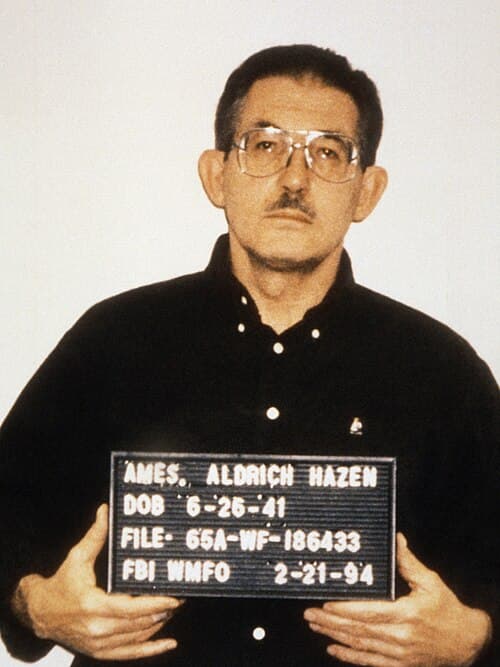
Aldrich Ames
PERSON
CIA analyst and Soviet spy (born 1941)
AL
Alexander Litvinenko
PERSON
Ex-KGB agent and FSB lieutenant-colonel (1962-2006)
Alexander Poteyev
PERSON
King of Macedonia and conqueror of Achaemenid Persia (356–323 BC)
Anatoli Golitsyn
PERSON • 2 mentions
Name reference in documents
Anatoly Kucherena
PERSON
Russian attorney, public figure, Doctor of Law, and professor
AI
Anatoly Kucherena Interview
PERSON
Name reference in documents
Anatoly Slavnov
PERSON
Name reference in documents
Anderson
PERSON
Surname reference in Epstein documents
AG
Andrei Gridasov
PERSON
Name reference in documents
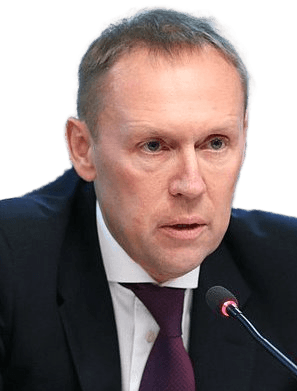
Andrei Lugovoy
PERSON
Russian politician
AT
Andrew Tilghman
PERSON
Name reference in documents
Angela Merkel
PERSON
Chancellor of Germany from 2005 to 2021
Angleton
PERSON • 2 mentions
Surname reference in documents
AP
Appelbaum
PERSON
Surname reference in documents
Arundhati
PERSON
Name reference in documents
Arundhati Roy
PERSON
Indian novelist, essayist, and activist

Bamford
PERSON • 2 mentions
Surname reference in documents
Barack Obama
PERSON
President of the United States from 2009 to 2017
BA
Barton
PERSON
Surname reference in Epstein-related documents
Barton Gellman
PERSON
American journalist
BC
Ben Child
PERSON
Name reference in documents
BW
Ben Wizner
PERSON
American lawyer and civil liberties advocate
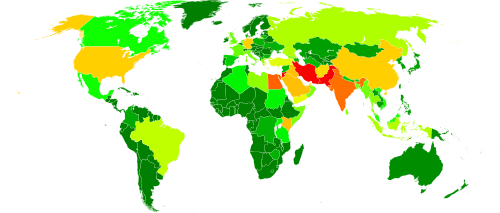
Bernon Mitchell’—See
PERSON
Name reference in documents
Bill Gertz
PERSON
American journalist (1952-)
BI
Binney
PERSON
Surname or name fragment in documents
Bob Woodward
PERSON
American investigative journalist (born 1943)
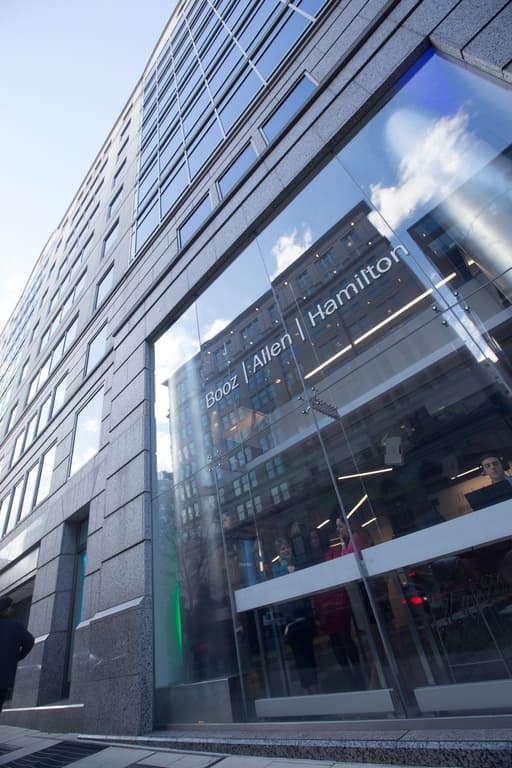
Booz Allen
PERSON • 2 mentions
Person referenced in documents
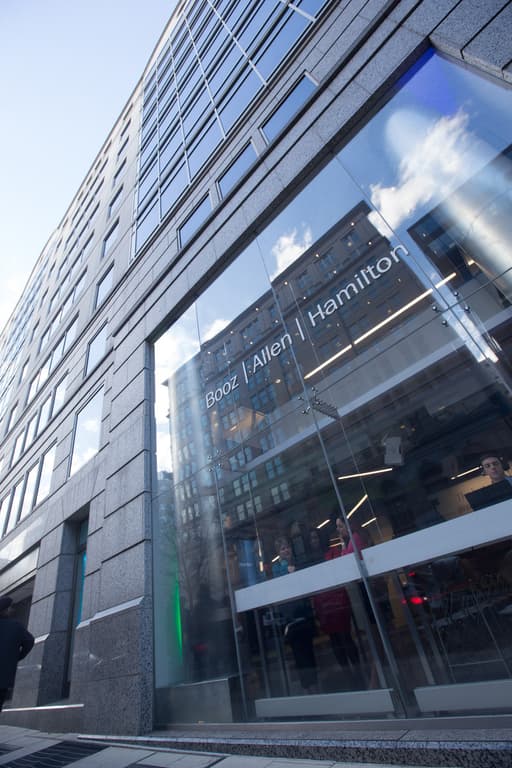
Booz Allen Hamilton
PERSON
Person referenced in documents
Brad Gunson
PERSON
Name reference in documents
BB
Bradley Birkenfeld
PERSON
American banker and whistleblower

Bradley Manning
PERSON
American activist and whistleblower (born 1987)
Bryan Burroughs
PERSON
Name reference in documents
BR
Byrne Reilly
PERSON
Name reference in documents
Carl Sagan
PERSON
American astrophysicist, cosmologist and author (1934–1996)
Carol D. Leonnig
PERSON
American journalist

Catherine A. Fitzpatrick
PERSON
American writer and activist
CH
Chapter HII
PERSON
Name reference in documents
Charlie Savage
PERSON
American journalist
CH
Cherkashin
PERSON • 2 mentions
Surname reference in documents
CJ
Christopher Johnson
PERSON
American businessman and sports executive (born 1959)

Cincinnatus
PERSON
Surname or name fragment in documents

Corbett
PERSON
Surname reference in documents
Counterspies
PERSON
Name reference in documents
DB
Daniel Bates
PERSON
Anthropologist
Daniel Ellsberg
PERSON
American whistleblower (1931–2023)
DB
David Boone
PERSON
Player of American and Canadian football (1951-2005)
David Boyer
PERSON
King of Israel and Judah
David E. Sanger
PERSON
American reporter
DG
David Gauthier-
PERSON
Name reference in documents
David Kahn
PERSON
American historian, journalist and writer (1930-2024)
DL
David Leigh
PERSON
British journalist and writer
David Omand
PERSON
British civil servant, Director of GCHQ
David Patterson
PERSON
American computer scientist
David Petraeus
PERSON
U.S. Army general and public official (born 1952)
David Rodgers
PERSON
Jeffrey Epstein's chief pilot (1991-2019), maintained flight logs documenting passengers on Epstein's private jets
David Sarno
PERSON
King of Israel and Judah
DB
David Sheldon Boone
PERSON
American spy for the Soviet Union
DT
David Tweed
PERSON
Australian businessman
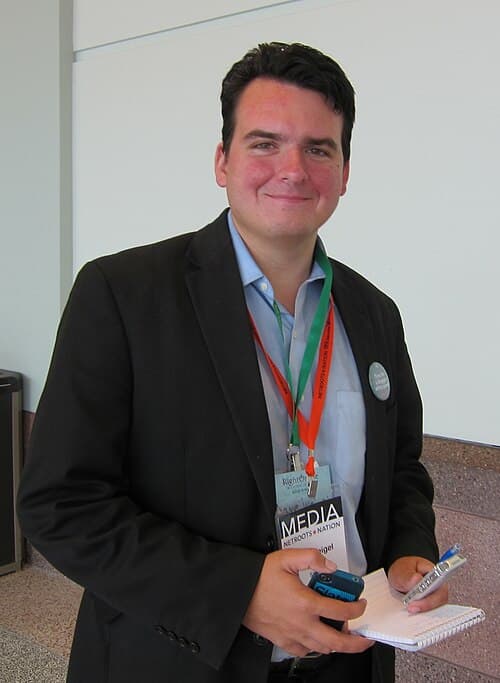
David Weigel
PERSON
American journalist and blogger
DW
Debbi Wilgoren
PERSON
Name reference in documents
DE
Denis
PERSON
First name reference to multiple individuals in Epstein-related documents
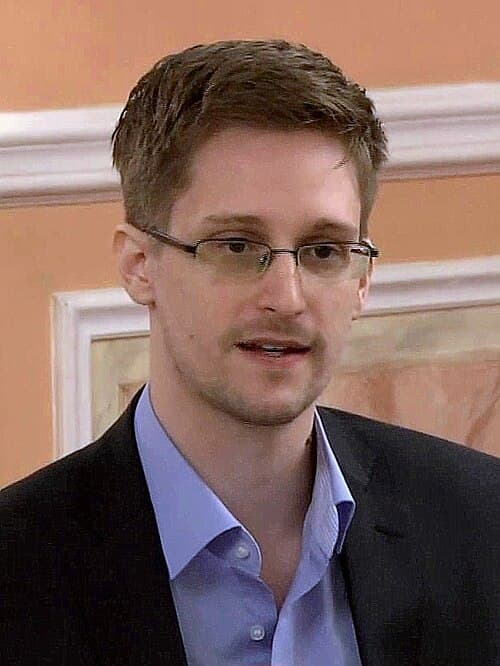
Details Snowden
PERSON
Name reference in documents
Dion Nissenbaum
PERSON
American journalist and author
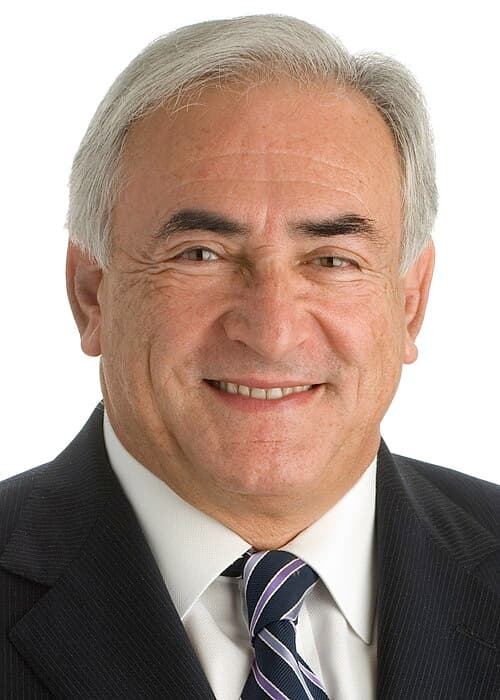
Dominique Strauss-Kahn
PERSON
French economist
Donald Maclean
PERSON
British diplomat and spy (1913–1983)
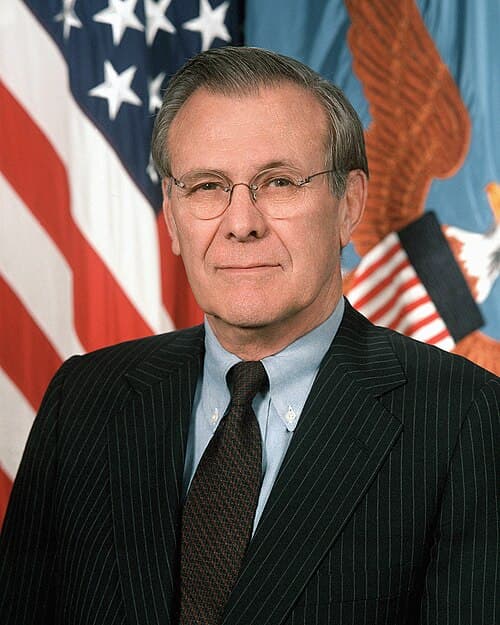
Donald Rumsfeld
PERSON • 2 mentions
American politician and diplomat (1932–2021)
Donald Trump
PERSON
President of the United States (2017–2021, 2025–present)
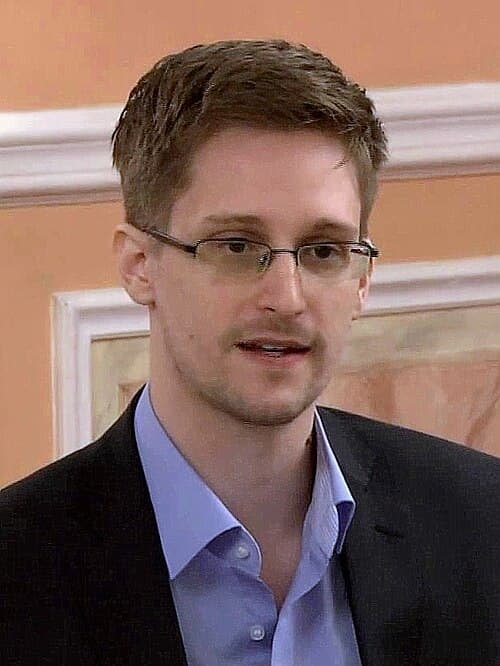
Down Edward Snowden
PERSON
Name reference in documents

Drumheller
PERSON
Name reference in documents
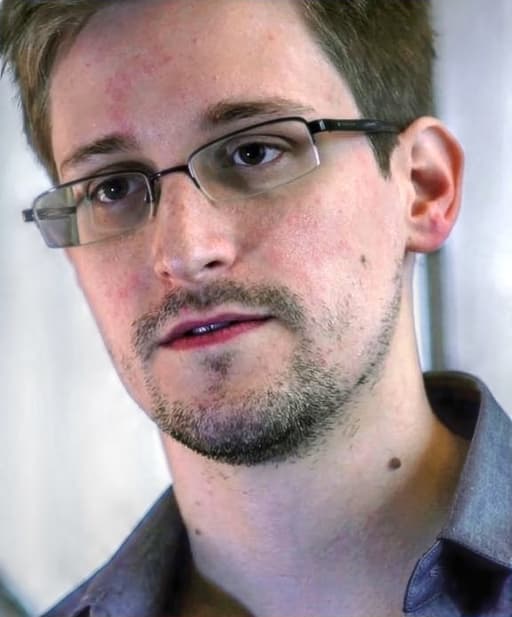
Ed Snowden’s
PERSON
Name reference in documents
Edward J. Barrett
PERSON
Name reference in documents
Edward Jay Epstein
PERSON
American journalist
Edward Shevardnadze
PERSON
Name reference in documents
ES
Edward Shils
PERSON
Name reference in documents
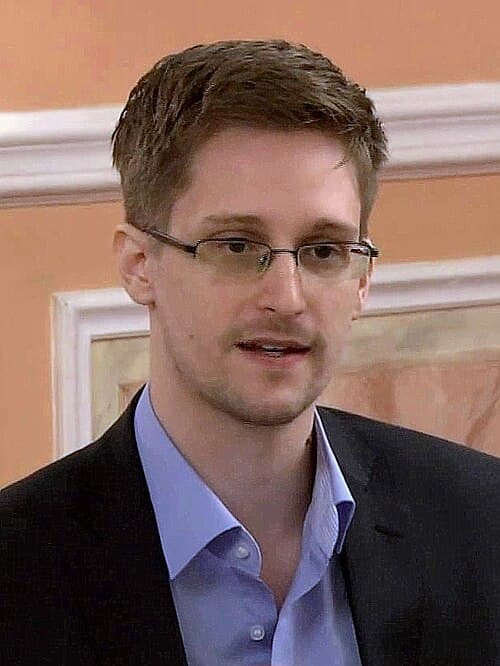
Edward Snowden
PERSON • 3 mentions
American whistleblower and former NSA contractor (born 1983)
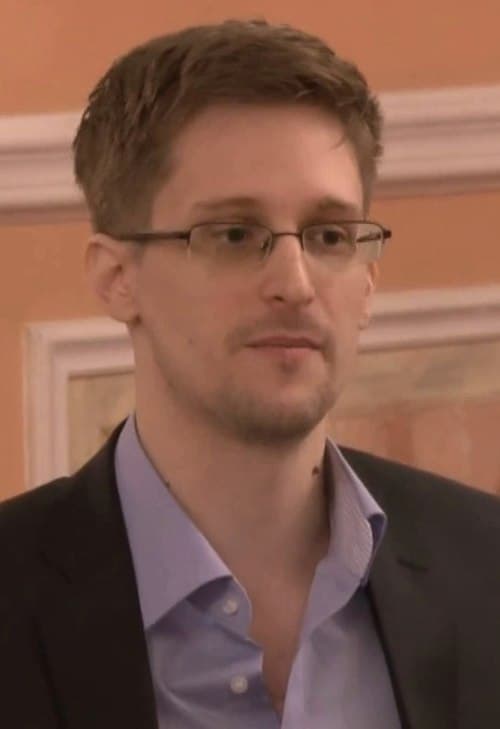
Edward Snowden Seeks Asylum
PERSON
Name reference in documents
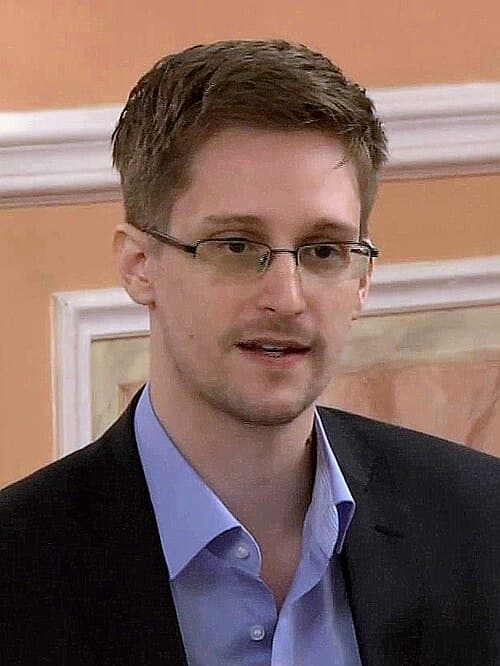
edward-snowden-nsa
PERSON
Name reference in documents

Egor Piskunov
PERSON
Name reference in documents
Eli Lake
PERSON
American journalist
Elias Grolla
PERSON
Name reference in documents
Elizabeth Farnsworth
PERSON
American journalist
Ellen Nakashima
PERSON
American journalist
Ellison
PERSON
Surname reference in Epstein-related documents
ET
Emmy Taylor
PERSON
Former assistant to Ghislaine Maxwell, appeared in Epstein flight logs and court documents
Eric Holder
PERSON
United States Attorney General from 2009 to 2015
Eric Schmidt
PERSON • 2 mentions
Software engineer, businessman, former Google CEO
Eric Trump
PERSON
American businessman and reality television personality (born 1984)
Ewen MacAskill
PERSON
Person referenced in documents

Fidel Narvaez
PERSON
Person referenced in documents
FI
Fitzpatrick
PERSON
Surname reference in Epstein-related documents
FW
Flora Wovschin
PERSON
Soviet spy
François Hollande
PERSON
French President (2012-2017), referenced in Epstein contact documents
Gabriella Coleman
PERSON
Internet anthropologist
GE
Gellman
PERSON
Surname reference in documents
GC
George E. Curry
PERSON
American journalist
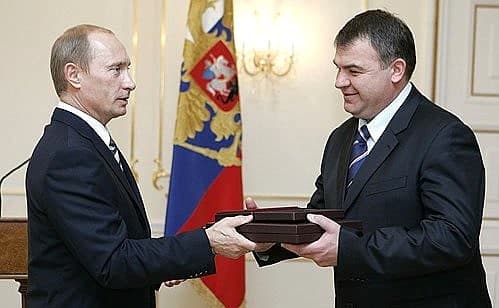
George Koval
PERSON
American and Soviet intelligence officer (1913–2006)
George Mitchell
PERSON
Former U.S. Senator from Maine and special envoy, connected to Epstein through flight logs and social events
George Packer
PERSON
American journalist and writer
George Wright
PERSON
American criminal, born 1943
GB
Gerald Baker
PERSON
South African bowler
GW
Giles Whittell
PERSON
English author and journalist
Glenn Greenwald
PERSON • 2 mentions
American journalist, lawyer and writer (born 1967)
GR
Gopal Ratnam
PERSON
Name reference in documents
Gordon Humphrey
PERSON
Peerage person ID=343818
GM
Gordon Meek
PERSON
Name reference in documents
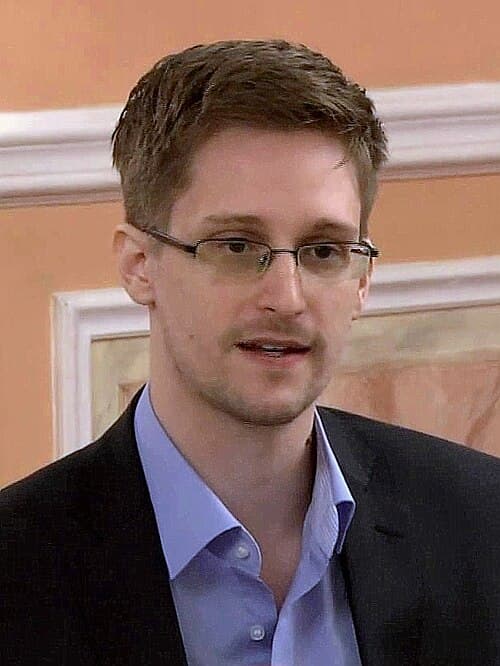
Greenwald Hong Kong
PERSON
Name reference in documents
Greg Miller
PERSON
American media personality
Gregory L. White
PERSON
New Zealand photographer, photojournalist, aviator, publisher and writer (1906-1967)
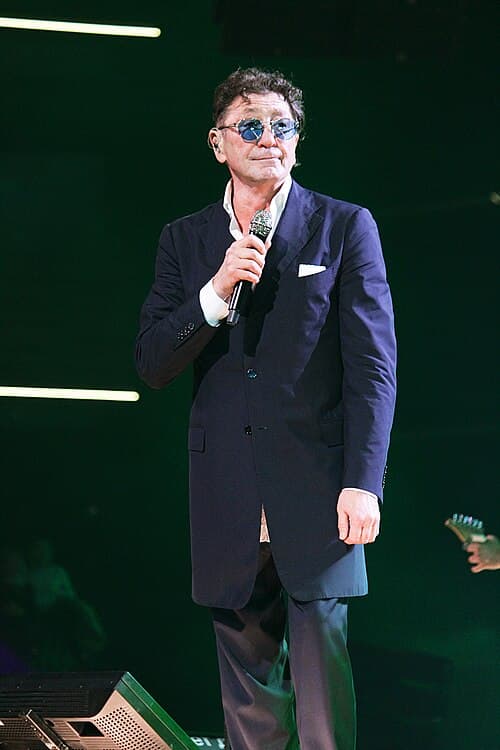
Grigory Leps
PERSON
Russian singer-songwriter of Georgian origin
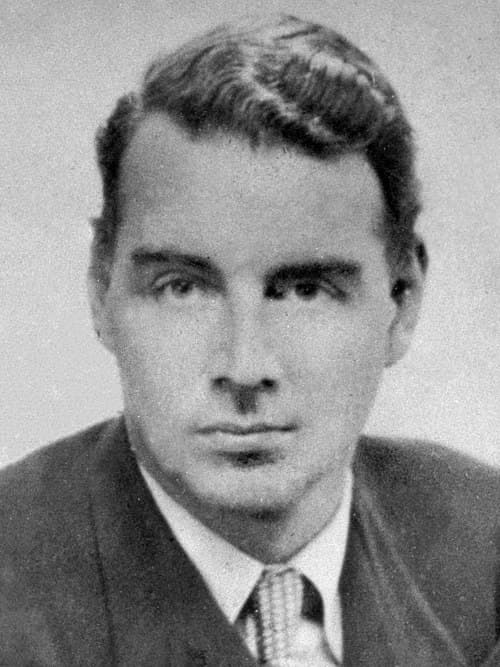
Guy Burgess
PERSON
British-born radio producer, intelligence and Foreign Office officer and double agent
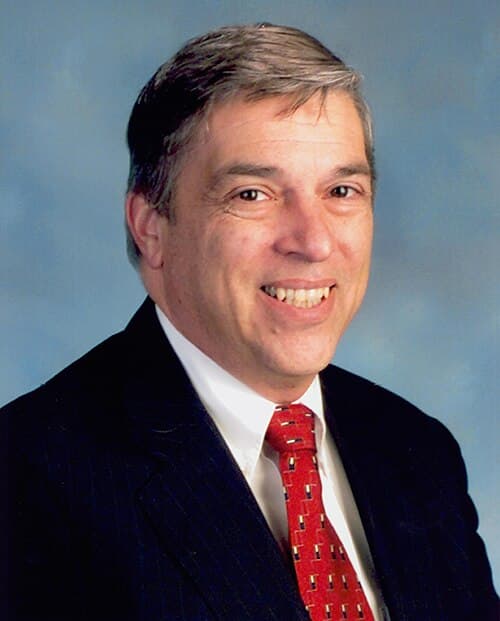
Hanssen
PERSON
Surname or name fragment in documents
HAROLD J. NICHOLSON
PERSON
Name reference in documents
Harold N. Kochs
PERSON
Name reference in documents
Harvey Weinstein
PERSON • 2 mentions
American film producer and sex offender (born 1952)
HA
Hayden
PERSON
Surname reference in documents
HF
Heinz Felfe
PERSON
Soviet double agent (1918–2008)
Henrik Moltke
PERSON
Danish journalist
HW
Hereinafter Bamford Wired
PERSON
Name reference in documents
HJ
Homer Jenkins
PERSON
Name reference in documents
IY
Igor Yavlyansky
PERSON
Name reference in documents

Irina Galushka
PERSON
Name reference in documents
IO
Isaiah Oggins
PERSON
Name reference in documents
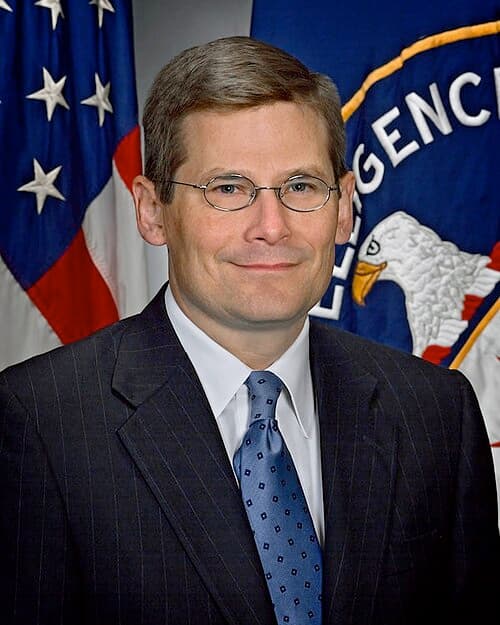
J. Morell
PERSON
Painter
JW
J. Williams
PERSON
Indian film director and cinematographer (1948-2005)
Jack Cheevers
PERSON
Name reference in documents
Jack Dunlap
PERSON
American spy
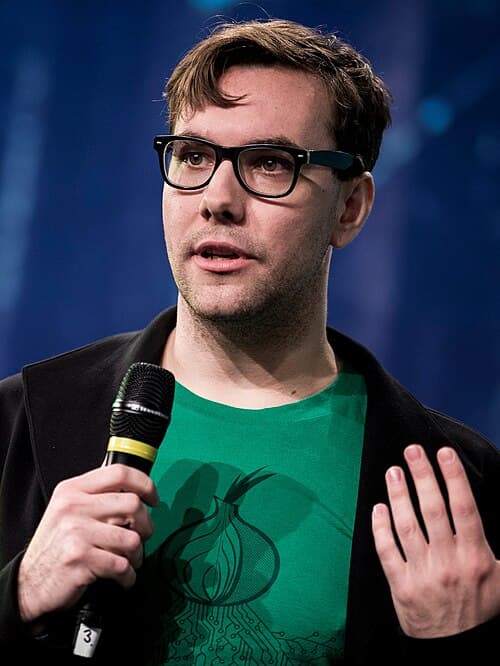
Jacob Appelbaum
PERSON
Computer security researcher, journalist and hacker from United States
James Baker
PERSON
American lawyer and statesman (born 1930)
James Bamford
PERSON
Author and journalist
James Bond
PERSON
Series of books about a British spy
James Clapper
PERSON
US government official (born 1941)
James Jesus
PERSON
Chief of the CIA's counterintelligence (CI) staff from 1954 to 1975
JL
James Lewis
PERSON
Welsh bodybuilder
James Patterson
PERSON
American author
James Risen
PERSON
American journalist
James Woolsey
PERSON
American lawyer, diplomat and politician, former director of the CIA (born 1941)
Jane Mayer
PERSON
American writer and investigative journalist
JP
Jane Perlez
PERSON
American journalist
Jason Leopold
PERSON
American journalist
JL
Jeff Larson
PERSON
American political consultant

Jeffrey Epstein
PERSON • 2 mentions
American sex offender and financier (1953–2019)
JC
Jennie Chamberlin
PERSON
Name reference in documents
Jerry Whitworth
PERSON
American spy
Jessica Testa
PERSON
American pornographic actress (1979–2019)
Jesus Christ
PERSON
Central figure of Christianity (6 or 4 BC – AD 30 or 33)
JW
Joby Warrick
PERSON
American journalist (born 1960)
Joe Biden
PERSON
46th President of the United States (2021–2025)
JD
Joe Davidson
PERSON
Name reference in documents
JM
Joe Mullins
PERSON
Musical artist
JB
Joel Barr
PERSON
American spy for the Soviet Union (1916–1998)
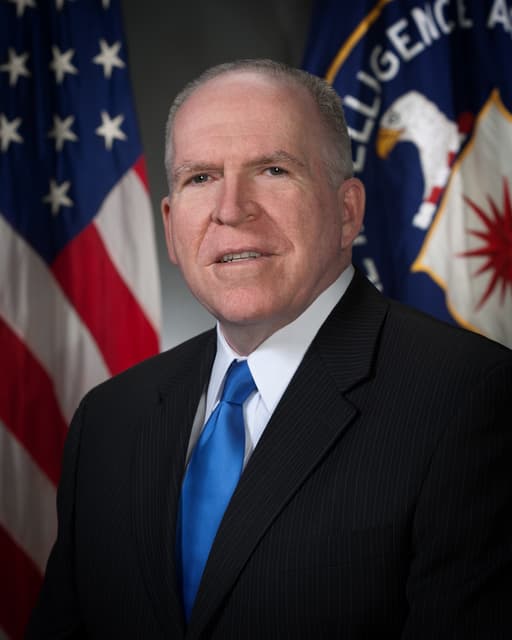
John Brennan
PERSON • 2 mentions
Director of the Central Intelligence Agency from 2013 to 2017
John Cusack
PERSON
American actor, producer, and screenwriter
John F. Kennedy
PERSON • 2 mentions
President of the United States from 1961 to 1963 (1917–1963)
John Kerry
PERSON • 2 mentions
American politician and diplomat (born 1943)
John Oliver
PERSON
British-American comedian and television host
John Prados
PERSON
US-American author, historian, security analyst, and game designer (1951-2022)

John Walker
PERSON
Name reference in documents
Jonathan Mills
PERSON
Australian composer
Jonathan Weisman
PERSON
Name reference in documents
Joseph Jastro
PERSON
Name reference in documents
Joshua Frost
PERSON
Name reference in documents
JK
Joyce Kinsey
PERSON
Name reference in documents
JF
Juan Forero
PERSON
American journalist
Julia Angwin
PERSON
American investigative journalist and author
Julian Assange
PERSON
Australian editor, publisher, and activist (born 1971)
Julie Cresswell
PERSON
Name reference in documents

Julie K. Brown
PERSON
American journalist
JS
Justin Silk
PERSON
Name reference in documents
Justin Trudeau
PERSON
23rd prime minister of Canada from 2015 to 2025
Kashmir Hill
PERSON
Name reference in documents
KG
Katie Gluck
PERSON
Name reference in documents
KH
Katrina vanden Heuval
PERSON
Name reference in documents
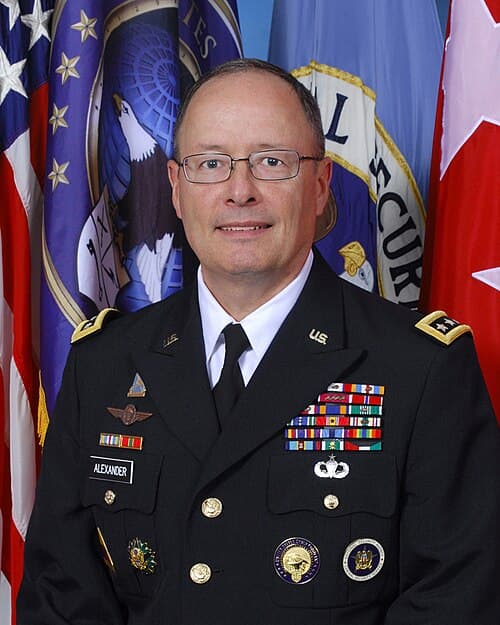
Keith Alexander
PERSON
United States Army general and former head of the National Security Agency
KB
Keith Bradsher
PERSON • 2 mentions
American journalist
Kelley Vlahos
PERSON
Name reference in documents
KB
Ken Brown
PERSON
American basketball player (1989-)
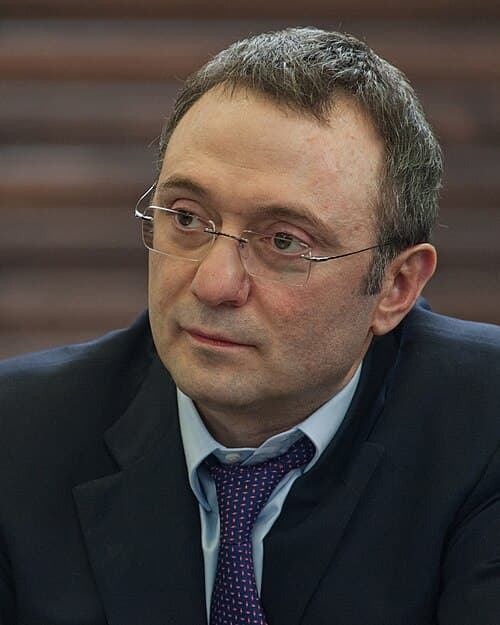
Kerimov
PERSON
Surname or name fragment in documents
Kevin Poulsen
PERSON
Hacking experience with Kevin Lee Poulsen
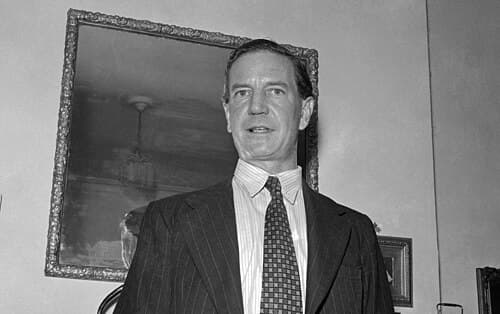
Kim Philby
PERSON
KGB mole for the Soviet Union (1912–1988)
KR
Kirit Radia
PERSON
Name reference in documents
KU
Kucherena
PERSON • 3 mentions
Surname reference in documents
Lana Lam
PERSON
American professional wrestling manager and actress
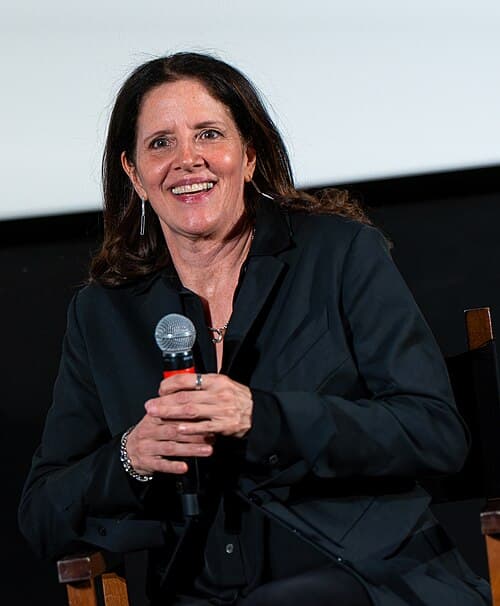
Laura Poitras
PERSON • 2 mentions
American documentary film director and producer (born 1964)
Ledgett
PERSON
Surname reference in documents
Leezel Tanglao
PERSON
American media executive, journalist and community advocate
LA
Legacy of Ashes
PERSON
Name reference in documents
LB
Leon Black
PERSON
American billionaire businessman (born 1951)
LI
Lindsay
PERSON
First name reference to multiple individuals in Epstein documents
LM
Lindsay Mills’s
PERSON
Name reference in documents
LI
Litvinenko
PERSON
Name reference in documents
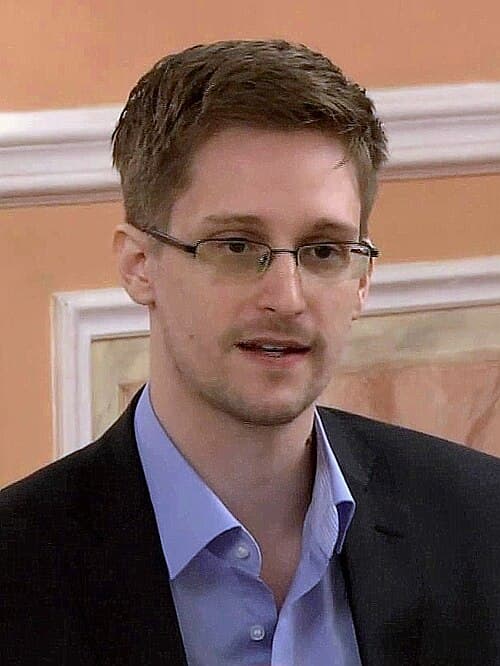
Lon Snowden
PERSON
Name reference in documents
Lona Cohen
PERSON
American spy for the Soviet Union (1913–1992)
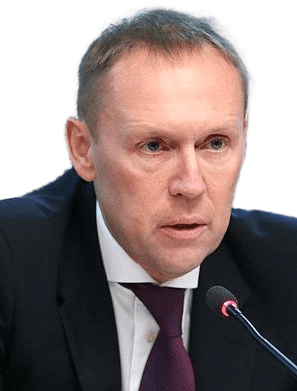
Lugovoy
PERSON
Name reference in documents
Luke Hardy
PERSON
English pornographic actor (born 1983)
MacAskill
PERSON
Surname or name fragment in documents

Maclean
PERSON
Surname reference in documents
Manning
PERSON
Ambiguous surname - refers to multiple people in Epstein documents
Marc Fisher
PERSON
American journalist
Mark Landler
PERSON
American journalist
Mark Mazzetti
PERSON
American journalist

Mark Memmott
PERSON
South Korean-Canadian rapper
Martin Arnold
PERSON
Austrian film maker (born 1959)
MW
Martin Weinberg
PERSON
American attorney (born 1946)
Martinez
PERSON
Ambiguous surname - refers to multiple people in Epstein documents
Mary Gorkovskaya
PERSON
Name reference in documents
Matt Apuzzo
PERSON
American journalist
Micah Lee
PERSON
Software developer
Michael Calderone
PERSON
Name reference in documents
Michael Cohen
PERSON
American former attorney and former Republican official
Michael Eisner
PERSON
American business executive
Michael Hastings
PERSON
American journalist (1980–2013)
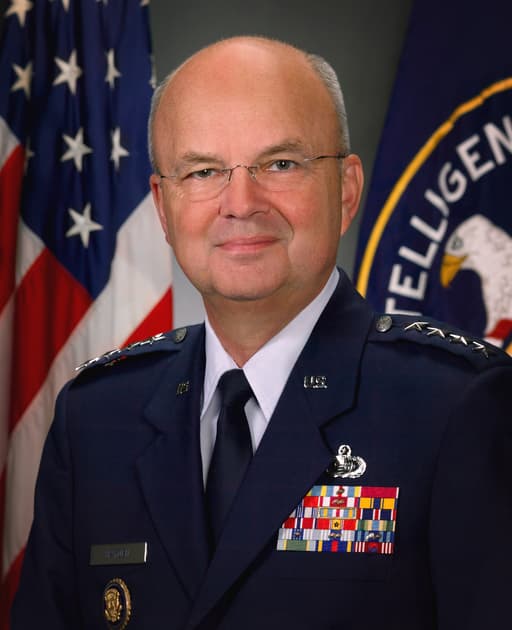
Michael Hayden
PERSON
United States Air Force four-star general

Michael J. Morell
PERSON
Name reference in documents

Michael Sontheimer
PERSON
Name reference in documents
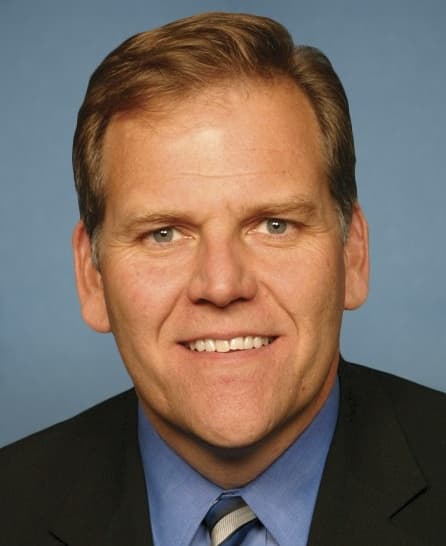
Mike Rogers
PERSON
American politician (born 1963)
Mitch McConnell
PERSON • 2 mentions
American politician and lawyer (born 1942)
MO
Morell
PERSON
Surname reference in documents
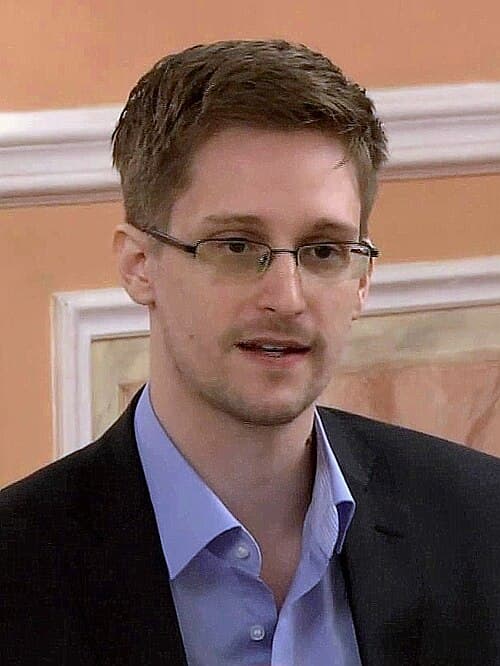
Neither Gellman
PERSON
Name reference in documents
Newt Gingrich
PERSON • 2 mentions
American politician, anti-sharia law activist and author (born 1943)
NP
Nicole Perlroth
PERSON
American journalist
NK
Nir Kshetri
PERSON
Name reference in documents
OK
Oleg Kalugin
PERSON
Russian activist and KGB general
Oliver Stone
PERSON • 2 mentions
American film director, screenwriter, and producer (born 1946)
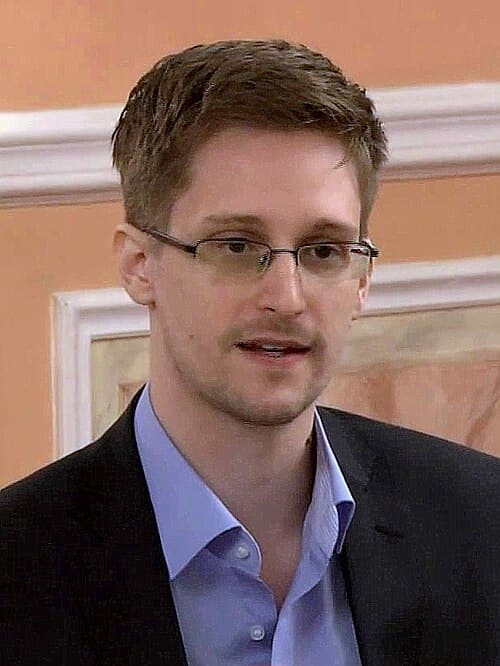
Operation Snowden
PERSON
Name reference in documents
OS
Oswald
PERSON
Surname reference in documents
P. Mowry
PERSON
Name reference in documents
PA
Packer
PERSON
Type of agricultural equipment
Patrick Goodenough
PERSON
American materials scientist (1922–2023)
PC
Paul Kick Off Libertarian Student Conference
PERSON
Name reference in documents
PS
Paul Strassmann
PERSON
Name reference in documents
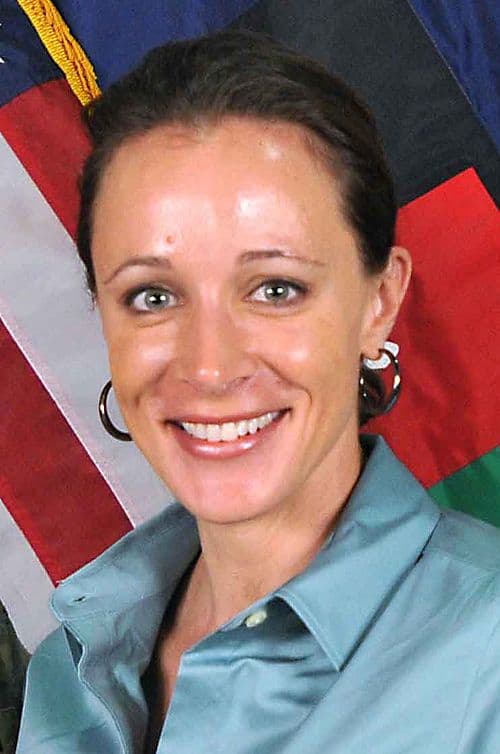
Paula Broadwell
PERSON
American writer, academic, and anti-terrorism professional
Pavel Sudoplatov
PERSON
Soviet spy (1907–1996)

Pelton
PERSON • 2 mentions
Surname reference in documents
Peter Taylor
PERSON
English footballer and football manager (born 1953)
PE
Peterson
PERSON
Surname reference in Epstein documents
Petraeus
PERSON
New Zealand progamer
Phillip Agee
PERSON
Name reference in documents
PI
Pincus
PERSON
Surname or name fragment in documents
Prince Andrew
PERSON
Third child of Queen Elizabeth II and Prince Philip, Duke of Edinburgh (born 1960)
Prince Charles
PERSON
King of the United Kingdom and other Commonwealth realms since 2022 (born 1948)
R. Shedd
PERSON
Name reference in documents
RK
Rachael King
PERSON
Author from New Zealand
RD
Rajesh De
PERSON
American lawyer and government official
Rand Paul
PERSON
United States Senator from Kentucky since 2011
RR
Raymond Rocca
PERSON
Name reference in documents

Richard Byrne Reilly
PERSON
Name reference in documents
Richard Kahn
PERSON
Jeffrey Epstein's accountant and estate co-executor (2005-present)
RK
Richard Kerbaj
PERSON
Name reference in documents
Richard Ledgett
PERSON
Deputy Director of the NSA
Rick Anderson
PERSON
Baseball coach from the United States
RI
Risen
PERSON
Surname or name fragment in documents
Rob Lever
PERSON
English rugby league footballer
RW
Robert E. Webster
PERSON
Name reference in documents
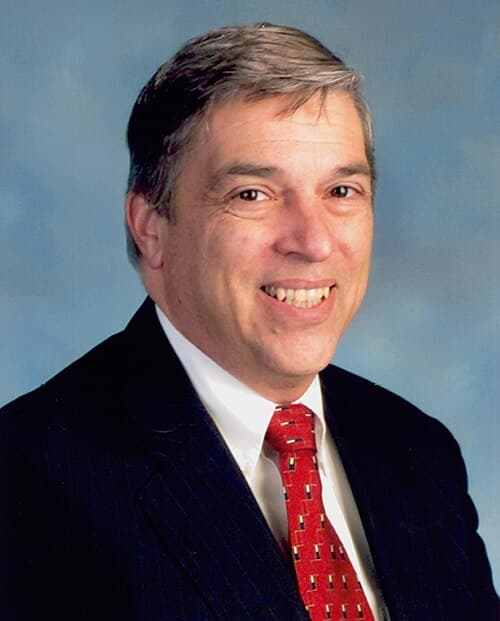
Robert Hanssen
PERSON
FBI agent who spied for Soviet and Russian intelligence services (1944–2023)
Robert Lipka
PERSON
American spy (1946–2013)
RA
Robert Lipka Appendix
PERSON
Name reference in documents
RT
Robert Tibbo
PERSON
Indian choreographer
Robin Williams
PERSON
American actor and comedian (1951–2014)
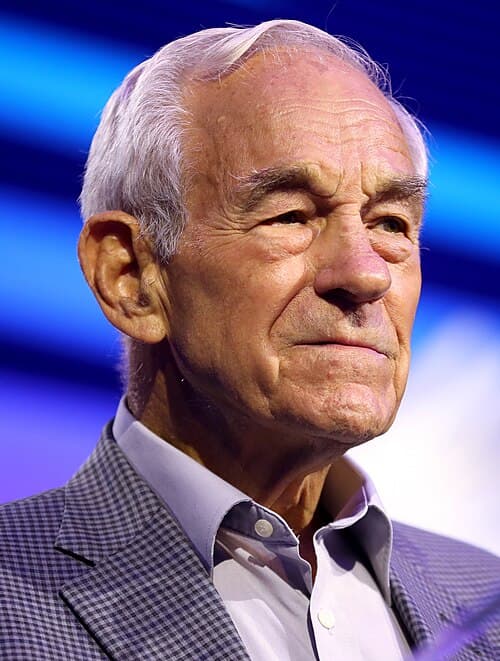
Ron Paul
PERSON
American politician (born 1935)
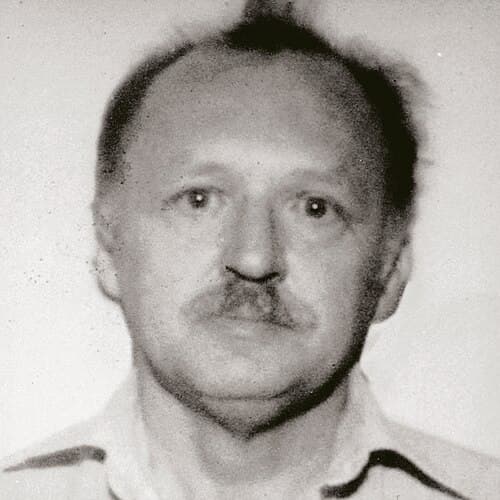
Ronald Pelton
PERSON
Former NSA analyst
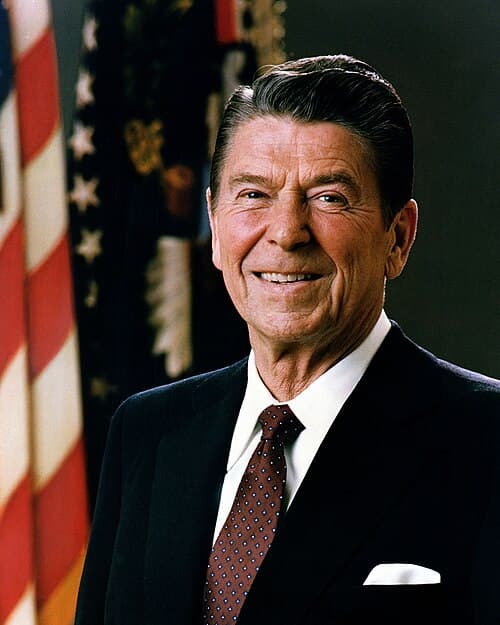
Ronald Reagan
PERSON • 2 mentions
President of the United States from 1981 to 1989 and actor (1911–2004)
Runa A. Sandvik
PERSON
Name reference in documents
SA
Sakura
PERSON
Surname reference in documents
SA
Salazar
PERSON
Surname reference in documents
Samantha Power
PERSON
Irish-American academic, author and diplomat

Sandvik
PERSON
Surname reference in documents
SE
Sarah Ellison
PERSON
American journalist
Sarah Harrison
PERSON
Journalist
Sarah Kellen
PERSON
American assistant to Jeffrey Epstein, named as unindicted co-conspirator in 2008 non-prosecution agreement
SC
Schuster
PERSON
Surname reference in Epstein-related documents
Sergei L. Loiko
PERSON
Russian journalist, writer, photographer and translator
SH
Shabad
PERSON
Surname reference in documents
Sherlock Holmes
PERSON
Fictional character (consulting detective) created by Sir Arthur Conan Doyle
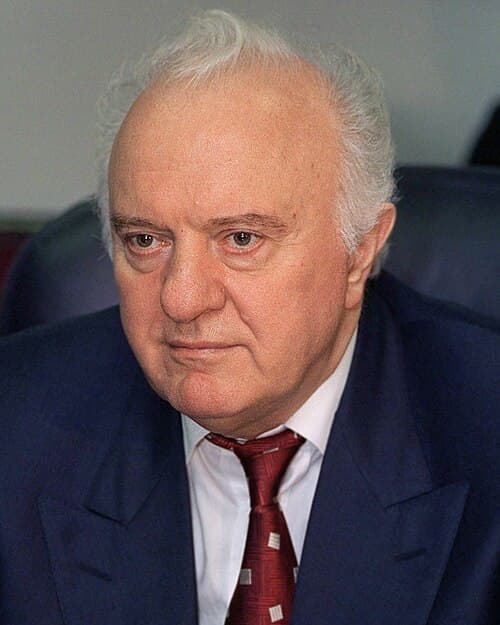
Shevardnadze
PERSON
Surname or name fragment in documents
SP
Shilpa Phadnis
PERSON
Name reference in documents
Siobhan Gorman
PERSON
Name reference in documents
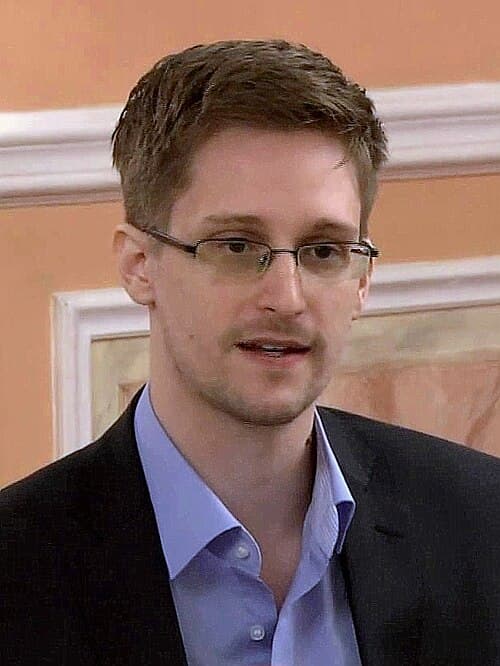
Snowden Hack
PERSON
Name reference in documents
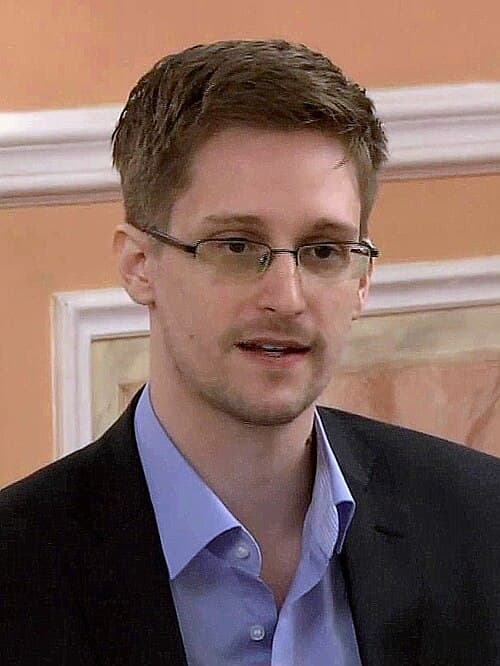
Snowden Interview
PERSON
Name reference in documents

Snowden Leaks
PERSON
Name reference in documents
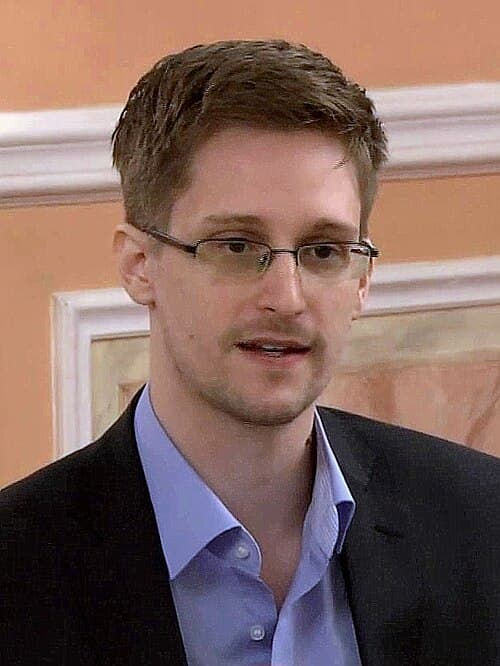
Snowden NBC
PERSON
Name reference in documents
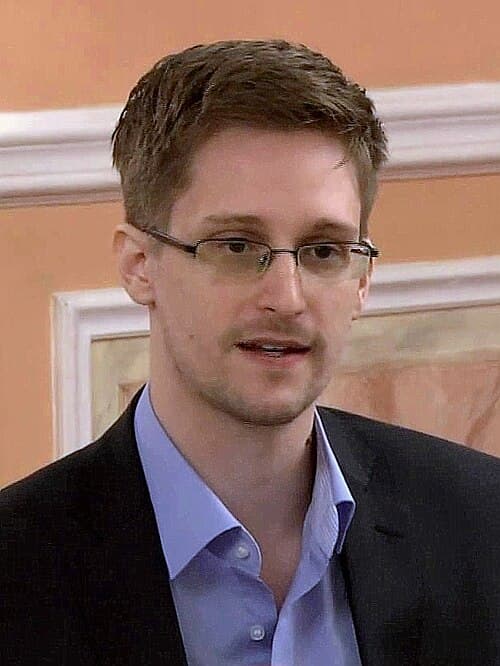
Snowden O&A
PERSON
Name reference in documents
Snowden Poitras
PERSON
Name reference in documents
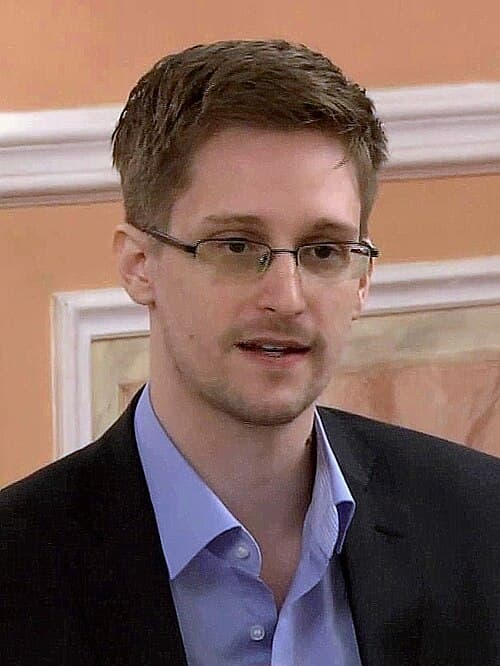
Snowden Saga
PERSON
Name reference in documents
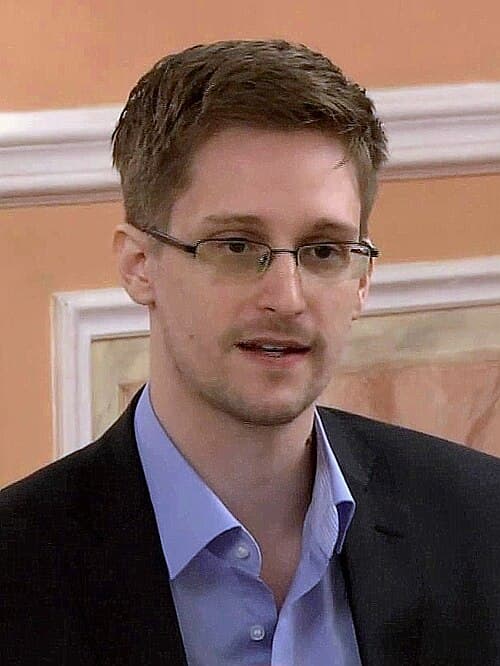
Snowden Sent
PERSON
Name reference in documents
Sophie
PERSON
Ambiguous first name - refers to multiple people in Epstein documents
Sophie Shevardnadze
PERSON
Georgian RT correspondent
SA
Stephen Aftergood
PERSON
Name reference in documents
SB
Stephen Braun
PERSON
US reporter for the Associated Press
SC
Stephen Cohen
PERSON
American computer scientist and entrepreneur
Stephen Hawking
PERSON
British theoretical physicist, cosmologist and author (1942–2018)
SM
Steven Lee Myers
PERSON
Journalist in Washington, DC
ST
Strohm
PERSON
Surname reference in Epstein-related documents
SD
Suelette Dreyfus
PERSON
Australian-American journalist
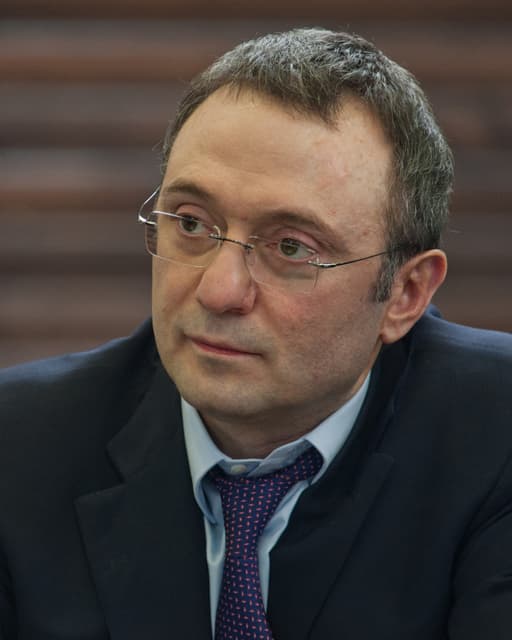
Suleyman Kerimov
PERSON
Businessman, investor, oligarch

Suzanna Andrews
PERSON
Name reference in documents

Tabassum Zakaria
PERSON
Indian film actress
Targets Tor
PERSON
Name reference in documents
TC
Te-Ping Chen
PERSON
American journalist and author
TB
Tennent H. Bagley
PERSON
CIA officer from 1950 to 1972
Theodore Schleifer
PERSON
Pope
TI
Tibbo
PERSON
Surname reference in documents
Tim Curry
PERSON
British actor
TC
Tim De Chant
PERSON
Name reference in documents
Tim Shipman
PERSON
British journalist
TL
Timothy B. Lee
PERSON
Name reference in documents
Tom Hamburger
PERSON
American journalist
Tom Harper
PERSON
English film director
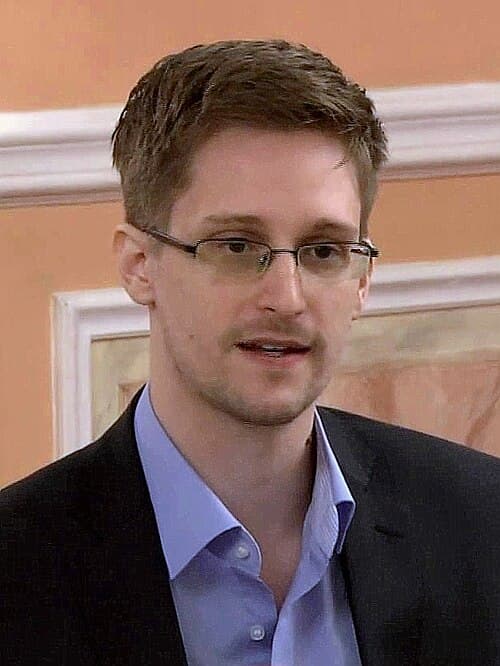
Transcript Snowden
PERSON
Name reference in documents
Trent Martin
PERSON
Name reference in documents
TD
Tyler Drumheller
PERSON
American activist (1952-2015)
Valentin Kovalev
PERSON
Name reference in documents

Valentina
PERSON
Ukrainian-American classical pianist
VK
Valentina Vladimirovna Kvirvova
PERSON
Name reference in documents
VV
Vanee Vines
PERSON
Name reference in documents
VS
Vassili Sonkine
PERSON
Name reference in documents
VG
VggJhN_BzGc
PERSON
Name reference in documents
VC
Victor Cherkashin
PERSON
Russian spy
Victor Hamilton
PERSON
British racing driver
VH
Victor Norris Hamilton
PERSON
American cryptologist and defector
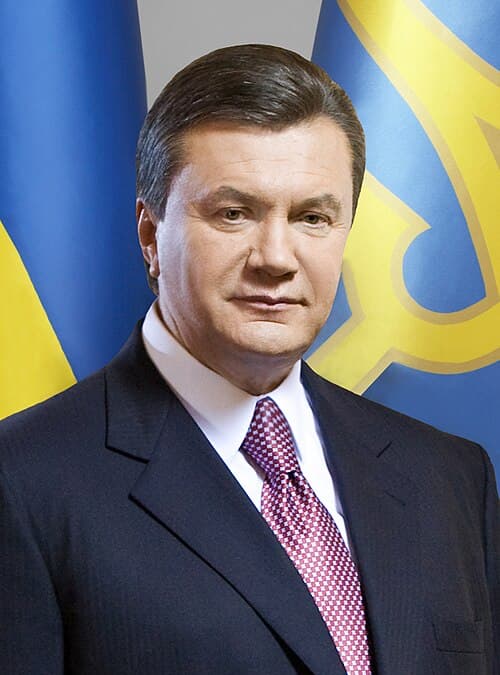
Viktor Yanukovych
PERSON
President of Ukraine from 2010 to 2014
VI
Villars
PERSON
Name reference in documents
Vincent Kessler
PERSON
Actor
Virginia Giuffre
PERSON
Advocate for sex trafficking victims (1983–2025)
Vladimir Putin
PERSON
2nd and 4th President of Russia (2000-2008, 2012-present), 7th and 11th Prime Minister of Russia (1999-2000, 2008-2012), Director of the Federal Security Service (1998-1999) and Deputy Mayor of Saint Petersburg (1994-1996)
WP
Walter Pincus
PERSON
American journalist
WL
Wang Lijun
PERSON
Chinese government official
WE
Webster
PERSON
Ambiguous surname reference in Epstein documents
Whitworth
PERSON
Surname reference in documents
William Barr
PERSON
77th & 85th United States Attorney General (born 1950)
William Binney
PERSON
Former U.S. intelligence official and cryptoanalyst; whistleblower

William Martin
PERSON
Name reference in documents
Winston Churchill
PERSON
British statesman, soldier and writer (1874–1965)
WI
Wizner
PERSON • 2 mentions
Surname reference in documents
WO
Woodward
PERSON
Surname reference in Epstein-related documents
Woody Allen
PERSON
American filmmaker, actor and comedian (born 1935)
Yasha Levine
PERSON
Russian journalist
ZA
Zamir
PERSON
Name reference in documents
‘Priv Ac’
ORGANIZATION
Organization referenced in documents
”--Rolling Stone
ORGANIZATION
Organization referenced in documents
”.—U.S. Navy Information Operations Command
ORGANIZATION
Organization referenced in documents
1986.Also
ORGANIZATION
Organization referenced in documents
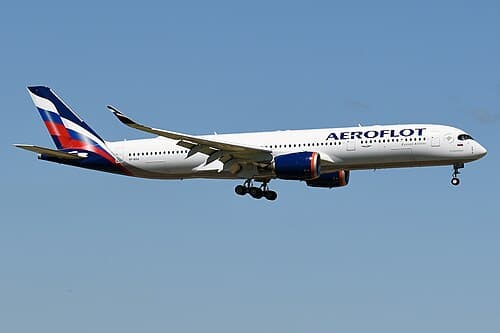
Aeroflot
ORGANIZATION
Flag carrier of Russia
Agency of Fear (G.P. Putnam’s Sons
ORGANIZATION
Organization referenced in documents
Allen Hamilton
ORGANIZATION
Organization referenced in documents
Amnesty International
ORGANIZATION
Non-governmental organization based in the United Kingdom
Anonymous
ORGANIZATION
Unknown creator of a work (do not use as value of P50; use "unknown value" instead)
ARD-TV
ORGANIZATION
Organization referenced in documents

Ars Technica
ORGANIZATION
Technology news and information website
Ars Technica Report
ORGANIZATION
Organization referenced in documents
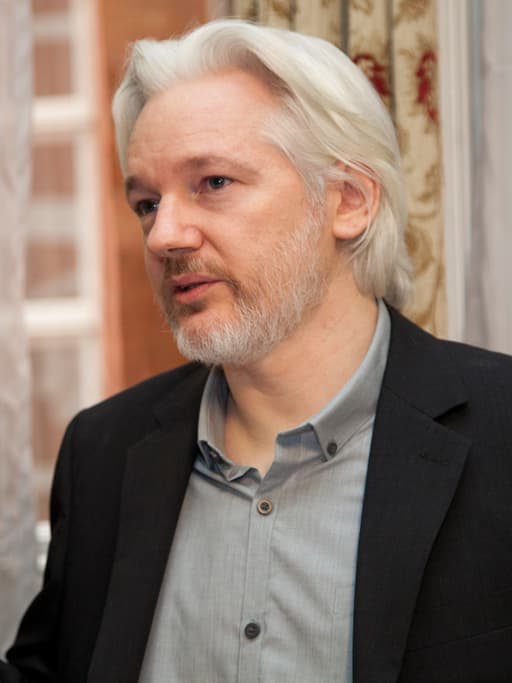
Assange
ORGANIZATION • 2 mentions
Australian editor, publisher, and activist (born 1971)
Australian Financial Review
ORGANIZATION
Organization referenced in documents
Bamford Wired
ORGANIZATION
Organization referenced in documents
BBC Panorama
ORGANIZATION
Organization referenced in documents
Bloomberg L.P.
ORGANIZATION
American privately held financial, software, data, and media company
CAIR-NY Annual
ORGANIZATION
Organization referenced in documents
CAIR-NY Blog
ORGANIZATION
Organization referenced in documents
Canongate
ORGANIZATION
Street in Edinburgh, Scotland.
CBS
ORGANIZATION
American broadcast television and radio network
Chicago Tribune
ORGANIZATION
Major daily newspaper based in Chicago, Illinois, United States
CitizenFour
ORGANIZATION
Organization referenced in documents
Codebreakers
ORGANIZATION
Organization referenced in documents
Consumer Financial Protection Bureau
ORGANIZATION
U.S. Consumer Financial Protection Bureau
Correspondence Law Institute
ORGANIZATION
Organization referenced in documents
Cyber Warfare
ORGANIZATION
Organization referenced in documents
Davidson
ORGANIZATION
Town in Mecklenburg County, North Carolina, United States
Defense Intelligence Agency
ORGANIZATION
Organization referenced in documents
Department of Justice
ORGANIZATION • 2 mentions
United States Department of Justice, federal executive department responsible for law enforcement
Doubleday
ORGANIZATION
American publishing company
EJE Publications
ORGANIZATION
Organization referenced in documents
First Move Against
ORGANIZATION
Organization referenced in documents

Free Press
ORGANIZATION
Book publisher in the United States

Freedom of Information
ORGANIZATION
Audio drama
Frontline Interview
ORGANIZATION
Organization referenced in documents
German NDR TV
ORGANIZATION
Organization referenced in documents
Hereinafter
ORGANIZATION
Organization referenced in documents
Hereinafter Snowden NBC
ORGANIZATION
Organization referenced in documents

Houghton Mifflin
ORGANIZATION • 2 mentions
County seat of Houghton County, Michigan, United States
Houghton Mifflin Company
ORGANIZATION
Organization referenced in documents
Human Rights Watch
ORGANIZATION
International human rights advocacy and research non-governmental organization
I.R.S.
ORGANIZATION
Organization referenced in documents
Infowars
ORGANIZATION
American far-right conspiracy theory and fake news website owned by Alex Jones
Intelligence Committee
ORGANIZATION
Organization referenced in documents
Intelligence Community’s
ORGANIZATION
Organization referenced in documents

Intercept
ORGANIZATION
Organization referenced in documents
Izvestia
ORGANIZATION
Soviet and Russian socially political and business daily newspaper
Japan Times
ORGANIZATION
English-language daily newspaper
Jerusalem Post
ORGANIZATION
English-language Israeli newspaper
John Wiley
ORGANIZATION
American baseball player (1857-1926)

Kaspersky
ORGANIZATION
Russian multinational cybersecurity and anti-virus provider
Kremlin
ORGANIZATION
Fortified complex in Moscow, Russia
Kremlin Pawn
ORGANIZATION
Organization referenced in documents
Lindsay Mills’
ORGANIZATION
Organization referenced in documents

Los Angeles Times
ORGANIZATION
American daily newspaper covering the Greater Los Angeles area
McGraw-Hill Book Company
ORGANIZATION
Organization referenced in documents
Metropolitan Books
ORGANIZATION
American publisher
N.S.A.
ORGANIZATION
Organization referenced in documents
National Intelligence
ORGANIZATION
Intelligence concerning the goals and capabilities of nations or alliances
National Reconnaissance Office
ORGANIZATION
Organization referenced in documents

National Security
ORGANIZATION
Organization referenced in documents
National Security Agency
ORGANIZATION
Organization referenced in documents
NATO Headquarters
ORGANIZATION
Organization referenced in documents
NBC Interview
ORGANIZATION
Organization referenced in documents
New School News
ORGANIZATION
Organization referenced in documents

New York Review of Books
ORGANIZATION
American magazine
op.cit
ORGANIZATION
Organization referenced in documents
Pando
ORGANIZATION
Organization referenced in documents
PBS Nova
ORGANIZATION
Organization referenced in documents
Pearl Harbor Review
ORGANIZATION
Organization referenced in documents
Pelton, Snowden
ORGANIZATION
Organization referenced in documents
PFIAB
ORGANIZATION
Organization referenced in documents
Poitras and Gellman
ORGANIZATION
Organization referenced in documents
Politburo
ORGANIZATION
Executive committee of a communist party
Press Conference at
ORGANIZATION
Organization referenced in documents
Project A
ORGANIZATION
Organization referenced in documents
qu'il n'existe pas
ORGANIZATION
Organization referenced in documents
Random House
ORGANIZATION
American general-interest trade book publisher
RT Television
ORGANIZATION
Organization referenced in documents
Rubicon
ORGANIZATION
Organization referenced in documents
Russian Government
ORGANIZATION
Organization referenced in documents
Russian Lawyer’s
ORGANIZATION
Organization referenced in documents
Sebag-Montefoire
ORGANIZATION
Organization referenced in documents
Second U.S. Circuit Court of Appeals
ORGANIZATION
Organization referenced in documents
Sophie & Co
ORGANIZATION
Organization referenced in documents
South China Morning
ORGANIZATION
Organization
Spiegel Interview
ORGANIZATION
Organization referenced in documents
Spiegel On Line
ORGANIZATION
Organization referenced in documents
Spiegel Online International
ORGANIZATION
Organization referenced in documents
Sunday Times
ORGANIZATION
British newspaper, founded 1821
The Black Chamber
ORGANIZATION
Organization referenced in documents
The Consequences for America: The Good
ORGANIZATION
Organization referenced in documents
The Crime Scene Investigation
ORGANIZATION
Organization referenced in documents
the Crypto Party
ORGANIZATION
Organization referenced in documents
the Establishment of Truth
ORGANIZATION
Organization referenced in documents
the House Select Committee on Intelligence
ORGANIZATION
Organization referenced in documents
the Lawfare Institute’s
ORGANIZATION
Organization referenced in documents
the National Hotel
ORGANIZATION
Organization referenced in documents
the National Security Archives
ORGANIZATION
Organization referenced in documents
the National Threat Operations Center
ORGANIZATION
Organization referenced in documents
The New York Times
ORGANIZATION • 3 mentions
American daily newspaper (founded 1851)
the Nordic Media Festival
ORGANIZATION
Organization referenced in documents
the Senate Intelligence Committee
ORGANIZATION
Senate Intelligence Committee

the South
ORGANIZATION
Organization referenced in documents
the Soviet Pacific Fleet's
ORGANIZATION
Organization referenced in documents
The State Department Operations Center
ORGANIZATION
Organization referenced in documents
the U.S. Court of Appeals
ORGANIZATION
Government agency
The Wall Street Journal
ORGANIZATION
American business-focused daily newspaper
The Whistle Blower
ORGANIZATION
Organization referenced in documents
Times Magazine
ORGANIZATION
Organization referenced in documents
Transition (Houghton Mifflin
ORGANIZATION
Organization referenced in documents
transparency’—Morell
ORGANIZATION
Organization referenced in documents
TrueHooHa
ORGANIZATION
Organization referenced in documents
Underground
ORGANIZATION
Organization referenced in documents
United States District Court
ORGANIZATION
U.S. federal trial court
US Army
ORGANIZATION
United States Army
US Investigations Services
ORGANIZATION
Organization referenced in documents

USA Today
ORGANIZATION
American national daily newspaper
Viking Press
ORGANIZATION
American book publisher

Vogue
ORGANIZATION
American fashion and lifestyle magazine
Washington Free Beacon
ORGANIZATION
Conservative American news organization

Washington Times
ORGANIZATION
American broadsheet newspaper published in Washington, D.C.
Whistle-Blower
ORGANIZATION
Organization referenced in documents
Zhe American Conservative
ORGANIZATION
Organization referenced in documents
Zhe Intercept
ORGANIZATION
Organization referenced in documents
Zhe Telegraph
ORGANIZATION
Organization referenced in documents
Zimes of India
ORGANIZATION
Organization referenced in documents
All-Union
LOCATION
Location referenced in documents
Atlantic City
LOCATION
City in Atlantic County, New Jersey, United States

Belarus
LOCATION
Country in Eastern Europe

Belgium
LOCATION
Country in western Europe

Bolivia
LOCATION
Sovereign state in South America
Dagestan
LOCATION
Republic of Russia
Delhi
LOCATION
Megacity and union territory of India

Ecuador
LOCATION
Sovereign state in South America
Edinburgh
LOCATION
Capital city of Scotland, UK
Fort Peary
LOCATION
Location referenced in documents
Geneva
LOCATION
City in Switzerland and capital of its canton
Hawaii
LOCATION
State of the United States of America

Hong Kong
LOCATION
City and special administrative region of China
Ireland
LOCATION
itzhw#ixzz3m6TkuRal
LOCATION
Location referenced in documents
Moldavia
LOCATION
Location referenced in documents
Molenbeek
LOCATION
Municipality in the Brussels-Capital Region, Belgium
Mount Fuji
LOCATION
Volcano in Yamanashi and Shizuoka Prefectures, Japan
New Haven
LOCATION
City in Connecticut, United States

New Zealand
LOCATION
Island country in the southwest Pacific Ocean
North Korea
LOCATION
Sovereign state in East Asia
Polonitum
LOCATION
Location referenced in documents

Slovenia
LOCATION
Country in Central Europe
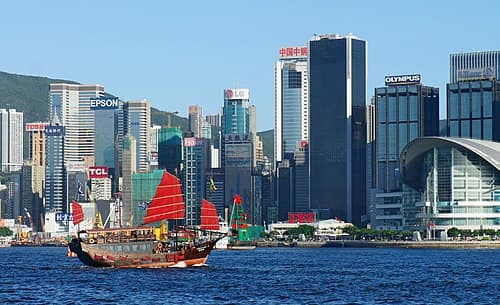
South China
LOCATION
Geographical and cultural region that covers the southernmost part of China
the Sea of Okhotsk
LOCATION
Location referenced in documents
the Soviet Embassy
LOCATION
Location referenced in documents
the Soviet Union
LOCATION
Former country, now part of Russia and other nations
U.S. Ring
LOCATION
Location referenced in documents
Venezuela
LOCATION
Country in South America
Vienna
LOCATION
Capital of and state in Austria
Vladivostok
LOCATION
Russian city and the administrative center of Primorsky Krai
VurlAak
LOCATION
Location referenced in documents
Statistics
Pages:84
Entities:510
Avg. OCR:91.7%
Sponsored