EFTA00231917_sub_008 - EFTA00231917_800
Document Information
Bates Range
EFTA00231917_sub_008 - EFTA00231917_800
Pages
100
Original Filename
EFTA00231917.pdf
Document Content
Page 701 - EFTA00231917_701
A51 Letter from Jack A. Goldberger to NYS Sex Offender Registry Regarding Florida Registration Level applicable to Jeffrey E. Epstein, dated August 12, 2010 A51-A52 ACTERBURY GOLDBERGER ' JOSEPH R ATTERBURY ' 1 JACK A. GOLDBERGER ' JASON S.WEISS ' Board Certified Crimoal TrialAttorney I Member cd New Jersey & Florida Bars August 12, 2010 New York State Division of Criminal Justice Services Sex Offender Registry 4 Tower Place Albany, N.Y. 12203 RE: Jeffrey E. Epstein To Whom It May Concern: The undersigned represented Jeffrey E. Epstein in the investigation that lead to his entry of a guilty plea on June 30, 2008 to a felony charge in the State of Florida that required sex offender registration. The purpose of this letter is to clarify the level of registration that was applicable to Mr. Epstein's case Under Florida's registration scheme there are two levels of registration available based on a risk assessment. Florida characterizes these two levels as sexual predator and sexual offender. The sexual predator designation is obviously the more serious classification. Mr. Epstein, based on the offense on which his guilty plea was entered, was classified as a sexual offender, Florida's lowest level of sexual registration. In fact, within the sexual offender designation there are two sub-levels of reporting requirements. One classification requires reporting to the local Sheriffs Office twice a year and one requires reporting four times a year. In Mr. Epstein's case he is required to report at the lowest level, two times per year. Accordingly, under the Florida registration scheme, Mr. Epstein's registration requirements are at the lowest level for a person for whom registration is required. During the incarcerative portion of Mr. Epstein's sentence, he was allowed to participate in the Sheriffs Office work release program, an option thatwould not have been available to him had he been at a higher registration level. Additionally, while Mr. Epstein was in probationary status, he was allowed to travel on a limited basis for business purposes. This would not have been available to him had he been classified as a sexual predator. One Clearlake Centre. Suite 1400 250 Australian Avenue South West Palm Beach. ft 33401 P www.agwpa.coin EFTA00232617
Page 702 - EFTA00231917_702
A52 s I hope this information assists your department in determining the registration requirements for Mr. Epstein. Should you desire to speak to me or need any further information, please feel free to contact me. V JAG/slm s, Jack A. Goldberger EFTA00232618
Page 703 - EFTA00231917_703
A53 Letter from Martin G. Weinberg to NYS Board of Examiners of Sex Offenders Regarding Risk Level and Designation Determination for Jeffrey Epstein, dated August 16, 2010 [pp. A53-A571 MARTIN G. WEINBERG, P.C. ATTORNEY • LAW 20 PARK PLAZA, SUITE 1000 BOSTON. MASSACHUSETTS 02116 FAX August 16, 2010 New York State Board of Examiners of Sex Offenders 4 Tower Place Albany, New York 12203-3764 Re: Jeffrey Epstein NYSID # O51909 • Dear Sir or Madam: EMAIL ADDRESSES: This letter and the accompanying materials are submitted to the Board pursuant to its notice of August 2, 2010, concerning the risk level and designation determination to be made with respect to Jeffrey Epstein. Their purpose is to demonstrate to the Board that, based upon Mr. Epstein's history and personal characteristics, the circumstances of the offense which triggered the registration requirement, his acceptance of responsibility, his successful completion of his sentence and subsequent supervision, and the extraordinary unlikelihood of his ever again reoffending, the appropriate risk level designation is level I. Overview Mr. Epstein, who is presently 58 years old, is a successful and respected financial advisor who also founded and heads a philanthropic organization, the C.O.U.Q. Foundation, Inc. which funds medical, educational, and advanced scientific research. The offense which led to the requirement that he register as a sex offender in Florida, which in turn triggered this state's reporting requirement, ended almost five years ago and involved an exchange of money and consensual conduct with a young woman who, for all but a few months of the prostitution offense charged, was M. the age of 17. Notably, as addressed in greater detail, infra, the conduct which occurred after reached the age of 17 would not even have been a misdemeanor under the cognate New York statute at the time the offense was committed. Mr. Epstein pled guilty to that offense in the Circuit Court for Palm Beach County, Florida, and has fully and sincerely accepted responsibility for his conduct. There have been no subsequent incidents of criminal misconduct of any description. EFTA00232619
Sponsored
Page 704 - EFTA00231917_704
A54 Florida has classified Mr. Epstein as its lowest level sex offender, with the lowest level of reporting requirement, as verified by the attorney who represented Mr. Epstein in the Florida proceedings: Under Florida's registration scheme there are two levels of registration available based on a risk assessment. Florida characterizes these two levels as sexual predator and sexual offender. The sexual predator designation is obviously the more serious classification. Mr. Epstein, based on the offense on which his guilty plea was entered was classified as a sexual offender, Florida's lowest level of sexual registration. In fact, within the sexual offender designation there are two-sub-levels of reporting requirements. One classification requires reporting to the local Sheriff's Office twice a year and one requires reporting four times a year. In Mr. Epstein's case, he is required to report at the lowest level, two times per year. Accordingly, under the Florida registration scheme, Mr. Epstein's registration requirements are at the lowest level for a person for whom registration is required. Letter of Jack A. Goldberger, Esq., Ex. A. That Florida authorities did not — and do not — believe that Mr. Epstein presented a risk of reoffense is evidenced not just by Mr. Epstein's lowest-level reporting designation but also by the fact that he was permitted, while serving his sentence in the West Palm Beach County Jail, to leave the jail on a daily basis on work release for most of the period of his 13-month incarceration and that during his subsequent year of community control supervision (a probationary-typesentence), both the court and his probation officer agreed to permit him to travel outside Florida for business purposes on a significant number of occasions. He has now completed his year of community control supervision, having fully complied with all the requirements and obligations imposed on him. In addition, Mr. Epstein has participated in therapy with a clinical psychologist, Stephen R. Alexander, Psy. D., who, based on his evaluation of, and therapy sessions with, Mr. Epstein and his long experience as a forensic psychologist, attests that Mr. Epstein presents no threat to the community and that the risk of his reoffending is "negligible": Since my initial assessment of Mr. Epstein he has been extremely cooperative with all of the services provided to him. He has spent a great deal of time and energy focusing on his behavior and the attitudes, beliefs and expectations that undergird his approach to life. He has examined his priorities and undergone a comprehensive self-exploration on more than one occasion, primarily because of the vast changes that have occurred in his life and the upheaval these events have caused. Throughout it all Mr. Epstein has remained willing to focus on himself and how to turn even the most dire personal circumstances into productive experiences to the fullest extent possible. In my opinion Mr. Epstein has been highly cooperative with and benefited from the treatment provided. Relying upon my 25 years of experience as a forensic psychologist and the plethora of data gathered by me, 1 state with confidence that Mr. Epstein poses no threat to himself or the community. It is abundantly clear that he has learned his lesson and the probability of his reoffending is negligible. Mr. 2 EFTA00232620
Page 705 - EFTA00231917_705
A55 Epstein poses no threat to either himself or the general community, and he requires no additional intervention or treatment for his no-risk/low-risk status to be maintained into the future. Letter of Stephen R. Alexander, Psy. D., submitted herewith as Ex. B.' All of these circumstances — Mr. Epstein's low-risk classification in Florida, the state where the offense was committed, the low-risk assessment inherent in the decisions of Florida authorities responsible for the protection of the community, who knew him first-hand, to admit him to work release during his period of incarceration and to permit him to travel outside of Florida during his period of community control supervision, Dr. Alexander's well-supported judgment that Mr. Epstein presents little or no risk of reoffense, the fact that the offense ended almost five years ago, and there has been no subsequent criminal misconduct of any kind, and the fact that Mr. Epstein is a mature, responsible, professional adult who uses neither alcohol nor drugs all support the conclusion that the supervision which accompanies a level I designation will more than suffice to serve the purposes of SORA. That conclusion is supported by the calculation of Mr. Epstein's risk assessment guidelines score. The Conduct Underlying the Offense Triagerinz the Florida Registration Requirement Would For the Most Part Not Even Have Been a Registerable Offense in New York. Had the Conduct Occurred in New York The offense which required Mr. Epstein to register as a sex offender in the state of Florida was a violation of Fla. Stat. §796.03, which criminalizes procuring a rson under the age of 18 (the age of consent in Florida) for prostitution, specifically, here, one ''=" The nearest New York cognate among the registerable offenses listed in N.Y. Correction Law §168-a is N.Y. Penal Law §230.04 (patronizing a prostitute). The information to which Mr. Epstein pled guilty charged that the offense occurred between AusLst 1, 2004, and October 9, 2005, see Information, Ex. C, that latter date being the day before M's 18th birthday: Thus, for almost all of the duration of the charged offense, M. was over the age of 17, and the wholly consensual conduct in exchange for money which occurred between the two would not even have been a registerable offense in New York. See §168-a(2XaXi)(§230.04 a registerable offense only if "person patronized" is in fact under 17 years old). Indeed, at the time of the offense at issue, the conduct which occurred after M. turned 17 years of age would not even have been a crime under that statute if the conduct had taken place in New York? Mr. Epstein's offense ranks among the least serious of those which trigger the requirement of SORA registration. The single Florida offense which required registration involved ' Dr. Alexander's CV is included in Ex. B. 2 In 2007, §230.04 was amended to extend its coverage to prostitution offenses involving individuals of any age, not just those under the age of 17, as the statute was written when Mr. Epstein's offense was committed in 2004-05. Under §230.04 as written in 2004-05, the offense, to the extent that M. was in the last three months of her 16th year, would only have been a misdemeanor had it been committed in New York. 3 EFTA00232621
Page 706 - EFTA00231917_706
A56 only one woman, and there was no force or violence involved at any time, nor did M. suffer from any mental disability, mental incapacity, or physical helplessness. The points attributable to the Current Offense factors (factors 1-7) total less than 70. Criminal History Prior to the offense at issue Mr. Epstein had no prior criminal history whatsoever. Mr. Epstein's date of birth i and he was, accordingly, more than twenty years of age when the offense at issue was committed. Mr. Epstein does not use alcohol or illegal drugs and has no history of either drug or alcohol abuse. Accordingly, Mr. Epstein should be scored at zero for the Criminal History factors (factors 8-11). Post-Offense Behavior On June 30, 2008, Mr. Epstein pled guilty to the offense which subjected him to the requirement that he register as a sex offender in Florida and has fully accepted responsibility for hit conduct. Mr. Epstein served approximately 13 months in a West Palm Beach County jail (rather than in a state correctional facility). During most of his period of confinement, from October 10, 2008, through July 22, 2009, the date of his release, Mr. Epstein participated in the jail's work release program, see Letter of Deputy K. Smith, Ex. D, which permitted him to leave the jail in the morning six days a week for his place of employment, the Florida Science Foundation, and return in the evening. That Mr. Epstein satisfactorily complied with the requirements of the program is evidenced by the fact that he remained in the work release program up to the time of his release from custody. After his release on July 22, 2009, Mr. Epstein was subject to a one-year period of community control, which required, among other conditions, that he maintain contact with the probation office as required, that he be confined to his residence during the hours when he was not working or performing public service, that he not leave his county of residence without the consent of his probation officer, that he commit no further violations of the law, and that he maintain employment. During Mr. Epstein's period of community control from July 22, 2009, through July 21, 2010, he was permitted by the court, with the assent of his probation officer and without opposition by the state's attorney, to travel (including overnight stays) to New York and to the Virgin Islands for business purposes on a number of occasions, thus demonstrating a substantial level of trust by both the court and his supervising probation officer in Mr. Epstein's ability to refrain from unlawful conduct of any kind and to conform his conduct to the terms of his community control order and to the orders authorizing his travel, which he did on every such occasion? Mr. Epstein successfully completed his term of community control on July, 21, 2010, see Florida Department of Corrections Termination of Supervision notice, Ex. F, having at all times fully complied with all obligations and restrictions imposed upon him. Mr. Epstein has never refused or been expelled from any treatment since the time of his sentencing (factor 12(2)). See pages 2-3, supra. Based on his professional expertise and the ' One such travel order is attached as Ex. E. EFTA00232622
Sponsored
Page 707 - EFTA00231917_707
A57 substantial time he has spent with Mr. Epstein, Dr. Alexander is able to state unequivocally that Mr. Epstein has learned his lesson, that he presents no threat to the community, and that there is negligible risk that he will ever reoffend. Accordingly, Mr. Epstein should be scored at zero for the Post-Offense Behavior factors (factors 12-13). Release Environment Factor 14 contemplates that the risk level assessment will be made, as required under New York law, prior to the offender's release from incarceration. Here, as the preceding section shows, Mr. Epstein was released from jail more than a year ago and was subject to close supervision for a period of one year afterwards. During the same time, he continued to meet with Dr. Alexander. The score for factor 14 should, accordingly, be zero. Mr. Epstein maintains a vacation residence in Manhattan, which he owns, as well as residences in Florida and the Virgin Islands. Mr. Epstein's interactions in connection with both his employment and philanthropic work are with adult business professionals, scientists, and educators. There is nothing in either Mr. Epstein's living or employment situations which could even remotely be considered "inappropriate." The score on factor 15 too should be zero. Overrides None of the listed factors are of any relevance or applicability to Mr. Epstein's risk level designation. Conclusion It Based on all the relevant factors, Mr. Epstein should be classified as a level I sex offender. Even should the Board somehow conclude that Mr. Epstein's risk assessment guidelines score exceeds 70, the circumstances addressed in this letter differentiate this case so markedly from the norm of level 2 sex offenders that the Board should recommend a level I classification, as it is empowered to do under the Sex Offender Guidelines. The ultimate issue is the risk that the offender will reoffend, and the information provided to the Board with this letter persuasively demonstrates that such a risk is virtually nonexistent in this case. 5 EFTA00232623
Page 708 - EFTA00231917_708
A58 Letter from Stephen R. Alexander, Psy.D. to Jack Goldberger Regarding Opinion of Jeffrey E. Epstein, dated August 16, 2010 ipp. A58-A611 Stephen R. Alexander, Psy.D. Clinical Psychologist 1825 Forest Hill Boulevard, Suite 204 West Palm Beach, Florida 33406 August 16, 2010 Jack Goldberger, Esq. Atterbury, Goldberger and Weiss, P.A. 250 South Australian Avenue, Suite 1400 West Palm Beach, Florida 33401 Re.: Jeffrey Epstein Dear Mr. Goldberger: Since my initial assessment of Mr. Epstein he has been extremely cooperative with all of the services provided to him. He has spent a great deal of time and energy focusing on his behavior and the attitudes, beliefs and expectations that undergird his approach to life. He has examined his priorities and undergone a comprehensive self-exploration on more than one ortssion, primarily because of the vast changes that have occurred in his life and the upheaval these events have caused. Throughout it all Mr. Epstein has remained willing to focus on himself and how to turn even the most dire personal circumstances into productive experiences to the fullest extent possible. In my opinion Mr. Epstein has been highly cooperative with and benefited from the treatment provided. Relying upon my 25 years of experience as a forensic psychologist and the plethora of data gathered by me, I state with confidence that Mr. Epstein poses no threat to himself or the community. his abundantly clear that he has learned his lesson and the probability of his rcoffending is negligible. Mr. Epstein poses no threat to either himself or the general community, and he requires no additional intervention or treatment for his no-risk/low-risk status to be maintained into the future. If any questions remain or I can be of additional assistance, please contact my office. Sincerely, Stephen R. Alexander, Psy.D. Clinical Psychologist SRA/b1 Epetein-06037-I2A EFTA00232624
Page 709 - EFTA00231917_709
A59 Stephen R. Alexander, Psy.D. Clinical Psychologist 1825 Forest Hill Boulevard, Suite 204 West Palterida 33406 EDUCATION Psy.D. Florida Institute of Technology; Clinical Psychology, 1985 M.S. Eastern Kentucky University; Clinical Psychology, 1980 B.A. University of North Carolina at Chapel Hill; 1977 LICENSURE Florida Board of Psychological Examiners: Psychologist, PY0003713 CERTIFICATIONS Supreme Court of Florida: Family Court Mediator 19355 CF Supreme Court of Florida: County Court Mediator 19355 CF PROFESSIONAL EXPERIENCE Clinical Psychologist: Private practice providing services to children, adolescents, adults and families. Specialization in psychodiagnostic evaluations (personality, forensic, psychoeducational), forensic psychology, and psychotherapy. July 1989 to present. Chief Psychologist: Juvenile and Family Divisions of the Fifteenth Judicial Circuit and Division of Youth Affairs, Palm Beach County, Florida. September 1987 to July 1989. Duties: Supervise Psychological Services provided to Juvenile and Family Court including psychological evaluations of children, adolescents and adults in delinquency, dependency, custody, and sex abuse cases; testimony as Expert Witness. Program Supervision of Sable Palm Youth Service Center, a 48 bed residential treatment program for emotionally and behaviorally disturbed adolescents; family therapy approach to treatment. Program Supervision of te—Youth Service Bureau, a community based family counseling/delinquency prevention program. Directing program evaluation and basic research within the Division of Youth Affairs. Directing APA Approved continuing education office for profbssional staff under the Chief Psychologist (5 Psy.D./Ph.D. psychologists, and 20 M.A./M.S.W. counselors). EFTA00232625
Sponsored
Page 710 - EFTA00231917_710
A60 Court Psychologist: Juvenile and Family Divisions of the Fifteenth Judicial Circuit and the Division of Youth Affairs, Palm Beach County, Florida. October 1985 to September 1987. Duties: Psychodiagnostic evaluations of children, adolescents and adults for the court in delinquency, dependency, custody and sex abuse cases. Clinical Supervisor of the Sable Palm Youth Service Center. Staff Psychologist: Scotland County Mental Health Center, Laurinberg, North Carolina. February to August 1982. Duties: Individual and family psychotherapy (60% child services, 40% adult outpatient). Consultant to Scotland County School system. Competency evaluations for courts. Staff Psychologist: Robeson County Mental Health Center, Lumberton, North Carolina. August 1980 to July 1981. Duties: Outpatient Individual and family psychotherapy (60% child services, 40% adult outpatient). Psychodiagnostic evaluations for Center patients, local courts, and the Division of Vocational Rehabilitation. Program evaluation of 15 Head Start Centers in a four county area for HE.W. Consultant to Red Springs City School system, Southeastern Sheltered Workshop, and Robeson County Group Homes. INTERNSHIP Louisiana State University Medical School (APA Approved): New Orleans, Louisiana. September 1984 to August 1985. Training consisted of equal time spent in throe rotations: Adult, Child and Neuropsychology. Year long training in outpatient psychotherapy and community mental health services at West Jefferson Mental Health Center (1 day per week), psychoanalytic treatment of adults at LW Medical Center, weekly psychoanalytic psychotherapy seminars and weekly psychodiagnostics seminars. PRACTICUM PLACEMENTS Neuropsychlatry Unit: Wuesthoff Memorial Hospital, Rockledge, Florida. 20 hours per week (200 total hours); January to March, 1984. EFTA00232626
Page 711 - EFTA00231917_711
A61 Center for Student Development Florida Institute of Technology, Melbourne, Florida 10 hours per week (200 total hours); June to December 1983. Melbourne Head Start Center: Melbourne, Florida. 10 hours per week (100 total hours); September to December 1983. Robeson County Mental Health Center: Lumberton, North Carolina. 40 hours per week (1040 total hours); January to June 1980. University of Kentucky Medical Center (Outpatient Psychiatry): Lexington, Kentucky. 20 hours pa week (640 total hours); January to December 1979. PUBLICATIONS & RESEARCH PAPERS Alexander, S. & Wiatrowski, M. (1989). Delinquency prevention in a Youth Service Bureau. Unpublished manuscript. Alexander, S. (1992). Choosing and using experts. In, Child Custody and Visitation in Florida. Eau Claire, WI: National Business Institute, Inc. AWARDS 1993 Special Service Award presented by the Legal Aid Society and the Palm Beach County Bar Association for pro bono services to the community. PROFESSIONAL POSITIONS Education Chair of the Palm Chapter of the Florida Psychological Association, 1994. President of the Palm Chapter of the Florida Psychological Association, 1995. COMMUNITY SERVICE POSITIONS Board of Directors Fern House, West Palm Beach, Florida. Fern House is a residential rehabilitation center for male alcoholics and drug addicts. 2004 to present. EFTA00232627
Page 712 - EFTA00231917_712
Offender Name: JEFFREY E EPSTEIN NYSID th OS1909 1ST Reviewer Initials: SObp The following is the Board of Examiners of Sex Offenders' recommendation pursuant to Section 168-I of Article 6-C of the NYS Correction Law as to whether the offender.. be designated a Sexually Violent Offender, Predicate Sex Offender, or Sexual Predator as defined in subdivision seven of Section 168-a or whether the offender does not fit any of those categories due to his conviction. Please check all that apply: t EJ Sexually Violent Offender - a sex offender who has been convicted of a sexually violent offense defined In Correction Law section 168-a (3). Please check which conviction(s) apply, also please indicate whether the conviction was for an attempt at an offense: amino ammo 130.35 -Rape 1st degree 13030 - Sodomy 1st degree/Criminal Sexual Act 1st degree 130.65 - Sexual Abuse In degree 130.66 - Aggravated sexual abuse 3rd degree 130.67- Aggravated sexual abuse 2nd degree 130.70 - Aggravated sexual abuse I st degree 130.15 -Course of sexual conduct against a child 1st degree 130.80 - Course of sexual conduct against a child 2nd degree 2. O Predicate Sex Offender - a sex offender who has been convicted of an offense set forth In subd convicted of an offense set forth in subdivision 2 or 3 of Section 168-a, regardless of the date required to register for the previous conviction. Please identify below the offenders previous qualifying conviction(s) as well as the offender's current offense. Current Previous Aget3)18 Current Previous Attempt 130.20 - Sexual Misconduct 130/5 - Rape 3rd degree 130.30 - Rape 2nd degree 130.40 - Sodomy 3rd degree/ Criminal Sexual Act 3rd 130.45 - Sodomy 2nd degree/ — Criminal Sexual Act 2nd 130.53 - Persistent sexual abuse 130.65-a - Aggravated =coal abuse 4th degree 130.90 • Facilitating a sex offense with a controlled substance a conviction of or a conviction for an attempt to commit any provisions of the foregoing sections committed or attempted as a hate crime defined in sectia485.05 of the penal law or as a crime of terronsan defined in section 490.25 of such law. a conviction of an offense in any other jurisdiction which includes all of the essential elements of any such felony provided for above or conviction of a felony in any other jurisdiction for which the offender is required to register as a sex offender in the jurisdiction which the conviction occurred. eses C. o. S CE am Nc O cm mi. 1-4 ea to 1.1 co et. 0 O ow es "i• es ers esl x &N) C Ci a,k\ - = ro O. •EA Ivision 2 or 3 of Correction Law Section 168-n when the offender has been previously MI• of the prior conviction and regardless of whether the offender was 8. 0O qualifying conviction, also please indicate whether the conviction was for an attempt at an ' 130.60 - Sexual Abuse 2nd degree 255.25 - Incest Article 263 offense - Sexual Performance by a Child 135.05 • Unlawful Imprisonment 2nd degree 135.10 - Unlawful knodsonment 1st degree r > clatrelg Pte LS Attanot ba els w zo 135.20 - ICIdnapping 2nd deg 0 B re 135.25 - Kidnapping 1st degree a (`Note: 133.05,135.10.13520.135.25 the victim must be less than I/ years old and the offender must not be the parent of the victim) Continued on the next page. C rn O EFTA00232628
Sponsored
Page 713 - EFTA00231917_713
2. (Canted) Current Previous Attempt Current Previous Attempt 230.04 Patronizing a prostitute 3rd degree (victim <17 years old) 230.05 Patronizing a prostitute 2nd degree 230.06 Patronizing a prostitute In degree 230.30 (2)- Promoting prostitution 2nd degree 230.32 -.Promoting prostitution 1st degree 235.22 j Disseminating indecent material to minors 1st degree a convidtion of or a conviction for an attempt to commit any provisions of a — listed sex offense committed or attempted as a hate crime defined in section 485.05 Qf the penal law or as a clime of terrorism defined in section 490.25 of such law. 130.52 Forcible touching (victim<18 years old) 130.55 Sexual abuse 3rd degree (victirn<I 8 years old) Cony ictibn/Attempt to commit any provision of 130.52 or 130.55 of the penal law regardless of age of victim and the offender has previously been convicted of (i) a sex offense listed in Correction Law Section (68-a (2), or (i i) a sexually violent *Mose listed in Correction Law Section 168-a (3), or (iii) any of the provisions of section 130.52 or 130.55 of the penal law or an attempt I Aconvict n of (i) an offense in any other jurisdiction which includes all of the — essential efcmcnts of any such crime provided for in Correction Law Section 168-a (2) a), or (ii) a felony in any other jurisdiction for which the offender is required to register as a sex offender in the jurisdiction in which the conviction occurred. or (iii) any of the provisions of 18 U.S.C. 2251. 18 U.S.C. 2251A. 18 U.S.C. 2252. IS V.S.C. 2252A, or 18 V.S.C. 2260 provided the elements of such crime of conviction are substantially the same as those which are pan of such intense as of March I I. 2002. 130.35 - Rape 1st degree 130.50 - Sodomy 1st degredCriminal Sexual Act 1st degree 130. 65 - Sexual Abuse 1st degree 130.66 - Aggravated sexual abuse 3rd degree 130.67- Aggravated sexual abuse 2nd degree 130.70 - Aggravated sexual abuse 1st degree 130.75 - Course of sexual conduct against a child 1st degree 130.80 - Course of sexual conduct against a child 2nd degree 130.53 - Persistent sexual abuse 130.65-a - Aggravated sexual abuse 4th degree 130.90 - Facilitating a sex offense with a controlled substance a conviction of or a conviction for an attempt to commit any provisions of a sexually violent offense as set forth in Correction Law Section I68-a (3) committed or attempted as a hate crime defined in section 485.05 of the penal law or as a crime of terrorism defined in section 490.25 of such law. a conviction of an offense in any other jurisdiction which includes — all of the essential elements of any such felony provided for above or conviction of a felony in any other jurisdiction for which the offender is required to register as a sex offender in the jurisdiction which the conviction occurred. 250.45(2),(3)and(4) - Unlawful surveillance 2nd degree 250.50 • Unlawful surveillance 1st degree 3. Sexual Predator - a sex offender who has been convicted of a sottish violent offense defined in Correction La;vg; , 168-a (3) and who suffers from a mental abnormality or personality disorder that makes him or her likely to engage in sexually violent offenses. CP\ (6) 19 None of the above. EFTA00232629
Page 714 - EFTA00231917_714
SEX OFFENDER REGISTRATION ACT RISK ASSESSMENT INSTRUMENT RISK FACTOR VALUE SCORE I. CURRENT OFFENSES) I. Use of Violence Used forcible coo pulsioa +10 X 10 Inflicted physical injury +15 Armed with a dangerous instrument +30 2. Sexual Contact with Victim Contact over clothing Contact under clothing Sexual intercourse. deviate sexual intercourse of aggravated sexual abuse +5 25 +10 +25 X S. Number of Victims Two Three or more +20 30 + 30 X 4. Duration of offense conduct with victim Continuing course of sexual misconduct +20 X 20 5. Age of victim I I through 16 to or kis. 63 or more +20 X 20 +30 6. Other victim characteristics Victim suffered from mental disability or • incapacity or from physical helplessness +20 0 20 7. Relationship with victim SUanget or established for mote of victimizing or professional relationship +20 X II. CRIMINAL HIS I OR% R. Age at first act of sexual misconduct 20 or less +10 0 9. Number and natal+ of prior crimes Prior history/no sex minus or felonies Prior historyinomviolent felony Prior violent felony, or misdaneanur Sc' crime or endangering welfare of a child +5 X 5 +15 ' +30 It Recency of prior offense • Less dun 3 years +10 0 II. Dreg or Alcohol abuse History of ahem. +15 0 COLUMNS 1- 11 SUBTOTAL 130 SEX OFFENDER REGISTRATION ACT RISK ASSESSMENT INSTRUMENT RISK FACTOR VALUE SCORE III. POST-OFEEN3E BLIUVIOR 12. Acceptance of Respossibility Not accepted responsibility Not accepted responsibility I refused or expelled from treatment +10 0 +15 13. Conduct while confined / supervised Unsatisfactory . Unsatisfactory with sexual misconduct +10 0 -20 IV. EUXLEASk. LN VIRONMEN I 14. Supervision Release with specialized supervision Release with supervision Release without supervision 0 0 1:5 +15 LI. Living/ employment situation Living or employment inappropriate +10 0 COLUMNS 12-13 SUBTOTAL COLUMNS I-It SUBTOTAL 130 TOTAL RISK FACTOR SCORE (add 2 subtotals) 130 1 2 X Offender Name: JEFFREY E EPSTEIN NYSID #: 0S1909 Docket #: RISK LEVEL: 3 Assessor's Signature Date: - to A. Overrides Of any ovenide is circled, offender is piesumpuvdy a Level 3) 1. Offender has a prior felony conviction foe a sex crime 2. Offender inflicted serious physical injury or caused death 3. Ott offender has made a recent threat that he will reoffend by committing a sexual or violent crime 4 There has been n clinical assessment that the offender has a psychological, physical, or organic abnormality that decreases ability to control impulsive sexual behavior B. Departure I A departure from the risk level is warranted 0 Yes El No Level I (low) 0 CO +70 2. If yes, elate the appropriate risk level I 2 3 Level 2 (moderate ) +73 to +105 Level 3 (high) +110 w +300 3. If yes, explain the basis for departure I See Summary) Note. The Sex Offender Registration Act requires the court ar Board of Examiners of Sex Offenders to consider any victim impact statement in determining a sex offender's level of risk EFTA00232630
Page 715 - EFTA00231917_715
A65 RE: JEFFREY E EPSTEIN NYSID #: 0S1909 DATE: 8/23/2010 CASE SUMMARY This assessment is based upon a review of the inmate's file which may include but is not limited to the pre-sentence investigation, prior criminal history and post-offense behavior. Jeffrey Epstein is a 57-year-old sex offender who pled guilty in the state of Florida on 6/30/2008 to two felony sex offenses, Procuring a Person Under I g for Prostitution and Felony Solicitation of Prostitution. He was sentenced tot 2 months in jail followed by 12 months of Community Control. It would appear he was convicted in London England of Unlawful Possession of an Offensive Weapon, a Sword Stick, and was sentenced to a Conditional Discharge on 1/4/1973. Regarding the instant offense, Epstein was approximately 51 years of age on or about the year 2005 when he sexuallyassaulted numerous females between the approximate ages of 14 and 17. Most of the victims were recruited by one of Epstein's female employees from a local high school in the Palm Beach Florida area. Some of the female participants were age 18 or older. The contact included vaginal intercourse, mouth to vagina sodomy, the touching of the breasts and vagina, placing his fingers inside the vagina and Epstein using a vibrator on the victim's vaginal area. The available police reports from the Palm Beach Police Department include conversations with numerous female victims who in most cases, did not know Epstein when they were victimized. Most of the females were embarrassed to speak with police regarding what had happened to them while they were at Epstein's home. Sworn statements were taken from at least five victims and seventeen witnesses concerning massages and unlawful sexual activity that took place at the residence of Jeffrey Epstein. Most of the victims were paid at least $200.00 each time they performed a massage. The victims were told they would be giving Epstein a massage and they were escorted to his bedroom. Most victims noted numerous pictures of naked young females, (some of the photos depicted females who would be -- eventually interviewed by police), on display throughout the home. The offender would enter the room only wearing a towel. In most cases he would remove the towel and ask the victim to remove her clothing. In some cases he would masturbate into a towel while receiving a massage. In other cases he would touch the breasts or vagina of the victim with his hands or use the vibrator. One 14 year old.described how Epstein touched her vaginal area with a vibrator and thereafter, when contacted by law enforcement, she had to identify the offender through the use of a photo array. Another 16-year-old victim described giving Epstein massages for two years and at times, he grabbed her buttocks and caressed her butt cheeks as she gave him a massage. Another 16-year-old described going to the offender's home at least 100 times. He would touch her breasts, insert his fingers into her vagina and sometimes use the vibrator on her while masturbating. He would also pay this underage victim to have sex with a female friend while he watched. Occasionally, he would join both girls and perform oral sex on both. This 16-year-old victim described for police how one time, Epstein turned her over on t Triaasaa,, talk, and y alp I Iv bui‘amed, "NO: tic blooml and subsetptently-apotogized-for his actions. The offenders conduct while on Community Control will be considered satisfactory and he does not have a history of substance abuse. Based upon his plea of guilty, Epstein will be credited with accepting responsibility for his actions. He will be scored for sexual and deviate sexual intercourse, forcible compulsion, numerous victims and their ages, a continued course of sexual misconduct, a prior misdemeanor conviction in England absent specific information, for his stranger relationship to most victims and for establishing a relationship with these underage girls for the purpose of victimization. The Board acknowledges correspondence received from the offender's attorney. EFTA00232631
Sponsored
Page 716 - EFTA00231917_716
A66 RE: JEFFREY E EPSTEIN NYSLD #: OS1909 DATE: 8/23/2010 CASE SUMMARY Jeffrey Epstein used his wealth and power in such a way so that he could take advantage of many teenage girls to satisfy his own sexual perversions. He scores as a Level III Sex Offender with absolutely no basis for downward departure. EFTA00232632
Page 717 - EFTA00231917_717
A67 Letter from Supreme Court attaching Notification, Recommendation and Notice of Right to Appeal, dated August 26, 2010 SArperilt Calle of Up' „Stab of kitEtt ark 100 CENTRE STREET NEW YORK. N.Y. 1000 TO: PART 66 FROM: CORRESPONDENCE UNIT SUBJECT: SEX OFFENDER RISK ASSESSMENT RE: Jeffrey Epstein SCID. fi 30129-2010 Please refer to the attached: I) Notification to sex offender, defense attorney and D.A.'s office of the scheduled risk assessment; 2.) Recommendation from Board of Examiners 3.) Notice of Right to Appeal and Appeal Application. Please be advised that the above named defendant. his assigned counsel, Sex Crimes Unit ofthe D.A.'s office, City and State Correctional Facilities have been notified of the sex offender risk level assessment hearing which has been scheduled in your part. Upon completion of the risk assessment, you must endorse the calendar and worksheet and litmard the COURT FILE AND ASSESSMENT DOCUMENTS to this office. RE--FURTHER—ADYISEIt VISION OF—PAROLE MAY- nuttrrtt DEFENDANT UNTIL A RISK LEVEL HAS BEEN ASSIGNED. A REQUEST FOR 18B ASSIGNMENT HAS BEEN MADE. ONCE YOU END THE ATTACHED NOTIFICATION LETTER AND BOARD OF EXAMINER'S PACKAGE TO HIM/HER EFTA00232633
Page 718 - EFTA00231917_718
A68 Letter from Supreme Court to Jeffrey E. Epstein Informing of SORA Level Determination Hearing, dated August 26, 2010 Supreme Qintrit of Putt of !Seto 'fork August 26. 2011) • MO CENTRE STREET NEW YORK. N.Y. 60013 Mr. Jeffrey Epstein 9 East 711 Street New York. N.Y. 10021 Re: SCID #30129-2010 Dear Mr. Epstein: Please be advised that pursuant to the 1996 Sex Offender Registration Act. the court must conduct a hearing to determine whether you will be classi lied as a level I , 2 or 3 sex offender and i Fyne will he designated as a sexual predator. a sexually violent offender or a predicate sex offender. The court's decision will determine how long you must register as a sex offenderand howmuch information can he provided to the public concerning your mgistration. The court'sdetermination may be higher. lower or the same as the one recommended by the Board of Examiners. Your hearing has been scheduled for September 15,2010 at 9:30 a.m.. before the Hon. Ruth Pickholz in part 66 located at 111 Centre Street. New York, N.Y. You have a right to attend this hearing. I fyou wish to waive your appearance tin• the hearing enclosed is a waiver form which must be notarived and returned to this office within ten days of receipt. A request has been made for an attorney to represent you t this heari_L If you fail to appear at this proceeding, without sufficient excuse, it shall be held in your absence. Failure to appalr may result in a longer period ofregistration or a higher level of comma! iity notification because you are not present to offer evidence or contest evidence offered by the District Attorney. Enclosed please find the Board o Mxaminers summary with their recommendation that ”iti be assigned a risk level of3 and a document which describes what yourduties will be alleryou are assigned a risk level. At the conclusion onhedetennination hearing you will receive acopyolIN:tout-1s final rccammcndalinn with a notice to appeal. Very truly yours. Mary A. Price. CCS encs. Supreme Court - Criminal Tent Nem York 1 EFTA00232634
Sponsored
Page 719 - EFTA00231917_719
A69 Order Sheet for Jeffrey Epstein, dated August 26, 2010 A69-A70] ORDER SHEET Court Supreme Court, Criminal Tenn Date August 26, 2010 County New York Part Correxpondatce Unit People of the State of New York, • Docker ind.fl 301 29-20 10 Jeffrey I Mimi it I k ft it a et Highest (l'eml law) flomicide Li Felony Alisdctneattor Special Proceeding Sex Offender Nearing ■ Vii)611. Fl Being satisfied arty a review of the financial status of the defendant named, that he is financially unal,lr no obtain counsel, and upon his request for the :appointment of counsel. it is, /rdered that the folkiwingtitcmlx:r of die Bar be and hereby is -appointed to rcprescur such defendant in all matter, pertaining to this *Minn: gZ;l — assaikiv 4 414t-se...- tsi sCijeakietatata- .\djottmed Date tivrt. Defendant's Stann: I kfentlaites Address: Comments: .1djourned l'arr rd. Assigningpas Ruth Rickholt Pa min I Incarcerated Boiled 11 9 East 71' Sweet, New link, N.Y t Name: •'• Mary A. Price, CCS tvicrIblific EFTA00232635
Page 720 - EFTA00231917_720
A70 TRANSMISSION VERIFICATION F£ppRi TIME : 88/26/2810 10:58 NAME : CORRESP INIT FAX : TEL SER.11 : BROK53356431 DATE .TIME FAX Ml. /NAME DURATION PAGE C.) RESULT MODE 08/26 10.58 188 ASSIGNED 88:90:18 01 OK STANDARD ECM ORDER SHEET Colin Supreme Court. Criminal Term County New York The People or the State of :Icy York va. Jeffrey Epstein Defender Homicide Highest Chew: (Penal Law) Felony Dale Algatst26.2010 Pari Correspondence Unit Docket Ind.# 30129.2010 ttdc me n Special Pniceeding l-jra Offender Heating I 1 ltinlativu F-1 Tieing satisfied after a review of the horndal flatus of the defendant named, tiler he is financially unable to obtain counsel. and upon his teasen fot the appointment of counsel, it is, hdeted that the following member of the Rar he and betel:7 it appointed to represent such defendant in .11 natters pertaining to this action: Åtemai;di simeitm‘atitasial- r 1'/4".t 7.01n Adjourned Part (16 EFTA00232636
Page 721 - EFTA00231917_721
A71 Letter from Supreme Court to Counsel Informing of SORA Level Determination Hearing (with attachments), dated August 26, 2010 [pp. A71-A76] Supreme gaud of fire Skits of pay VA 100 CENTRE STREET NEW YOR1C, N.Y. 10013 August 26. 2010 Defense Attorney 1813 To Be Assigned Ms. Inn-Young Park NYC District Attorneys Office 1 Hogan Place. Room 831 New York. N.Y. 10013 Re: Jeffrey Epstein SOD if 30129-2010 Dear Sir/Madam: The above named defendant is scheduled for a Sex Offender Risk Level Determination before the lion. Ruth Pickholz in part 66 on September 15, 2010 at 9:30 a.m. The defendant has been notified under separate cover of this hearing and forwarded a copy of the Board of Examiners recommendation. advised of his/her right to appear. advised of the name and address of the attorney assigned to represent him or that one is being assigned. risk level guidelines, and of his right to Ivaive his appearance. Enclosed please find a copy or the Board of Ixaminers recommendation. t.aiy Mary A. Price. CC'S Supreme Court - Criminal 'Fenn New York County enc. EFTA00232637
Sponsored
Page 722 - EFTA00231917_722
Offender Name: JEFFREY E EPSTEIN NYS1D OS 1909 1ST Reviewer Initials: le following is the Board of Examiners of Sex Offenders' recommendation pursuant to Section 168-I of Article 6-C of the NYS Correction Law as to whether the offender• be esignated a Sexually Violent Offender. Predicate Sex Offender, or Sexual Predator as defined in subdivision seven of Section 168-a or whether the offender does not fit any of those ategories due to his conviction. 'lease check all that apply: . Sexually Violent Offender - a sex offender who has been convicted of • sexually violent offense defined in Correction Law section 168-a (3). Please check which convictions) apply. also please indictee whether the conviction was for an attempt at an offense: Attempt 2 0 130.35 - Rape I st degree 130.50 - Sodomy I si degree/Criminal Sexual Ac: 1st degree 130.65 - Sexual Abuse 1st degree 130.66 - Aggravated sexual abuse 3rd degree 130.67- Aggravated sexual abuse 2nd degree 130.70 • Aggravated sexual abuse 1st degree 130.75 • Course of sexual conduct against a child 1st degree 130.80- Course of sexual conduct against a child 2nd degree Attempt 130.53 • Persistent sexual abuse 130.654 - Aggravated sexual abuse 4th degree 130.90 - Facilitating a sex offense with a controlled substance a conviction of or a conviction for an attempt to commit any provisions of the — foregoing sections committed or attempted as a hate crime defined in section 485.05 of the penal law or as a crime of terrorism defined in section 490.25 of such law. a conviction of an offense in any other jurisdiction which includes all of the essential elements of any such felony provided for above or conviction of a felony in any otherjurisdiction for which the offender is required to register as a sex offender In the jurisdiction which the conviction occurred. Predicate Sex Offender - a sex offender who has been convicted of an offense set forth in subdivision 2 or 3 of Correction Law Section 168-a when the offender has been previously convicted of an offense set forth in subdivision 2 or 3 of Section 168-a, regardless of the date of the prior conviction and regardless of whether the offender was required to register for the previous conviction. Please identify below the offenders previous qualifying convictions) as well as the offender's current qualifying conviction. also please indicate whether the conviction was for an attempt at an Offense: -uproot Previotic AlEmni 130.20 - Sexual Misconduct 130.25 Rape 3rd degree 130.30- Rape 2nd degree 130.40 - Sodomy 3rd degree/ — Criminal Sexual Act 3rd 130.45 - Sodomy 2nd degree/ - Criminal Sexual Act 2nd flit-rent Previous Attemnt 130.60 • Sexual Abuse 2nd degree 235.25 - Incest Article 263 offense - Sexual Performance by a Child 135.05 - Unlawful Imprisonment 2nd degree 135.10- Unlawful Imprisonment 1st degree Current Previous Attempt 135.20 - Kidnapping 2nd degree 135.25 -Kidnapping 1st deluxe (*Noce: 135.05.135.10. 135.20. 135.25 - the victim must be less than 17 years old and the offender must not he the patent of the victim) Continued on the next page. EFTA00232638
Page 723 - EFTA00231917_723
iCont-di urrent Previous &Ha 230.04 Patronizing a prostitute 3rd degree (victim <12 Years old) 23(1.05 Patronizing a prostitute 2nd degree 230.(16 Patronizing a prostitute 1st degree 230.30 ) • Promoting prostitution 2nd degree 230.32 Promoting prostitution 1st degree 235.22 Disseminating indecent material to minors 1st degree o convi listed se 485.05 of such ion of or a conviction for an attempt to commit any provisions of a offense committed or attempted as a hate crime defined in section the penal law or as a crime of terrorism defined in section 490.25 130.52 -Forcible touching (victim<18 years old) 130.55 -(Sexual abuse 3rd degree (victim<I8 years old) Convict' — penal las convict (ii) a sex (iii) any attempt A convict' essential e 168-a (2) required t occurred. U.S.C. 22 such cri such often n/Attempt to commit any provision of 130.52 or 130.55 of the regardless of age of victim and the offender has previously been of: (1)a sex offense listed in Correction Law Section 168-a (2), or ly violent offense listed in Correction Law Section 168-a (3). or the provisions of section 130.52 or 130.55 of the penal law or an eof n of (i) an offense in any other jurisdiction which includes all of the meets of any such crime provided for in Correction Law Section ), or (ii) a felony in any other jurisdiction for which the offender is register as a sec offender in the jurisdiction in which the conviction (iii) any of the provisions of 18 U.S.C. 2251, 18 U.S.C. 2251A. 18 2. IS U.S.C. 2252A. or 18 2260 provided the elements of of conviction are substantially the same as those which arc part of as of March 11. 2002. Current Previous Attempt 130.35- Rape 1st degree 130.50 - Sodomy 1st degree/Criminal Sexual Act I g degree 130.65 - Sexual Abuse 1st degrx 130.66 - Aggravated sexual abuse 3rd degree 130.67- Aggravated sexual abuse 2nd degree 130.70 - Aggravated sexual abuse 1st degree 130.75 - Course of sexual conduct against a child 1st degree 130.80 - Course of sexual conduct against a child 2nd degree 130.53 - Persistent sexual abuse I 30.65-a - Auras eked sexual abuse 4th degree 130.90 • Facilitating a sex offense with a controlled substance a conviction of or a conviction for an attempt to commit any provisions of a sexually violent offense as set forth in Correction piw Section 168-a (3) committed or attempted as a hate crime defined in section 485.05 of the penal lax or as a crime of terrorism defined in section 490.25 of such law. a conviction of an offense in any other jurisdiction which includes all of the essential elements of any such felon) provided for above or conviction of. felony in any other jurisdiction for which the offender is required to register as a sex offender in the jurisdiction which the conviction occurred. 250.45(21.(3)and(4) - Unlawful surveillance 2nd degree 250.50 - Unlawful surveillance I st degree E Sexual Predator - a sex • ender who has been convicted of a sexually violent offense defined in Correction Law Section 168.0 (3) and who suffers from a mental abnormality or personality disorder that ekes him or her likely to engage in sexually violent offenses. None of the above. EFTA00232639
Page 724 - EFTA00231917_724
SEX OFFENDER ma:ism-trim A(-r RISK ASSESSlIENT IXSTRUNIENT RISK FACTOR URKLIV1 FEISSMSI VALUE SCORE I Use of Violence •sed forcible compulsion +10 Inflicted pinsmal :Mon *15 10 Armed with a dangerous instrument +30 2. Snout, Contact with Victim, Contact over clothing +5 Camara under clothing +10 25 Sexual imewinirse. tics late sexual iinesuourse or aggravated sexual abuse +15 x 3. Number of Victims Two +20 30 Three or mole +30 4. Duration of offense condom with viedm Continuing course of sexual nisconduci +20 20 5. Age of victim I I through 16 +20 20 10 or less. 03 or more +30 6. Other victim chtracterisites Victim suffered from mental disability ea incapacity err from physical helplessness +20 0 7. Relationship with victim Snarler or established for purpose of victimizing or professional relatiOnship • +20 x 20 II. L 1111/21 ORI S. Age at lint act of sexual misconduct 20 or loss +10 0 9. Number and mature of pilot crimes. Prior history/no sex crimes or felonies +5 x Prior histury/non-violent felony +15 5 Prior violeri felony. or misdemeanor sex crime or endangering welfare of a child +30 f 10. Recency of prior offense . Less than 3 years . • . . • +10 0 II. Drug or Alcohol abuse History of shine • ^ +15 0 • COLUMNS II SUBTOTAL 130 SEX OFFENDER REGISTRATION ACT RISK ASSESSMENT INSTRUMENT RISK FACTOR VALUE SCORE Ill. POST .OFFENSE BEHAVIOR 12. Acceptance of Responsibility Not accepted responsibility Not accepted responsibility / refused or expelled from treatment U. Conduct while confined / supervised Unsatisfactory Unsatisfactory with sexual misconduct +10 0 0 +15 +10 ... . . +20 iv. FILLB.ASL ENVIRONMLNI Id. Supervision Release with specialized supervision Release with supervision _ Release without supervision IS 1.444-iinitillimeritiliiiiiiin— . — - --' Living Of anploymcni inappropriate — COLUMNS 12-IS SUBTOTAL 0 0 -- 0 - • - - 0 130 130 -175 +15 —. +10 • - — COLUMNS I-11 SUBTOTAL TOTAL RISK FACTOR SCORE (add 2 subtotal/ —.- 1 2 X Offender Name: JEFFREY E EPSTEIN NYSID OS 1909 Docket 0: RISK LEVEL: Assessor's Signature Date: 3 Level I (low) level 2 (moderate ) Level 3 (high) 0 10 470 475 to +105 +110 to +300 Note: The Sex Offender Registration Act requires the court or Board of Examiners of Sex Offenders to consider any victim impact statement in determining a sex offender's level of risk A. Overrides (If any override is circled. offender is presumptively a Level Jr I. Offender bas a prior felony conviction fora sex crime 2. Offender inflicted serious physical injury or caused death 3. The offender has nude a recent threw that he will reoffend by committing a sexual or violent aline 4. There has been a clinical assessment that the offender has a psychological, physical, or organic abnormality that decreases ability to combat impulsive sexual behavior B. Departure I. A departure from the risk level is warranted yes kO No 2. If yes. circle the appropriate risk level I 2 3 3. :f yes. explain the basis for di:mature ( Sec Summary) EFTA00232640
Sponsored
Page 725 - EFTA00231917_725
A75 RE: JEFFREY E EPSTEIN NYSID 051909 DATE: 8123/2010 CASE SUMMARY 'Ibis assessment is based upon a review of the inmate's file which may include but is not limited to the pre-sentence investigation, prior criminal history and post-offense behavior. Jeffrey Epstein is a 57-year-old sex offender who pled guilty in the state of Florida on 6/30/2008 to two felony sex offenses. Procuring a Person tinder 18 for Prostitution and Felony Solicitation of Prostitution. He was sentenced to12 months in jail followed by 12 months ofCommunity Control. It would appear he was convicted in London England of Unlawful Possession of an Offensive Weapon, a Sword Stick, and was sentenced to a Conditional Discharge on 1/4/1973. Regarding the instant offense, Epstein was approximately 51 years of age on or about the year 2005 when he sexually assaulted numerous females between the approximate ages of I4 and 17: Most of the victims were recruited by one of Epstein's female employees from a local high school in the Palm Beach Florida area. Some of the female participants were age 18 or older. The contact included vaginal intercourse, mouth to vagina sodomy, the touching of the breasts and vagina, placing his fingers inside the vagina and Epstein using a vibrator on the victim's vaginal area. The available police reports from the Palm Beach. Police Department include conversations with numerous female victims who in most cases, did not know Epstein when they were victimized. Most of the females were embarrassed to speak with police regarding what had happened to them while they were at Epstein's home. Sworn statements were taken from at least five victims and seventeen witnesses concerning massages and unlawful sexual activity that took place at the residence of Jeffrey Epstein. Most of the victims were paid at least $200.00 each time they performed a massage. The victims were told they would be giving Epstein a massage and they were escorted to his bedroom. Most victims noted numerous pictures of naked young females, (some of the photos depicted females who would be eventually interviewed by police), on display throughout the home. The offender would enter the room only wearing a towel. In most cases he would remove the towel and ask the victim to remove her clothing. In some cases he would masturbate into a towel while receiving a massage. In other cases he would touch the breasts or vagina of the victim with his hands or use the vibrator. One 14 year old described how Epstein touched her vaginal area with a vibrator and thereafter, when contacted by law enforcement, she had to identify the offender through the use of a photo array. Another 16-year-old victim described giving Epstein massages for two years and at times, he grabbed her buttocks and caressed her butt cheeks as she gave him a massage. Another 16-year-old described going to the offender's home at least 100 times. He would touch her breasts, insert his fingers into her vagina and sometimes use the vibrator on her while masturbating. He would also pay this underage victim to have sex with a female friend while he watched. Occasionally, he would join both girls and perform oral sex on both. This 16-year-old victim described for police how one time, Epstein turned her over on the massaue table and forcibly rated her " NO " an,4 uantly-apologized-for his actions. The offenders conduct while on Community Control will he considered satisfactory and he does not have a history of substance abuse. Based upon his plea of guilty. Epstein will be credited with accepting responsibility for his actions. lie will he scored for sexual and deviate sexual intercourse, forcible compulsion, numerous victims and their ages. a continued course of sexual misconduct. a prior misdemeanor conviction in England absent specific information. for his stranger relationship to most victims and for establishing a relationship with these underage girls for the purpose of victimization. The Board acknowledges correspondence received from the offender's attorney. EFTA00232641
Page 726 - EFTA00231917_726
A76 RE: JEFFREY E EPSTEIN NYS1D#: OS1909 DATE: 8/23/2010 CASE SUMMARY Jeffrey Epstein used his wealth and power in such a way so that he could take advantage of many teenage girls to satisfy his own sexual perversions. Ile scores as a Level III Sex Offender with absolu►ely no basis for downward depanure. EFTA00232642
Page 727 - EFTA00231917_727
A77 Letter from Jay P. Lefkowitz to Hon. Ruth Pickholz Requesting a Continuance of the Hearing, dated September 9, 2010 09/07/2010 09:55 FAX 0 2:00 2 KIRKLAND & ELLIS LLP NIO arnuarrn PAItTNIRSHIPS 601 Lexington Avenue Now York. NkY/ Yolk 10022 Jay P LelkowItz,. To Call WIWI Dimly: Facsinne awn.. kiridandccm BY FACSIMILE. The Honorable Ruth Pickholz New York County Supreme Court Part 66 111 Centre Street New York, NY 10013 September 7, 2010 1. Re: $CID No. 30129-2010 Dear Justice Pickholz: I am writing regarding the hearing for Mr. Jeffrey Epstein in the above-referenced matter, which is currently scheduled for 9:30a.m. on Wednesday, September 15, 2010. We respectfully request a continuance of the hearing. Kirkland & Ellis was only recently retained by Mr. Epstein to represent him in this matter and due to the holidays this week and because the matter arises out of Florida, we will need some time in order to collect information to prepare for the hearing. We are available on or after October 4, 2010 for a hearing on this matter if that would be acceptable to the Court. We are available to discuss at the Court's convenience. Respe» fully submitted, . Lefkowitz, P.C. Chicago Hong Kong London Los Angeles Munich Palo Alto San Francisco Shanghai Washington. O. C. EFTA00232643
Sponsored
Page 728 - EFTA00231917_728
A78 Letter from Supreme Court to Sex Offender Registry Unit Enclosing Final Determinations, dated January 19, 2011 [pp. A78-A791 Si rant Camrt of for Pak of 14th Igor' CENTRE STREET IIEW YORK. NY KAU January 19, 2011 Sex Offender Registry Unit NYS Division of Criminal Justice Services 4 Tower Place Albany, NY 12203 Dear Sir/Madam: Enclosed please find the Final Determinations on the following cases: Name Jeffrey Epstein End. cc Mr Jeffrey Epstein 9 East 71st Street New York, NY 10C21 Ind.# Risk Level 30129-2010 Three (3) Respectfully yours, F. Halwick, SCC Correspondence Unit Supreme Court, Criminal Term EFTA00232644
Page 729 - EFTA00231917_729
A79 ."'•':; 1;4: . • -tlri t -" qNoNE;OFFENDEA IS.UN P.EFtyISE • kv A . • :4•N,. • n• The •. Crefsysnisild• tebitIngitikken offeAsitininothsdurbidictis atatit7at the addnisitdicaleil 4i eiteen.deterinInidpitihe .r Is rein! 40eSiltittsislefiti Nesd 4, .s OPar00!Ei001(1001 . 100>rrierldiriO.a .-.. . off1,t c9ti, e attathed disk aiseStroentkiStrunisnlicase summary". and designs* form., Coat olgar ,q148442rifiii.tatinty poptcnif Coiiiliiie,the"counly70(iessidliiae. of offenders d fr edeSighstiofritilyS1,,9604 llostOidarryigielvithethei: the 'offencleCpieetit: thOttiegiii • predkate SOicpfrandetoeseratcir.SIetpe Law Section k:OffatirititA • 42.* 00. 0.1*FertAltafinitf" ,:t rOte;rPuritliatirliEc Lavit!0/05;82*. 0 900e41,2004i. . eetio 116a S. •;03 Whivilbeiniramniidecilk**Idolhitthi:p6AirfihaktOnc.thol the o_ ilfdiksignialokhZ,41,01'utsex. ;offender having date;:liene;iand:place.of itiipp7SoitSyktkili fticint -70ceu4:tpleailhotet t tintlithjeOtirt d Offinder'iriik arra? N i . •'.:NitiffrOtibe*ohleeei g f6rtfti* .-JeVerericidaidnialkii 1VittletOliKdettrilirtilierOsninilsedit.**:be.:gibirilted l‘R404/Ylinlefrilie$00,1; Iiciaba? 1hIsliOrirViiiiilitt. the off r if lie -IS8> piitionaboiNikeT.Oiirkixdathealse djelbUte.theiterfAinirtitipiei 4 kidicated. 40,4tt:4:t#4142•telitt; •-.. • :'.4114-55 :ns'ittlkkispfiRot.p.w,s,q;;01-44 ado' Wio be tolpt Sin 14' te4ey; • k . • ' itikmnoN, :ober gc r,..14iTilksi:- tfi-proi thiNYS: rstiarittell I ^ gt ql • 'Alf "4: EFTA00232645
Page 730 - EFTA00231917_730
A80 Court Action Sheet - Jeffrey Epstein, No. 30129-2010 COUNTY OF PEOPLE VS akigiestio, .3 oh25 -awe NY.S I D NO. DATE OF BIRTH SEX _e_____ ADDRESS NOTICE OF APPEARANCE 20 FILED BY • ADDRESS TELEPHONE NO. RET O L.A. D I8B CI SUBSTITUTION 20 FILED BY ADDRESS TELEPHONE RET 0 L.A. 0 18B LJ r tKLAND & ELLIS LLP Annan° PAMPERS/ITS JAY P. LEFKOWITZ. P.C. illIM I.Fax talloc1/410022 lay Infecont:Okirkland c ft RECOGNIZANCE ROR 20 BAIL FIXED AMOUNT COURT CLERK COUNSEL PRESENT ON CONSENT OF ADA COURT REPORTER BAILED 20 SURETY JUSTICE INTERPRETER COURT CLERK COURT CLERK ROR REVOKED-BW 20 JUSTICE BAIL FORF.•BW JUSTICE BAIL EXONERATED JUSTICE SURR. BY SURETY 20 20 ARTICLE 730 EXAMINATION ORDERED 20 JUSTICE COURT CLERK COURT REPORTER SUBSEQUENT ACTION RE RECOGNIZANCE PART 20 JUSTICE ADA PRESENT COUNSEL PRESENT COURT REPORTER COURT CLERK PART 20 ORDERED 20 JUSTICE COURT CLERK COURT REPORTER COMMUTED TO COMMISSIONER OF MENTAL HYGIENE: JUSTICE ADA PRESENT COUNSEL PRESENT EFTA00232646
Sponsored
Page 731 - EFTA00231917_731
A81 Handwritten Notations on Court Jacket - Jeffrey Epstein, No. 30129-2010 0 i 9 2 4 (5 2 a. • C.) 0 •9 n t • r1 '4 • E 1%. (' a EFTA00232647
Page 732 - EFTA00231917_732
2 3 4 5 A82 Transcript of SORA Hearing, dated [pp. A82-A961 SORA HEARING SUPREME COURT NEW YORK COUNTY TRIAL TERM PART 66 THE PEOPLE OF THE STATE OF NEW YORK: AGAINST January 18, 2011 x INDICTMENT # : 30129/2010 6 JEFFREY EPSTEIN Defendant. x SORA HEARING 7 8 111 Centre Street New York, New York 10013 9 January 18, 2011 10 BEFORE: 11 12 HONORABLE RUTH PICKHOLZ Justice of the Supreme Court 13 14 APPEARANCES: 15 16 For the People: CYRUS R. VANCE, JR., ESQ., New York County District Attorney 17 One Hogan Place NewY York 10013 18 BY: GAFFNEY, ESQ. Assis an strict Attorney 19 For the Defense: KIRKLAND & ELLI, LLP 20 153 East 53rd Street 21 New York, New York 10022 BY: JAY LEFKOWITZ, ESQ. 22 SANDRA MUSUMECI, ESQ. 23 24 Vikki J. Benkel Senior Court Reporter 25 Mk! J. Benkel Senior Coax Reporter page 1 EFTA00232648
Page 733 - EFTA00231917_733
A83 SORA HEARING page 2 1 2 3 4 5 6 7 8 9 10 11 12 13 14 15 16 17 18 19 20 21 22 23 24 25 COURT CLERK: This is number two on the calendar, matter of Jeffrey Epstein. Your appearances please. MS. GAFFNEY: Gaffney for the People. Good afternoon, Your Honor. MR. LEFKOWITZ: Jay Lefkowdtz and Sandra Musumeci for Mr. Epstein. THE COURT: Mr. Epstein is not here. MR. LEFKOWITZ: That's correct. THE COURT: Are you waiving his appearance? MR. LEKWOWITZ: Yes. MS. GAFFNEY: Your Honor, this case is on for a SORA hearing this afternoon. The People did receive the board's recommendation of a Level Three. However, we received the underlying information from them and also had some contact with Florida, and we don't believe that we can rely on the entire probable cause affidavit. I don't know if the board sent that to you as well. THE COURT: I don't know why you cannot rely on it. MS. GAFFNEY: Because in Florida of -all of the victims in that probable cause affidavit, they actually only went forward on one case. There was only an indictment for Vikki J. Benkel Senior Cowl Reporter EFTA00232649
Sponsored
Page 734 - EFTA00231917_734
1 2 3 4 5 6 7 8 9 10 11 12 13 14 15 16 17 18 19 20 21 22 23 24 25 A84 SORA HEARING page 3 one victim and that is what the defendant plead to. So it is unlike a situation where everything was indicted and then we get to sort of assess points for all of the victims, if it was part of a plea bargain. They did not actually choose to go forward on any except for the one victim. So under the board guidelines, the risk assessment interim guidelines, it actually says, you know, by way of contrast if an offender is not indicted for an offense, it is strong evidence that the offense did not occur and I don't think -- THE COURT: Do you find that if somebody is not indicted it is strong evidence that it did not occur? MS. GAFFNEY: I don't know that we can rely on it as clear and convincing evidence if the prosecutor's office never went forward on it. The prosecution said that the victims, although they spoke to the police early on, did not cooperate with them. So we don't have any follow up information. THE COURT: But the board found a Level Three. I have to tell you, I am a little overwhelmed because I have never seen the prosecutor's office do anything like this. I have never seen it. I had a case with one instance it was a marine who went to a bar, and I wish I had the case before me, but he went to a bar and a 17 Vikki J. Benkel Senior Cowl Reporter EFTA00232650
Page 735 - EFTA00231917_735
A85 1 2 3 4 5 6 7 8 9 10 11 12 13 14 15 16 17 18 19 20 21 22 23 24 25 SORA HEARING page 4 year old, he was an adult obviously, he was a Marine, a 17 year old came up to him and one thing lead to another and he had sex with her and the People would not agree to a downward modification on that. So I am a little overwhelmed here because I see -- I mean I read everything here, I am just a little overwhelmed that the People are making this application. I could cite many many, I have done many SORAs much less troubling than this one where the People would never make a downward argument like this. MS. GAFFNEY: I agree with Your Honor, it is incredibly unusual for us to make a downward argument. But the problem is the one thing that we have from the board is it seems to be in contradiction to their own guidelines which if something was not indicted, you are not supposed to rely on it. THE COURT: They obviously took that into consideration. MS. GAFFNEY: And I tried to reach -- I reached the authorities in Florida to try to see if they had all the interview notes or other things that we can then subsequently rely on that might be considered clear and _ convincing evidence,-if they had interviewed-these women on their own, and they never did. No one was cooperative and they did not go forward on any of the cases and none of them Vikki J. Benkel Senior Court Reponer EFTA00232651
Page 736 - EFTA00231917_736
A86 1 2 3 4 5 6 7 8 9 10 11 12 13 14 15 16 17 18 19 20 21 22 23 24 25 SORA HEARING page 5 were indicted. So I don't knaN. THE COURT: And you spoke to the prosecutor? MS. GAFFNEY: The actual prosecutor left the office. I spoke to the prosecutor that took over the case. THE COURT: Maybe you can find the prosecutor that left the office. You have done more in other cases looking into it. I have never seen the prosecutor's office do this. I have to tell you, I am shocked. MS. GAFFNEY: Right, but I spoke to the prosecutor that took over the case and they don't have anything, any affidavits, any statements, any notes. THE COURT: Why don't you speak to the prosecutor that did do the case, I am sure you could find that prosecutor. MS. GAFFNEY: I can find her, but based upon what the other prosecutor said, they did not speak to that prosecutor either. THE COURT: You did not speak to the prosecutor yourself, you did not speak to them, that is hearsay. You did not speak to the prosecutor that handled the case. MS. GAFFNEY: That's right. THE COURT: I don't think you did much of an investigation here. MS. GAFFNEY: I mean I called the prosecutor. Vikki J. Benkel Senior COUrt Reporter EFTA00232652
Sponsored
Page 737 - EFTA00231917_737
A87 1 2 3 4 5 6 7 8 9 10 11 12 13 14 15 16 17 18 19 20 21 22 23 24 25 SORA HEARING page 6 Even though the first prosecutor left, presumably the prosecutor's office has the file. THE COURT: I would still call the prosecutor. MS. GAFFNEY: Anything from these women they would have forwarded it to us. THE COURT: I don't know that, I think you have to speak to the prosecutor. But be that as it may, I hear your argument. Anything else? MS. GAFFNEY: I mean that is why I don't think we can, I don't think we are entitled to rely on this because they did not go forward. THE COURT: The board made a recommendation. MS. GAFNEY: Correct. MS. MUSUMECI: May I speak, Your Honor? THE COURT: Yes. MS. MUSUMECI: Good afternoon. I would like to bring a few additional points to Your Honor's attention that don't come across in the board recommendation. The first is that Mr. Epstein is not a resident of New York, unlike most of these out of state, he has not -- -changed his address-and moved to New York, he-maintains a vacation home in New York. His primary residence is the U.S. Virgin Islands. Vat J. Bunke! Senior Court Reporter EFTA00232653
Page 738 - EFTA00231917_738
A88 SORA HEARING page 7 1 2 3 4 5 6 7 8 9 10 11 12 13 14 15 16 17 18 19 20 21 22 23 24 25 He is registered in the U.S. Virgin Islands, he has been since his release from jail. He notifies the Virgin Island authorities every time he leaves that jurisdiction. Virgin Island authorities rated him at the lowest level of registration. He also registered in Florida, which is the state of this particular offense, and the only reason that this conviction is even before Your Honor. The offense for which he was convicted is not a registrable offense in New York. He is only registrable here arguably because based on the provision of SORA that says if a crime is registrable in the state of conviction, then it is registrable here in New York. And the Florida authorities that considered that rated him at the lamest level of their SORA statute. He additionally has a vacation home in New Mexico and is registered in New Mexico. The New Mexican authorities when they considered his offenses, determined he need not register at all. Nevertheless, he has voluntarily registered with New Mexico and maintains that registration. Additionally, because of his possession of a vacation home in New York, he has been voluntarily registered with New York SOMU, the Sex Offender Monitoring Unit since May of this year. He notifies them whenever he comes to travel to New York. He never comes to New York for Vikki J. Benke! Senior Court Reporter EFTA00232654
Page 739 - EFTA00231917_739
A89 1 2 3 4 5 6 7 8 9 10 11 12 13 14 15 16 17 18 19 20 21 22 23 24 25 SORA HEARING page 8 more than seven days or at least he has not since he has been registered. He has no intention to ever be here for longer than a period of ten days. Like I said, he does notify the authorities when he is here. He fully understands the reason for voluntary registration, he wants to be compliant with the Federal SORA law which requires wherever you own a property to register. To require Mr. Epstein to register as a Level Three offender in New York would actually require him to come to New York more than he does normally, it would require him to come every 90 days and renew his registration. He is very diligent in registering with New York authorities. All of the other jurisdictions that have considered his case have determined that he either not register at all or register at the lowest level, and he has been more than compliant with all of those requirements. Your Honor, we would join in the prosecutor's application. THE COURT: I am sure you would. MS. MUSUMECI: By way of background, we have been in contact--with-the prosecutor's office on-this-matter since - I believe certainly since Mr. Epstein got his notification, which I believe was in August. We have met with the Vikki J. lienkel Senior Court Reporter EFTA00232655
Sponsored
Page 740 - EFTA00231917_740
A90 1 2 3 4 5 6 7 8 9 10 11 12 13 14 15 16 17 18 19 20 21 22 23 24 25 SORA HEARING page 9 prosecutor and provided numerous materials for the prosecutor to consider. We have included in that a deposition from the detective who headed this investigation who acknowledged in a sworn deposition that the lead prosecutor who originally had the case, whose name I cannot pronounce, Lanna Belohlavek, I apologize for the mispronunciation, said to the detective after her investigation, there are no real victims here. All of the alleged conduct that is cited in the board's write up was commercial conduct. All of the alleged conduct the women went voluntarily, there are no allegations of force certainly none. THE COURT: There was no allegation of force in the marine either, who met a girl in a bar, a young girl 17, there was no force there. MS. MUSUMECI: It is our understanding that the prosecutor in Florida conducted a full investigation, as full as she was able with the cooperation afforded by these complainants, and determined that the only case that she could present to the grand jury MS this indictment for a non registrable offense then -- THE COURT: But it is registrable here. I don't know what you mean non registrable offense. MS. MUSUMECI: Let me explain, Your Honor. Vikki J. Benkei Senior Cant Reporter EFTA00232656
Page 741 - EFTA00231917_741
A91 1 2 3 4 5 6 7 8 9 10 11 12 13 14 15 16 17 18 19 20 21 22 23 24 25 SORA HEARING page 10 Mr. Epstein plead to two charges, one was an indictment which is an offense that is not registrable, it is a Florida indictment for -- THE COURT: Then why does he have to register here? MS. MUSUMECI: It was a second offense that he plead to -- THE COURT: That is registrable. MS. MUSUMECI: That is registrable. That offense was by information and that is the only registrable offense, that is what the DA's office is considering in doing their scoring. The indictment which was the only case that the prosecutor even prosecuted through grand jury is not even a registrable offense. THE COURT: He plead guilty to a registrable offense. MS. MUSUMECI: Yes. THE COURT: What did he plead guilty to? MS. GAFFNEY: He plead guilty to the procuring a person under 18 for prostitution. THE COURT: Procuring a person under 18 for prostitution. MS. GAFFNEY: Right. THE COURT: Haw old was she? Vikki J. Benkel Senior Court Reporter EFTA00232657
Page 742 - EFTA00231917_742
A92 1 2 3 4 5 6 7 8 9 10 11 12 13 14 15 16 17 18 19 20 21 22 23 24 25 SORA HEARING page 11 MS. GAFFNEY: It appears the first time they met she was either 16 or 17, then for the remainder of their relationship she was probably 17. THE COURT: Haw long was their relationship? MS. GAFFNEY: She met, she gave him approximately 15 massages, including with sexual contact, and ultimately when she is 17 had intercourse with him. THE COURT: She is a child. MS. MUSUMECI: Your Honor, I would note that under SORA it is clear that prostitution offenses are only registrable when in fact by clear and convincing evidence the women or victim is 17, is under 17. THE COURT: Well, she met him at 16, he procured her at 16 from what I read. MS. MUSUMECI: There is evidence we challenged. THE COURT: He plead guilty to that, didn't he? MS. MUSUMECI: He plead guilty to under 18, which is the law in Florida, which is a different standard than what the law is in New York. And there is no evidence, there is no clear and convincing evidence as to her specific age at the time of the specific conduct. THE COURT: Well, the DA just told me she was most likely 17, she just said it on the record. MS. MUSUMECI: Your Honor, we agree that the evidence is that she was 17 on the one occasion she had Vinci J. Benkei Senior Cows Reporter EFTA00232658
Sponsored
Page 743 - EFTA00231917_743
1 2 3 4 5 6 7 8 9 10 11 12 13 14 15 16 17 18 19 20 21 22 23 24 25 A93 SORA HEARING page 12 consensual intercourse with him and 17 is not registrable or criminal under New York law. And the prostitution aspect of having intercourse with a 17 year old is not registrable conduct. THE COURT: Why does he have to register here? MS. GAFFNEY: Because it is a register able offense in Florida, New York State board of examiners THE COURT: Recognizes it. 11S. GAFFNEY: Recognizes it, yes. THE COURT: I have had many cases like that where it was not registrable here but it was in the state where the person came from and New York recognized that. MS. MUSUMECI: Your Honor, we are not saying that he should not register. Mr. Epstein has already registered and recognizes his duty to register. THE COURT: I am glad of that, very glad of that. I am sorry he may have to come here every 90 days. He can give up his New York home if he does not want to come every 90 days. Anything else? I rely on the board. MS. MUSUMECI: Your Honor, we would reserve our —right-to appeal Your Honor's ruling. THE COURT: Of course, do so. MS. GAFFNEY: For the record, Your Honor, he is Vikki J. Bacel Senior Court Reporter EFTA00232659
Page 744 - EFTA00231917_744
RECORD PRESS. INC., 229 West 36th Street, U.Y. 10018-28829 www.reconlpress.com EFTA00232660
Page 745 - EFTA00231917_745
I To be Argued By: JAY P. LEFicowrrz New York County Clerk's Index No. 30129/2010 Nefn V.arit *inane &curt APPELLATE DIVISION-FIRST DEPARTMENT PEOPLE OF THE STATE OF NEW YORK, —against— JEFFREY E. EPSTEIN, Respondent, Defendant-Appellant. BRIEF FOR DEFENDANT-APPELLANT JAY P. LEFKOWITZ SANDRA LYNN MusumEct KIRKLAND & aus LLP 601 Lexington Avenue New York New York 10022 Attorneys for Defendant-Appellant REPRODUCED ON RECYCLED PAPER EFTA00232661
Sponsored
Page 746 - EFTA00231917_746
TABLE OF CONTENTS PRELIMINARY STATEMENT 1 QUESTIONS PRESENTED 2 STATEMENT OF FACTS 3 I. The Underlying Offense 4 II. Sex Offender Registration 6 III. The Board's Recommendation 7 IV. Pre-Hearing Investigation By the District Attorney 11 V. SORA Hearing 12 ARGUMENT 16 I. THE COURT'S LEVEL 3 DETERMINATION IS NOT SUPPORTED BY CLEAR AND CONVINCING EVIDENCE AS REQUIRED BY SORA AND AS A MATTER OF FEDERAL CONSTITUTIONAL LAW. 17 A. The People's Investigation Revealed That The Board's Recommendation Could Not Be Proven By Clear and Convincing Evidence. 20 B. The Court Improperly Relied on the Board's Recommendation Where the Facts Cited Therein Were Disputed and No Further Evidence Was Presented. 25 C. Determining Appellant To Be a Level 3 Offender Based on Factors That Were Not Proven by Clear and Convincing Evidence Violated Appellant's Federal Due Process Rights. 32 II. THE COURT BASED ITS LEVEL 3 DETERMINATION UPON IMPROPER CONSIDERATIONS 36 A. The Court Improperly Assessed Points Against Appellant for Conduct That Is Not Scoreable Under SORA. 36 EFTA00232662
Page 747 - EFTA00231917_747
B. The Court Improperly Allowed Personal Feelings and Matters Outside the Record to Influence Its SORA Determination 38 III. THE COURT'S ORDER DOES NOT COMPLY WITH THE MANDATES OF SORA AND CONSTITUTIONAL DUE PROCESS AND MUST BE VACATED. 45 CONCLUSION 49 ll EFTA00232663
Page 748 - EFTA00231917_748
TABLE OF AUTHORITIES Cases Doe v. Pataki, 3 F. Supp. 2d 456 (S.D.N.Y. 1998) 32, 33, 35, 36 E.B. v. Verniero, 119 F.3d 1077 (3d Cir. 1997), cert. denied, 522 U.S. 1109 (1998) 34, 35 Fresh Del Monte Produce N.V. v. Eastbrook Caribe, 40 A.D.3d 415 (1st Dep't 2007) 43 Goldberg v. Kelly, 397 U.S. 254 (1970) 48 Matthews u. Eldridge, 424 U.S. 319 (1976) 32 New York State Bd. of Sex Exam'rs v. Ransom, 249 A.D.2d 891 (4th Dep't 1998) 18 People v. Arotin, 19 A.D.3d 845 (3d Dep't 2005) 24 People v. Boncic, 15 Misc. 3d 1139(A), 841 N.Y.S.2d 281 (Sup. Ct. N.Y. Cty. 2007) 31 People v. Brooks, 308 A.D.2d 99 (2d Dep't 2003) 31 People v. Coffey, 45 A.D.3d 658 (2d Dep't 2007) 24 People v. Curthoys, 27 People v. David W., 95 N.Y.2d 130 (2000) 32 iii EFTA00232664
Sponsored
Page 749 - EFTA00231917_749
People v. Dominie, 42 A.D.3d 589 (3d Dep't 2007) 19 People v. Donk, 39 A.D.3d 1268 (4th Dep't 2007) 31 People v. Ferguson., 53 A.D.3d 571 (2d Dep't 2008) 39 People v. Gilbert, 78 A.D.3d 1584 (4th Dep't 2010) 47 People v. Jimenez, 178 Misc. 2d 319, 679 N.Y. S.2d 510 (Sup. Ct. Kings Cty. 1998) 18 People v. Johnson, 11 N.Y.3d 416 (2008) 18 People v. Jordan, 31 A.D.3d 1196 (4th Dep't 2006) 39 People v. Judson, 50 A.D.3d 1242 (3d Dep't 2008) 27 People u. Mabee, 69 A.D.3d 820 (2d Dep't 2010) 27 People v. Mingo, 12 N.Y.3d 563 (2009) 26 People v. Miranda, 24 A.D.3d 909 (3d Dep't 2005) .17 People v. Rampino, 55 A.D.3d 348 (1st Dep't 2008) 43 People v. Redcross, 54 A.D.3d 1116 (3d Dep't 2008) 31 People u. Sherard, 73 A.D.3d 537 (1st Dep't 2010) 13 EFTA00232665
Page 750 - EFTA00231917_750
People v. Smith, 66 A.D.3d 981 (2d Dep't 2009) 24 People'. Strong, 77 A.D.3d 717 (2d Dep't 2010) 47 People v. Wasley, 73 A.D.3d 1400 (3d Dep't 2010) 27 Rossi v. Hartford Fire Ins. Co., 103 A.D.2d 771 (2d Dep't 1984) 19 Solomon v. State of New York, 146 A.D.2d 439 (1st Dep't 1989) 19 Statutes 14 V.I.C. § 1722(b) 14 V.I.C. § 1724(d) 14 V.I.C. § 1724(e) Correction Law § 168-a(2) Correction Law § 168-a(2)(a) 7 7 7 9 5, 9 Correction Law § 168-a(2)(a)(i) 3, 37 Correction Law § 168-a(2)(d)(ii) 9, 17 Correction Law § 168-a(7) 45 Correction Law § 168-k 17, 45 Correction Law § 168-k(2) passim Correction Law § 168-1(6) Correction Law § 168-1(6)(c) 8 Correction Law § 168-n 45 EFTA00232666
Page 751 - EFTA00231917_751
Correction Law § 168-n(2) 16, 18 CPLR 5513 16 CPLR 5515 16 Fla. Stat. § 775.21 6 Fla. Stat. § 794.05(1) 21, 28 Fla. Stat. § 796.03 1, 4, 6 Fla. Stat. § 796.07(2)(f) 1 Fla. Stat. § 796.07(4)(c) 4 Fla. Stat. § 800.04(5) 21, 28 Fla. Stat. § 943.0435 4, 5, 6, 9 N.Y. Penal Law § 230.25 9 Rules Prince, Richardson on Evidence § 3-205 (Farrell 11th ed.) 19 Sex Offender Registration Act: Risk Assessment Guidelines and Commentary, Commentary (2006) 22, 31, 41 vi EFTA00232667
Sponsored
Page 752 - EFTA00231917_752
PRELIMINARY STATEMENT Appellant Jeffrey E. Epstein seeks to vacate the final decision and order of the New York Supreme Court, Criminal Term, New York County, determining him to be a Level 3 sex offender, without designation, under New York's Sexual Offender Registration Act (SORA), Correction Law Article 6-C, based on a 2008 Florida conviction by plea of guilty to Procuring a Person Under 18 for Prostitution, Fla. Stat. § 796.03, and Felony Solicitation of Prostitution, Fla. Stat. § 796.07(2)(f), for which Appellant was sentenced to consecutive terms of 12 months and 6 months incarceration, followed by 12 months of Community Control. (Pickholz, J. at SORA hearing). Appellant seeks to vacate the Order because the Court's risk level determination was not supported by clear and convincing evidence, was based on improper considerations, and was made without affording the parties an opportunity to present evidence concerning disputed relevant issues. More specifically, in making its determination, the Court summarily adopted the recommendation of the Board of Examiners of Sex Offenders (the "Board"), notwithstanding the position of the District Attorney's Office that the Board's recommendation was legally infirm 1 EFTA00232668
Page 753 - EFTA00231917_753
and not supported by provable evidence. Additionally, the Court issued a facially defective Order that fails to set forth findings of fact and conclusions of law, as required by law. Accordingly, the Order determining Appellant to be a Level 3 offender should be vacated, and Appellant's risk level should be recalculated based solely on those factors that may be properly considered under SORA and which are proven by clear and convincing evidence. QUESTIONS PRESENTED 1. May the Court determine Appellant's risk level under SORA based on factors that are not proven by clear and convincing evidence? 2. Is the Court entitled to adopt the Board's recommendation in full, without hearing any further evidence, where Appellant disputes numerous unprosecuted allegations contained therein and the District Attorney, as representative of the State, disclaims the Board's recommendation as unreliable, based on allegations that were determined to be not prosecutable, and not provable by clear and convincing evidence? 3. In calculating Appellant's risk level under SORA, may the Court score points for consensual prostitution-related conduct involving EFTA00232669
Page 754 - EFTA00231917_754
women who were seventeen years of age or over, particularly where SORA provides that such conduct is only registerable where the person patronized "is in fact less than seventeen years of age," Correction Law § 168-a(2)(a)(i)? 4. Where the Court's Order assigning Appellant a risk level of 3 under SORA does not include any findings of fact or conclusions of law to support a Level 3 determination, must that Order be vacated? STATEMENT OF FACTS Defendant-Appellant Jeffrey E. Epstein is a 58-year old financial advisor and philanthropist whose primary residence is in the U.S. Virgin Islands and who also maintains vacation properties in New York and Florida. See A.53 (Letter of M. Weinberg of Aug. 16, 2010).1 Appellant does not live in New York, and since the commission of the Florida offense that forms the basis of this matter, he has not stayed at his New York property for periods of ten days or more at a time. See A.53 (Letter of M. Weinberg of Aug. 16, 2010); A.87:21-25, 88:21- 89:3JM).2 References to the Record on appeal are denoted herein as "A." followed by the applicable Appendix number. 2 References to the transcript of the January 18, 2011 SORA hearing are denoted herein as "Tr." followed by the applicable page and line citation. 3 EFTA00232670
Sponsored
Page 755 - EFTA00231917_755
I. The Underlying Offense On June 30, 2008, Appellant pleaded guilty in the Circuit Court for Palm Beach County, Florida under an Information to the charge of Procuring a Person Under 18 for Prostitution, Fla. Stat. § 796.03, an offense which required him to register under Florida's sexual offender registration statute, Fla. Stat. § 943.0435. See A.31 (Information for Procuring Person Under 18 for Prostitution, dated June 26, 2008); A.32 (Guilty Plea, dated June 30, 2008). This single registerable charge was brought in connection with a consensual, commercial arrangement in which Appellant received massages and engaged in sexual conduct with ■., a young woman who was over the age of consent under New York law but just under 18 when the offense in the Information occurred back in 2005. See A.53 (Letter from M. Weinberg, dated Aug. 16, 2010, at 1, 3). Appellant concurrently pleaded guilty to an Indictment charging him with one count of Felony Solicitation for Prostitution, Fla. Stat. §§ 796.07(2)(f), (4)(c) -- a solicitation offense which does not include any elements of sexual contact with underage women and which is not registerable under either Florida or New York law. See A.26 (2006 Grand Jury Indictment of Felony Solicitation of Prostitution); A.32 EFTA00232671
Page 756 - EFTA00231917_756
(Guilty Plea, dated June 30, 2008); Fla. Stat. § 943.0435; Correction Law § 168-a(2)(a). Despite an extensive investigation by Florida prosecutors regarding various other complaints alleged against him and reported in police paperwork, Appellant was never charged with any other crimes or prosecuted on allegations made by any other complainants. See A.26 (2006 Grand Jury Indictment of Felony Solicitation of Prostitution); A.31 (Information for Procuring Person Under 18 for Prostitution, dated June 26, 2008); A.83:23-84:6, 85:19- 86:1, 90:16-91:15, 95:14-18 (Tr.). As a result of his two concurrent Florida convictions -- the first and only criminal convictions of his life -- Appellant was sentenced to consecutive terms of 12 months and 6 months incarceration in a Palm Beach County Detention Facility, followed by 12 months of Community Control supervision. See A.32 (Guilty Plea, dated June 30, 2008); A.34 (Sentence, dated Jun. 30, 2008). Appellant satisfactorily served 13 months of incarceration (during which time he was granted permission to participate in the Sheriffs work release program) and completed a subsequent period of 12 months Community Control (during which the Court trusted him, for business purposes, to travel outside of Florida 5 EFTA00232672
Page 757 - EFTA00231917_757
Fl with prior notice and approval by his supervising probation officer) without incident. See A.49 (Letter from Florida Department of Corrections, dated Jul. 21, 2010); A.50 (Letter from Palm Beach Sheriffs Office, dated Aug. 12, 2010); A.51 (Letter from J. Goldberger, dated Aug. 12, 2010); A.48 (Order Granting Motion for Travel, dated Dec. 18, 2009); A.53 (Letter from M. Weinberg, dated Aug. 16, 2010, at 4). Appellant has had no subsequent instances of misconduct of any kind. See A.53 (Letter from M. Weinberg, dated Aug. 16, 2010, at 1). IL Sex Offender Registration As required under Florida law in connection with his conviction for Procuring a Person Under 18 for Prostitution, Fla. Stat. § 796.03, Appellant registered as a sex offender with Florida authorities and was designated at the lowest level under that state's sex offender registration act. See A.88:6-15 (Tr); see also A.51 (Letter from J. Goldberger, dated Aug. 12, 2010); Fla. Stat. §§ 775.21, 943.0435. Appellant also registered in his home jurisdiction of the U.S. Virgin Islands (where Appellant maintains his primary residence and actually lives), where authorities reviewed Appellant's Florida offenses and EFTA00232673
Sponsored
Page 758 - EFTA00231917_758
determined that he is only subject to that jurisdiction's lowest reporting obligations. See A.88:1-5 (Tr.); see also 14 V.I.C. §§ 1722(b), 1724(d), (e). Although he does not actually reside in New York, before the completion of his term of Community Control, Appellant notified the New York State Division of Criminal Justice Services ("the Division") of his registerable Florida conviction and his ownership of a secondary residence in New York. See A.88:21-24 (Tr.). Since May 2010, Appellant has been registered with the Sexual Offender Monitoring Unit (SOMU) of the New York Police Department. See A.88:21-89:3 (Tr.). III. The Board's Recommendation On or about August 26, 2010, Appellant received notice that a SORA hearing had been scheduled to determine a risk assessment level, accompanied by a copy of the recommendation of the Board. See A67 (Letter from Supreme Court, dated Aug. 26, 2010); A.65 (Recommendation of Board of Examiners of Sex Offenders ("Board Recommendation").). In stark contrast to the other jurisdictions to have considered Appellant's Florida convictions (including Florida), the Board recommended that Appellant be assigned the highest risk level -- 7 EFTA00232674
Page 759 - EFTA00231917_759
Level 3, representing a high risk of repeat offense -- without further designation.8 See A.67 (Letter from Supreme Court, dated Aug. 26, 2010); A.65 (Board Recommendation); see also Correction Law § 168- 1(6)(c). The Board's recommendation included a Risk Assessment Instrument (RAI) that improperly calculated a total risk factor score of 130. See A.65 (Board Recommendation). Almost all of the points scored by the Board were based on "Current Offense" factors,4 including: 10 points for "Use of Violence" (forcible compulsion); 25 points for "Sexual Contact with Victim" (sexual intercourse and deviate sexual intercourse); 30 points for "Number of Victims" (3 or more); 20 points for "Duration of Offense Conduct with Victim" (continuing course of sexual misconduct); and 20 points for "Age of Victim" (11 through 16). See A.65 (Board Recommendation). The Board's RAI did not assign Appellant 3 SORA requires the Board to recommend an offender's notification level of 1, designations defined in Correction Law § 168-a(7) apply. See Correction Law §§ 168-k(2), 168-n(2). 4 The Board also assessed Appellant 5 points for "Criminal History," even though the Board itself noted that it was assessing points "absent specific information." See A.65 (Board Recommendation). Appellant submits that this scoring is unsupported by the Record. 8 EFTA00232675
Page 760 - EFTA00231917_760
any points under the "Post-Offense Behavior" and "Release Environment" categories. See A.65 (Board Recommendation). In its "Case Summary," the Board noted that Appellant was convicted of just two Florida sex offenses: (1) Procuring a Person Under 18 for Prostitution, and (2) Felony Solicitation of Prostitution.6 See A.65 (Board Recommendation). The Board then aggregated into just over a single page a host of uncharged allegations made by "numerous females," including "female participants [who] were age 18 or older," regarding "massages and unlawful sexual activity" that allegedly took place at Appellant's Florida residence. See A.65 (Board Recommendation). The case summary referred to "vaginal intercourse" and various other forms of sexual contact allegedly taking place without connecting specific females to such allegations, and more significantly, without identifying the age of the participants -- some of whom the Board noted were "age 18 or older" -- specifically at the time of such 6 Only one of these charges -- the procurement charge -- is registerable under SORA, and that charge is registerable under SORA only because it is registerable in Florida. See Qiirection Law § 1C8 a(2)(d)(ii). (Notably, the New YorS-Pngnota of this offense, Promoting Prostitution in the Third Degree, N.Y. Penal Law § 230.25, is not itself a registerable offense under SORA. See Correction Law § 168-a(2).) The charge of Felony Solicitation of Prostitution, Fla. Stat. § 796.07(2)0), (4)(c) -- which does not include any age-related elements and pertains solely to consensual, commercial conduct -- is not a registerable offense under either Florida or New York law. See Fla. Stat. § 943.0435; Correction Law § 168-a(2)(a). 9 EFTA00232676
Sponsored
Page 761 - EFTA00231917_761
alleged conduct. See A.65 (Board Recommendation). Although Appellant was only convicted of two prostitution-related offenses and was neither charged with nor convicted of any rape, sexual abuse, or violent offenses,6 the case summary highlighted hearsay-based claims in police paperwork -- namely a probable cause affidavit signed by a Palm Beach Police detective that did not result in any of the charges sought -- involving alleged sexual abuse of underage girls and an alleged forcible rape (which claims were found by the Florida prosecutors to be unreliable to support charges against Appellant), and assessed points against Appellant based on these unprosecuted allegations. See A.65 (Board Recommendation). The Board recognized Appellant's conduct on Community Control as satisfactory and noted that he has no history of substance abuse. See A.65 (Board Recommendation). The Board also credited Appellant with accepting responsibility for his actions. See A.65 (Board Recommendation). 6 The only registerable charge for which Appellant was prosecuted and convictedpertained to consensual, commercial, non-violent interaction with one woman, M., who was 17 years old (and therefore over the age of consent in New York but not in Florida) at the time of the relevant conduct. See A.31 (Information for Procuring Person Under 18 for Prostitution, dated June 26, 2008); A.53 (Letter of M. Weinberg of Aug. 16, 2010, at 1, 3); A.91:20-92:7 (Tr.). 10 EFTA00232677
Page 762 - EFTA00231917_762
IV. Pre-Hearing Investigation By the District Attorney The SORA hearing, originally scheduled for September 15, 2010, was adjourned on consent of the parties until January 18, 2011 to provide the New York District Attorney ("the People"), which represented the State of New York at the SORA hearing, an opportunity to investigate Appellant's Florida convictions and assess the validity of the Board's recommendation. See A.81 (Handwritten Notations on Court Jacket); A.89:22-90:8 (Tr.). As part of their investigation, the People were in contact with members of the Palm Beach County State's Attorney's Office to understand the investigation and prosecution of the allegations at issue in this SORA matter. See A.83:14-84:19 (Tr.). Based on these interactions with Florida prosecutors, the People determined that they could not rely on the Board's recommendation and the underlying probable cause affidavit (which the Florida prosecutors determined not to be reliable, and which therefore certainly could not satisfy the heightened standard of clear and convincing evidence), and would score Appellant based only on the conduct for which he was actually prosecuted, and not on the 11 EFTA00232678
Page 763 - EFTA00231917_763
unprosecuted allegations in the probable cause affidavit cited by the Board. See A.83:14-84:19 (Pr.). Although the People presented Appellant a new SORA risk assessment instrument (RAI) immediately before the SORA hearing itself, scoring Appellant as a Level 1, the People apparently did not present their proposed alternative RAI or any other written submission setting forth their departure from the Board's recommendation to the Court, as no such statement is in the Court's file. See Appendix generally. V. SORA Hearing On January 18, 2011, a SORA hearing was conducted in New York Supreme Court, Criminal Term, New York County, Part 66 before Hon. Ruth Pickholz. See A.81 (Handwritten Notations on Court Jacket); A.82 (Tr. generally). At the hearing, the People made a record that based on their investigation and contact with the Florida authorities who handled Appellant's prosecution, the probable cause affidavit underlying the Board's recommendation could not be relied upon. See A.83:14-18 (Tr.). Specifically, the People informed the Court that many of the women referenced as complainants in the police 12 EFTA00232679
Sponsored
Page 764 - EFTA00231917_764
affidavit were not cooperative with Florida prosecutors, and accordingly, the Florida authorities chose not to prosecute any allegations other than those reflected by the two offenses to which Appellant ultimately pleaded guilty. See A.84:2-6, 14-19 (Tr.). The People further noted that in light of Florida's decision not to prosecute the majority of the allegations in the affidavit, (and under the SORA statute and guidelines), only the conduct pertaining to the sole registerable crime for which Appellant was charged and to which he pleaded -- Procuring a Person Under 18 for Prostitution, involving a single complainant -- could be proven and should be considered in evaluating Appellant's SORA score. See A.85:11-16, 85:24-86:1 (Tr.). Counsel for Appellant corroborated the record made by the People that the Florida Assistant State Attorney who prosecuted Appellant determined, after a full investigation, that there were "no victims" and that the only crime that could be presented to the grand jury was the single solicitation offense to which Appellant pleaded guilty. See A149:22-90:21. 95:12-18 (Tr.). Appellant disputed many of the allegations contained in the Board's case summary, both with respect to specific facts (such as the suggestion of any forcible compulsion and the 13 EFTA00232680
Page 765 - EFTA00231917_765
exact age of complainant . at the time of specific conduct) and more broadly by noting that the Board's recommendation was based on police documentation that was not credible and that contained hearsay allegations that the lead sex crimes prosecutor in Florida decided not to prosecute. See A.90:9-12, 92:13-21, 95:12-18 (Tr.). Further, Appellant advised the Court that there was sworn testimony from many of the women referenced in the police paperwork and the Board's case summary which expressly disclaimed allegations attributed to them. See A.95:19-23 gr.). Notwithstanding the clear record that facts underlying the Board's recommendation were disputed, the Court announced that it was relying on the Board's case summary and adopting the Board's calculation and recommendation in full. See A.93:21, 94:6-95:9 (Tr.). The Court did not conduct any factual hearing as to specific claims for which points were assessed. See A.82 (Tr. generally). The Court scored Appellant for factors such as number of victims, use of violence / forcible compulsion, duration of offense, and sexual intercourse, based on allegations that the People -- as the party bearing the burden of proof -- asserted on the record could not be supported by clear and convincing 14 EFTA00232681
Page 766 - EFTA00231917_766
evidence. See A.94:7-95:9 (Fr.). Despite the legal and factual position of the People that the Board's recommendation could not be relied on and that allegations concerning all complainants but the one in the Information could not be proven, the Court ruled that it was relying on the Board's recommendation in full and adjudicating Appellant a Level 3 sex offender with no additional designation. See A.93:21, 93:25-94:3 (Tr.). On the record, the Court recited the scoring of the Board in abbreviated form, without identifying any particular facts or allegations to support each factor. See A.94:6-95:9 (Tr.). In its written Order, the Court indicated a final risk level determination of Level 3 by merely circling a pre-printed form. See A.4 (Order Appealed From, dated Jan. 18, 2011). The Court failed to articulate any findings of fact or conclusions of law, as required under SORA. See A.4 (Order Appealed From, dated Jan. 18, 2011); A.82 (Tr. generally). Appellant was served with a copy of the Court's Order on or about .Tannery 19, 2011. See A.78 (Letter from Supreme Court, dated Jan. 19, 2011). Appellant served a Notice of Entry of the Court's Order on February 9, 2011, and on the same day filed a Notice of Appeal to 15 EFTA00232682
Sponsored
Page 767 - EFTA00231917_767
invoke this Court's jurisdiction. See A.4 (Order of Appealed From, dated Jan. 18, 2011, with Notice of Entry); A.3 (Appellant's Notice of Appeal, dated Feb. 9, 2011). Appellant now respectfully files this appeal as of right, pursuant to Correction Law §§ 168-k(2), 168-n(2) and CPLR 5513, 5515, to vacate the legally erroneous and factually unsupportable Order and re-calculate Appellant's SORA risk level based solely on those factors that may properly be considered under SORA and that have been proven by clear and convincing evidence.? ARGUMENT The Court's reliance on allegations that were flatly rejected by the Florida prosecutors who investigated them and which, by the People's own admission, could not be proven by clear and convincing evidence, constitutes clear legal error and a violation of Appellant's due process rights, warranting vacatur of the Court's Order. Specifically, the Court calculated a risk assessment score based on untrustworthy double and 7 Appellant asks this Court to render its own findings of fact and conclusions of law abaiguing a .:Mk Level 1 ideration of undisputed facts in the Record proven by clear and convincing evidence concerning Appellant's conviction. To the extent this Court is unable to issue findings of fact and conclusions of law based on the present Record, Appellant seeks remand to the lower court before a different Justice for a recalculation in which the parties are afforded an opportunity to present evidence regarding contested relevant issues, if necessary. See Section 11(B), infra. 16 EFTA00232683
Page 768 - EFTA00231917_768
triple hearsay allegations cited in the Board's recommendation that were squarely rejected as a basis for state prosecution in Florida, were disputed by Appellant, and did not constitute registerable conduct under New York law, all in violation of SORA and its guidelines and Appellant's constitutionally guaranteed right to due process. Moreover, the Court abused its discretion and failed to abide by the guidelines and mandates set forth in SORA, including by improperly considering factors outside the record and issuing a legally deficient Order that fails to set forth the findings of fact and conclusions of law on which the Court's determination was based. I. THE COURTS LEVEL 3 DETERMINATION IS NOT SUPPORTED BY CLEAR AND CONVINCING EVIDENCE AS REQUIRED BY SORA AND AS A MATTER OF FEDERAL CONSTITUTIONAL LAW. The SORA statute sets forth a formal procedure to determine the required level of notification for those individuals convicted of a qualifying out-of-state offense,8 based on a systematic assessment of the risk of reoffense posed by the particular individual. See Correction Law § 168-k. After t e ar genera 8 Appellant's Florida conviction for Procuring a Person Under 18 for Prostitution is a qualifying "sex offense" under SORA solely pursuant to Correction Law § 168-a(2)(d)(ii), which makes an out-of-state offense registerable under SORA if that particular offense is registerable in the jurisdiction where it was committed. 17 EFTA00232684
Page 769 - EFTA00231917_769
its review of the out-of-state offense and other factors, the Court has the duty of conducting a hearing to consider the Board's recommendation and other evidence presented in order to reach its own independent determination of an offender's SORA registration level. See Correction Law §§ 168-k(2), 168-n(2); People v. Johnson, 11 N.Y.3d 416, 421 (2008) (holding that "the Board's duty is to make a recommendation to the sentencing court... and the court, applying a clear and convincing evidence standard, is to make its determination after considering that recommendation, and any other materials properly before it") (internal statutory citation omitted); see also New York State Bd. of Sex Exam'rs v. Ransom, 249 A.D.2d 891, 891-92 (4th Dep't 1998) (holding the "Board ... serves only in an advisory capacity ... similar to the role served by a probation department in submitting a sentencing recommendation."); see also People v. Jimenez, 178 Misc. 2d 319, 322-23, 679 N.Y.S.2d 510, 513 (Sup. Ct. Kings Cty. 1998) (observing "the Legislature did not intend to place upon the criminal courts of this State a burden to act merely as a regulatory body to confirm the determination of the Board," and noting that a SORA hearing is a "judicial proceeding in which the court must make a de novo determination."). Yet the Court's authority 18 EFTA00232685
Sponsored
Page 770 - EFTA00231917_770
to determine a SORA risk level is not unfettered; instead, SORA requires the Court to determine an offender's risk level based on an evaluation of evidence in accordance with the guidelines promulgated by the Board. See Correction Law §§ 168-k(2), 168-n(2) ("It shall be the duty of the court applying the guidelines established [by the Board under SORA] to determine the level of notification...."). Moreover, the Court's determination must be wholly based on facts that are provable by clear and convincing evidence. See Correction Law §§ 168-k(2), 168- n(2). Under New York law, "clear and convincing evidence" is defined as evidence that makes it "'highly probable' that the alleged activity actually occurred." People v. Dominie, 42 A.D.3d 589, 590 (3d Dep't 2007); see also Prince, Richardson on Evidence § 3-205, at 104 (Farrell 11th ed.). Clear and convincing evidence is "a higher, more demanding standard" than the preponderance standard, Rossi v. Hartford Fire Ins. Co., 103 A.D.2d 771, 771 (2d Dep't 1984), in that it is evidence "that is neither equivocal nor open to opposing presumptions." Solomon v. State of New York, 146 A.D.2d 439, 440 (1st Dep't 1989). Under SORA, the "burden of proving the facts supporting the determinations sought by 19 EFTA00232686
Page 771 - EFTA00231917_771
clear and convincing evidence" is assigned to the District Attorney, which represents the State in the proceeding. Correction Law §§ 168- k(2), 168-n(2). In the instant case, the Court did not conduct its own inquiry of relevant facts to determine Appellant's risk level in accordance with the SORA guidelines. Instead, as described further below, the Court improperly adopted a Board recommendation that had been rejected by both the People and Appellant as unreliable. Without any meaningful consideration of other evidence, the Court made its risk assessment determination based on allegations that did not -- and indeed could not, as a matter of law -- constitute clear and convincing evidence. Such a determination was made in contravention of SORA and its guidelines and violated Appellant's federal due process rights under the U.S. Constitution. For these reasons, the Court's determination should be vacated. A. The People's Investigation Revealed That The Board's Recommendation Could Not Be Proven By Clear and Convincing Evidence. The People began the SORA hearing by advising the Court that their own investigation and communications with the Florida State 20 EFTA00232687
Page 772 - EFTA00231917_772
Attorney's Office that handled Appellant's case revealed that the majority of allegations in the Board's recommendation (and in the police affidavit on which the recommendation was based9) were not prosecuted by Florida authorities and could not be proven by other evidence. See A.83:14-84:19 (Tr.). In relevant part, the People made the following record: I tried to reach -- I reached the authorities in Florida to try to see if they had all the interview notes or other things that we can then subsequently rely on that might be considered clear and convincing evidence, if they had interviewed these women on their own, and they never did. No one was cooperative and they did not go forward on any of the cases and none of them were indicted. So I don't know. A.85:19-86:1 (Tr.). As explained by the People, Appellant's Florida case was not one where a host of allegations were encompassed within a plea deal, but rather, the only charges that were determined to be 9 It bears noting that the police affidavit upon which the Board based its case summary and recommendation appears not even to have been drafted to sustain charges against Appellant, but instead, recited numerous allegations based on double and triple hearsay directed toward filing charges against a defendant named See A.6 (Palm Beach Police Department - Probable Cause Affidavit of Attorney r sly rejected the claims asserted in the police affidavit (which sought to charge as an accomplice to Appellant) by determining that there was not sufficient probable cause and not charging Appellant with the serious second-degree felony offenses which the affidavit sought to support, to wit, Unlawful Sexual Activity with a Minor, Fla. Stat. § 794.05(1), and Lewd and Lascivious Molestation, Fla. Stat. § 800.04(5). 21 EFTA00232688
Sponsored
Page 773 - EFTA00231917_773
prosecutable were the charges for which Appellant was ultimately convicted: So it is unlike a situation where everything was indicted and then we get to sort of assess points for all of the victims, if it was part of a plea bargain. They did not actually choose to go forward on any except for the one victim. A.84:2-6 (Tr.). Given this history, the People advised the Court that it should depart from the Board's recommendation, both as a matter of fact and as a matter of law, in accordance with the SORA guidelines. See A.83:14-84:19, 85:11-16, 87:10-12 (Fr.). The SORA guidelines are intended to provide clear guidance to the Court and the parties with respect to how various potential risk factors should be evaluated, including allegations that have not been prosecuted. While, in general, conduct not directly encompassed by the crime of conviction may be considered in scoring for given factors on the RAI, the SORA guidelines deem, "Points should not be assessed for a factor... unless there is clear and convincing evidence of the existence of that factor." Sex Offender Registration Act: Risk Assessment Guidelines and Commentary, Commentary (2006), at 5, ¶ 7 (emphasis added). Indeed, in deciding how to evaluate allegations outside of the crime of 22 EFTA00232689
Page 774 - EFTA00231917_774
conviction, the SORA guidelines expressly caution, "the fact that an offender was arrested or indicted for an offense is not, by itself, evidence that the offense occurred." Sex Offender Registration Act Risk Assessment Guidelines and Commentary, Commentary (2006), at 5, ¶ 7. More to the point here, the guidelines emphasize, "[T]he fact that an offender was not indicted for an offense may be strong evidence that the offense did not occur," amplified with a relevant example: For example, where a defendant is indicted for rape in the first degree on the theory that his victim was less than 11. [years old], but not on the theory that he used forcible compulsion, the Board or court should be reluctant to conclude that the offender's conduct involved forcible compulsion. Sex Offender Registration Act: Risk Assessment Guidelines and Commentary, Commentary (2006), at 5, ¶ 7 (emphasis in original, internal statutory citations omitted ).10 In other words, SORA and its guidelines clearly prescribe that where allegations were reported to and investigated by law enforcement but not prosecuted (and not encompassed within a broader plea 80 Of note, at one point during the SORA proceeding, the Court seemingly dismissed out of hand the SORA guidelines concerning uncharged allegations. See k84:7.13 (Tr.) (Court expressing skepticism toward the Board's guidelines that "if somebody is not indicted it is strong evidence that it did not occur."). 23 EFTA00232690
Page 775 - EFTA00231917_775
bargain), they should not be scored on the RAI or factored into a risk determination in the absence of other evidence to corroborate their validity. See Sex Offender Registration Act: Risk Assessment Guidelines and Commentary, Commentary (2006), at 5, ¶ 7; see also People v. Smith, 66 A.D.3d 981, 983 (2d Dep't 2009) (holding that defendant's alleged use of knife was not proven by clear and convincing evidence and could not be scored against defendant in SORA hearing where testimony about use of knife was presented to grand jury but grand jury did not indict on weapons charge); People v. Coffey, 45 A.D.3d 658 (2d Dep't 2007) (holding that it was improper for court to consider allegations concerning a charge that was dismissed in evaluating defendant's SORA risk level); People v. Arotin, 19 A.D:3d 845 (3d Dep't 2005) (holding that defendant could not be scored under SORA for deviate sexual intercourse where defendant was not indicted for such an offense and the only evidence of such conduct came from triple hearsay in a police report used by the Board). Significantly, here, the People did not merely apply the SORA guideline suggesting that uncharged allegations may not be reliable evidence of an offense. Instead, the People had actual information from 24 EFTA00232691
Sponsored
Page 776 - EFTA00231917_776
the Florida State Attorney's Office that the complainants referenced by the Board in connection with uncharged claims were not cooperative with authorities, prompting the Florida State Attorney's Office to decide not to pursue charges in connection with those unsupported allegations. See A.84:14-19, 85:19-86:1, 86:10-12 (Fr.). Moreover, the People acknowledged that they had no corroborating materials -- such as interview notes, sworn statements, or affidavits -- which would permit them to meet their burden of proving disputed allegations by clear and convincing evidence. See A.84:14-19, 85:19-86:1, 86:10-12 (Tr.). As a result, the People advanced the position that the law compelled they take -- advising the Court that the Board's recommendation was wrong and that a Level 3 determination was not supported by the provable evidence. B. The Court Improperly Relied on the Board's Recommendation Where the Facts Cited Therein Were Disputed and No Further Evidence Was Presented. Notwithstanding the reasoned, evidence-based disavowal by the People of the Board's recommendation (based on the People's communications with the Florida prosecutor), the SORA Court relied wholesale upon the Board's recommendation. See A.93:21, 94:6-95:9 25 EFTA00232692
Page 777 - EFTA00231917_777
(Tr.). The Court improperly overlooked the burden of proof statutorily imposed on the People and its own duty to evaluate the evidence, and adopted the Board's recommendation, seemingly as a per se matter. See A.85:11-18 (Tr.) (the Court opining, without factual basis, that the Board "obviously took [their own guidelines] into consideration" when assessing points for uncharged conduct). Indeed, although the Court cited no specific information to suggest that the Board itself communicated with Florida prosecutors in preparing the case summary, the Court attempted to justify its blind reliance on the Board's recommendation by stating, "I feel the board looked into all of this, made their recommendation, found him to have 130 points and I see no reason to disturb that." A.96:11-13 (Tr.). While the Court of Appeals has recognized that a Board-generated case summary may constitute "reliable hearsay" upon which the Court may base a SORA risk calculation, the law is equally clear that a Board's case summary is not per se reliable, particularly in the face of rnuntervailing evidence. See People v. Mingo, 12 N.Y.3d 563, 572-73, (2009) ("Of course, information found in a case summary ... need not always be credited -- it may be rejected when it is unduly speculative or 26 EFTA00232693
Page 778 - EFTA00231917_778
its accuracy is undermined by other more compelling evidence"); see also People v. Mabee, 69 A.D.3d 820 (2d Dep't 2010) (finding Board's case summary did not constitute clear and convincing evidence to support scoring under SORA where it provided only very limited information pertaining to the particular factor). Indeed, information contained in a Board's case summary does not by itself clear the hurdle of "clear and convincing evidence" -- a higher standard than mere "reliable evidence" -- where the offender disputes the relevant contents of that evidence. See People v. Judson, 50 A.D.3d 1242 (3d Dep't 2008) (holding that case summary alone could not satisfy state's burden of proving factors by clear and convincing evidence to support level 3 determination where defendant contested certain factual allegations related to those factors); cf. People v. Wasley, 73 A.D.3d 1400, 1401 (3d Dep't 2010) (holding "evidence included in the case summary may provide clear and convincing evidence in determining a defendant's risk assessment level where defendant did not dispute its contents insofar as relevant?) (emphasis added); People v. Curthoys, 77 A.D.3d 1215, 1216 (3d Dep't 2010) (noting that the "uncontested contents of a case summary can satisfy the People's burden of demonstrating . . . clear and convincing 27 EFTA00232694
Sponsored
Page 779 - EFTA00231917_779
evidence") (emphasis added). Thus, it certainly follows that a Board's case summary cannot, as a matter of law, constitute the sole requisite "clear and convincing evidence" required to support a SORA determination where the People, as the party representing the Board, also expressly disclaim the reliability of that case summary. Here, the Board's case summary was based almost entirely on double and triple hearsay allegations described in an affidavit submitted by police to the Florida prosecutor. See A.65 (Board Recommendation); A.6 (Palm Beach Police Department - Probable Cause Affidavit of J. Recarey, dated May 1, 2006). The allegations, even when aggregated, were not deemed by the Florida prosecutor who reviewed them to constitute sufficient "probable cause" to warrant the return of a complaint, information, or indictment as to any of the charges that the affidavit sought." And, of course, because the requested charges were never brought, no court ever reviewed or authorized the affidavit's allegations to make a judicial finding of "probable cause" as to any such allegations. Even had the Florida ii Although the affidavit considered by the Board was submitted with respect to a defendant other than Appellant, it appears that the allegations in the affidavit were intended to establish probable cause to charge Appellant with Unlawful Sexual Activity with a Minor, Fla. Stat. § 794.05(1), and Lewd and Lascivious Molestation, Fla. Stat. § 800.04(5) -- charges that were never brought. 28 EFTA00232695
Page 780 - EFTA00231917_780
prosecutor decided to arrest and charge Appellant based on allegations contained in the affidavit, the mere fact of an arrest or charge is not sufficiently trustworthy by itself to support the assessment of points against Appellant under SORA. See Sex Offender Registration Act: Risk Assessment Guidelines and Commentary, Commentary (2006), at 5, ¶ 7 ("the fact that an offender was arrested or indicted for an offense is not, by itself, evidence that the offense occurred"). Such allegations cannot be deemed reliable -- never mind satisfying the elevated standard of clear and convincing evidence -- where, as here, the People had specific information from the Florida prosecutor that Florida made the decision not to pursue such charges based precisely on the insufficiency of the evidence. See A.83:23-84:19, 85:19-86:1 (Tr.). In short, the People directly disputed the reliability of the Board's case summary and recommendation, based on information that was not before the Board following communications with the Florida prosecutor. See A.83:14-84:19, 85:11-87:12 (Tr.); see also A.65 (Board Recommendation) (noting that Board's assessment was based on review of "inmate's Me" and not citing specific contact with Florida authorities). Appellant also disputed the validity of many of the 29 EFTA00232696
Page 781 - EFTA00231917_781
allegations contained therein, both generally and with regard to specific allegations. See A. 90:942, 92:13-21, 95:12-18 (Tr.). Notwithstanding the obvious existence of disputed relevant issues, the Court did not provide the parties with any opportunity to present evidence on contested issues, nor did the Court conduct any factual inquiry on its own. Even though there was no sufficient evidentiary basis to support the Board's recommendation, the Court announced that it was relying on the Board's case summary and adopting the Board's calculation and SORA determination in full. See A.93:21, 96:11-13 (Tr.). Indeed, at one point in adopting the Board's scoring, the Court openly acknowledged that it was assessing points against Appellant in the face of the People's position that the evidence of that factor was "not reliable": Number of victims, three or more. He only plead [sic] guilty to one, but apparently there were more than one and I think the People concede that although they say it was not reliable. A.94:10-13 (Tr.). This reliance on alleged conduct that the People, as the party bearing the burden of proof, exp sirstated-they-eould-not prove by clear and convincing evidence, was plainly erroneous as a matter of law. See Correction Law §§ 168-k(2), 168-n(2) (stating that 30 EFTA00232697
Sponsored
Page 782 - EFTA00231917_782
the facts supporting the court's determination shall be supported by clear and convincing evidence). Accordingly, the Court's Level 3 determination, based specifically on unproven alleged conduct, cannot stand, and the Court's Order should be vacated.12 12 Even if the Court had a lawful evidentiary basis to adopt the Board's case summary in full (which it did not), the case summary does not establish by clear and convincing evidence all of the factors for which points were assessed against Appellant. For example, the facts alleged in the case summary, even if taken as true, do not set forth, by clear and convincing evidence, a continuing course of sexual misconduct, which requires a specific finding of either "(i) two or more acts of sexual contact, at least one of which is an act of sexual intercourse, oral sexual conduct, anal sexual conduct, or aggravated sexual contact, which acts are separated in time by at least 24 hours, or (ii) three or more acts of sexual contact over a period of at least two weeks" with an underage victim. See Sex Offender Registration Act: Risk Assessment Guidelines and Commentary, Commentary (2006), at 10 ("Factor 4: Duration of Offense Conduct with Victim"); see also People v. Redcross, 54 A.D.3d 1116 (3d Dep't 2008) (holding that continuing course of sexual misconduct was not supported by clear and convincing evidence where record was silent as to dates that incidents of sexual conduct occurred in relation to each other); People v. Donk, 39 A.D.3d 1268, 1269 (4th Dep't 2007) (modifying SORA risk assessment where there was not clear and convincing evidence to establish continuing course of sexual misconduct under specific definition set forth by SORA); People u. Boncic, 15 Misc. 3d 1139(A), 841 N.Y.S.2d 281 (Sup. Ct. N.Y. Cty. 2007) (holding that there must be a finding of "actual sexual contact" with the underage victim to score for the continuing course of conduct factor under SORA). Here, the case summary only speaks of certain allegations generally and provides no detail regarding the timing of specific alleged acts of sexual contact, the number of times Appellant allegedly engaged in specific acts with individual complainants, or the age of the complainants at the time of the relevant acts. Similarly, the case ------ stimmiary-does-uot-establish-hy-elear-aud-coman her s for which points were assessed against Appellant, including the "use of violence" (e.g. case summary provides only conclusory allegations of "forcible rape" without establishing the element of "forcible compulsion"); "sexual contact with victim" (e.g. case summary does not specify the age of each complainant at the time of alleged relevant sexual contact to determine whether each complainant was underage and therefore a "victim"); "number of victims" (same); and "age of victim" (same). 31 EFTA00232698
Page 783 - EFTA00231917_783
C. Determining Appellant To Be a Level 3 Offender Based on Factors That Were Not Proven by Clear and Convincing Evidence Violated Appellant's Federal Due Process Rights. In addition, the Court's assessment of points against Appellant based on allegations that were not and could not be proven by clear and convincing evidence constituted a clear violation of Appellant's federal due process rights. It is settled as a matter of federal constitutional law that those persons convicted of a sex offense and required to register under a state registration and notification scheme like SORA have a protected liberty interest that entitles them to procedural due process. See Doe v. Pataki, 3 F. Supp. 2d 456, 468 (S.D.N.Y. 1998); see also People v. David W, 95 N.Y.2d 130, 138 (2000) (holding that the imposition of a Level 3 SORA determination implicates liberty interests and triggers due process safeguards). Courts evaluating that liberty interest under the procedural due process analysis articulated by the U.S. Supreme Court in Matthews v. Eldridge, 424 U.S. 319 (1976) (balancing the private interest affected by state action, the risk of erroneous deprivation of that interest, and the interests of the state) have determined that "the nature of the [sex offender] classification proceeding is serious enough" 32 EFTA00232699
Page 784 - EFTA00231917_784
and "carries with it a high risk of error," such that the state must afford an individual facing such a risk classification a constitutionally- mandated minimum level of due process. Doe, 3 F. Supp. 2d at 469, 471 (citing Doe v. Poritz, 142 N.J. 1, 662 A.2d 367 (1995)). While "the due process protections required for a risk level classification proceeding are not as extensive as those required in a plenary criminal or civil trial," Id. at 470, federal due process is only satisfied when a person being assessed under SORA is afforded a "pre-notification hearing accompanied by a comprehensive set of procedural safeguards," including each of the following: (1) a judicial determination of his risk level classification [by hearing]; (2) notice of the classification proceeding, sufficiently in advance of the hearing to... prepare a challenge; (3) notice of the proceeding must contain a statement of [its] purpose and the Board's recommended risk level classification; (4) an opportunity to retain counsel; (5) pre-hearing discovery; (6) the state must prove the facts supporting each risk factor by clear and convincing evidence; and (7) the right to appeal. 33 EFTA00232700
Sponsored
Page 785 - EFTA00231917_785
See id. at 471-72 (articulating the above seven procedures as essential to satisfy procedural due process when assigning risk levels under SORA) (emphasis added); see also People v. Brooks, 308 A.D.2d 99, 103 (2d Dep't 2003) (same). This sixth constitutional factor -- the requirement that the State bear the burden of proof and prove the facts supporting each risk factor upon which a risk assessment is based by the elevated standard of clear and convincing evidence -- is of particular significance, in that it is a recognition of the severe injurious impact upon liberty, reputation, and opportunity that an unjustified notification level can have on an offender: Because "the possible injury to the individual [registrant] is significantly greater than any possible harm to the state," the registrant, consistent with due process, cannot "be asked to share equally with society the risk of error" . . . . It necessarily follows that the Due Process Clause requires that the state prove its case by clear and convincing evidence in a Megan's Law proceeding. B.B. v. Verniero, 119 F.3d 1077, 1111 (3d Cir. 1997), art. denial, 622 U.S. 1109 (1998) (citing Addington v. Texas, 441 U.S. 418, 427 (1979)); see also Brooks, 303 A.D.2d at 106 (observing "a SORA determination 34 EFTA00232701
Page 786 - EFTA00231917_786
undeniably has a profound impact on a defendant's liberty interest due to the registration and community notification provisions"). In other words, because a SORA hearing "threaten[s] the individual involved with a significant deprivation of liberty or stigma," due process demands "more than average certainty on the part of the factfmder." E.B., 119 F.3d at 1110-11 (citing Santosky v. Kramer, 455 U.S. 745, 756- 58 (1982)). Accordingly, "registrants are entitled to have the burden of persuasion placed on the state, with the state obligated to prove the proposed level and manner of notification by clear and convincing evidence." Doe, 3 F. Supp. 2d at 471; see also David W, 95 N.Y.2d at 140 (holding "Due process requires that the State bear the burden of proving, at some meaningful time, that a defendant deserves the classification assigned."). Here, the Court's Level 3 determination, made without regard to the People's presentation and advocacy at the hearing and unsupported by clear and convincing evidence, failed to satisfy these basic constitutional requirements regarding both the allocation of the burden of persuasion (upon the People) and the standard of proof (by clear and convincing evidence) for a SORA hearing. The Court's complete 35 EFTA00232702
Page 787 - EFTA00231917_787
reliance on the unsupported, unprosecuted, and disputed hearsay allegations in the Board's case summary to buttress a Level 3 determination violated Appellant's due process rights, as set forth by Doe v. Pataki, and accordingly, the Court's Order should be reversed. II. THE COURT BASED ITS LEVEL 3 DETERMINATION UPON IMPROPER CONSIDERATIONS. In addition to basing Appellant's risk level determination on uncharged allegations that, both in fact and as a matter of law could not be proven by clear and convincing evidence, the Court improperly assessed Appellant as a Level 3 offender based on additional factors and considerations that should not have weighed into its RAI calculation. Namely, the Court improperly penalized Appellant for conduct that was not scoreable under SORA, even with respect to the complainant from his single registerable crime of conviction. In addition, the record lays bare that the Court allowed personal bias and irrelevant factors outside the record in Appellant's case to influence the Court's SOFA determination. e ou proper y sesse oin s tuns ppe lant for Conduct That Is Not Scoreable Under SORA. First, the SORA Court improperly scored Appellant for alleged conduct that is not registerable, and in some cases is not even criminal, 36 EFTA00232703
Sponsored
Page 788 - EFTA00231917_788
under New York law with respect to the sole complainant at issue in Appellant's single registerable Florida conviction. For example, the Court adopted the Board's assessment of points for "sexual intercourse," even though the People themselves conceded that the complainant at issue was 17 (and therefore over New York's age of consent) when she allegedly engaged in consensual intercourse with Appellant. See A.92:1-7 (Tr.). This scoring for sexual intercourse was in clear contravention to the SORA statute, which states that prostitution offenses are only registerable under SORA where there is clear and convincing evidence that the prostitute was "in fact" under 17 at the time of the alleged sexual conduct. Correction Law § 168-a(2)(a)(i).'3 Additionally, the Court appears to have scored Appellant 20 points for this same complainant under the "age of victim" factor, even though the People made a record that the complainant was "either 16 or 17' when she met Appellant for the first time. A.92:1-3 (Tr.). The fact that, even in the People's view, the specific age of the complainant when la Of rourser the_exact-allegations-for--which4he-Court-assessed-points-against Appellant are nearly impossible to identify given the Court's failure to articulate findings of fact and conclusions of law supporting its scoring of particular factors. See A.4 (Order Appealed From, dated Jan. 18, 2011); A.82 ('Fr. generally); see also Section III, infra. Nor did the Board's recommendation tie its scoring to particular facts in its case summary, which lumped a host of facts together in the aggregate. See A.65 (Board Recommendation). 37 EFTA00232704
Page 789 - EFTA00231917_789
she first met Appellant -- no less when she may have engaged in sexual conduct with him -- could not be ascertained precludes a finding that this element was proven by clear and convincing evidence. See Solomon u. State of New York, 146 A.D.2d 439, 440 (1st Dep't 1989) (defining clear and convincing evidence as evidence "that is neither equivocal nor open to opposing presumptions"). Yet the Court disregarded the burden of proof and made clear that it was scoring Appellant for this factor.14 See A.92:13-93:12 (Tr.). These improper assessments of points on the RAI should render the Court's Level 3 determination invalid. B. The Court Improperly Allowed Personal Feelings and Matters Outside the Record to Influence Its SORA Determination. Next, the Court abused its discretion by allowing an apparent personal distaste for Appellant, the nature of the crime for which he pleaded guilty and was convicted, and the quantity and nature of unproven, unprosecuted allegations cited in the Board's recommendation to impinge upon the Court's duty to follow the law. The Court demonstrated a remarkable disdain and lack of judicial 24 Again, the specific basis upon which the Court scored Appellant for certain factors cannot be ascertained from the legally deficient Order, see A.4 (Order Appealed From, dated Jan. 18, 2011), although the Court's comments at the hearing revealed the Court's belief that points should be assessed against Appellant for "procuring" this complainant when "she was either 16 or 17." See A.92:1-23 (Tr.). 38 EFTA00232705
Page 790 - EFTA00231917_790
objectivity in its response to hearing the District Attorney disavow the reliability of the Board's recommendation, in receiving the arguments of counsel for Appellant, and in rendering its Order as a whole. First, although the SORA statute clearly contemplates that the District Attorney may depart from the Board's recommendation based upon its own evaluation of the evidence,16 see Correction Law §§ 168- 15 For example, SORA expressly provides, "If the district attorney seeks a determination that differs from the recommendation submitted by the board, at least ten days prior to the determination proceeding the district attorney shall provide to the court and the sex offender a statement setting forth the determinations sought by the district attorney together with the reasons for seeking such determinations." Correction Law §§ 168-k(2), 168-n(2). While the more common application of this provision involves the People seeking a higher risk level than the Board, the provision clearly encompasses any deviation from the Board's recommendation, including the People's discretion to recommend a lower risk level. See, e.g., People a Ferguson, 53 A.D.3d 571, 572 (2d Dep't 2008) (holding that 10- day notice requirement applies not only to changes in RAI scoring, but to changes in factual predicates for RAI scoring). Incidentally, it bears noting that the People failed to comply with these procedural mandates, constituting a further procedural flaw in these proceedings. See Correction Law §§ 168-k(2), 168-n(2). While the People provided Appellant with a written alternative RAI immediately prior to the' SORA hearing -- and not ten days prior to the hearing, as required by SORA -- it appears that the People failed to submit their RAI to the Court at all. See Appendix generally. Before rejecting out of hand the People's stance that a Level 3 determination could not be supported by sufficient evidence, the Court should have adjourned the matter to receive and review a written statement of the People's recommended determination and order where defendant and court did not receive proper 10-day notice of People's revised RAI); ef. People v. Jordan, 31 A.D.3d 1196, 1196 (4th Dep't 2006) (holding People's failure to provide sufficient notice of revised RAI was cured where Court adjourned matter to allow meaningful opportunity to consider revised RAI). The Court's failure to enforce the procedural mandates of the SORA statute was prejudicial to Appellant, in that the Court did not have sufficient opportunity to 39 EFTA00232706
Sponsored
Page 791 - EFTA00231917_791
k(2), 168-n(2), here, the Court rejected the investigation and advocacy of the People. Indeed, the Court went so far as to express "shock" that the People would support a lower risk level determination than that recommended by the Board, almost as a matter of principle. See A.86:9 (Tr.). The Court disregarded the detailed evidentiary investigation and careful parsing of allegations that the People undertook in evaluating the Board's recommendation. Ignoring the record at issue concerning Appellant and the evidence pertaining to him, the Court focused instead on the irrelevant facts of some unidentified case completely unrelated to Appellant's: I have to tell you, I am a little overwhelmed because I have never seen the prosecutor's office do anything like this. I have never seen it. I had a case with one instance it was a marine who went to a bar, and I wish I had the case before me, but he went to a bar and a 17 year old, he was an adult obviously, he was a Marine, a 17 year old came up to him and one thing lead [sic] to another and he had sex with her and the People would not agree to a downward modification on that. understand the compelling reasons for the alternative RAI calculation that the People promoted. See id. 40 EFTA00232707
Page 792 - EFTA00231917_792
So I am a little overwhelmed here because I see -- I mean I read everything here, I am just a little overwhelmed that the People are making this application. I could cite many many, I have done many SORAs much less troubling than this one where the People would never make a downward departure like this. 16 A.84:21-85:10 (Tr.). Later, when Appellant's counsel disputed that there were any credible -- much less prosecuted -- allegations that Appellant ever used force, the Court again began comparing Appellant's case to the same irrelevant case about "a marine" -- a matter completely unknown to Appellant and having no connection whatsoever to Appellant's case -- seemingly to suggest that Appellant should nevertheless be scored as Level 3 under SORA: There was no allegation of force in the marine either, who met a girl in a bar, a young girl 17, there was no force there. le Notably, the People were not asking the Court to make a downward departure from the RAI calculation, but were advising the Court that the evidence required a recalculation of Appellant's risk level based on the RAI factors. See Sex Offender Registration Act: Risk Assessment Guidelines and Commentary, Commentary (2006) at 4-5, 1,11 5, 6. 41 EFTA00232708
Page 793 - EFTA00231917_793
A.90:13-15 (Tr.).17 The Court's subjective comparison of Appellant's case to some unidentified, unrelated case was improper and highly irregular, and it clearly interfered with the Court's duty to make an assessment based on the law. Similarly, in response to an argument by counsel regarding the implications that a Level 3 assignment would have on Appellant, who does not actually reside in New York, the Court abandoned any semblance of judicial objectivity by dismissively suggesting that he should "give up his New York home if he does not want to come every 90 days." A.93:18-19 (Pr.). Rather than giving reasoned consideration to whether Appellant's residence outside of New York might be a relevant factor in its overall risk assessment (such as for a downward departure from an RAI calculation), the Court improperly allowed its judgment to be clouded by apparent personal disdain for Appellant. Furthermore, the Court's apparent distaste for Appellant has eliminated any likelihood that Appellant will receive a fair redetermination hearing should this matter be remanded back to the '7 Significantly, the Court in fact scored 10 points against Appellant for forcible compulsion, despite the parties' agreement that there was no legitimate evidentiary basis to score Appellant for the use of force or violence. See A.94:7-8 ('Fr.). 42 EFTA00232709
Sponsored
Page 794 - EFTA00231917_794
same Justice. Indeed, this Court has recognized that reassignment of a matter to a different Justice following appeal is warranted and appropriate where the apparent impartiality of the lower court has been legitimately questioned, as it most certainly has here. See, e.g., People v. Rampino, 55 A.D.3d 348, 349 (1st Dep't 2008) (remanding resentencing matter to a different Justice where the "appearance of fairness and impartiality [was] compromised by the actions of the Justice to whom defendant's application was assigned"); Fresh Del Monte Produce N.V. u. Eastbrook Caribe, 40 A.D.3d 415, 421 (1st Dep't 2007) (remanding matter to a different Justice where "a reasonable concern about the appearance of impartiality" had been raised on appeal). Accordingly, should this Court deem remand the only appropriate mechanism for recalculating Appellant's risk assessment level, Appellant respectfully asks that the SORA proceeding be reassigned to a different Justice. In sum, a court only has discretion to go beyond the factors outlined in the SORA guidelines in evaluating a person's risk level where justified by clear and convincing evidence. See People u. Sherard, 73 A.D.3d 537, 537 (1st Dep't 2010) (citing People v. 854 N.Y.2d 43 EFTA00232710
Page 795 - EFTA00231917_795
138 (2008), lv. denied 10 N.Y.3d 711, 860 N.Y.S.2d 483 (2008)) (holding that where a court exercises discretion to depart from the evidence- based scoring of an RAI, the court must base such departure on "clear and convincing evidence of aggravating factors to a degree not taken into account" in the RAI); see also Sex Offender Registration Act: Risk Assessment Guidelines and Commentary, Commentary (2006) at 4-5, ¶¶ 5, 6. Here, the Court's SORA determination, made in the express absence of clear and convincing evidence, 18 constituted an abuse of discretion, warranting reversal of the Court's Level 3 determination and Order. Moreover, given the Court's demonstrated lack of judicial objectivity toward Appellant, should remand be required, Appellant respectfully requests that this matter be reassigned to a different Justice in the Supreme Court. le The Court did not -- and could not -- cite any factors within or outside of the Revnyl's ennsirieratinn, prriven by Clear and convincing evitionen, flint would justify .a Level 3 determination under RAI scoring or constitute lawful grounds for an upward departure. See A.82 (Tr. generally). Instead, the Court fully adopted the Board's calculation, scoring Appellant a presumptive rating of Level 3, without meaningful inquiry into any of the underlying allegations or any consideration of other evidence which could bear upon Appellant's risk level. See A.93:21, 94:6-95:9, 96:11.13 (Tr.). 44 EFTA00232711
Page 796 - EFTA00231917_796
III. THE COURTS ORDER DOES NOT COMPLY WITH THE MANDATES OF SORA AND CONSTITUTIONAL DUE PROCESS AND MUST BE VACATED. Finally, the Court's Order determining Appellant to be a Level 3 sex offender is itself facially defective in numerous regards and should be vacated as legally invalid. In addition, the Court's failure to set forth any factual basis for its Level 3 determination renders the Order constitutionally infirm, warranting reversal on federal due process grounds as well. SORA provides that it is the "duty of the court" to determine, pursuant to the SORA guidelines, both the "level of notification" required of an offender and whether any designations defined in section 168-a(7) apply. Correction Law §§ 168-k(2), 168-n(2). In addition, SORA mandates that the court "render an order" which sets forth "its determinations and the findings of fact and conclusions of law on which the determinations are based." Correction Law §§ 168-k, 168-n. Here, the Court's compliance with these requirements fell woefully short. The only order issued by the Court in this matter was a standard boilerplate form where the Court circled a pre-printed number and provided a signature and date. See A.4 (Order Appealed From, 45 EFTA00232712
Sponsored
Page 797 - EFTA00231917_797
dated Jan. 18, 2011). Indeed, upon close examination of the only "order" in this matter, it appears that the form Order is actually intended to be a cover sheet to accompany a more formal order, with written findings of fact and conclusions of law, upon submission to the Division. See A.4 (Order Appealed From, dated Jan. 18, 2011) (stating, "A copy of the order setting forth the risk level and designation determinations, and the findings and conclusions of law on which such determinations are based, shall be submitted to the Division of Criminal Justice Services' Sex Offender Registry Unit by the Court. In addition, please complete and attach this form indicating the offender's risk level and designation to the Court's order."). Yet this legally insufficient Order was served on Appellant following the SORA proceeding and was sent to the Division so that the Level 3 determination could be executed and enforced. See A.78 (Letter of Supreme Court, dated Jan. 19, 2011). The appellate courts have consistently held that cursory, non- specific "findings" issued after SORA hearings -- including the wholesale adoption of a Board recommendation or recitation of RAI factors without further explanation, as the Court offered here -- are 46 EFTA00232713
Page 798 - EFTA00231917_798
legally insufficient under SORA. See, e.g. People u. Strong, 77 A.D.3d 717, 717-18 (2d Dep't 2010) (reversing SORA order issued without findings of fact and conclusions of law, where court relied on RAI but failed to introduce the RAI in evidence or indicate any evidence relied upon); People u. Gilbert, 78 A.D.3d 1584, 1584 (4th Dep't 2010) (holding that the SORA court's conclusory recitation that it reviewed the parties' submissions and was adopting the Board's case summary and recommendation was insufficient to fulfill SORA's statutory mandate); People v. Miranda, 24 A.D.3d 909, 910-11 (3d Dep't 2005) (holding that the court's adoption of the Board's RAI scores and "generic listing of factors" failed to "fulfill the statutory mandate" of SORA and precluded "meaningful appellate review of the propriety of the court's risk level assessment"). In addition, the Order in this case is constitutionally deficient, in that the Court's failure to set forth any factual or legal bases for its Level 3 determination falls short of the minimum due process rights guaranteed by the U.S. Constitution. In the landmark case of Goldberg u. Kelly, the U.S. Supreme Court held that, in relevant part, to demonstrate compliance with the procedural due process requirement 47 EFTA00232714
Page 799 - EFTA00231917_799
that the decision maker's conclusion rest solely on the legal rules and evidence adduced at hearing, "[the] decision maker should state reasons for his determination and indicate evidence he relied on, though his statement need not amount to a full opinion or even formal findings of fact and conclusions of law." Goldberg v. Kelly, 397 U.S. 254, 271 (1970) (internal citations omitted).19 In short, the minimal due process requirement that the order set forth the basis for the court's determination is designed to provide some assurance that the court's conclusion rested on sufficient reliable evidence--which in Appellant's case, it did not. The utterly deficient Order issued by the Court in this matter itself provides an independent basis for reversal of the Court's Level 3 determination, on both state statutory and federal constitutional grounds. I9 SORA, by specifically requiring the Court to issue findings of fact and conclusions of law to support its determination, therefore sets forth a higher standard than is required by federal due process. See Correction Law §§ 168-k, 168- n (requiring the court to "render an order setting forth its determinations and the findings of fact and conclusions of law on which the determinations are based"). 48 EFTA00232715
Sponsored
Page 800 - EFTA00231917_800
CONCLUSION For the reasons stated herein, Appellant Jeffrey E. Epstein respectfully submits that the January 18, 2011 Order of the New York Supreme Court determining Appellant Jeffrey E. Epstein to be a Level 3 sex offender, without designation, should be vacated, and Appellant's SORA level should be recalculated -- either by this Court based on the present record or upon remand to a different Justice in the lower court -- in accordance with the law, based solely on the evidence that can be proven by clear and convincing evidence, to wit, the undisputed conduct encompassed by Appellant's registerable crime of conviction. February 22, 2011 Respectfully submitted, Sandra Lynn Musumeci KIRKLAND & ELLIS LLP 601 Lexington Avenue New York, New York 10022 Telephone: Facsimile: Counsel for Defendant-Appellant Jeffrey E. Epstein EFTA00232716
Entities Mentioned
AD
Addington
PERSON
Surname or name fragment in documents

Adriana Ross
PERSON
Polish former model and Epstein associate, named as unindicted co-conspirator in 2007 plea deal, invoked Fifth Amendment in depositions
AS
Assigningpas
PERSON
Name reference in documents
AT
Attemnt
PERSON
Name reference in documents
Bill Richardson
PERSON
Governor of New Mexico from 2003 to 2011
Brooks
PERSON
Ambiguous surname - refers to David Brooks, Alonzo Brooks, Rodney Brooks in various contexts
CA
Camrt
PERSON
Name reference in documents
CT
Crimoal TrialAttorney
PERSON
Name reference in documents
CYRUS R. VANCE
PERSON
Person referenced in documents
DW
David W.
PERSON
Name reference in documents
DP
Doe v. Poritz
PERSON
Name reference in documents
EC
Eastbrook Caribe
PERSON
Person referenced in documents
EC
Eau Claire
PERSON
Person referenced in documents
EO
EJ Sexually Violent Offender
PERSON
Name reference in documents

Eldridge
PERSON
Surname or name fragment in documents
FH
F. Halwick
PERSON
Name reference in documents

Farrell
PERSON
Surname reference in Epstein-related documents
FH
Fern House
PERSON
Name reference in documents
George W. Bush
PERSON
President of the United States from 2001 to 2009

Gilbert
PERSON
Ambiguous surname - refers to Daniel Gilbert and others in Epstein documents

Hogan Place
PERSON
Person referenced in documents
JB
J. Benkel
PERSON
Name reference in documents
JG
Jack Goldberger
PERSON • 3 mentions
American criminal defense attorney who represented Jeffrey Epstein, partner at Goldberger Weiss P.A. in West Palm Beach, Florida
JO
Jack Goldberger Regarding Opinion
PERSON
Name reference in documents
JS
JASON S.WEISS
PERSON
Person referenced in documents

Jay Lefkowitz
PERSON • 3 mentions
American lawyer
JL
JAY P. LEFicowrrz
PERSON
Name reference in documents
Jeffrey Epstein
PERSON • 5 mentions
American sex offender and financier (1953–2019)
JI
Jimenez
PERSON
Surname reference in Epstein-related documents
JR
Joe Recarey
PERSON • 2 mentions
Former Palm Beach Police detective who led the original investigation of Jeffrey Epstein (died 2018)
JA
JOSEPH R ATTERBURY
PERSON
Name reference in documents
JU
Judson
PERSON
Surname or name fragment in documents
KS
K. Smith
PERSON
Person referenced in documents

Kendall Coffey
PERSON
Census-designated place in Miami-Dade County, Florida, United States

Kofi Annan
PERSON
7th Secretary-General of the United Nations (1938-2018)
LB
Lanna Belohlavek
PERSON
Person referenced in documents
LL
llostOidarryigielvithethei
PERSON
Name reference in documents
MW
M. Weinberg
PERSON
Person referenced in documents
MA
Mabee
PERSON
NER artifact - OCR error or non-person text
MW
Martin Weinberg
PERSON • 2 mentions
American attorney (born 1946)
MP
Mary A. Price
PERSON
Person referenced in documents
MA
Matthews
PERSON
Ambiguous surname reference in Epstein documents
ME
Matthews u. Eldridge
PERSON
Name reference in documents
ME
Megan
PERSON
Ambiguous first name - refers to multiple people in Epstein documents
Pataki
PERSON
Surname reference in documents
PG
People u. Gilbert
PERSON
Name reference in documents
PM
People u. Mabee
PERSON
Name reference in documents
PS
People u. Strong
PERSON
Name reference in documents
PC
People v. Curthoys
PERSON
Name reference in documents
PA
Previotic AlEmni
PERSON
Name reference in documents
RA
Rampino
PERSON
Surname reference in documents
RE
Recognizes
PERSON
Surname reference in documents
RE
Reponer
PERSON
Name reference in documents

Ruth Pickholz
PERSON • 2 mentions
Person referenced in documents
SL
SANDRA LYNN
PERSON
Name reference in documents
SM
Sandra Lynn Musumeci
PERSON
Person referenced in documents
SK
Santosky v. Kramer
PERSON
Name reference in documents

Sarah Ferguson
PERSON
British writer, charity patron, public speaker, film producer and television personality, and former duchess of York

Scarlett Johansson
PERSON
American actress (born 1984)
SP
Sexual Predator
PERSON
Person referenced in documents

Solomon
PERSON
Ambiguous surname - refers to Robin Solomon, Jennifer Solomon, and others in Epstein documents
SH
SORA Hearing
PERSON
Person referenced in documents
ST
Stann
PERSON
Name reference in documents
SA
Stephen Alexander
PERSON
American football player
Stephen Hawking
PERSON
British theoretical physicist, cosmologist and author (1942–2018)

Thomas Jefferson
PERSON
President of the United States from 1801 to 1809
VB
Vat J. Bunke
PERSON
Name reference in documents
VE
Verniero
PERSON
Surname or name fragment in documents
VB
Vikki J. Bacel
PERSON
Name reference in documents
VL
Vikki J. lienkel
PERSON
Name reference in documents
VB
Vinci J. Benkei
PERSON
Name reference in documents
WE
Weiss
PERSON
American multinational white-shoe law firm headquartered in New York City
Alexander, S. & Wiatrowski
ORGANIZATION
Organization referenced in documents
Appellant
ORGANIZATION • 2 mentions
Organization referenced in documents
Attanot
ORGANIZATION
Organization referenced in documents
Atterbury
ORGANIZATION
Location or entity referenced in documents
B.B.
ORGANIZATION
Entity referenced in documents
Center for Student Development Florida Institute of Technology
ORGANIZATION
Organization referenced in documents
clatrelg Pte
ORGANIZATION
Organization referenced in documents
Clearlake Centre
ORGANIZATION
Organization referenced in documents
CPLR 5513
ORGANIZATION
Organization referenced in documents
Criminal Justice Services'
ORGANIZATION
Organization referenced in documents
Criminal Term
ORGANIZATION
Organization referenced in documents
D.A.
ORGANIZATION
Organization referenced in documents
Federal Due Process Rights
ORGANIZATION
Organization referenced in documents
Felony Solicitation for Prostitution
ORGANIZATION
Organization referenced in documents
Florida Board of Psychological Examiners: Psychologist
ORGANIZATION
Organization referenced in documents
Florida Institute of Technology
ORGANIZATION
Organization referenced in documents
Florida Science Foundation
ORGANIZATION
Research foundation in Florida
Florida State
ORGANIZATION
Organization referenced in documents
Fresh Del Monte Produce N.V.
ORGANIZATION
Organization referenced in documents
Hartford Fire Ins. Co.
ORGANIZATION
Organization referenced in documents
Infecont
ORGANIZATION
Organization referenced in documents
Ivaive
ORGANIZATION
Organization referenced in documents
Jefferson Mental Health Center
ORGANIZATION
Organization referenced in documents
KIRKLAND & aus LLP
ORGANIZATION
Organization referenced in documents
Kirkland & Ellis LLP
ORGANIZATION
Large law firm in the United States, based in Chicago, Illinois

Legislature
ORGANIZATION
State legislature
Louisiana State University Medical School (APA
ORGANIZATION
Organization referenced in documents
LW Medical Center
ORGANIZATION
Organization referenced in documents
Matters Outside
ORGANIZATION
Organization referenced in documents
National Business Institute, Inc.
ORGANIZATION
Organization referenced in documents
Neuropsychology
ORGANIZATION
Organization referenced in documents
New York State Bd
ORGANIZATION
Organization referenced in documents
New York State Division of Criminal Justice Services
ORGANIZATION
Organization referenced in documents
Notice of Entry
ORGANIZATION
Organization referenced in documents
NY.S
ORGANIZATION
Organization referenced in documents
Palm Beach Police
ORGANIZATION
Organization referenced in documents
PAMPERS
ORGANIZATION
Organization referenced in documents
People's
ORGANIZATION
Organization referenced in documents
Police Department
ORGANIZATION
Police department
Pre-Hearing Investigation
ORGANIZATION
Organization referenced in documents
Previous &Ha
ORGANIZATION
Organization referenced in documents
PUBLICATIONS & RESEARCH PAPERS
ORGANIZATION
Organization referenced in documents
Recommendation of Board of Examiners of Sex Offenders
ORGANIZATION
Organization referenced in documents
Red Springs City School
ORGANIZATION
Organization referenced in documents
RET 0
ORGANIZATION
Organization referenced in documents
RET O
ORGANIZATION
Organization referenced in documents
Revnyl
ORGANIZATION
Organization referenced in documents
Robeson County Group Homes
ORGANIZATION
Organization referenced in documents
Scotland County Mental Health Center
ORGANIZATION
Organization referenced in documents
Scotland County School
ORGANIZATION
Organization referenced in documents
See A.65 (Board Recommendation
ORGANIZATION
Organization referenced in documents
See People u. Sherard
ORGANIZATION
Organization referenced in documents
Sex Crimes Unit
ORGANIZATION
Organization referenced in documents
Sex Exam'rs
ORGANIZATION
Organization referenced in documents
Sex Exam'rs v. Ransom
ORGANIZATION
Organization referenced in documents
SORA Court
ORGANIZATION
Organization referenced in documents
SORA HEARING
ORGANIZATION
Organization referenced in documents
State Correctional Facilities
ORGANIZATION
Organization referenced in documents
SUanget
ORGANIZATION
Organization referenced in documents
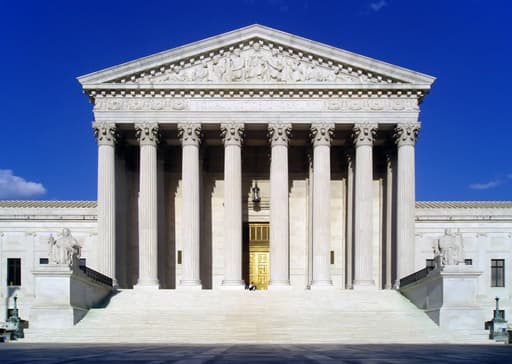
Supreme Court
ORGANIZATION • 2 mentions
Highest court of jurisdiction in the US
Supreme Court - Criminal '
ORGANIZATION
Organization referenced in documents
Supreme Court - Criminal Tent Nem
ORGANIZATION
Organization referenced in documents
Supreme Qintrit
ORGANIZATION
Organization referenced in documents
the Board o Mxaminers
ORGANIZATION
Organization referenced in documents
the Board of Examiners
ORGANIZATION
Organization referenced in documents
the Board of Examiners of Sex Offenders'
ORGANIZATION
Organization referenced in documents
The Board's Recommendation
ORGANIZATION
Organization referenced in documents
the Circuit Court
ORGANIZATION
Organization referenced in documents
the Court of Appeals
ORGANIZATION
Organization referenced in documents
the Court's Level 3
ORGANIZATION
Organization referenced in documents
the Division of Vocational Rehabilitation
ORGANIZATION
Organization referenced in documents
the Division of Youth Affairs
ORGANIZATION
Organization referenced in documents
the Facts Cited Therein
ORGANIZATION
Organization referenced in documents
the Final Determinations
ORGANIZATION
Organization referenced in documents
the Legal Aid Society
ORGANIZATION
Organization referenced in documents
the New York Police Department
ORGANIZATION
New York Police Department
the New York Supreme Court
ORGANIZATION
Organization referenced in documents
the Palm Chapter of the Florida Psychological Association
ORGANIZATION
Organization referenced in documents
The People's Investigation
ORGANIZATION
Organization referenced in documents
the Sable Palm Youth Service Center
ORGANIZATION
Organization referenced in documents
The Sex Offender Registration Act
ORGANIZATION
Organization referenced in documents
the Sheriffs Office
ORGANIZATION
Organization referenced in documents
University of Kentucky Medical Center (Outpatient Psychiatry
ORGANIZATION
Organization referenced in documents
V.I.C.
ORGANIZATION
Organization referenced in documents
Wuesthoff Memorial Hospital
ORGANIZATION
Organization referenced in documents
1st Dep't
LOCATION
Location referenced in documents
Albany
LOCATION
Capital city of the State of New York, United States, and seat of Albany County
Alisdctneattor
LOCATION
Location referenced in documents
Assis
LOCATION
Location referenced in documents
Fresh Del
LOCATION
Location referenced in documents
Iiciaba
LOCATION
Location referenced in documents

Kentucky
LOCATION
State of the United States of America
Kings Cty
LOCATION
Location referenced in documents
L.A. 0
LOCATION
Location referenced in documents
Laurinberg
LOCATION
Location referenced in documents
Lexington
LOCATION
1925 Lexington-class aircraft carrier

Louisiana
LOCATION
State of the United States of America
Lumberton
LOCATION
Location referenced in documents

Melbourne
LOCATION
Capital city of Victoria, Australia

Munich
LOCATION
Capital and most populous city of Bavaria, Germany

New Orleans
LOCATION
Largest city of the state of Louisiana, United States

New York
LOCATION • 2 mentions
Most populous city in the United States
New York City
LOCATION
Most populous city in the United States
New York County Clerk's
LOCATION
Location referenced in documents
New York District
LOCATION
Location referenced in documents
New York State
LOCATION
State in the northeastern United States

North Carolina
LOCATION
State of the United States of America
Palo Alto
LOCATION
City in Santa Clara County, California, United States
People u. Boncic
LOCATION
Location referenced in documents
Redcross
LOCATION
Location referenced in documents
Rockledge
LOCATION
City in Brevard County, Florida, United States of America

Shanghai
LOCATION
Provincial-level municipality in China
Snarler
LOCATION
Location referenced in documents
SOicpfrandetoeseratcir
LOCATION
Location referenced in documents
Southeastern Sheltered
LOCATION
Location referenced in documents
the State of New York
LOCATION
State in the northeastern United States
Triaasaa
LOCATION
Location referenced in documents

U.S. Virgin Islands
LOCATION
Unincorporated territory of the United States of America
U.Y.
LOCATION
Location referenced in documents
West Palm Beach County Jail
LOCATION
Location referenced in documents
Statistics
Pages:100
Entities:192
Sponsored