HOUSE_OVERSIGHT_024817 - HOUSE_OVERSIGHT_024922
Document HOUSE_OVERSIGHT_024817 is a research report from Cowen and Company, LLC, providing an analysis of the global CBD opportunity as of February 25, 2019.
This document from the House Oversight Committee contains a report by Cowen analysts regarding the CBD market. The report includes market size predictions, sub-category analysis, and company-specific discussions. It also lists contact information for Cowen Research and Cowen Washington Research Group analysts.
Key Highlights
- •Cowen analysts estimated the U.S. CBD market could reach $16 billion in sales by 2025.
- •The report mentions specific companies like Canopy Growth (WEED) and Aurora (TLRY).
- •The document lists numerous Cowen analysts, including Vivien Azer and John Kernan.
Frequently Asked Questions
Books for Further Reading



Document Information
Bates Range
HOUSE_OVERSIGHT_024817 - HOUSE_OVERSIGHT_024922
Pages
106
Source
House Oversight Committee
Date
February 26, 2019
Original Filename
Untitled attachment 378163.pdf
File Size
3.36 MB
Document Content
Page 1 - HOUSE_OVERSIGHT_024817
COWEN AHEAD OF THE CURVE? SERIES COWEN'S COLLECTIVE VIEW OF CBD FEBRUARY 25, 2019 11 Cowen analysts across consumer, health care, industrials, and regulatory offer a comprehensive view of the global CBD opportunity. Nearly 7% of adults in our proprietary U.S. survey (n = ~2,500) reported using CBD as a supplement, far higher than we expected. We believe U.S. CBD can conservatively generate sales of $16 bn by 2025. We offer detailed analysis at the sub-category level, as well as company-specific discussions, including Outperform rated WEED, TLRY, and TPB. Cowen Research 646 562 1330 [email protected] Vivien Azer 646 562 1351 [email protected] Equity Research Cannabis Suelu! SI odes Siu, OND “pelgiyoid si yoda siuj Jo UONNQUISIPes peZUOUINeUL “WOd"'USMOI®e]/90 Pees N Y CANNABIS WY COWENRESEARCH COWEN.COM HOUSE_OVERSIGHT_024817
Page 2 - HOUSE_OVERSIGHT_024818
COWEN COLLABORATIVE INSIGHTS February 25, 2019 This page left blank intentionally. 2 COWEN.COM HOUSE_OVERSIGHT_024818
Page 3 - HOUSE_OVERSIGHT_024819
G@i=— COWEN WASHINGTON ~——-:« RESEARCH GROUP COLLABORATIVE INSIGHTS February 25, 2019 m Cannabis COWEN RESEARCH Cowen Research 646 562 1330 [email protected] Vivien Azer 646 562 1351 [email protected] John Blackledge 646 562 1359 [email protected] Andrew M. Charles, CFA 646 562 1332 [email protected] Oliver Chen, CFA 646 562 1424 [email protected] John Kernan, CFA 646 562 1324 [email protected] Phil Nadeau, Ph.D. 646 562 1336 [email protected] Charles Neivert 646 562 1370 [email protected] Jeffrey Osborne 646 562 1391 [email protected] Charles Rhyee 646 562 1376 [email protected] Doug Schenkel 617 946 3918 [email protected] COWEN WASHINGTON RESEARCH GROUP Eric Assaraf 202 868 5304 [email protected] Any portion Of this report prepared by a member of Cowen Washington Research Group is intended as commentary on political, economic or market conditions and is not intended as a research report as defined by applicable regulation. Please see pages 100 to 106 of this report for important disclosures. COLLABORATIVE INSIGHTS COWEN'S COLLECTIVE VIEW OF CBD - AHEAD OF THE CURVE SERIES THE COWEN INSIGHT In a collaboration featuring 11 analysts spanning Cowen's consumer, health care, industrials and regulatory teams, we offer a deep dive on the global cannabis market, with a particular emphasis on the U.S. For consumer goods, we believe the U.S. CBD market could represent a $16 bn opportunity by 2025. $16 bn Consumer Opportunity (Azer, Blackledge, Charles, Chen & Kernan) In our monthly proprietary consumer survey (n = ~2,500) we were surprised to see that nearly 7% of respondents in January 2019 reported using CBD as a supplement. This strong consumer interest is validated by the growing number of brands and form factors that are now available through increasingly diverse retail channels, including Amazon, Sephora and Neiman Marcus. That said, consumption of CBD on-premise will likely take longer, given regulatory uncertainty. And, while our analysis primarily focuses on consumer staples applications for CBD, it is interesting to see a growing number of specialty apparel brands embrace hemp as a sustainable textile. Retail sales of CBD consumer products in 2018 have been estimated between ~$600 mm and $2 bn. By 2025, we believe CBD offerings could conservatively generate $16 bn in retail sales (assuming a ~40% increase in consumer incidence, to 10%, and spend of less than $2 / day). Our bottom-up analysis anticipates a diverse category, that is still led by traditional health & wellness form factors (e.g., $6.4 bn in nutraceuticals, and $4 bn in topicals). And, while likely smaller, we also expect categories like food, beverages, beauty and vapor to all generate sales between ~$1-2.5 bn by 2025. Herein, we offer a detailed look at category brand and pricing architecture in the U.S. CBD market today, as well as detailed discussions of 21 public and private operators that currently have exposure to the category, including Outperform rated Canopy Growth, Tilray and Turning Point Brands, which have all announced plans to enter the U.S. CBD market. The Science of CBD (Nadeau) Cannabis’s therapeutic potential is attributable to the valuable overlap between phytocannabinoids (i.e. plant-derived cannabinoids) and the endogenous cannabinoid system in humans, termed a “therapeutic handshake.” While THC's activity in the body is fairly well elucidated, CBD’s pharmacokinetics are less well understood (no specific receptor for CBD has been identified). Clinical trial results to date demonstrate few adverse effects from oral CBD doses of up to 1500 mg/day or up to 30mg IV. The scientific understanding of CBD’s clinical effects is based mostly on studies in specific indications, like epilepsy. GW Pharma’s Epidiolex (highly potent, pure formulation of CBD) was approved by the FDA in 2018 for the treatment of seizures associated with Lennox-Gastaut syndrome and Dravet syndrome, and other companies (Tilray, MMJ Phytotech, Insys) have clinical trials underway in seizure disorders as well. CBD Hemp Cultivation (Neivert) According to the National Conference of State Legislatures, 41 states have set up cultivation and production programs to regulate the production of hemp. There is little research on CBD hemp cultivation methods as hemp cultivation research historically has focused on fiber and grain/seed. This lack of research, combined with a number of variables that affect hemp for CBD yield, makes hemp for CBD cultivation much more art than science at this point. That said, no other crop in the U.S. offers the type of return of the CBD Plasticulture Model, and we would thus expect the country's two largest crops, corn and soybeans, to lose some acreage to CBD hemp. COWEN.COM HOUSE_OVERSIGHT_024819
Sponsored
Page 4 - HOUSE_OVERSIGHT_024820
COWEN COLLABORATIVE INSIGHTS February 25, 2019 Synthetic Biology Provides Alternative Cannabinoid Production Method; Life Science Tools Well Positioned To Benefit From QA/QC Testing Opportunity (Schenkel) As an alternative to cultivation-based methods, cannabinoids can be produced using either chemical or synthetic biology approaches. Synthetic biology methods, which harness fermentation to produce cannabinoids, are particularly attractive considering they can potentially produce a variety of cannabinoids while being highly scalable, efficient, and environmentally friendly. While QA/QC testing standards for CBD currently vary greatly by state (if any exist at all), we expect Life Science Tools companies to benefit from this nascent market opportunity as testing regulations are implemented and standardized. Similar to medical/ recreational cannabis testing, instruments such as mass spectrometers and liquid/gas chromatographs are utilized to analyze CBD samples. Key vendors for mass spectrometry and chromatography instruments include Agilent, Danaher (SCIEX), PerkinElmer, Shimadzu, Thermo Fisher, and Waters Corporation. CBD From a Retailer and Payor Perspective (Rhyee) Healthcare: Drug Retailer Perspective: CBD products appear to be gaining traction with independent pharmacies, many of whom are already selling or planning to sell CBD oils. Independent pharmacies likely find the high-margin profile of CBD oils attractive, which we suspect is similar to those of more traditional over-the-counter drugs, as well as the differentiation it affords independents relative to larger chain pharmacies. For those selling CBD oils today, the focus is on quality, particularly as it relates to bioavailability. Large pharmacy chains, such as CVS and Walgreens, don’t currently sell CBD oil, but WBA noted it is monitoring the CBD market. Healthcare: Payor Perspective: Generally speaking, managed care does not cover OTC products, with the same being true for Medicare and Medicaid. Based on our conversations with a number of payors, whether CBD oils will be covered as a medical benefit by government sponsored health programs is determined by the Center for Medicare and Medicaid Services (CMS) and state governments. Currently, CBD products are not a covered benefit, or an extra benefit, that has been approved by CMS or states, and it isn’t known at this time whether CMS or states governments are considering reimbursement for CBD products. Separately, Payors noted three factors complicating commercial coverage of CBD oils, including (1) legal issues, as CBD oils derived from THC (cannabis) isn’t legal if it contains equal to or more than 0.3% THC; (2) lack of regulation by the FDA; and (3) its availability as an OTC medication. 4 COWEN.COM HOUSE_OVERSIGHT_024820
Page 5 - HOUSE_OVERSIGHT_024821
COWEN COLLABORATIVE INSIGHTS February 25, 2019 Global Landscape (Azer) 2 While the global regulatory landscape varies, the CBD category outside of the U.S. has been evolving rapidly, with more change likely to come with the WHO's current evaluation of CBD, as well as its recent addition to the EU's Novel Food Catalogue. In Europe, CBD products are now widely available in markets like the U.K., Italy and Switzerland, though regulations vary with Italy allowing for “cannabis light" products, with allowable THC of as much as 0.6%, while in Switzerland CBD products can have as much as 1% THC, and are classified as a tobacco substitute. In Latin America, hemp has been in production since the 1500s is also rapidly expanding their regulatory frameworks around marijuana and hemp. Canadian licensed producers have been actively entering the market in Latin America to capitalize on this evolving opportunity, including Canopy Growth, Tilray, Aurora and Cronos. Regulatory Outlook (Eric Assaraf - Cowen Washington Research Group) The 2018 Farm Bill declassifies industrial hemp as a Schedule | substance, shifts regulatory authority from the DEA to the Department of Agriculture, and provides autonomy for states to regulate the industry. However, the new law does not change the FDA's oversight authority over CBD products and FDA Commissioner Scott Gottlieb has made it clear that his agency will continue to step in when certain health claims are made. Additionally, FDA has stated that CBD cannot be added to food products sold across state lines or marketed as a dietary supplement, regardless of whether it is hemp-derived. The FDA will explore new pathways for CBD to be sold legally; however, it seems clear that there will be a period of regulatory uncertainty over CBD products at the state and federal level. COWEN.COM 5 HOUSE_OVERSIGHT_024821
Page 6 - HOUSE_OVERSIGHT_024822
COWEN COLLABORATIVE INSIGHTS February 25, 2019 oO TABLE OF CONTENTS Consumer Products Market SiZimg (AZCL) .o.cccccccsssssecssssssssssssessccssssssessccssssssssseesasssssssscesatssssssseesassssssseesassssssssessasssssssseseessssssseceseessssssecseseussiusececeesssiueceeeeansseees 8 The Science Of CBD (NACCAU) oo... eeceecccescsscssseessseesssessssescsseeseessssecesncesesssrvesssvecsusessessssvcesnsesevesssesssnessussareessusesusssrvesssvessnessessssesssnsesaussresssssesneesreessirsesnesseeeeseeeeees 10 CBD Hemp Cultivation (N@IVEFT)......ccccccccsssssssssssssssssssssscssssssssseecassssssscssesssssvsssesssssssssessnssussseesanssusssseesasssusssseeeatssussseessersssssssessessasisseeesessnssueceseeansneseeesan 41 Synthetic Cannabis (SCHENKEl) oo... ccccccsssssssssssscsosssssssssccansssssseesassssssssessesssssssssecesssssssssscessnssvssssesanssvssseesanssussseeeeatssssssseesesssssssseseessssisseesseesnssueceseeansseseeeean 17 Life Science Tools Participation In The Legal Cannabis Market (ScHENKE!) ......cccccccccscssssssssssssssssssssecssssssssssscsscsssssssscssesssssssseccesssissssesesasssssseceeasssenesees 22 Consumer Products Opportunities (AZEL) ....ccccccssssssssssssssssssesssssssssssessesssssssssceessssvsssesessnsssssseessnssusssseesanssuisseesassssssseessessssssssessessnsissesseesssssececeeansiwseeeeas 24 NUUPACCUTICAS oo... secs eecsseeessseeesssnessssnessrsnecsrsneesesseessvseesssscesnsecsnseecsuseecsnseessnseersnsesssnsessansesssnesrsnessesneesrsnecsnsneesnseeesnsteesnurecsnseecsutessneessnseersneesraneessintestintesrantesnens 28 TOPICAS ooo ecceecseessssecsssecsnscsssesessseansesnseessssennscsnscsssscesnscsnssssseesssscansesnseessseeansesnssassseesusssnsesrssessuacansesnseesuseeansssnseessseeansesnscssseeesueansesneeeesseesnesnseesseeeaneesneesreneeneeanees 35 Slee cs eee eee ee ee ee 38 Bottled Water oun... eccsecssessssnessssnessssnessrsesssseesrstessvsecsnseecsnsseesnseessustecsnseessnseessnsesesnsesssnsesssnsesranesrsntesroneesnsseesnvecesnsneesnaressueessneessnseeranseetaneeeransesenneesnansesraneesrens 39 Emery Dri ones eecceecsssscsssecsseessseessscesnsesssecssscesnscsasessseessscsnsessseceuscansesnsecssseeanscsnsesssseesnscansesnseesssesansesnscessseeanscsnscsrscesuneeansesnseesuseeansessssessseenieesneesseesiteeaneeaneeets 40 BOOT scesersnsseecrenneracenreersnaeeverneerennreaneravennreerseareve rere ea ameret me eR Neye rere Seer RE TE Er nrrEEeRR RoR mR ERE rE OTE eRe rN EES 41 BOQULY o..cececccecssessecssessssesncsncesneesscesecssssnsssnsesnscsneessceuscesssrsssnsesnsesnsesnseuseesscesesrassnsssnsesnseunceuscesecesssrstsnsesnscsnsesueesecesecrassesesnsesnsesnseaeeueeeseerecsuassnsenseaneeuteenetretseesenseets 44 FOO (COMPECCIONS) 0... ceccecscsesssseesssecsssessecesssesssssesevesssesssucssuscsrvessuvecsnsesasessuesssuesasesrsesssnsesussssesssvessusesesssssestsnsesisssiessisesutsareessivstanessitsssinstaeestesriestinseaeeseeets 49 VAPON oes eeceesseessnecsnecsecenecsscssscsnscsnsesnscsnsesnceseceseassssnsesnsesnseaneesuceuecssearsssnassnsesnsesneesuceuecestsrassnsssnsesnsseneeuecesecesesressnsssnsesnseaneeueeueesseseassnsesnseaneeaueeeneeeeesetsretsneeenseaneeenees 51 The CBD Competitive Landscape — Public/Private Company Discussions (AZEM) oo... cccccccccccccessssssstsssseeseecececessnsssstanmsesseseeceeesenssssssutseseeseeesenee 54 Publicly Traded Companies ooo... ceccescssessecsssssssessssecsssessnscssseesssecanscsnsecssseensscsssesssseensscansesnseessseeansssnscessseeansssusesrseeesneeansesnseessseeansesussereseenieesseesrseesteeeaneeaneeets 54 Canadian LP COMMENtALrY ON CBD oa. cecsececscssssecsssecsssesssesssneesnsesnseessscesssesuseesssceunscsnsesrsseeusscansesuseessseeansssnseessseeassssssesrseesssesnsestaceeuseeansesnecesueeaneesneeseeeeeaee 57 BO ri GAIT RIGS rccenueermeosevssperreeresnneayenveeaneneiesumrerneeeenene anveremee meee eereneeencee weeemmnenre reer mate e nT mrES ere 58 Private COMPANIES «0.0... eececcecssecseessesssessutssnscsnsesscesccesecssssnsesnsesnseancesscesecesecssssnsesnsesnsesucesscesecesssrstsnsesnscsnsesueesecesecrsssssssnsssnsesnseaseeuseeseerecsnassuseenseaneeuceeneteenseetenseets 61 Health Care: Drug Retailer Perspective (RAYCE) ......cccccccccsssssssssssesssssussssesssssusssscesassssssseesasssusssseesasssssssaessesssssvsseesesssssssecssessnsssseacessnsisuesesanssssueceeansnesssees 63 Health Care: Payor Perspective (RAY€C) ......ccccccccccssssssssssssssccssssssssscecsnssssssseessnssusssseesasssussseesansssssseesasssssssseseasssssvssessesssssuseeesesstssssuceceeunsnustseeanssesseseeanssesveees 64 Health Care: Provider Perspective (RAYCE).......ccccccccsssssssssssssssssesssecssssssssscesssssssssscesasssssssseesassssssseessasssssssscesessnsssseesssesusssssceesssnsssseteceesnsssssseeeeatssuusesceanssesesees 64 eCommerce To Be A Key Consumer Distribution Channel Long Term (Blackledge) .........cccccccssssssssessssssssssssssssessessssssssessessssssssesseessssuesesesansieeeeeean 65 Cannabidiol (CBD) Entrance Into Mass Retail May Start In Beauty Before Entering Broadlines (CHEM) .........ccccccccsssssssseesscssssseesssessnsseeeeeen 69 Growing Application For Hemp And CBD Within The Apparel & Footwear Market (Kerman) .......ccccccccssssssssssscsssssssesscsssssseecessnssusesesansseneeeean 70 We Would Expect Starbucks To Be First Under Our Active Coverage To Pilot CBD Oil, Though Not In Near Term Plan (Charles).............. 74 Regulatory Considerations For CBD (Assaraf — Washington Research Group) w.......ccsssssesssssssssssssessscsssssssessessssssssessessssssssscesssssssssssesanssssseseeanssenesees 75 Global CBD Landscape (AZOP)...ccccccsssccscssssssssusssssesosssusssseessnsssssseeesassssssssessesssssssseesessassssssecessnssvsssasesanssssssseesanssussseeseatsssssseeecessussssseseeesasisseeeseesnssuecesesansieseceean 79 PURODGSA LE NASGA DG esc seserreeresnaeenveeamnencemrereeenene anvermeenremeerneneer a remmnene eer ete nr mre Ere 80 Latin American Landscape oon... cecceecsescsssesssssssssesssscessscsssesrsecesnscsnsesnseesssscansesnsecsssesansesnsesrseesnscsnscssseessscansesnscessseeansesnseessseeanscsnsesnsceesseeanseseseeticeeaneeaneeereneeaee 84 Additional Applications / Implicatioms (Nadeau & OSDOFME) ...cccccccceceseseesessesseseesececersvssssnnsnssceseeceeecensssssnnnmnmseseseececersnssstnsummseseseeceeetenssssnsuuseseeeeeesetee 87 Epilepsy & Psychiatric Comditioms (NAG@AU) .oa...ecccccccccsssssssesssescsossssssssessasssssssessasssssssscssesssssssseeeessassssateseessssssssecessnssvsssscessnssususseesansssissesesanssussesesansienesees 87 ndustrial Hemp And Sustainable Bioproducts (OSDOFME) .....ccccccsssssesssssssssesssssecssssssssecesassssssseecassssssssessassssssseeessesussssseseeesssiseteseesssiseteseeansssceeeeanssees 94 ADDON IX... .seesececsseccssessssecsssscsssesssesssscensscsnscsrsseesnscsnsessseesssseunscsnsecssseeunscsnsesssessnscsnsesuseesssecansesuseesssceusscsnsesrseesssscausesuseceuseeansssnsesssseeassesssesiseessueeansesnscesiseeaneesneeeeeeeenee 96 6 COWEN.COM HOUSE_OVERSIGHT_024822
Sponsored
Page 7 - HOUSE_OVERSIGHT_024823
COWEN COLLABORATIVE INSIGHTS February 25, 2019 2 COWEN’S COLLECTIVE VIEW OF CBD In a collaboration featuring 11 analysts across Cowen’s consumer, health care, industrials and regulatory teams, herein we offer our outlook for the global CBD market, with a particular focus on the U.S. While little science exists supporting medical efficacy of CBD (with the exception of seizures, which GWPharma was able to prove with Epidiolex for Dravet syndrome and Lennox-Gastaut syndrome, as discussed in more detail herein), the popularity of CBD products seems to be growing exponentially in the U.S. Indeed, our consumer survey work suggest that close to 7% of adults in the U.S. already use CBD as a supplement. With the category gaining increasing interest from consumers we have seen a swell in product innovation. And, the opportunity is increasingly drawing the attention of larger competitors (where for instance, WEED announced that they would consider spending as much as $500 mm in U.S. hemp / CBD). By 2025, we estimate that the U.S. CBD market could approach $16 bn (from $600 mm -S2 bn in 2018}. Herein, we offer our views of: 1. Consumer Products Market Sizing (Azer) 2. The Science of CBD (Nadeau) 3. The Hemp / CBD Supply Chain: From Cultivation to Extraction (Neivert & Schenkel) 4. Consumer Products Opportunities (Azer) 5. The CBD Competitive Landscape - Public and Private Company Discussions (Azer) 6. Consumer Discretionary Retail and Brand Opportunities Across: a. Pharmacy (Rhyee) b. E-Commerce (Blackledge) c. Broader Retail (Chen) d. Specialty Brands (Kernan) 7. On-Premise Consumption Opportunities (Charles) 8. U.S. Regulatory Outlook (Assaraf, Krueger, Seiberg & Weissenstein) 9. Global CBD Landscape (Azer) 10. Additional Potential Opportunities for Hemp / CBD, Including a. Pharmaceutical Applications (Nadeau) b. Industrial Applications (Osborne) COWEN.COM 7 HOUSE_OVERSIGHT_024823
Page 8 - HOUSE_OVERSIGHT_024824
COWEN COLLABORATIVE INSIGHTS February 25, 2019 Consumer Products Market Sizing (Azer) In our proprietary Cowen consumer survey (~2,500, 18+ respondents), we found that in January 2019 close to 7% of respondents indicated that they use CBD as a supplement. While this is only the first month’s reading of the data (which can fluctuate from month to month), this initial response piqued our interest considerably, as it was much higher than we would have suspected. Indeed, to put the 6.9% incidence rate in context, that compares to JUUL use of 4.2%, and 19.6% of consumers that consider themselves a current tobacco user, per our survey. From a user perspective, category engagement not surprisingly skews younger, with use among 18-24 and 25-34 year olds at over 9%, while it is below 4% for consumers 55+. Figure 1 CBD Use Over-Indexes to Consumers Aged 18-34 Do You Use CBD as a Supplement? 10.0% 9.2% 9.5% 7.8% 8.0% 9 — 6.4% 6.0% 4.0% 3.7% . co} 2.0% | 0.0% Total 18-24 25-34 35-44 45-54 55+ Source: Cowen Survey, n=~2500, January 2019 While the category remains nascent (with revenue estimates ranging from $600 mm to S2 bn in 2018) it seems clear that the abundance of choice, which we discuss in more detail herein, has been a key driver of that consumer engagement. In particular, we were surprised to see that beverages already account for close to 20% of reported form factor use, given that this segment is among the newer offerings in the market place. Meanwhile, tinctures, which were arguably one of the original delivery systems, has a dominant 44% share. Figure 2 Tinctures Are the Most Popular Delivery Mechanism CBD Form Factor Use Other, 20.9% __ Beverages, 19.2% Capsules, 22.1% Tinctures, 43.6% Topicals, 26.2% —-—~ Source: Cowen Survey, n=~2500, January 2019 Note: Users had the option to choose multiple form factors COWEN.COM HOUSE_OVERSIGHT_024824
Page 9 - HOUSE_OVERSIGHT_024825
COWEN COLLABORATIVE INSIGHTS February 25, 2019 While we are keen to gain more insights into the evolving use of CBD in the coming months from our survey work, this initial snapshot offers a framework for sizing the ultimate CBD opportunity. With growing consumer awareness, we conservatively believe that CBD use can grow to 10% of adults in the U.S., or ~25 mm consumers (using current population) by 2025. If we assume that the average consumer ultimately spends $640 per year (or less than $2 / day), that would imply a $16 bn market opportunity for CBD. We would note that using the U.S. Census 18+ population projection in 2025, a 10% incidence rate would equate to just over $590 in annual spend to achieve $16 bn. Conversely, holding the $640 in spend constant with the U.S. Census forecasted population would result in over $17 bnin revenues by 2025. 2 That said, we view this estimate as somewhat conservative, as we can envision a scenario where a consumer that uses a CBD tincture or capsule, may also be inclined to convert his or her beauty regimen to include CBD (e.g., CBD infused beauty products), and or use a topical for targeted relief as well. Our $16 bn estimate assumes the following category contributions: Figure 3 We Believe CBD Can Be a $16 BN Revenue Opportunity in the U.S. by 2025 NUTRACEUTICALS $6,400 TOPICALS $4,000 S16BN CBD REVENUE OPPORTUNITY Se BEAUTY $1,120 BEVERAGES $2,400 Note: $ in mm unless otherwise stated. Source: Cowen and Company COWEN.COM 9 HOUSE_OVERSIGHT_024825
Sponsored
Page 10 - HOUSE_OVERSIGHT_024826
COWEN COLLABORATIVE INSIGHTS February 25, 2019 - The Science Of CBD (Nadeau) The Endocannabinoid System Cannabis’ therapeutic potential is due to this valuable overlap between phytocannabinoids (i.e. plant-derived cannabinoids) and the endogenous cannabinoid system in humans, termed a “therapeutic handshake.” However, though THC’s activity in the body has been fairly well elucidated (it acts through G-protein coupled cannabinoid receptor 1 and cannabinoid receptor 2), CBD’s pharmacokinetics are less well understood (no specific receptor for CBD has been identified). The scientific understanding of CBD’s clinical effects is based mostly on studies in specific indications, like epilepsy. GW Pharma’s Epidiolex (highly potent, pure formulation of CBD) was approved by the FDA in 2018 for the treatment of seizures associated with Lennox-Gastaut syndrome and Dravet syndrome, and other companies (Tilray, MMJ Phytotech, Insys) have clinical trials underway in seizure disorders as well. Additional possible indications for CBD products include autism spectrum disorders, psychiatric conditions, diabetic neuropathy pain, fibromyalgia, chronic pain, and back pain; clinical trials in these indications are underway. Clinical trial results to date demonstrate few adverse effects from oral CBD doses of up to 1500 mg/day or up to 30mg IV. Specifically, CBD studies have not reported effects on blood pressure, heart rate, or respiratory rate, and no negative changes in mood or psychomotor slowing. Some studies (such as GW’s in Epidiolex) have shown side effects resulting from high doses of CBD (~2g/day) inhibiting hepatic drug metabolism, prompting increased blood levels of some background medications. Additionally, in vitro studies have shown CBD to be pro-apoptotic in lymphocytes and to inhibit IL8 and IL10 production, suggesting that it may suppress the immune system. However, though unknowns remain, the summation of pre-clinical and clinical data suggest that the compound is safe at typical doses seen in over the counter products (5-10mg). — Additionally, other cannabinoids (found in CBD distillate) have been discovered that may have differentiated pharmacological effects. For example, cannabidivarin (CBDV) may have differentiated anticonvulsant effects, tetrahydrocannabivarin (THCV) may have anti-diabetic and appetite suppressant effects, cannabidiol-acid (CBDA) may have anti- nausea effects, and bannabigerol (CBG) may have anti-cancer effects. Further research is needed to elucidate the clinical effects of these compounds. 10 COWEN.COM HOUSE_OVERSIGHT_024826
Page 11 - HOUSE_OVERSIGHT_024827
COWEN COLLABORATIVE INSIGHTS February 25, 2019 CBD Hemp Cultivation (Neivert) 2 2018 Farm Bill Legalizes Commercial Cultivation of Hemp: The 2018 Farm Bill legalized industrial hemp at the federal level removing it from schedule | status under The Controlled Substance Act. The bill defines industrial hemp as a variety of cannabis with a THC concentration of </=0.3% and allows farmers to grow and sell hemp under state regulation. According to the National Conference of State Legislatures, 41 states have set up cultivation and production programs to regulate the production of hemp. (CT, ID, SD, IA, OH, TX, LA, MS and GA do not currently allow hemp cultivation.) Hemp is currently being grown under state Industrial Research Pilot Programs. Once USDA rules are released, pilot programs may end in favor of USDA rules and rules of state programs approved by the USDA. Prior to the 2018 Farm Bill, the 2014 Farm Bill allowed universities and state departments of agriculture to conduct hemp research under Agricultural Pilot Programs in an effort to evaluate industrial hemp as a commercial crop. The bill allowed states to begin research on best methods for hemp cultivation. Cultivation Practices Of Hemp Dependent On Intended Harvestable Component Hemp is grown for fiber, grain/seed and floral materials with different varieties of hemp planted for each component. Fibers are used in rope and textiles, grain is used in human food (not legal for animal feed), pressed seed oil from grain is used like sunflower seed oil, and oils, including CBD, are removed from floral materials for health supplements. Cultivation practices differ for fiber, grain/seed and CBD in an effort to maximize the yield of the desired harvestable component. U.S. states have conducted pilot programs in recent years to help gain a better understanding of best practices. Limited Research Available On CBD Hemp Cultivation There is little research on CBD hemp cultivation methods as hemp cultivation research historically has focused on fiber and grain/seed. This lack of research, combined with a number of variables that impact hemp for CBD yield, makes hemp for CBD cultivation much more art than science at this point. Cultivation methods have been described as all over the map. That being said, we detail methods from recent academic research studies and conversations with industry participants below. (The University of Kentucky and University of Vermont have both conducted research in CBD hemp cultivation in recent years but further research is needed for conclusions regarding proper production techniques.) Hemp CBD Cultivation Steps: e §=© Obtaina license. Growers must obtain a grower license from their state department of agriculture for the specific type of hemp they want to grow. e Find a buyer/processor. Growers then need to find a buyer/processor for their harvest as crops can only be sold to licensed processors. e Source seeds or clones. The grower must acquire seeds or transplants. Clones (rooted cutting of a plant) can be used instead of seeds. The key factor in selecting seeds or clones is understanding which strains produce flowers with high CBD concentrations while keeping THC at </=0.3% since CBD and THC are positively correlated which caps the CBD level. (A crop that exceeds 0.3% THC COWEN.COM 11 HOUSE_OVERSIGHT_024827
Page 12 - HOUSE_OVERSIGHT_024828
COWEN COLLABORATIVE INSIGHTS 12 February 25, 2019 will be destroyed.) Seeds that are certified (sold by domestic and international hemp seed distributors) contain </=0.3% THC or produce hemp with </= 0.3% THC. CBD is more concentrated in female flowers (3%-6%) compared to male flowers making male seeds unwanted. Unfertilized female flowers have been found to produce higher CBD levels than female flowers fertilized by male plants making male seeds unwanted in a production field. We note that seed mix (male and female) costs are significantly lower than feminized seed costs (incremental work is needed to increase the supply of feminized seeds). Conversations with industry participants indicate that clones (first grown in a greenhouse and then transplanted to the field) are becoming more common as they provide a cheaper path to all female flowers in the field. Retail clones can cost $4-$7 each and can be produced for $3 each with access to a greenhouse. Test soil for contaminants. We note soil that has been used for corn production has been cited as supportive for maximizing hemp yields. Water System Installation. A drip irrigation is most effective way to water hemp as it allows roots to breathe and conserves the most water. Pesticides: Currently, pesticides are illegal for industrial hemp cultivation which makes plastic mulch an important step. So far, disease pests and insects have not been found to significantly impact yields. Fertilizer. Fertilizer requirements similar to wheat are considered adequate with nitrogen the most critical. Planting. Adequate soil moisture and temperature (>/=50°F), which influences timing for planting, is recommended for successful germination. Industrial hemp can be planted in late April in Kentucky and late June in Vermont. Planting depth for seeds should be ~0.50 inches. Female seedlings, started in a greenhouse approximately 6 weeks prior to planting, or transplanted female clones (planted with root structure), can be planted into black plastic outdoors to control weeds. 5 ft x 5 ft plant spacing has been found to be ideal and results ina population of 1,742 plants per acre. Harvest. Average time to harvest a 6 inch clone is 90-120 days, Flower buds from outdoor plants are removed by hand or using a debudder machine after using a chainsaw or lopper to cut the plant down. Flower bud harvest is labor intensive and can take ~30 hours per acre. Flower buds in a UVM study were dried at 80°F for 18-36 hours until dry enough for storage without molding. Indoor storage requirements creates a production challenge. As with most crops, variations in yield can result from variations in genetics (variety), soil, weather, and other growing conditions. Testing. State Departments of Agriculture conduct field and greenhouse inspections for THC levels, which is the only way to separate hemp from illegal cannabis. Crops that test >0.3% THC will be destroyed. COWEN.COM HOUSE_OVERSIGHT_024828
Sponsored
Page 13 - HOUSE_OVERSIGHT_024829
COWEN COLLABORATIVE INSIGHTS February 25, 2019 Wide Range Of Returns On CBD There is little data on economics for hemp CBD cultivation given wide range of outcomes that can result on the seed vs clone decision (CBD levels vary for each and will impact cost), as well as the type of production model used. The University of Kentucky (College of Agriculture) recently published six budget models for industrial hemp producers. Four of the six budgets address CBD hemp, with a separate budget for grain and another for fiber. We highlight the University of Kentucky’s CBD Plasticulture budget model below since it is the most profitable and will likely be the most commonly implemented. We note all four of the CBD hemp models indicate a positive return above variable costs per acre while hemp grain and hemp fiber do not reach breakeven due to low pricing for both harvestable components. University Of Kentucky’s Budget Assumptions For CBD Plasticulture: e Dry matter yield per acre: UK estimates 1,200 Ibs of dry matter yield produced per acre based on 1,500 plants per acre (recall 5 ft. 5ft. allows for up to 1,742 plant per acre) and 0.8 Ib of dry matter yield per plant (yield per plant can range from 0.5 Ib-1.5 Ibs). e Gross return per acre: CBD concentration and price per % are the factors that determine the price of dry matter yield/Ib. In the below example, 6% CBD% * $5.00 per % = $30/Ib. Gross return per acre is then calculated by multiplying dry matter yield/lb by dry matter yield/acre (1,200). e Variable cost per acre: 72% of variable cost per acre is for clone transplants for 1,500 plants at $5.00 each. Other notable costs include planting, plastic to protect against weeds, drip line for water, harvesting costs, cash rent and application/test fees. We note clones currently can range from $3.50-$5.50 per plant. Clones have become more common than seeds in Kentucky as they offer an easy way to produce female plants. A seed mix may be cheaper but would include male seeds than can potentially pollinate female seeds and negatively impact CBD concentration which influences pricing for dry matter yield. Feminized seeds are an option but will likely be the most expensive option. We note that the model assumes outdoor production rather than greenhouse production since a greenhouse is efficient for clone production (then transplanted to the field) but prohibitive for plant production. COWEN.COM 13 HOUSE_OVERSIGHT_024829
Page 14 - HOUSE_OVERSIGHT_024830
COWEN COLLABORATIVE INSIGHTS February 25, 2019 - Figure 4 - CBD Plasticulture Model - University of Kentucky CBD% Price per % Dry Matter Yield Gross Returns Per Acre Transplants (clone} Fertilizer -Nitrogen (urea) -Phosphorus (P205} -Potassium (P20) Planting/Setting Black Plastic/Drip Line Harvest Cost Cash rent Application & License Fee Lab Test Other $36,000 $36,000 plants $5.00 $7,500 unit $0.47 $47 unit $0.60 $18 unit $0.38 $17 plants $0.20 $300 acre $515 $515 hrs $12.50 $405 acre $300 $300 per year $400 $400 $300 $300 $669 Total Variable Cost Per Acre Margin Over Variable Cost Per Acre Source: hemp.ca.uky.edu, Cowen and Company 14 Sensitivity Analysis For CBD Plasticulture Model. As shown below, there is a significant change in return for every $1 change in price per CBD%. A deterioration of this pricing with no corresponding change in cost would impact CBD production. Breakeven for the model above is ~$9/Ib for dry matter yield compared to the $30/Ib used to calculate the margin over variable cost per acre used. While price % CBD can fluctuate, the second factor determining the dry matter yield/Ib price is CBD%. Figure 5 - Sensitivity Analysis Price per% CBD Total Revenue Returns Above Variable Costs $43,200 $36,000 $28,800 $21,600 $14,400 $7,200 Source: hemp.ca.uky.edu, Cowen and Company CBD Hemp Clearly An Attractive Option For Growers. No other crop in the U.S. offers the type of return of the CBD Plasticulture Model. We would expect the two largest crops in the U.S.: corn and soybeans to lose some acreage to CBD hemp, though given corn and soybean area planted was 89.1M and 89.2M acres respectively in 2018. (Total planted acres in the U.S. is ~320M acres.) COWEN.COM HOUSE_OVERSIGHT_024830
Page 15 - HOUSE_OVERSIGHT_024831
COWEN COLLABORATIVE INSIGHTS February 25, 2019 Figure 6 - 2017 Production Less Operating Costs Per Acre (Cash Grower Margin/Acre} Corn Soybeans Gross Value of Production Operating Costs Seed 2 Fertilizer Chemicals Other Operating Costs Total Operating Costs Cash Grower Margin Source: USDA, Cowen and Company Kentucky Hemp Growth Provides An Indication For Near-Term Acceleration Figure 7 shows hemp production in Kentucky under Kentucky Department of Agriculture (KDA) Industrial Hemp Research Pilot Program. The figure shows the increase in planted acres in 2018 (Sept) as well as the shift toward CBD as a percentage of total hemp (planted acres for CBD rising to 4,121 acres in 2018 from 864 in 2017). In 2018, there were 158 greenhouses in Kentucky representing 764,000 sq. ft., which is included in the 2018 acreage below. (Note 1 acre = 43,560 sq. ft.) On January 22, 2019, the Kentucky Department of Agriculture approved 1,035 applications to cultivate up to 42,086 acres of industrial hemp in 2019, up from 16,100 acres in 2018 and 33 acres in 2014, which was the first growing year. (67 acres of greenhouse space was also approved for hemp cultivation.) We note that of the 16,100 acres approved in 2018, less than half (6,700) was planted. Figure 7 - Kentucky Department of Agriculture Industrial Hemp Research Pilot Program Approved | Approved | Approved Planted | Harvested | % of Grain % CBD & % Grain & Production Year | Processors | Growers Acres Acres Acres or Seeds % Fiber % CBD Grain Fiber - 33 - 2018 (Sept) 2019 Source: kyagr.com/hemp, Cowen and Company Outlook For Growth The expected growth for hemp is supported by the economics offered. However, there are limitations related to required cultivation methods. Conversations with industry experts estimate planted hemp acres in 2019 could reach 200,000, up from 78,176 in 2018. The growth is supported by expansion like Kentucky's and new states entering the market (only 23 states participated in 2018). COWEN.COM 45 HOUSE_OVERSIGHT_024831
Sponsored
Page 16 - HOUSE_OVERSIGHT_024832
COWEN COLLABORATIVE INSIGHTS February 25, 2019 - Figure 8 - U.S. Planted Hemp Acres - 2017 and 2018 North Carolina North Dakota Minnesota Pennsylvania Maine Oklahoma South Carolina Massachusetts Indiana Hawaii Nebraska “Includes 232 acres of greenhouse or indoor cultivation Source: votehemp.com, State Departments of Agriculture, Cowen and Company Challenges For Growth We see several issues that we expect will moderate growth of hemp CBD in years to come. As a commodity, we see economics diminishing as CBD supply rises with increased acres along with higher costs for seed from increased seed demand. We also see a lack of best practices for cultivation, storage restrictions and uncertainty about the consistency of seeds/clones available increasing the probability that yields are compromised. 16 COWEN.COM HOUSE_OVERSIGHT_024832
Page 17 - HOUSE_OVERSIGHT_024833
COWEN COLLABORATIVE INSIGHTS February 25, 2019 Synthetic Cannabis (Schenkel) 2 The Broad Spectrum Of Cannabinoids Cannabinoids fall into three main types: (1) endogenous cannabinoids, which are produced naturally in the bodies of humans and animals; (2) phytocannabinoids, which are isolated from plants; and (3) synthetic cannabinoids, which are produced in the laboratory and may have some structural deviations from the naturally occurring molecules. Of the three types, phytocannabinoids have garnered a lot of interest because of their therapeutic and recreational potential. For example, Marinol and Syndros, which the FDA cleared for the treatment of anorexia associated with weight loss in AIDS patients, include the active ingredient dronabinol, a synthetic delta-9- tetrahydrocannabinol (THC) which is considered the psychoactive component of marijuana. In June 2048, the FDA approved an oral formulation of cannabidiol (CBD), Epidiolex, which GW Pharmaceuticals PLC developed for the treatment of seizures associated with two rare and severe forms of epilepsy in children. n addition to THC and CBD, more than 100 other phytocannabinoids have been identified from the cannabis plant. This includes lesser-known compounds such as tetrahydrocannabivarin (THCV), cannabigerol (CBG), and cannabichromene (CBC). The broad spectrum of phytocannabinoids can bind to a range of different receptors in the human body and induce a wide variety of pharmacological responses. However, due to the limited research into these varying effects, a full understanding of the role of each cannabinoid compound is still poorly understood. With that said, some of the most studied roles are listed in the table below. Figure 9 Approved & Potential Medicinal Roles Of Selected Phytocannabinoids Cannabinoid Percent Of Total Role Cannabinoid Content Tetrahydrocannabinol 15-35% e — Psychotropic (THC) e FDA-approved as appetite stimulant for people with AIDS and antiemetic for people receiving chemotherapy e —_ Alleviates neuropathic pain, spasticity, overactive bladder, and other symptoms Cannabidiol 1-12% e FDA-approved for treating rare seizure disorders (CBD) e — Chronic pain treatment e _ Being studied for treatment of anxiety, post-traumatic stress disorder, pain, schizophrenia, Parkinson’s disorder and Huntington’s disorder Tetrahydrocannabivarin | <1% e —_ Potential anxiety relief (THCV) e Potential appetite suppressant Cannabigerol <1% e —_ Potential anti-inflammatory (CBG) e ~—— Potential anti-cancer Cannabichromene <1% e —_ Potential anti-inflammatory (CBC) e ~—_- Potential anti-cancer e —_ Potential GI motility modulator Source: Cowen and Company COWEN.COM 17 HOUSE_OVERSIGHT_024833
Page 18 - HOUSE_OVERSIGHT_024834
COWEN COLLABORATIVE INSIGHTS 18 February 25, 2019 Need For Alternative Methods To Produce Cannabinoids Cannabis plants can exhibit wide variation in the quantity and type of cannabinoids they produce. However, cannabinoids are only produced in limited quantities regardless of the strain; in total, cannabinoids account for <1% of the dry weight of the cannabis plant. Selective breeding has led to strains of the cannabis plant that produce relatively large amounts of the intermediary forms of THC and CBD. While THC content varies substantially among cannabis strains, it generally represents 15-35% of the cannabinoid content of the plant, and CBD is typically 1-12%. The relative abundance of these compounds have allowed them to be well studied and their diversity of applications have created a large commercial market. After THC and CBD, the remaining cannabinoids are found only in trace amounts in the plant. Compounds such as THCV, CBG, and CBC have elicited therapeutic interest, but because they are only present in minute amounts they have been difficult to extract and purify and impossible to produce at commercial scale. This has limited their study up to this point. Alternative Methods For Producing Cannabinoids To combat the limited availability of cannabinoids using cultivation-based methods, alternative approaches have been developed that use chemical and biotechnological synthesis to produce cannabinoids. Chemical Synthesis Chemical synthesis methods use organic chemistry to produce cannabinoids; however, the process has several drawbacks. Chemical methods have largely failed to be cost effective for commercial scale cannabinoid production because of the complexity required to produce the cannabinoid molecules, and extensive purification is needed to obtain a high quality product. Commercial chemical synthesis also generates large amounts of organic waste, takes several weeks to produce kilogram quantities, and is expensive. As such, practical methods for the chemical synthesis of many cannabinoid molecules has not been developed. Biotechnological Synthesis (Synthetic Biology) An emerging alternative to traditional cultivation and chemical synthesis is the use of biotechnology-based approaches to produce cannabinoids. These synthetic biology approaches produce cannabinoids through modifying the metabolism of genetically engineered organisms. This converts the organism into a biological factory, producing the desired cannabinoid in large quantities. Compared to chemical methods, biosynthesis methods are more cost effective, scalable, and environmentally friendly. Compared to traditional methods, biosynthesis of cannabinoids is potentially more sustainable, more reliable, faster, and less expensive. Biosynthesis does not require as much water or energy input, is not subject to weather or other exogenous factors, takes ~3-5 days to yield an end product vs. traditional methods taking up to 4 months, and is theoretically less expensive. Additionally, growing cannabis often involves using several hard-to-remove impurities (e.g., pesticides), that could potentially create significant safety issues and other undesirable dynamics. Furthermore, purity and regulatory COWEN.COM HOUSE_OVERSIGHT_024834
Sponsored
Page 19 - HOUSE_OVERSIGHT_024835
COWEN COLLABORATIVE INSIGHTS February 25, 2019 controls can be implemented when producing compounds with a biosynthesis method similar to the processes in place for pharmaceutical regulation. 2 The many perceived advantages of synthetic cannabinoid creation have led to a series of companies entering the market, as described below. Figure 10 Selected Synthetic Biology Cannabinoid Companies Company Notes Cellibre Cellibre is a next-generation cellular agriculture company. Employing an organism-agnostic approach, Cellibre turns cells into specialized, sustainable factories for the manufacture of globally significant products at scale. Ginkgo Bioworks Ginkgo is a Boston-based company that designs custom microbes for customers across multiple markets, developing new organisms that replace technology with biology. Hyasynth Biologicals Located in Montreal, Hyasynth Biologicals uses the technologies from traditional and modern biology combined with computational analysis to develop organisms at the fastest possible speed. InMed Pharmaceuticals | InMed Pharmaceuticals is a biopharmaceutical company that specializes in the discovery and development of novel, cannabinoid-based therapeutics for the treatment of diseases with high unmet medical need. Librede Librede has developed a yeast-based cannabinoid production and drug discovery platform to create chemical compounds that target the endocannabinoid system. Librede’s modular technology enables large scale production of natural cannabinoids in a more economic and environmentally sustainable way Renew Biopharma Renew Biopharma harnesses the biological pathway to produce natural and novel cannabinoids that cross the blood brain barrier and target specific receptors associated with neuroinflammation and chronic pain. Teewinot Life Sciences Tampa-based Teewinot combines its biosynthetic processes with sophisticated chemical synthesis to produce proprietary cannabinoid analogs and prodrugs at commercial scale. Amyris Amyris is an industrial biotechnology company that has used sugarcane fermentation to create hydrocarbon molecules and produces an array of specialty ingredients and consumer products. Source: Cowen and Company Producing Cannabinoids Using Synthetic Biology Synthetic biology methods use fermentation to produce cannabinoids with identical chemical structures to those found in plants. Biocatalytic Cannabinoid Pathways The first step of the synthetic cannabinoid production requires identification and extraction of the desired cannabinoid biosynthetic pathways from a cannabis varietal. The biosynthesis of cannabinoid molecules in a microbe could require four or more cannabinoid metabolic pathways. When the pathways are selected, their corresponding DNA sequences need to be cloned from the cannabis varietal and spliced into the microbial DNA. Cannabinoids could be produced biocatalytically using the following mechanism: i. Inthe first pathway, glucose is converted into G3P and pyruvate via glycolysis. These two compounds are then utilized to produce the precursors geranyl pyrophosphate (GPP), and/or neryl pyrophosphate (NPP). ii. Glycolysis of glucose also produces Acetyl CoA, which can catalyze biosynthesis of the second group of precursors: olivetolic acid (OA) and divarinic acid (DVA). COWEN.COM 19 HOUSE_OVERSIGHT_024835
Page 20 - HOUSE_OVERSIGHT_024836
COWEN COLLABORATIVE INSIGHTS 20 February 25, 2019 iii. Various combinations of the aforementioned precursors then combine in the third pathway to yield parent cannabinoid molecules (e.g., cannabigerolic acid or CBGA). iv. These parent cannabinoids are then modified in the fourth pathway to produce cannabinoids such as tetrahydrocannabinolic acid (THCA) and cannabidiolic acid (CBDA). These acids can be transformed into a non-acid form using synthases, producing the terminal cannabinoid form. Figure 11 Biosynthetic Cannabinoid Production Pathways Glucose Pyruvate @= Acetyl-CoA @== TCA Cycle Source: Cowen and Company Cannabinoid Production Using Fermentation To power the aforementioned pathways, water and glucose (or a cannabinoid substrate) are added to the microbe (e.g., yeast) in a bioreactor. Under fermentation, the yeast will consume the glucose and produce the desired cannabinoid. This culture is incubated for ~3-5 days to produce sufficient cannabinoid intermediaries. Afterwards, the fermentation mixture is separated and combined with a non-toxic solvent to extract and purify the cannabinoids. Recent Cannabinoid Partnerships In Synthetic Biology With the recent legalization of cannabis in several countries and U.S. states and growing acceptance of its utility, many recent notable partnerships have been created on the potential of synthetic cannabinoid production. We highlight two such agreements from the past few months below. Amyris / Undisclosed Partner (February 2019; Valued Up to $255MM) In February 2019, Amyris announced that it has signed an agreement for cannabinoid development, licensing, and commercialization in a partnership valued at up to $255MM (not including royalties for commercial products) with an undisclosed partner. The $255MM in payments include an upfront payment and the remainder is linked to milestones that are expected over the next 12-36 months. The partner is expected to provide initial, lab-based and later commercial-scale milestone cash payments in tranches for the development and scaling of technology to produce CBD. COWEN.COM HOUSE_OVERSIGHT_024836
Page 21 - HOUSE_OVERSIGHT_024837
COWEN COLLABORATIVE INSIGHTS February 25, 2019 Cronos Group / Ginkgo Bioworks (September 2018; Valued Up to $122MM) 2 Cronos Group is a vertically integrated Canadian cannabis company that operates two licensed producers. In addition, the company has developed an assortment of cannabis varietals and has amassed an extensive database on various cannabinoids and their properties. Boston-based Ginkgo Bioworks is a synthetic biology company that has developed a cutting edge, automated platform for biological engineering and fermentation. Using synthetic DNA to modify yeast and other organisms, the company endeavors to produce large amounts of various rare strains through this more efficient, lower-cost, novel process. Indeed, as we asserted in the MO/CRON note (link), we believe that this strategic partnership was integral in informing the entry of the largest tobacco player in the U.S., into the legal global cannabis market. By way of background, in September 2018, Cronos and Ginkgo announced an agreement to produce cultured cannabinoids. Ginkgo is tasked with developing strains of yeast that can produce eight target cannabinoids. Cronos would then handle large scale production and distribution of those cultured cannabinoids. The total agreement is valued at $122MM; this includes $22MM to fund R&D, and up to $100MM of CRON common shares in tranches in accordance with production milestones. More specifically, the tranches will be issued once each of the target cannabinoids can be produced for less than $1,000/kg of pure cannabinoids at a scale of >200 liters as follows: THC (20%), CBD (15%), THCV (15%), CBC (10%), CBG (10%), CBGV (10%), CBDV (10%), and CBCV (10%). Cronos and Ginkgo expect to reach the milestone for these eight strains within three years. Figure 12 Cronos and Ginkgo Partnership to Produce Eight Targeted Cannabinoids at Scale Milestone Shares Issued Target Cannabinoid Shares % 2,934,984 2,201,235 1,467,490 1,467,490 2,201,235 1,467,490 1,467,490 1,467,490 14,674,903 Source: Cowen and Company COWEN.COM 21 HOUSE_OVERSIGHT_024837
Sponsored
Page 22 - HOUSE_OVERSIGHT_024838
COWEN COLLABORATIVE INSIGHTS February 25, 2019 - Life Science Tools Participation In The Legal Cannabis Market (Schenkel) Life science tools companies currently participate in the cannabis market primarily through providing instruments and equipment that: (1) extract active cannabis ingredients from leaves and seeds and (2) analyze cannabis products for potency and contaminants. According to one of our consultants who runs a cannabis testing laboratory, separations instrumentation including liquid chromatography (LC) and gas chromatography (GC), and mass spectrometry (primarily single quadrupoles, triple quadrupoles, and inductively coupled plasma mass spectrometers) are the primary technologies used in cannabis testing. We note that the cannabis testing opportunity is not limited to LC, GC, and mass spec technologies - other technologies including genetic analysis tools (DNA sequencers, microarrays, and PCR) could have a greater role in the cannabis industry in the future. Cannabis Testing Details There are three major categories of tests used to measure and monitor the quality of recreational and medicinal cannabis products: potency testing, terpene profiling, and contaminant testing. Contaminant testing typically includes testing for the following: (1) pesticides; (2) residual solvents; (3) heavy metals; (4) moisture content; (5) mycotoxins; and (6) microorganisms. For the most part, standards and regulations for cannabis potency and contaminants testing are still in the infancy stage and vary widely by state - accordingly, testing of cannabis products vary greatly by locality. The aforementioned tests (also in Figure 13) are the most commonly performed tests. These tests are primarily performed using separations instruments and mass spectrometry (see pages 22-23 for details on these instruments and a list of vendors). Figure 13 lists commonly used instruments associated with a specific cannabis test. Figure 13 Overview Of Cannabis Testing Technologies Test Common Analytical Instrument(s} Used Potency LC (HPLC or UHPLC), GC Terpene Profile GC-MS, LC-UV detector Pesticides LC-MS (triple quad), GC-MS (single or triple quad) Residual Solvents GC-MS Heavy Metals ICP-MS Moisture Content Moisture balances, weight loss methods Mycotoxins LC-MS (triple quad) or immunoassays Microorganisms Mostly culturing, some PCR, few MALDI-TOF Actives Extraction Supercritical Fluid Extraction (SFE) Source: The Analytical Scientist and Cowen and Company 22 COWEN.COM HOUSE_OVERSIGHT_024838
Page 23 - HOUSE_OVERSIGHT_024839
COWEN COLLABORATIVE INSIGHTS February 25, 2019 Background On Separations Technology And Market 2 Liquid Chromatography And Gas Chromatography - How Does It Work? LC instrumentation is generally composed of: (1) solvent delivery system, (2) sample injector, (3) separation column, (4) detector, and (5) data acquisition unit. The solvent delivery unit pumps the solvent through the LC system while the sample injector introduces the sample into the solvent flow (known as the mobile phase). The chromatography column then separates the sample into its components for analysis by the detector, which measures the presence and amount of constituents. The data acquisition unit then records and stores the information from the detector. The underlying principles of GC are similar to those of LC, with the key difference being that the mobile phase is a gas instead of a liquid. LC Is Often Combined With Mass Spec To obtain the mass spectrum of a single compound in a mixture, the individual components must be separated prior to MS analysis. Separation is necessary for unambiguous identification because multiple compounds present simultaneously create an overlapping or mixed spectrum. The most common separation techniques used in combination with MS are gas chromatography (GC) and liquid chromatography (LC). LC and MS from different vendors can be combined. LC is more commonly used as high temperatures required for GC make it incompatible with the compounds under analysis - this is a key reason why some cannabis testing labs prefer testing THC using liquid chromatography (to be clear, analysis using gas chromatography requires heating THC which changes its properties). Chromatography Market Estimates Figure 14 Overall Chromatography Market (SMM) Figure 15 Chromatography Market Shares $9,400 $9,200 + Agilent, 17% $9,000 + $8,800 + Other, 36% w & $8,600 + = $8,400 - Waters, 16% $8,200 + . $8,000 + $7,800 Shimadzu, 8% , 7 T Fi Merck KGaA/ a a $7,600 4 T T T T Sigma Aldrich, 2014 2015 2016 2017 2018E 10% Source: Company reports and Cowen and Company Source: Company reports and Cowen and Company Figure 16 Chromatography Market by Configuration H/UPLC GC IC LPLC Flash Other ‘Market Leaders WAT A TO GE Teledyne A Shimadzu Metrohm BIO Biotage Source: Company reports and Cowen and Company COWEN.COM 23 HOUSE_OVERSIGHT_024839
Page 24 - HOUSE_OVERSIGHT_024840
COWEN COLLABORATIVE INSIGHTS Figure 18 Interest Broad Based from Edibles... February 25, 2019 Consumer Products Opportunities (Azer) In 2018, the CBD market in the U.S. has been estimated to have generated revenues ranging from ~S600 mm to as much as $2 bn. In our 2019 global cannabis outlook report (here), we had believed the CBD purchases in the U.S. likely skewed to the lower- end of that range. However, with new survey data from Cowen’s proprietary consumer survey, we can see that among our ~2,500 respondents (18+) in January 2019 nearly 7% reported using CBD as a supplement. Coupled with the diverse form factors reportedly being used (including close to 20% for beverages, which was surprising to us), we are now inclined to size the current market at closer to $2 bn. Indeed, looking at Google search trends, we can see that interest looks to have climbed steadily in 2016 and 2017, and accelerated meaningfully in 2018, which has continued into 2019. Figure 17 CBD Interest Has Been Increasing U.S. Google Trends: CBD 100 80 60 40 20 0 tHe TTT T MH MNMNMHNOUWUUWUWUUWUUORRRRRRDDMDH HD WH HO do dtd dtd dtd dd ddd ddd dd dd dd ddd dtd dd dod ooooooooooocooococococococoeocec$ose NANNANATNANANANANANANANANANANANANANANANANNANNN ~S SN NN Sh OE ON ORONO OR WONTUODWAAMNNVUODWAOMNRWAONUAODOHAMTBAOON TT VO ANNNNA DSSS DSBSA AAA ANNANN MSDS DSB AOA SA SS NS BBB MN KR DDN RRB RN OS ORO BOON NTN BR RS NTO oO oN addmnnaddm nn ad waon Source: Google Trends and Cowen and Company Encouragingly, interest has been rising consistently among different form factors, ranging from supplements like CBD gummies, to topicals and oils. The rising interest and popularity in this broad range of CBD offerings should support a diverse category and multiple competitors that cater to a large base of consumers with different needs, requiring various applications. Figure 19 ...to Topicals... Figure 20 ...To Oil 100 80 60 40 20 5/1/2016 U.S. Google Trends: CBD 8/7/2016 11/13/2016 Gummies 2/19/2017 5/28/2017 9/3/2017 12/10/2017 3/18/2018 6/24/2018 9/30/2018 1/6/2019 U.S. Google Trends: CBD U.S. Google Trends: CBD Oil 100 Cream 100 80 80 60 60 40 40 20 20 ) @) wowowonrnrenernr~e wy nowon wovowonrenke MK MBM fon) dodo di od cd aodiaodadoiadided dad dod ao dd bes bat gs ad oo oo oo go 000 ©& oo ooooooogoso © NNNNNNNNNN NS NN NNNNNNNN SN sim Me TS TR SMA TR TR OTR MRO. im Me TS Te SM TR TR OTR MRO. ARR Manawmomoeawtdad wo AR MADAM OeATtT OS WO ~ s ca AN SB oI A NM 3 “~ S oA AN MB OI TDA NMS Source: Google Trends and Cowen and Company 24 Source: Google Trends and Cowen and Company Source: Google Trends and Cowen and Company COWEN.COM HOUSE_OVERSIGHT_024840
Sponsored
Page 25 - HOUSE_OVERSIGHT_024841
COWEN COLLABORATIVE INSIGHTS February 25, 2019 To further reinforce how CBD has been gaining interest over time, we analyzed the historical number of hemp oil products offered by Amazon (AMZN, John Blackledge), where we can see a continued increase in the number of products sold. Indeed, six years ago, Amazon had been offering roughly 5,000 products, which has quadrupled to over 2 20,000 products today. Figure 21 Over 20K Hemp Oil SKUs Offered by Amazon Today... Figure 22 ...Which Has Increased 4-Fold Over the Past 6 Years # of Hemp Oil Products on Amazon # of "Hemp Oil" Products on Amazon Date # of Products Date # of Products — 1/23/2013 4,975 11/8/2014 11,587 15,000 2/1/2013 5,039 2/7/2015 12,370 10,000 1/10/2014 8,507 3/2/2015 12,430 2/10/2014 9,642 3/20/2015 12,741 aadsg = = sess 835358888 8/10/2014 11,694 7/7/2015 13,963 Fi Fi 8 Fi 5 5 Fi 8 Fa z Fi Fi Fi Fi 8 10/12/2014 11,904 1/2/2019 > 20,000 a Source: Amazon and Cowen and Company Source: Amazon and Cowen and Company With reported CBD use skewing toward younger consumers, it is perhaps not surprising to see that CBD also over-indexes to lower-income consumers (where younger consumers generally have lower household incomes). What is more, CBD seems to be the most popular among Caucasians, following by Hispanic / Latino consumers. Meanwhile, CBD use is slightly more popular among women (7.0% incidence), vs. men (6.7% incidence). Figure 23 CBD Over-Indexes with Low- Figure 24 ...Young Consumers (Ages 18-34)... Figure 25 ...And Caucasians Income... % Using CBD As A Supplement % Using CBD As A Supplement % Using CBD As A Supplement 80% go, “4% 10.0% 9.4% 80% 69% °3% gay a G, 7.0% 6% , 9.0% 56% Q, 6.0% 5.6% 80% 6.0% Aa% G, 5.0% 1.0% 4.0% 40% 6.0% 3.0% 5.0% 2.0% 2.0% 40% 1.0% 0.0% i 3.0% ° = c =] = = 0.0% 20% £ s ¢ 8s § z x x x eF 68 8 ¢ e fan} S oS 10% y wn i] e mn =| = 5 = 5 7 wn wy 0.0% oO =< A — a e 8 8 = Source: Cowen Survey, N=~2500, January 2019 Source: Cowen Survey, N=~2500, January 2019 Source: Cowen Survey, N=~2500, January 2019 COWEN.COM 25 HOUSE_OVERSIGHT_024841
Page 26 - HOUSE_OVERSIGHT_024842
COWEN COLLABORATIVE INSIGHTS February 25, 2019 Given increasing interest, younger consumer demographic trends, and a lack of paid advertising within the space, below we offer a snapshot of the Instagram landscape as a proxy for current company social media activity. We would caveat that this is not an exhaustive list, nor does the below chart factor in the impact of influencer marketing, which is a popular trend in order for these companies to drive brand momentum. That said, we believe the below chart reflects the competitive nature of the category as we are already starting to see momentum from less known, emerging brands. Of the companies analyzed, the below chart reflects the top 17 brands by absolute Instagram followers, while also providing data on the absolute number of posts over the month of January, as well as the average number of likes per post. Absolute Followers. As it currently stands, three companies have an Instagram following of over 100K people, with CBDFX leading the pack at 181K. Kush Queen and GT's Kombucha also look to be well positioned with 168K and 145K followers, respectively. # of Posts. Blue Ridge Hemp was the most active over the month of January with 84 posts, followed closely by Hemp Bombs (79 posts) and Pure Hemp Shop (57 posts). Across the competitive set, the average number of posts for the month of January was 32. Avg Likes Per Post. In addition to having one of the largest number of absolute followers, GT’s Kombucha also led the way in average likes per post (1,863). This was followed by super premium CBD company, Lord Jones, with 1,318 average likes per post. Not Pot rounded out the top three with 1,257 average likes per post. We would note that while we consider the below analysis useful in terms of analyzing social media activity, it should not be used as a proxy for market leadership. Publicly traded companies such as Charlotte’s Web, CV Sciences and Elixinol have established themselves as market leaders within CBD, based on distribution / market penetration, consumer awareness, and brand equity. Figure 26 Instagram Analysis Reflects Competition From Emerging Brands 100 | Blue Ridge Hemp 80 o* Pure Hemp Shop Top CBD Companies by Instagram Followers = Credo 2 60 GT's & Beboe = 40 Kush Queen é CBDFX Not Pot 5 Sunday Scaries S} Lord Jones 0 CWHemp — Papa & Barkley Ee -20 cbdMD | NuLeaf Naturals 0 750 1,000 1,250 1,500 1,750 2,000 Avg # of Likes In January @ CBDFX @ Kush Queen @GT's @ Credo ®@ Lord Jones ® Beboe ® CWHemp ® Blue Ridge Hemp ® Green Roads ® NuLeaf Naturals Sunday Scaries cbdMD Papa & Barkley Pure Hemp Shop Hemp Bombs Not Pot Recess Source: Instagram and Cowen and Company Note: Bubble size reflects relative number of Instagram followers 26 COWEN.COM HOUSE_OVERSIGHT_024842
Page 27 - HOUSE_OVERSIGHT_024843
COWEN COLLABORATIVE INSIGHTS February 25, 2019 From a consumer staples perspective, we see innovation across a host of form factors. To analyze the category's potential, we focused on six specific consumer product categories, including: 2 i. Nutraceuticals (tinctures, capsules, sprays, and gummy vitamins) ii. Topicals (for targeted pain relief, like Tiger Balm) iii. Beverages (water, energy drinks and beer) iv. Food (including confections and bars) v. Vapor vi. Beauty (including skin care, serums, lotions, and bath products) While our analysis was far from exhaustive, below we: i. Break down the above product categories by sub-segment to benchmark pricing, which we define as value, main, premium and super-premium, ii. Forecast run rate revenues by vertical over the next two years, iii. Offer company-specific detail on numerous private and public companies as part of our research on the CBD opportunity (primarily in the U.S.). Figure 27 Beauty Products Carry the Most Premium Pricing, While Tinctures and Gummies Offer the Best Value Proposition in Terms of Price / MG of CBD CBD Form Factor Price Per MG Gummies | (i vope | SIN Confections | {0 BathBombs | {/ 00 Topicals Body Lotion [$0.24 || $0.44 |[ $0.8 || $0.75 | Body Oil Beverages Mask [s0.36 ] Balm Face Cream Face Serum $0.00 $025 $0.50 $0.75 $1.00 $1.25 $150 $175 $2.00 $2.25 $2.50 $2.75 $3.00 $3.25 m|Value mMain mPremium wm Super Premium Note: Price boxes represent the high-end of the form factor’s respective price segment. Source: Company Websites and Cowen and Company COWEN.COM 27 HOUSE_OVERSIGHT_024843
Sponsored
Page 28 - HOUSE_OVERSIGHT_024844
COWEN COLLABORATIVE INSIGHTS February 25, 2019 Nutraceuticals Given robust consumer interest in CBD products, we estimate that over the next two years, the nutraceuticals category (which includes tinctures, capsules, gummy vitamins, etc.) can generate revenues of $2.4 bn. Uncertainty around the timing of this revenue ramp reflects a lack of clarity on how quickly retailers, in particular mass market retailers, will begin to stock the products following the passage of the 2018 Farm Bill. Figure 28 We Estimate CBD Nutraceuticals Can Generate ~$2.4 BN in Sales Going Forward $3,000 U.S. CBD Nutraceutical Sales (S$ in mm) 62.500 $2,400 $2,000 $1,500 $1,000 $500 SO 2018 I 2019E 2020E Source: Cowen and Company Our $2.4 bn estimate is benchmarked against the herbal supplement market in the U.S. According to the American Botanical Council, herbal supplement retail sales were $6.4 bn in 2014, posting the 11 year of consecutive growth. Between 2004-2014, the herbal supplement category grew its revenues at a ~4.2% CAGR. Extrapolating that growth out to 2019 would imply a total herbal supplement market of ~$8 bn over the next two years. Our $2.4 bn estimate for the CBD market would imply almost a 30% share of this market by 2020. The importance of retail adoption is reflected in the category makeup of the herbal supplement market, where we can see that over 17% of sales come from mass market retailers. Figure 29 Mass Market Makes Up ~17% of Herb Retail Sales Figure 30 Herb Retail Sales To Exceed ~$8 BN Assuming 4.2% CAGR U.S Herb Retail Sales by Channel (2014) U.S. Herb Retail Sales (All Channels, $ in mm) gazes Mass $8,500 $7,894, / Market $8,000 17% $7,500 / $7,000 $6,500 $6,441 $6,000 Direct Sales $5,500 49% $5,000 $4,500 Natural & J $4,000 Health Seas s ese ssagnunyags a6 [a SS a a od N Foods NNUNANNNNNNNN NNN eo 34% Source: American Botanical Council and Cowen and Company Source: American Botanical Council and Cowen and Company 28 COWEN.COM HOUSE_OVERSIGHT_024844
Page 29 - HOUSE_OVERSIGHT_024845
COWEN COLLABORATIVE INSIGHTS February 25, 2019 Tinctures are the market leading form factor within CBD, which is reflected in the absolute number of companies that play across different price segments. Ona price / mg CBD basis, Lord Jones leads the pack on premium pricing, with its tincture priced at $0.24 per mg of CBD. Lazarus falls at the opposite end of the price spectrum at $0.04 per mg of CBD. The vast number of price points throughout this segment reflects an abundance of choice for the consumer, providing options for all income cohorts. 2 Figure 31 Notable Competition Within Tinctures Segment $0.30 CBD Tinctures by Price Segment g025 $0.24 69 23 0.22 $0.20 $0.17 $0.17 $0.17 $0.16 $0.16 $0.16 $0.16 é : : : O15 ¢9144 $0.14 69 13 $0.11 $0.11$0.11$0.11$0.10 $0.09 60.08 $0.08 40.08 $0.08 ; ! : : .08 §0.07 $0.05 $0.04 Lord Jones Medix CBD Diamond CBD Green Roads Premium Jane CV Sciences Mary's Medicinals Mary's Nutritionals Pure Kana Sunday Scaries Highline Papa & Barkley Veggimins Hemp Bombs Canna Hemp Charlotte's Web Curaleaf Hemp Green Mountain Super Premium Premium Main (> $0.19) ($0.15-$0.19) ($0.09-$0.14) Source: Company Websites and Cowen and Company Note: Reflects price per mg of CBD; For companies with multiple SKUs, we used a straight line average In our consumer survey, of respondents who use CBD, 44% of people use tinctures as a form factor, which looks to be equally popular among both male and females. Interestingly, tincture use looks to be the most prevalent form factor among older consumers, as two-thirds of respondents within this cohort indicated use of a tincture. Tinctures look to be the most popular form factor across all income demographics, with over 50% of people using within the SSOK-S100K segment. Figure 32 Tinctures Are The Most Popular Form Factor CBD Tincture Use = BH 66.7% 60.0% 50.0% 43.6% 43.4% 43.8% 40.0% 30.0% 20.0% 10.0% 0.0% Male Female S50K-S100K >$ 100K Gender Income Source: Cowen Survey, N=~2500, January 2019 COWEN.COM 29 HOUSE_OVERSIGHT_024845
Page 30 - HOUSE_OVERSIGHT_024846
COWEN COLLABORATIVE INSIGHTS February 25, 2019 - Figure 33 Lord Jones Price Point Reflects Premium Positioning Figure 34 CV’s Plus CBD Oil Competitively Positioned Within Premium 23 HIGH CBD PAIN & WELLNESS FORMULA TINCTURE HIGH CBD PAIN & WELLNESS FORMULA TINCTURE PEPPERMINT HIGH CBD TINCTURE PLUS HIGH CBD 4 Gl Formula 3 mg CBC: pe om Gul laflavored ALY ORCAMBOKYLATLD AnaD VATE ; y ss oe ' SUPPLEMENT | 1f10r (30 Ov i MEIN) 7 Source: Company Reports Source: Company Website Figure 35 Papa & Barkley Currently Offer Tinctures Only Figure 36 Reliva Tinctures Compete On Value PAPA ®) BARKLEY essential! emp DieTaRy sup CARY Supp CEMENT LOZ / SOMe Source: Company Website Source: Company Website 30 COWEN.COM HOUSE_OVERSIGHT_024846
Sponsored
Page 31 - HOUSE_OVERSIGHT_024847
COWEN COLLABORATIVE INSIGHTS February 25, 2019 Along with tinctures, capsules represent one of the more mature form factors within CBD. Mary’s looks to be squarely positioned as the most premium brand across all companies analyzed, in particular for their Elite capsule line, which offers 150 mgs of CBD and retails for $90. For context, the closest price paint to Mary’s comes from Sagely Naturals at $0.17 per mg. Brands look to be very competitively priced in terms of value, with seven of the brands coming in at $0.10 or below. 2 Figure 37 Capsules Competitively Priced On Value CBD Capsules by Price Segment $0.75 $0.60 $0.60 $0.43 $045 2030 $0.17 $014 $042 $012 $012 $012 $012 $0.11 $0.10 $0.09 $0.09 ¢907 $0.05 $0.05 $0.05 $0.00 Sagely Naturals Hemp Bombs Green Roads CV Sciences Premium Jane Pure Kana Lord Jones Canna Hemp Try The CBD Curaleaf Hemp Green Mountain Mary's Nutritionals 4 S £ J a=] a = a > io i} = $0.46) | $0.46) Source: Company Websites and Cowen and Company Note: Reflects price per mg of CBD; For companies with multiple SKUs, we used a straight line average Utilizing our proprietary consumer survey, CBD capsule use looks to over-index with males, which shows over a 10 pt delta relative to women. In addition, on a relative basis to other form factors, CBD capsule use is more popular with younger, lower-income consumers, which perhaps explains the notable competition seen within the value segment. Figure 38 Capsule CBD Use Over-Indexes To Males And Skews Younger And Lower Income CBD Capsule Use 24.7% 30.0% 27.7% 23.2% 25.0% 22.1% 22.2% 21.8% 16.7% 20.0% 16.9% 14.8% 15.0% 10.0% 5.0% 0.0% Total Male Female 18-34 35-54 55+ <S$50K S50K-S100K >$ 100K Gender Age Income Source: Cowen Survey, N=~2500, January 2019) COWEN.COM 31 HOUSE_OVERSIGHT_024847
Page 32 - HOUSE_OVERSIGHT_024848
COWEN COLLABORATIVE INSIGHTS February 25, 2019 - Figure 39 Mary's Capsules Are Priced At A Premium Figure 40 CWeb is One Of The More Well Known CBD Capsule Providers jan) Li = Marys Wins ae: INGREDIENTS: fowtet ae 2 Carophy'lane ane Laat “LL meDiciwats= = | This productonlet Ke = | There mayte — _ CB © | risks for women wont nz D : impae your ablity Dm © a5. mam CAPSULES § qhisprodutrne ~ we P.... No nom-crganc pene ® ra 5. (30) 5MG Capsutes Sf" M7 4 ‘ << q a ss I O Source: Company Reports Source: Company Website Figure 41 Elixinol Offers Differentiated Packaging Figure 42 Lazarus Competes At The Low-End of Value NATURAL 60 CAPSULES DIETARY SUPPLEMENT NATURAL , gn oursues (ED NO! DIETARY SUPPLEMENT agate HEMP EXTRACT IN MCT COCONUT Olt ® COCONUT OlL IN MCT Source: Company Reports Source: Company Website 32 COWEN.COM HOUSE_OVERSIGHT_024848
Page 33 - HOUSE_OVERSIGHT_024849
COWEN COLLABORATIVE INSIGHTS February 25, 2019 For gummies, we analyzed 30 SKUs across 13 brands. Our analysis shows that CV Sciences’ CBD Oil Gummies are the most premium priced at an average $0.24 per mg of CBD. CV Sciences offers two SKUs with their 30 capsule bottle providing 150 mgs of CBD for $39.95, while their second SKU offers a slightly better value proposition, with a 60 count bottle providing 300 mgs of CBD for $64.95 ($0.22 per mg). Hemp Bombs had the largest number of SKU’s relative to the other brands analyzed (7), while also having the highest absolute price point ($139.99 for a 60 gummy bottle with 1,500 mgs of CBD), though the average price per mg of CBD positioned the brand within the main segment. Similar to its tincture offering, we would note that Highline falls broadly in the middle of its peers, as their direct-to-consumer business model allows the company to offer competitive pricing across its portfolio. Almost half of the brands analyzed fell into the value segment, all priced at $0.10 per meg of CBD or lower. Across all 30 SKUs, average retail price was ~$50 per offering, with an average 450 mgs of CBD offered per bottle. Figure 43 Almost Half Of The Brands Analyzed Fall Into The Value Segment 6030 CBD Gummies by Price Segment $0.25 $0.20 $0.15 $0.10 $0.05 $0.00 $0.24 $0.20 $0.20 $0.17 $0.12 $0.12 $0.10 $0.10 60,09 60.08 eni0 ante cbdMD Premium PureKana Diamond Just CBD Jane CBD CV CTFO Sciences Reliva Sunday Green Medix Scaries Roads Hemp _ Highline Bombs Value (< $0.12) Main ($0.12-$0.16) Premium ($0.17-$0.20) Super Premium (> $0.20) Source: Company Websites and Cowen and Company Note: Reflects price per mg of CBD; For companies with multiple SKUs, we used a straight line average COWEN.COM 33 HOUSE_OVERSIGHT_024849
Sponsored
Page 34 - HOUSE_OVERSIGHT_024850
COWEN COLLABORATIVE INSIGHTS February 25, 2019 - Figure 44 CV Sciences Gummies Are Priced At A Premium Figure 45 Green Roads’ 300 MG Gummies Retail For $55 PLUS + i ba 67 wee 7 GREEN ROADS’ Rilspectum temp pares” HEMP GUMIMIES : RELAX BEARS © CBD DAILY DOSE GUMMIE = 30 GUMMIES PER CONTAINER SUPPLEMENT | 30 Gummies el Spa nln Source: Company Website Source: Company Website Figure 46 Highline Is Priced Competitively Figure 47 cbdMD Offers Two 30 Count SKUs (300 mgs and 750 mgs} | _- 30 GUMMIES cbdMD PREMIUM CBD GUMMIES | 300MG Highline PREMIUM CBD CHEWS 10mg / Gummy “8 MADE IN THE USA Source: Company Website Source: Company Website 34 COWEN.COM HOUSE_OVERSIGHT_024850
Page 35 - HOUSE_OVERSIGHT_024851
COWEN COLLABORATIVE INSIGHTS February 25, 2019 Topicals 2 Outside of nutraceuticals, we expect the topical CBD market to provide the largest contribution to industry sales. We believe the non-ingestible nature of the product makes it more attractive to consumers looking to experiment in CBD and can provide a source of trial into the category. While the CBD market clearly needs more clinical research into the benefits of the cannabinoid, it has been suggested that two of the primary benefits are anti-inflammation and muscle recovery, which can cater to a large and diverse consumer base. Over the next two years, we expect the topical CBD market to grow to $1.5 bn (almost $1 bn less than our outlook for nutraceuticals). We estimate that in 2018, the total addressable U.S. topical market, which includes both OTC and rx offerings was ~$12.8 bn. If we assume no growth in the category base, a $1.5 bn CBD category by 2020 would imply a ~12% share of the market, the largest market share among all of the categories analyzed, excluding nutraceuticals. Figure 48 U.S. Topical Category Generates ~$13 BN In Revenue Figure 49 We Believe CBD Topicals Could Be A $1.5 BN Market in 2 Years U.S. Addressable Topical Market (S$ in bn) U.S. CBD Topicals ($ in mm) $14.0 g128 | $12.8 $12.8 $1,600 I $1,500 $12.0 I $1,400 I I 1,200 I $10.0 > ] $1,000 I $8.0 ] $800 ] $6.0 I $600 I $4.0 I $400 I I I $2.0 I an SO $0.0 2018 +! 2019E 2020E 2018 1 2019E 2020E " Source: Company Reports and Cowen and Company Source: Cowen and Company Our below scenario analysis provides a wider incremental range of market share outcomes relative to other categories. We can see that every 5 pts of market share capture is worth over $600 mm in revenues. While our analysis contemplates a 2% share of the topical market, we believe that this is unlikely and view the floor at ~7%, which would imply almost $900 mm in revenues by 2020. Given the number of companies providing topical solutions, coupled with what we expect to be robust consumer demand, a market share between 12-17% is not unrealistic. Figure 50 Topicals Expected To Be a Major Contributor to CBD 2020 Market Share Scenario Analysis Market Share 17% Absolute Sales ($ in mm) $2,140 Source: Cowen and Company COWEN.COM 35 HOUSE_OVERSIGHT_024851
Page 36 - HOUSE_OVERSIGHT_024852
COWEN COLLABORATIVE INSIGHTS February 25, 2019 Benchmarking across the topical market, we would highlight the absolute number of brands offering a product, which while not exhaustive, provides context on the popularity of the form factor. Similar to most other verticals, Mary's topicals fall into the super-premium segment, which we define as anything above $0.54 per mg of CBD. Of all the SKUs analyzed, the premium segment looks to be the narrowest, while mainstream and value segments are the most popular price point among the competitive set. Figure 51 Popularity in Topicals Are Reflected In The Overall Number Of Brands Playing Within The Segment $0.80 $0.74 $0.70 $0.62$0.61$0.60 ae $0.45 $0.40 $0.30 $0.20 $0.10 $0.00 Sagely Naturals Curaleaf Hemp Kush Queen a © = 2 r=] ‘= =] 5 = wv > = 6 = Super Premium (> $0.54) $0.40 $0.32$0.32¢9 30 Mazz Hanna RX CannaCare CBD Topicals by Price Segment 0.26$0.25 : : . £650.19 175 S 1750. 0.16$0.15 $ S S ‘ : , 0.1250.11$0 10$0 10s0 085 25 235 2350.22 Sc 5$0.14 5 e : 0.0 $0.05$0.0550. Mary's Medicinals Green Roads Hemp Bombs Highline LEEF Organics Medix CBD Canna Hemp X Bee's Knees Wildflower Pure Kana Canna Hemp Premium Jane Try the CBD Green Mountain Main ($0.21-50.38) Source: Company Websites and Cowen and Company Note: Reflects price per mg of CBD; For companies with multiple SKUs, we used a straight line average According to our proprietary Cowen consumer survey, of respondents who use CBD, 26.2% of people use topicals as a form factor, which is the highest level seen after tinctures. Usage among men and women look to be similar, though younger, lower income use looks to be more prevalent when benchmarking to older, higher income cohorts. Similar to capsules, this could reflect the large number of brands we see playing in the value segment. Figure 52 Topical Use Is More Prevalent Among Younger, Lower Income Consumers 35.0% 30.0% 26.2% 26.5% 25.0% 20.0% 15.0% 10.0% 5.0% 0.0% Male Gender CBD Topical Use 30.1% ° 27.8%, 29.3% 25.8% Female <S50K S$50K-$100K >$ 100K Income Source: Cowen Survey, N=~2500, January 2019 36 COWEN.COM HOUSE_OVERSIGHT_024852
Sponsored
Page 37 - HOUSE_OVERSIGHT_024853
COWEN COLLABORATIVE INSIGHTS February 25, 2019 Figure 53 Mary’s Provides A Range Of Topicals, Including Muscle Freeze 2 Figure 54 Curaleaf Hemp Lotion Priced On The Premium Side as MEDICINALS~ MUSCLY { FREEZE ELITE CBD CHIGIEGE HEMP LOTION LEMONGRASS cute, EMONGRAS HEMP ESS“ Topical Lotion with CBD | 300mg | NET W lal Lotion with CBD | 300mg | NET WT. 402 Source: Company Report Figure 55 Highline Positioned Within Mainstream Source: Company Website Figure 56 Reliva’s Pain Cream Retails For $19.99 PREMIUM CBD CREAM 150mg °! Highline ingredients: Organic Sui Coco-Giuec Gum, Apric (Aloe Vera) Acid, Natun CBD PAIN CREAM RELIEF 0% THC 2 oz (60 mi) Source: Company Website COWEN.COM Source: Company Website 37 HOUSE_OVERSIGHT_024853
Page 38 - HOUSE_OVERSIGHT_024854
COWEN COLLABORATIVE INSIGHTS 38 February 25, 2019 Beverages Over the next two years, we believe that the beverage category can grow to a $900 mm revenue opportunity. Our conviction in this category is underscored by our proprietary consumer survey, which shows that almost 20% of CBD users consume beverages, which we view as an encouraging sign. For 2019, we are forecasting a notable acceleration in growth, with revenues more than doubling to $600 mm. Assuming growth moderates in 2020 (to 50%), we believe revenues will approach the $1 bn mark. Figure 57 Sales for Beverages Can Approach $1 BN Over the Next Two Years $1,000 Total Beverage CBD Sales ($ inmm) $900 $800 $600 $600 $400 $200 SO 2018 2019 2020 MBottled Water MEnergy Drinks Beer Source: Cowen and Company Below we provide a sub-segment build by category, where we believe CBD water will represent the lion’s share of sales at 65%. Energy drinks have been focused on health and wellness and we believe that CBD-infused energy drinks will represent a niche segment in a category that continues to see more competition. We expect CBD beer to have a place in the category, though should admittedly be smaller in scale, given less interest from a lack of THC. Figure 58 CBD Water Should Have An Outsized Contribution On Category Sales CBD Sales Mix by Sub-Category Beer 15% Energy Drinks 20% Bottled Water 65% Source: Cowen and Company COWEN.COM HOUSE_OVERSIGHT_024854
Page 39 - HOUSE_OVERSIGHT_024855
COWEN COLLABORATIVE INSIGHTS February 25, 2019 Bottled Water 2 Consumer interest in CBD continues to gain momentum. For beverages, in particular water, this is evidenced by analyzing current Google Trends, where interest rose considerably over the course of 2018 and looks to still be achieving new highs, which is not surprising, given the recent passage of the U.S. Farm Bill. Figure 59 Bottled Water Should Be The Most Popular CBD Beverage Figure 60 Increasing Interest Reflected In Google Search Trends 4100 U.S. Google Trends (CBD Water) 2020 Market Share Scenario Analysis 80 60 Market Share 0.6% 11% 16% 2.6% 3.1% 3.6% 40 20 i 0 Absolute Sales ($ inmm) |$159 $301 $443 I S727 $869 $1,011 4¢n ou tnoudtnod fan} fa) o al fan} Oo oO al fa) o Oo al Oo eo © 0 oO KR KR KR KR DO DO HO ODO A od od di od ud od od od od od od ud od oO Oo oO oO oO oO oO oO Oo oO oO oO oO N N N N N N N N N N N N N Source: Cowen and Company Source: Google Trends and Cowen and Company Over the next 2 years we believe that the U.S. CBD water category can generate close to $600 mm in revenues. In Nielsen, U.S. bottled water generated just over $13 bn in 2018. Assuming Nielsen channels account for 50% coverage of the category implies total revenues of over $26 bn. Applying the 4.2% CAGR the category has grown over the last 3 years and extrapolating out results in total revenue surpassing $28 bn by 2020. Our estimates are premised on CBD water achieving a ~1.5% market share in 2019 anda conservative ~2% market share of the U.S. bottled water category in 2020. We would note that a ~2% share of the bottled water category compares to a ~3% share for coconut water. With the amount of consumer interest and potential functional benefits that come along with CBD, we believe that a modest 2% share of the category is reasonable, in particular if multiple larger players within the beverage space enter the category and drive distribution. Above, we provide a scenario analysis on the revenue opportunity assuming different market share levels. Figure 61 A 2% Share Implies Over $500 MM In Revenues Figure 62 Bottled Water Category Growth Remains Healthy U.S. CBD Water Sales (S in mm) U.S. Bottled Water Sales ($ in bn) S700 1 s 930 wos 81 8 928 585 25 $600 I 695 $234 I | I $500 I §390 $20 , $400 I | $15 I $300 I I 10 I $200 $156 1 $ , 2018 2019E 2020E 2015 2016 2017 2018 2019E 2020E Source: Cowen and Company Source: The Nielsen Company and Cowen and Company Note: Assumes 50% coverage in Nielsen COWEN.COM 39 HOUSE_OVERSIGHT_024855
Sponsored
Page 40 - HOUSE_OVERSIGHT_024856
COWEN COLLABORATIVE INSIGHTS 40 February 25, 2019 Energy Drinks Energy is another beverage category that we feel is ripe for CBD inclusion, as it continues to expand towards health and wellness propositions. This has been reflected in consistent strong growth from MNST'’s Ultra line, which offers functional benefits without the sugar, Muscle Monster, which is high in protein, as well as the emergence of Bang, which contains BCAA. At their recent Analyst Day, MNST indicated that they will be launching a new product called Reign, which will offer 5x the amount of BCAA as Bang. As the lines between core energy drinks and health and wellness offerings continue to blur, we would expect all of the major players to come to market with offerings that contain CBD and provide incremental functional benefits (such as muscle recovery). We believe that by 2020 it is reasonable for CBD’s share of the energy category to reach ~1%, which we view as conservative as it is below the current market share run rate that Bang has already been able to achieve. A 1% share would imply revenues of ~$180 mm for the CBD segment, assuming that the category continues to grow at the same 4.3% CAGR it has delivered over the past three years. We can see below that implied category revenues for total energy would grow by over $1 bn over the next two years to ~$17 bn. Figure 63 Almost $200 MM In Revenues Assuming 1% Share By 2020 Figure 64 Extrapolating 4.3% CAGR Results In Category Revenues Surpassing $17 BN In 2 Years U.S. CBD Energy Drink Sales ($ in mm) $200 $150 $100 $50 0) 2018 2019E U.S. Energy Drink Sales ($ in bn) $180 $18 $165 S16 ca $16 S44 $14 $15 BY | S44 I $12 I $10 l $8 | $6 I $4 I $2 , $0 2020E 2015 2016 2017 2018 2019E 2020F Source: Cowen and Company Source: The Nielsen Company and Cowen and Company Note: Assumes 75% coverage in Nielsen Below we provide a scenario analysis on CBD energy revenues associated with market share gains. We would note that a 0.3% share by 2020 would be at the low-end of our expectations and result in revenues of ~$50 mm. As a point of reference, recall that Mutant, which did not perform to expectations and has essentially been de-prioritized by MNST, has a current market share of ~0.2%. Figure 65 Blurred Lines Between Core Energy And H&W Make CBD Ripe For Entry Into Category 2020 Market Share Scenario Analysis Market Share 0.3% 0.6% 0.8% | 1.1% 13% 1.6% 18% Absolute Sales (S$inmm)| $52 $95 $137 $223 $265 $308 Source: Cowen and Company COWEN.COM HOUSE_OVERSIGHT_024856
Page 41 - HOUSE_OVERSIGHT_024857
COWEN COLLABORATIVE INSIGHTS February 25, 2019 Beer 2 We believe CBD infused beer can serve as a niche segment ina rapidly evolving beer category. With core beer under pressure, a continued theme from the key manufacturers within the space has been a focus on innovation, as well as a move away from alcohol into low and no-alcohol offerings (ABI is targeting 20% of portfolio to be low / no alcohol by 2025). On the innovation front, hard seltzer looks to be resonating with consumers, which we believe is sticky, as it offers consumers a new product and opportunity to drive incremental drinking occasions, while checking the box from a health and wellness standpoint. In 2018, the hard seltzer category achieved a 1% market share of the combined beer category, which includes, core beer, cider and FMBs. If we assume that CBD-infused beer is able to capture a modest fifth of that amount of share by 2020 (~20 bps), that could result in a revenue opportunity of over $130 mm. We have been hearing growing interest in companies looking to combine CBD in alcoholic beer to offer potential hangover relief. Figure 66 Hard Seltzer Achieved A 1% Dollar Share In 2018 Figure 67 Assuming ~20 Bps Of Share For CBD Beer = $135 MM 1.2% U.S. Hard Seltzer $ Share U.S. CBD Beer Sales ($ in mm) 1.0% $150 $135 1.0% I 0.8% I . ‘0 $100 I $90 0.6% I 0.4% 0.3% I ° $50 $36 0.0% 50 I Source: The Nielsen Company and Cowen and Company Source: Cowen and Company These estimates are benchmarked to a category that has grown sales at a 1.6% CAGR over the past three years. If we assume Nielsen provides 50% coverage of the total category and extrapolate that growth out, total off-premise revenues should approach $72 bn by 2020. We provide a sensitivity analysis below on the 2020 revenue opportunity based on different levels of market share capture. We estimate every 5 bps of share is worth $36 mm. Figure 68 1.6% Growth Should Result In Category Revs Of ~$72 BN Figure 69 Each 5 bps Of Share Is Worth $36 MM In Revenue U.S. Combined Beer Sales ($ in bn) 974 I 672 2020 Market Share Scenario Analysis $72 1 $72 S69 $70 $70 eee I Market Share 0.09% 0.14% % | 0.24% 0.29% $68 $67 $66 I Absolute Sales ($inmm) | $63 $135 $171 $207 $64 I $62 l Source: The Nielsen Company and Cowen and Company Source: Cowen and Company Note: Assumes 50% coverage in Nielsen; off-premise sales only COWEN.COM 41 HOUSE_OVERSIGHT_024857
Page 42 - HOUSE_OVERSIGHT_024858
COWEN COLLABORATIVE INSIGHTS February 25, 2019 There are a solid amount of beverage companies currently playing within the space, largely price positioned within the mainstream and value segments of the market. We would highlight that on a price per mg basis, beverages skew higher across the board, relative to tinctures, capsules and gummies. Figure 70 Beverage Price Points Are Premium Relative To Tinctures, Capsules, Gummies, And Topicals OOCOREF ONUNON OududM $110 e109 §1.00 CBD Living Root Origins Super Premium (> $0.83) CBD Beverages by Price Segment $0.80 90.63 6953 §053 $0.50 $0.50 $046 $0.42 ¢0.40 $0.35 $034 Aurora Elixers Endo Brands Mountjoy Diamond CBD Kickback Canmnabinoid Creations Main ($0.29-50.56) EVERx Nutrition $025 $021 $020 $0.16 0,12 Hemp Bombs Rocky Mountain Source: Company Websites and Cowen and Company Note: Reflects price per mg of CBD; For companies with multiple SKUs, we used a straight line average Based on our survey, of respondents that use CBD, 19.2% use beverages as a form factor, which is admittedly higher than we would’ve expected given the nascent stage of the category. Similar to both capsules and topicals, beverage use is a more popular choice among younger, lower income consumers (by a wider margin relative to other age cohorts compared to the other categories). This leaves us optimistic on the future prospects of the category as a waterfall effect can result in an increase in category mix. Figure 71 Popularity Among Younger Consumers Can Result In A Waterfall Effect Over Time 35.0% 30.0% 25.0% 20.0% 15.0% 10.0% 5.0% 0.0% CBD Beverage Use 28.8% Male Female <S50K Gender $50K-$100K >$100K Income Source: Cowen Survey, n=~2500, January 2019 42 COWEN.COM HOUSE_OVERSIGHT_024858
Sponsored
Page 43 - HOUSE_OVERSIGHT_024859
COWEN COLLABORATIVE INSIGHTS Figure 72 Recess Offers Impressive Packaging February 25, 2019 Figure 73 Sprig Offers A Variety Of Flavor Options — — _) = “945 ss SB Be oe ness ar sane weirs at Fn £9 4 Te, av aya aa av way re are CBD-INFUSED CBD-INFUSED SPARKLING CITRUS SODA RKLING CITRUS $ Source: Company Reports Figure 74 Shots May Overlap with Energy Over Time Source: Company Website Figure 75 Willie’s Recently Came to Market with a Coffee Jneup) “Woo'u Source: Company Website COWEN.COM Source: Company Website 43 HOUSE_OVERSIGHT_024859
Page 44 - HOUSE_OVERSIGHT_024860
COWEN COLLABORATIVE INSIGHTS February 25, 2019 - Beauty The U.S. beauty category, which is inclusive of skin care, cosmetics, haircare, fragrance, bath & body, salon styling tools, and other toiletries, is a ~$87 bn industry according to Euromonitor International and IBIS World Inc. Within mass beauty, the prestige segment grew 6%, accounting for almost $19 bn in revenue in 2018 according to NPD. If we extrapolate the 6% growth in prestige beauty out through 2020, that would result in segment revenues surpassing $21 bn over the next two years. Figure 76 Total U.S. Beauty Is A ~$87 BN Industry Figure 77 Prestige Can Grow To Over $21 BN By 2020 Total U.S. Beauty Industry Sales ($ in bn) U.S. Prestige Beauty Industry Sales (S in bn) $100 ee §22.0 684 I 621.4 $80 671974 $21.0 I $65 I $19.9 $59 $20.0 ] $60 $19.0 $188 I I $40 $18.0 ald I $20 $17.0 ' I so $16.0 . 2013. 2014. «2045. ««2016«= 2017-2018 2017 e018 ano 020k Source: Company Reports and Cowen and Company Source: NPD and Cowen and Company We expect that CBD beauty will become more of a focus for consumers, as large-scale manufacturers and retailers begin to roll out more products, which will presumably generate positive mix and result in a step-change in market share capture. As such, we believe that a ~1% share of the prestige market is achievable in 2019, doubling to 2% in 2020, which would equate to over $400 mm in sales. The below analysis provides a scenario of revenue outcomes based on share capture, ranging from ~$200 mm to over $600 mm. Figure 78 CBD Beauty Sales Can Surpass $400 MM By 2020 Figure 79 Each 50 bps Of Share Is Worth Over $100 MM In Revenue U.S. CBD Beauty Sales ($in mm) $500 $420 2020 Market Share Scenario Analysis $400 I I $300 I $240 Market Share 10% 15% 2.5% 3.0% $200 I ] Absolute Sales ($inmm) $209 $314 | $526 $631 $100 $60 : = SO 2018 q 2019E 2020E Source: Cowen and Company Source: Cowen and Company 44 COWEN.COM HOUSE_OVERSIGHT_024860
Page 45 - HOUSE_OVERSIGHT_024861
COWEN COLLABORATIVE INSIGHTS February 25, 2019 Beauty products, and face treatments in particular, command price points notably above other form factors across the space, which will presumably offer by far the highest gross margins. Among high-end face creams, Cannabliss Organic and CTFO provide 30 mgs and 20 mgs of CBD respectively, while commanding price points ranging from $50-S80. 2 Figure 80 Beauty Facial Products Command Meaningfully Higher Price Points CBD Face Cream by Price Segment $3.00 $2.67 $2.55 $2.50 $2.00 $1.50 $1.00 $0.50 $0.00 Cannabliss CTFO imbue RX Mary's Sopris Dragonfly Myaderm American Organic botanicals CannaCare | Nutritionals Botanicals Shaman Super Premium Premium i Value (> $2.05) ($1.44-$2.05) : ‘ (< $0.82) Source: Company Websites and Cowen and Company Note: Reflects price per mg of CBD; For companies with multiple SKUs, we used a straight line average Face serums look to be even more expensive across all segments, with price points from mainstream through super-premium ranging from over $1 to $3 per mg of CBD. Figure 81 Face Serums Are The Most Expensive On A Price/MG Basis $3.00 280 CBD Face Serum by Price Segment $067 $059 $036 $034 $025 $022 $0.21 SORNWEY ONUNON Oucucw Cannabliss Organic Mary's Nutritionals Pur eblis Naturals Crave of 40 Winks Code of Harmony Skin Dope Joy Organics IIdi Pekar Dragonfly Botanicals Saint Jane Veggimins Super Premium Premium Main (> $2.30) ($1.61-$2.30) ($0.91-$1.60) Source: Company Websites and Cowen and Company Note: Reflects price per mg of CBD; For companies with multiple SKUs, we used a straight line average COWEN.COM 45 HOUSE_OVERSIGHT_024861
Sponsored
Page 46 - HOUSE_OVERSIGHT_024862
COWEN COLLABORATIVE INSIGHTS February 25, 2019 Mary’s and Lord Jones positioned at the high-end of the competitive set. To segment from the broad topicals market, we would note that we classified beauty creams as products offering soothing and moisturizing characteristics (as opposed to targeted pain relief). - Body lotions offer more value per mg of CBD, relative to facial beauty products, with Figure 82 Body Lotions More Moderately Priced Relative To Facial Beauty Products 6090 $075 CBD Body Lotion by Price Segment $0.75 $0.60 $0.60 040 2045 $0. $038 $0.30 $0.15 $0.00 $0.32 $0.28 60,23 $0.18 $0.14 $0.14 £0.08 sau a) vy < [2] = cG hon fo] 4 Mary's Nutritionals Blue Ridge Hemp Canna Hemp imbue botanicals RX CannaCare Super Premium Main (> $0.58) ($0.24-$0.41) Source: Company Websites and Cowen and Company Note: Reflects price per mg of CBD; For companies with multiple SKUs, we used a straight line average Bath products are not surprisingly the most reasonably priced within beauty. We would note that cosmetics are still a niche category within CBD, which is reflected in the lower number of products and SKUs currently offered. That said, we believe the multiple sub- categories offering CBD products will appeal to a broad range of consumer demographics. Figure 83 Bath Bombs Are A Niche Segment 50.60 euge CBD Bath Bombs by Price Segment $0.50 $0.40 $0.30 $0.20 $0.10 $0.00 $0.48 Kush Queen bella Pure Kana Blue Ridge Hemp Mary's Nutritionals lovebud Super Premium Main ( > $0.41) ($0.20-$0.31) Source: Company Websites and Cowen and Company Note: Reflects price per mg of CBD; For companies with multiple SKUs, we used a straight line average 46 COWEN.COM HOUSE_OVERSIGHT_024862
Page 47 - HOUSE_OVERSIGHT_024863
COWEN COLLABORATIVE INSIGHTS February 25, 2019 Figure 84 Mary’s Offers Multiple Beauty Products Source: Company Reports Figure 85 Through its Recently Announced JV With Dixie Brands, Khiron Will Eventually Roll Out Its Kuida Line In The U.S. KHiroN lJ KUIDA EXFOLIANTE FACIAL ¥ CORPORAL au Source: Company Website COWEN.COM 47 HOUSE_OVERSIGHT_024863
Page 48 - HOUSE_OVERSIGHT_024864
COWEN COLLABORATIVE INSIGHTS February 25, 2019 Figure 86 Lord Jones Packaging Reflects Premium Nature Of The Brand Figure 87 In Addition To A Lotion, They Also Offer A Body Oil HIGH CBD PAIN & WELLNESS FORMULA BODY LOTION Source: Company Reports Figure 88 CWEB Offers Creams... Source: Company Reports Figure 89 .. And Balms CHARLOTTE'S W CHARLOTTE'S WEB™ by the S E : | HEMP | HEMP } 5 ya! INFUSED CREAM ™s | 750 "S HEMP EXTRACT 750 6 Hemp extrac ahOey Wo Nourishing i d botanical blen botanical blend SOOTHING UNSCENTED » SCENT 25 FL OZ. (7ig) 2SFL OZ. (71g) STANLEY BROTHE! NOURISHING BOTANICAL BLEND SOOTHING ~ SCENT Source: Company Website 48 COWEN.COM Source: Company Website HOUSE_OVERSIGHT_024864
Sponsored
Page 49 - HOUSE_OVERSIGHT_024865
COWEN COLLABORATIVE INSIGHTS February 25, 2019 Food (Confections) 2 The food category, which we classify as confections, including gum drops, chocolates, baked goods, and bars, is expected to be one of the smaller revenue opportunities relative to nutraceuticals, topicals and beverages. That said by 2020, we believe the sales can surpass $400 mm, should the category increase its share of overall CBD to 7% by 2020. In the U.S., we estimate that the confection category (chocolate, non-chocolate and gum) grew to $25.5 bn in 2018, reflecting a 5.5% YoY growth rate. If we extrapolate that growth out over the next 2 years, the total implied confection market would surpass $28 bn. A$420 mm CBD food category would reflect just a 1.5% share of the total confectionary industry. Figure 90 Confectionary CBD Sales Can Surpass 400 MM By 2020 Figure 91 Extrapolating 5.5% Growth Results In Category Revenues Surpassing $28 BN In 2 Years U.S. CBD Confectionary Sales ($ in mm) 296 U.S. Confectionary Sales ($ in bn) $450 $420 , aad 8400 I $28.0 I $26.9 $350 \ $27.0 300 > | $26.0 $25.5 $250 i $25.0 9200 I $24.1 9150 I §24.0 7100 I $23.0 $50 I $0 $22.0 2018 2019E 2020E 2017 2018 2019E 2020E Source: Cowen and Company Source: IRI and Cowen and Company Note: 2018 sales reflect latest 52 weeks ended 3/25/18 The below sensitivity contemplates the overall revenue opportunity based on CBD confections share of the overall category. While we believe a 1.5% share is reasonable and achievable, the revenue outcomes range from ~$100 mm to $700 mm based on the level of market share gains achieved over the next two years. Figure 92 We Believe Sales Can Range From Over $100 MM To ~$700 MM Based On Level Of Share Capture 2020 Market Share Scenario Analysis Market Share Absolute Sales ($ in mm) Source: Cowen and Company COWEN.COM 49 HOUSE_OVERSIGHT_024865
Page 50 - HOUSE_OVERSIGHT_024866
COWEN COLLABORATIVE INSIGHTS February 25, 2019 outside of gummy vitamins. Of the brands analyzed, super-premium brand, beceae offered by far the most SKUs (15), which largely consist of chocolates and other baked goods. We would caveat that although Lord Jones products fall into the premium segment as part of this analysis, if we were to benchmark them against the broad gummies category, they would’ve been at the top of the super-premium range. - Confection products are diverse, which we classify as essentially any edible food falling Figure 93 Confections Are Broad Based 50.50 $0.47 CBD Confections by Price Segment ee $0.29 $0.30 $0.19 $0.20 $0.10 $0.00 baceae Lord Jones groncBD Hemp Bombs Mr. Moxey's Experience CBD Super Premium Premium Main Value (> $0.38) ($0.29-$0.38) ($0.19-$0.28) (<$0.19) MR. MOXEYS Source: Company Websites/Reports and Cowen and Company Note: Reflects price per mg of CBD; For companies with multiple SKUs, we used a straight line average Figure 94 CBD Bars Broadly Comprised Of Protein, Power, Energy And Granola Offerings gogo $0.70 CBD Bars by Price Segment $0.60 $0.40 $0.20 $0.00 $0.60 nase $0.48 $0.40 $0.34 $0.32 $0.32 $0.25 $0.25 $0.20 $0.19 $0.16 Snaac_ baceae |CasaLuna Wise Bar Wayward Everhemp| VeloBar ShrediblesPureVida Mary Betty eggimins Green CBD Gains Bar Khronic Monkey Value (< $0.30) Main ($0.30-$0.43) Premium ($0.44-50.57) Super Premium (> $0.57) Source: Company Websites and Cowen and Company Note: Reflects price per mg of CBD; For companies with multiple SKUs, we used a straight line average 50 COWEN.COM HOUSE_OVERSIGHT_024866
Page 51 - HOUSE_OVERSIGHT_024867
COWEN COLLABORATIVE INSIGHTS February 25, 2019 Vapor While vapor remains the major market share gainer across adult use cannabis, CBD only offerings are much smaller, but represent a solid growth segment. Over the next two years, we believe the category can generate over $350 mm in revenues, with upside if consumer adoption of this particular form factor resembles the adult use market for THC, or the growing popularity of nicotine vapor. We benchmark the market opportunity against the U.S. e-cigarette category, which we are forecasting to grow ~32% in 2019 and ~27% in 2020, resulting in revenues surpassing $11 bn in 2020. In addition to e-commerce, we believe there will be distribution channel overlap with e- cigs, with a focus on vape shops and convenience stores (as opposed to just dispensaries). If vapor generates $360 mm in revenues in 2020, that would result in an implied market share of 3.2%, roughly 10% of JUUL’s current U.S. market share. Figure 95 Vapor Will Be Smaller, But Can Grow To Almost $400 MM Figure 96 Our E-Cig Model Assumes Revenues Of ~$11 BN By 2020 U.S. CBD Vape Sales ($ in mm) U.S. E-Cigarette Sales ($ in bn) $12.0 $11.1 $400 I $360 $350 I $10.0 $87 $300 : ain 56.6 $250 ] $200 I 96.0 $150 I 64.0 $3.6 $100 I I $2.0 $50 I $0 $0.0 2018 2019E 2020E 2017 2018 2019E 2020E Source: Cowen and Company Source: Cowen and Company The below scenario analysis shows that every 50 bps of market share capture is worth ~$56 mm in revenues. While we are forecasting CBD vape to be ~3% of the market, we believe there is upside to these numbers and that strong consumer adoption can result in revenues surpassing $500 mm. Figure 97 $360 MM In Revenue Implies A ~3% Share Of The Category 2020 Market Share Scenario Analysis Market Share Absolute Sales ($ in mm) Source: Cowen and Company COWEN.COM 51 HOUSE_OVERSIGHT_024867
Sponsored
Page 52 - HOUSE_OVERSIGHT_024868
COWEN COLLABORATIVE INSIGHTS February 25, 2019 The below figure reflects the notable competition seen within vape as more companies continue to enter the space. In addition to CBD only-focused companies, we are starting to see crossover from adult-use / medical focused companies including Green Thumb Industries and Curaleaf Hemp. Indeed, GTI recently announced the acquisition of Beboe, which will offer a CBD vape pen with a focus on gaining distribution in high-end retail stores. Curaleaf will offer their pen through its e-commerce platform and dispensaries. Notably, crossover does not pertain solely to cannabis companies, as Turning Point Brands recently announced a minority stake in CASH, a privately held CBD extraction and production company. With a rapidly growing vapor infrastructure in place already (from Vapor Beast, Vapor Shark and Vapor Supply), TPB has a number of avenues and distribution points, both B2B and B2C, to introduce CBD vapor products to complement its portfolio. As such, we look for new CBD product introductions from TPB over the next year, with vapor as a logical entry point and key focus area. Figure 98 Competition Expected to Heat Up Across Vapor $0.40 $030 $0.30 $0.20 $0.10 $0.00 $027 so25 $024 Pure Kana Pure Ratios Canna Hemp Vape Bright Diamond CBD Curaleaf Hemp Super Premium (> $0.23) TERP@EX Rea Cannaths Terpenes $0.20 S018 $017 So46 $015 $0.14 $014 $014 ¢942 $012 CBD Vape by Price Segment 90.11 $0.10 $0.10 $0.10 $0.09 soos $0.07 $0.04 Medix CBD VeedVerks Company CBDistillery Just CBD Fresh Leaf Jolly Green Oil Hemp Bombs Funky Farms Pinnacle Hemp Carolina Hemp Pure Hemp Botanicals Main ($0.10-$0.17) VAPE PEN eo VAPING CBD OIL ; i tr) 2e =o Neng —_ = | cbdMD- Source: Company Websites and Cowen and Company Note: Reflects price per mg of CBD; For companies with multiple SKUs, we used a straight line average 52 COWEN.COM HOUSE_OVERSIGHT_024868
Page 53 - HOUSE_OVERSIGHT_024869
COWEN COLLABORATIVE INSIGHTS February 25, 2019 The below chart provides a condensed visual snapshot on company pricing in the preceding category discussions. We would highlight the broad number of categories that multiple emerging private companies are actively competing in, which is expected to increase as the category continues to gain momentum. 2 Below we provide company descriptions on some of the more notable public and private companies currently competing within the space. Figure 99 Condensed Pricing Heat Matrix By Company And Category CBD Price/MG Summary Matrix Tinctures Capsules Gummies Confections Bath Bombs Topicals Beverages baceae $0.17 Beboe Canna Hemp $0.08 $0.10 $0.12 Casa Luna cbdMD $0.08 $0.07 $0.08 Charlotte's Web $0.08 CV Sciences $0.16 Diamond CBD $0.22 Elixinol $0.11 Green Roads $0.20 Hemp Bombs $0.11 Highline Lazarus Lord Jones Mary's Medicinals Mr. Moxey's Papa & Barkley Premium Jane Pure Kana Recess Reliva Sprig Sunday Scaries Veggimins Willie's Note: Blue highlight denotes higher price point, gray denotes lower price point. Balms and Bath Bombs for Mary’s Medicinals represent Mary’s Nutritionals. Source: Company Websites and Cowen and Company COWEN.COM 53 HOUSE_OVERSIGHT_024869
Page 54 - HOUSE_OVERSIGHT_024870
COWEN COLLABORATIVE INSIGHTS 54 February 25, 2019 The CBD Competitive Landscape - Public/Private Company Discussions (Azer) Publicly Traded Companies 1933 Industries. Publicly-traded 1933 Industries (CSE: TGIF; OTCQX: TGIFF) is a vertically integrated cannabis company with operations in both the U.S and Canada. 1933 operates through three subsidiary companies which includes Alternative Medicine Association (AMA), Infused MFG and Spire Global Strategy. AMA (91% ownership), is a licensed medical and adult use cannabis cultivation facility. Infused MFG (91% ownership) produces hemp-based CBD products and Spire Global Strategy (100% Ownership) is an advisory firm offering due diligence, security and intelligence services. The company was an early competitor having launched its first CBD brand in June 2017. The two main brands are Canna Hemp and Canna Fuze, which are distributed across 600 retail locations across the U.S. (largely focused on dispensaries), with 15% of sales coming from e-commerce. In 2018, 1933 delivered ~$12.6 mm in overall revenues, with a gross margin of 49%. Infused MFG specifically contributed 34% to revenues (~$4.3 mm), while achieving a gross margin of 71%. Canopy Growth (Outperform, C$82 PT). Canopy Growth is a leader in global cannabis, with exposure to over a dozen countries spanning five continents. As the market share leader in the nascent adult use market in Canada, WEED generated sales of $83 mm in its most recent quarter. In addition, WEED was the first Canadian licensed producer to partner with a major consumer packaged goods company. In October 2017, they announced the initial relationship with Constellation Brands, which was meaningfully expanded with a $4 bn investment announced in August 2018. The company has announced its intention to invest $100-5150 mm in New York State (where STZ is headquartered), to construct a hemp industrial park focused on extraction and product manufacturing. More recently, management has noted a willingness to invest as much as $500 mm against U.S. CBD with the expectation that this infrastructure could ultimately be converted to capitalize on a U.S. adult use opportunity, when it materializes. Charlotte’s Web. Founded in 2013 and based in Boulder Colorado, Charlotte’s Web is a publicly-traded, market leader within hemp-derived CBD (CSE: CWEB; OTCQX: CWBHF). The company has a vertically integrated business model, consisting of cultivation, manufacturing and distribution. Charlotte's Web products are sold in 3,680 retail locations, with an expanding channel footprint that includes national grocery, drug, mass market, pet, and natural / specialty retailers. Despite being well distributed, 55% of 9M18 revenue has been derived from the company’s direct to consumer e-commerce model. Going forward, Charlotte’s Web will continue to drive innovation and will look to improve their liquid delivery system to enhance efficacy, convenience and frequency of use. What is more, they will offer botanical blends to target consumer need states (sleep and cognitive function), upgrade bioavailability technology and focus on additional isolated cannabinoid products. To drive sustained growth, the company will look to build brand awareness through media events and social platforms, among others and introduce new, differentiated botanical products in the form of tinctures, capsules, powders, sports performance, topicals, cosmetics, beverages and pet products. Charlotte’s Web will selectively pursue M&A to complement their current strengths and will also look to expand internationally, with a near term focus on the EU, South America and Asia. Through FY 9M18, Charlotte’s Web has delivered revenues of $48 mm (+75%), with a gross margin of 77%. COWEN.COM HOUSE_OVERSIGHT_024870
Sponsored
Page 55 - HOUSE_OVERSIGHT_024871
COWEN COLLABORATIVE INSIGHTS February 25, 2019 Curaleaf Hemp. Curaleaf (CSE: CURA; OTC: CURLF) is a vertically integrated U.S. multi- state operator (MSO), based in Massachusetts that focuses on selling Curaleaf branded products in its company-owned dispensaries. In September, the company launched a separate CBD focused line called Curaleaf Hemp, which is currently sold in 47 states. Form factors currently offered include tinctures, capsules, topicals, patches, vape pens, and pet treats. With both ingestible and topical CBD products currently offered in select Weegman’s stores, Curaleaf Hemp is focused on expanding into more channels and becoming a national CBD brand by the end of the year. Curaleaf Hemp products are mid- tier priced, coming in above value offerings, but below what would be considered super- premium. This allows them to competitively target pharmacy chains and grocery stores. Curaleaf believes women represent an outsized opportunity within CBD and will focus their efforts on positioning their products towards that specific cohort. This makes good sense to us as our proprietary survey indicated that women slightly over-index to CBD relative to men. Through FY9M18, Curaleaf has generated ~$45 mm in revenues (including adult use and medical) reflecting a 247% YoY growth rate, while delivering a gross margin of 57%. CV Sciences. Headquartered in San Diego, CA, publicly traded CV Sciences (OTCQB: CVSI) has two distinct operating divisions, consisting of consumer products and specialty pharmaceuticals. Within consumer products, the company is engaged in the development, manufacturing, marketing, and distribution of hemp-derived CBD products, which are refined into its own PlusCBD Oi!” brand. Form factors are broad based and include oils, capsules, sprays, balms, beauty products, and gummies, and are distributed nationally in health food stores and health care provider offices through select distributors and online. CV Sciences currently distributed to over 2,000 retail locations. CV Sciences has generated ~$34 mm in revenues though the first nine months of FY¥18, which reflects a 153% YoY growth rate. Over the comparable timeframe, the company reported gross margin of 72%, reflecting over 300 bps of expansion. Elixnol. Elixinol (ASX: EXL; OTCQX: ELLXF) has a global presence in the cannabis industry, including hemp-derived CBD dietary supplements, food and wellness products, as well as the cultivation and manufacturing of medicinal cannabis products. Business segments include: e —_Elixinol USA. Founded in 2014, Elixinol USA is a manufacturer and global distributor of industrial hemp-based dietary supplements and skincare products, with operations based out of Colorado. e Hemp Foods Australia. Founded in 1999, is a leading hemp foods wholesaler, retailer, manufacturer and exporter of bulk ad branded raw materials and finished products. e — Elixinol Australia. Founded in 2014, to participate in the emerging Australian medical cannabis market. In 2018, Elixinol revenues grew 121% YoY to ~SAUD 37mm (~$27 mm). The company’s North America business contributes over 80% to total company revenues. Green Thumb Industries (Beboe). As one of the more well-known U.S. multi-state operators (MSOs), Green Thumb Industries (CSE: GTIl; OTCQX: GTBIF) recently announced the acquisition of Beboe, a premium cannabis brand, headquartered in California. Beboe products are sold in over 125 California and Colorado retail locations, and notably, the acquisition will give GTI access to the CBD market through Beboe’s recently launched, direct-to-consumer line of hemp derived CBD products. Current CBD products offered from Beboe include a vape pen, called Calming, which contains 500 megs cannabis oil, as well as a beverage called Dirty Lemon. In order to maintain the premium nature of the Beboe brand equity, GTI plans to ship the product into high-end luxury stores (which currently includes Barney’s). In the first nine months of fiscal 2018, COWEN.COM 2 55 HOUSE_OVERSIGHT_024871
Page 56 - HOUSE_OVERSIGHT_024872
COWEN COLLABORATIVE INSIGHTS 56 February 25, 2019 GTI has reported revenues of ~$41.7 mm (which includes adult use and medical), reflecting a YoY growth rate of over 300% and gross margin of 45%. We would note that on a pro-forma basis including the acquisition of Essence, in the most recent quarter, GTI would have generated revenues of over $35 mm (vs. $17.1 mm reported). Khiron Life Sciences Corp. Khiron is a publicly-traded (TSXV: KHRN; OTCQB: KHRNF), vertically integrated cannabis company currently focused on Latin America. Priority markets in the region include Colombia, Peru, Chile, Brazil, and Mexico. Earlier this year, they announced a 50/50 JV with U.S.-based Dixie Brands, which will result in the introduction of a full line of cannabis infused products to the Latin American market. Importantly, as part of the agreement, Dixie will manufacture and distribute Khiron’s Kuida brand of CBD-based cosmetics in the U.S., where they will target the growing Hispanic population. Khiron will operate the JV from Bogota, Colombia, with a focus on regulation, cultivation, manufacturing, and distribution. Dixie will contribute IP, including its extensive brand portfolio, which includes over 100 SKUs spanning 15 different categories. Khiron recently recognized first sales in October 2018. Level Brands. Originally founded as a consumer products company in 2015, Level Brands (NYSE American: LEVB) subsequently expanded into licensing and brand management prior to initiating an IPO in 2017. Most recently in 2018, the company completed the acquisition of cbdMD, a CBD consumer products brand with products available online and in over 1,000 retail outlets across the U.S. cbdMD offers 60 skus, 24 of which come in the form of oils, while 12 SKUs come in the form of topicals. Additionally, other cbdMD form factors offered include capsules, gummies, bath bombs, and pet products. In its first year, cbdMD delivered $7.5 mm in sales, while achieving a gross margin in excess of 70%. From a route to market perspective, 80% of revenues come from e-commerce, though the company started to build out a sales team to drive brick and mortar penetration. Tilray (Outperform, $150 PT). Canadian-based Tilray (NASD: TLRY), is a licensed producer and distributor of cannabis across Canada, as well as internationally. Through the company’s strategic partnership with Privateer, TLRY licenses established U.S. based cannabis brands including Marley Natural, Irisa, Goodship, Grail, and Dutchy. TLRY has been active on the M&A front, with previously announced acquisitions / partnerships with Novartis, Authentic Brands and AB-Inbev, among others. Most recently, the company announced a C$419 mm acquisition of Manitoba Harvest, the global leader in hemp-derived food products. The cash and stock deal gives TLRY access to Manitoba Harvest’s broad range of food products that are currently distributed in 16,000 stores across North America. Turning Point Brands (Outperform, $45 PT). Based in Louisville, KY, Turning Point Brands (NYSE: TPB) operates in the Other Tobacco Products (OTP) category and sells and distributes a wide range of products. These products include MST, loose leaf chewing tobacco, cigarette papers, cigar wraps, e-cigs, vaporizers, and herbal wraps. TPB recently announced a minority stake in CASH, a privately held CBD extraction and production company, which should complement its current infrastructure, which includes Vapor Beast, Vapor Shark and Vapor Supply. Additionally, we would note that TPB currently sits on the U.S. Hemp Roundtable Board of Directors. Through the first nine months of fiscal 2018, TPB has reported $238.4 mm in revenues, which reflects a YoY growth rate of over 12%. The company has achieved a run rate gross margin of ~44% over the comparable timeframe. COWEN.COM HOUSE_OVERSIGHT_024872
Page 57 - HOUSE_OVERSIGHT_024873
COWEN COLLABORATIVE INSIGHTS February 25, 2019 Canadian LP Commentary on CBD In addition to the public companies already actively involved in the hemp / CBD market, we would note that all of the major Canadian public cannabis companies have been vocal in terms of expressing their interest in the space, as reflected in the below commentary. Aphria (APH) “Depending on the country, there is a lot of movement in Europe...with a CBD light. That CBD, that source from hemp, and what we are contemplating in certain countries, Portugal being one, Italy being one.” Chairman, CEO & President Victor Neufeld (1919 Earnings Call) Aurora (ACB) “I think the hemp industry, | tell a lot of the people here that | think it's going to be as big or bigger than the cannabis industry.” Founder, CEO and Director Terry Booth (4Q18 Earnings Call) “We've got -- obviously, we're first mover in the hemp space out of any other of our competitors. And we'll enter when it's proper to enter and when it's legal to enter into the United States market.” Founder, CEO and Director Terry Booth (2019 Earnings Call) Canopy Growth (WEED, Outperform, C$82 PT) “But CBD every day is moving through a progression where it's going to become part of the normal course available ingredient set..and | think we're doing a very good job of getting in front of that.” CEO Bruce Linton (1Q19 Earnings Call) “CBD is] going to come down to who gets the data to get the branded product that actually works. And | think we're doing a very good job on that and | believe we have a leadership position on that.” CEO Bruce Linton (2Q19 Earnings Call) Cronos (CRON) “At Cronos, we seek to build the world's most innovative cannabinoid company, where we develop and research efficient processes to effectively produce and formulate the full spectrum of cannabinoids, not just THC and CBD.” Chairman, President & CEO Michael Gorenstein (3Q18 Earnings Call) Emblem Corp (EMC) On 8/1/18, Emblem and GreenSpace announced a strategic partnership to develop and commercialize CBD infused health and beauty products for the expected adult-use cannabis market. (Press Release) “Emblem's partnership with GreenSpace Brands is an industry first and represents an incredible opportunity to capitalize on the growing CBD market in Canada.” CEO Nick Dean (Press Release) Emerald Health Therapeutics (EMH) Emerald secured over 500 acres of hemp harvest in 2018 and has contracted for approximately 1000 acres in 2019 to 2022, with the objective of extracting low-cost cannabidiol (CBD). (Press Release) On September 26, 2018 the Company entered into a long-term supply agreement to obtain harvested hemp chaff, plant material consisting of mainly flower and leaf. The supply agreement was signed with Emerald Health Hemp Inc. to purchase CBD containing hemp biomass for extraction into CBD oil. (Press Release) COWEN.COM 57 HOUSE_OVERSIGHT_024873
Sponsored
Page 58 - HOUSE_OVERSIGHT_024874
COWEN COLLABORATIVE INSIGHTS 58 February 25, 2019 The Green Organic Dutchman (TGOD) “We are focused on becoming the Whole Foods of the cannabis industry and recognized as pioneers in the THC/CBD infused beverage industry.” CEO Brian Athaide (Shareholder Letter) HEXO Corp (Hexo) “With respect to the United States, we are in the process of assessing adequate supplies for hemp-derived cannabinoids. Using our intellectual property, we believe we can offer a large range of CBD-based experiences.” HEXO Prospectus (1/25/19) Neptune Wellness Solutions (NEPT) “CBD in the United States-and think about this for a moment where it was federally illegal in the DEA perspective as well as not permitted from an FDA perspective, it is today larger than the vitamin E sector, and it is on track to surpass the omega-3 supplement category very soon.” President, CEO & Director James Hamilton (3Q19 Earnings Call) Organigram (OGI) On 1/21/19, OG/ entered an agreement with 1812 Hemp, a New Brunswick base industrial hemp research company to secure supply and support research and development on the genetic improvement of hemp through breeding methods. Benchmarking Below we provide a distribution benchmarking analysis on some of the notable publicly traded CBD companies, including Tilray’s recently announced acquisition of Manitoba Harvest, which food products are distributed in 16,000 stores across the U.S. and Canada. Among core CBD companies, Charlotte’s Web’s retail store count of 3,680 stores is almost double that of CV Sciences’ 2,000+ retail locations. Level Brands CBD products are in over 1,000 retail locations, while 1933 has a retail footprint spanning 600 stores and counting. Figure 100 Companies Will Focus on Building our Distribution Footprint Retail Store Count 20,000 46,000 15,000 10,000 5,000 Tilray Charlotte's Web CV Sciences Level Brands 1933 Industries Source: Company Reports and Cowen and Company; Note: TLRY reflects acquisition of Manitoba Harvest From a revenue perspective, Charlotte’s Web is generating the most sales out of what we would classify as core CBD-focused companies. Indeed, in the most recent quarter, the company generated almost $18 mm, which was ~30% higher than number 2 positioned CV Sciences, while Elixinol delivered over $7 mm. We would highlight that for the cross-over brands, Turning Point Brands is currently delivering the highest revenues (consisting of OTP only), while reported revenues factor in adult use and medical sales of THC-infused products, which clearly favor Curaleaf and GTI as two of the more well- known MSOs in the U.S. Tilray revenues of $10 mm are expected to ramp over the COWEN.COM HOUSE_OVERSIGHT_024874
Page 59 - HOUSE_OVERSIGHT_024875
COWEN COLLABORATIVE INSIGHTS February 25, 2019 coming quarters, driven by adult use legalization in Canada. 1933 and Level Brands are smaller in scale but continue to post solid growth. 2 Figure 101 CWeb Leads Core CBD Companies; CBD Crossover Touches Multiple Industries Most Recent Quarterly Revenues (in$ mm) 90.0 $78.7 75.0 15.0 — 915 2 — Ss wn a = > w no s, § = l/s § #8 & & @ wm — = 5 0 a Ee 2 a q Lu wn na Ee > s wn gs te Ea c c¢ 5 a £ 3 c=) io oa wv 2 2 = = _— & ak o £3 = pa £ = a bo 5 oz a a o > = o = a a Oo = a Fa 4 CBD CBD-Crossover/ Other Note: 1933 = 1019 (ended 10/18), Level Brands = 4018 (ended 12/18), All others are 3Q18 (ended 9/18). AUD/USD = 0.72 Source: Company Reports and Cowen and Company Nuances around different business models become increasingly apparent when benchmarking gross margins. Charlotte’s Web and CV Sciences, which we would classify as finished goods producers, command the highest margins, while Turning Point Brands’ unique positioning within OTP products generates margins lower than the level that would be seen for traditional cigarette companies. Core cannabis companies have to contend with being both vertically integrated and in many instances, servicing retail stores, which are lower margin. Figure 102 Finished Goods CBD Producers... Figure 103 ...Command the Highest Gross Margin MRQ Gross Profits (in S$ mm) MRQ Gross Profit Margin 0, $40.0 $36.2 TOO. 36.0 78.0% ed 80.0% ” 73.1% $28.0 $24.0 60.0% $20.0 $16.0 40.0% $12.0 $8.0 20.0% $4.0 $0.0 0.0% CWEB CVSI | TPB CURA GTI TLRY 1933 LEVB CWEB CVSI| TPB CURA GTI TLRY 1933 LEVB CBD CBD-Crossover/ Other CBD CBD-Crossover/ Other Note: 1933 = 1019 (ended 10/18), Level Brands = 4Q18 (ended 12/18), All others Note: 1933 = 1019 (ended 10/18), Level Brands = 4018 (ended 12/18), All others are 3Q18 (ended 9/18). AUD/USD = 0.72 are 3Q18 (ended 9/18). AUD/USD = 0.72 Source: Company Reports and Cowen and Company Source: Company Reports and Cowen and Company COWEN.COM 59 HOUSE_OVERSIGHT_024875
Page 60 - HOUSE_OVERSIGHT_024876
COWEN COLLABORATIVE INSIGHTS February 25, 2019 As evidenced by the above chart, in addition to offering very strong revenue growth prospects, CBD finished products are highly profitable. While it is still early days, both Charlotte’s Web and CV Sciences are EBITDA positive, generating 30% margins in the most recent quarter, which is an encouraging sign. This intersects at a period where other companies across the broad cannabis landscape have been investing heavily in SG&A, which includes but is not limited to headcount increases and R&D. Figure 104 CWEB and CVSI Are Posting Strong EBITDA... Figure 105 ...With Margins Exceeding 30% MRQ Adj. EBITDA (in$ mm) MRQ Adj. EBITDA Margin $13.8 40.0% 305% 304% $15.0 0% 20.9% $10.0 20.0% S54 9 At. 0.0% $5.0 > $0.4 -20.0% Bae -40.0% -$0.9 “$5.0 -60.0% -$5.5 -§10.0 $7.4 ~80.0% -73.3% CWEB CVSI | TPB GTI 1933 CURA TLRY CWEB CVSI | TPB GTI 1933 CURA TLRY CBD CBD-Crossover/ Other CBD CBD-Crossover/Other Note: 1933 = 1019 (ended 10/18) (ended 12/18), All others are 3018 (ended 9/18). Note: 1933 = 1019 (ended 10/18) (ended 12/18), All others are 3Q18 (ended 9/18). AUD/USD = 0.72 Source: Company Reports and Cowen and Company 60 AUD/USD = 0.72 Source: Company Reports and Cowen and Company While Charlotte’s Web generated 172% growth last year, we can see that sales are expected to remain robust. Charlotte’s Web is guiding for 2018 revenues to be between $65-80 mm, which would represent ~81% growth at the midpoint of the range. For 2019, the company is guiding for $120-170 mm, which would represent 100% growth at the midpoint. Looking out to 2020, current consensus estimates of $295 mm would imply further robust growth at over 100%. With momentum in CBD expected to ramp on a go-forward basis, we would look for these more established, well capitalized companies such as Charlotte’s Web, CV Sciences and Elixinol to consolidate market share in the form of distribution gains from new channels coming online as well as a from considerable amount of consolidation. Figure 106 Charlotte’s Web’s Top-Line Outlook Charlotte's Web Revenue Estimates (in $ mm) $350 $300 YoY Growth: $250 2018 = ~81% 2019 = ~100% $200 2020 = ~103% $150 $100 $50 so 2017A 2018E 2019E 2020E Source: Company Reports, Bloomberg COWEN.COM HOUSE_OVERSIGHT_024876
Sponsored
Page 61 - HOUSE_OVERSIGHT_024877
COWEN COLLABORATIVE INSIGHTS February 25, 2019 Private Companies 2 Botanica. Best known for its portfolio of adult use edible brands, which includes Spot, Journeyman and Mr. Moxey’s Mints, Botanica recently launched a CBD only line of Mr Moxey’s Mints, following the passage of the 2018 Farm Bill. The products are currently offered in the U.S. and the U.K. and are available in one package format consisting of 60 mints at 5 mgs per CBD each. In the U.S., the mints retail for ~$40 per tin and going forward, the company will look to come to market with smaller / lower priced offerings to help drive immediate point of sale consumption across brick and mortar retail locations. Over time, management forecasts that ~40% of sales will come from e- commerce, with the balance coming distribution. GenCanna. Based in Kentucky, GenCanna is a cultivator of premium hemp-derived CBD. Additionally, the company offers whole-plant hemp extracts in the form of full spectrum or isolated crystalline cannabinoid CBD for wholesale, available to customers in the form of powders and oils and can be prepared as a proprietary water dispersible powder to support large scale manufacturing needs. Their powders have a CBD concentration of 99.5%+, which is isolated using CO2 extraction and crystal precipitation (as is their bulk oil). GenCanna also offers a full range of packaged goods including bottled oil drops, capsules and topical creams. All GenCanna products are produced in an FDA registered and inspected, food-grade, GMP-compliant facility and are tested by third parties for safety and quality. In November 2018, MariMed (MRMD, not covered) invested $30 mm in GenCanna, which established a long-term supply agreement whereby GenCanna became MariMed’s global hemp CBD supplier. Highline Wellness. Co-founded by former Cowen alum Chris Roth and his business partner Chris D’Alberti, Highline Wellness is a NYC-based CBD company currently offering tinctures, chews (gummies) and topicals (pain cream). Highline products are manufactured in Florida and the company sells direct-to-consumer. According to the company, this provides for competitive pricing relative to their peers (which we would classify as broadly mainstream). While still early days, Highline has an active presence on social media platforms including a loyal group of followers on Instagram, which has resulted in top line momentum to start off the year. Lazarus Naturals. Launched in 2014, Lazarus Naturals is an Oregon-based CBD company, which offers products ranging from tinctures and capsules, to topical oils and balms as well as isolates. Lazarus is value priced across the competitive set with one of the lowest price/mg of CBD relative to the companies that we benchmarked against. The company offers 60% discounts to veterans, individuals on long-term disabilities as well as for low-income households. All sales primarily come from e-commerce and products are shipped to all 50 states across the U.S. Lord Jones. Founded by Robert Rosenheck and Cindy Capobianco, Lord Jones manufactures and distributes super-premium CBD infused products. The company provides a broad array of product offerings, including tinctures, confections, capsules, and skincare, among others. Clearly catered towards the premium-end of the market, Lord Jones has announced several high-profile partnerships over the past couple of years which includes collaborating with Equinox, partnering with luxury hotel group, The Standard, and most recently, being the first CBD brand carried by Sephora. Mary’s. Founded in 2013, Mary’s produces and sells cannabis and hemp-derived CBD products across three main segments, which include: e Mary's Medicinals. Cannabinoid infused products for relief, available in 11 US. States. e =© Mary’s Nutritionals. Hemp-derived CBD products for health & wellness, sold in retailers and online in the U.S. and international markets COWEN.COM 61 HOUSE_OVERSIGHT_024877
Page 62 - HOUSE_OVERSIGHT_024878
COWEN COLLABORATIVE INSIGHTS 62 February 25, 2019 e Mary’s Whole Pet. Whole plant CBD remedies for pets, sold in retailers and online in the U.S. and international markets. Mary’s is a high-end brand, focused on clean delivery methods through its transdermal patches, topicals and patented gel pen technologies. In March 2018, Mary’s Nutritionals was chosen as the preferred CBD vendor partner for all Ritz Carlton, Marriott, JW Marriott, W, and St. Regis Locations. Mile High Labs. Based in Colorado, Mile High Labs is the largest extractor of CBD in the world. The company sources hemp from third party cultivation partners across four states, which include Colorado, Oregon, New York, and Kentucky. Mile High Labs extracts exclusively from industrial hemp flower material to create full spectrum extract, distillate and isolate. Their full spectrum extract contains a full range of CBD terpenes and over 60% CBD on average, making it useful for low concentration formulations in holistic and wellness applications, including tinctures and capsules. Mile High Labs distillate is refined using proprietary molecular distillation technology and contains ~85% CBD on average, making it ideal for vape pen cartridges, tinctures and other high potency formulations. The company’s isolate contains ~99% CBD and is used as a main ingredient in bioceutical and nutritional product applications. Mile High offers end-to-end certified GMP hemp CBD manufacturing. In October 2018, Mile High Labs raised $35 mm ina Series A, which according to CEO Jason Roth represented a “record- breaking investment [which] is a reflection of the growth in demand for quality CBD products and Mile High Labs’ unique ability to meet that demand.” CFO Jonathan Hilley also recently noted that he believes “the CBD market is in the early stages of a 20-year secular growth trend.” Papa & Barkley. Papa & Barkley is based in California, with a diverse portfolio of products and lines. The company’s Re/eaf line spans multiple form factors, including tinctures, capsules, patches, and balms, among others, which are comprised of different THC:CBD ratios. Papa & Barkley’s Essentials line is specifically focused on CBD, and as it stands, they offer a tincture in both a 15 ml bottle (450 mg CBD) and 30 ml bottle (900 mg CBD) and will soon be rolling out capsules, as well as an extra strength pain balm. The company is only in California currently, but is looking at going to market in three other primary states, as well as three other secondary states. Recess. Launched in October 2018, Recess is a wellness company currently specializing in beverages which are infused with full spectrum hemp extract. The company has positioned itself as a modern day lifestyle brand and daytime productivity enhancer that offers a universal message and idea instead of being anchored specifically to CBD. This strategy shares similarities with traditional CPG products, such as energy drinks and soda, which are not marketed for the active ingredient, but instead as the solution. While the current product portfolio includes sparkling beverages only, Recess plans on rolling out a plain water, as well as powders, which will cater to on-premise consumption occasions, such as coffee shops, juice shops and cocktail bars. Reliva CBD Wellness. Reliva is a CBD-focused company, which form factors include tincures, shots, sprays, topicals, gummies, and pet care. The company is run by Miguel Martin, who previously served as the President and GM of Logic Technology Development, an e-cigarette manufacturer in the U.S. Reliva’s products are focused on value from an absolute pricing perspective, as nothing sells for over $19.99 at retail. The company is unique insofar as they do not offer e-commerce, nor do they make and claims on efficacy or rely on testimonials or influencer marketing, which Martin believes will create a narrative on responsibility. Reliva focuses on independent c-stores and grocery channels and is expected to be in ~1,000 stores by the end of March, growing to 4,000-5,000 stores by the end of the summer with the goal of doubling that store count to ~10,000 locations by year-end. COWEN.COM HOUSE_OVERSIGHT_024878
Page 63 - HOUSE_OVERSIGHT_024879
COWEN COLLABORATIVE INSIGHTS February 25, 2019 Health Care: Drug Retailer Perspective (Rhyee) 2 CBD Products Gaining Traction With Independent Pharmacies CBD products appear to be gaining traction with independent pharmacies, many of whom are already selling or planning to sell CBD oils. We don't find this surprising given the high demand for and strong expected growth potential of CBD products, as well as the differentiation it affords independents relative to larger chain pharmacies. Independent pharmacies also likely find the high-margin profile of CBD oils attractive, which we suspect is similar to those of more traditional over-the-counter drugs. OTC drugs are a substantial profit driver for independent pharmacies. The greater acceptance of and improving sentiment towards CBD products as a viable business for independent pharmacies is evidenced by a panel held by the National Community Pharmacists Association (NCPA) at its annual convention in October 2018, which served to educate independent pharmacy owners of the legality, clinical uses, potential risks and marketing tactics of CBD oils. For those independent pharmacies that have decided to sell CBD oils, ensuring that they provide high-quality products is paramount, witha focus on looking at the bioavailability of CBD. Additionally, independent pharmacies emphasize the importance of patient education, in regards to treatment and potential side effects. Anecdotally, reports note that many independent pharmacies have received positive feedback from patients, attributing diminished opioid dependence and pain relief to CBD oils. Large Pharmacy Chains Don’t Appear As Quick To Offer CBD Oils Large pharmacy chains, such as CVS Pharmacy and Walgreens, don’t currently sell CBD oil. WBA management has noted that, while the company is monitoring the CBD market and the potential to sell it, WBA currently has no public stance on whether it plans to sell CBD products future. Interestingly, Boots, which is a pharmacy chain in the U.K. owned by WBA, sells CBD oil in three different doses (Figure 107). As such, we wouldn't be surprised if WBA decides to sell CBD products in the future. Figure 107 Boots - Cannabidiol & CBD Oil Offerings Ship to AS | @Findastore | € Help Bool Mia shop by department prescriptions services inspiration & advice Search products, brands and services Q wa cannabidiol & CBD oil filter by: brand Showing 1-3 of 3 Sort by: Best match View 24 tte price 2. 9 0: * 0 0; a — Dragonfly CBD Cannabidiol Oil 300mg 3.3% - 10m! 3 for 2 on selected vitam... Dragonfly CBD Cannabidiol Oil 500mg 5.6% - 110ml 3 for 2 on selected vitam... Dragonfly CBD Cannabidiol Oil 1000mg 11.1% - 10mI 3 for 2 on selected vitam... Source: Boots.com and Cowen and Company COWEN.COM 63 HOUSE_OVERSIGHT_024879
Sponsored
Page 64 - HOUSE_OVERSIGHT_024880
COWEN COLLABORATIVE INSIGHTS February 25, 2019 - Health Care: Payor Perspective (Rhyee) Based on our conversations with managed care companies, whether CBD oils will be covered as a medical benefit by government sponsored health programs is determined by the Center for Medicare and Medicaid Services (CMS) and state governments. Currently, CBD products aren't a covered benefit or an extra benefit that has been approved by CMS or states, and it isn’t known at this time whether CMS or states governments are considering reimbursement for CBD products. That said, based on our discussions with a number of payors, if a state government were to provide reimbursement for CBD products under Medicaid, it would have to add CBD oils asa covered benefit under the state plan, which may or may not require CMS approval. We note that CMS and states do provide reimbursement for non-traditional treatments, if they determine that there’s some benefit, such as issues around social determinants, As such, we see the potential for CBD oils to become a covered benefit under CMS, even without FDA approval. On the commercial side of the market, payors we spoke with noted that CBD oils aren't eligible for coverage under commercial health plans because they’re not regulated by the FDA. There are a couple of exceptions, such as GWPH’s Epidiolex, which is a prescription pharmaceutical formulation of highly purified, plant-derived cannabidiol for the treatment of seizures associated with Lennox-Gastaut syndrome (LGS), or Dravet syndrome in patients two years of age or older. Epidiolex is covered by commercial insurance as itis an FDA approved drug. Payors noted three factors complicating commercial coverage of CBD oils, including (1) legal issues, as CBD oils derived from THC (cannabis) aren't legal if they contain equal to or more than 0.3% THC; (2) lack of regulation by the FDA; and (3) their availability as OTC medications. Health Care: Provider Perspective (Rhyee) The certified use of medical marijuana appears to be gaining acceptance by the provider community, as evidenced by the recent distribution of a memo by the chief physician executive of Intermountain Healthcare, Utah's largest health provider, to its network of providers that the health system is lifting its prior directive that advised physicians not to write letters recommending cannabis treatments. However, it’s difficult to assess providers’ stance on recommending the use of CBD oils. With greater clinical evidence supporting the efficacy in treating various conditions, we may very well see doctors recommend CBD oils as well, which some claim to be effective in treating loss of appetite in cancer patients, chronic pain, epilepsy, Huntington’s disease, sleep disorders, multiple sclerosis symptoms, schizophrenia, and glaucoma. 64 COWEN.COM HOUSE_OVERSIGHT_024880
Page 65 - HOUSE_OVERSIGHT_024881
COWEN COLLABORATIVE INSIGHTS February 25, 2019 eCommerce To Be A Key Consumer Distribution Channel Long Term (Blackledge) 2 A significant portion of the CBD products that are currently available fall into the Personal Care / Beauty Products or Vitamins and Food Supplements verticals, both of which are part of the larger Consumables category. Consumables continues to be a highly under-penetrated eCommerce vertical in the midst of a progressive shift online, and we see an opportunity for these CBD companies to expand online as secular tailwinds continue to drive eCommerce growth for the larger Consumables market. For context, we forecast overall US Consumables eCommerce sales of $51.BN in ’18, or 11% eCommerce penetration, rising to $111BN in 23 or 19% eCommerce penetration. Longer term, Consumables eCommerce market share, led by Amazon, should rise well above our 19% penetration forecast in 23, as the sector favors eCommerce vs. Brick & Mortar, for multiple reasons, namely (1) changing consumption trends, particularly with younger demographics, who would prefer to “Skip the Trip” for these high replenishment factor goods; and (2) rising smart speaker penetration, like AMZN's popular Echo device, driving gains in high replenishment re-ordering. Figure 108 U.S. eCommerce Consumables Penetration ‘07-‘23E 25% 20% 19% 17% 16% 15% 14% 12% 11% 9 9% 10% 8% y 7% 5% oo ‘0 5% 9 4% | T I ; | I ‘0 2007 2008 2009 2010 2011 2012 2013 2014 2015 2016E 2017E 2018E 2019E 2020E 2021F 2022E 2023E Source: Cowen and Company; U.S. Census Bureau Due to the aforementioned macro factors, we view eCommerce as a major potential customer distribution channel for CBD longer term as consumers’ spending habits continue to shift, and purchasing of Personal Care Products, Vitamins & Food Supplements and other Consumable items moves online at an accelerated rate. We expect growth within the Consumables (Personal Care, HH Goods, etc) and Food & Beverage verticals to consistently outpace overall eCommerce growth '18-'23, resulting in an increased share of U.S. eCommerce sales. COWEN.COM 65 HOUSE_OVERSIGHT_024881
Page 66 - HOUSE_OVERSIGHT_024882
COWEN COLLABORATIVE INSIGHTS Figure 110 Prime Member Purchaser % By Vertical, 1918-4018 February 25, 2019 Figure 109 Share Of U.S. eCommerce Sales '13 vs. ‘18E vs. ‘23E Office Equip/Supplies Garden Equip/Supplies Toys Sporting Goods Other 100% 90% 80% Media Auto 70% Food & Bev 60% Furniture & Home Furnishings 50% 40% Consumables a y 30% Electronics & Appliances 20% 10% Clothing & Accessories 6 0% 2013 2018E 2023E Source: Cowen and Company; U.S. Census Bureau Analyzing Two Key Verticals for CBD Adoption As part of our monthly survey of 2,500 US consumers, we ask Amazon.com purchasers to indicate which categories (out of a list of 30) they purchased on Amazon in the past 30 days. Our data shows that Personal Care Products and Vitamins & Supplements were more likely to be purchased (vs. the average across all categories) by both Prime and Non-Prime members throughout 2018. Taking a closer look at 4018, in each month (on average) 19% of all Amazon Prime Purchasers bought at least one personal care product and 15% purchased a Vitamin or Supplement, while the average purchase rate across all 30+ categories was only 12% of Prime purchasers. We noted a similar trend among Non-Prime Purchasers in 4Q18, with 13% who bought Personal Care Products and 10% who bought Vitamin or Supplements, compared to the average purchase rate across all categories of 8%. Figure 111 Non-Prime Purchaser % By Vertical, 1018-4Q18 25% 23% 21% 20% 15% 10% 5% 0% 22% 16% 1018 Personal Care Products mi Vitamins & Supplements Source: Cowen proprietary Consumer Internet Survey, n=~2500, Dec ‘18 66 19% 14% a 12% 1 a 12% 11% 10% 8% 7% 6% A% 2% 0% 4Q18 1918 2Q18 3Q18 4Q18 Average Across All Categories Personal Care Products mVitamins &Supplements DAverage Across All Categories Source: Cowen proprietary Consumer Internet Survey, n=~2500, Dec ‘18 COWEN.COM HOUSE_OVERSIGHT_024882
Sponsored
Page 67 - HOUSE_OVERSIGHT_024883
COWEN COLLABORATIVE INSIGHTS February 25, 2019 Amazon Has A Modest But Expanding Physical Footprint For CBD companies, expansion through Amazon’s retail locations and more importantly Whole Foods’ expanding retail footprint are also attractive avenues for reaching new customers (assuming CBD companies can convince Amazon and Whole Foods to carry their products). While we currently lack insight into when CBD products may become available in Whole Foods stores, or what a regional or national rollout might look like, below we analyze Amazon’s physical footprint to highlight the potential for distribution. Amazon’s expanding physical footprint is made up of a small number of Go Stores, Amazon Fresh Grocery Pickup in Seattle, Amazon Branded Book Stores and most notably its Whole Foods Market business. Whole Foods is a health focused supermarket chain based out of Austin TX that operates ~470 US locations and was purchased by Amazon in Aug ’17. Since acquiring Whole Foods, Amazon has deeply integrated it with the company’s Prime offering. In combination with Amazon’s Prime Now platform, Whole Foods is now offering 2-hour delivery on thousands of in-store items in 63 cities, which account for over 50% of the US population and over 2/3rds of US GDP. Whole Foods also offers curbside pickup in over 20 markets. Figure 112 Amazon Prime Now & Same Day Delivery Top 50 US Metro Areas By 2017 GDP (%} 2017 GDP s % of ‘17 % of '17 US Amazon Prime Now AmazonPrimeFreeSame- WFM Delivery via U.S. Metropolitan Areas . : . . Rank Us GDP Population Available Day Delivery Prime Now 1 New York-Newark-Jersey City, NY-NJ-PA. 9.8% 6.2% v v v 2 Los Angeles-Long Beach-Anaheim, CA 5.9% 41% v v v 3 Chicago-Naperville-Elgin, IL-IN-WI 3.9% 2.9% v v v 4 Dallas-Fort Worth-Arlington, TX 3.1% 2.0% v v v 5 Washington-Arlington-Alexandria, DC-VA-MD-WV 3.0% 1.9% v v v 6 San Francisco-Oakland-Hayward, CA. 2.9% 2.2% v ce v 7 Houston-The Woodlands-Sugar Land, TX 2.8% 14% v v v 8 Philadelphia-Camden-Wilmington, PA-NJ-DE-MD. 2.5% 1.9% v v v 9 Boston-Cambridge-Newton, MA-NH 2.5% 1.5% v v v 10 Atlanta-Sandy Springs- Roswell, GA 2.2% 1.7% v v v 11 Seattle-Tacoma-Bellevue, WA 2.0% 18% v v v 12 Miami-Fort Lauderdale-West Palm Beach, FL 2.0% 1.1% ¥ vo ¥ 13 San Jose-Sunnyvale-Santa Clara, CA. 16% 1.1% v v 14 Detroit-Warren-Dearborn, MI 15% 13% v 15 Minneapolis-St. Paul-Bloomington, MN-WI 15% 0.6% v v v 16 Phoenix-Mesa-Scottsdale, AZ 14% 1.0% v v v 17 San Diego-Carlshad, CA 13% 14% v v v 18 Denver-Aurora-Lakewood, CO 12% 09% ve e % 19 Baltimore-Columbia- Towson, MD 11% 0.9% v v v 20 Charlotte-Concord-Gastonia, NC-SC 10% 0.7% v v v 24 Portland-Vancouver- Hillsboro, OR-WA 10% 0.9% v v v 22 St. Louis, MO-IL 0.9% 0.7% aa 23 Riverside-San Bernardino-Ontario, CA 0.9% 14% a 24 Austin-Round Rock, TX 08% 0.7% oS v 25 Pittsburgh, PA 0.8% 0.6% v 26 Tampa-St. Petersburg- Clearwater, FL 0.8% 0.9% v v v 27 |ndianapolis-Carmel-Anderson, IN 0.8% 0.6% v v v 28 Cleveland- Elyria, OH 0.8% 0.7% v v 29 Cincinnati, OH-KY-IN 08% 0.6% ¥ v P 30 Columbus, OH 08% 0.6% v v v 34 Nashville-Davidson--Murfreesboro--Franklin, TN 0.8% 0.7% v v v 32 Orlando-Kissimmee-Sanford, FL 0.8% 0.6% v v v 33 Kansas City, MO-KS 0.7% 0.7% v v 34 San Antonio-New Braunfels, TX 07% 0.6% ¥ F ¥ 35 Sacramento--Roseville--Arden-Arcade, CA 07% 0.7% ve % ae 36 Las Vegas-Henderson-Paradise, NV 0.6% 0.6% v v v 37 Milwaukee-Waukesha- West Allis, WI 0.6% 0.5% v v v 38 Bridgeport-Stamford-Norwalk, CT 0.6% 0.3% 39 Virginia Beach-Norfolk-Newport News, VA-NC 0.5% 0.5% v v 40 Hartford-West Hartford-East Hartford, CT 05% 04% te 41 Salt Lake City, UT 0.5% 04% v v 42 Raleigh, NC 0.5% 0.5% v v v 43 Providence- Warwick, RI-MA 05% 04% v 44 Richmond, VA 05% 04% ve a oe 45 New Orleans-Metairie, LA 05% 04% Me 46 Jacksonville, FL 0.4% 04% a a A? Louisville/Jefferson County, KY-IN 0.4% 04% v v 48 Oklahoma City, OK 0.4% 04% v v 49 Memphis, TN-MS-AR 0.4% 0.4% v 50 Urban Honolulu, HI 04% 04% Total 72.6% 54.0% 34 40 46 Amazon Prime Now Markets 62.3% 44.8% Amazon Same Day Delivery Markets 66.0% 48.6% Whole Foods Delivery via Prime Now Markets 69.2% 50.9% Source: Company reports, Cowen and Company, US Bureau of Economic Analysis COWEN.COM 67 HOUSE_OVERSIGHT_024883
Page 68 - HOUSE_OVERSIGHT_024884
COWEN COLLABORATIVE INSIGHTS 68 February 25, 2019 Competition From AMZN Private Label Could Be A LT Concern, Offset By CBD’s Established Brands Should the market for CBD products expand rapidly over the next several years, one source for increased competition could be Amazon's own first party (private label) business. Amazon offers private label goods across the gamut of product verticals, including consumables and vitamins. Per industry participants that have discussed AMZN’s private label business with us, Amazon's approach is similar across most new product lines, most notably that the company is now focusing less on heavy discounting to take share from competition. By contrast, we believe that while any foray into CBD could start with a big push by AMZN to gain share, if sales and reviews aren't working, AMZN would likely reduce resources quickly. Additionally, Amazon Private Label tends to replicate top sellers for goods that are high replenishment, commodity-type products with undifferentiated branding, then add secondary brands over time. Amazon private label has in some cases captured huge market share early (anywhere from 25-40% market share by SKU within the first six months). AMZN also tends to have the most success in verticals where branding is less important (a fact that could provide an advantage to more established CBD companies). The widespread availability and acceptance by a retailer such as Amazon could also help to drive mainstream adoption of CBD products and thus provide a benefit for the industry as a whole. Other Potential Platforms: EBAY Has The Reach To Make An Impact There are other platforms that may be easier to break into than Amazon that would also provide an avenue to reach a wide array of consumers. Ebay could be an alternative for CBD companies to tap into. EBAY has been losing share in eCommerce over the last several years, and developing a leading marketplace in a new product vertical such as CBD products could be an incentive to become an early adopter. Ebay currently has 179MM active buyers on the platform worldwide, and the company generated over S90BN in GMV in 2018. Our survey indicates that unlike Amazon, EBAY has had less success in driving consistent purchasing in areas like personal care and beauty as well as in vitamins and supplements. Our data suggests that unlike Amazon, these two key verticals are purchased at about the same rate as any other category, which suggests that there is an opportunity for these verticals to grow meaningfully, in our view. Figure 113 EBAY Purchaser % By Vertical, 2Q17-4Q18 10% 8% 6% 4% 2% 0% 2017 3Q17 4Q17 1018 2Q18 3Q18 4018 Personal Care Products mVitamins & Supplements Average Across All Categories Source: Cowen proprietary Consumer Internet Survey, n=~2500, Dec ‘18 COWEN.COM HOUSE_OVERSIGHT_024884
Page 69 - HOUSE_OVERSIGHT_024885
COWEN COLLABORATIVE INSIGHTS February 25, 2019 Cannabidiol (CBD) Entrance Into Mass Retail May Start In Beauty Before Entering Broadlines (Chen) 2 Cowen’s take is that first movers may predominantly consist of independent operators, followed by beauty, convenience, and other major chains. We believe that growth could take on a barbell dynamic, with early adopters being both high-end luxury players alongside lower-end local convenience shops, with middle-ground retailers including WMT, TGT, and COST likely being the last to sell CBD products after a test-and-learn phase is observed among the early adopters. We expect that CBD in beauty could be a ~$1bn opportunity within skincare specifically; the skincare category currently comprises ~23% of the overall S87bn beauty products market. Luxury Department Stores Are Early Adopters. A number of independent retail operators have recently announced plans to expand their physical presence to incorporate CBD. For example, luxury department store Barneys New York is adding a 300-square-foot cannabis store-within-store concept called “The High End” to its flagship store in Beverly Hills, where it will sell CBD beauty products and vintage paraphernalia. Neiman Marcus also announced its “Trending Beauty’ initiative, which includes carrying leading CBD brands (5 SKUs) online and within 5 of its 44 stores. Another example is Green Growth Brands (CSE: GGB, not covered) recently announcing a deal with DSW Inc. (DSW, not covered) to sell its Seventh Sense brand within 96 US- based DSW stores; this announcement comes after a 10-week trial phase where 74.4% of product presented on shelves was reportedly sold. GGB also announced it will open 108 stores within Simon Property malls (SPG, not covered), starting in March 2019. Beauty Could Be First Major Distribution Channel. Cowen believes that the future of beauty will increasingly emphasize clean, natural ingredients within products — in line with the broader health and wellness movement that is permeating into various other retail verticals. Therefore, we believe that beauty could be the first major distribution channel to adopt CBD given the compound's properties as a natural remedy to manage pain, inflammation, and anxiety. Sephora.com currently carries 3 SKUs with CBD dosages (Lord Jones and Josie Maran), and a variety of hemp-based products. Meanwhile, ULTA only has hemp-based offerings but could adopt a comparable line to Sephora within its Prestige assortment. Average Unit Retail (AUR) for the three Sephora CBD SKUs is ~$70, or $1.85/mL, which supports our view that adopters will skew toward Prestige-cosmetics-oriented retailers such as specialty beauty players (Sephora, ULTA) and department stores (JWN, M), before Mass cosmetics carriers like grocery stores, pharmacies or broadline retailers adopt it, as price points are closer to $10/SKU. Historically, broadline retailers, including WMT, TGT, and COST have shied away from entering controversial categories in their earlier innings, preferring to be last movers and not create controversies. We do note, TGT has previously made small inroads into CBD. According to AdAge, TGT briefly sold hemp and CBD oils in late 2017 before pulling all the products. Also, we note, WMT’s website does sell several hemp oil products. Figure 114 CBD Presence Is Limited In Mass Retail Outlets Broadline Beauty Pharmacy/Mass WMT TGT COST ULTA Sephora (LVMH) CVS WBA Carry CBD Products x b4 b4 x v x x Garry temp Seed Products nn a fon oon ae CBD SKU Count n/a n/a n/a né/a 3 n/a né/a Note: CVS and WBA are covered by Charles Rhyee Source: Cowen and Company, company websites; Note: Search “CBD oil, CBD, Cannabis, Cannabis Oil” COWEN.COM 69 HOUSE_OVERSIGHT_024885
Sponsored
Page 70 - HOUSE_OVERSIGHT_024886
COWEN COLLABORATIVE INSIGHTS 70 February 25, 2019 Growing Application For Hemp And CBD Within The Apparel & Footwear Market (Kernan) With the changing tide on marijuana legalization and hemp cultivation, the use case for and interest in CBD applications are rapidly expanding. We think there lies within this fervor potential for greater utilization of hemp derived textiles in apparel, footwear and accessories after largely being relegated to specialist brands with a few exceptions. The Western Producer, a Western Canada weekly agriculture publication, commented that “industrial hemp could reach whole crop utilization” in an article published on 1/10/19 “Revenue Streams Expand For Hemp Growers.” We think this compliments the sustainability movement that is gaining ground in global apparel and footwear production and among Millennial and Gen Z consumers. Western Producer quotes Jan Slaski, senior researcher for InnoTech Alberta, that “textile applications have brought [about] the development of hemp-based uniforms, socks, underwear and other apparel...” as its properties, which Patagonia describes as “linen-like,” provide a “quality suitable for fine textiles.” Approximately $820MM worth of legal hemp products were sold in the U.S. in 2017 and roughly 13% of those hemp-based products are textiles according to Entrepreneur's 9/4/18 article, “The Hemp Business ls Booming.” The article’s author Rose Leadem cites a history of the crop dating back “to the 1600s when growing hemp was encouraged for use in sails, ropes and clothing.” This period was followed by years of back and forth regulation that alternately banned and unbanned hemp cultivation in the U.S. While the 2014 U.S. Farm Bill allowed for heavily restricted industrial hemp cultivation, the more recent 2018 U.S. Farm Bill, as described by the Brookings Instituted, offers a more “expansive” cultivation of hemp. Figure 115 Textiles Have Low Penetration Among Legal U.S. Hemp Products (2017) a : Textiles, 13% : ee ee es as a Non Textiles, 87% Source: Cowen and Company; Western Producer To frame the market opportunity for greater hemp utilization as a textile in apparel and footwear from what is likely a nascent penetration currently, the U.S. clothing and accessories market reached store sales of $262 billion in 2017 as reported by the U.S. government, with potential to grow to $275B in 2018. We note that there are some global brands that offer hemp fiber, mostly but not all ona limited basis, in their clothing and footwear assortment. These brands include Patagonia, Columbia Sportswear’s prAna brand, Orvis, Thought Clothing, Toad&Co, Jungmaven, Eartheasy, Sanuk, Toms, COWEN.COM HOUSE_OVERSIGHT_024886
Page 71 - HOUSE_OVERSIGHT_024887
COWEN COLLABORATIVE INSIGHTS February 25, 2019 Adidas and Nau. Nike offered a hemp-based SB Dunk Low sneaker in 2004, re-issuing the shoe in 2016 around Earth Day. Patagonia, a $1B global brand that encompasses a focus on the environment and social responsibility in its mission statement, views hemp as a “natural fiber that’s cultivated with low impact on the environment.” The brand’s assortment includes some hemp-based products made with 100% hemp, which it imports from China, or blended with other fibers like recycled polyester, organic cotton, and spandex. 2 Figure 116 Patagonia lron Forge Hemp Figure 117 prAna Sharla Sweater (55% Hemp} Figure 118 Men’s (Hemp upper) Canvas Ranch Jacket (55% Hemp) Source: www.patagonia.com Source: www.prana.com Source: www.sanku.com There is also a growing market for apparel and footwear that provide recovery attributes. For example, Under Armour has its Recovery line of apparel that includes Celliant which is designed to “capture body heat and convert it to infrared light that is returned to your body, boosting localized blood flow and upping the amount of oxygen reaching your muscles.” Celliant is described as “utilizing a proprietary mineral matrix that can be embedded into the core of a yarn or applied to a wide variety of fabrics.” This demonstrates the ability to weave outside attributes into existing textiles to add beneficial components beyond just providing an item of clothing. With CBD being reported as having health and wellness properties, such as to combat inflammation, there could be potential for CBD to be infused into textiles. Canada’s Fashion magazine recently highlighted Devan Chemicals in its 1/4/19 article, “CBD Is Everywhere. Will CBC-Infused Clothing Be Next?” Devan Chemicals is a Belgium-based company that has “added CBD to their textile solutions portfolio.” The company’s “R Vital’ fabric reflects a weave of microcapsules of CBD that release when a person wears the clothing as demonstrated in their website’s flow chart below. While still early stage, perhaps there will be demand for widescale CBD infused textiles, although, as the article points out, it is unclear how the “potency” holds up over time and after washing. COWEN.COM 71 HOUSE_OVERSIGHT_024887
Page 72 - HOUSE_OVERSIGHT_024888
COWEN COLLABORATIVE INSIGHTS February 25, 2019 - Figure 119 Devan Chemical’s R-Vital - Flow Chart For A CBD-Infused Textile Source: Cowen and Company; Devan Chemical Tilray And ABG Sign Partnership Privately held Authentic Brands Group (ABG) recently signed a deal with Tilray to capitalize on the general wellness capabilities of CBD. ABG’s product portfolio includes athletic based names such as Muhammad Ali, Shaquille O’Neal, Dr. J, Nautica and Prince. The muscle recovery and wellness capabilities of CBD create branding opportunities within these brands. CBD oil also has wellness characteristics beneficial for skin care products. ABG’s Nine West Brand will offer wellness products containing CBD powered by Tilray. ve COWEN.COM HOUSE_OVERSIGHT_024888
Sponsored
Page 73 - HOUSE_OVERSIGHT_024889
COWEN COLLABORATIVE INSIGHTS February 25, 2019 Figure 120 Nine West Products Powered By Tilray on if LS a = mf Zz zZ( Source: Cowen and Company; Sourcingjournal.com Tilray will also gain exposure to ABG’s 150MM followers through its micro-influencer network, Winston. Tilray will have the ability to display its name on ABG cannabis products. Tilray will initially pay ABG $100MM and up to $250MM in cash in stock. In return ABG will pay TLRY 49% of revenues from any cannabis products with any ABG brand name, with a minimum of $1OMM/year for 10 years, essentially guaranteeing TLRY will receive a return on its initial S10OMM investment. This type of deal opens the door for CBD products to partner with IP ownership to expand brands and CBD use partnerships. DSW And Green Growth Brands Green Growth Brands’ CBD infused Seventh Sense products, including foot creams and muscle balms, will be sold at 96 DSW stores nationwide out of DSW’s 500-store base. As the sale of CBD wellness products become widely acceptable and stigma around once illegal products subsides, opportunity should increase to move into other nationwide retailers. Under our coverage universe, Dick’s Sporting Goods may have the potential to offer wellness products containing CBD. DKS has a total of 864 stores nationwide. If DKS were to offer products in a similar percentage of stores as DSW, this would provide 166 incremental distribution points for CBD wellness products. COWEN.COM 73 HOUSE_OVERSIGHT_024889
Page 74 - HOUSE_OVERSIGHT_024890
COWEN COLLABORATIVE INSIGHTS February 25, 2019 We Would Expect Starbucks To Be First Under Our Active Coverage To Pilot CBD Oil, Though Not In Near Term Plan (Charles) Under our active coverage, we would categorize Starbucks as the most forward thinking with beverage innovation relative to Dunkin’, Tim Hortons and McDonald’s McCafe. Starbucks has launched matcha and nitro cold brew on a widespread basis in recent years, among other wellness-based offerings. During an interview with CNBC last month, Starbucks CEO Kevin Johnson cited no plans to introduce CBD-based beverages in the near term, but did not dismiss the notion of ultimately piloting the ingredient. Despite early traction with craft/independent coffee shops, regulators in several states recently banned CBD as an additive. The dynamics are fluid, likely delaying adoption from major coffee players like Starbucks in the near term. That said, we acknowledge a longer-term opportunity if coffee shops are able to properly measure and disclose the CBD levels in their coffee, as bottled CBD beverages that disclose CBD oil levels in packaging are not restricted under the current ban. Should the regulation of CBD oil as an additive to food/beverage change or craft/ independent coffee shops find a way to comply with the existing regulation, we could envision Starbucks ultimately piloting the ingredient. We believe Starbucks would need to better understand the science behind the ingredient, in addition to the standard evaluation of any new SKU around supply chain availability as well as meeting Starbucks’ high speed of service standards. Furthermore, given Starbucks’ heavy reliance on the drive-thru business at more than 50% of sales and 80%+ of ongoing development, SBUX would need to gain clarity around potential liability this entails around selling cannabis-infused beverages before introduction. We note in 2010, Starbucks launched an Evenings program that sold beer and wine inside of participating restaurants. The initiative ultimately scaled to over 400 locations before the program was terminated in 2017. 74 COWEN.COM HOUSE_OVERSIGHT_024890
Page 75 - HOUSE_OVERSIGHT_024891
COWEN COLLABORATIVE INSIGHTS February 25, 2019 Regulatory Considerations For CBD (Assaraf - Washington Research Group) 2 Any portion of this report prepared by a 2018 Farm Bill member of Cowen Washington Research — The Agricultural Improvement Act of 2018 (also known as the 2018 Farm Bill) was Group is intended as commentary on _ signed into law by President Donald Trump on Dec. 20, 2018. The main CBD-related political, economic or market conditions changes in the law are that it: 1) declassifies industrial hemp as a Schedule | substance and isnotintendedasaresearchreportas — under the Controlled Substances Act, 2) shifts regulatory authority over hemp from the defined by applicable regulation. — Drug Enforcement Administration to the Department of Agriculture, and 3) provides autonomy for states to regulate the industry. However, the 2018 Farm bill does not change the FDA's oversight authority over CBD products intended for human consumption. The statutory language emphasizes that “nothing in this subtitle shall affect or modify ... the authority of the Commissioner of Food and Drugs ... under the Federal Food, Drug, and Cosmetic Act [FDCA] ... to promulgate Federal regulations and guidelines that relate to the production of hemp.” FDA Implications FDA Commissioner Scott Gottlieb issued a statement and FAQ immediately following the signing of the 2018 Farm Bill, essentially reminding CBD manufacturers of FDA’s continued regulatory authority over CBD products. On the positive side, Gottlieb indicated that the FDA is open to engaging with industry players early to clarify uncertainty and to help develop a clear and consistent pathway for bringing legal CBD products to market. To that end, the FDA intends to hold a public meeting “in the near future” to gather stakeholder input on CBD products, including the perspectives of consumers and manufacturers. The FDA will use this meeting to inform an “efficient regulatory framework for allowing product developers that meet the requirements under [FDA] authorities to lawfully market these types of products." On the other hand, Commissioner Gottlieb expressed concern over the proliferation of CBD products making drug claims. According to Gottlieb, "the FDA requires a cannabis product (hemp-derived or otherwise) that is marketed with a claim of therapeutic benefit, or with any other disease claim, to be approved by the FDA for its intended use before it may be introduced into interstate commerce. This is the same standard to which we hold any product marketed as a drug for human or animal use. Cannabis and cannabis-derived products claiming in their marketing and promotional materials that they're intended for use in the diagnosis, cure, mitigation, treatment, or prevention of diseases (such as cancer, Alzheimer’s disease, psychiatric disorders and diabetes) are considered new drugs or new animal drugs and must go through the FDA drug approval process for human or animal use before they are marketed in the U.S." Even before the passage of the Farm Bill, the FDA has kept a close watch on certain health claims being made by CBD manufacturers. A simple web search on the FDA's website turns up dozens of previous warning letters to CBD manufacturers making such claims (see below for links to FDA warning letters). According to Gottlieb, “the FDA will continue to evaluate and take action against products that are being unlawfully marketed and create risks for consumers.” In his statement, Gottlieb also presented the following warning for CBD additives to food and beverages: “Additionally, it’s unlawful under the FD&C Act to introduce food containing added CBD or THC into interstate commerce, or to market CBD or THC products as, or in, dietary COWEN.COM 75 HOUSE_OVERSIGHT_024891
Sponsored
Page 76 - HOUSE_OVERSIGHT_024892
COWEN COLLABORATIVE INSIGHTS 76 February 25, 2019 supplements, regardless of whether the substances are hemp-derived. This is because both CBD and THC are active ingredients in FDA-approved drugs and were the subject of substantial clinical investigations before they were marketed as foods or dietary supplements. Under the FD&C Act, it’s illegal to introduce drug ingredients like these into the food supply, or to market them as dietary supplements. This is a requirement that we apply across the board to food products that contain substances that are active ingredients in any drug." In response to Gottlieb’s statement, Sens. Ron Wyden (D-Ore.) and Jeff Merkley (D-Ore.) sent a letter to the FDA on Jan. 15 urging the agency to update federal regulations governing the use and interstate sale of certain hemp-derived ingredients in food, beverages or dietary supplements. The two senators, who authored the 2018 Farm Bill’s Hemp Farming Act provision, indicated that it was “Congress’ intent to ensure that both U.S. producers and consumers have access to a full range of hemp-derived products, including hemp-derived cannabinoids.” They requested feedback from FDA within 30 days on the agency’s specific plans regarding implementation of the 2018 Farm Bill. Sample Of FDA Warning Letters On CBD Products: https://www.fda.gov/ICECI/EnforcementActions/WarningLetters/ucm616278.htm https://www.fda.gov/ICEC|/EnforcementActions/WarningLetters/2017/ucm583192 ht m https://www.fda.gov/ICEC|/EnforcementActions/WarningLetters/2017/ucm583197.ht m Notable State-Level Events California California has historically been more aligned with the FDA's stance that industrial hemp- derived CBD cannot be used in food or dietary supplements. However, that state does permit the sale of food products with cannabis-derived CBD in licensed dispensaries. The Food and Drug Branch of California Department of Public Health (CDPH) issued an updated FAQ on CBD in food products in July 2018 indicating that its definition of “food” does not include cannabis products like edibles, which are legal in California. CDPH also technically bans the sale of CBD oil outside of licensed cannabis retailers, though it isn’t always enforced. Separately, California Governor Jerry Brown signed a law in late September 2018 (Assembly Bill 2914) that bans the addition of CBD or THC to any cocktail at a public establishment. The new law “prohibit[s] an alcoholic beverage licensee from, at its licensed premises, selling, offering, or providing cannabis or cannabis products, including an alcoholic beverage that contains cannabis or cannabis products, and would provide that no alcoholic beverage shall be manufactured, sold, or offered for sale if it contains tetrahydrocannabinol or cannabinoids, regardless of source.” COWEN.COM HOUSE_OVERSIGHT_024892
Page 77 - HOUSE_OVERSIGHT_024893
COWEN COLLABORATIVE INSIGHTS February 25, 2019 Maine 2 Despite being one of 10 states to legalize marijuana for recreational use, health officials in Maine recently ordered businesses in the state to remove CBD-infused edibles from store shelves according to an article in the Portland Press Herald. Similar to California, the Maine Department of Health and Human Services appears to be following the FDA’s lead in determining that CBD is an unapproved food additive. State health inspectors in Maine have reportedly told businesses to remove “all foods, tinctures and capsules’ containing CBD from their shelves; however, business owners can still sell “CBD products that can be smoked, vaped, worn as a patch or applied asa lotion, and all medical marijuana patients can still buy oral CBDs from licensed caregivers or dispensaries.” New York In response to the 2018 Farm Bill, the New York State Department of Agriculture and Markets issued a FAQ dated Dec. 18, 2018 on the manufacture and sale of hemp- derived CBD products. The department indicates that its current guidance is subject to change and that it will likely be issuing additional regulations as the industry evolves. The FAQ suggests that New York will allow the sale of CBD products sold as a topical or dietary supplement (pill or tincture), the latter of which runs counter to FDA’s current position. However, the guidance appears to restrict CBD products for vaping/inhalation. Additionally, New York will require licensure and prior written approval to produce and sell certain food and beverages under the New York State Industrial Hemp Research Pilot Program. Licensees under the program can sell products that are “(1) listed in your Research Plan and (2) produced in a facility meeting dietary-supplement GMP standards and (3) properly labeled and packaged for sale pursuant to FDA regulations for dietary supplements, and (4) in compliance with all provisions of the Research Partner Agreement.” Otherwise, New York will restrict the manufacture and sale of ready-to-eat food and beverage products with added CBD infusions or CBD extracts and lists products such as “CBD chocolate syrup, CBD soda, and CBD-infused frosting drizzled cookies.” In early February, the New York Times reported that the New York Department of Health and Mental Hygiene was beginning to more aggressively enforce this restriction in New York City restaurants and eateries. North Carolina The North Carolina Department of Agriculture and Consumer Services recently announced its intent to issue warning letters to manufacturers and retailers who sell products containing CBD oil in the state. According to a Feb 8 press release, North Carolina will follow current federal laws, meaning that “CBD cannot legally be added to any human food or animal feed that is for sale,” as CBD is the active ingredient in an FDA-approved therapy and cannot be considered a dietary supplement. North Carolina intends to take an “educate before regulate stance with industry,” according to the release. However, the state will “reserve the right to be more assertive” to ensure consumer health and safety, likely meaning product embargoes and seizures. COWEN.COM 7 HOUSE_OVERSIGHT_024893
Page 78 - HOUSE_OVERSIGHT_024894
COWEN COLLABORATIVE INSIGHTS February 25, 2019 - Ohio State and local health officials in Ohio have also begun cracking down on retailers selling CBD products, according to a recent report from the Cincinnati Enquirer. The Ohio Department of Agriculture is reportedly ordering the “embargo” of products containing CBD, which has forced some businesses to remove products from store shelves. Like most states, Ohio has not yet set up regulations for hemp, which the 2018 Farm Bill requires from each state before the manufacture and sale of certain hemp-derived products. In the meantime, CBD sales are technically limited to one of the Ohio’s 56 licensed dispensaries, under the state’s medical marijuana program. 78 COWEN.COM HOUSE_OVERSIGHT_024894
Sponsored
Page 79 - HOUSE_OVERSIGHT_024895
COWEN COLLABORATIVE INSIGHTS February 25, 2019 Global CBD Landscape (Azer) 2 International Drug Conventions (UN) There are three international conventions that are core to the drug control system: (1) 1961 Single Convention on Narcotic Drugs, (2) 1971 Single Convention on Psychotropic Substances and (3) 1988 Single Convention Against Illicit Traffic in Narcotic Drugs and Psychoactive Substances. Under the 1961 Convention, cannabis extracts and tinctures are currently classified as Schedule | substances based on high abuse and dependence potential. Resin and herbal cannabis are classified as Schedule IV, the most prohibitive category, including dangerous substances that have little to no medical benefits. THC is classified as a Schedule I! substance in the 1971 Convention. CBD does not currently have its own scheduled class in the Conventions. Based on recent recommendations from the World Health Organization (WHO), these classifications are likely to change in the short term. Although the cannabis plant, as a whole, is scheduled under the conventions, there is not a distinct separation between marijuana and hemp at the moment. However, there is an exemption in the conventions for industrial uses of hemp, permitted there is no potential for abuse. The language in the treaties is vague and has allowed member states to interpret the conventions in a way that permits the use of hemp to fit their national legislation. This is a principle based on the practice of “good faith.” Cannabis Recommendations (WHO) Beginning in November 2017, CBD was subject to its first pre-critical review conducted by the WHO at the 39th meeting of the Expert Committee on Drug Dependence (ECDD). Following the critical review of CBD at the ECDD’s 40th meeting, it was recommended that “pure CBD should not be scheduled in the International Drug Control Conventions.” Further clarifications were recently added outlining that CBD preparations containing less than 0.2% THC should be removed from the drug conventions. The clarification does not specifically mention the difference between CBD preparations derived from hemp or marijuana. This outcome is based on expert consultations that found that CBD has no potential for abuse or dependence. CBD will be the first cannabinoid not controlled under international law. The WHO also recommended that THC be removed from the 1971 Convention and listed under Schedule |. Similarly, it recommended that herbal cannabis and resin remain under Schedule | and removed from Schedule IV of the 1961 Convention. Extracts and tinctures were also recommended to be removed from Schedule |. This marks a historic decision because this was the first time cannabis has ever been subject to a critical review conducted by the WHO. In March 2019, the Commission on Narcotic Drugs, comprised of 53 countries, will vote on the WHO's recommendations to schedule substances. A simple majority is required. However, it is uncertain whether the member states will vote on cannabis and its derivatives since the WHO delayed the announcement of the recommendation by two months. This may postpone the vote until 2020. When the vote is passed to remove pure CBD and CBD preparations, countries that permit the use of pure CBD and preparations of CBD will not be in violation of any international treaties. Although countries would no longer be obliged to enforce any control on CBD, national jurisdictions may still implement measures to regulate or prohibit CBD use. COWEN.COM 79 HOUSE_OVERSIGHT_024895
Page 80 - HOUSE_OVERSIGHT_024896
COWEN COLLABORATIVE INSIGHTS 80 February 25, 2019 European Landscape European Parliament Resolution In February 2019, the European Parliament passed a significant resolution to create harmonized policies and standardized practices for medical cannabis products in the EV. The Parliament stressed the importance of conducting clinical trials, which requires a formal assessment of socio-economic and regulatory barriers that have prohibited access to research in the past. This is not a legislative, binding resolution; the European Commission will need to consider a regulatory framework that permits access and availability to cannabis medicine, therapies and scientific studies. The European Parliament explicitly stated support for the WHO's recommendations to institutionalize the medical and scientific uses of cannabis. Having these two international institutions aligned on standardizing medical cannabis policies will facilitate support for interstate agreements and trade, and paves way for rapid legislative change and growth. EU Standards And Regulations There is not a supranational regulatory framework for cannabis in the EU. However, general standards, such as Good Manufacturing Practice (GMP), Good Agricultural and Collection Practice and Good Distribution Practice, are now significant for cannabis compliance. Licenses and authorization must be obtained for certification. This is especially required for pharmaceutical grade cannabis, which is why many Canadian LPs can export to Europe and made investments to build GMP-certified facilities. Although not necessary for non-prescribed cannabis, products with GMP-certification have trusted quality recognition across the EU. In the EU, the legal limit for THC content is less than 0.2%, in comparison to North America where it is less than 0.3% THC. There are some disparities across the continent with higher margins in Italy (up to 0.6%) and various import requirements country to country. Outside of the EU, Switzerland permits up to 1% THC content, which is treated as a tobacco substitute. EU Novel Food Recently, CBD has been added to the European Union's (EU) Novel Food Catalogue. Foodstuff may be supplements, ingredients or other substance forms. A “novel” food is a product not previously consumed in the EU, to a significant degree, prior to May 15, 1997, such as for example, foods that enter the market through new technology or agricultural products normally consumed and grown outside of the EU (e.g. chia seeds, vitamin K, UV treated food). Amendments to the Catalogue occur frequently and provide a regulatory framework for EU Member States (MS) to follow. Some MS (i.e. UK, France, Germany, Italy, and Holland) requested to update the catalogue with CBD and hemp-derived products. The European Food Safety Authority (EFSA) is now conducting a risk assessment for CBD. This categorization includes pure CBD extracts and products that contain CBD extracts. The EFSA’s assessment is limited to a daily intake of 130 milligrams. The outcome of the review is expected in March 2019. By October 2019, the European Commission will release a draft act to authorize CBD in the updated Catalogue. While the EFSA assesses CBD, some countries have already banned the sale of CBD and removed product from the shelves (e.g. France, Austria). MS may have their national food or health agencies provide further guidance for CBD products and preparations. Obtaining authorization for CBD and hemp-derived products (e.g. tinctures, edibles, COWEN.COM HOUSE_OVERSIGHT_024896
Page 81 - HOUSE_OVERSIGHT_024897
COWEN COLLABORATIVE INSIGHTS February 25, 2019 beverages) will be imperative. This regulatory framework does not affect skincare, cosmetics or topicals with CBD or hemp ingredients. 2 Europe UK The UK legalized prescription based medical cannabis in November 2018. Medical cannabis treatments that are advertised with specific medical claims must obtain authorization from the Medicines and Healthcare Regulatory Agency (MHRA). Currently, licensed medical cannabis products are Sativex, Dronabinol and Nabilone. Epidiolex, medical grade pure CBD produced by British pharmaceutical company, GW Pharmaceuticals, is undergoing the licensing process. “Unlicensed” products may be able to be obtained, such as products from Tilray or Bedrocan, under special circumstances which are unmet by other licensed products. Canopy and Aurora announced at the beginning of 2019 that it plans to export to the UK later this year. Despite changes in legality, the number of patients who have been prescribed medical cannabis treatments is quite limited. While pharmaceutical grade products are difficult to obtain, CBD products are widely available across the UK. Pure CBD is not a controlled substance under the Misuse of Drugs Act 1971. Therefore, as long as CBD products are not authorized by the MHRA, medical claims on labeling and packaging cannot be made. There are also no enforced regulations for testing or packaging. These loopholes in the legislation have led to an increasing number of CBD products marketed as health supplements or wellness products. Due to the growing trend, CBD products have been widely available across the UK, primarily sold in boutique shops, cafes, health stores and online. Holland and Barrett, a health foods store, was the first High Street store to carry CBD products in 2017. Other mainstream outlets now sell hemp-based beauty products, CBD tinctures, edibles, vapes, e-liquids and other forms of the substance. A handful of restaurants also offer CBD cocktails or hot drinks, and the number of kitchens and chefs using cannabis- based products is increasing across the country. However, in January 2019, the UK Food Standards Agency (FSA) announced that it plans to conduct an investigation of CBD products for consumer safety. It is expected that the FSA will later provide requirements for authorization. This may take up to 18 months. Although enforcement is unclear at the moment, some CBD products have already been removed from the shelves. Since the FSA’s assessment does not apply to cosmetics or skincare products with CBD, some CBD companies have expressed interest in launching beauty products now. A license is required in order to cultivate hemp in the UK. There are restrictions on where the farm can be located that must be approved by the Home Office. Many companies still struggle to secure banking and payment options for their hemp-related businesses. A lobbying group, the British Hemp Association, was formed to educate and push for legislative changes, such as whole plant processing and financial support. Due to barriers of entry, the number of hemp farmlands is small, around 810 hectares. Italy Medical cannabis has been legal in Italy since 2013, yet access and supply remained restricted for years. In 2017, the Military Chemical and Pharmaceutical Plant (MCPP) received a license to cultivate medical cannabis, which supplemented the imported supply from the Netherlands (i.e. from Bedrocan). The MCPP cultivates a medical cannabis product, FM2, that contains 5-8% THC and 7.5-12% CBD. A high THC product (FM1) and a CBD product (FMO) will soon be available. The MCPP only produces 100-150 COWEN.COM 81 HOUSE_OVERSIGHT_024897
Sponsored
Page 82 - HOUSE_OVERSIGHT_024898
COWEN COLLABORATIVE INSIGHTS 82 February 25, 2019 kg per year, which has led to a shortage of supply. In 2018, an import license was granted to Canadian licensed producer (LP), Aurora, for 100 kg of medical cannabis per year to help meet the demand. Italy has a rich history of hemp cultivation and it used to be one of the main producers in the world prior to prohibition of the plant. The market opened up in 2016 when the government announced that a license to cultivate hemp for industrial, food, cosmetic and energy purposes was no longer required. Whereas the rest of the EU requires THC content to be below 0.2%, Italy permits a margin of up to 0.6%. Based on the license exemption, many companies started producing and selling high CBD, low THC referred to as “cannabis light.” Cannabis light products must state that the product is not for human consumption; however, once a person purchases the product the use is essentially up to their own discretion. These products are legally sold and branded as “collectors’ items.” Since it is a “collectors’ item,” imported “cannabis light” products are not taxed. However, it is necessary to have proper test and analytics when crossing the border to guarantee the product passes customs. One of the first “cannabis light” companies, EasyJoint Project, launched in 2017 and is sold in hemp specialist shops. There are now around 1,000 e-commerce sites and other retail stores that sell CBD oil, capsules, CBD for pets, dried flower, vapes and cosmetics. Legally, the Health Ministry must approve products, yet this is not frequently enforced. Foreign companies have invested in land over the last couple of years, including public Canadian companies Wayland, LGC Capital, Canopy and CROP. In 2018, Wayland entered a JV with CBD Italian Factory S.S. with plans to supply the local market with CBD for medical, therapeutic and veterinary purposes. LGC Capital entered an agreement with EasyJoint to acquire 47% of the company to gain access to the local “cannabis light” companies’ 415 retail outlets and 11 branded stores. In February 2019, Canopy made an investment in Italian organic hemp producer and CBD extractor, Canapar Corp. CROP, a Canadian holdings company, acquired 30% of Italian company, Zhemplar, to cultivate and extract low THC, high CBD products, under a white label brand, Tiffany CBD and Hempire Italia. The company also has exclusive rights with Yield Growth Corp to over 55 wellness products that can be infused with CBD. Switzerland Switzerland is recognized for its progressive drug policies and evidence based approaches. Medical cannabis has been regulated since 2008 and continued to open with regulatory changes in 2017. The number of patients is relatively small, at around 3,000 people. Prior to June 2018, it was not possible to obtain pharmaceutical grade pure CBD for medical purposes. That changed once the Food and Drug Administration in the U.S. approved Epidiolex; subsequently, the Swiss law changed, too. Pharmacies can now prepare magistral formulas for CBD for patients who meet certain conditions Although cannabis is controlled under the Narcotics Act, CBD is not included in that legislation. The country permits 1% THC to be cultivated, produced and used, which is regulated as a tobacco substitute. These products (e.g. pre-rolled joints, dried flower, and cannabis cigarettes) are regulated under the Tobacco Ordinance and can be purchased in supermarkets, specialty shops, kiosks and cafes. The first cannabis cigarette was available for purchase in 2017. These products are predominantly consumed by affluent businesspeople during breaks at work or the end of the day. The Federal Office of Public Health (FOPH) provides regulatory oversight for tobacco and CBD products. Registration with the FOPH is required for tobacco substitutes to COWEN.COM HOUSE_OVERSIGHT_024898
Page 83 - HOUSE_OVERSIGHT_024899
COWEN COLLABORATIVE INSIGHTS February 25, 2019 guarantee quality control and compliance. However, this is practiced under “self- supervision” requiring the company to register products prior to market placement. In recent years, the FOPH has been removing CBD products from storefronts due to lack of self-compliance, transparency and false claims. Swiss law also permits CBD to be used in pure or synthesized form for cosmetic products. The Federal Food Safety and Veterinary Office regulates cosmetic products as well as products that contain hemp-derived ingredients and CBD liquids for e-cigarettes. None of these products can make any pharmacological claims. The Federal Office for Agriculture regulates hemp seeds, oil, fiber, etc, and seeds must be certified and listed under the European Union’s Common Catalogue of Varieties. From 2017 to 2018 there was an influx in the number of cannabis companies in Switzerland, leveling off from around 500 companies to around 100 companies. While many are supplying the local market, a number of companies are exploring and exporting to neighboring markets (e.g. Italy, France, Germany). Beyond their geographical advantage, Switzerland also is recognized for its quality and sophisticated pharmaceutical sector. At the end of 2018, LGC Capital entered a partnership with Viridi, a Swiss cultivator, processor and distributor of high-CBD products. Wayland acquired Haxon AG, a Swiss hemp producer of 1% THC products. Creso Pharma Limited entered into an agreement with Hempmate Zurich AG for further expansion into the European CBD market. France Medical cannabis has been legal in France since 2013 and Marinol has been the only product prescribed. In 2018, the ANSM launched an investigation to explore scientific data for therapeutic uses of the plants, type of eligible conditions and consider regulatory frameworks in other legal medical markets. An initial recommendation found that legal medical cannabis should be authorized and final recommendations are expected to be released by September 2019. Aurora has already announced plans to expand into France by investing in infrastructure prior to the market opening. France is the leading hemp cultivator and processor in Europe, and the global leader in hemp seed production. In 2016, there was a total of 33,000 hectares growing hemp. Stalks and seeds can be processed, yet buds cannot be legally processed, unless for medical purposes. Synthetics are permitted for use. The country permits the cultivation of 20 strains, approved by the EU. There is one company, Hemp-it, that has received a license to grow different varieties. Despite its leading position in hemp production, the French government has cracked down on the sale of hemp-derived products and CBD sold in stores, cafes and seed shops, as a response to public health and safety. Over the past few months, the Ministry of Social Affairs and Health and National Agency for the Safety of Medicines and Health products (ANSM) have been conducting a review on the uses and authorizations required for CBD. There are a number of CBD and hemp-derived skincare and cosmetic companies that sell lotions, cremes, pain balms, beard oils, etc. France’s extensive history in the cosmetics industry positions the country well for CBD skincare. COWEN.COM 83 HOUSE_OVERSIGHT_024899
Page 84 - HOUSE_OVERSIGHT_024900
COWEN COLLABORATIVE INSIGHTS 84 February 25, 2019 Latin American Landscape Chile Medical cannabis has been legal in Chile since 2017 following a pilot program conducting scientific research that began in 2014. A consortium of non-for-profit organizations, most notably the Daya Foundation, ran this program. They treated over 1,000 patients in the first year of operations. Following the regulatory change in 2017, imported medical cannabis products were available from pharmacies. Product authorization and cultivation licenses are required to grow and distribute medical cannabis products in country. The Agricultural and Livestock Service of Chile governs these licenses. Chile also permits home-grow, which is popular in the country and the region. Dayacann (part of Daya Foundation) was the first company to receive a license to cultivate medical cannabis in Chile. Khiron Life Sciences entered an MOU with Dayacann in January 2019 to further expand into the Chilean market of around 1.8 million patients. In 2018, Tilray entered a partnership with Alef Biotechnology (now Tilray Latin America) for distribution in Chile and Brazil, and recently received a license to cultivate and process medical cannabis products. Two Tilray products, T100 and TC100 were approved for prescription in 2016. Canopy Growth’s Spectrum Cannabis Chile is also operating in Santiago focused on medical research and patient outreach. Hemp production has been part of Chile’s history, dating back to the 1500s, and has remained legal. There have been provisions in Chilean law to differentiate between cannabis and hemp. Despite its legality, there are not many hemp farms in the country. Chile hosts Expoweed, a hemp trade show, that is Latin America’s biggest hemp event. With the land and history, the country has positioned itself for growth as demand for hemp-based products increase. Colombia Colombia is becoming a Latin American hub for cannabis cultivation due to favorable climate and cost of production. The country permits exports of extracts only, with the exception of small quantities of dried flower that are exported for scientific reasons. Only permitting extracts for export is strategic to have traceability from seed to harvest and production. This is in order to curb organized crime and money laundering related to the country’s history of drug trafficking. There have been trade agreements established between the EU and Canada in order to facilitate exportation of extracts. The governments passed legislation for medical use in 2015, which was formally implemented in 2016, and a framework for medical cannabis cultivation was established in 2017. The country issues four types of licenses: 1. Cannabis Seeds (for scientific purposes) 2. Cultivation (psychoactive cannabis) 3. Manufacturing (cannabis derivatives) 4. Cultivation (non-psychoactive cannabis). Another license is required to export. Clever Leaves became the first Colombian company in February 2019 to export medical cannabis to Canada. Many Canadian LPs have opened operations in Colombia, including Canopy, Aurora, Plena Global, Khiron Life Sciences, Blueberries Medical Corp, Pharmacielo and Wayland. Some of these companies are focused on cultivating strains for CBD. Pure Harvest Cannabis Producers recently entered a JV for land in Colombia to produce CBD from hemp and cannabis. Pharmacielo also secured a proprietary license to cultivate 10 strains, some CBD and some THC dominant. The company registered their seeds, which is now required following an amnesty period for seed genetics that ended December 31, COWEN.COM HOUSE_OVERSIGHT_024900
Sponsored
Page 85 - HOUSE_OVERSIGHT_024901
COWEN COLLABORATIVE INSIGHTS February 25, 2019 2018. Organto received a license to produce high-CBD strains and Foulimed intends to cultivate 70 tones of hemp and cannabis for medical purposes. Colombia enjoys an advantageous climate for cultivating cannabis at a low cost for production, which has attracted interest from many foreign companies. 2 Mexico Medical cannabis has been regulated in Mexico since 2017. This regulatory change followed a favorable Supreme Court ruling for a young girl who treated her Lennox- Gastaut syndrome with CBD oil in 2015. It is permitted to have medical cannabis products with up to 1% THC content and these products are regulated by the Health Ministry. Aurora (through their subsidiary Farmacias Magistrales) recently received a license to import medical cannabis products containing over 1% THC. Pharamacielo recently announced a JV with Mexican pharmaceutical company MINO Labs S.A. de CV. to distribute medical cannabis domestically. Mexico is the second largest hemp producer in Latin America. The law changed in 2017 to permit the cultivation and processing of industrial hemp. In November 2018, the government released a list of 38 OTC products — 21 food supplements, 9 cosmetics, 6 edibles or beverages, 2 raw material - that have been approved for sale in the country. Seven companies received authorization for these products, which includes 2 American, 4 Mexican and 1 Spanish company. These products must contain no more than 1% THC. Products can be purchased through retail stores and e-commerce sites. The regulatory agency authorizing these products is the Mexican Federal Commission for Protection Against Sanitary Risks. Mexico has announced plans to legalize cannabis for adult-use purposes in 2019, which would significantly change the shape of the market opportunities. The country would become the third in the world to implement a nationwide policy to legalize cannabis for all purposes. In the proposed legislation there would include six types of cultivation licenses — 1. Personal, 2. Scientific, 3. Therapeutic, 4. Recreational, 5. Pharmaceutical and 6. Industrial - five manufacturing licenses - 1. Personal, 2. Therapeutic, 3. Pharmaceutical, 4. Recreational and 5. Industrial - and three distribution licenses - 1. Therapeutic, 2. Pharmaceutical and 3. Industrial. These considerations are still pending. While this will bring many changes to the regulatory framework, home-grow has been legal for personal use since 2015. Former President Vicente Fox has become a public figure in the cannabis industry by accepting a position at Khiron Life Sciences, one of the leading Latin American producers. The company launched a nutraceutical line, Kuida Life Mexico S.A., at the end of 2018. They receive approval to import CBD-based supplement products for sleep, digestion and muscle recovery. Khiron also entered a JV with American edibles company Dixie Brands for distribution in the Latin American market. Uruguay Uruguay was the first country in the world to legalize cannabis for all purposes nationwide in 2017. However, medical cannabis has been regulated in the country since 2013 and an industrial hemp program has been implemented since 2010. The Institution of Regulation and Control of Cannabis provides regulatory oversight for the medical market. There are two licensed producers in Uruguay, and thus, the market has not opened to many foreign entities. This has led to a shortage of supply for the domestic market. Addressing supply issues, the country announced plans to rework the framework to permit more imports and opened applications for up to five more licenses. COWEN.COM 85 HOUSE_OVERSIGHT_024901
Page 86 - HOUSE_OVERSIGHT_024902
COWEN COLLABORATIVE INSIGHTS February 25, 2019 The current licensed companies have already entered agreements with publicly traded cannabis companies. In 2018, Aurora acquired Uruguayan fully licensed ICC Labs Inc. (ICC) that operates a GMP-certified lab facility, indoor and outdoor grow operations and distributes CBD-based products under the brand BIDIOL. In January 2019, Khiron acquired NettaGrowth International Inc., which gives the company access to one of the two currently held medical cannabis licenses in Uruguay. The amount of land cultivating hemp increased since 2016 but it not at the commercial scale yet. There are intentions to grow hemp in order to extract CBD for pharmaceutical and nutraceutical uses. Although cultivation of CBD with less than 1% THC is permitted, it is relatively difficult to access CBD products in Uruguay at the moment. In 2018, Auxly Cannabis Group acquired Uruguayan hemp cultivator and extractor Inverell S.A. with plans to develop and distribute CBD products. 86 COWEN.COM HOUSE_OVERSIGHT_024902
Page 87 - HOUSE_OVERSIGHT_024903
COWEN COLLABORATIVE INSIGHTS February 25, 2019 Additional Applications / Implications (Nadeau & Osborne) 2 Epilepsy & Psychiatric Conditions (Nadeau) For companies willing to invest in research and manufacturing, the development of FDA- approved cannabinoid-based drugs provides another path to market. GW’s Epidiolex (highly potent, pure CBD) was approved by the FDA in 2018, and several other companies are dedicating resources to conducting the pre-clinical and clinical research necessary to follow in GW’s footsteps. These companies are developing cannabinoids that differ by route of administration (oral capsule, oromucosal spray, sublingual pill, aerosol, topical cream, etc), formulation (level of purification, bioavailability, concentration), and dosing strategy (single agent or in combination). Below we summarize the clinical trial data from GW’s Epidiolex in epilepsy and psychiatric indications, and Zynerba’s transdermal CBD gel ZYNOO2 in Fragile X syndrome. GW conducted a broad Phase III program for Epidiolex in epilepsy, consisting of two Phase Ill trials in Dravet, two Phase II/ trials in Lennox-Gastaut syndrome (LGS), a Phase Ill trial in tuberous sclerosis complex, and a Phase II/III trial in infantile spasms. The first three Phase Ill trials (one in Dravet and two in LGS) supported an NDA submission, leading to FDA approval in June 2018. The Phase III efficacy portion of the first Dravet trial randomized 120 patients to either Epidiolex (20 mg/kg/day, n=61), or placebo (n=59). Epidiolex was added to background anti-epileptic drugs (AEDs). On average, patients were taking ~3 AEDS after previously having failed 4 or more. The average age of trial participants was 10 years and 30% of patients were less than 6 years of age. Patients entered the study with a median baseline convulsive seizure frequency of 13/month. The primary endpoint was the % change in monthly frequency of convulsive seizures during the 14-week treatment period compared with the 4-week baseline between Epidiolex and placebo. On the trial's primary endpoint, Epidiolex achieved a highly statistically significant median reduction in monthly convulsive seizures of 39% compared with a reduction in placebo patients of 13% (p=0.01). The difference between Epidiolex and placebo emerged during the first month of treatment and was maintained through the entirety of the treatment period. Nine pre-specified sensitivity analyses of the primary endpoint confirmed the robustness of the primary endpoint result. These analyses dealt with statistical elements such as the data’s normality, assumptions about discontinuations, and the time period over which the data were analyzed. A number of secondary endpoints were also assessed (responder analysis, seizure types, global impression of change). Full data were presented at AES 2016. This presentation disclosed that during the maintenance period the reduction in seizure frequency was 41% for Epidiolex vs. 16% for placebo, p=0.0052. The median reduction in total seizures was 29% for Epidiolex vs. 9% for placebo during the treatment period, and 37% for Epidiolex vs. 10% for placebo during the maintenance period. There was a clear separation between Epidiolex and placebo in a continuous response analysis of convulsive seizures across all reductions in convulsive seizure frequency. In particular 43% of Epidiolex patients vs. 27% of patients taking placebo had at least a 50% reduction in convulsive seizures. 62% of Epidiolex patients vs. 35% of placebo patients were rated slightly improved, much improved, or very much improved on the Caregiver Global Impression of Change (CGIC). It was noted that three Epidiolex and no placebo patients achieved convulsive and total seizure freedom during the treatment period. While the poster did not discuss the impact of concomitant clobazam on efficacy, it did note that "the effect of concomitant AEDs on efficacy will be explored in future pooled analyses." COWEN.COM 87 HOUSE_OVERSIGHT_024903
Sponsored
Page 88 - HOUSE_OVERSIGHT_024904
COWEN COLLABORATIVE INSIGHTS 88 February 25, 2019 Figure 121 Efficacy Results From Epidiolex’s First Phase Ill Trial In Dravet Syndrome A| Convulsive Seizures B| Total Seizures @ CBD (n=61) @ CBD (n=61) @ Placebo (n=59) Bi Placebo (n=59) 50 50 45 p~0.0123 45 < = 40 p=0.0234 = = 35 3 3 3S 30 go oO i = 5. aS x s g 2 3 B ob = = 10 5 ° Treatment Period Maintenance Period Treatment Period Maintenance Period (Primary) Source: GW Pharma, AES 2016 The most common adverse events were reported to be somnolence (36% in patients on Epidiolex vs. 10% in placebo patients), diarrhea (31% vs. 10%), decreased appetite (28% vs. 5%), fatigue (20% vs. 3%), pyrexia (15% vs. 9%), and vomiting (15% vs. 5%). Importantly, there was no difference in the number of patients who experienced status epilepticus between Epidiolex (n=4) and placebo (n=3). Increases in ALT or AST (>3x ULN) occurred in 12 CBD and 1 placebo patient, all of whom were on concomitant valproic acid. All elevations resolved. SAEs were seen in 10 Epidiolex patients vs. three on placebo. Eight patients on Epidiolex discontinued treatment compared with one patient on placebo, due to adverse events similar to those above, including three due to ALT/AST elevations. Figure 122 Safety Data From Epidiolex’s First Phase III Trial In Dravet Syndrome (CBD (n=61) Placebo (n=59) n(%) n(%) All-causality TEAES 57 (83.4%) 44 (74.6%) Treatment-related TEAES 43(70.5%) 16 (27.1%) TEAEs leading to withdrawal 9(14.8%) 1(1L.7%) Serious TEAEs 10(16.4%) 3(5.1%) Treatment-related serious TEAEs 5 (8.2%) ie) TEAEs reported in >10% of patients in either group by preferred term Somnolence 22 (36.1%) 6(10.2%) Diarrhea 19(31.1%) 6 (10.2%) Decreased appetite 17 (27.9%) 3(5.1%) Fatigue 12(19.7%) 2(34%) Pyrexia 9(14.8%) 5 (8.5%) Vomiting 9(14.8%) 3(5.1%) Lethargy (13.1%) 3(5.1%) Upper respiratory tract infection 7 (11.5%) 5 (8.5%) Convulsion 7 (11.5%) 3(5.1%) Source: Cowen and Company In 2015, GW initiated two Phase III trials in Lennox-Gastaut Syndrome. The first trial enrolled 171 patients, and the second enrolled 225. In the first LGS study, the patients were randomized 1:1 to 20mg/kg or placebo while in the second, they were randomized 1:1:1 to 20mg/kg Epidiolex, 10mg/kg Epidiolex, or placebo. The LGS trials assessed drop seizures (atonic, tonic, and tonic-clonic seizures that involve the entire body, trunk or head that led or could have led to a fall, injury, slumping in a chair or hitting the patient’s COWEN.COM HOUSE_OVERSIGHT_024904
Page 89 - HOUSE_OVERSIGHT_024905
COWEN COLLABORATIVE INSIGHTS February 25, 2019 head ona surface). The primary efficacy endpoint of the trials was a comparison between Epidiolex and placebo in the percentage change in the monthly frequency of drop seizures during the 14 week treatment period (including 2 weeks of dose escalation) compared to the 4 week baseline period. Following the completion of the blinded portion of the trial, all patients were eligible to receive Epidiolex in an open label extension study. 2 Figure 123 1st LGS Phase 3 Trial Design Figure 124 2nd LGS Phase 3 Trial Dose Ranging Design SSS 55S asks, }—— 44 Week analyse period’ ———-+} tip ts + 14week analysis period ——+! Upto ' Baseline | 2 weeks 12 weeks ' 10 days ' 4 weeks 1 tod i" Gbserwelion’ “t° “Fitration 1 cTeesbnent “| Taper i+ Baseline =~ 2weeks 14. 12 weeks. —_____.! 10 days Period Phase Phase | Period | Observation | Titration Treatment Taper Period : Phase Phase Period roe § —Epidiolex 20mg/kg (n=50) Epidiolex 20 mg/kg (n=50) ie Part A Complete Dose Selection Screening Randomization Open Label Extension Randomized 1:1 — Placebo (n=50) t Primary Endpoint: % change from baseline in monthly drop seizure frequency during the 14 week treatment period compared with the 4 week baseline period | -LGS 2: >210 patients randomized Epidiolex 10 mg/kg (n=50) Part A Complete Dose Selection Screening Randomization Open Label Extension H | -Dravet 2: enrollment ongoing i Placebo (n=50) _— Measures taken to ensure quality, reduce noise include: -Choice of primary endpoint -Daily IVRS -Diagnosis verification -Investigator selection of responsible -Seizure count and description training and familiar parents Source: GW Pharma Source: GW Pharma The first Phase Ill trial, patients were on an average of three AEDs, and had previously tried and failed an average of 6 other AEDs. Even on their baseline medications, the patients were experiencing a median baseline drop seizure frequency of 74 per month. The average age of patients in the trial was 15 years, although 34% were 18 years or older. On the primary endpoint, Epidiolex produced a median reduction in monthly drop seizures of 44% compared to a reduction of 22% in patients taking placebo (p=0.0135). Epidiolex reduced all seizures by 41% vs. a 14% reduction for placebo (p=0.0005), while the reduction in all seizures during the maintenance period was 45% for Epidiolex vs. 15% for placebo (p=0.0004). Similar to the Dravet trial, there was a clear separation between Epidiolex and placebo on percent reduction in drop seizure frequency across all magnitudes of reduction. In particular, 44% of Epidiolex patients had at least a 50% reduction in drop seizures, compared to 24% of patients taking placebo (p=0.0043). 58% of Epidiolex patients compared to 34% of placebo patients were rated as "slightly improved", “much improved" or “very much improved" on the Subject/Caregiver Global Impression of Change. Epidiolex appeared to be well tolerated in the trial. 86% of patients on Epdiolex had an adverse event, compared to 69% of placebo patients. The most common adverse events were diarrhea (19% of patients on Epidiolex vs. 8% of placebo patients), somnolence (15% vs. 9%), pyrexia (13% vs. 8%), decreased appetite (13% vs. 2%) and vomiting (11% vs. 17%). Again, there was no difference in the number of patients who experienced status epilepticus between Epidiolex (n=1) and placebo (n=1). There was one death in the Epidiolex group from acute respiratory distress syndrome, but it was not considered treatment related. Increases in ALT or AST (>3xULN) occurred in 20 CBD and 1 placebo patient, all of whom were on concomitant valproic acid. All elevations resolved. In September 2016, GW announced that Epidiolex's second Phase III pivotal trial (GWPCARE3) in the treatment of Lennox-Gastaut syndrome was also successful. On average, patients were on 3 AEDs at baseline, having previously tried and failed a mean of 7 other AEDs (median=10). The median baseline drop seizure frequency was 85 per COWEN.COM 89 HOUSE_OVERSIGHT_024905
Page 90 - HOUSE_OVERSIGHT_024906
COWEN COLLABORATIVE INSIGHTS Figure 125 GWPCARES3: Reduction In Drop Seizures February 25, 2019 month and the average age of patients in the trial was 16 yrs, although 30% were 18 yrs or older. On the primary endpoint, 20 mg/kg Epidiolex produced a median reduction in monthly drop seizures of 42% compared to a reduction of 17% in patients taking placebo, p=0.0047. There was also a suggestion of a dose response in the data, with the lower 10 mg/kg/day dose of Epidiolex producing a median reduction in monthly drop seizures of 37%, p=0.0016. In both dose groups the difference between Epidiolex and placebo emerged during the first month of treatment and was sustained during the entire treatment period. GW disclosed that the trial's secondary endpoints, and a series of sensitivity analyses, confirmed the robustness of the results. Similar to Epidiolex's other Phase Ill studies, although patients on clobazam (51%) had some additional benefit, GW indicated that Epidiolex also showed efficacy in patients not on clobazam. Figure 126 GWPCARE3: Responder Analysis a ut ¥ a4 t A a5 530 ; 3 3 25 . Ba} : Fas Ty 3" 25 Treatment Period (Primary) Maintenance Period ra Treatment Period 70 Maintenance Period MCBD 20 mglig (n=78) sen 94 — a ; CBD 10 mgikg(n=73) ——tpet).005 60 ‘pens eo pa PLB (n=78) a §pe0.001 50 50 F Baseline median (@1, Q3) drop seizure frequency: = CBD 20 mg/kg: 88 (38, 162) -* 7: hi : CBD 10 mglkg: 87 (41, 190) fs & ' Placebo: 80 (48, 148) * : - a 2 20 . Estimated treatment differences vs placebo a i ‘ti 13 * CBD 20 mg/kg: -21.6 (25% Cl: -34.8, -6.7) : i CBD 10 mg/kg: -19.2 (95% Cl: -31.2, -7.7) a en oH ae g == = =e @ CBD 20 mg/kg (n=/6) CBD 10 mg/kg (n=73) PLB (n=76) Source: GW Pharma, AAN 2017 90 Source: GW Pharma, AAN 2017 Additional data were presented at AAN 2017. Included in this presentation were several of the trial's secondary endpoints and a series of sensitivity analyses. All of these confirmed the robustness of the results. For example, the proportion of patients witha >50% reduction in seizure frequency was 40% for 20 mg/kg Epidiolex (p<0.001), 36% for 10 mg/kg Epidiolex (p<0.01), and 15% for placebo. The proportion of patients with a >75% reduction in seizure frequency was 25% for 20 mg/kg Epidiolex (p<0.01), 11% for 10 mg/kg (p<0.05) Epidiolex, and 3% for placebo. The proportion of patients who achieved seizure freedom was 7% for 20 mg/kg Epidiolex, 4% for 10 mg/kg Epidiolex, and 1% for placebo. Figure 127 GWPCARES3: Safety CBD 20 mg/kg (n=82) CBD 10 mg/kg (n=67) Placebo (n=76) mi (%) mi (%) ni (%) Al-causality TEAEs 7? (94) 56 (84) 55 (72) Treatment-related TEAEs 51 (62) 20 (30) 15 (20) TEAEs leading to withdrawal 6 (f) 1 (1.5) 1(1) Serious TEAEs 13 (16) 13 (19.4) 8 (11) Treatment-related serious TEAEs 5 (6) 2 (3) it) TEAESs reported in >10% of patients in any group by preferred term Somnolence 25 (31) 14 (21) 4(5) Decreased appetite 21 (26) 11 (16) 6 (8) Diarrhea 12 (15) F (10) 6 (8) Upper respiratory tract infection 11 (14) 11 (16) 11 (75) Pyrexia 10 (12) 6 (9) 12 (16) Vomiting 10 (12) 4 (6) 912) Nasopharyngitis 9 (11) 3 (5) 57) Status epilepticus 4 (5) 7 (10) 3 (4) Source: GW Pharma, AAN 2017 COWEN.COM HOUSE_OVERSIGHT_024906
Sponsored
Page 91 - HOUSE_OVERSIGHT_024907
COWEN COLLABORATIVE INSIGHTS February 25, 2019 Epidiolex appeared to be well tolerated in the trial. 94% of patients on 20 mg/kg Epdiolex and 84% of patients on 10 mg/kg Epidiolex had an adverse event, compared to 72% of placebo patients. 88% of 20 mg/kg patients and 89% of 10 mg/kg patients deemed their adverse events to be mild or moderate. The most common AEs on 20 mg/kg were somnolence, decreased appetite, diarrhea, upper respiratory infection, pyrexia, vomiting and nasopharyngitis. For L1Omg/kg the most common AEs were somnolence, decreased appetite, upper respiratory infection, diarrhea, and status epilepticus. None of the cases of status epilepticus on 10 mg/kg were deemed treatment-related. Thirteen patients on 20 mg/kg Epidiolex had an SAE, of which five were considered treatment related; and 13 patients on 10 mg/kg Epidiolex had an SAE, of which 2 were considered treatment related, compared to 8 patients on placebo. Elevations in ALT/AST levels were observed in 11 patients in the 20mg/kg group and 2 patients in the 1Omg/kg group; 10 of the 13 patients were also on valproic acid. Five Epidiolex patients withdrew due to the elevations, but none of the patients met the criteria for drug-induced liver injury. GW noted that overall 10 mg/kg seemed to be somewhat better tolerated; 6 patients on 20 mg/kg Epidiolex and 1 patient on 10 mg/kg Epidiolex discontinued treatment due to adverse events, compared with 1 patient on placebo. There were no deaths in the trial. The results of the trial were published in NEJM in May 2018. 2 Following the release of Phase III datasets from 1 Dravet and 2 LGS trials, a key area of controversy among investors (though not physicians) had been the drug-drug interaction between Epidiolex and clobazam, and in particular whether Epidiolex was effective in patients who were not also taking clobazam. This was put to rest at AES 2017 when GW presented a pooled analysis of the two Phase Ill LGS trials evaluating Epidiolex’s efficacy with and without concomitant clobazam. Even without clobazam, Epidiolex produced solid placebo-adjusted response rates. Response was characterized in terms of “25% responders”, “50% responders”, and “75% responders”, meaning the proportion of patients who had a 25%, 50%, or 75% decrease in seizure frequency. For patients randomized to Epidiolex’s 20mg/kg dose, the placebo-adjusted 50% response rate was 22% for patients on Epidiolex without clobazam, compared to 33% for patients on Epidiolex and clobazam. We believe that investors had been hoping for a 12-15% placebo-adjusted 50% response rate for patients on Epidiolex without clobazam in order to be satisfied that Epidiolex was active without clobazam, and therefore the results cleared this bar. For patients randomized to 10 mg/kg Epidiolex, the placebo-adjusted 50% response rate was 25% for patients on Epidiolex without clobazam, compared to 27% for patients on Epidiolex with clobazam. The results for other thresholds of seizure frequency reduction were also generally solid. For 25% responders, the placebo- adjusted response rate was 9% for patients on 20 mg/kg Epidiolex without clobazam, compared to 24% for patients on 20mg/kg Epidiolex with clobazam. At the 75% responder threshold, the placebo adjusted response rate was 8% for patients on 20me/kg Epidiolex without clobazam, compared to 30% for patients on 20mg/kg Epidiolex with clobazam. In addition to the pooled Phase III data, there were also abstracts from the compassionate use experience of Massachusetts General Hospital and the University of Alabama Birmingham. The analyses from these two institutions also concluded that Epidiolex does not need to be combined with clobazam to be effective. COWEN.COM 94 HOUSE_OVERSIGHT_024907
Page 92 - HOUSE_OVERSIGHT_024908
COWEN COLLABORATIVE INSIGHTS 92 February 25, 2019 Figure 128 Pooled LGS % Seizure Reduction: 10mg/kg Epidiolex vs. Figure 129 Pooled LGS % Seizure Reduction: 20mg/kg Epidiolex vs. Placebo Placebo 100, our 100, oe 100 oars =79] (30% on VPA 100 pa =83] (38% on CLB Placebo [n=37] (32% on VPA) Placebo [n=30] (40% on CLB) i 5 sper aoc el a Peereta i 88) Bae on CEA) = 804 65 5.10 mg/kg/d [n=37] (19% on VPA) ao 4 re 40 mg/kg/d [n=27] (28% on CLB) = 80 a2 ee Bi] Cae a VP AD 30 64 920 mg/kg/d [n=64] (34% on CLB) g 60} 51 46 60} 47 aA 2 60 St Ee 60 46 47 2 404 ao © 40 ji 40 28 2 | 19 ; J | zn ; 19 2 29 é | 20 i ‘ | 0 0 o + : + 0 225 28D 275 225 >50 275 25 250 275 225 250 275 y OR 197 408 473 OR 199 732 668 OR: 3.02 436 9.60 OR: 2.17 7.1 8.06 100 Off CLB 100 Off VPA 100 Off CLB 100 Off VPA SS 'Placebo [n=82] (48% on VPA) Placebo [n=98] (55% on CLB) - Placebo [n=39] (46% on VPA) s Placebo [n=46] (54% on CLB) = 80 120 mg/kgid [n=84] (50% on VPA) 80 62 #20 mg/kg/day [n=97] (57% on CLB) @ 80 10 ma/kgid [n=36] (58% on VPA on 65 10 morkaid In=48] (65% on CLB) Py 51 = 64 atkald n=36] ( ) 60 60] 4g i @ 60 60 5 [i 35 E 38 us 37 _ 40 ie B 23 5 40 33 40 i. 2 oa “a 6 20 i . & 20 8 ri 14 20 ‘4 13 ji oo | | 0 fi} 225 250 275 225 =50 275 225 250 275 225 250 275 OR: 148 3.34 2.38 OR: 1.88 2.62 3.88 OR: 2.63 OR: 2.48 Bi 5.68 Reduction in drop seizure frequency from baseline (%) al Reduction in drop seizure frequency from baseline (%) Reduction in drop seizure frequency from baseline (%) Reduetion in drop seizure frequency from baseline (96) Source: GW Pharma, AES 2017 Source: GW Pharma, AES 2017 GW has also studied CBD in psychiatric indications. Results from an exploratory study of CBD (GWP42003) in schizophrenia were released in September 2015. The trial was a Phase lla 6 week, placebo-controlled exploratory trial in 88 patients with schizophrenia refractory to first line anti-psychotic medications. To be enrolled, patients must have been treated for a minimum of four weeks on a first line anti-psychotic medication and still have a PANSS total score in excess of 60. CBD was administered as adjunct therapy ona background of antipsychotic medication. The trial did not have a primary endpoint, but rather a number of exploratory endpoints. CBD consistently demonstrated superiority to placebo, suggesting that CBD may have substantial anti-psychotic effects. CBD produced statistically significant benefits compared to placebo on the PANSS positive sub-scale (p=0.018), the Clinical Global Impression of Severity (p=0.04) and Clinical Global Impression of Improvement (p=0.02). The proportion of responders (improvement in PANSS Total score > 20%) was higher on CBD than placebo (p=0.07), with an Odds Ratio of 2.65. Moreover, CBD trended superior to placebo (p=0.07) on sub-domains of the PANSS that were particularly relevant to cognition in people with schizophrenia. The Scale for Assessment of Negative Symptoms showed a trend in favor of CBD, and reached statistical significance in patients taking CBD together with a leading first line anti-psychotic medication. The rest of the exploratory endpoints, many of which were other scales measuring functionality and cognition in schizophrenia patients, also trended in favor of CBD. Even in the context of schizophrenia, CBD produced a clean safety profile, with no serious adverse events and a balanced incidence of adverse events compared to placebo. The most common adverse events were diarrhea (9.3% CBD vs. 4.4% placebo), nausea (7% CBD vs. 0% placebo), headache (7% CBD vs. 8.9% placebo) and somnolence (0% CBD vs. 6.7% placebo). There were two withdrawals from the study due to treatment-related adverse events, one each for CBD and placebo. CBD's activity in schizophrenia is supported by pre-clinical data in animal models, as well as by a recent study published in The Journal of Clinical investigations (2012) which suggested CBD may be useful as either monotherapy or in combination with first line anti-psychotic agents. Nonetheless, while the p-values suggest that CBD has activity, its potency is difficult to judge without knowing the effect sizes. Therefore, additional data from this and subsequent studies will be necessary to fully understand the potential of CBD in schizophrenia. GW Pharma has indicated that it intends to pursue CBD's future development in pediatric orphan neuropsychiatric indications. COWEN.COM HOUSE_OVERSIGHT_024908
Page 93 - HOUSE_OVERSIGHT_024909
COWEN COLLABORATIVE INSIGHTS February 25, 2019 GW’s platform allows it to produce chemotypes with precise concentrations of various cannabinoids, and the company is testing numerous other cannabinoids. GW’s CBDV drug is in a 10 patient investigator sponsored trial in autism spectrum disorders, and a Phase II 100 patient placebo controlled trial in this indication began in December 2018. GW is also investigating CBDV for use in epilepsy, though the first clinical trial was not successful. Zynerba studied its transdermal CBD gel ZYNOO2 in Fragile X syndrome ina 12 week Phase || open-label study in children and adolescents. In the trial, patients were initiated ona dose of 50mg daily with the option to titrate up to 250mg daily. The primary endpoint was the Anxiety, Depression, and Mood Scale (ADAMS) Total Score. Twenty patients were enrolled, 18 of whom completed the 12 week treatment. At 12 weeks, two patients were on 100mg and 16 were on 250mg. On the primary endpoint, subjects saw an average improvement of 14.1 points (or 45.8%) from baseline (p<0.0001) with the greatest improvements seen in social avoidance (52.9%), general anxiety (54.0%), and manic/hyperactive behavior (p=0.0003). Twelve patients continued in a long-term extension study out to 12 months of follow up. These patients showed statistically significant improvements in mean % change from baseline in ADAMS Total Score, as well. The extension trial also contributed to a more robust safety dataset. The most common treatment-emergent adverse events were gastroenteritis (14%) and upper respiratory tract infection (12%); no serious AEs were reported. A randomized, double- blind, placebo-controlled trial to extend these findings to a larger population is ongoing in Australia, New Zealand, and the U.S. Figure 130 ZYNOO2 Produced Reductions In ADAMS At 12 Weeks... Figure 131 ...And Efficacy Persisted Out To 12 Months In An Extension Study Weak 12 A = [_apaus Scale: ADAMS SSNS | PROGR 12: | 1 marowemont | F-areiue B20 (n=20) | (n=18) i Group Mean Ee 2 oa gu BO2 582 so" soa" Total Score -_ -14.1 (45.8) <0.0001 : 7 Tass i Social Avoidance a -§.1 (52.9) 0.0002 : * Mag NGS RCE | ag 6.1 -27 (35.1) 0.0003 * Tr Behavior e a! Social Avoidance Manic/Hyperactive Depressed Mood General Anxiet; Compute! pve Depressed Mood 2.8 2.0 -0.9 (28.6) 0.1417 “e<0.08 Monin 3 ¢n=12) = Month @ ¢n=12)_etnonth 12 (n=12) ad General Anxiety 10.0 46 -4.8 (54.0) <0.0001 Compulsive : Behavior 2.8 14 -1.2 (50.0) 0.0262 Source: Zynerba Source: Zynerba COWEN.COM 93 HOUSE_OVERSIGHT_024909
Sponsored
Page 94 - HOUSE_OVERSIGHT_024910
COWEN COLLABORATIVE INSIGHTS February 25, 2019 Industrial Hemp And Sustainable Bioproducts (Osborne) Figure 132 - Industrial Hemp Use Cases Part of Plant Fiber Hurd Entire Stalk Hemp Nut Hemp Oil Seed Cake | Building Materials, Foods, Personal Care Product Category Textiles . Energy Products Foods ; i Pressed Products Industrial Products, Paper Products, Technical Oils Apparel Fibre Board Ethanol Bread Supplements Animal Feed Netting Mulch Biofuels Granola Soap Proteins Common Uses a ; Canvas Printing Cereal Cosmetics Flour Cardboard Solvents, lubricants, fuels Source: Cowen and Company Hemp plants have been used for industrial applications for thousands of years. Hemp stalk fiber was traditionally used as a textile for use in rope; clothing; and sails due to its tensile strength. Hemp seeds are used in foods and compressed to make oils that were used as a lighting fuel. The original diesel engine was designed to run on a variety of biodiesel fuels, including vegetable oils and seed oils, which included hempseed oil. In 1937, hemp production was banned due to its similarity to marijuana despite low THC presence, but to aid the war effort the federal government requested that farmers plant industrial hemp to make up for a shortfall in imports from the Asian Pacific. Farmers planted 36,000 acres of hemp in 1942 and set a target of 50,000 acres in order to produce the 34,000 feet of hemp that was needed in each Naval battleship and for other textile uses. The cheap availability of petroleum based synthetic products and federal regulations against hemp production caused hemp production to decline rapidly again after the war in the U.S. and throughout most of Europe. As hemp now looks to make a comeback in light of recent legislation, we see the use cases for industrial hemp to include many of the traditional textile and food uses that were previously common, in addition to the growing CBD market. Figure 133 - Industrial Hemp Imports In 2017 ($1,000) Figure 134 - Industrial Hemp Imports In 2017 (Metric Tons) True Hemp, True Hemp Yarn True Hemp Woven True Hemp, True Hemp Yarn raw/proc. not $2,739 Fabrics raw/proc. not 34 spun $1,819 spun $780 N Hemp Seed 621 « Oilcake and Solids 7 Hemp Seed 1,475 Oilcake and Solids f $11,494 Hemp Oil and Fractions 749 Hemp Oil and Fractions $7,603 Hemp Seeds $42,897 Hemp Seeds 7,606 Source: Cowen and Company, Compiled by CRS using data from the U.S. ITC Sustainability Of CBD And Hemp Production As the CBD industry grows in size, we believe that producers will look to minimize the environmental impact of production. In addition, we could see producers try to monetize the entire waste stream of the hemp production process by converting parts of the plant that aren’t used to produce CBD or other products into biomass energy. We believe the most common use cases for hemp biomass will be in the form of pelleting for 94 COWEN.COM HOUSE_OVERSIGHT_024910
Page 95 - HOUSE_OVERSIGHT_024911
COWEN COLLABORATIVE INSIGHTS February 25, 2019 use as heating fuel, and also see potential to act as a cellulosic biofuel. The process of pelleting industrial hemp biomass would be a similar to that of pelleting wood waste, which gets converted into densified biomass products such as roundwood, pulpwood, sawmill residuals, and wood product manufacturing residues, which typically cost ~$30 per ton. Wood biomass fuel has an annual capacity of 12.6 million tons per year and produces ~675 GWh per year in energy. Access to local refineries is key to utilizing hemp biomass as a cellulosic biofuel. Through local access to refineries, the fuel can be refined while transportation costs, which can make the products uncompetitive, are minimized. Given the commoditized market for biodiesel however, where soybean oil has ~50% of the market input by weight and corn oil has ~15% of the market input by weight, we do not expect hemp to materialize as a meaningful player due to the competitive advantage of high production crops competing for low cost production. 2 Figure 135 - Biodiesel Production By Input (Millions Of Pounds) 1,600 1,400 1,200 1,000 800 600 400 200 SSSSSRSNENES455S55R5SS55aaseeseagagas @ Canola oil Corn oil | Cottonseed oil = Palm oil = Soybean oil m Other Vegetable Poultry Tallow White grease @ Other Animal Fats m Yellow grease m Other Recycled m Algae m Other Alcohol m Catalysts Source: Cowen and Company, EIA Biochemical CBD Production Methods CBD is most commonly produced by either CO2 or ethanol extraction from hemp plants. In CO2 extraction, plants are filtered through a series of chambers with temperature and pressures applied to the plants that isolate the cannabinoids. The CO2 method is able to isolate CBD at a 90% efficiency and is typically used when producing small quantities. Ethanol extraction introduces the hemp plant to solvent ethanol and enables higher volumes production. In addition to hemp-based production of CBD, we believe the opportunity exists for players within the biochemical space to produce CBD by utilizing a fermentation approach from other feedstocks. Amyris recently announced a $255 million cannabinoid development, licensing and commercialization agreement. Amyris plans to utilize the C5 molecule found in sugarcane in a fermentation process to produce CBD. The company believes that the fermentation process ensures a level of purity that is not possible through traditional plant-based production, where CBD levels can vary from plant to plant. In order to build out the industrial scale necessary for mass food market, CBD products will need to be produced at standardized levels. Given Amyris plans to produce CBD at its Brotas plant in Brazil, which is fueled by biomass co- product of the nearby sugarcane fields, we believe this will be an attractive option for companies looking to integrate CBD into their products sustainably assuming the company is able to produce cost competitively with hemp plants. COWEN.COM 95 HOUSE_OVERSIGHT_024911
Page 96 - HOUSE_OVERSIGHT_024912
COWEN COLLABORATIVE INSIGHTS February 25, 2019 Appendix Figure 136 Cannabis Comp Table Price 52 Week Enterprise Value / Company Name- Non-Coverage Ticker vocal 2/22/2019 Low High Manet Frese LTMRev FY1Rev FY2Rev FY3Rev cap n cue n cup A 1933 Industries Inc TGIF.CD CAD 0.56 0.30 0.80 133 Bil 88 43 BEL NA 312 11.8 NA Aphria Inc APHA.N USD 10.18 B05 13.45 2,535 3,219 56.2 NA NA NA NA NA NA Aurora Cannabis Inc ACB UsD 6.96 3.90 12.53 6,948 9,318 782 NA NA NA NA NA NA Charlotte's Web Holdings Inc CWEB.CD CAD 18.15 9.05 22.75 1,678 1,199 A 17.1 7:6 4.4 Siar 215 12.0 Cronos Group Inc CRON.O USD 21.92 52 25.10 3,892 5,113 NM NM 377 29.2 M 1220 96.1 Curaleaf Holdings Inc CURA.CD CAD 10.25 1.43 26.01 3412. 3,412 A 38.3 9.3 47 M 278 12.9 CV Sciences Inc CVSI.PK USD 490 0.37 9.20 463 453 11.0 NA NA NA NA NA NA Elixinol Global Ltd EXLAX AUD 3.47 1.34 3.69 161 48 A 1.4 1.2 1.0 14.6 7.6 6.3 Emblem Corp EMCV CAD 1.78 0.83 242 234 202 354 24.4 27 1.4 M 18.2 5.6 Emerald Health Therapeutics Inc EMH.V CAD 3.89 2.04 6.35 554 504 NM NA NA NA NA NA NA Green Organic Dutchman Holdings Ltd TGOD.TO CAD 3.69 2.06 9.64 989 789 A 53.6 40 14 M M 6.3 Green Thumb Industries Inc GTII.CD CAD 19.69 8.21 32.50 1,257 859 A 13.0 40 19 M 19.2 5.6 hiron Life Sciences Corp HRN.V CAD 4.05 0.87 4.35 308 294 A NM 24.6 39 M M 153 Level Brands Inc LEVB.N USD 5.05 2.60 8.41 54 43 47 NA NA NA NA NA NA Neptune Wellness Solutions Inc NEPT.O USD 3.67 2.27 5.14 295 374 145 14.1 6.1 27 84.2 30.6 414 OrganiGram Holdings Inc OGLV CAD 7.74 3.26 8.55 1,013 1,016 A 8.2 43 Be 19.5 11.6 8.8 Company Name - Coverage Canopy Growth Corp WEED.TO CAD 58.51 23.88 76.68 20,071 16,142 A NM 74.2 34.9 M M 105.0 KushCo Holdings Inc KSHB.PK CAD 6.38 36 7.20 560 16,142 A NM NM NM M M NM Tilray Inc TLRY.OQ USD 79.07 20.10 300.00 7,367 16,142 NM NA NA NA NA NA NA Turning Point Brands Inc TPB USD 41.00 19.44 47.00 802 16,142 NM NM NM NM M M NM Overall Min 50.6 426 4? 1.4 1.2 1.0 14.6 7.6 5.6 Overall Mean 2636.1 4582.0 29.8 19.4 14.9 8.0 40.1 30.0 25.9 Overall Median 895 937 14.5 14.4 5.2 32 31.2 19:2 14.4 Overall Max 20,071 16,142 78.2 53.6 74.2 34.9 84.2 122.0 105.0 Source: Thomson Reuters and Cowen and Company 96 COWEN.COM HOUSE_OVERSIGHT_024912
Sponsored
Page 97 - HOUSE_OVERSIGHT_024913
COWEN COLLABORATIVE INSIGHTS February 25, 2019 This page left blank intentionally. COWEN.COM 97 HOUSE_OVERSIGHT_024913
Page 98 - HOUSE_OVERSIGHT_024914
COWEN COLLABORATIVE INSIGHTS February 25, 2019 This page left blank intentionally. 98 COWEN.COM HOUSE_OVERSIGHT_024914
Page 99 - HOUSE_OVERSIGHT_024915
COWEN COLLABORATIVE INSIGHTS February 25, 2019 This page left blank intentionally. COWEN.COM 99 HOUSE_OVERSIGHT_024915
Sponsored
Page 100 - HOUSE_OVERSIGHT_024916
COWEN COLLABORATIVE INSIGHTS February 25, 2019 - VALUATION METHODOLOGY AND RISKS Valuation Methodology Cannabis: Our valuation methodology is primarily based on Relative EV-to-Sales (EV-to-Sales divided by Sales-Growth), followed by EV-to-Sales. Investment Risks Cannabis: Cannabis is an emerging industry and is subject to regulatory headwinds. While over 50% of the population is in favor of legalization, only a few states have thus far legalized cannabis for recreational use and the product remains illegal at the federal level. Looking forward, much work and change still needs to occur in order for this industry to realize its full potential. Risks Pertaining to U.S. Cannabis-Related Companies: If you are considering investing in a U.S. company that is connected to the cannabis industry, be aware that cannabis-related companies may be at risk of federal and/or state criminal prosecution. The Department of Treasury has issued guidance that The Controlled Substances Act (“CSA”) makes it illegal under U.S. federal law to manufacture, distribute, or dispense cannabis and cannabis-related products. Many states impose and enforce similar prohibitions. Notwithstanding the federal ban, however, many U.S. states and the District of Columbia have legalized certain cannabis- related activities. Risks Pertaining to Canadian Cannabis-Related Companies: |n Canada, cannabis is an emerging industry and is subject to regulatory headwinds. While medical cannabis is legal in Canada, legislation has also been introduced to legalize adult-use sales on October 17, 2018. An initial regulatory framework has been laid out for the adult-use market, looking ahead, the category will be subject a number of potential headwinds, including taxes and restrictions on from factors and packaging. 100 COWEN.COM HOUSE_OVERSIGHT_024916
Page 101 - HOUSE_OVERSIGHT_024917
COWEN COLLABORATIVE INSIGHTS February 25, 2019 ADDENDUM Stocks Mentioned In Important Disclosures Ticker Company Name WEED Canopy Growth Corporation GWPH GW Pharmaceuticals Plc TLRY Tilray TPB Turning Point Brands Important Disclosures and Information Relating to Cowen Washington Research Group Cowen Washington Research Group produces commentaries on political, economic or market conditions. Commentaries produced by Cowen Washington Research Group are not intended as research reports as defined in FINRA Rule 2241 Research Analysts and Research Reports or FINRA Rule 2242 Debt Research Analysts and Debt Research Reports. Sections of this report noted as authored by Cowen Washington Research Group have not been prepared, are not intended, and should not be interpreted as a research report or investment recommendation regarding securities of any company. Investors should not consider purchasing or selling securities based upon any information contained in sections of the report denoted as authored by Cowen Washington Research Group. Cowen Research Analyst Certification Each author of this research report hereby certifies that (i) the views expressed in the research report accurately reflect his or her personal views about any and all of the subject securities or issuers, and (ii) no part of his or her compensation was, is, or will be related, directly or indirectly, to the specific recommendations or views expressed in this report. Important Disclosures Relating to Cowen Research Cowen and Company, LLC and or its affiliates make a market in the stock of GW Pharmaceuticals Plc, Tilray, Turning Point Brands and Canopy Growth Corporation securities. Cowen and Company, LLC served as the placement agent in connection with Tilray's Series A preferred stock financing in February and March 2018. Cowen and Company, LLC managed or co-managed a public offering of GW Pharmaceuticals Plc, Tilray, Turning Point Brands and Canopy Growth Corporation in the past 12 months. Cowen and Company, LLC received compensation for investment banking services from GW Pharmaceuticals Plc, Tilray, Turning Point Brands and Canopy Growth Corporation in the past 12 months. GW Pharmaceuticals Plc, Tilray, Turning Point Brands and Canopy Growth Corporation is or has been in the past 12 months a client of Cowen and Company, LLC; Cowen and Company, LLC has provided or is providing investment banking services during the past 12 months. Cowen and Company, LLC and/or its affiliates expect to receive, or intend to seek, compensation for investment banking services in the next 3 months from Tilray and Turning Point Brands. Cowen and Company, LLC compensates research analysts for activities and services intended to benefit the firm's investor clients. Individual compensation determinations for research analysts, including the author(s) of this report, are based on a variety of factors, including the overall profitability of the firm and the total revenue derived from all sources, including revenues from investment banking, sales and trading or principal trading revenues. Cowen and Company, LLC does not compensate research analysts based on specific investment banking transactions or specific sales and trading or principal trading revenues. The Nielsen material contained in this report represent Nielsen's estimates and do not represents facts. Nielsen has neither reviewed nor approved this report and/or any of the statements made herein. Information contained in this report from The NPD Group, Inc. and its affiliates is the proprietary and confidential property of NPD and was made available for publication herein by way of limited license from NPD. Such NPD data may not be re-published in any manner, in whole or in part, without the express written consent of NPD. Disclaimer Our research reports and commentaries are simultaneously available to all clients are on our client website. Research reports and commentaries are for our clients only. Not all research reports and commentaries are disseminated, e-mailed or made available to third-party aggregators. Cowen and Company, LLC is not responsible for the redistribution of research or commentaries by third party aggregators. Selected research reports and commentaries are available in printed form in addition to an electronic form. All published research reports and commentaries can be obtained on the firm’s client website, https://cowenlibrary .bluematrix.com/client/library jsp. The information, opinions, estimates and forecasts are as of the date of this report and subject to change without prior notification. We seek to update our research and commentaries as appropriate, but various regulations may prevent us from doing so. Research reports and commentaries are published at irregular intervals as appropriate in the analyst's judgement. Further information on subject securities may be obtained from our offices. This research report is published solely for information purposes, and is not to be construed as an offer to sell or the solicitation of an offer to buy any security in any state where such an offer or solicitation would be illegal. Other than disclosures relating to Cowen and Company, LLC, the information herein is based on sources we believe to be reliable but is not guaranteed by us and does not purport to be a complete statement or summary of the available data. Any opinions expressed herein are statements of our judgment on this date and are subject to change without notice. The opinions and recommendations herein do not take into account individual client circumstances, objectives or needs and are not intended as recommendations of investment strategy. The recipients of this report must make their own independent decisions regarding any securities subject to this research report. In some cases, securities and other financial instruments may be difficult to value or sell and reliable information about the value or risks related to the security or financial instrument may be difficult to obtain. To the extent that this report discusses any legal proceedings or issues, it has not been prepared to express or intended to express any legal conclusion, opinion or advice. Our salespeople, traders and other professionals may provide oral or written market commentary or trading strategies to our clients that reflect opinions that are contrary to the opinions expressed in our research. Our principal trading area and investing businesses may make investment decisions that are inconsistent with recommendations or views expressed in our research. Cowen and Company, LLC maintains physical, electronic and procedural information barriers to address the flow of information between and among departments within Cowen and Company, LLC in order to prevent and avoid conflicts of interest with respect to analyst recommendations. For important disclosures regarding the companies that are the subject of this research report, please contact Compliance Department, Cowen and Company, LLC, 599 Lexington Avenue, 20th Floor, New York, NY 10022. In addition, the same important disclosures, with the exception of the valuation methods and risks, are available on the Firm's disclosure website at httos://cowen.bluematrix.com/sellside/Disclosures.action. COWEN.COM 101 HOUSE_OVERSIGHT_024917
Page 102 - HOUSE_OVERSIGHT_024918
COWEN COLLABORATIVE INSIGHTS February 25, 2019 Equity Research Price Targets: Cowen and Company, LLC assigns price targets on all companies covered in equity research unless noted otherwise. The equity research price target for an issuer's stock represents the value that the analyst reasonably expects the stock to reach over a performance period of twelve months. Any price targets in equity securities in this report should be considered in the context of all prior published Cowen and Company, LLC equity research reports (including the disclosures in any such equity report or on the Firm's disclosure website), which may or may not include equity research price targets, as well as developments relating to the issuer, its industry and the financial markets. For equity research price target valuation methodology and risks associated with the achievement of any given equity research price target, please see the analyst's equity research report publishing such targets. Cowen Cross-Asset Research: Due to the nature of the fixed income market, the issuers or debt securities of the issuers discussed in “Cowen Cross-Asset Research” reports do not assign ratings and price targets and may not be continuously followed. Accordingly, investors must regard such branded reports as providing stand-alone analysis and reflecting the analyst's opinion as of the date of the report and should not expect continuing analysis or additional reports relating to such issuers or debt securities of the issuers. From time to time “Cowen Cross-Asset Research” analysts provide investment recommendations on securities that are the subject of this report. These recommendations are intended only as of the time and date of publication and only within the parameters specified in each individual report. “Cowen Cross-Asset Research’ investment recommendations are made strictly on a case-by-case basis, and no recommendation is provided as part of an overarching rating system or other set of consistently applied benchmarks. The views expressed in "Cross-Asset Research" report may differ from the views offered in the firm’s equity research reports prepared for our clients. Notice to UK Investors: This publication is produced by Cowen and Company, LLC which is regulated in the United States by FINRA. It is to be communicated only to persons of a kind described in Articles 19 and 49 of the Financial Services and Markets Act 2000 (Financial Promotion) Order 2005. It must not be further transmitted to any other person without our consent. Notice to European Union Investors: Individuals producing recommendations are required to obtain certain licenses by the Financial Regulatory Authority (FINRA). You can review the author's current licensing status and history, employment history and, if any, reported regulatory, customer dispute, criminal and other matters via “Brokercheck by FINRA” at http:// brokercheck.finra.org/. An individual's licensing status with FINRA should not be construed as an endorsement by FINRA. General biographical information is also available for each Research Analyst at www.cowen.com. Additionally, the complete preceding 12-month recommendations history related to recommendation in this research report is available at https://cowen.bluematrix.com/sellside/ Disclosures.action The recommendation contained in this report was produced at February 25, 2019, 22:19 ET. and disseminated at February 25, 2019, 22:19 ET. Copyright, User Agreement and other general information related to this report © 2019 Cowen and Company, LLC. All rights reserved. Member NYSE, FINRA and SIPC. This research report is prepared for the exclusive use of Cowen clients and may not be reproduced, displayed, modified, distributed, transmitted or disclosed, in whole or in part, or in any form or manner, to others outside your organization without the express prior written consent of Cowen. Cowen research reports are distributed simultaneously to all clients eligible to receive such research reports. Any unauthorized use or disclosure is prohibited. Receipt and/or review of this research constitutes your agreement not to reproduce, display, modify, distribute, transmit, or disclose to others outside your organization. All Cowen trademarks displayed in this report are owned by Cowen and may not be used without its prior written consent. Cowen and Company, LLC. New York 646 562 1010 Boston 617 946 3700 San Francisco 415 646 7200 Chicago 312 577 2240 Cleveland 440 331 3531 Atlanta 866 544 7009 Stamford 646 616 3000 Washington, D.C. 202 868 5300 London (affiliate) 44 207 071 7500 COWEN AND COMPANY EQUITY RESEARCH RATING DEFINITIONS Outperform (1): The stock is expected to achieve a total positive return of at least 15% over the next 12 months Market Perform (2): The stock is expected to have a total return that falls between the parameters of an Outperform and Underperform over the next 12 months Underperform (3): Stock is expected to achieve a total negative return of at least 10% over the next 12 months Assumption: The expected total return calculation includes anticipated dividend yield Cowen and Company Equity Research Rating Distribution Distribution of Ratings/Investment Banking Services (IB) as of 12/31/18 Rating Count Ratings Distribution Count IB Services/Past 12 Months Buy (a) 473 64.01% 116 24.52% Hold (b) 259 35.05% 20 7.72% Sell (c) 7 0.95% 0 0.00% (a) Corresponds to “Outperform” rated stocks as defined in Cowen and Company, LLC's equity research rating definitions. (b) Corresponds to "Market Perform” as defined in Cowen and Company, LLC's equity research ratings definitions. (c) Corresponds to “Underperform” as defined in Cowen and Company, LLC's equity research ratings definitions. Cowen and Company Equity Research Rating Distribution Table does not include any company for which the equity research rating is currently suspended or any debt security followed by Cowen Credit Research and Trading. Note: "Buy", "Hold” and "Sell’ are not terms that Cowen and Company, LLC uses in its ratings system and should not be construed as investment options. Rather, these ratings terms are used illustratively to comply with FINRA regulation. 102 COWEN.COM HOUSE_OVERSIGHT_024918
Sponsored
Page 103 - HOUSE_OVERSIGHT_024919
COWEN COLLABORATIVE INSIGHTS February 25, 2019 GW Pharmaceuticals Ple Rating History as of 02/25/2019 powered by: BlueMatrix (1):$166.00 || (1):$165.00 || (1):$175.00 02/24/17 08/07/17 09/27/18 180 160 140 120 100 80 60 40 20 Apr 16 Jul 16 Oct 16 Jan 17 Apr 17 Jul 17 Oct 17 Jan 18 Apr 18 Jul 18 Oct 18 Jan 19 Closing Price ———— Target Price Tilray Rating History as of 02/25/2019 powered by: BlueMatrix 1:(1):$34.00 | | (1):$62.00 | | (4):$172.00 | |(1):$150.00 08/13/18 08/29/18 | | 10/09/18 11418 250 200 150 100 50 Apr 16 Jul 16 Oct 16 Jan 17 Apr 17 Jul 17 Oct 17 Jan 18 Apr 18 Jul 18 Oct 18 Jan 19 Closing Price ——— Target Price Turning Point Brands Rating History as of 02/25/2019 powered by: BlueMatrix 1:(1):$13.00 | | (1):$17.00 | | (1):$18.00 | | (1):619.00 | |(1):$20.00 | | (1):$25.00 || (1):$27.00 | | (1):$35.00 | | (1):$45.00 06/06/16 qinine § ||03137 «| )051217 | \08/10/17 |) 01/08/18 | |03M2/18 || O8/08/18 | |ag/06/18 50 40 30 ponte 20 aliiceneenageelll™ 10 - 0 Apr 16 Jul 16 Oct 16 Jan 17 Apr 17 Jul 17 Oct 17 Jan 18 Apr 18 Jul 18 Oct 18 Jan 19 Closing Price ———— Target Price COWEN.COM 103 HOUSE_OVERSIGHT_024919
Page 104 - HOUSE_OVERSIGHT_024920
COWEN COLLABORATIVE INSIGHTS (1):$15.00 024/17 Jul 16 1:(1):$13.00 01/10/17 100 80 60 40 20 0 Apr 16 Legend for Price Chart: (1):$10.00 06/14/17 Oct 16 Canopy Growth Corporation Rating History as of 02/25/2019 Jan 17 February 25, 2019 powered by: BlueMatrix (1):$10.50 | | (1):$24.00 | | (1):$44.00 | | (1):$45.00 09/05/17 1M4N7 01/08/18 04/16/18 ee Apr 17 Jul 17 Closing Price (1):$48.00 | [(1):$56.00 06/2718 | | 08/16/18 (1):$74.00 09/04/18 (1):$82.00 10/09/18 | eT ne --, ae | Oct 17 Jan 18 Target Price Apr 18 Jul 18 Oct 18 Jan 19 | = Initiation | 1 = Outperform | 2 = Market Perform | 3 = Underperform | UR = Price Target Under Review | T = Terminated Coverage | $xx = Price Target | NA = Not Available | S=Suspended 104 COWEN.COM HOUSE_OVERSIGHT_024920
Page 105 - HOUSE_OVERSIGHT_024921
COWEN COLLABORATIVE INSIGHTS POINTS OF CONTACT Author Profiles Cowen Research New York 646 562 1330 [email protected] Andrew M. Charles, CFA New York 646 562 1332 [email protected] Andrew Charles is an analyst focused on restaurants. He has spent over seven years on the sell side covering the sector. Phil Nadeau, Ph.D. New York 646 562 1336 / phil. [email protected] Phil Nadeau is a senior analyst covering biotech. He joined Cowen in 2000 and holds an SB/M.Eng from MIT, anda Ph.D. from Harvard. Charles Rhyee New York 646 562 1376 rd Ae [email protected] Charles Rhyee is a senior analyst covering health care IT and distribution, which he has followed since 1999. He joined Cowen in 2011. February 25, 2019 Vivien Azer New York 646 562 1351 [email protected] Vivien Azer is a senior analyst covering beverages, tobacco and cannabis. She joined Cowen in 2014. Oliver Chen, CFA New York 646 562 1424 Oliver Chen is an //-ranked analyst covering retailing/specialty, broadlines, department stores, & luxury goods. He has an MBA from Wharton. [email protected] Charles Neivert New York i 646 562 1370 Charlie Neivert is a senior research analyst covering agricultural & commodity chemicals. He has a BA from University of Pennsylvania. [email protected] Eric Assaraf Washington, DC 202 868 5304 a; Eric Assaraf is with Cowen Washington Research Group covering health care. He received degrees from the University of Maryland. [email protected] COWEN.COM John Blackledge New York 646 562 1359 [email protected] John Blackledge is a senior analyst covering the Internet sector. He joined Cowen in 2012 as the head of Internet research. John Kernan, CFA New York SI 646 562 1324 [email protected] John Kernan is a research analyst focused on apparel, footwear and textiles. He has spent seven years on the Sell side covering the sector. 2 a“ a = 4 1h Jeff Osborne is an analyst covering sustainable energy tech. He has a BS from Trinity University and an MBA from Wayne State University. Jeffrey Osborne Stamford 646 562 1391 [email protected] Doug Schenkel Boston 617 946 3918 [email protected] Doug Schenkel is a senior analyst covering tools and diagnostics. He joined Cowen in 2005 and holds an M.B.A. from the UCLA Anderson School. 105 HOUSE_OVERSIGHT_024921
Sponsored
Page 106 - HOUSE_OVERSIGHT_024922
COWEN COLLABORATIVE INSIGHTS - Reaching Cowen February 25, 2019 Main U.S. Locations New York 599 Lexington Avenue New York, NY 10022 646 562 1010 800 221 5616 Atlanta 3399 Peachtree Road NE Suite 417 Atlanta, GA 30326 866 544 7009 International Location Cowen International Limited London 41 Snowden Street - 11th Floor London EC2A 2DQ United Kingdom 44 20 7071 7500 Boston Two International Place Boston, MA 02110 617 946 3700 800 343 7068 Chicago 181 West Madison Street Suite 3135 Chicago, IL 60602 312 577 2240 y COWENRESEARCH Cleveland 20006 Detroit Road Suite 100 Rocky River, OH 44116 440 331 3531 Stamford 262 Harbor Drive Stamford, CT 06902 646 616 3000 San Francisco One Maritime Plaza, 9th Floor San Francisco, CA 94111 415 646 7200 800 858 9316 Washington, D.C. 2900 K Street, NW Suite 520 Washington, DC 20007 202 868 5300 ff. COWEN INC. COWEN.COM HOUSE_OVERSIGHT_024922
Entities Mentioned
Andrew M. Charles
PERSON
BA
Barrett
PERSON
BL
Blackledge
PERSON
BO
Booth
PERSON
BA
Brian Athaide
PERSON
BL
Bruce Linton
PERSON
CEO, Canopy Growth Corp.
CN
Charles Neivert
PERSON
CR
Charles Rhyee
PERSON
CD
Chris D’Alberti
PERSON

Chris Roth
PERSON

Cindy Capobianco
PERSON
Diamond
PERSON

Donald Trump
PERSON • 2 mentions
President of the United States (2017–2021, 2025–present)
DS
Doug Schenkel
PERSON

Edward Snowden
PERSON
American whistleblower and former NSA contractor (born 1983)
Emery Dri
PERSON
EN
Entrepreneur
PERSON
EA
Eric Assaraf
PERSON

Ghislaine Maxwell
PERSON
British socialite and sex trafficker, daughter of Robert Maxwell, accomplice of Jeffrey Epstein
Gottlieb
PERSON
JH
James Hamilton
PERSON
Scottish politician, born 1918 (1918–2005)
Jason Roth
PERSON

Jeff Merkley
PERSON
American politician (born 1956)
Jeffrey Osborne
PERSON
American singer
Jerry Brown
PERSON
Player of American football (1987-2012)

John Blackledge
PERSON
British kickboxer and referee
JK
John Kernan
PERSON
JH
Jonathan Hilley
PERSON

Josie Maran
PERSON
American model, actress, and entrepreneur (born 1978)

Kevin Johnson
PERSON
American businessman

Lord Jones
PERSON • 2 mentions
British businessman and politician (born 1955)
MR
Marc Rich
PERSON
American commodities trader (1934–2013)
MA
Mary
PERSON • 2 mentions
MS
Me TS Te SM
PERSON

Mia Farrow
PERSON
American actress

Michael Bloomberg
PERSON
American businessman and politician; 108th Mayor of New York City
Michael Gorenstein
PERSON
CEO and Chairman of Cronos Group

Miguel
PERSON
American R&B singer
Muhammad Ali
PERSON
American boxer (1942–2016)

Oliver Chen
PERSON
Canadian ice hockey player
OS
Osborne
PERSON
Phil Nadeau
PERSON
RE
Recess
PERSON
RC
Ritz Carlton
PERSON

Robert Rosenheck
PERSON
Researcher
Ron Wyden
PERSON
American politician and educator (born 1949)
RL
Rose Leadem
PERSON
Scott Gottlieb
PERSON
American physician and conservative health policy analyst

Shaquille O’Neal
PERSON
SL
Slaski
PERSON
TB
Terry Booth
PERSON
TS
The Analytical Scientist
PERSON
TD
The Green Organic Dutchman
PERSON
Thomas Jefferson
PERSON
President of the United States from 1801 to 1809
Tiffany Trump
PERSON
American socialite, research assistant and reality television personality (born 1993)
Vicente Fox
PERSON
62th President of Mexico

Victor Neufeld
PERSON
VA
Vivien Azer
PERSON
WA
Walgreens
PERSON
WI
Willie
PERSON • 2 mentions
Brazilian footballer
AB-Inbev
ORGANIZATION

Adidas
ORGANIZATION
Agilent
ORGANIZATION
Alef Biotechnology
ORGANIZATION
Alternative Medicine
ORGANIZATION
Amazon Branded Book Stores
ORGANIZATION
Amazon Fresh Grocery Pickup
ORGANIZATION
Amazon Private Label
ORGANIZATION
Amazon Same Day Delivery Markets
ORGANIZATION
Amyris
ORGANIZATION
Sustainable synthetic ingredients for consumer products
Aphria Inc.
ORGANIZATION
Assaraf
ORGANIZATION
Assembly
ORGANIZATION
XML wrapper around a compiled code library (the XML-wrapped-library itself is also sometimes referred to as an assembly) used for deployment, versioning, and security
Aurora Cannabis Inc.
ORGANIZATION
Aurora Elixers
ORGANIZATION
Authentic Brands
ORGANIZATION
Authentic Brands Group
ORGANIZATION
Average
ORGANIZATION
Azer, Blackledge, Charles, Chen & Kernan
ORGANIZATION
Barkley
ORGANIZATION
Barney
ORGANIZATION
Barneys New York
ORGANIZATION
American chain of luxury department stores
Beauty
ORGANIZATION
1997 single by Mötley Crüe
Beboe
ORGANIZATION
Blue Ridge
ORGANIZATION
Blue Ridge Hemp
ORGANIZATION
Blueberries Medical Corp
ORGANIZATION
Botanica
ORGANIZATION
Broader Retail
ORGANIZATION
Broadline Beauty Pharmacy
ORGANIZATION
Cannabis
ORGANIZATION
Psychoactive herb from the Cannabis plant used for medical or recreational purposes
Cannabis Group
ORGANIZATION
Cannabliss
ORGANIZATION
Cannabliss Organic
ORGANIZATION
Canopy
ORGANIZATION
Canopy Growth
ORGANIZATION • 2 mentions
Grapevine structure above ground
Canopy Growth Corp
ORGANIZATION
Canopy Growth Corporation
ORGANIZATION
Medical marijuana company based in Smiths Falls, Ontario
Capture
ORGANIZATION
Cellibre
ORGANIZATION
Charlotte’s Web
ORGANIZATION
Charlotte's Web Holdings Inc
ORGANIZATION
Clever
ORGANIZATION
Code of Harmony
ORGANIZATION
Columbia Sportswear
ORGANIZATION
Common
ORGANIZATION
Company Reports
ORGANIZATION
Company Websites
ORGANIZATION
Compliance Department
ORGANIZATION
Configuration
ORGANIZATION
Constellation Brands
ORGANIZATION
American alcoholic beverage manufacturer
Consumables
ORGANIZATION
Content
ORGANIZATION
Coverage
ORGANIZATION
Cowen and Company, LLC
ORGANIZATION • 2 mentions
Cowen Credit Research and Trading
ORGANIZATION
Cowen Cross-Asset Research
ORGANIZATION
Cowen International Limited
ORGANIZATION
Cowen Research
ORGANIZATION
Cowen Research Analyst
ORGANIZATION
Cowen Survey
ORGANIZATION
Cowen Washington Research Group
ORGANIZATION
Group of researchers often from the same faculty, specialized on the same subject, working together on the issue or topic
Creso Pharma Limited
ORGANIZATION
Cronos
ORGANIZATION
Cronos Group Inc.
ORGANIZATION
Curaleaf
ORGANIZATION
Curaleaf Hemp
ORGANIZATION
Curaleaf Holdings Inc
ORGANIZATION
CV Sciences Inc
ORGANIZATION
CV Sciences’
ORGANIZATION
CVS Pharmacy
ORGANIZATION
CWHemp
ORGANIZATION
Danaher
ORGANIZATION
Dayacann
ORGANIZATION
Department of Agriculture
ORGANIZATION
Government department of the Philippines
Department of Agriculture and Consumer Services
ORGANIZATION
Department of Public Health
ORGANIZATION
Devan Chemical
ORGANIZATION

Diary
ORGANIZATION
Dick’s Sporting Goods
ORGANIZATION
Dixie Brands
ORGANIZATION

Dragonfly
ORGANIZATION
Attack aircraft family
Dravet
ORGANIZATION
DSB AOA
ORGANIZATION
Dunkin’
ORGANIZATION
Eartheasy
ORGANIZATION

eCommerce
ORGANIZATION
Type of business industry usually conducted over the Internet
Elixinol
ORGANIZATION
Elixinol Australia
ORGANIZATION
Elixinol Global Ltd
ORGANIZATION
Elixinol USA
ORGANIZATION
Emblem
ORGANIZATION
Emblem Corp
ORGANIZATION
Emerald Health Hemp Inc.
ORGANIZATION
Emerald Health Therapeutics Inc
ORGANIZATION
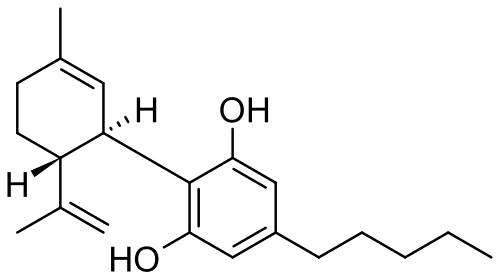
Epidiolex
ORGANIZATION
Equinox
ORGANIZATION
American luxury fitness company which operates five separate fitness brands

Equity Research
ORGANIZATION

Essence
ORGANIZATION
American lifestyle magazine for African-American women
Essential
ORGANIZATION
Euromonitor International
ORGANIZATION
European Landscape
ORGANIZATION
European Union
ORGANIZATION
Political and economic union of 27 European states
Evenings
ORGANIZATION
Expoweed
ORGANIZATION
Farmacias Magistrales
ORGANIZATION
Fashion
ORGANIZATION
Food &
ORGANIZATION
Food and Drugs
ORGANIZATION
Foods
ORGANIZATION
Foulimed
ORGANIZATION
Garry temp Seed Products
ORGANIZATION
GE Teledyne
ORGANIZATION
Ginkgo
ORGANIZATION
Ginkgo Bioworks
ORGANIZATION
Ginkgo Bioworks Ginkgo
ORGANIZATION
Go Stores
ORGANIZATION

Goodship
ORGANIZATION
Google Trends
ORGANIZATION
Public outlet of Google that shows how often a particular search-term is entered relative to the total search-volume
Green Growth Brands
ORGANIZATION
Green Organic Dutchman Holdings Ltd
ORGANIZATION
Green Roads
ORGANIZATION
Green Thumb
ORGANIZATION
Green Thumb Industries Inc
ORGANIZATION
GW Pharma
ORGANIZATION
GW Pharmaceuticals’
ORGANIZATION
GWPharma
ORGANIZATION
H/UPLC GC IC LPLC
ORGANIZATION
Harvest
ORGANIZATION
Haxon AG
ORGANIZATION
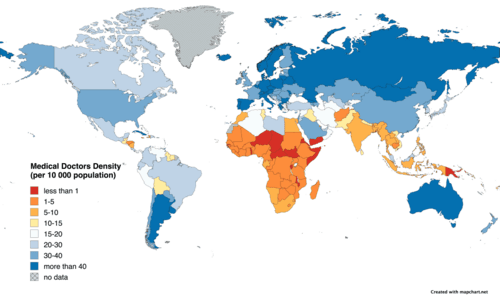
Health Care
ORGANIZATION
Episode of The Office (S1 E3)
Health Seas
ORGANIZATION
HealthCap
ORGANIZATION
Hemp Bombs
ORGANIZATION
Hemp Foods Australia
ORGANIZATION
Hemp-it
ORGANIZATION
Hempire Italia
ORGANIZATION
Hempmate Zurich AG
ORGANIZATION
HEXO Corp
ORGANIZATION
HEXO Prospectus
ORGANIZATION
High Labs
ORGANIZATION
Highline
ORGANIZATION
Highline Wellness
ORGANIZATION
Home Office
ORGANIZATION
United Kingdom government ministerial department
Hyasynth Biologicals
ORGANIZATION

Industrial
ORGANIZATION
Owner or operator of a factory or manufacturing business
Infused MFG
ORGANIZATION
Intermountain Healthcare
ORGANIZATION

Joe’s
ORGANIZATION
Jungmaven
ORGANIZATION
Khiron
ORGANIZATION
Khiron Life Sciences Corp.
ORGANIZATION
Krueger, Seiberg & Weissenstein
ORGANIZATION
Kuida Life Mexico S.A.
ORGANIZATION

Kush Queen
ORGANIZATION
L Brands
ORGANIZATION
Company
Lazarus
ORGANIZATION • 2 mentions
Lazarus Naturals
ORGANIZATION
Leaves
ORGANIZATION
Level
ORGANIZATION
Level Brands Inc
ORGANIZATION
LGC Capital
ORGANIZATION
Librede
ORGANIZATION
Life Science Tools
ORGANIZATION
Logic Technology
ORGANIZATION
Manitoba
ORGANIZATION
Manitoba Harvest
ORGANIZATION
Marley Natural
ORGANIZATION
Mary's Medicinals
ORGANIZATION
Mary’s Whole Pet
ORGANIZATION
Massachusetts General Hospital
ORGANIZATION
Teaching hospital in Massachusetts, United States
Medicaid
ORGANIZATION
United States social health care program for families and individuals with limited resources
Mile High
ORGANIZATION
Mile High Labs’
ORGANIZATION

Ministry
ORGANIZATION
American industrial metal band
MINO Labs S.A. de CV
ORGANIZATION
MMJ Phytotech
ORGANIZATION
Mountjoy
ORGANIZATION

Moxey
ORGANIZATION • 2 mentions
Mutant
ORGANIZATION
Nadeau
ORGANIZATION
Natural & J
ORGANIZATION
Nautica
ORGANIZATION
Neiman Marcus
ORGANIZATION
American luxury specialty department store
Neivert & Schenkel
ORGANIZATION
Neptune Wellness Solutions Inc
ORGANIZATION
Nine West Brand
ORGANIZATION
Novartis
ORGANIZATION
Swiss-American multinational pharmaceutical corporation
Nutritionals Botanicals
ORGANIZATION
Organic
ORGANIZATION
Organigram
ORGANIZATION
Organto
ORGANIZATION
Orvis
ORGANIZATION
Oucucw
ORGANIZATION
Outperform
ORGANIZATION
Papa & Barkley
ORGANIZATION
Patagonia
ORGANIZATION
Region located at the southern end of South America
Payors
ORGANIZATION
Personal
ORGANIZATION
Grammatical gender
Pharamacielo
ORGANIZATION

Pharmaceuticals
ORGANIZATION
Qualitative and quantitative composition of a medicinal product in the dose form authorized for administration by a medicines regulatory agency and as represented with any corresponding regulated product information
Placebo
ORGANIZATION
Plena Global
ORGANIZATION
Premium Jane
ORGANIZATION
Prestige
ORGANIZATION
Prime
ORGANIZATION
Prime Now Markets
ORGANIZATION
Privateer
ORGANIZATION
Pure Harvest
ORGANIZATION
Pure Hemp Shop
ORGANIZATION
Recreational
ORGANIZATION
Reliva
ORGANIZATION
Sagely
ORGANIZATION
Sagely Naturals
ORGANIZATION
Schenkel
ORGANIZATION

Science
ORGANIZATION
English post-punk band
Scientific
ORGANIZATION
Shimadzu
ORGANIZATION
Sigma Aldrich
ORGANIZATION
Simon Property
ORGANIZATION
Specialty Brands
ORGANIZATION
Spectrum Cannabis Chile
ORGANIZATION
Spire Global Strategy
ORGANIZATION

Standard
ORGANIZATION
Warez scene rules
Starbucks
ORGANIZATION
American multinational coffee company
Strategy
ORGANIZATION
Teewinot
ORGANIZATION
Mountain in United States of America

Teewinot Life Sciences
ORGANIZATION
Peer-reviewed scientific journal
The Agricultural and Livestock Service of Chile
ORGANIZATION
the Centers for Medicare & Medicaid Services
ORGANIZATION
the Commission on Narcotic Drugs
ORGANIZATION
the Drug Enforcement Administration
ORGANIZATION
the European Commission
ORGANIZATION
The European Food Safety Authority
ORGANIZATION
the Expert Committee on Drug Dependence
ORGANIZATION
The Federal Food Safety and Veterinary Office
ORGANIZATION
The Federal Office of Public Health
ORGANIZATION

the Food and Drug Administration
ORGANIZATION
The Food and Drug Branch
ORGANIZATION
the Health Ministry
ORGANIZATION
The Institution of Regulation and Control of Cannabis
ORGANIZATION
The Journal of Clinical investigations
ORGANIZATION
the Ministry of Social Affairs
ORGANIZATION
the National Conference of State Legislatures
ORGANIZATION
The New York State Department of Health
ORGANIZATION
The Nielsen Company
ORGANIZATION
The Ohio
ORGANIZATION
the U.S. Census
ORGANIZATION • 2 mentions
the U.S. Department of Labor
ORGANIZATION
the University of Maryland
ORGANIZATION

the University of Vermont
ORGANIZATION
the World Health Organization
ORGANIZATION
Therapeutic
ORGANIZATION
Thermo Fisher
ORGANIZATION
Thought Clothing
ORGANIZATION
Tilray
ORGANIZATION
Pharmaceutical and cannabis company
Tilray Inc
ORGANIZATION
Tilray Latin
ORGANIZATION
TLRY Tilray
ORGANIZATION
Toad&Co
ORGANIZATION
TPB GTI
ORGANIZATION
Trinity University
ORGANIZATION
Turning Point
ORGANIZATION
Turning Point Brands Inc
ORGANIZATION
U.S. Census Bureau
ORGANIZATION
U.S. agency responsible for the census and related statistics
Under Armour
ORGANIZATION
City in and county seat of Douglas County, South Dakota, United States
Unit Retail
ORGANIZATION
University of
ORGANIZATION
US Bureau of Economic Analysis
ORGANIZATION
US Government
ORGANIZATION
Vapor Beast
ORGANIZATION
Vapor Shark
ORGANIZATION
Vapor Supply
ORGANIZATION
Veggimins
ORGANIZATION
Viridi
ORGANIZATION
Waters Corporation
ORGANIZATION
Company
Wayland
ORGANIZATION
WEED Canopy Growth Corporation
ORGANIZATION

Weegman
ORGANIZATION
Western Producer
ORGANIZATION
Wharton
ORGANIZATION
Whole
ORGANIZATION
Complete or total extent of an item
Whole Foods
ORGANIZATION
American supermarket chain specializing in natural and organic foods
Whole Foods Market
ORGANIZATION
American supermarket chain specializing in natural and organic foods
Whole Foods’
ORGANIZATION
Winona State University
ORGANIZATION
Zhemplar
ORGANIZATION
Zynerba
ORGANIZATION
Zynerba Pharmaceuticals, Inc.
ORGANIZATION
Atlanta
LOCATION
Capital city of Georgia, United States
Aurora
LOCATION • 2 mentions
Norwegian singer and songwriter

Baltimore
LOCATION
City in Maryland, United States

Belgium
LOCATION
Country in western Europe
Beverly Hills
LOCATION
City in Los Angeles County, California, United States
Bogota
LOCATION
Capital city of Colombia
Boston
LOCATION
Capital and largest city of Massachusetts, United States
Boulder Colorado
LOCATION
State of the United States of America
Bridgeport
LOCATION
County seat city of Fairfield County, Connecticut, United States
Brotas
LOCATION
Municipality of São Paulo state, Brazil
Charlotte
LOCATION
City in and county seat of Mecklenburg County, North Carolina, United States
Chile
LOCATION
Country in South America

Cincinnati
LOCATION
City in Ohio, United States; county seat of Hamilton County
Cleveland
LOCATION
City in and county seat of Cuyahoga County, Ohio, United States
Colombia
LOCATION
Sovereign state in South America
Colorado
LOCATION
State of the United States of America

Columbia University
LOCATION
Private university in New York City, New York, US
Columbus
LOCATION
Capital city of Ohio, United States of America

Denver
LOCATION
Consolidated city-county and capital of Colorado, United States
Detroit
LOCATION
City in and county seat of Wayne County, and largest city in State of Michigan, United States
Hartford
LOCATION
City in and capital of Connecticut, United States
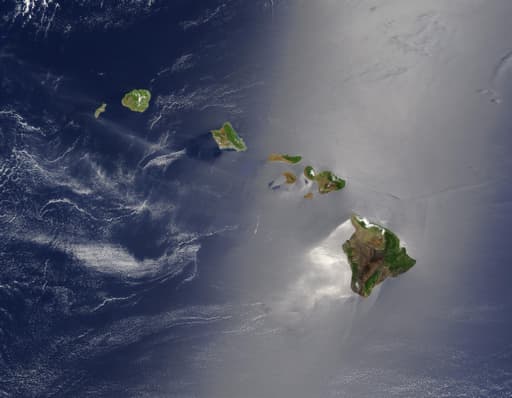
Hawaii
LOCATION
State of the United States of America
Honolulu
LOCATION
City in and county seat of Honolulu County, Hawaii, United States, that is also the capital city of Hawaii
Houston
LOCATION
Seat of Harris County, and largest city in State of Texas, United States
India
LOCATION
State of the United States of America
Indiana
LOCATION
State of the United States of America
Jacksonville
LOCATION
City in Duval County, and largest city in State of Florida, United States
Kansas City
LOCATION
City in Missouri, United States, that is one of two county seats of Jackson County and the largest city in Missouri
Kentucky
LOCATION
State of the United States of America
Kerman
LOCATION
City in Kerman province, Iran
Kernan
LOCATION • 2 mentions
Las Vegas
LOCATION
City of Clark County, and largest city in state of Nevada, United States
Louisville
LOCATION
County seat of Jefferson County, Kentucky, United States
Maine
LOCATION
State of the United States of America
Memphis
LOCATION
City in and county seat of Shelby County, Tennessee, United States
Milwaukee-Waukesha- West Allis, WI
LOCATION
Minneapolis
LOCATION
City in and seat of Hennepin County, and largest city in State of Minnesota, United States

Minnesota
LOCATION
State of the United States of America
Montreal
LOCATION
Largest city in Quebec, Canada
Nebraska
LOCATION
State of the United States of America
Netherlands
LOCATION
Country in Northwestern Europe with territories in the Caribbean
New Brunswick
LOCATION
Province of Canada
New Orleans-Metairie
LOCATION
Metropolitan area of New Orleans, Louisiana, United States

New York
LOCATION
Most populous city in the United States
New York State
LOCATION
New Zealand
LOCATION
Island country in the southwest Pacific Ocean
North
LOCATION
1994 comedy film by Rob Reiner
North America
LOCATION
Continent
North Carolina
LOCATION
State of the United States of America
North Dakota
LOCATION
State of the United States of America
Norther
LOCATION
Finnish melodic death metal band
Oklahoma
LOCATION
State of the United States of America

Oklahoma City
LOCATION
City and state capital of Oklahoma, United States
Oregon
LOCATION
State of the United States of America
Philadelphia
LOCATION
1993 film by Jonathan Demme
Phoenix
LOCATION
Seat of Maricopa County, largest city in, and capital of, the State of Arizona, United States

Pittsburgh
LOCATION
City and county seat in Allegheny County, Pennsylvania, United States

Poland
LOCATION
Country in Central Europe

Portland
LOCATION
Seat of Multnomah County, and largest city in state of Oregon, United States
Premium
LOCATION
German drink brand
Raleigh
LOCATION
City in and state capital of North Carolina, United States of America
Riverside-San Bernardino-Ontario, CA
LOCATION
Rocky River
LOCATION
City in Cuyahoga County, Ohio, United States

Sacramento
LOCATION
Capital city of the U.S. state of California and seat of Sacramento County
Saint
LOCATION
Person who has been recognized for having an exceptional degree of holiness, sanctity, and virtue; may or may not be a canonised saint
Salt Lake City
LOCATION
City in and county seat of Salt Lake County, Utah, United States and the capital of Utah

San Antonio
LOCATION
City in Bexar, Comal, and Medina counties in Texas, United States, that is the seat of Bexar County

San Diego
LOCATION
Seat of San Diego County, California, United States; second-largest city in California
San Diego-Carlshad
LOCATION

San Jose
LOCATION
City and county seat of Santa Clara County, California, United States
Santiago
LOCATION
Capital city of Chile
Seattle
LOCATION
City in and county seat of King County, State of Washington, United States
Seattle-Tacoma-Bellevue, WA
LOCATION
South Africa
LOCATION
Country in southern Africa
South America
LOCATION
Continent
South Carolina
LOCATION
State of the United States of America
St. Louis
LOCATION
Independent city in Missouri, United States
St. Regis
LOCATION
Census designated place in Mineral County, Montana, United States

Stamford
LOCATION
City in Fairfield County, Connecticut, United States
Tampa
LOCATION
City in Florida, United States
the Asian Pacific
LOCATION
U.S.-based
LOCATION
United States
LOCATION
Country located primarily in North America
Uruguay
LOCATION
Sovereign state in South America
Vermont
LOCATION
State of the United States of America
Virginia Beach
LOCATION
Independent city in Virginia, United States
Washington, D.C.
LOCATION
Capital city of the United States of America
Western Canada
LOCATION
Geographical region of Canada
York State
LOCATION
Journal
Statistics
Pages:106
Entities:438
Avg. OCR:91.3%
Sponsored