HOUSE_OVERSIGHT_016996 - HOUSE_OVERSIGHT_017059
Microsoft Word - Michel.express
Document HOUSE_OVERSIGHT_016996 is a research article titled "Quantitative Analysis of Culture Using Millions of Digitized Books."
This document is a research paper focused on the quantitative analysis of cultural trends through the study of a large corpus of digitized books. The study, referred to as 'culturomics,' examines linguistic and cultural phenomena reflected in the English language between 1800 and 2000, using a dataset comprising approximately 4% of all books ever printed. The research explores various aspects, including lexicography, the evolution of grammar, collective memory, technology adoption, and censorship.
Key Highlights
- •The document discusses 'culturomics,' the quantitative analysis of culture through digitized books.
- •Key people involved in the research include Jean-Baptiste Michel, Yuan Kui Shen, Aviva Presser Aiden, and Erez Lieberman Aiden.
- •The research analyzes a corpus of digitized texts containing about 4% of all books ever printed.
Frequently Asked Questions
Related Links


Document Information
Bates Range
HOUSE_OVERSIGHT_016996 - HOUSE_OVERSIGHT_017059
Pages
64
Source
House Oversight Committee
Date
December 17, 2010
Original Filename
MichelScience2011.pdf
File Size
4.16 MB
Document Content
Page 1 - HOUSE_OVERSIGHT_016996
Research Article Quantitative Analysis of Culture Using Millions of Digitized Books Jean-Baptiste Michel,?***+ Yuan Kui Shen,° Aviva Presser Aiden,° Adrian Veres,’ Matthew K. Gray,* The Google Books Team,@ Joseph P. Pickett,’ Dale Hoiberg,’” Dan Clancy,@ Peter Norvig,@ Jon Orwant,@ Steven Pinker,’ Martin A. Nowak,)!)” Erez Lieberman Aiden! !*!*!4:15-6#+ 'Program for Evolutionary Dynamics, Harvard University, Cambridge, MA 02138, USA. “Institute for Quantitative Social Sciences, Harvard University, Cambridge, MA 02138, USA. *Department of Psychology, Harvard University, Cambridge, MA 02138, USA. “Department of Systems Biology, Harvard Medical School, Boston, MA 02115, USA. °Computer Science and Artificial Intelligence Laboratory, MIT, Cambridge, MA 02139, USA. °Harvard Medical School, Boston, MA, 02115, USA. "Harvard College, Cambridge, MA 02138, USA. °Google, Inc., Mountain View, CA, 94043, USA. "Houghton Mifflin Harcourt, Boston, MA 02116, USA. '’Encyclopaedia Britannica, Inc., Chicago, IL 60654, USA. ''Dept of Organismic and Evolutionary Biology, Harvard University, Cambridge, MA 02138, USA. '*Dept of Mathematics, Harvard University, Cambridge, MA 02138, USA. “Broad Institute of Harvard and MIT, Harvard University, Cambridge, MA 02138, USA. School of Engineering and Applied Sciences, Harvard University, Cambridge, MA 02138, USA. Harvard Society of Fellows, Harvard University, Cambridge, MA 02138, USA. '6L aboratory-at-Large, Harvard University, Cambridge, MA 02138, USA. *These authors contributed equally to this work. +To whom correspondence should be addressed. E-mail: [email protected] (J.B.M.); [email protected] (E.A.). We constructed a corpus of digitized texts containing about 4% of all books ever printed. Analysis of this corpus enables us to investigate cultural trends quantitatively. We survey the vast terrain of “culturomics”, focusing on linguistic and cultural phenomena that were reflected in the English language between 1800 and 2000. We show how this approach can provide insights about fields as diverse as lexicography, the evolution of grammar, collective memory, the adoption of technology, the pursuit of fame, censorship, and historical epidemiology. “Culturomics” extends the boundaries of rigorous quantitative inquiry to a wide array of new phenomena spanning the social sciences and the humanities. Reading small collections of carefully chosen works enables scholars to make powerful inferences about trends in human thought. However, this approach rarely enables precise measurement of the underlying phenomena. Attempts to introduce quantitative methods into the study of culture (/-6) have been hampered by the lack of suitable data. We report the creation of a corpus of 5,195,769 digitized books containing ~4% of all books ever published. Computational analysis of this corpus enables us to observe cultural trends and subject them to quantitative investigation. “Culturomics” extends the boundaries of scientific inquiry to a wide array of new phenomena. The corpus has emerged from Google’s effort to digitize books. Most books were drawn from over 40 university libraries around the world. Each page was scanned with custom equipment (7), and the text digitized using optical character recognition (OCR). Additional volumes — both physical and digital — were contributed by publishers. Metadata describing date and place of publication were provided by the libraries and publishers, and supplemented with bibliographic databases. Over 15 million books have been digitized [12% of all books ever published (7)]. We selected a subset of over 5 million books for analysis on the basis of the quality of their OCR and metadata (Fig. 1A) (7). Periodicals were excluded. The resulting corpus contains over 500 billion words, in English (361 billion), French (45B), Spanish (45B), German (37B), Chinese (13B), Russian (35B), and Hebrew (2B). The oldest works were published in the 1500s. The early decades are represented by only a few books per year, comprising several hundred thousand words. By 1800, the corpus grows to 60 million words per year; by 1900, 1.4 billion; and by 2000, 8 billion. The corpus cannot be read by a human. If you tried to read only the entries from the year 2000 alone, at the reasonable pace of 200 words/minute, without interruptions for food or sleep, it would take eighty years. The sequence of letters is one thousand times longer than the human genome: if you wrote it out in a straight line, it would reach to the moon and back 10 times over (8). To make release of the data possible in light of copyright constraints, we restricted our study to the question of how often a given “1-gram” or “n-gram” was used over time. A 1- gram is a string of characters uninterrupted by a space; this includes words (“banana”, “SCUBA”) but also numbers Sciencexpress / www.sciencexpress.org / 16 December 2010 / Page 1 / 10.1126/science.1199644 HOUSE_OVERSIGHT_016996 Downloaded from www.sciencemag.org on December 16, 2010
Page 2 - HOUSE_OVERSIGHT_016997
(“3.14159”) and typos (“excesss”). An n-gram is sequence of 1-grams, such as the phrases “stock market” (a 2-gram) and “the United States of America” (a 5-gram). We restricted n to 5, and limited our study to n-grams occurring at least 40 times in the corpus. Usage frequency is computed by dividing the number of instances of the n-gram in a given year by the total number of words in the corpus in that year. For instance, in 1861, the 1- gram “slavery” appeared in the corpus 21,460 times, on 11,687 pages of 1,208 books. The corpus contains 386,434,758 words from 1861; thus the frequency is 5.5x10°. “slavery” peaked during the civil war (early 1860s) and then again during the civil rights movement (1955-1968) (Fig. 1B) In contrast, we compare the frequency of “the Great War” to the frequencies of “World War I” and “World War II.” “the Great War” peaks between 1915 and 1941. But although its frequency drops thereafter, interest in the underlying events had not disappeared; instead, they are referred to as “World War I” (Fig. 1C). These examples highlight two central factors that contribute to culturomic trends. Cultural change guides the concepts we discuss (such as “slavery”). Linguistic change — which, of course, has cultural roots — affects the words we use for those concepts (“the Great War” vs. “World War I’). In this paper, we will examine both linguistic changes, such as changes in the lexicon and grammar; and cultural phenomena, such as how we remember people and events. The full dataset, which comprises over two billion culturomic trajectories, is available for download or exploration at www.culturomics.org. The Size of the English Lexicon How many words are in the English language (9)? We call a 1-gram “common” if its frequency is greater than one per billion. (This corresponds to the frequency of the words listed in leading dictionaries (7).) We compiled a list of all common 1-grams m 1900, 1950, and 2000 based on the frequency of each 1-gram in the preceding decade. These lists contained 1,117,997 common 1-grams in 1900, 1,102,920 in 1950, and 1,489,337 in 2000. Not all common 1-grams are English words. Many fell into three non-word categories: (i) 1-grams with non- alphabetic characters (“‘18r’, “3.14159”; (i) misspellings (“becuase, “abberation”); and (411) foreign words (“sensitivo”). To estimate the number of English words, we manually annotated random samples from the lists of common 1-grams (7) and determined what fraction were members of the above non-word categories. The result ranged from 51% of all common 1|-grams in 1900 to 31% in 2000. Using this technique, we estimated the number of words in the English lexicon as 544,000 in 1900, 597,000 in 1950, and 1,022,000 in 2000. The lexicon is enjoying a period of enormous growth: the addition of ~8500 words/year has increased the size of the language by over 70% during the last fifty years (Fig. 2A). Notably, we found more words than appear in any dictionary. For instance, the 2002 Webster’s Third New International Dictionary [W3], which keeps track of the contemporary American lexicon, lists approximately 348,000 single-word wordforms (/0); the American Heritage Dictionary of the English Language, Fourth Edition (AHD4) lists 116,161 (7/7). (Both contain additional multi-word entries.) Part of this gap is because dictionaries often exclude proper nouns and compound words (“whalewatching”). Even accounting for these factors, we found many undocumented words, such as “aridification” (the process by which a geographic region becomes dry), “slenthem” (a musical instrument), and, appropriately, the word “deletable.” This gap between dictionaries and the lexicon results from a balance that every dictionary must strike: it must be comprehensive enough to be a useful reference, but concise enough to be printed, shipped, and used. As such, many infrequent words are omitted. To gauge how well dictionaries reflect the lexicon, we ordered our year 2000 lexicon by frequency, divided it into eight deciles (ranging from 10° — 10° to 10° — 10°), and sampled each decile (7). We manually checked how many sample words were listed in the OED (12) and in the Merriam-Webster Unabridged Dictionary [MWD]. (We excluded proper nouns, since neither OED nor MWD lists them.) Both dictionaries had excellent coverage of high frequency words, but less coverage for frequencies below 10° °: 67% of words in the 10° — 10° range were listed in neither dictionary (Fig. 2B). Consistent with Zipf’s famous law, a large fraction of the words in our lexicon (63%) were in this lowest frequency bin. As a result, we estimated that 52% of the English lexicon — the majority of the words used in English books — consists of lexical “dark matter” undocumented in standard references (/2). To keep up with the lexicon, dictionaries are updated regularly (/3). We examined how well these changes corresponded with changes in actual usage by studying the 2077 1-gram headwords added to AHD4 in 2000. The overall frequency of these words, such as “buckyball” and “netiquette”, has soared since 1950: two-thirds exhibited recent, sharp increases in frequency (>2X from 1950-2000) (Fig. 2C). Nevertheless, there was a lag between lexicographers and the lexicon. Over half the words added to AHD4 were part of the English lexicon a century ago (frequency >10° from 1890-1900). In fact, some newly- added words, such as “gypseous” and “amplidyne”, have already undergone a steep decline in frequency (Fig. 2D). Not only must lexicographers avoid adding words that have fallen out of fashion, they must also weed obsolete words from earlier editions. This is an imperfect process. We Sciencexpress / www.sciencexpress.org / 16 December 2010 / Page 2 / 10.1126/science.1199644 HOUSE_OVERSIGHT_016997 Downloaded from www.sciencemag.org on December 16, 2010
Page 3 - HOUSE_OVERSIGHT_016998
found 2220 obsolete 1-gram headwords (“diestock”, “alkalescent”) in AHD4. Their mean frequency declined throughout the 20th century, and dipped below 10° decades ago (Fig. 2D, Inset). Our results suggest that culturomic tools will aid lexicographers tn at least two ways: (1) finding low-frequency words that they do not list; and (41) providing accurate estimates of current frequency trends to reduce the lag between changes in the lexicon and changes in the dictionary. The Evolution of Grammar Next, we examined grammatical trends. We studied the English irregular verbs, a classic model of grammatical change (/4-/7). Unlike regular verbs, whose past tense is generated by adding —ed (ump/jumped), irregulars are conjugated idiosyncratically (stick/stuck, come/came, get/got) (15). All irregular verbs coexist with regular competitors (e.g., “strived” and “strove”) that threaten to supplant them (Fig. 2E). High-frequency wregulars, which are more readily remembered, hold their ground better. For instance, we found “found” (frequency: 5x10) 200,000 times more often than we finded “finded.” In contrast, “dwelt” (frequency: 1x10”) dwelt in our data only 60 times as often as “dwelled” dwelled. We defined a verb’s “regularity” as the percentage of instances in the past tense (i.e., the sum of “drived”, “drove”, and “driven”) in which the regular form is used. Most wregulars have been stable for the last 200 years, but 16% underwent a change in regularity of 10% or more (Fig. 2F). These changes occurred slowly: it took 200 years for our fastest moving verb, “chide”, to go from 10% to 90%. Otherwise, each trajectory was sui generis; we observed no characteristic shape. For instance, a few verbs, like “spill”, regularized at a constant speed, but others, such as “thrive” and “dig”, transitioned in fits and starts (7). In some cases, the trajectory suggested a reason for the trend. For example, with “sped/speeded” the shift in meaning from “to move rapidly” and towards “to exceed the legal limit” appears to have been the driving cause (Fig. 2G). Six verbs (burn, chide, smell, spell, spill, thrive) regularized between 1800 and 2000 (Fig. 2F). Four are remnants of a now-defunct phonological process that used +t instead of —ed; they are members of a pack of irregulars that survived by virtue of similarity (bend/bent, build/built, burn/burnt, learn/learnt, lend/lent, rend/rent, send/sent, smell/smelt, spell/spelt, spill/spilt, and spoil/spoilt). Verbs have been defecting from this coalition for centuries (wend/went, pen/pent, gird/girt, geld/gelt, and gild/gilt all blend/blent into the dominant —ed rule). Culturomic analysis reveals that the collapse of this alliance has been the most significant driver of regularization in the past 200 years. The regularization of burnt, smelt, spelt, and spilt originated in the US; the forms still cling to life in British English (Fig. 2E,F). But the +t irregulars may be doomed in England too: each year, a population the size of Cambridge adopts “burned” in lieu of “burnt.” Though irregulars generally yield to regulars, two verbs did the opposite: light/lit and wake/woke. Both were irregular in Middle English, were mostly regular by 1800, and subsequently backtracked and are irregular again today. The fact that these verbs have been going back and forth for nearly 500 years highlights the gradual nature of the underlying process. Still, there was at least one instance of rapid progress by an irregular form. Presently, 1% of the English speaking population switches from “sneaked” to “snuck” every year: someone will have snuck off while you read this sentence. As before, this trend is more prominent in the United States, but recently sneaked across the Atlantic: America is the world’s leading exporter of both regular and irregular verbs. Out with the Old Just as individuals forget the past (/8, /9), so do societies (20). To quantify this effect, we reasoned that the frequency of 1-grams such as “1951” could be used to measure interest in the events of the corresponding year, and created plots for each year between 1875 and 1975. The plots had a characteristic shape. For example, “1951” was rarely discussed until the years immediately preceding 1951. Its frequency soared in 1951, remained high for three years, and then underwent a rapid decay, dropping by half over the next fifteen years. Finally, the plots enter a regime marked by slower forgetting: collective memory has both a short-term and a long-term component. But there have been changes. The amplitude of the plots is rising every year: precise dates are increasingly common. There is also a greater focus on the present. For instance, “1880” declined to half its peak value in 1912, a lag of 32 years. In contrast, “1973” declined to half its peak by 1983, a lag of only 10 years. We are forgetting our past faster with each passing year (Fig. 3A). We were curious whether our increasing tendency to forget the old was accompanied by more rapid assimilation of the new (2/). We divided a list of 154 inventions into time- resolved cohorts based on the forty-year interval in which they were first invented (1800-1840, 1840-1880, and 1880- 1920) (7). We tracked the frequency of each invention in the nth after it was invented as compared to its maximum value, and plotted the median of these rescaled trajectories for each cohort. The inventions from the earliest cohort (1800-1840) took over 66 years from invention to widespread impact (frequency >25% of peak). Since then, the cultural adoption of technology has become more rapid: the 1840-1880 invention cohort was widely adopted within 50 years; the 1880-1920 cohort within 27 (Fig. 3B). Sciencexpress / www.sciencexpress.org / 16 December 2010 / Page 3 / 10.1126/science.1199644 HOUSE_OVERSIGHT_016998 Downloaded from www.sciencemag.org on December 16, 2010
Sponsored
Page 4 - HOUSE_OVERSIGHT_016999
“In the Future, Everyone Will Be World Famous for 7.5 Minutes” —Whatshisname People, too, rise to prominence, only to be forgotten (22). Fame can be tracked by measuring the frequency of a person’s name (Fig. 3C). We compared the rise to fame of the most famous people of different eras. We took all 740,000 people with entries in Wikipedia, removed cases where several famous individuals share a name, and sorted the rest by birthdate and frequency (23). For every year from 1800- 1950, we constructed a cohort consisting of the fifty most famous people born in that year. For example, the 1882 cohort includes “Virginia Woolf” and “Felix Frankfurter”; the 1946 cohort includes “Bill Clinton” and “Steven Spielberg.” We plotted the median frequency for the names in each cohort over time (Fig. 3D-E). The resulting trajectories were all similar. Each cohort had a pre-celebrity period ( median frequency <10°), followed by a rapid rise to prominence, a peak, and a slow decline. We therefore characterized each cohort using four parameters: (1) the age of initial celebrity; (ii) the doubling time of the mitial rise; (111) the age of peak celebrity; (iv) the half-life of the decline (Fig. 3E). The age of peak celebrity has been consistent over time: about 75 years after birth. But the other parameters have been changing. Fame comes sooner and rises faster: between the early 19th century and the mid-20th century, the age of initial celebrity declined from 43 to 29 years, and the doubling time fell from 8.1 to 3.3 years. As a result, the most famous people alive today are more famous — in books — than their predecessors. Yet this fame is increasingly short-lived: the post-peak half- life dropped from 120 to 71 years during the nineteenth century. We repeated this analysis with all 42,358 people in the databases of Encyclopaedia Britannica (24), which reflect a process of expert curation that began in 1768. The results were similar (7). Thus, people are getting more famous than ever before, but are being forgotten more rapidly than ever. Occupational choices affect the rise to fame. We focused on the 25 most famous individuals born between 1800 and 1920 in seven occupations (actors, artists, writers, politicians, biologists, physicists, and mathematicians), examining how their fame grew as a function of age (Fig. 3F). Actors tend to become famous earliest, at around 30. But the fame of the actors we studied — whose ascent preceded the spread of television — rises slowly thereafter. (Their fame peaked at a frequency of 2x10°7.) The writers became famous about a decade after the actors, but rose for longer and to a much higher peak (8x10°’). Politicians did not become famous until their 50s, when, upon being elected President of the United States (in 11 of 25 cases; 9 more were heads of other states) they rapidly rose to become the most famous of the groups (1x10°). Science is a poor route to fame. Physicists and biologists eventually reached a similar level of fame as actors (1x10), but it took them far longer. Alas, even at their peak, mathematicians tend not to be appreciated by the public (2x10%). Detecting Censorship and Suppression Suppression — of a person, or an idea — leaves quantifiable fingerprints (25). For instance, Nazi censorship of the Jewish artist Mare Chagall is evident by comparing the frequency of “Mare Chagall” in English and in German books (Fig.4A). In both languages, there is a rapid ascent starting in the late 1910s (when Chagall was in his early 30s). In English, the ascent continues. But in German, the artist’s popularity decreases, reaching a nadir from 1936-1944, when his full name appears only once. (In contrast, from 1946-1954, “Mare Chagall” appears nearly 100 times in the German corpus.) Such examples are found in many countries, including Russia (e.g. Trotsky), China (Tiananmen Square) and the US (the Hollywood Ten, blacklisted in 1947) (Fig.4B-D). We probed the impact of censorship on a person’s cultural influence in Nazi Germany. Led by such figures as the librarian Wolfgang Hermann, the Nazis created lists of authors and artists whose “undesirable”, “degenerate” work was banned from libraries and museums and publicly burned (26-28). We plotted median usage in German for five such lists: artists (100 names), as well as writers of Literature (147), Politics (117), History (53), and Philosophy (35) (Fig 4E). We also included a collection of Nazi party members [547 names, ref (7)]. The five suppressed groups exhibited a decline. This decline was modest for writers of history (9%) and literature (27%), but pronounced in politics (60%), philosophy (76%), and art (56%). The only group whose signal increased during the Third Reich was the Nazi party members [a 500% increase; ref (7)]. Gtven such strong signals, we tested whether one could identify victims of Nazi repression de novo. We computed a “suppression index” s for each person by dividing their frequency from 1933 — 1945 by the mean frequency in 1925- 1933 and in 1955-1965 (Fig.4F, Inset). In English, the distribution of suppression indices is tightly centered around unity. Fewer than 1% of individuals lie at the extremes (s<1/5 or s>5). In German, the distribution in much wider, and skewed leftward: suppression in Nazi Germany was not the exception, but the rule (Fig. 4F). At the far left, 9.8% of individuals showed strong suppression (s<1/5). This population is highly enriched for documented victims of repression, such as Pablo Picasso (s=0.12), the Bauhaus architect Walter Gropius (s=0.16), and Hermann Maas (s<.01), an influential Protestant Minister who helped many Jews flee (7). (Maas was later recognized by Israel’s Yad Vashem as a “Righteous Among the Nations.”) At the other Sciencexpress / www.sciencexpress.org / 16 December 2010 / Page 4 / 10.1126/science.1199644 HOUSE_OVERSIGHT_016999 Downloaded from www.sciencemag.org on December 16, 2010
Page 5 - HOUSE_OVERSIGHT_017000
extreme, 1.5% of the population exhibited a dramatic rise (s>5). This subpopulation is highly enriched for Nazis and Nazi-supporters, who benefited immensely from government propaganda (7). These results provide a strategy for rapidly identifying likely victims of censorship from a large pool of possibilities, and highlights how culturomic methods might complement existing historical approaches. Culturomics Culturomics is the application of high-throughput data collection and analysis to the study of human culture. Books are a beginning, but we must also incorporate newspapers (29), manuscripts (30), maps (3/), artwork (32), and a myriad of other human creations (33, 34). Of course, many voices — already lost to time — lie forever beyond our reach. Culturomic results are a new type of evidence in the humanities. As with fossils of ancient creatures, the challenge of culturomics lies in the interpretation of this evidence. Considerations of space restrict us to the briefest of surveys: a handful of trajectories and our initial interpretations. Many more fossils, with shapes no less intriguing, beckon: (i) Peaks in “influenza” correspond with dates of known pandemics, suggesting the value of culturomic methods for historical epidemiology (35) (Fig. 5A). (ii) Trajectories for “the North”, “the South”, and finally, “the enemy” reflect how polarization of the states preceded the descent ito war (Fig. 5B). (ii) In the battle of the sexes, the “women” are gaining ground on the “men” (Fig. 5C). (iv) “féminisme” made early inroads in France, but the US proved to be a more fertile environment in the long run (Fig. 5D). (v) “Galileo”, “Darwin”, and “Einstein” may be well-known scientists, but “Freud” is more deeply engrained in our collective subconscious (Fig. 5E). (v1) Interest in “evolution” was waning when “DNA” came along (Fig. 5F). (vii) The history of the American diet offers many appetizing opportunities for future research; the menu includes “steak”, “sausage”, “ice cream’, “hamburger”, “pizza”, “pasta”, and “sushi” (Fig. 5G). (viil) “God” is not dead; but needs a new publicist (Fig. 5H). These, together with the billions of other trajectories that accompany them, will furnish a great cache of bones from which to reconstruct the skeleton of a new science. References and Notes 1. Wilson, Edward O. Consilience. New York: Knopf, 1998. 2. Sperber, Dan. "Anthropology and psychology: Towards an epidemiology of representations." Man 20 (1985): 73-89. Ww . Lieberson, Stanley and Joel Horwich. "Implication analysis: a pragmatic proposal for linking theory and data in the social sciences." Sociological Methodology 38 (December 2008): 1-50. . Cavalli-Sforza, L. L., and Marcus W. Feldman. Cultural Transmission and Evolution. Princeton, NJ: Princeton UP, 1981. . Niyogi, Partha. The Computational Nature of Language Learning and Evolution. Cambridge, MA: MIT, 2006. . Zipf, George Kingsley. The Psycho-biology of Language. Boston: Houghton Mifflin, 1935. . Materials and methods are available as supporting material as Nn an ~ on Science Online. oo . Lander, E. S. et al. "Initial sequencing and analysis of the human genome." Nature 409 (February 2001): 860-921. . Read, Allen W. “The Scope of the American Dictionary.” American Speech 8 (1933): 10-20. 10. Gove, Philip Babcock, ed. Webster's Third New International Dictionary of the English Language, Unabridged. Springfield, MA: Merriam-Webster, 1993. 11. Pickett, Joseph, P. ed. The American Heritage Dictionary of the English Language, Fourth Edition. Boston / New York, NY: Houghton Mifflin Pub., 2000. \o 12. Simpson, J. A., E. S. C. Weiner, and Michael Proffitt, eds. Oxford English Dictionary. Oxford [England]: Clarendon, 1993. 13. Algeo, John, and Adele S. Algeo. Fifty Years among the New Words: a Dictionary of Neologisms, 1941-1991. Cambridge UK, 1991. 14. Pinker, Steven. Words and Rules. New York: Basic, 1999, 15. Kroch, Anthony S. "Reflexes of Grammar in Patterns of Language Change." Language Variation and Change 1.03 (1989): 199. 16. Bybee, Joan L. "From Usage to Grammar: The Mind's Response to Repetition." Language 82.4 (2006): 711-33. 17. Lieberman*, Erez, Jean-Baptiste Michel*, Joe Jackson, Tina Tang, and Martin A. Nowak. "Quantifying the Evolutionary Dynamics of Language." Nature 449 (2007): 713-16. 18. Milner, Brenda, Larry R. Squire, and Eric R. Kandel. "Cognitive Neuroscience and the Study of Memory."Neuron 20.3 (1998): 445-68. 19. Ebbinghaus, Hermann. Memory: a Contribution to Experimental Psychology. New York: Dover, 1987. 20. Halbwachs, Maurice. On Collective Memory. Trans. Lewis A. Coser. Chicago: University of Chicago, 1992. 21. Ulam, S. "John Von Neumann 1903-1957." Bulletin of the American Mathematical Society 64.3 (1958): 1-50. 22. Braudy, Leo. The Frenzy of Renown: Fame & Its History. New York: Vintage, 1997. Sciencexpress / www.sciencexpress.org / 16 December 2010 / Page 5 / 10.1126/science.1199644 HOUSE_OVERSIGHT_017000 Downloaded from www.sciencemag.org on December 16, 2010
Page 6 - HOUSE_OVERSIGHT_017001
23. Wikipedia. Web. 23 Aug. 2010. <http://www.wikipedia.org/>. 24. Hoiberg, Dale, ed. Encyclopaedia Britannica. Chicago: Encyclopaedia Britannica, 2002. 25. Gregorian, Vartan, ed. Censorship: 500 Years of Conflict. New York: New York Public Library, 1984. 26. TreB, Werner. Wider Den Undeutschen Geist: Biicherverbrennung 1933. Berlin: Parthas, 2003. 27. Sauder, Gerhard. Die Biicherverbrennung: 10. Mai 1933. Frankfurt/Main: Ullstein, 1985. 28. Barron, Stephanie, and Peter W. Guenther. Degenerate Art: the Fate of the Avant-garde in Nazi Germany. Los Angeles: Los Angeles County Museum of Art, 1991. 29. Google News Archive Search. Web. <http://news. google.com/archivesearch>. 30. Digital Scriptorium. Web. <http://www.scriptorrum.columbia.edu>. 31. Visual Eyes. Web. <http://www.viseyes.org>. 32. ARTstor. Web. <http://www.artstor.org>. 33. Europeana. Web. <http://www.curopeana.eu>. 34. Hathi Trust Digital Library. Web. <http://www.hathitrust.org>. 35. Barry, John M. The Great Influenza: the Epic Story of the Deadliest Plague in History. New York: Viking, 2004. 36. J-B.M. was supported by the Foundational Questions in Evolutionary Biology Prize Fellowship and the Systems Biology Program (Harvard Medical School). Y.K.S. was supported by internships at Google. S.P. acknowledges support from NIH grant HD 18381. E.A. was supported by the Harvard Society of Fellows, the Fannie and John Hertz Foundation Graduate Fellowship, the National Defense Science and Engineering Graduate Fellowship, the NSF Graduate Fellowship, the National Space Biomedical Research Institute, and NHGRI Grant T32 HG002295 . This work was supported by a Google Research Award. The Program for Evolutionary Dynamics acknowledges support from the Templeton Foundation, NIH grant RO1GM078986, and the Bill and Melinda Gates Foundation. Some of the methods described in this paper are covered by US patents 7463772 and 7508978. We are grateful to D. Bloomberg, A. Popat, M. McCormick, T. Mitchison, U. Alon, S. Shieber, E. Lander, R. Nagpal, J. Fruchter, J. Guldi, J. Cauz, C. Cole, P. Bordalo, N. Christakis, C. Rosenberg, M. Liberman, J. Sheidlower, B. Zimmer, R. Darnton, and A. Spector for discussions; to C- M. Hetrea and K. Sen for assistance with Encyclopaedia Britannica's database, to S. Eismann, W. Tre, and the City of Berlin website (berlin.de) for assistance documenting victims of Nazi censorship, to C. Lazell and G.T. Fournier for assistance with annotation, to M. Lopez for assistance with Fig. 1, to G. Elbaz and W. Gilbert for reviewing an early draft, and to Google’s library partners and every author who has ever picked up a pen, for books. Supporting Online Material Wwww.sciencemag.org/cgi/content/full/science.1199644/DC1 Materials and Methods Figs. S1 to S19 References 27 October 2010; accepted 6 December 2010 Published online 16 December 2010; 10.1126/science. 1199644 Fig. 1. “Culturomic” analyses study millions of books at once. (A) Top row: authors have been writing for millennia; ~129 million book editions have been published since the advent of the printing press (upper left). Second row: Libraries and publishing houses provide books to Google for scanning (middle left). Over 15 million books have been digitized. Third row: each book is associated with metadata. Five million books are chosen for computational analysis (bottom left). Bottom row: a culturomic “timeline” shows the frequency of “apple” in English books over time (1800- 2000). (B) Usage frequency of “slavery.” The Civil War (1861-1865) and the civil rights movement (1955-1968) are highlighted in red. The number in the upper left (1e-4) is the unit of frequency. (C) Usage frequency over time for “the Great War” (blue), “World War I” (green), and “World War II” (red). Fig. 2. Culturomics has profound consequences for the study of language, lexicography, and grammar. (A) The size of the English lexicon over time. Tick marks show the number of single words in three dictionaries (see text). (B) Fraction of words in the lexicon that appear in two different dictionaries as a function of usage frequency. (C) Five words added by the AHD in its 2000 update. Inset: Median frequency of new words added to AHD4 in 2000. The frequency of half of these words exceeded 10” as far back as 1890 (white dot). (D) Obsolete words added to AHD4 in 2000. Inset: Mean frequency of the 2220 AHD headwords whose current usage frequency is less than 10°. (E) Usage frequency of irregular verbs (red) and their regular counterparts (blue). Some verbs (chide/chided) have regularized during the last two centuries. The trajectories for “speeded” and “speed up” (green) are similar, reflecting the role of semantic factors in this instance of regularization. The verb “burn” first regularized in the US (US flag) and later in the UK (UK flag). The trregular “snuck” is rapidly gaining on “sneaked.” (F) Scatter plot of the irregular verbs; each verb’s position depends on its regularity (see text) in the early 19th century (x-coordinate) and in the late 20th century (y-coordinate). For 16% of the verbs, the change in regularity was greater than 10% (large font). Dashed lines separate irregular verbs (regularity<50%) Sciencexpress / www.sciencexpress.org / 16 December 2010 / Page 6 / 10.1126/science.1199644 Downloaded from www.sciencemag.org on December 16, 2010 HOUSE_OVERSIGHT_017001
Sponsored
Page 7 - HOUSE_OVERSIGHT_017002
from regular verbs (regularity>50%). Six verbs became regular (upper left quadrant, blue), while two became wregular (lower right quadrant, red). Inset: the regularity of “chide” over time. (G) Median regularity of verbs whose past tense is often signified with a -t suffix instead of —-ed (burn, smell, spell, spill, dwell, learn, and spoil) in US (black) and UK (grey) books. Fig. 3. Cultural turnover is accelerating. (A) We forget: frequency of 1883 (blue), 1910 (green) and 1950 (red). Inset: We forget faster. The half-life of the curves (grey dots) is getting shorter (grey line: moving average). (B) Cultural adoption occurs faster. Median trajectory for three cohorts of inventions from three different time periods (1800-1840: blue, 1840-1880: green, 1880-1920: red). Inset: The telephone (green, date of invention: green arrow) and radio (blue, date of invention: blue arrow). (C) Fame of various personalities born between 1920 and 1930. (D) Frequency of the 50 most famous people born in 1871 (grey lines; median: dark gray). Five examples are highlighted. (E) The median trajectory of the 1865 cohort is characterized by four parameters: (1) initial “age of celebrity” (34 years old, tick mark); (ii) doubling time of the subsequent rise to fame (4 years, blue line); (ii1) “age of peak celebrity” (70 years after birth, tick mark), and (iv) half-life of the post-peak “forgetting” phase (73 years, red line). Inset: The doubling time and half-life over time. (F) The median trajectory of the 25 most famous personalities born between 1800 and 1920 in various careers. Fig. 4. Culturomics can be used to detect censorship. (A) Usage frequency of “Marc Chagall” in German (red) as compared to English (blue). (B) Suppression of Leon Trotsky (blue), Grigory Zinoviev (green), and Lev Kamenev (red) in Russian texts, with noteworthy events indicated: Trotsky’s assassination (blue arrow), Zinoviev and Kamenev executed (red arrow), the “Great Purge” (red highlight), perestroika (grey arrow). (C) The 1976 and 1989 Tiananmen Square incidents both lead to elevated discussion in English texts. Response to the 1989 incident is largely absent in Chinese texts (blue), suggesting government censorship. (D) After the “Hollywood Ten” were blacklisted (red highlight) from American movie studios, their fame declined (median: wide grey). None of them were credited in a film until 1960’s (aptly named) “Exodus.” (E) Writers in various disciplines were suppressed by the Nazi regime (red highlight). In contrast, the Nazis themselves (thick red) exhibited a strong fame peak during the war years. (F) Distribution of suppression indices for both English (blue) and German (red) for the period from 1933-1945. Three victims of Nazi suppression are highlighted at left (red arrows). Inset: Calculation of the suppression index for “Henri Matisse.” Fig. 5. Culturomics provides quantitative evidence for scholars in many fields. (A) Historical Epidemiology: “imfluenza” is shown in blue; the Russian, Spanish, and Asian flu epidemics are highlighted. (B) History of the Civil War. (C) Comparative History. (D) Gender studies. (E and F) History of Science. (G) Historical Gastronomy. (H) History of Religion: “God.” Sciencexpress / www.sciencexpress.org / 16 December 2010 / Page 7 / 10.1126/science.1199644 Downloaded from www.sciencemag.org on December 16, 2010 HOUSE_OVERSIGHT_017002
Page 8 - HOUSE_OVERSIGHT_017003
Lvs) le-4 1.0 T T T 6 'y | — _ slavery 3 iS) c oO DS O05- 4 o 129 million books . =m a a> i published _ | 0.0 \ 1 1 1800 1850 1900 1950 2000 Year 12 million BOOKS van, ee News Cc ars r scanned m3 1884 1943 — the Great War ss — World War | 1S) — _ World War II c oO 3 log 5 million books 2 analyzed Frequency of the rae word "apple" (0) 1800 1850 1914 1939 2000 Year Year HOUSE_OVERSIGHT_017003
Page 9 - HOUSE_OVERSIGHT_017004
> Number of words T T T T T T T T T T ¥ 1M 1 oO Lo) i) ps oO > Q 1S) 500K OED = 4 [= W355 90 2 AHD4 ™ i) ou 1 1 1 n L 1 1 1 1 1 1900 1950 2000 Decade 1e-8 — exaptation _ buckyball — ‘eSAA 8 —— netiquette @—= phytonutrient J > 2 6 S 3 4b ‘| anon 2000" i g WL 32 2-3 = 0 1960 1970 1980 1990 2000 Year B 100% + 4 75% F 7 50% + 4 0 4 eae @=@ Oxford English Dictionary @-@ Merriam-Webster Unabridged 0% 4 1 1 1 L 1 4 10° 10? 10° 10% 10° 10° 107 10° 10° Word frequency 1e-7 5 ; =) — gypseous x10 — amplidyne s @« rare words still in AHD 4r 5 (o) = > 1800 2000 o 2 Decade rs 1 0 1800 1850 1900 1950 2000 Year chid/chode ! m chided 99% 1 j 99% F ° j SSP vex blend 50% [o} | lear. plead 2 1% chidethriv} wea a 1800 1900 2000 ltreamSPOll sneak 59%, | ------- mm leap 5 EBL CH i - hari ight > walt ne hfe! (= Frond Boe | Wake & roa k DS wOE Ha awa @ > 1% Bl ree , o Hw pink, wringsfe slide | = a > @ arise ring Fi d a swing | ‘sink «dt = = bum = oom t,t nal gs = burned TE standin tel hse \ ol a speaking, Pivake : = write i ww bepome 1 1 1 L 0.01% 1% 50% 99% G Mean regularity 1800-1825 100% @ > St en SE > G 75%} o =. = 0 1 1 L se ——* 4 MS 50%} 10 6) snuck 92 0% sneaked ce oO 5 rN 5.107 | 8 5 25% (AAT =2 7 0 0% ,; 1800 1850 1900 1950 2000 1800 1858 1986 Year Year HOUSE_OVERSIGHT_017004
Sponsored
Page 10 - HOUSE_OVERSIGHT_017005
Frequency Frequency m Median frequency (log) 1.5 1.0 0.5 2.0 1.5 1.0 0.5 e-4 _ 1+ — 1883 | g — 1910 5 4 ig Fearn. — 1950 = 15 7 4 = 0 4 1 4 1 7 1900, Yea 1950 1975 1925 2000 Year 1875 1900 1950 9 r.) Mickey Mouse Marilyn Monroe Che Guevara Neil Armstrong Buzz Aldrin Barbara Walters Jimmy Carter 1900 1920 1930 1950 1975 2000 Year 107 -= + 1 ge = ra E 10 ° wy Halt life: = Fe : 73 yrs 3 Q 1800 408 £ Year 2 ¥ é < 2 s = = = g = 10° | i 1 4 0 34 70 Age of the 1865 cohort ius] 1 r 1 : 1 " 100% | Year of invention 1 — 1880-1920 — — 1840-1880 SS 75% | — 1800-1840 53 a4 2a =o 50% ca Gu 3 | — telephone 5° 5 5; — radio ox 2 =~ 2%} @ irs oO 0% r " : ' 0 25 50 75 100 125 150 Years since invention — Cordell Hull , , , , , — Marcel Proust 6 — Onille Wright 10°F — Emest Rutherford q Ss — Georges Rouault = Tomine wf 3 107 5 = o re) i 10% 5 , 'K \\ \ i j\t MT | 10° ih (imi, 1871 1900 1920 1940 1960 1980 2000 Year t T r T t Political figures — Authors 0.8 | — Actors roy — Biologists 5 — Artists > 0.6 | — Physicists and chemists 4 Lon a oO —— Mathematicians & & 04 no} 9) = 02 0.0 0 10 20 30 40 50 60 70 = 80 Age of the cohort HOUSE_OVERSIGHT_017005
Page 11 - HOUSE_OVERSIGHT_017006
1e-7 1e-5 A25 — B2s : — Marc Chagall (English) — Tpoukni (Trotsky) — Marc Chagall (German) — 3unosbes (Zinoviev) 2.0 7 | 2.0 7 — Kamenes (Kamenev) | icy icy 2 15+ 2 15+ co) co) i] i] (eq leq @ 4.0} @ 14.0} Ww Ww 0.5 + 0.5 + 0.0 4 ; 0.0 4 1 1900 1933 1945 1975 2000 1900 1936 1985 2000 1e-5 Year 1e-6 1e-8 Year C4 ; ; 4Des os — BT —— John Howard Lawson — Ti 7+ — Albert Maltz 4 Tiananmen — Dalton Trumbo 37 a3 6 + —~ Alvah Bessie 4 —— Edward Dmytryk roy roy 5 + ~~ Herbert Biberman 4 5 5 ~~ Lester Cole DB 2F 472 3S 4+ — RingLardner Jr z g = Samuel Ornitz i i 3r Adrian Scott (median) Tr 1 2 1 0 0 0 =! 1950 1976 1989 2000 1900 1920 1947 1960 1980 2000 E Year F Year 3 i T T T T i T i T — Artist i _ Politics o 10% + Hen Malisos — English 33-45 (5090) 4 2 ome. Lite 7 — German 33-45 (2976) i =) & —_— History _ i] @ of =~ Philosophy/Religid i £ = z 1920 1940 1960 @ = 8 = ° S 98 = io} — a? ao 14 c o 2g [= oO x Qa @ is) as o 5 } = a uh 0 = 1 1 1 0 1900 1920 1940 1960 1980 2000 0.01 0.1 4 10 100 Year Suppression index HOUSE_OVERSIGHT_017006
Page 12 - HOUSE_OVERSIGHT_017007
1e-5 1e-4 A 1.0 T 7 B 2 T T T — influenza Spanish Flu — the North | Asian Flu — the South roy | — the enemy = 0) = 0.5 5 Russian Flu 1 : | LL 0.0 0 1800 1850 1900 1950 2000 1800 1850 1900 1950 2000 je-5 1e-3 Cc 1.5 T T T D 1.0 — feminism (English) — féminisme (French) 3 10} Q 1. 0) S 0.5 lo” c 0.5 F 0.0 0.0 1800 1850 1900 1950 2000 1800 1850 1900 1950 2000 te-5 E , F , — Galileo evolution — Darwin the cell o 2+ — Freud 4 bacteria 5 — Einstein DNA S log ha 17 2 0 0 1800 1850 1900 1950 2000 1800 1850 1900 1950 2000 1e-6 1e-3 G 4 T T H 1.5 — _ steak 3 | — sausage roy — icecream 1.0 c oO —— hamburger = 27 — pizza @@ = — pasta 0.5 1- —~ sushi 0 0.0 1800 1850 1900 1950 2000 1800 1850 1900 1950 2000 Year HOUSE_OVERSIGHT_017007
Sponsored
Page 13 - HOUSE_OVERSIGHT_017008
www.sciencemag.org/cgi/content/full/science.1199644/DC1 MV AAAS Supporting Online Material for Quantitative Analysis of Culture Using Millions of Digitized Books Jean-Baptiste Michel,* Yuan Kui Shen, Aviva Presser Aiden, Adrian Veres, Matthew K. Gray, The Google Books Team, Joseph P. Pickett, Dale Hoiberg, Dan Clancy, Peter Norvig, Jon Orwant, Steven Pinker, Martin A. Nowak, Erez Lieberman Aiden* *To whom correspondence should be addressed. E-mail: [email protected] (J.B.M.); [email protected] (E.A.). Published 16 December 2010 on Science Express DOI: 10.1126/science.1199644 This PDF file includes: Materials and Methods Figs. S1 to S19 References HOUSE_OVERSIGHT_017008
Page 14 - HOUSE_OVERSIGHT_017009
Materials and Methods “Quantitative analysis of culture using millions of digitized books”, Michel et al. Contents |, OvervieW of Google BOOKS DIGILIZALION ciseiccvsvesees canweneeusveners caus eueeunveners cans eueeunyeqers cans eeeernyeners canweeees 3 1.1. Metadata o.oo... cece cccccce cece cece cee aeeeee ee ee ec aeaeeeeeeeee ce aaeaeeeeeeeeececcaeaeeeeeeesecsccueaeeseeeeseeseneees 3 Fae Be] t72-) (0) s 4 1.3. Structure Extraction ...........cccecccceccceceeeeeeeeeeeeeeeeeseccaeaeeeeeeeseseccaeaeeeeeeeseceecueaeeeeeeeseesenieees 4 Il. Construction of Historical N-grams Corpora ........cccccccccccccccececeseseseeeseeeseeeseceseseseneseseseseseseneteneeenenes 5 I1.1. Additional filtering Of DOOKS ..... ccc cccccccececeeeeeeeeeeeeeeeeeseeeeeeeseeeeeeeeeeeneneeesenenenenenenes 5 Il.1A. Accuracy of Date-of-Publication Metadata 2.0... ccccccccccccececeeeeeeeseseeeeeeeseeeeeseeenenes 5 Pf = @ LO) ne (0 r- || 6 I1.1C. Accuracy of language Metadata... cccccccccccccececeseseseseeeseeeeeseeeseseeeeeeesesesesesenenes 6 ILTD: V6ar REStrCUOR semcessmarce: cammmemnenmancts tamenmemneninnent UaMenNRNanineN: SmmEnERMNNOREN: SuEmnRMUNETRER: emmeRR 7 I|.2. Metadata based subdivision of the Google Books Collection.............cccccccccceseseeeeenes 7 I1.2ZA. Determination Of IANQUAGE ....... cc ccccccccccccececeeececeeeeeeeeeeeeeeeeeeeseeeeeseeeseseeeeeeeeenetenenenenes 7 I1.2B. Determination of book subject ASSIQGNMENtS.......... cc cccccccccccececeseeeseseeeseeeseseeeeesenenenes 7 I1.2C. Determination of book CouNtry-Of-PUDIICATION ..... cc ccccccceeecesececeeeeeeeeeseseeeeenenenes 7 I1.3. Construction of historical N-QraMS COPPOLA ....... cc ccccccccccceccccseceeeseseseseseseeeeeeeeeseeesesenenenes 8 II.3A. Creation of a digital sequence of 1-grams and extraction of n-gram counts............. 8 I1.3B. Generation of historical N-QraMS COPPOLA .......cccccccccccceccceseseseseseseseeeseseseeesesesesenenenes 10 Ill. Culturomic AnalySe@ss ...........c.ccccccceeecccce eee eeaeeeeeeeeeeeaeaeaeaeaeaeaeaeaeeeeeaeaeaeeeaeaeeeseeeeeeeeeeeeeaeeeaeseeeeeeeeseeeeesneeaees 12 IlL.O; GRAS] REMARKS xcesmacccs wsemsummmnens wmewamnmmeens impaeRNENeR IaOIMAERUARNER SaNISMNteREMRNNERY tauNNenemRNER saree 12 | Oa @) pk Occ) 1 ole) kc; 12 I11.0.2 On the number Of BOOKS PUDLISNE)M «0.2.0... ccc cece cececesesececeeeneceeeeeseeeseseseeeseeesenenetesenenenees 13 II1.1. Generation of timeline Plots oo... cc cccccceceeeeeeeceeeeeseeeeeseseeeeeeeeeeeeeeeeeseseneseseeeeesetesenenenees 13 WN. 1A. Single QUETY ....... ccc ccc cece cecene cece cette caeae cece eects aaeaeeeeeeesecaaeaeeeeeeesecceaeeeeeeeeesecensaeeeeeereetenes 13 I11.1B. Multiple Query/Cohort Timelines ............c.cccccceececeecce cece cece eeeaeceeeeeeeseceeeaeceeeeeeeseeseneeeeeeseeeeee 14 III.2. Note on collection of historical and cultural data ..............cececeeeccceceeeeeeeeeeeceeeeeeeeeeeeseeeeeereneeees 14 IU:3: GQHUUGS ccc nmcommeresenne enecmeNeRs SIMONI: STRING SRNR SKETRTRG eaeURES sane 15 ILL.4. LE XIGOR ANALYSIS: ccxccssvesors cnwenenmmmeners cuseueemenets dane reeeeNReNeNs CanETHOMENENENS CaNSHOREANENENS canSTHOMENNENENS cane 15 1 HOUSE_OVERSIGHT_017009
Page 15 - HOUSE_OVERSIGHT_017010
Ill.4A. Estimation of the number of 1-grams defined in leading dictionaries of the English FE TAT@ [0 = (0 [- 15 IILL4B,, Estimation Of L@xXiCON SIZ6 scicssees cnmeneanes earners eens Hee ere HR 16 tO B[eii(o)al-|a'a Ole)-1k-\¢|- 17 Ill.4D. Analysis New and Obsolete words in the American Heritage Dictionary..............0cee 17 II.5. The Evolution of Gramimad ....... cece tere ee einee ee eniee eee ee ee nines sennieeeeenieeeesenineeessnieeeeennaes 17 III.5A. Ensemble of verbs Studied 2.2... cccceccere ee eenreeeennee ee eiteeeeeeiieeesesiieeeeeeiieeeeseiineeesenieeeeeniaes 17 IND. BSB. Verb frequencies ........cccccccccccccccccececeeeeeseeeeeeeseeeeeeeeeeeeeeeeeseeaeeseeeeeseseseeeneneseneseseseseuenetesenenenenes 18 INI.5C. Rates of reQgulariZation oo... ..ccccccccccccccccccecececeseeeeeseeeseseseseeeseeeeeseseseseeesesenesesenesesesssenssesenenenenes 18 II].5D. Classification Of Verb ........c cect tre erent eee rnneee ernie ee eetiieeeeenineeeessiieeeessiieeeessnineeeeniats 18 INN.6. Collective MOMOry........ccccccccccccccccececeseseceeeeeseneseseeeseneseseseseseneseseneseneseseneseseueseneseseuenessueseuensnees 18 Ile? THE POrsuitot Pani varices asmcmanees samen aa: eerie aR ae mE 19 IND. 7A) Complete Procedure .......ccccccccccccccccecececeseeeeeeeeeeeeeseeeeeeeeeeeeeeeseeenesesesesenenesesesenesesenenstesenenenees 19 IN.7B. Cohorts of f€M6 oo... cer er nr rie te ieee rete ee neee esters eennieeeesenieeeeennaes 25 INN.8. History Of TECHnology ........ccccccccccccccccececececeeeeeeeeeeeseneeeeeseeeseseseeeseseseseseeeneneseneneseseseuenenesensnenenes 26 TRS @i~lalc\e)i-\0]| 0 26 IIl.9A. Comparing the influence of censorship and propaganda on various groups. ..............cc0 26 IIl.9B. De Novo Identification of Censored and Suppressed Individuals «0.00... ccccccccceceseseeeeeees 28 II1.9C. Validation by an expert ANNOATOL...... ccc cccececececeseeeseeeeeseceseseeeseeeeeseeeseseeeneeseesenenenenes 28 Ce sciclic 29 HOUSE_OVERSIGHT_017010
Sponsored
Page 16 - HOUSE_OVERSIGHT_017011
I. Overview of Google Books Digitization In 2004, Google began scanning books to make their contents searchable and discoverable online. To date, Google has scanned over fifteen million books: over 11% of all the books ever published. The collection contains over five billion pages and two trillion words, with books dating back to as early as 1473 and with text in 478 languages. Over two million of these scanned books were given directly to Google by their publishers; the rest are borrowed from large libraries such as the University of Michigan and the New York Public Library. The scanning effort involves significant engineering challenges, some of which are highly relevant to the construction of the historical n-grams corpus. We survey those issues here. The result of the next three steps is a collection of digital texts associated with particular book editions, as well as composite metadata for each edition combining the information contained in all metadata sources. 1.1. Metadata Over 100 sources of metadata information were used by Google to generate a comprehensive catalog of books. Some of these sources are library catalogs (e.g., the list of books in the collections of University of Michigan, or union catalogs such as the collective list of books in Bosnian libraries), some are from retailers (e.g., Decitre, a French bookseller), and some are from commercial aggregators (e.g., Ingram). In addition, Google also receives metadata from its 30,000 partner publishers. Each metadata source consists of a series of digital records, typically in either the MARC format favored by libraries, or the ONIX format used by the publishing industry. Each record refers to either a specific edition of a book or a physical copy of a book on a library shelf, and contains conventional bibliographic data such as title, author(s), publisher, date of publication, and language(s) of publication. Cataloguing practices vary widely among these sources, and even within a single source over time. Thus two records for the same edition will often differ in multiple fields. This is especially true for serials (e.g., the Congressional Record) and multivolume works such as sets (e.g., the three volumes of The Lord of the Rings). The matter is further complicated by ambiguities in the definition of the word ‘book’ itself. Including translations, there are over three thousand editions derived from Mark Twain’s original Tom Sawyer. Google’s process of converting the billions of metadata records into a single nonredundant database of book editions consists of the following principal steps: 1. Coarsely dividing the billions of metadata records into groups that may refer to the same work (e.g., Tom Sawyer). 2. Identifying and aggregating multivolume works based on the presence of cues from individual records. 3. Subdividing the group of records corresponding to each work into constituent groups corresponding to the various editions (e.g., the 1909 publication of De lotgevallen van Tom Sawyer, translated from English to Dutch by Johan Braakensiek). 4. Merging the records for each edition into a new “consensus” record. The result is a set of consensus records, where each record corresponds to a distinct book edition and work, and where the contents of each record are formed out of fields from multiple sources. The number of records in this set -- i.e., the number of Known book editions -- increases every year as more books are written. In August 2010, this evaluation identified 129 million editions, which is the working estimate we use in this paper of all the editions ever published (this includes serials and sets but excludes kits, mixed media, and 3 HOUSE_OVERSIGHT_017011
Page 17 - HOUSE_OVERSIGHT_017012
periodicals such as newspapers). This final database contains bibliographic information for each of these 129 million editions (Ref. $1). The country of publication is known for 85.3% of these editions, authors for 87.8%, publication dates for 92.6%, and the language for 91.6%. Of the 15 million books scanned, the country of publication is known for 91.5%, authors for 92.1%, publication dates for 95.1%, and the language for 98.6%. I.2. Digitization We describe the way books are scanned and digitized. For publisher-provided books, Google removes the spines and scans the pages with industrial sheet-fed scanners. For library-provided books, Google uses custom-built scanning stations designed to impose only as much wear on the book as would result from someone reading the book. As the pages are turned, stereo cameras overhead photograph each page, as shown in Figure $1. One crucial difference between sheet-fed scanners and the stereo scanning process is the flatness of the page as the image is captured. In sheet-fed scanning, the page is kept flat, similar to conventional flatbed scanners. With stereo scanning, the book is cradled at an angle that minimizes stress on the spine of the book (this angle is not shown in Figure $1). Though less damaging to the book, a disadvantage of the latter approach is that it results in a page that is curved relative to the plane of the camera. The curvature changes every time a page is turned, for several reasons: the attachment point of the page in the spine differs, the two stacks of pages change in thickness, and the tension with which the book is held open may vary. Thicker books have more page curvature and more variation in curvature. This curvature is measured by projecting a fixed infrared pattern onto each page of the book, subsequently captured by cameras. When the image is later processed, this pattern is used to identify the location of the spine and to determine the curvature of the page. Using this curvature information, the scanned image of each page is digitally resampled so that the results correspond as closely as possible to the results of sheet-fed scanning. The raw images are also digitally cropped, cleaned, and contrast enhanced. Blurred pages are automatically detected and rescanned. Details of this approach can be found in U.S. Patents 7463772 and 7508978; sample results are shown in Figure $2. Finally, blocks of text are identified and optical character recognition (OCR) is used to convert those images into digital characters and words, in an approach described elsewhere (Ref. $2). The difficulty of applying conventional OCR techniques to Google’s scanning effort is compounded because of variations in language, font, size, paper quality, and the physical condition of the books being scanned. Nevertheless, Google estimates that over 98% of words are correctly digitized for modern English books. After OCR, initial and trailing punctuation is stripped and word fragments split by hyphens are joined, yielding a stream of words suitable for subsequent indexing. 1.3. Structure Extraction After the book has been scanned and digitized, the components of the scanned material are classified into various types. For instance, individual pages are scanned in order to identify which pages comprise the authored content of the book, as opposed to the pages which comprise frontmatter and backmatter, such as copyright pages, tables of contents, index pages, etc. Within each page, we also identify repeated structural elements, such as headers, footers, and page numbers. Using OCR results from the frontmatter and backmatter, we automatically extract author names, titles, ISBNs, and other identifying information. This information is used to confirm that the correct consensus record has been associated with the scanned text. HOUSE_OVERSIGHT_017012
Page 18 - HOUSE_OVERSIGHT_017013
II. Construction of Historical N-grams Corpora As noted in the paper text, we did not analyze the entire set of 15 million books digitized by Google. Instead, we 1. Performed further filtering steps to select only a subset of books with highly accurate metadata. 2. Subdivided the books into ‘base corpora’ using such metadata fields as language, country of publication, and subject. 3. For each base corpus, construct a massive numerical table that lists, for each n-gram (often a word or phrase), how often it appears in the given base corpus in every single year between 1550 and 2008. In this section, we will describe these three steps. These additional steps ensure high data quality, and also make it possible to examine historical trends without violating the ‘fair use’ principle of copyright law: our object of study is the frequency tables produced in step 3 (which are available as supplemental data), and not the full-text of the books. II.1. Additional filtering of books IJ.1A. Accuracy of Date-of-Publication metadata Accurate date-of-publication data is crucial component in the production of time-resolved n-grams data. Because our study focused most centrally on the English language corpus, we decided to apply more stringent inclusion criteria in order to make sure the accuracy of the date-of-publication data was as high as possible. We found that the lion's share of date-of-publication errors were due to so-called 'bound-withs' - single volumes that contain multiple works, such as anthologies or collected works of a given author. Among these bound-withs, the most inaccurately dated subclass were serial publications, such as journals and periodicals. For instance, many journals had publication dates which were erroneously attributed to the year in which the first issue of the journal had been published. These journals and serial publications also represented a different aspect of culture than the books did. For these reasons, we decided to filter out all serial publications to the extent possible. Our ‘Serial Killer’ algorithm removed serial publications by looking for suggestive metadata entries, containing one or more of the following: 1. Serial-associated titles, containing such phrases as ‘Journal of, 'US Government report’, etc. 2. Serial-associated authors, such as those in which the author field is blank, too numerous, or contains words such as 'committee’. Note that the match is case-insensitive, and it must be to a complete word in the title; thus the filtering of titles containing the word ‘digest’ does not lead to the removal of works with ‘digestion’ in the title. The entire list of serial-associated title phrases and serial-associated author phrases is included as supplemental data (Appendix). For English books, 29.4% of books were filtered using the ‘Serial Killer’, with the title filter removing 2% and the author filter removing 27.4%. Foreign language corpora were filtered in a similar fashion. This filtering step markedly increased the accuracy of the metadata dates. We determined metadata accuracy by examining 1000 filtered volumes distributed uniformly over time from 1801-2000 (5 per year). An annotator with no knowledge of our study manually determined the date-of-publication. The annotator was aware of the Google metadata dates during this process. We found that 5.8% of English books had 5 HOUSE_OVERSIGHT_017013
Sponsored
Page 19 - HOUSE_OVERSIGHT_017014
metadata dates that were more than 5 years from the date determined by a human examining the book. Because errors are much more common among older books, and because the actual corpora are strongly biased toward recent works, the likelihood of error in a randomly sampled book from the final corpus is much lower than 6.2%. As a point of comparison, 27 of 100 books (27%) selected at random from an unfiltered corpus contained date-of-publication errors of greater than 5 years. The unfiltered corpus was created using a sampling strategy similar to that of Eng-1M. This selection mechanism favored recent books (which are more frequent) and pre-1800 books, which were excluded in the sampling strategy for filtered books; as such the two numbers (6.2% and 27%) give a sense of the improvement, but are not strictly comparable. Note that since the base corpora were generated (August 2009), many additional improvements have been made to the metadata dates used in Google Book Search itself. As such, these numbers do not reflect the accuracy of the Google Book Search online tool. II.1B. OCR quality The challenge of performing accurate OCR on the entire books dataset is compounded by variations in such factors as language, font, size, legibility, and physical condition of the book. OCR quality was assessed using an algorithm developed by Popat et al. (Ref S3). This algorithm yields a probability that expresses the confidence that a given sequence of text generated by OCR is correct. Incorrect or anomalous text can result from gross imperfections in the scanned images, or as a result of markings or drawings. This algorithm uses sophisticated statistics, a variant of the Partial by Partial Matching (PPM) model, to compute for each glyph (character) the probability that it is anomalous given other nearby glyphs. (‘Nearby' refers to 2-dimensional distance on the original scanned image, hence glyphs above, below, to the left, and to the right of the target glyph.) The model parameters are tuned using multi- language subcorpora, one in each of the 32 supported languages. From the per-glyph probability one can compute an aggregate probability for a sequence of glyphs, including the entire text of a volume. In this manner, every volume has associated with it a probabilistic OCR quality score (quantized to an integer between 0-100; note that the OCR quality score should not be confused with character or word accuracy). In addition to error detection, the Popat model is also capable of computing the probability that the text is in a particular language given any sequence of characters. Thus the algorithm serves the dual purpose of detecting anomalous text while simultaneously identifying the language in which the text is written. To ensure the highest quality data, we excluded volumes with poor OCR quality. For the languages that use a Latin alphabet (English, French, Spanish, and German), the OCR quality is generally higher, and more books are available. As a result, we filtered out all volumes whose quality score was lower than 80%. For Chinese and Russian, fewer books were available, and we did not apply the OCR filter. For Hebrew, a 50% threshold was used, because its OCR quality was relatively better than Chinese or Russian. For geographically specific corpora, English US and English UK, a less stringent 60% threshold was used, in order to maximize the number of books included (note that, as such, these two corpora are not strict subsets of the broader English corpus). Figure S4 shows the distribution of OCR quality score as a function of the fraction of books in the English corpus. Use of an 80% cut off will remove the books with the worst OCR, while retaining the vast majority of the books in the original corpus. The OCR quality scores were also used as a /ocalized indicator of textual quality in order to remove anomalous sections of otherwise high-quality texts. The end source text was ensured to be of comparable quality to the post-OCR text presented in "text-mode" on the Google Books website. II.1C. Accuracy of language metadata We applied additional filters to remove books with dubious language-of-composition metadata. This filter removed volumes whose meta-data language tag disagrees with the language determined by the statistical language detection algorithm described in section 2A. For our English corpus, 8.56% 6 HOUSE_OVERSIGHT_017014
Page 20 - HOUSE_OVERSIGHT_017015
(approximately 235,000) of the books were filtered out in this way. Table $1 lists the fraction removed at this stage for our other non-English corpora. I1.1D. Year Restriction In order to further ensure publication date accuracy and consistency of dates across all our corpora, we implemented a publication year restriction and only retained books with publication years starting from 1550 and ending in 2008. We found that a significant fraction of mis-dated books have a publication year of 0 or dates prior to the invention of printing. The number of books filtered due to this year range restriction is considerably small, usually under 2% of the original number of books. The fraction of the corpus removed by all stages of the filtering is summarized in Table $1. Note that because the filters are applied in a fixed order, the statistics presented below are influenced by the sequence in which the filters were applied. For example, books that trigger both the OCR quality filter and by the language correction filter are excluded by the OCR quality filter, which is performed first. Of course, the actual subset of books filtered is the same regardless of the order in which the filters are applied. I].2. Metadata based subdivision of the Google Books Collection II.2A. Determination of language To create accurate corpora in particular languages that minimize cross-language contamination, it is important to be able to accurately associate books with the language in which they were written. To determine the language in which a text is written, we rely on metadata derived from our 100 bibliographic sources, as well as statistical language determination using the Popat algorithm (Ref $3). The algorithm takes advantage of the fact that certain character sequences, such as ‘the’, 'of, and ‘ion", occur more frequently in English. In contrast, the sequences '‘la', 'aux', and ‘de’ occur more frequently in French. These patterns can be used to distinguish between books written in English and those written in French. More generally, given the entire text of a book, the algorithm can reliably classify the book into one of the 32 supported language types. The final consensus language was determined based on the metadata sources as well as the results of the statistical language determination algorithm, with the statistical algorithm as the higher priority. II.2B. Determination of book subject assignments Book subject assignments were determined using a book's Book Industry Standards and Communication (BISAC) subject categories. BISAC subject headings are a system for categorizing books based on content developed by the BISAC subject codes committee overseen by the Book Industry Study Group. They are often used for a variety of purposes, such as to determine how books are shelved in stores. For English, 92.4% of the books had at least one BISAC subject assignment. In cases where there were multiple subject assignments, we took the more commonly used subject heading and discarded the rest. II.2C. Determination of book country-of-publication Country of publication was determined on the basis of our 100 bibliographic sources; 97% of the books had a country-of-publication assignment. The country code used is the 2 letter code as defined in the /SO 3166-1 alpha-2 standard. More specifically, when constructing our US versus British English corpora, we used the codes "us" (United States) and "gb" (Great Britain) to filter our volumes. HOUSE_OVERSIGHT_017015
Page 21 - HOUSE_OVERSIGHT_017016
II.3. Construction of historical n-grams corpora IJ.3A. Creation of a digital sequence of 1-grams and extraction of n-gram counts All input source texts were first converted into UTF-8 encoding before tokenization. Next, the text of each book was tokenized into a sequence of 1-grams using Google’s internal tokenization libraries (more details on this approach can be found in Ref. $4). Tokenization is affected by two processes: (i) the reliability of the underlying OCR, especially vis-a-vis the position of blank spaces; (ii) the specific tokenizer rules used to convert the post-OCR text into a sequence of 1-grams. Ordinarily, the tokenizer separates the character stream into words at the white space characters (\n [newline]; \t [tab]; \r [carriage return]; ““ [space]). There are, however, several exceptional cases: (1) Column-formatting in books often forces the hyphenation of words across lines. Thus the word “digitized”, may appear on two lines in a book as "digi-<newline>ized". Prior to tokenization, we look for 1- grams that end with a hyphen ('-') followed by a newline whitespace character. We then concatenate the hyphen-ending 1-gram to the next 1-gram. In this manner, digi-<newline>tized became “digitized”. This step takes place prior to any other steps in the tokenization process. (2) Each of the following characters are always treated as separate words: ! (exclamation-mark) @ (at) % (percent) 4 (caret) * (star) ( (open-round-bracket) ) (close-round-bracket) [ (open-square-bracket) ] (close-square-bracket) ( - (hyphen) = (equals) (open-curly-bracket) (close-curly-bracket) { } | (pipe) \ (backslash) : (colon) : (semi-colon) < (less-than) HOUSE_OVERSIGHT_017016
Sponsored
Page 22 - HOUSE_OVERSIGHT_017017
, (comma) > (greater-than) ? (question-mark) / (forward-slash) ~ (tilde) * (back-tick) “(double quote) (3) The following characters are not tokenized as separate words: & (ampersand) __ (underscore) Examples of the resulting words include AT&T, R&D, and variable names such as HKEY_LOCAL_MACHINE. (4) . (period) is treated as a separate word, except when it is part of a number or price, such as 99.99 or $999.95. A specific pattern matcher looks for numbers or prices and tokenizes these special strings as separate words. (5) $ (dollar-sign) is treated as a separate word, except where it is the first character of a word consisting entirely of numbers, possibly containing a decimal point. Examples include $71 and $9.95 (6) # (hash) is treated as a separate word, except when it is preceded by a-g, j or x. This covers musical notes such as A# (A-sharp), and programming languages j#, and x#. (7) + (plus) is treated as a separate word, except it appears at the end of a sequence of alphanumeric characters or “+” s. Thus the strings C++ and Na2+ would be treated as single words. These cases include many programming language names and chemical compound names. (8) ' (apostrophe/single-quote) is treated as a separate word, except when it precedes the letter s, as in ALICE'S and Bob's The tokenization process for Chinese was. different. For Chinese, an_ internal CJK (Chinese/Japanese/Korean) segmenter was used to break characters into word units. The CJK segmenter inserts spaces along common semantic boundaries. Hence, 1-grams that appear in the Chinese simplified corpora will sometimes contain strings with 1 or more Chinese characters. Given a sequence of n 1-grams, we denote the corresponding n-gram by concatenating the 1-grams with a plain space character in between. A few examples of the tokenization and 1-gram construction method are provided in Table $2. Each book edition was broken down into a series of 1-grams on a page-by-page basis. For each page of each book, we counted the number of times each 1-gram appeared. We further counted the number of times each n-gram appeared (e.g., a sequence of n 1-grams) for all n less than or equal to 5. Because this was done on a page-by-page basis, n-grams that span two consecutive pages were not counted. 9 HOUSE_OVERSIGHT_017017
Page 23 - HOUSE_OVERSIGHT_017018
II.3B. Generation of historical n-grams corpora To generate a particular historical n-grams corpus, a subset of book editions is chosen to serve as the base corpus. The chosen editions are divided by publication year. For each publication year, total counts for each n-gram are obtained by summing n-gram counts for each book edition that was published in that year. In particular, three counts are generated: (1) the total number of times the n-gram appears; (2) the number of pages on which the n-gram appears; and (3) the number of books in which the n-gram appears. We then generate tables showing all three counts for each n-gram, resolved by year. In order to ensure that n-grams could not be easily used to identify individual text sources, we did not report counts for any n-grams that appeared fewer than 40 times in the corpus. (As a point of reference, the total number of 1- grams that appear in the 3.2 million books written in English with highest date accuracy (‘eng-all’, see below) is 360 billion: a 1-gram that would appear fewer than 40 times occurs at a frequency of the order of 10° ') As a result, rare spelling and OCR errors were also omitted. Since most n-grams are infrequent, this also served to dramatically reduce the size of the n-gram tables. Of course, the most robust historical trends are associated with frequent n-grams, so our ability to discern these trends was not compromised by this approach. By dividing the reported counts by the corpus size (measured in either words, pages, or books), it is possible to determine the normalized frequency with which an n-gram appears in the base corpus. Note that the different counts can be used for different purposes. The usage frequency of an n-gram, normalized by the total number of words, reflects both the number of authors using an n-gram, and how frequently they use it. It can be driven upward markedly by a single author who uses an n-gram very frequently, for instance in a biography of 'Gottlieb Daimler’ which mentions his name many times. This latter effect is sometimes undesirable. In such cases, it may be preferable to examine the fraction of books containing a particular n-gram: texts in different books, which are usually written by different authors, tend to be more independent. Eleven corpora were generated, based on eleven different subsets of books. Five of these are English language corpora, and six are foreign language corpora. Eng-all This is derived from a base corpus containing all English language books which pass the filters described in section 1. Eng-1M This is derived from a base corpus containing 1 million English language books which passed the filters described in section 1. The base corpus is a subset of the Eng-all base corpus. The sampling was constrained in two ways. First, the texts were re-sampled so as to exhibit a representative subject distribution. Because digitization depends on the availability of the physical books (from libraries or publishers), we reasoned that digitized books may be a biased subset of books as a whole. We therefore re-sampled books so as to ensure that the diversity of book editions included in the corpus for a given year, as reflected by BISAC subject codes, reflected the diversity of book editions actually published in that year. We estimated the latter using our metadata database, which reflects the aggregate of our 100 bibliographic sources and includes 10-fold more book editions than the scanned collection. Second, the total number of books drawn from any given year was capped at 6174. This has the net effect of ensuring that the total number of books in the corpus is uniform starting around the year 1883. This was done to ensure that all books passing the quality filters were included in earlier years. This 10 HOUSE_OVERSIGHT_017018
Page 24 - HOUSE_OVERSIGHT_017019
capping strategy also minimizes bias towards modern books that might otherwise result because the number of books being published has soared in recent decades. Eng-Modern-1M This corpus was generated exactly as Eng-1M above, except that it contains no books from before 1800. Eng-US This is derived from a base corpus containing all English language books which pass the filters described in section 1 but having a quality filtering threshold of 60%, and having ‘United States' as its country of publication, reflected by the 2-letter country code "us", Eng-UK This is derived from a base corpus containing all English language books which pass the filters described in section 1 but having a quality filtering threshold of 60%, and having 'United Kingdom’ as its country of publication, reflected by the 2-letter country code "gb", Fre-all This is derived from a base corpus containing all French language books which pass the series of filters described in section 1. Ger-all This is derived from a base corpus containing all German language books which pass the series of filters described in section 1. Spa-all This is derived from a base corpus containing all Spanish language books which pass the series of filters described in section 1. Rus-all This is derived from a base corpus containing all Russian language books which pass the series of filters described in section 1C-D. Chi-sim-all This is derived from a base corpus containing all books written using the simplified Chinese character set which pass the series of filters described in section 1C-D. Heb-all This is derived from a base corpus containing all Hebrew language books which pass the series of filter described in section 1. HOUSE_OVERSIGHT_017019
Sponsored
Page 25 - HOUSE_OVERSIGHT_017020
The computations required to generate these corpora were performed at Google using the MapReduce framework for distributed computing (Ref $5). Many computers were used as these computations would take many years on a single ordinary computer. Note that the ability to study the frequency of words or phrases in English over time was our primary focus in this study. As such, we went to significant lengths to ensure the quality of the general English corpora and their date metadata (i.e., Eng-all, Eng-1M, and Eng-Modern-1M). As a result, the accuracy of place- of-publication data in English is not as reliable as the accuracy of date metadata. In addition, the foreign language corpora are affected by issues that were improved and largely eliminated in the English data. For instance, their date metadata is not as accurate. In the case of Hebrew, the metadata for language is an oversimplification: a significant fraction of the earliest texts annotated as Hebrew are in fact hybrids formed from Hebrew and Aramaic, the latter written in Hebrew script. The size of these base corpora is described in Tables S3-S6. III. Culturomic Analyses In this section we describe the computational techniques we use to analyze the historical n-grams corpora. IlI.0. General Remarks III.0.1 On Corpora. There is significant variation in the quality of the various corpora during various time periods and their suitability for culturomic research. All the corpora are adequate for the uses to which they are put in the paper. In particular, the primary object of study in this paper is the English language from 1800-2000; this corpus during this period is therefore the most carefully curated of the datasets. However, to encourage further research, we are releasing all available datasets - far more data than was used in the paper. We therefore take a moment to describe the factors a culturomic researcher ought to consider before relying on results of new queries not highlighted in the paper. 1) Volume of data sampled. Where the number of books used to count n-gram frequencies is too small, the signal to noise ratio declines to the point where reliable trends cannot be discerned. For instance, if an n-gram's actual frequency is 1 part in n, the number of words required to create a single reliable timepoint must be some multiple of n. In the English language, for instance, we restrict our study to years past 1800, where at least 40 million words are found each year. Thus an n-gram whose frequency is 1 part per million can be reliably quantified with single-year resolution. In Chinese, there are fewer than 10 million words per year prior to the year 1956. Thus the Chinese corpus in 1956 is not in general as suitable for reliable quantification as the English corpus in 1800. (In some cases, reducing the resolution by binning in larger windows can be used to sample lower frequency n-grams in a corpus that is too smal for single-year resolution.) In sum: for any corpus and any n-gram in any year, one must consider whether the size of the corpus is sufficient to enable reliable quantitation of that n-gram in that year. 2) Composition of the corpus. The full dataset contains about 4% of all books ever published, which limits the extent to which it may be biased relative to the ensemble of all surviving books. Still, marked shifts in composition from one year to another are a potential source of error. For instance, book sampling patterns differ for the period before the creation of Google Books (2004) as compared to the period afterward. Thus, it is difficult to compare results from after 2000 with results from before 2000. As a result, significant changes in culturomic trends past the year 2000 may reflect corous composition issues. This was an important reason for our choice of the period between 1800 and 2000 as the target period. 12 HOUSE_OVERSIGHT_017020
Page 26 - HOUSE_OVERSIGHT_017021
3) Quality of OCR. This varies from corpus to corpus as described above. For English, we spent a great deal of time examining the data by hand as an additional check on its reliability. The other corpora may not be as reliable. 4) Quality of Metadata. Again, the English language corpus was checked very carefully and systematically on multiple occasions, as described above and in the following sections. The metadata for the other corpora may not be equally reliable for all periods. In particular, the Hebrew corpus during the 19th century is composed largely of reprinted works, whose original publication dates farpredate the metadata date for the publication of the particular edition in question. This must be borne in mind for researchers intent on working with that corpus. In addition to these four general issues, we note that earlier portions of the Hebrew corpus contain a large quantity of Aramaic text written in Hebrew script. As these texts often oscillate back and forth between Hebrew and Aramaic, they are particularly hard to accurately classify. All the above issues will likely improve in the years to come. In the meanwhile, users must use extra caution in interpreting the results of culturomic analyses, especially those based on the various non- English corpora. Nevertheless, as illustrated in the main text, these corpora already contain a great treasury of useful material, and we have therefore made them available to the scientific community without delay. We have no doubt that they will enable many more fascinating discoveries. III.0.2 On the number of books published In the text, we report that our corpus contains about 4% of all books ever published. Obtaining this estimate relies on knowing how many books are in the corpus (5,195,769) and estimating the total number of books ever published. The latter quantity is extremely difficult to estimate, because the record of published books is fragmentary and incomplete, and because the definition of book is _ itself ambiguous. One way of estimating the number of books ever published is to calculate the number of editions in the comprehensive catalog of books which was described in Section | of the supplemental materials. This produces an estimate of 129 million book editions. However, this estimate must be regarded with great caution: it is conservative, and the choice of parameters for the clustering algorithm can lead to significant variation in the results. More details are provided in Ref $1. Another independent estimate we obtained in the study "How Much Information? (2003)" conducted at Berkeley (Ref S6). That study also produced a very rough estimate of the number of books ever published and concluded that it was between 74 million and 175 million. The results of both estimates are in general agreement. If the actual number is closer to the low end of the Berkeley range, then our 5 million book corpus encompasses a little more than 5% of all books ever published; if it is at the high end, then our corpus would constitute a little less than 3%. We report an approximate value (about 4%) in the text; it is clear that, in the coming years, more precise estimates of the denominator will become available. III.1. Generation of timeline plots III.1A. Single Query The timeline plots shown in the paper are created by taking the number of appearances of an n-gram ina given year in the specified corpus and dividing by the total number of words in the corpus in that year. This yields a raw frequency value. Results are smoothed using a three year window; i.e., the frequency of 13 HOUSE_OVERSIGHT_017021
Page 27 - HOUSE_OVERSIGHT_017022
a particular n-gram in year X as shown in the plots is the mean of the raw frequency value for the n-gram in the year X, the year X-1, and the year X+1. Note that for each n-gram in the corpus, we can provide three measures as a function of year of publication: 1- the number of times it appeared 2- the number of pages where it appeared 3- the number of books where it appeared. Throughout the paper, we make use only of the first measure; but the two others remain available. They are generally all in agreement, but can denote distinct cultural effects. These distinctions are not explored in this paper. For example, we give in Appendix measures for the frequency of the word ‘evolution’. In the first three columns, we give the number of times it appeared, the normalized number of times it appeared (relative to #words that year), the normalized number of pages it appeared in, and the normalized number of books it appeared in, as a function of the date. III.1B. Multiple Query/Cohort Timelines Where indicated, timeline plots may reflect the aggregates of multiple query results, such as a cohort of individuals or inventions. In these cases, the raw data for each query we used to associate each year with a set of frequencies. The plot was generated by choosing a measure of central tendency to characterize the set of frequencies (either mean or median) and associating the resulting value with the corresponding year. Such methods can be confounded by the vast frequency differences among the various constituent queries. For instance, the mean will tend to be dominated by the most frequent queries, which might be several orders of magnitude more frequent than the least frequent queries. If the absolute frequency of the various query results is not of interest, but only their relative change over time, then individual query results may be normalized so that they yield a total of 1. This results in a probability mass function for each query describing the likelihood that a random instance of a query derives from a particular year. These probability mass functions may then be summed to characterize a set of multiple queries. This approach eliminates bias due to inter-query differences in frequency, making the change over time in the cohort easier to track. IlI.2. Note on collection of historical and cultural data In performing the analyses described in this paper, we frequently required additional curated datasets of various cultural facts, such as dates of rule of various monarchs, lists of notable people and inventions, and many others. We often used Wikipedia in the process of obtaining these lists. Where Wikipedia is merely digitizing the content available in another source (for instance, the blacklists of Wolfgang Hermann), we corrected the data using the original sources. In other cases this was not possible, but we felt that the use of Wikipedia was justifiable given that (i) the data — including all prior versions - is publicly available; (ii) it was created by third parties with no knowledge of our intended analyses; and (iii) the specific statistical analyses performed using the data were robust to errors; i.e., they would be valid as long as most of the information was accurate, even if some fraction of the underlying information was wrong. (For instance, the aggregate analysis of treaty dates as compared to the timeline of the corresponding treaty, shown in the control section, will work as long as most of the treaty names and dates are accurate, even if some fraction of the records is erroneous. We also used several datasets from the Encyclopedia Britannica, to confirm that our results were unchanged when high-quality carefully curated data was used. For the lexicographic analyses, we relied primarily on existing data from the American Heritage Dictionary. We avoided doing manual annotation ourselves wherever possible, in an effort to avoid biasing the results. When manual annotation had to be performed, such as in the classification of samples from our 14 HOUSE_OVERSIGHT_017022
Sponsored
Page 28 - HOUSE_OVERSIGHT_017023
language lexica, we tried whenever possible to have the annotation performed by a third party with no knowledge of the analyses we were undertaking IlI.3. Controls To confirm the quality of our data in the English language, we sought positive controls in the form of words that should exhibit very strong peaks around a date of interest. We used three categories of such words: heads of state (‘President Truman’), treaties (‘Treaty of Versailles’), and geographical name change (‘Byelorussia’ to ‘Belarus’). We used Wikipedia as a primary source of such words, and manually curated the lists as described below. We computed the timeserie of each n-gram, centered it on the date of interest (year when the person became president, for instance), and normalized the timeserie by overall frequency. Then, we took the mean trajectory for each of the three cohorts, and plotted in Figure S5. The list of heads of states include all US presidents and British monarchs who gained power in the 19" or 20" centuries (we removed ambiguous names, such as ‘President Roosevelt’). The list of treaties is taken from the list of 198 treaties signed in the 19" or 20" centuries (S7); but we kept only the 121 names that referred to only one known treaty, and that have non zero timeseries. The list of country name changes is taken from Ref S8. The lists are given in APPENDIX. The correspondence between the expected and observed presence of peaks was excellent. 42 out of 44 heads of state had a frequency increase of over 10-fold in the decade after they took office (expected if the year of interest was random: 1). Similarly, 85 out of 92 treaties had a frequency increase of over 10- fold in the decade after they were signed (expected: 2). Last, 23 out of 28 new country names became more frequent than the country name they replaced within 3 years of the name change; exceptions include Kampuchea/Cambodia (the name Cambodia was later reinstated), Iran/Persia (Iran is still today referred to as Persia in many contexts) and Sri Lanka/Ceylon (Ceylon is also a popular tea). III.4. Lexicon Analysis II.4A. Estimation of the number of 1-grams defined in leading dictionaries of the English language. (a) American Heritage Dictionary of the English Language, 4th Edition (2000) We are indebted to the editorial staff of AHD4 for providing us the list of the 153,459 headwords that make up the entries of AHD4. However, many headwords are not single words (“preferential voting” or “men’s room”), and others are listed as many times as there are grammatical categories (“to console’, the verb; “console”, the piece of furniture). Among those entries, we find 116,156 unique 1-grams (such as “materialism” or “extravagate”). (b) Webster's Third New International Dictionary (2002) The editorial staff communicated to us the number of “boldface entries” of the dictionary, which are taken to be the number of n-grams defined: 476,330. The editorial staff also communicated the number of multi-word entries 74,000 out of a total number of entries 275,000. They estimate a lower bound of multi-word entries at 27% of the entries. Therefore, we estimate an upper bound of unique 1-grams defined by this dictionary as 0.27*476,330, which is approximately 348,000. 15 HOUSE_OVERSIGHT_017023
Page 29 - HOUSE_OVERSIGHT_017024
(c) Oxford English Dictionary (Reference in main text) From the website of the OED we can read that the “number of word forms defined and/or illustrated” is 615,100; and that we find 169,000 “italicized-bold phrases and combinations”. Therefore, we estimate an upper bound of the number of unique 1-grams defined by this dictionary as 615,100-169,000 which is approximately 446,000. I1I.4B. Estimation of Lexicon Size How frequent does a 1-gram have to be in order to be considered a word? We chose a minimum frequency threshold for ‘common’ 1-grams by attempting to identify the largest frequency decile that remains lower than the frequency of most dictionary words. We plotted a histogram showing the frequency of the 1-grams defined in AHD4, as measured in our year 2000 lexicon. We found that 90% of 1-gram headwords had a frequency greater than 10°, but only 70% were more frequent than 10°. Therefore, the frequency 10° is a reasonable threshold for inclusion in the lexicon. To estimate the number of words, we began by generating the list of common 1-grams with a higher chronological resolution, namely 11 different time points from 1900 until 2000 (1900, 1910, 1920, ... 2000) as described above. We next excluded all 1-grams with non-alphabetical characters in order to produce a list of common alphabetical forms for each time point. For three of the time points (1900, 1950, 2000), we took a random sample of 1000 alphabetical forms from the resulting set of alphabetical forms. These were classified by a native English speaker with no knowledge of the analyses being performed. The results of the classification are found in Appendix. We asked the speaker to classify the candidate words were classified into 8 categories: M if the word is a misspelling or a typo or seems like gibberish* N if the word derives primarily from a personal or a company name P for any other kind of proper nouns H if the word has lost its original hyphen F if the word is a foreign word not generally used in English sentences B if it is a ‘borrowed’ foreign word that is often used in English sentences R for anything that does not fall into the above categories U unclassifiable for some reason We computed the fraction of these 1000 words at each time point that were classified as P, N, B, or R, which we call the ‘word fraction for year X’, or WFy. To compute the estimated lexicon size for 1900, 1950, and 2000, we multiplied the word fraction by the number of alphabetical forms in those years. For the other 8 time points, we did not perform a separate sampling step. Instead, we estimated the word fraction by linearly interpolating the word fraction of the nearest sampled time points; i.e., the word fraction in 1920 satisfied WF 4929=. WF 1999+ .4* (WF 1950.- WF 1900). We then multiplied the word fraction by the number of alphabetical forms in the corresponding year, as above. For the year 2000 lexicon, we repeated the sampling and annotation process using a different native speaker. The results were similar, which confirmed that our findings were independent of the person doing the annotation. We note that the trends shown in Fig 2A are similar when proper nouns (N) are excluded from the lexicon (i.e., the only categories are P, B and R). Figure S7 shows the estimates of the lexicon excluding the category ‘N’ (proper nouns). * A typo is a one-time typing error by someone who presumably knows the correct spelling (as in improtant); a misspelling, which generally has the same pronunciation as the correct spelling, arises when a person is ignorant of the correct spelling (as in abberation). 16 HOUSE_OVERSIGHT_017024
Page 30 - HOUSE_OVERSIGHT_017025
IlI.4C. Dictionary Coverage To determine the coverage of the OED and Merriam-Webster’s Unabridge Dictionary (MW), we performed the above analysis on randomly generated subsets of the lexicon in eight frequency deciles (ranging from 10° — 10° to 10° — 10° ). The samples contained 500 candidate, words each lor all but the top 3 deciles; the samples corresponding to the top 3 deciles (10° - 10%, 10*- 10°, 10°- 10° 2 contained 100 candidate words each. A native speaker with no knowledge of the experiment being performed determined which words from our random samples fell into the P, B, or R categories (to enable a fair comparison, we excluded the N category from our analysis as both OED an MW exclude them). The annotator then attempted to find a definition for the words in both the online edition of the Merriam-Webster Unabridged Dictionary or in the online version of the Oxford English Dictionary’s 2™ edition. Notably, the performance of the latter was boosted appreciably by its inclusion of Merriam-Webster’s Medical Dictionary. Results of this analysis are shown in Appendix. To estimate the fraction of dark matter in the English language, we applied the formula: sum over all deciles of Pworg*Poepiw*Nigram, with: - Nigram the number of 1grams in the decile - Pworg the proportion of words (R,B or P) in this decile - Poepw the proportion of words of that decile that are covered in OED or MW. We obtain 52% of dark matter, words not listed in either MW or the OED. With the procedure above, we estimate the number of words excluding proper nouns at 572,000; this results in 297,000 words unlisted in even the most comprehensive commercial and historical dictionaries. I1.4D. Analysis New and Obsolete words in the American Heritage Dictionary We obtained a list of the 4804 vocabulary items that were added to the AHD4 in 2000 from the dictionary’s editorial staff. These 4804 words were not in AHD3 (1992) — although, on rare occasions a word could have featured in earlier editions of the dictionary (this is the case for “gypseous”, which was included in AHD1 and AHD2). Similar to our study of the dictionary’s lexicon, we restrict ourselves to 1grams. We find 2077 1-grams newly added to the AHD4. Median frequency (Fig 2D) is computed by obtaining all frequencies of this set of words and computing its median. Next, we ask which 1grams appear in AHD4 but are not part of the year 2000 lexicon any more (frequency lower than one part per billion between 1990 and 2000). We compute the lexical frequency of the 1-gram headwords in AHD, and find a small number (2,220) that are not part of the lexicon today. We show the mean frequency of these 2,220 words (Fig 2F). 111.5. The Evolution of Grammar III.5A. Ensemble of verbs studied Our list of irregular verbs was derived from the supplemental materials of Ref 18 (main text). The full list of 281 verbs is given in Appendix. Our objective is to study the way word frequency affects the trajectories of the irregular compared with regular past tense. To do so, we must be confident that - the 1grams used refer to the verbs themselves: “to dive/dove” cannot be used, as “dove” is a common noun for a bird. Or, in the verb “to bet/bet”, the irregular preterit cannot be distinguished from the 17 HOUSE_OVERSIGHT_017025
Sponsored
Page 31 - HOUSE_OVERSIGHT_017026
present (or, for that matter, from the common noun “a bet”). - the verb is not a compound, like “overpay” or “unbind”, as the effect of the underlying verb (“pay”, “bind”) is presumably stronger than that of usage frequency. We therefore obtain a list of 106 verbs that we use in the study (marked by the denomination ‘True’ in the column “Use in the study?”) III.5B. Verb frequencies Next, for each verb, we computed the frequency of the regular past tense (built by suffixation of ‘-ed’ at the end of the verb), and the frequency of the irregular past tense (summing preterit and past participle). These trajectories are represented in Fig 3A and Fig S8. We define the regularity of a verb: at any given point in time, the regularity of a verb is the percentage of past tense usage made using the regular version. Therefore, in a given year, the regularity of a verb is r=R/(R+l) where R is the number of times the regular past tense was used, and | the number of times the irregular past tense was used. The regularity is a continuous variable that ranges between 0 and 1 (100%). We plot in Figure 3B the mean regularity between 1800-1825 in x-axis, and the mean regularity between 1975-2000 in y-axis. If we assume that a speaker of the English language uses only one of the two variants (regular or irregular); and that all speakers of English are equally likely to use the verb; then the regularity translates directly into percentage of the population of speakers using the regular form. While these assumptions may not hold generally, they provide a convenient way of estimating the prevalence of a certain word in the population of English speakers (or writers). III.5C. Rates of regularization We can compute, for any verb, the slope of regularity as a function of time: this can be interpreted as the variation in percentage of the population of English speakers using the regular form. By holding population size constant over the time window used to obtain the slope, we derive the variation of population using the regular form in absolute terms. For instance, the regularity of “sneak/snuck” has decreased from 100% to 50% over the past 50 years, which is 1% per year. We consider the population of US English speakers to be roughly 300 million. As a result, snuck is sneaking in at a speed of 3 million speakers per year, or about one speaker per minute in the US. III.5D. Classification of Verbs The verbs were classified into different types based on the phonetic pattern they represented using the classification of Ref 18 (main text). Fig 3C shows the median regularity for the verbs ‘burn’, ‘spoil’, ‘dwell’, ‘learn’, ‘smell’, ‘spill’ in each year. We compute the UK rate as above, using 60 million for UK population. III.6. Collective Memory One hundred timelines were generated, for every year between 1875 and 1975. Amplitude for each plot was measured by either computing ‘peak height’ — i.e., the maximum of all the plotted values, or ‘area- under-the curve’ — j.e., the sum of all the plotted values. The peak for year X always occurred within a 18 HOUSE_OVERSIGHT_017026
Page 32 - HOUSE_OVERSIGHT_017027
handful of years after the year X itself. The lag between a year and its peak is partly due to the length of the authorship and publication process. For instance, a book about the events of 1950 may be written over the period from 1950-1952 and only published in 1953. For each year, we estimated the slope of the exponential decay shortly past its peak. The exponent was estimated using the slope of the curve on a logarithmic plot of frequency between the year Y+5 and the year Y+25. This estimate is robust to the specific values of the interval, as long as the first value (here, Y+5) is past the peak of Y, and the second value is in the fifty years that follow Y. The Inset in Figure 4A was generated using 5 and 25. The half-life could thus be derived. Half-life can also be estimated directly by asking how many years past the peak elapse before frequency drops below half its peak value. These values are noisier, but exhibit the same trend as in Figure 4A, Inset (not shown). Trends similar to those described here may capture more general events, such as those shown in Figure 89. IlI.7. The Pursuit of Fame We study the fame of individuals appearing in the biographical sections of Encyclopedia Britannica and Wikipedia. Given the encyclopedic objective of these sources, we argue these represent comprehensive lists of notable individuals. Thus, from Encyclopedia Britannica and Wikipedia, we produce databases of all individuals born between 1800-1980, recording their full name and year of birth. We develop a method to identify the most common, relevant names used to refer to all individuals in our databases. This method enables us to deal with potentially complicated full names, sometimes including multiple titles and middle names. On the basis of the amount of biographical information regarding each individual, we resolve the ambiguity arising when multiple individuals share some part, or all, their name. Finally, using the time series of the word frequency of people’s name, we compare the fame of individuals born in the same year or having the same occupation. III.7A) Complete procedure 7.A.1 - Extraction of individuals appearing in Wikipedia. Wikipedia is a large encyclopedic information source, with an important number of articles referring to people. We identify biographical Wikipedia articles through the DBPedia engine (Ref $9), a relational database created by extensively parsing Wikipedia. For our purposes, the most relevant component of DBPedia is the “Categories” relational database. Wikipedia categories are structural entities which unite articles related to a specific topic. The DBPedia “Categories” database includes, for all articles within Wikipedia, a complete listing of the categories of which this article is a member. As an example, the article for Albert Einstein (http://en.wikipedia.org/wiki/Albert_Einstein) is a member of 73 categories, including “German physicists”, “American physicists”, “Violonists”, “People from Ulm” and “1879_births”. Likewise, the article for Joseph Heller (http://en.wikipedia.org/wiki/Joseph Heller) is a member of 23 categories, including “Russian- American Jews”, “American novelists”, “Catch-22” and “1923 _births’. We recognize articles referring to non-fictional people by their membership in a “year_births” category. The category “1879 births” includes Albert Einstein, Wallace Stevens and Leon Trotsky likewise “1923 births” includes Henry Kissinger, Maria Callas and Joseph Heller while “1931_births” includes Michael Gorbachev, Raul Castro and Rupert Murdoch. If only the approximate birth year of a person is HOUSE_OVERSIGHT_017027
Page 33 - HOUSE_OVERSIGHT_017028
known, their article will be a member of a “decade_births” category such as “1890s_births” and “1930s_births”. We treat these individuals as if born at the beginning of the decade. For every parsed article, we append metadata relating to the importance of the article within Wikipedia, namely the size in words of the article and the number of page views which it obtains. The article word count is created by directly accessing the article using its URL. The traffic statistics for Wikipedia articles are obtained from http://stats.grok.se/. Figure $10a displays the number of records parsed from Wikipedia and retained for the final cohort analysis. Table S7 displays specific examples from the extraction’s output, including name, year of birth, year of death, approximate word count of main article and traffic statistics for March 2010. 1) Create a database of records referring to people born 1800-1980 in Wikipedia. a. Using the DBPedia framework, find all articles which are members of the categories ‘{700_births’ through ‘1980_births’. Only people both in 1800-1980 are used for the purposes of fame analysis. People born in 1700-1799 are used to identify naming ambiguities as described in section III.7.A.7 of this Supplementary Material. b. For all these articles, create a record identified by the article URL, and append the birth year. c. For every record, use the URL to navigate to the online Wikipedia page. Within the main article body text, remove all HTML markup tags and perform a word count. Append this word count to the record. d. For every record, use the URL to determine the page’s traffic statistics for the month of March 2010. Append the number of views to the record. l1.7.A.2 — Identification of occupation for individuals appearing in Wikipedia. Two types of structural elements within Wikipedia enable us to identify, for certain individuals, their occupation. The first, Wikipedia Categories, was previously described and used to recognize articles about people. Wikipedia Categories also contain information pertaining to occupation. The categories “Physicists”, “Physicists by Nationality’, “Physicists stubs”, along with their subcategories, pinpoint articles of relating to the occupation of physicist. The second are Wikipedia Lists, special pages dedicated to listing Wikipedia articles which fit a precise subject. For physicists, relevant examples are “List of physicists”, “List of plasma physicists” and “List of theoretical physicists”. Given their redundancy, these two structural elements, when used in combination provide a strong means of identifying the occupation of an individual. Next, we selected the top 50 individuals in each category, and annotated each one manually as a function of the individual's main occupation, as determined by reading the associated Wikipedia article. For instance, “Che Guevara’ was listed in Biologists; so even though he was a medical doctor by training, this is not his primary historical contribution. The most famous individuals of each category born between 1800 and 1920 are given in Appendix. In our database of individuals, we append, when available, information about the occupations of people. This enables the comparison, on the basis of fame, of groups of individuals distinguished by their occupational decisions. 2) Associate Wikipedia records of individuals with occupations using relevant Wikipedia “Categories” and “Lists” pages. For every occupation to be investigated : a. Manually create a list of Wikipedia categories and lists associated with this defined occupation. b. Using the DBPedia framework, find all the Wikipedia articles which are members of the chosen Wikipedia categories. 20 HOUSE_OVERSIGHT_017028
Sponsored
Page 34 - HOUSE_OVERSIGHT_017029
c. Using the online Wikipedia website, find all Wikipedia articles which are listed in the body of the chosen Wikipedia lists. d. Intersect the set of all articles belonging to the relevant Lists and Categories with the set of people both 1800-1980. For people in both sets, append the occupation information. e. Associate the records of these articles with the occupation. l11.7.A.3 - Extraction of individuals appearing in Encyclopedia Britannica. Encyclopedia Britannica is a hand-curated, high quality encyclopedic dataset with many detailed biographical entries. We obtained, in a private communication, structured datasets from Encyclopedia Britannica Inc. These datasets contain a complete record of all entries relating to individuals in the Encyclopedia Britannica. Each record contains the birth and death of the person at hand, as well as set of information snippets summarizing the most critical biographical information available within the encyclopedia. For the analysis of fame, we extract, from the dataset provided by Encyclopedia Britannica Inc., records of individuals born in between 1800 and 1980. For every person, we retain, as a measure of their notability, a count of the number of biographical snippets present in the dataset. Figure $10b outlines the number of records parsed from the Encyclopedia Britannica dataset, as well as the number of these records ultimately retained for final analysis. Table S8 displays examples of records parsed in this step of the analysis procedure. 3) Create a database of records referring to people born 1800-1980 in Encyclopedia Britannica. a. Using the internal database records provided by Encyclopedia Britannica Inc., find all entries referring to individuals born 1700-1980. Only people both in 1800-1980 are used for the purposes of fame analysis. People born in 1700-1799 are used to identify naming ambiguities as described in section III.7.A.7 of this Supplementary Material. b. For these entries, create a record identified by a unique integer containing the individual’s full name, as listed in the encyclopedia, and the individual's birth year. c. For every record, find the number of encyclopedic informational snippets present in the Encyclopedia Britannica dataset. Append this count to the record. l11.7.A.4 — Produce spelling variants of the full names of individuals. We ultimately wish to identify the most relevant name used to commonly refer to an individual. Given the limits of OCR and the specificities of the method used to create the word frequency database, certain typographic elements such as accents, hyphens or quotation marks can complicate this process. As such, for every full name present in our database of people, we append variants of the full names where these typographic elements have been removed or, when possible, replaced. Table S9 presents examples of spelling variants for multiple names. 4) In both databases, for every record, create a set of raw names variants. To create the set: a. Include the original raw name. b. If the name includes apostrophes or quotation marks, include a variant where these elements are removed. c. If the first word in the name contains a hyphen, include a name where this hyphen is replaced with a whitespace. d._ If the last word of the name is a numeral, include a name where this numeral has been removed. e. For every element in the set which contains non-Latin characters, include a variant where this characters have been replaced using the closest Latin equivalent. 21 HOUSE_OVERSIGHT_017029
Page 35 - HOUSE_OVERSIGHT_017030
1.7.4.5 — Find possible names used to refer to individuals. The common name of an individual sometimes significantly differs from the complete, formal name present in Encyclopedia Britannica and Wikipedia. This encyclopedia full name can contain details such as titles, initials and military or nobility standings, which are not commonly used when referring to individual in most publications. Even in simpler cases, when the full name contains only first, middle and last names, there exists no systematic convention on which names to use when talking about an individual. Henry David Thoreau is most commonly referred to by his full name, not “Henry Thoreau” nor “David Thoreau”, whereas Oliver Joseph Lodge is mentioned by his first and last name “Oliver Lodge”, not his full name “Oliver Joseph Lodge’. Given a full name with complex structure potentially containing details such as titles, initials, nobility rights and ranks, in addition to multiple first and last names, we must extract a list of simple names, using three words at most, which can potentially be used to refer to this individual. This set of names is created by generating combinations of names found in the raw name. Furthermore, whenever they appear we systematically exclude common words such as titles or ranks from these names. The query name sets of several individuals are displayed in Table $10. 5) For every record, using the set of raw names, create a set of query names. Query names are (2,3) grams which will be used in order to measure the fame of the individual. The following procedure is iterated on every raw name variant associated with the record. Steps for which the record type is not specified are carried out for both. a. For Encyclopedia Britannica records, truncate the raw name at the second comma, reorder so that the part of name preceding the first comma follows that succeeding the comma. For Wikipedia records, replace the underscores with whitespaces. Truncate the name string at the first (if any) parenthesis or comma. d. Truncate the name string at the beginning of the words ‘in’, ’In’, the’, The’, ‘of and ‘Of, if these are present. e. Create the last name set. Iterating from last to first in the words of the name, add the first name with the following properties: i. Begin with a capitalized letter. ii, Longer than 1 character. iff. Not ending in a period. iv. If the words preceding this last name are identified as a prefix (‘von', ‘de’, 'van', ‘der’, 'de' , ‘d”, ‘al-', ‘la’, ‘da’, 'the', ‘le’, ‘du’, 'bin', 'y’, ‘ion’ and their capitalized versions ), the last name is a 2gram containing both the prefix. f, If the last name contains a capitalized character besides the first one, add a variant of this word where the only capital letter is the first to the set of last names. g. Create the set of first names. Iterating on the raw name elements which are not part of the last name set, candidate first names are words with the following properties : i. Begin with a capital letter. ii. Longer than 1 character. iii. Not ending in a period. iv. Not a title. Archduke’, ‘Saint’, 'Emperor', 'Empress', 'Mademoiselle’, 'Mother', ‘Brother’, 'Sister', ‘Father’, 'Mr', 'Mrs', 'Marshall', ‘Justice’, 'Cardinal', 'Archbishop', ‘Senator’, ‘President’, ‘Colonel’, ‘General’, ‘Admiral’, ‘Sir’, 'Lady', ‘Prince’, ‘Princess', 'King', ‘Queen’, ‘de’, ‘Baron’, 'Baroness', 'Grand', 'Duchess', 'Duke’, ‘Lord’, ‘Count’, ‘Countess’, 'Dr') oo 22 HOUSE_OVERSIGHT_017030
Page 36 - HOUSE_OVERSIGHT_017031
h. Add to the set of query names all pairs of “first names + last names” produced by combining the sets of first and last names. i. This procedure is carried for every raw name variant. l11.7.A.6 — Find the word match frequencies of all names. Given the set of names which may refer to an individual, we wish to find the time resolved words frequencies of these names. The frequency of the name, which corresponds to a measure of how often an individual is mentioned, provides a metric for the fame of that person. We append the word frequencies of all the names which can potentially refer to an individual. This enables us, in a later step, to identify which name is the relevant. 6) Append the fame signal for each query name of each record. The fame signal is the timeseries of normalized word matches in the complete English database. l1.7.A.7 — Find ambiguous names which can refer to multiple individuals. Certain names are particularly popular and are shared by multiple people. This results in ambiguity, as the same query name may refer to a plurality of individuals. Homonimity conflicts occur between a group of individuals when they share some part of, or all, their name. When these homonimity conflicts arise, the word frequency of a specific name may not reflect the number of references to a unique person, but to that of an entire group. As such, the word frequency does not constitute a clear means of tracking the fame of the concerned individuals. We identify homonimity conflicts by finding instances of individuals whose names contain complete or partial matches. These conflicts are, when possible, resolved on the basis of the importance of the conflicted individuals in the following step. Typical homonimity conflicts are shown in Table $11. 7) Identify homonimity conflicts. Homonimity conflicts arise when the query names of two or more individuals contain a substring match. These conflicts are distinguished as such : a. For every query name of every record, find the set of substrings of query names. b. For every query name of every record, search for matches in the set of query name substrings of all other records. c. Bidirectional homonimity conflicts occur when a query name fully matches another query name. The name conflicted name could be used to refer to both individuals. Unidirectional conflicts occur when a query name has a substring match within another query name. Thus, the conflicted name can refer to one of the individuals, but also be part of a name referring to another. l11.7.A.8 — Resolve, when possible, the most likely origin of ambiguous names. The problem of homonymous individuals is limiting because the word frequencies data do not allow us to resolve the true identity behind a homonymous name. Nonetheless, in some cases, it is possible to distinguish conflicted individuals on the basis of their importance. For the database of people extracted from Encyclopedia Britannica, we argue that the quantity of information available about an individual provides a proxy for their relevance. Likewise, for people obtained from Wikipedia, we can judge their importance by the size of the article written about the person and the quantity of traffic the article generates. As such, we approach the problem of ambiguous names by comparing the notability of individuals, as evaluated by the amount of information available about them in the respective encyclopedic source. Examples of conflict resolution are shown in Table $12 and $13. 8) Resolve homonimity conflicts. 23 HOUSE_OVERSIGHT_017031
Sponsored
Page 37 - HOUSE_OVERSIGHT_017032
a. Conflict resolution involves the decision of whether a query name, associated with multiple records, can unambiguously refer to a single one of them. b. Wikipedia. Conflict resolution for Wikipedia records is carried out on the basis the main article word count and traffic statistics. A conflict is resolved as such : i. Find the cumulative word count of words written in the articles in conflict. ii. Find the cumulative number of views resulting from the traffic to the articles in conflict. iii. For every record in the conflict, find the fraction of words and views resulting from this record by dividing by the cumulative counts. iv. Does a record have the largest fraction of both words written and page views? v. Does this record have above 66% of either words written and page views? vi. If so, the conflicted query name can be considered as being sufficiently specific to the record with these properties. c. Encyclopedia Britannica. Conflict resolution for Encyclopedia Britannica records is carried on the basis of the quantity of information snippets present in the dataset. i. Find the cumulative number of information snippets related to the records in conflicts. ii. For every record in the conflict, find the fraction of informational snippets by dividing with the cumulative count iii. If a record has greater than 66% of the cumulative total, the query name in conflict is considered to refer to this record. l1.7.A.9 Identify the most relevant name used to refer to an individual. So far, we have obtained, for all individuals in both our databases, a set of names by which they can plausibly be mentioned. From this set, we wish to identify the best such candidate and use its word frequency to observe the fame of the person at hand. This optimal name is identified on the basis of the amplitude of the word frequency, the potential ambiguities which arise from name homonimity and the quality of the word frequency time series. Examples are shown in Fig $11 and $12. 9) Determine the best query name for every record. a. Order all the query names associated with a record on the basis of the integral of the fame signal from the year of birth until the year 2000. b. Iterating from the strongest fame signal to the lowest, the selected query name is the first result with the following properties : i. Unambiguously refers to the record (as determined by conflict resolution, if needed). ii. The average fame signal in the window [year of birth + 10 years] is less than 10° or an order of magnitude less than the average fame signal from the year of birth to the year 2000. iii. (Wikipedia Only). The query name, when converted to a Wikipedia URL by replacing whitespaces with underscores, refers to the record or an inexistent article. If the name refers to another article or a disambiguation page, the query name is rejected. c. If the best query name is a 2-gram name corresponding the last two names in 3-gram query name, and if the fame integral of the 3-gram name is 80% of the fame integral of the 2-gram, the best query name is replaced by the 3-gram. 24 HOUSE_OVERSIGHT_017032
Page 38 - HOUSE_OVERSIGHT_017033
l11.7.A.10 — Compare the fame of multiple individuals. Having identified the best name candidate for every individual, we use the word frequency time series of this name as a metric for the fame of the each individual. We now compare the fame of multiple individuals on the basis of the properties of their fame signal. For this analysis, we group people according to specific characteristics, which in the context of this work are the years of birth and the respective occupations. 10) Assemble cohorts on the basis of a shared record property. a. Fetch all records which match a specific record property, such as year of birth or occupation. b. Create fame cohorts comparing the fame of individuals born in the same year. i. Use average lifetime fame ranking, done on the basis of the average fame as computed from the birth of the individual to the year 2000. c. Create fame cohorts for individuals with the same occupation. i. Use most famous 20" year, ranking on the basis of the 20" best year in the terms of fame for the individual. III.7B. Cohorts of fame For each year, we defined a cohort of the top 50 most famous individuals born that year. Individual fame was measured in this case by the average frequency over all years after one's birth. We can compute cohorts on the basis of names from Wikipedia, or Encyclopedia Britannica. In Figure 5, we used cohorts computed with names from Wikipedia. At each time point, we defined the frequency of the cohort as the median value of the frequencies of all individuals in the cohort. For each cohort, we define: (1) Age of initial celebrity. This is the first age when the cohort's frequency is greater than 10-9. This corresponds to the point at which the median individual in the cohort enter the "English lexicon" as defined in the first section of the paper. (2) Age of peak celebrity. This is the first age when the cohort's frequency is greater than 95% of its peak value. This definition is meant to diminish the noise that exists on the exact position of the peak value of the cohort's frequency. (3) Doubling time of fame. We compute the exponential rate at which fame increases between the ‘age of fame' and the 'age of peak fame’. To do so, we fit an exponential to the timeseries with the methods of least squares. The doubling time is derived from the estimated exponent. (4) Half-life of fame. We compute the exponential rate at which fame decreases past the year at which it reaches its peak (which is later than the "age of peak celebrity" as defined above). To do so, we fit an exponential to the timeseries with the methods of least squares. The half-life is derived from the estimated exponent. We show the way these parameters change with the cohort’s year of birth in Figure $13. The dynamics of these quantities is sensibly the same when using cohorts from Wikipedia or from Encyclopedia Britannica. However, Britannica features fewer individuals in their cohorts, and therefore the cohorts from the early 49" century are much noisier. We show in Figure $14 the fame analysis conducted with cohorts from Britannica, restricting our analysis to the years 1840-1950. In Figure 5E, we analyze the trade-offs between early celebrity and overall fame as a function of occupation. For each occupation, we select the top 25 most famous individuals born between 1800 and 1920. For each occupation, we define the contour within which all points are close to at least 2 member of the cohort (it is the contour of the density map created by the cohort). 25 HOUSE_OVERSIGHT_017033
Page 39 - HOUSE_OVERSIGHT_017034
People leave more behind them than a name. Like her fictional protagonist Victor Frankenstein, Mary Shelley is survived by her creation: Frankenstein took on a life of his own within our collective imagination (Figure $15). Such legacies, and all the many other ways in which people achieve cultural immortality, fall beyond the scope of this initial examination. III.8. History of Technology A list of inventions from 1800-1960 was taken from Wikipedia (Ref $10). The year listed is used in our analysis. Where multiple listings of a particular invention appear, the year retained in the list is the one reported in the main Wikipedia article for the invention. (e.g. "Microwave Oven" is listed in 1945 and 1946; the main article lists 1945 as the year of invention, and this is the year we use in our analyses). Each entry's main Wikipedia page was checked for alternate terms for the invention. Where alternate names were listed in the main article (e.g. thiamine or thiamin or vitamin B,), all the terms were compared for their presence in the database. Where there was no single dominant term (e.g.MSG or monosodium glutamate) the invention was eliminated from the list. If a name other than the originally listed one appears to be dominant, the dominant name was used in the analysis (e.g. electroencephalograph and EEG - EEG is used). Inventions were grouped into 40-year intervals (1800-1840, 1840-1880, 1880-1920, and 1920-1960), and the median percentages of peak frequency was calculated for each bin for each year following invention: these were plotted in Fig 4B, together with examples of individual inventions in inset. Our study of the history of technology suffers from a possible sampling bias: it is possible that some older inventions, which peaked shortly after their invention, are by now forgotten and not listed in the Wikipedia article at all. This sampling bias would be more extreme for the earlier cohorts, and would therefore tend to exaggerate the lag between invention date and cultural impact in the older invention cohorts. We have verified that our inventions are past their peaks, in all three cohorts (Fig $16). Future analyses would benefit from the use of historical invention lists to control for this effect. Another possible bias is that observing inventions later after they were invented leaves more room for the fame of these inventions to rise. To ensure that the effect we observe is not biased in this way, we reproduce the analysis done in the paper using constant time intervals: a hundred years from time of invention. Because we have a narrower timespan, we consider only technologies invented in the 49" century; and we group them in only two cohorts. The effect is consistent with that observed in the main text (Fig S16). III.9. Censorship III.9A. Comparing the influence of censorship and propaganda on various groups To create panel E of Fig 6, we analyzed a series of cohorts; for each cohort, we display the mean of the normalized probability mass functions of the cohort, as described in section 1B. We multiplied the result by 100 in order to represent the probability mass functions more intuitively, as a percentage of lifetime 26 HOUSE_OVERSIGHT_017034
Sponsored
Page 40 - HOUSE_OVERSIGHT_017035
fame. People whose names did not appear in the cohorts for the time periods in question (1925-1933, 1933-1945, and 1955-1965) were eliminated from the analysis. The cohorts we generated were based on four major sources, and their content is given in Appendix. 1) The Hermann lists The lists of the infamous librarian Wolfgang Hermann were originally published in a librarianship journal and later in Boersenblatt, a publishing industry magazine in Germany. They are reproduced in Ref $11. A digital version is available on the German-language version of Wikipedia (Ref $12). We considered digitizing Ref $10 by hand to ensure accuracy, but felt that both OCR and manual entry would be time- consuming and error prone. Consequently, we began with the list available on Wikipedia and hired a manual annotator to compare this list with the version appearing in Ref $11 to ensure the accuracy of the resulting list. The annotator did not have access to our data and made these decisions purely on the basis of the text of Ref $11. The following changes were made: Literature 1) “Fjodor Panfjorow’ was changed to “Fjodor Panferov”. 2) “Nelly Sachs” was deleted. History 1) “Hegemann W. Ellwald, Fr. v.” was changed to “W. Hegemann” and “Fr. Von Hellwald” Art 4) “Paul Stefan” was deleted. Philosophy/Religion 1) “Max Nitsche’” was deleted. The results of this manual correction process were used as our lists for Politics, Literature, Literary History, History, Art-related Writers, and Philosophy/Religion. 2) The Berlin list The lists of Hermann continued to be expanded by the Nazi regime. We also analyzed a version from 1938 (Ref $13). This version was digitized by the City of Berlin to mark the 75" year after the book burnings in 2008 (Ref S14). The list of authors appearing on the website occasionally included multiple authors on a single line, or errors in which the author field did not actually contain the name of a person who wrote the text. These were corrected by hand to create an initial list. We noted that many authors were listed only using a last name and a first initial. Our manual annotator attempted to determine the full name of any such author. The results were far from comprehensive, but did lead us to expand the dataset somewhat; names with only first initials were replaced by the full name wherever possible. Some authors were listed using a pseudonym, and on several occasions our manual annotator was able to determine the real name of the author who used a given pseudonym. In this case, the real name was added to the list. In addition, we occasionally included multiple spelling variants for a single author. Because of this, and because an author’s real name and pseudonym may both be included on the list, the number of author names on the list very slightly exceeds the number of individuals being examined. The numbers reported in the figure are the number of names on the list. It is worth pointing out that Adolf Hitler appears as an author of one of the banned books from 1938. This is due to a French version of Mein Kampf, together with commentary, which was banned by the Nazi authorities. Although it is extremely peculiar to find Hitler on a list of banned authors, we did not remove Hitlers name, as we had no basis for doing so from the standpoint of the technical authorship and name criteria described above: Adolf Hitler is indeed listed as the author of a book that was banned by the Nazi regime. This is consistent with our stance throughout the paper, which is that we avoided making judgments ourselves that could bias the outcome of our results. Instead, we relied strictly upon our 27 HOUSE_OVERSIGHT_017035
Page 41 - HOUSE_OVERSIGHT_017036
secondary sources. Because Adolf Hitler is only one of many names, the list as a whole nevertheless exhibits strong evidence of suppression, especially because the measure we retained (median usage) is robust to such outliers. 3) Degenerate artists The list of degenerate artists was taken directly from the catalog of a recent exhibition at the Los Angeles County Museum of Art which endeavored to reconstruct the original ‘Degenerate Art’ exhibition (Ref $15). 4) People with recorded ties to Nazis The list of Nazi party members was generated in a manner consistent with the occupation categories in section 7. We included the following Wikipedia categories: Nazis_from_outside_Germany, Nazi_leaders, SS_officers, Holocaust_perpetrators, Officials_of_Nazi_Germany, Nazis_convicted_of_war_crimes, together with all of their subcategories, with the exception of Nazis_from_outside_Germany. In addition, the three categories German_Nazi_politicians, Nazi_physicians, Nazis were included without their respective subcategories. III.9B. De Novo Identification of Censored and Suppressed Individuals We began with the list of 56,500 people, comprising the 500 most famous individuals born in each year from 1800 — 1913. This list was derived from the analysis of all biographies in Wikipedia described in section 7. We removed all individuals whose mean frequency in the German language corpus was less than 5 x 10™ during the period from 1925 — 1933; because their frequency is low, a statistical assessment of the effect of censorship and suppression on these individuals is more susceptible to noise. The suppression index is computed for the remaining individuals using an observed/expected measure. The expected fame for a given year is computed by taking the mean frequency of the individual in the German language from 1925-1933, and the mean frequency of the individual from 1955-1965. These two values are assigned to 1929 and 1960, respectively; linear interpolation is then performed in order to compute an expected fame value in 1939. This expected value is compared to the observed mean frequency in the German language during the period from 1933-1945. The ratio of these two numbers is the suppression index s. The complete list of names and suppression indices is included as supplemental data. The distribution of s was plotted for using a logarithmic binning strategy, with 100 bins between 10° and 10°. Three specific individuals who received scores indicating suppression in German are indicated on the plot by arrows (Walter Gropius, Pablo Picasso, and Hermann Maas). As a point of comparison, the entire analysis was repeated for English; these results are shown on the plot. III.9C. Validation by an expert annotator We wanted to see whether the findings of this high-throughput, quantitative approach were consistent with the conclusions of an expert annotator using traditional, qualitative methods. We created a list of 100 individuals at the extremes of our distribution, including the names of the fifty people with the largest s value and of the fifty people with the smallest s value. We hired a guide at Yad Vashem with advanced degrees in German and Jewish literature to manually annotate these 100 names based on her assessment of which people were suppressed by the Nazis (S), which people would have benefited from the Nazi regime (B), and lastly, which people would not obviously be affected in either direction (N). All 100 names were presented to the annotator in a single, alphabetized list; the annotator did not have access to any of our methods, data, or conclusions. Thus the annotators assessment is wholly independent of our own. 28 HOUSE_OVERSIGHT_017036
Page 42 - HOUSE_OVERSIGHT_017037
The annotator assigned 36 names to the S category and 27 names to the B category; the remaining 37 were given the ambiguous N classification. Of the names assigned to the S category by the human annotator, 29 had been annotated as suppressed by our algorithm, and 7 as elevated, so the correspondence between the annotator and our algorithm was 81%. Of the names assigned to the B category, 25 were annotated as elevated by our algorithm, and only 2 as suppressed, so the correspondence was 93%. Taken together, the conclusions of a scholarly annotator researching one name at a time closely matched those of our automated approach. These findings confirm that our computational method provides an effective strategy for rapidly identifying likely victims of censorship given a large pool of possibilities. III.10. Epidemics Disease epidemics have a significant impact on the surrounding culture (Fig. $18 A-C). It was recently shown that during seasonal influenza epidemics, users of Google are more likely to engage in influenza- related searches, and that this signature of influenza epidemics corresponds well with the results of CDC surveillance (Ref S16). We therefore reasoned that culturomic approaches might be used to track historical epidemics. These could help complement historical medical records, which are often woefully incomplete. We examined timelines for 4 diseases: influenza (main text), cholera, HIV, and poliomyelitis. In the case of influenza, peaks in cultural interest showed excellent correspondence with known historical epidemics (the Russian Flu of 1890, leading to 1M deaths, the Spanish Flu of 1918, leading to 20-100M deaths; and the Asian Flu of 1957, leading to 1.5M deaths). Similar results were observed for cholera and HIV. However, results for polio were mixed. The US epidemic of 1916 is clearly observed, but the 1951-55 epidemic is harder to pinpoint: the observed peak is much broader, starting in the 30s and ending in the 60s. This is likely due to increased interest in polio following the election of Franklin Delano Roosevelt in 1932, as well as the development and deployment of Salk’s polio vaccine in 1952 and Sabin’s oral version in 1962. These confounding factors highlight the challenge of interpreting timelines of cultural interest: interest may increase in response to an epidemic, but it may also respond to a stricken celebrity or a famous cure. The dates of important historical epidemics were derived from the Cambridge World History of Human Diseases (1993) 3" Edition. For cholera, we retained the time periods which most affected the Western world, according to this resource: - 1830-35 (Second Cholera Epidemic) - 1848-52, and 1854 (Third Cholera Epidemic) - 1866-74 (Fourth Cholera Epidemic) - 1883-1887 (Fifth Cholera Epidemic) The first, sixth and seventh cholera epidemics appear not to have caused significant casualties in the Western world. 29 HOUSE_OVERSIGHT_017037
Sponsored
Page 43 - HOUSE_OVERSIGHT_017038
Supplementary References “Quantitative analysis of culture using millions of digitized books’, Michel et al. $1. 82. $3. 34. S5. S6. S/7. S8. SQ. L. Taycher, “Books of the world stand up and_ be_ counted’, 2010. http://booksearch.blogspot.com/2010/08/books-of-world-stand-up-and-be- counted.html Ray Smith, Daria Antonova, and Dar-Shyang Lee, Adapting the Tesseract open source OCR engine for multilingual OCR, Proceedings of the International Conference on Multilingual OCR, Barcelona Spain, 2009, http://doi.acm.org/10.1145/1577802.1577804 Popat, Ashok. "A panlingual anomalous text detector." DocEng '09: Proceedings of the 9th ACM symposium on Document Engineering, 2009, pp. 201-204. Brants, Thorsten and Franz, Alex. "Web 1T 5-gram Version 1." LDC2006T13 http://www.ldc.upenn.edu/Catalog/CatalogEntry.jsp?catalogld=_DC2006113 Dean, Jeffrey and Ghemawat, Sanjay. "MapReduce: Simplified Data Processing on Large Clusters." OSDI '04 p137--150 Lyman, Peter and Hal R. Varian, “How Much Information", 2003. http://www2.sims.berkeley.edu/research/projects/how-much-info- 2003/print.htm#books http://en.wikipedia.org/wiki/List_of_treaties. http://en.wikipedia.org/wiki/Geographical_renaming] Christian Bizer, Jens Lehmann, Georgi Kobilarov, Soren Auer, Christian Becker, Richard Cyganiak, Sebastian Hellmann.” DBpedia — A Crystallization Point for the Web of Data.” Journal of Web Semantics: Science, Services and Agents on the World Wide Web, 2009, pp. 154-165. $10. http://en.wikipedia.org/wiki/Timeline of historic inventions HOUSE_OVERSIGHT_017038
Page 44 - HOUSE_OVERSIGHT_017039
$11. Gerhard Sauder: Die BUcherverbrennung.10. Mai 1933. Ullstein Verlag, Berlin, Wien 1985. $12. http://de.wikipedia.org/wiki/Liste_ der verbrannten Bucher 1933. $13. Liste Des Schadlichen Und Unerwtinschten Schrifttums: Stand Vom 31. Dez. 1938. Leipzig: Hedrich, 1938. Print. $14. http://www.berlin.de/rubrik/hauptstadt/verbannte_buecher/az-autor.php $15. Barron, Stephanie, and Peter W. Guenther. Degenerate Art: the Fate of the Avant-garde in Nazi Germany. Los Angeles, CA: Los Angeles County Museum of Art, 1991. Print. $16. Ginsberg, Jeremy, Matthew H. Mohebbi, Rajan S. Patel, Lynnette Brammer, Mark S. Smolinski, and Larry Brilliant. "Detecting Influenza Epidemics Using Search Engine Query Data.” Nature 457 (2008): 1012-014. HOUSE_OVERSIGHT_017039
Page 45 - HOUSE_OVERSIGHT_017040
Supplementary Figures “Quantitative analysis of culture using millions of digitized books’, Michel et al. Figure S1 325 IR 330| PROJECTOR a 310 301 BOOK PLATFORM Fig. $1. Schematic of stereo scanning for Google Books. HOUSE_OVERSIGHT_017040
Sponsored
Page 46 - HOUSE_OVERSIGHT_017041
Figure S2 The Canadian Medical Assoriation Journal With which is incorporated the MONTRBAL MEDICAL JOURNAL and the MARITIME MEDICAL NEWS EDITED BY ANDREW MACPHAIL MowraeaL Oxp Series Vou. XL New Sertes Vou. I TORONTO MORANG & CO. LIMITED 1911 Fig. $2. Example of a page scanned before (left) and after processing (right). HOUSE_OVERSIGHT_017041
Page 47 - HOUSE_OVERSIGHT_017042
Figure S3 Language Selection p rate et OCR Quality Detection, and Filtering Digitized Correction Filtering Correction, by Metadata Books 1 iB and Filtering Fields 1D, 16,24 2B,C i. Counting Historical N-gram a Cleaned li Construction Gre a Source N-gram ; Aggregation 3A Corpus by Date 3B 3A, Corpus Fig. $3. Outline of n-gram corpus construction. The numbering corresponds to sections of the text. HOUSE_OVERSIGHT_017042
Page 48 - HOUSE_OVERSIGHT_017043
Figure $4 0.08 0.06 0.04 Fraction of Books 0.02 0.00 SPD NE Ne a aP a gk ae ph Re Gh ot Gh Gh GP Ar Ae Qh gh gh gh 0% go OCR Quality Score Fig. $4. Fraction of English Books with a given OCR quality. HOUSE_OVERSIGHT_017043
Sponsored
Page 49 - HOUSE_OVERSIGHT_017044
Figure SS T T T T T T T 257 __ Treaties (n=124) 2.0 4 1.0 + 1 0.5 + 4 Mean % of overall frequency > 0.0 ~200 -150 -100 -50 0 50 100 150 200 Year (relative to treaty signature) > 35F "+g. 8 Heads of state @ 3.0}; (n=43) 4 a ao £& 257 | @ 20} | oO > oO 15+ 4 a fe) se 1.0} 4 a & 05+ 4 = 0.0 4 4. 4 4 eI -150 -100 -50 0 50 100 150 200 Year (relative to accession to power) a as | S 40+ — = Newname (n=28) 4 S 35 | — Old name (n=28) 4 3 E 30 @ 25 S 20 5 2 Pa Oo 1.5 32 o c 1.0 @ 05 = 0.0 -200 -150 -100 -50 0 50 Year (relative to country name change) Fig. SS. Known events exhibit sharp peaks at date of occurrence. We select groups of events that occur at known dates, and produce the corresponding timeseries. We normalize each timeserie relative to its total frequency, center the timeseries around the relevant event, and plot the mean. (A) A list of 124 treaties. (B) A list of 43 head of state (US presidents, UK monarchs), centered around the year when they were elected president or became king/queen. (C) A list of 28 country name changes, centered around the year of name change. Together, these form positive controls about timeseries in the corpus. HOUSE_OVERSIGHT_017044
Page 50 - HOUSE_OVERSIGHT_017045
Figure S6 100% 80% 60% 40% 20% AHD words with frequency < X 0% Word frequency (log) Fig. S6. Frequency distribution of words in the dictionary. We compute the frequency in our year 2000 lexicon for all 116,156 words (1-grams) in the AHD (year 2000). We represent the percentage of these words whose frequency is smaller than the value on the x-axis (logarithmic scale, base 10). 90% of all words in AHD are more frequent than 1 part per billion (10°), but only 75% are more frequent than 1 part per 100 million (10°). HOUSE_OVERSIGHT_017045
Page 51 - HOUSE_OVERSIGHT_017046
Figure S7 600K OED ao) & 400k > w3 z oO = (a a E 200K z AHD 0 4900 1950 2000 Decade Fig. S7. Lexical trends excluding proper nouns. We compute the number of words that are 1-grams in the categories “P”, “B” and “R”. The same upward trend starting in 1950 is observed. The size of the lexicon in the year 2000 is still larger than the OED or W3. HOUSE_OVERSIGHT_017046
Sponsored
Page 52 - HOUSE_OVERSIGHT_017047
Figure S8 found | 10° dwelt e dwelled 10 107 10° throve/thriven thrived Frequency 3 go = i=] spilt 4.10 spilled 210° ff) it} 1 410° EFS SPilled 1800 1850 1900 1950 2000 Year Fig. S8. Example of grammatical change. Irregular verbs are used as a model of grammatical evolution. For each verb, we plot the usage frequency of its irregular form in red (for instance, ‘found’), and the usage frequency of its regular past-tense form in blue (for instance, ‘finded’). Virtually all irregular verbs are found from time to time used in a regular form, but those used more often tend to be used in a regular way more rarely. This is illustrated in the top two rows with the frequently-used verb “find” and the less often encountered “dwell”. In the third row, the trajectory of “thrive” is one of many ways by |” which regularization occurs. The bottom two panels shows that the regularization of “spill” happened earlier in the US than in the UK. HOUSE_OVERSIGHT_017047
Page 53 - HOUSE_OVERSIGHT_017048
Figure S9 1e-5 1.2 7 r - — Fort Sumter 1.0} itd 4 — Lusitania 08+ — _ Pearl Harbor Frequency “1800 1850 1900 1950 2000 Year Fig. S9. We forget. Events of importance provoke a peak of discussion shortly after they happened, but interest in them quickly decreases. HOUSE_OVERSIGHT_017048
Page 54 - HOUSE_OVERSIGHT_017049
Figure $10 — Total parsed from Wikipedia + —— Relevant for final analysis B — Total parsed from EB — Relevant for final analysis @ 200 a fo) @ Qo 100 0 " 4 4 1800 1850 1900 1950 1980 Years Fig. $10. Biographical Records. The number of records parsed from the two encyclopedic sources (blue curve), and used in our analyses (green curve). See steps 7.A.1 to 7.A.10 above. HOUSE_OVERSIGHT_017049
Sponsored
Page 55 - HOUSE_OVERSIGHT_017050
Figure $11 — AdriendeM — Henry David Thoreau > — Albert de Mun ¢ Oo = oO @ we Ww k 0.0 1800 1850 1900 1950 2000 1800 1850 1900 1950 2000 Cc Years D 1.0 > — Oliver Lodge > oO Oo = O05 =| o oO @ @ = wa Ww Ww 0.0 0.0 1800 1850 1900 1950 2000 1800 1850 1900 1950 2000 Years Years Fig. $11. Selection of query name. The chosen query name is in black. (A) Adrien Albert Marie de Mun. Strongest and optimal query name is Albert de Mun, (B) Oliver Joseph Lodge, strongest and optimal query name is Oliver Lodge, (C) Henry David Thoreau. Strongest query name is David Thoreau, but is a substring match of Henry David Thoreau, with fame >80% of David Thoreau. Optimal query name is Henry David Thoreau. (D) Mary Tyler Moore. Strongest name is Mary Moore, but is rejected because of noise. Next strongest is Tyler Moor, but this is a substring match of Mary Tyler Moore, with fame >80% of Tyler Moore. Optimal query name is thus Mary Tyler Moore. HOUSE_OVERSIGHT_017050
Page 56 - HOUSE_OVERSIGHT_017051
Figure $12 senennaeeaenenenenenmenmnainmmenmassa mannan! @ Abraham Lincoln @ Edgar Allan Poe 4 @ Charles Darwin / 1809 top 50 7 x x John Brown x William Johnson fi x x James Smith Rejected 10° 10° 10° 107 10° 10° Average Fame at Birth 10° SS @ Robert Kennedy 4 @ Margaret Thatcher / @ Paul Newman / x 1925 top 50 7 10° xX Santa Cruz x Joseph Smith / x x George Moore e / x Rejected e / 7 / . 10 x e ry x f / x 7 8 10 I | I a 10" 10"'° 10° 10° 107 10° 10° Average Fame at Birth Frequency Frequency Frequency Frequency iv 0.6 — John Brown — William Johnson —— James Smith 2000 rT — Abraham Lincoin — Edgar Allan Poe —— Charles Darwin 1900 1950 2000 Years 1850 Robert Kennedy Margaret Thatcher Paul Newman 1900 1925 1950 2000 Years 1850 Santa Cruz Joseph Smith George Moore Fig. $12. Filtering out names with trajectories that cannot be resolved. Illustrates the requirement for query name filtration on the basis of premature fame. Fame a birth is the average fame in a 10 year window around birth, lifetime fame is the average fame from year of birth to 2000. The dashed line in (A), (D) indicates the separatrix used to excluded query names with premature fame signals. Points to the right were rejected from further analysis. In (B), (C), (E), (F) the black line indicates the year of birth of the individuals whose fame trajectories are plotted. HOUSE_OVERSIGHT_017051
Page 57 - HOUSE_OVERSIGHT_017052
Figure $13 E le e P= @ 150 : £ : = 100 Pr Rad”) 3 Bs . ee : 3 Sr oe x sot oa ae Q 9g WU —_1—__.1__J 0 £ P= : af = 80 bd 4 of ‘5 B40 7 153 — oo oo *e me D°4gt a] <3 tx £ a «ao 3S s00 1850 1900 1950 800 1850 1900 1950 Year of birth Year of birth Fig. $13. Values of the four parameters of fame as a function of time. ‘Age of peak celebrity’ (75 years old) has been fairly consistent. Celebrities are noticed earlier, and become more famous than ever before: ‘Age of initial celebrity’ has dropped from 43 to 29 years, and ‘Doubling time’ has dropped from 8.1 to 3.3 years. But they are forgotten sooner as well: the half-life has declined from 120 years to 71. HOUSE_OVERSIGHT_017052
Sponsored
Page 58 - HOUSE_OVERSIGHT_017053
Figure $14 — Cordell Hull — Marcel Proust — Onille Wright — Emest Rutherford — Georges Rouault median of people bom in 1871 Frequency (log) | SW Ray, 1 LMI he We 7 LAMA PE 1871 1900 1920 1940 1960 1980 2000 B Year ro) 2 > Oo c o =| om half life: 85yrs 2 age of peak celebrity: 77yrs Cc g doubling time: 5yrs o age of initial celebrity: 38yrs = 0 38 7 D Age of the 1865 cohort £15 150 > 10 2 400 £ — iret x 2 § = 50 8 o 0 2 2 S 8 40 ‘sa oO oO oO 8 Zz 32 Zz x ae = 0 go 1850 1900 1950 1850 1900 1950 Year of birth Year of birth Fig. $14. Fundamental parameters of fame do not depend on the underlying source of people studied. We represent the analysis of fame using individuals from Encyclopedia Britannica. HOUSE_OVERSIGHT_017053
Page 59 - HOUSE_OVERSIGHT_017054
Figure $15 1e-6 — Mary Shelley — Frankenstein Frequency “1800 1850 1900 1950 2000 Year Fig. S15. Many routes to Immortality. People leave more behind them than their name: ‘Mary Shelley’ (blue) created the monstrously famous ‘Frankenstein’ (green). HOUSE_OVERSIGHT_017054
Page 60 - HOUSE_OVERSIGHT_017055
Figure S16 A 100% 75% Median frequency (% of peak value) 8 25% — _ invented in 1800-1850 — _ invented in 1850-1900 1 o% 0 25 50 75 100 Years since invention Gy 1800-1840 Hy: 1880-1920 (ass) Number of inventions 6 5 4 3 2 1 0 1 i) 800 1850 1900 1950 2000 1800 1850 1900 1950 2000 Year of peak 800 1850 1900 1950 2000 Fig. $16. Controls. (A) We observe over the same timespan (100 years) two cohorts invented at different times. Again, the more recent cohort reaches 25% of its peak faster. (B) We verify that inventions have already reached their peak. We calculate the peak of each invention, and plot the distribution of these peaks as a function of year, grouping them along the same cohorts as used in the text. In each case, the distribution falls within the bounds of the period observed (1800-2000). HOUSE_OVERSIGHT_017055
Sponsored
Page 61 - HOUSE_OVERSIGHT_017056
Figure $17 T — 1938 Blacklist (1117) —— Art (Hermann list) (7) —— Lit. History (8) Mean % of lifetime fame 1 n n 4 0 1900 1920 1940 1960 1980 2000 Year Fig. $17. Suppression of authors on the Art and Literary History blacklists in German. We plot the median trajectory (as in the main text) of authors in the Herman lists for Art (green) and Literary History (red), and for authors found in the 1938 blacklist (blue). The Nazi regime (1933-1945) is highlighted, and corresponds to strong drops in the trajectories of these authors. HOUSE_OVERSIGHT_017056
Page 62 - HOUSE_OVERSIGHT_017057
Figure $18 1e-5 & 8 - —— - B 4.0 — fever —— diabetes — cancer =~ obesity 6 — asthma — _ heart attack iS —— tuberculosis = rs) o cS c ro) oO =| =] log low @ @ & <4 we Te 0 0. 1800 1850 1900 1950 2000 1950 1960 1970 1980 1990 2000 Year Year — cholera infantile paralysis Franklin Delano Roosevelt 1.55 polio vaccine 1 > > is) is) c c @ () 3 1.0 = lou low £ 2 re Ww 0.5 0.0 = : ~ 0.0 1800 1850 1900 1950 2000 1800 1850 1900 1950 2000 Year Year Fig. $18. Tracking historical epidemics using their influence on the surrounding culture. (A) Usage frequency of various diseases: ‘fever’ (blue), ‘cancer’ (green), ‘asthma’ (red), ‘tuberculosis’ (cyan), ‘diabetes’ (purple), ‘obesity’ (yellow) and ‘heart attack’ (black). (B) Cultural prevalence of AIDS and HIV. We highlight the year 1983 when the viral agent was discovered. (C) Usage of the term ‘cholera’ peaks during the cholera epidemics that affected Europe and the US (blue shading). (D) Usage of the term ‘infantile paralysis’ (blue) exhibits one peak during the 1916 polio epidemic (blue shading), and a second around the time of a series of polio epidemics that took place during the early 1950s. But the second peak is anomalously broad. Discussion of polio during that time may have been fueled by the election of ‘Franklin Delano Roosevelt’ (green), who had been paralyzed by polio in 1936 (green shading), as well as by the development of the ‘polio vaccine’ (red) in 1952. The vaccine ultimately eradicated ‘infantile paralysis’ in the United States. HOUSE_OVERSIGHT_017057
Page 63 - HOUSE_OVERSIGHT_017058
Figure $19 2000 100 2000 1e-5 ie-6 A. : B, : : — civil rights — genocide 1.0 women's rights — the Holocaust o 0.8 | — children's rights 4+ — ethnic cleansing 5 — animal rights 3 06 > fa 0.4 0.2 0.0 0 1800 1850 1900 1950 2000 1800 1850 1900 1950 ) 1e-7 te-5 D, : E : — _ sea levels — quinine 3 | —— atmospheric CO2 107 aspirin | Fc — global temperature — penicillin o — antibiotics = 2 0.5 ha 1 0.0 1800 1850 1900 1950 2000 1800 1850 1900 1950 20 G tes H_ te-6 ab banking 157 Upper Volta — the economy — Burkina Faso rey — the depression = . 1.0F 5 | @ 2+ — recession = — cop “4 J o5+ | 0 0.0 1800 1850 1900 1950 2000 1800 1850 1900 1950 201 1e-5 1e-7 J 1.5 T Yi Y K 5 T T T — football — Babe Ruth — golf 4; — Jesse Owens o 1.0+ —_ baseball —— Joe Namath 5 — basketball 37 — Michael Jordan = — hockey 2 — Mike Tyson | fa 0.5 —— Wayne Gretzky ab 0.0 0 1800 1850 1900 1950 2000 1800 1850 1900 1950 Year Year C ies — capitalism — communism T T T — terrorism 0 1800 1850 1900 1950 2000 F. 1e-5 2.0 T T T — germs ead hygiene — sterilization 1.0 0.5 0.0 1800 1850 1900 1950 2000 te-4 lio — radio (US) —— radio (GB) 0.5 0.0 1800 1850 1900 1950 2000 Lte-7 t T i 3b — humorless 2 1 0 1800 1850 1900 1950 2000 Year Fig. $19. Culturomic ‘timelines’ reveal how often a word or phrase appears in books over time. (A) ‘civil rights’, ‘women’s rights’, ‘children’s rights’ and ‘animals rights’ are shown. (B) ‘genocide’ (blue), ‘the Holocaust’ (green), and ‘ethnic cleansing’ (red) (C) Ideology: ideas about ‘capitalism’ (blue) and ‘communism’ (green) became extremely important during the ac" century. The latter peaked during the 1950s and 1960s, but is now decreasing. Sadly, ‘terrorism’ (red) has been on the rise. (D) Climate change: Awareness of ‘global temperature’, ‘atmospheric CO2’, and ‘sea levels’ is increasing. (E) ‘aspirin’ (blue), ‘penicillin’ (green), ‘antibiotics’ (red), and ‘quinine’ (cyan). (F) ‘germs’ (blue), ‘hygiene’ (green) and ‘sterilization’ (red). (G) The history of economics: ‘banking’ (blue) is an old concept which was of central concern during ‘the depression’ (red). Afterwards, a new economic vocabulary arose to supplement the older ideas. New concepts such as ‘recession’ (cyan), ‘GDP’ (purple), and ‘the economy’ (green) entered everyday discourse. (H) We illustrate geographical name changes: ‘Upper Volta’ (blue) HOUSE_OVERSIGHT_017058
Sponsored
Page 64 - HOUSE_OVERSIGHT_017059
and ‘Burkina Faso’ (green). (I) ‘radio’ in the US (blue) and in the UK (red) have distinct trajectories. (J) ‘football’ (blue), ‘golf’ (green), ‘baseball’ (red), ‘basketball’ (cyan) and ‘hockey’ (purple) (K) Sportsmen: In the 1980s, the fame of ‘Michael Jordan’ (cyan) leaped over other that of other great athletes, including ‘Jesse Owens’ (green), ‘Joe Namath’ (red), ‘Mike Tyson’ (purple), and ‘Wayne Gretsky’ (yellow). Presently, only ‘Babe Ruth’ (blue) can compete. One can only speculate as to whether Jordan’s hang time will match that of the Bambino. (L) ‘humorless’ is a word that rose to popularity during the first half of the century. This indicates how these data can serve to identify words that are a marker of a specific period in time. HOUSE_OVERSIGHT_017059
Entities Mentioned
A. Popat
PERSON
Name reference in documents

A. Spector
PERSON
Name reference in documents
Abraham Lincoln
PERSON • 2 mentions
President of the United States from 1861 to 1865 (1809–1865)

Adele S. Algeo
PERSON
Name reference in documents
Adolf Hitler
PERSON • 2 mentions
Dictator of Germany from 1933 to 1945, main instigator of World War II and leader of the Holocaust (1889–1945)
Adrian Scott
PERSON
American screenwriter and film producer (1912–1972)
AV
Adrian Veres
PERSON
Researcher
Adrien Albert Marie de Mun
PERSON
Name reference in documents
Albert de Mun
PERSON
Name reference in documents
Albert Einstein
PERSON • 2 mentions
German-born theoretical physicist (1879–1955)
Albert Maltz
PERSON
American writer (1908–1985)
AL
Algeo
PERSON
Name reference in documents
Allen W. “
PERSON
Name reference in documents
Alvah Bessie
PERSON
American politician (1904-1985)
Anthony S.
PERSON
Name reference in documents

Archduke
PERSON
Name reference in documents

Aviva Presser Aiden
PERSON
Researcher
Babe Ruth
PERSON
Person referenced in documents
BA
Bambino
PERSON
Name reference in documents
Barbara Walters
PERSON
American broadcast journalist (1929–2022)
Barron
PERSON
Ambiguous surname - refers to John Barron and Barron's financial publication
Bill Clinton
PERSON • 2 mentions
President of the United States from 1993 to 2001 (born 1946)
BR
Brants
PERSON
Name reference in documents
BR
Braudy
PERSON
Name reference in documents
BR
Brenda
PERSON
Ambiguous first name reference to multiple individuals in Epstein documents
Buzz Aldrin
PERSON
American astronaut (born 1930)
BY
Bybee
PERSON
Name reference in documents

C. Cole
PERSON
Name reference in documents
CL
C. Lazell
PERSON
Name reference in documents
C. Rosenberg
PERSON
Name reference in documents
Chagall
PERSON
Surname or name fragment in documents
Charles Darwin
PERSON
Person referenced in documents
Che Guevara
PERSON
Argentine Marxist revolutionary (1928–1967)
CH
Christakis
PERSON
Surname reference in documents
Christian Becker
PERSON
Film producer
Christian Bizer
PERSON
Name reference in documents
DH
Dale Hoiberg
PERSON
American book editor
Dalton Trumbo
PERSON
American screenwriter (1905–1976)
Dan Clancy
PERSON
American computer scientist and CEO of Twitch since 2023
DL
Dar-Shyang Lee
PERSON
Ph.D. State University of New York at Buffalo 1995
DA
Daria Antonova
PERSON
Russian judoka
David Thoreau
PERSON
Name reference in documents
E. Lander
PERSON
Name reference in documents
EW
E. S. C. Weiner
PERSON
Name reference in documents
E.O. Wilson
PERSON
American biologist, naturalist, and writer (1929–2021)
EB
Ebbinghaus
PERSON
Name reference in documents
Edgar Allan Poe
PERSON
Person referenced in documents
Edward Dmytryk
PERSON
American film director (1908–1999)
EC
Edward O. Consilience
PERSON
Name reference in documents
Eleanor Roosevelt
PERSON
First Lady of the United States from 1933 to 1945 (1884–1962)
Emest Rutherford
PERSON
Name reference in documents

Erez Lieberman Aiden
PERSON
American scientist
Eric R. Kandel
PERSON
American neuropsychiatrist
Felix Frankfurter
PERSON
Former Associate Justice of the United States Supreme Court (1882–1965)
Fidel Castro
PERSON
Cuban politician and revolutionary (1926–2016)
FP
Fjodor Panferov
PERSON
Name reference in documents
FP
Fjodor Panfjorow
PERSON
Name reference in documents
Franklin Delano Roosevelt
PERSON
Name reference in documents
FR
Franz
PERSON
Surname or name fragment in documents
Freud
PERSON
Reference to Sigmund Freud or Lucian Freud
FB
Frond Boe
PERSON
Name reference in documents
FR
Fruchter
PERSON
Name reference in documents

G. Elbaz
PERSON
Name reference in documents
GF
G.T. Fournier
PERSON
Name reference in documents
GA
Galileo
PERSON
Name reference in documents
GK
George Kingsley
PERSON
Name reference in documents
GM
George Moore
PERSON
Name reference in documents
Georges Rouault
PERSON
Name reference in documents
GK
Georgi Kobilarov
PERSON
Name reference in documents

Gerhard
PERSON
German visual artist (b. 1932)
Gerhard Sauder
PERSON
German university teacher and writer
GH
Ghemawat
PERSON
Name reference in documents
Ginsberg
PERSON
American poet and writer (1926–1997)
GD
Gottlieb Daimler
PERSON
Name reference in documents
Gregorian
PERSON
Surname reference in documents
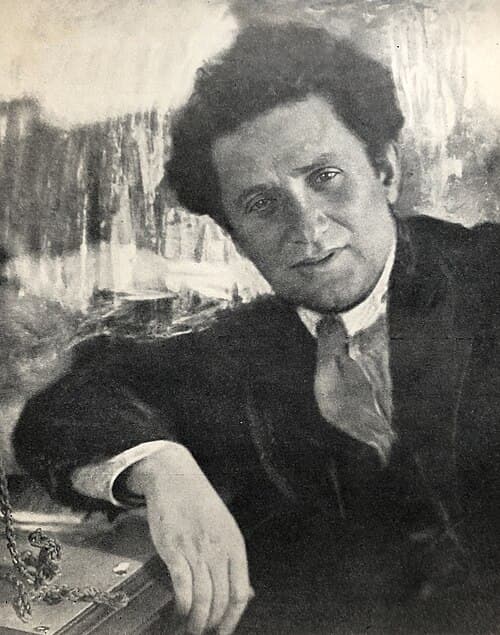
Grigory Zinoviev
PERSON
Name reference in documents
Hal R. Varian
PERSON
American economist
HA
Halbwachs
PERSON
Name reference in documents

Harvey Weinstein
PERSON
American film producer and sex offender (born 1952)
HE
Hegemann W. Ellwald
PERSON
Name reference in documents
HE
Heller
PERSON
Surname reference in Epstein-related documents
HM
Hen Malisos
PERSON
Name reference in documents
Henry David Thoreau
PERSON
Person referenced in documents
Henry Kissinger
PERSON • 2 mentions
American politician and diplomat (1923–2023)
Henry Thoreau
PERSON
Name reference in documents

Hermann Maas
PERSON
Name reference in documents

Hoiberg
PERSON
Name reference in documents
HH
Houghton Mifflin Harcourt
PERSON
Name reference in documents
JC
J. Cauz
PERSON
Name reference in documents
JG
J. Guldi
PERSON
Name reference in documents
JS
J. Sheidlower
PERSON
Name reference in documents
JS
James Smith
PERSON
British Royal Navy officer (fl. 1782-1848)

Jennifer Lopez
PERSON
American singer and actress (born 1969)

Jens Lehmann
PERSON
German association football player
Jeremy
PERSON
Ambiguous first name - refers to multiple people including Jeremy Rubin, Jeremy Stuffier, and others in Epstein documents
Jes Staley
PERSON
American banker, chief executive officer of Barclays
Jesse Owens
PERSON
American track and field athlete (1913–1980)
Jimmy Carter
PERSON
President of the United States from 1977 to 1981 (1924–2024)
JL
Joan L.
PERSON
Name reference in documents
Joe Jackson
PERSON
American entertainer (1912-1991)
Joe Namath
PERSON
American football player (born 1943)

Joel Horwich
PERSON
Name reference in documents
Johan Braakensiek
PERSON
Name reference in documents
John Brown
PERSON
Person referenced in documents

John F. Kennedy
PERSON
President of the United States from 1961 to 1963 (1917–1963)
JH
John Hertz
PERSON
Attorney, science fiction fan
John Howard Lawson
PERSON
Name reference in documents

John M.
PERSON
Name reference in documents
John Von Neumann
PERSON
Hungarian and American mathematician and physicist (1903–1957)

Jon Orwant
PERSON
Name reference in documents
Joseph CG
PERSON
Person referenced in documents
Joseph Heller
PERSON
American writer
Joseph P. Pickett
PERSON
Name reference in documents
Joseph Smith
PERSON
Person referenced in documents
K. Sen
PERSON
Name reference in documents
Kamenev
PERSON
Name reference in documents
KR
Kroch
PERSON
Name reference in documents
Lander
PERSON
Surname reference in Epstein-related documents

Larry Brilliant
PERSON
American physician and businessman

Larry R. Squire
PERSON
American psychologist
Leon Trotsky
PERSON
Name reference in documents
Lev Kamenev
PERSON
Name reference in documents
LC
Lewis A. Coser
PERSON
American sociologist

Lieberman
PERSON
Surname reference in Epstein-related documents
LI
Lieberson
PERSON
Name reference in documents
LY
Lyman
PERSON
Surname reference in documents
LB
Lynnette Brammer
PERSON
Name reference in documents
ML
M. Liberman
PERSON
Name reference in documents
M. Lopez
PERSON
Name reference in documents
MF
Marcus W. Feldman
PERSON
Australian-born American evolutionary biologist
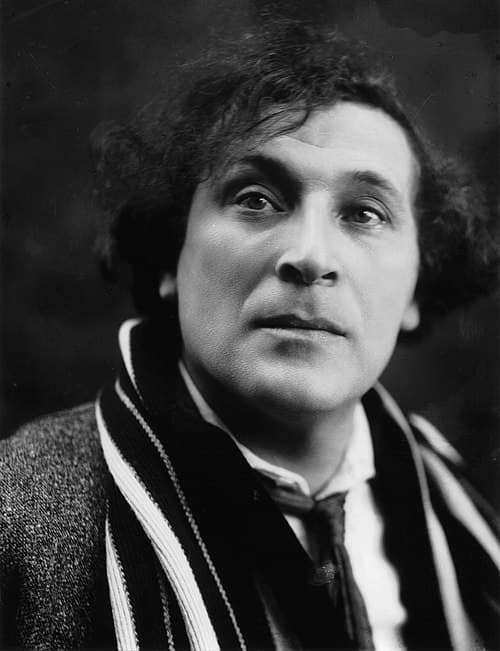
Mare Chagall
PERSON
Name reference in documents
Margaret Thatcher
PERSON
British stateswoman and prime minister (1925–2013)
Maria Callas
PERSON
American-Greek operatic soprano (1923-1977)
MF
Maria Farmer
PERSON
American visual artist

Marilyn Monroe
PERSON
American actress and model (1926–1962)
MS
Mark S. Smolinski
PERSON
Name reference in documents
Mark Twain
PERSON
American humorist and author, referenced in Epstein contact documents
Martin Nowak
PERSON • 2 mentions
Austrian scientist
Mary Moore
PERSON
Voice of the Bell System's speaking clock
Mary Shelley
PERSON
Name reference in documents
Mary Tyler Moore
PERSON
American actress and television producer (1936-2017)
MM
Matthew H. Mohebbi
PERSON
Name reference in documents
MK
Matthew K.
PERSON
English literature lecturer

Matthew K. Gray
PERSON
Name reference in documents

Maurice
PERSON
Ambiguous first name reference to multiple individuals in Epstein documents
MN
Max Nitsche
PERSON
Name reference in documents

Melinda Gates
PERSON
American philanthropist

Michael Bloomberg
PERSON
American businessman and politician; 108th Mayor of New York City
Michael Gorbachev
PERSON
Leader of the Soviet Union from 1985 to 1991 (1931–2022)
Michael Jordan
PERSON
American basketball player and businessman (born 1963)
MP
Michael Proffitt
PERSON
British editor

Mickey Mouse
PERSON
Person referenced in documents

Mike Tyson
PERSON
American boxer and media personality

Milner
PERSON
Surname reference in documents

Neil Armstrong
PERSON
American astronaut and lunar explorer (1930–2012)
NS
Nelly Sachs
PERSON
Name reference in documents
NI
Nigram
PERSON
Name reference in documents
NI
Niyogi
PERSON
Indian Hindu Brahmin subcaste
Norvig
PERSON
American computer scientist
Oliver Joseph Lodge
PERSON
Name reference in documents
Oliver Lodge
PERSON
Name reference in documents
OW
Onille Wright
PERSON
Name reference in documents
P. Bordalo
PERSON
Researcher
Pablo Picasso
PERSON
Spanish painter and sculptor (1881–1973)
PA
Partha
PERSON
Name reference in documents
Paul Newman
PERSON
American actor (1925–2008)
Paul Stefan
PERSON
Name reference in documents
Peter Norvig
PERSON
American computer scientist
Peter W. Guenther
PERSON
Name reference in documents
PB
Philip Babcock
PERSON
American lexicographer (1902–1972)
PO
Poepw
PERSON
Name reference in documents
Popat
PERSON
Name reference in documents

Prince Andrew
PERSON
Third child of Queen Elizabeth II and Prince Philip, Duke of Edinburgh (born 1960)
R. Darnton
PERSON
Name reference in documents
RN
R. Nagpal
PERSON
Name reference in documents
RP
Rajan S. Patel
PERSON
Name reference in documents
Raul Castro
PERSON
Former First Secretary of the Communist Party of Cuba
RS
Ray Smith
PERSON
Welsh actor (1936-1991)
Richard Cyganiak
PERSON
Name reference in documents

Richard Dawkins
PERSON
English ethologist, evolutionary biologist and author (born 1941)

Robert F. Kennedy Jr.
PERSON
American politician, environmental lawyer, anti-vaccine activist, and conspiracy theorist (born 1954)

Rupert Murdoch
PERSON • 2 mentions
Australian-American business magnate (born 1931)
SS
S. Shieber
PERSON
Name reference in documents
SA
Sabin
PERSON
Surname reference in documents
Samuel Ornitz
PERSON
Name reference in documents
SA
Sanjay
PERSON
Surname reference in documents
SA
Sauder
PERSON
Name reference in documents
Sebastian Hellmann
PERSON
American stand-up comedian and actor
SH
Shelley
PERSON
First name reference to multiple individuals in Epstein documents

Sherman
PERSON
Ambiguous surname - refers to multiple people in Epstein documents
SI
Simpson
PERSON
Surname reference in Epstein-related documents

Sofia Coppola
PERSON
American filmmaker and actress

Soren Auer
PERSON
Founder of OntoWiki
Sperber
PERSON
Surname or name fragment in documents
ST
Stephanie
PERSON
First name reference to multiple individuals including Stephanie Thacker and Stephanie from Peggy Siegal office

Steven Pinker
PERSON • 2 mentions
Canadian-American cognitive psychologist, linguist, and author, an advocate of evolutionary psychology and the computational theory of the mind
Steven Spielberg
PERSON
American filmmaker (born 1946)
TA
Taycher
PERSON
Name reference in documents
TF
The Pursuit of Fame
PERSON
Name reference in documents
Thomas Piketty
PERSON
French economist
TH
Thorsten
PERSON
Name reference in documents

Tina Tang
PERSON
Name reference in documents
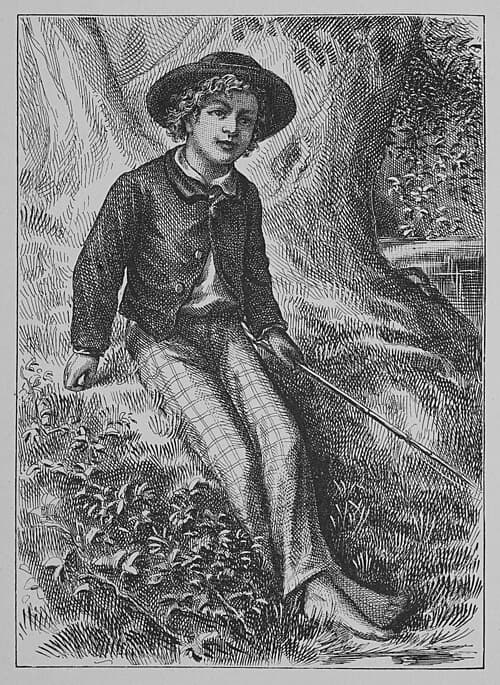
Tom Sawyer
PERSON
College basketball player (1960–1962) Montana State
TP
Tpoukni
PERSON
Name reference in documents
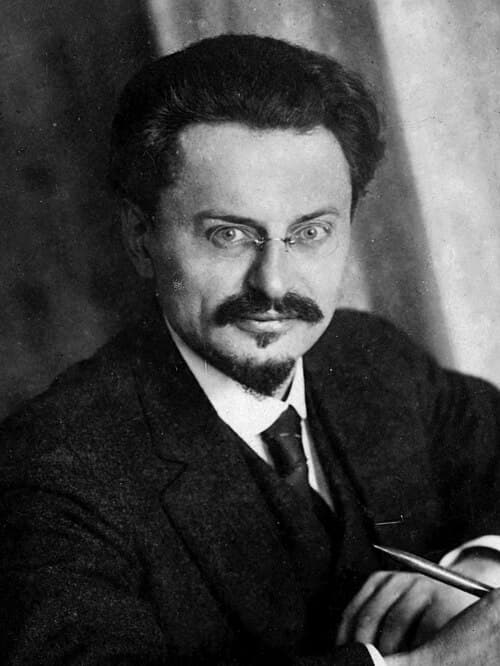
Trotsky
PERSON
Surname or name fragment in documents
Truman
PERSON
Surname reference in Epstein-related documents
Tyler Moore
PERSON
Baseball player
U. Alon
PERSON
Name reference in documents
VA
Vartan
PERSON
Name reference in documents
VA
Vashem
PERSON
Name reference in documents
Victor Frankenstein
PERSON
Name reference in documents
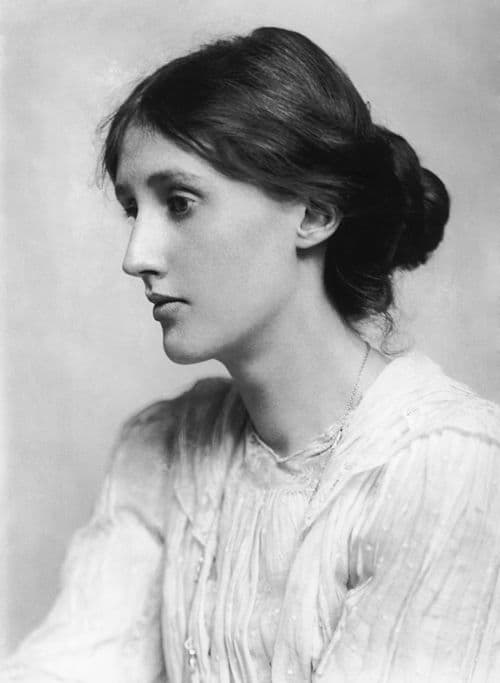
Virginia Woolf
PERSON
Person referenced in documents
W. Gilbert
PERSON
Author
WH
W. Hegemann
PERSON
Name reference in documents
W. Tre
PERSON
Name reference in documents
Wallace Stevens
PERSON
Person referenced in documents
Walter Gropius
PERSON
Name reference in documents

Wayne Gretzky
PERSON
Canadian ice hockey player and coach (born 1961)
WE
Webster
PERSON
Ambiguous surname reference in Epstein documents
WE
Werner
PERSON
Bishop of the Roman Catholic Church

William Johnson
PERSON
American businessman

Wolfgang
PERSON
First name reference to multiple individuals in Epstein-related documents
Wolfgang Hermann
PERSON
Scottish professional wrestler

Yuan Kui Shen
PERSON
Ph.D. Massachusetts Institute of Technology 2011
ZI
Zimmer
PERSON
Surname reference in documents
Zinoviev
PERSON
Surname reference in documents
ALICE'S
ORGANIZATION
Organization referenced in documents

Basic
ORGANIZATION
Programming language for beginners, mainly using familiar English words or abbreviations of them

Bauhaus
ORGANIZATION
Organization referenced in documents
Boersenblatt
ORGANIZATION
Organization referenced in documents
Book Industry Standards
ORGANIZATION
Organization referenced in documents

Britannica
ORGANIZATION
General knowledge English-language encyclopaedia, first published in Scotland in 1768
Broad Institute of Harvard
ORGANIZATION
Organization referenced in documents

Clarendon
ORGANIZATION
Typeface
CM. Hetrea
ORGANIZATION
Organization referenced in documents
DBPedia
ORGANIZATION
Organization referenced in documents
De lotgevallen van Tom
ORGANIZATION
Organization referenced in documents

Decitre
ORGANIZATION
Organization referenced in documents
Department of Systems Biology
ORGANIZATION
Organization referenced in documents
Dept of Organismic and Evolutionary
ORGANIZATION
Organization referenced in documents
ee News
ORGANIZATION
Organization referenced in documents
Encyclopaedia
ORGANIZATION
Organization referenced in documents
Encyclopaedia Britannica, Inc.
ORGANIZATION
Organization referenced in documents

Google
ORGANIZATION
American multinational technology company, a subsidiary of Alphabet Inc.
Google Book Search
ORGANIZATION
Organization referenced in documents
Google Books
ORGANIZATION
Search engine for books by Google
Google News Archive
ORGANIZATION
Organization referenced in documents

Harvard College
ORGANIZATION
Undergraduate college of Harvard University in Cambridge, Massachusetts

Harvard Medical School
ORGANIZATION
Medical school in Boston, Massachusetts
Hathi Trust Digital Library
ORGANIZATION
Organization referenced in documents
Hedrich
ORGANIZATION
Organization referenced in documents
Henri Matisse
ORGANIZATION
Organization referenced in documents
Historical N-grams Corpora
ORGANIZATION
Organization referenced in documents

Houghton Mifflin Co.
ORGANIZATION
Organization referenced in documents
Houghton Mifflin Pub.
ORGANIZATION
Organization referenced in documents
I TORONTO MORANG & CO.
ORGANIZATION
Organization referenced in documents
Institute for Quantitative Social
ORGANIZATION
Organization referenced in documents

Knopf
ORGANIZATION
Organization referenced in documents
Mein Kampf
ORGANIZATION
Organization referenced in documents

Merriam-Webster
ORGANIZATION
Organization referenced in documents
Merriam-Webster’s Medical Dictionary
ORGANIZATION
Organization referenced in documents
Metadata
ORGANIZATION
Organization referenced in documents
ORANGE COUNTY MUSEUM OF ART
ORGANIZATION
Organization referenced in documents
Overview
ORGANIZATION
Organization referenced in documents
Parthas
ORGANIZATION
Organization referenced in documents

Princeton University
ORGANIZATION
Private Ivy League research university in Princeton, New Jersey
Roberto Cavalli
ORGANIZATION
Fashion designer brand
S. Eismann
ORGANIZATION
Organization referenced in documents
School of Engineering and Applied Sciences
ORGANIZATION
Organization referenced in documents
Science Express
ORGANIZATION
Organization referenced in documents
the Department of Psychology
ORGANIZATION
Organization referenced in documents
the Foundational Questions in Evolutionary Biology Fund
ORGANIZATION
Organization referenced in documents

the Hollywood Reporter
ORGANIZATION
Organization referenced in documents
the MIT Computer Science and Artificial Intelligence
ORGANIZATION
Organization referenced in documents

the New York Public Library
ORGANIZATION
Organization referenced in documents
the Program for Evolutionary Dynamics
ORGANIZATION
Organization referenced in documents
the Templeton Foundation
ORGANIZATION
Organization referenced in documents
the Third Reich
ORGANIZATION
Organization referenced in documents

the University of Chicago
ORGANIZATION
University in Chicago

the University of Michigan
ORGANIZATION
University
Transactions of the American Mathematical Society
ORGANIZATION
Organization referenced in documents
Ullstein
ORGANIZATION
Organization referenced in documents
Ullstein Verlag
ORGANIZATION
Organization referenced in documents

US Government
ORGANIZATION
Government agency

Viking
ORGANIZATION
Organization referenced in documents
Vintage
ORGANIZATION
Process of yielding grapes or wine during one season
Visual Eyes
ORGANIZATION
Organization referenced in documents

Yad Vashem
ORGANIZATION
Israel's official memorial to the Jewish victims of the Holocaust
Ashok
LOCATION
Actor
Atlanta
LOCATION
Capital city of Georgia, United States

Barcelona
LOCATION
Multisports club in Barcelona, Spain

Belarus
LOCATION
Country in Eastern Europe
Berkeley
LOCATION
City in Alameda County, California, United States
Burkina Faso’
LOCATION
Sovereign state in Africa
Byelorussia
LOCATION
Country in Eastern Europe

Cambodia
LOCATION
Country in Southeast Asia
Cambridge
LOCATION
Collegiate public research university in Cambridge, England, United Kingdom
Ceylon
LOCATION
Location referenced in documents
Dover
LOCATION
Town and major ferry port in Kent, South East England

Europe
LOCATION
Continent in the Northern Hemisphere
Frankfurt
LOCATION
City in Hesse, Germany
Kampuchea/Cambodia
LOCATION
Country in Southeast Asia
Leipzig
LOCATION
Largest city in Saxony, Germany
Mountain View
LOCATION
City in Santa Clara County, California, United States

North
LOCATION
1994 comedy film by Rob Reiner
Norther
LOCATION
Finnish melodic death metal band
Santa Cruz
LOCATION
City in eastern Bolivia

Springfield
LOCATION
County seat of Hampden County, Massachusetts, United States

Sri Lanka/Ceylon
LOCATION
Island country in South Asia

United States
LOCATION
Country located primarily in North America
Statistics
Pages:64
Entities:310
Avg. OCR:88.3%
Sponsored