Back to Network















5
Shared Docs
5
Same-Page
5 / 5
Mentions
Document Mentions (5 shared documents)
2 mentions1 same-page
Page ?Same page
s of the GCC, held in Riyadh last weekend, has supposedly endorsed the Qatari nomination. It is worth noting that all former Secretaries-General of the Arab League have been Egyptians, with the exception of Mr. Chedli Klibi of Tunisia, who assumed the post after the League's headquarters were moved to Tunis upo
of Minister al-Arabi came after two important decisions were taken by the new ruling Military Council: (1) it allowed two Iranian warships to cross the Suez Canal on their way to Syria; and (2) it permitted Hamas officials to travel though Rafah's crossing, thus reversing President Mubarak's policy on this iss
2 mentions1 same-page
Page ?Same page
s with Iran. The two countries began to consider the resumption of direct flights between the two nations after 32 years. Also in 2010, the head of the Arab League, Amr Moussa, urged member countries to acknowledge the new geopolitical realities in the region: namely, the rise of non-Arab countries such as Tu
n by peaceful relations -- or less tense relations -- with Iran." Just weeks after the downfall of Mubarak, Egypt allowed Iranian warships to cross the Suez Canal, provoking uproar among Israelis and even Americans. In succeeding months, the diplomatic flirtation between the two countries took an even more i
2 mentions1 same-page
Page ?Same page
Hafez committed cruelties of his own, but he always managed to remain within the Arab fold. Bashar is different -- reckless -- and has prompted even the Arab League, which has a history of overlooking the follies of its members, to suspend Damascus' membership. The fight still rages, Aleppo and Damascus have n
d by prosperity stemming from the "devout bourgeoisie" in the Anatolian hill towns. Egypt lies at the crossroads of the world, living off tourism, the Suez Canal, infusions of foreign aid, and remittances from Egyptians abroad. Virtue must bow to necessity: in the last year, the country's foreign reserves d
Sponsored
2 mentions1 same-page
Page ?Same page
e international action, and many years, finally to defeat. A Saudi “peace plan’, for instance, has been on the table for years. Formally endorsed by the Arab League, it proposes a swap: Israeli withdrawal for full and final peace and Arab recognition. Successive Israeli governments have dismissed it out of hand,
but arming and training them and helping organize cross-border attacks. Then, in 38 HOUSE_OVERSIGHT_011509 the summer of 1956, Nasser nationalized the Suez Canal, which had been owned by the British and French. Ben-Gurion was emboldened to go war by the fact that both Britain and France wanted to retake the c
2 mentions1 same-page
Page ?Same page
e international action, and many years, finally to defeat. A Saudi “peace plan’, for instance, has been on the table for years. Formally endorsed by the Arab League, it proposes a swap: Israeli withdrawal for full and final peace and Arab recognition. Successive Israeli governments have dismissed it out of hand,
but arming and training them and helping organize cross-border attacks. Then, in 38 HOUSE_OVERSIGHT_027886 the summer of 1956, Nasser nationalized the Suez Canal, which had been owned by the British and French. Ben-Gurion was emboldened to go war by the fact that both Britain and France wanted to retake the c
Sponsored
Mutual Connections (491)
Entities connected to both the Arab League and the Suez Canal
Barack Obama
PERSON42 w/ the·15 w/ the
Hosni Mubarak
PERSON34 w/ the·20 w/ the
Bashar al-Assad
PERSON33 w/ the·17 w/ the
Cairo
LOCATION33 w/ the·14 w/ the
Benjamin Netanyahu
PERSON32 w/ the·14 w/ the
United States
LOCATION30 w/ the·15 w/ the
Bill Clinton
PERSON31 w/ the·13 w/ the
Lebanon
LOCATION25 w/ the·18 w/ the
Damascus
LOCATION27 w/ the·15 w/ the
George W. Bush
PERSON24 w/ the·16 w/ the
Tunisia
LOCATION26 w/ the·13 w/ the
Yemen
LOCATION26 w/ the·9 w/ the
Tehran
LOCATION24 w/ the·9 w/ the
Saddam Hussein
PERSON18 w/ the·14 w/ the
Fatah
ORGANIZATION20 w/ the·11 w/ the
Hillary Clinton
PERSON24 w/ the·6 w/ the
Middle East
LOCATION15 w/ the·14 w/ the
Sinai
LOCATION16 w/ the·12 w/ the
Beirut
LOCATION18 w/ the·10 w/ the
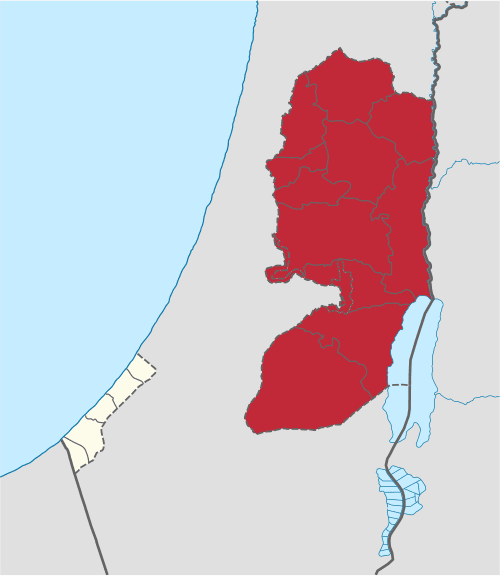
West Bank
LOCATION16 w/ the·9 w/ the