Back to Network







6
Shared Docs
6
Same-Page
8 / 8
Mentions
Document Mentions (6 shared documents)
3 mentions1 same-page
Page ?Same page
ld War Two-vintage halftracks. Our training battalion was based, alongside the country’s main armored brigade, in a huge, hillside army camp outside Beersheva in the Negev. I knew that our fironut — basic training — would be tough. That was the whole point. But we endured a seemingly endless array of inspec
did, it had to be a step up from what lay ahead of me in the Negev. “Yeah. Sure,” I replied. I heard nothing further in the days after I got back to Beersheva. But at the end of the month, I was ordered to report to a small hut in an army base near Tel Aviv. It belonged to Maka Esser, the personnel departme
ill, in order to secure, establish and safeguard our state. Yet even as a small child, I was keenly aware of the historic events swirling around me. Mishmar Hasharon, the hamlet north of Tel Aviv where I spent the first 17 years of my life, was one of the early kibbutzim. These collective farming settlements had t
3 mentions1 same-page
Page ?Same page
avy losses. Go see Tzipori.” Motke Tzipori was in charge of organizing the armored units. He sent me to Julis, the training base between Tel Aviv and Beersheva, where tanks from maintenance units around the country were being brought. Once they were reasonably operational, and as more reservists arrived from
o Cairo. Giora Zorea, who, like me, had come up through the unit and was one of our most experienced team leaders. And Danny Yatom. Born not far from Mishmar Hasharon, but a city boy, from Netanya, he was smart, level-headed and a sure-handed organizer, and with whom I’d somehow clicked from time he arrived in the
marshals. One in particular raised my confidence. I knew Mordechai Rachamim well from the sayeret. He was a Yemeni Jew from Elyakhin, the moshav near Mishmar Hasharon where Baddura and the other Yemeni workers lived. He was tall, strong and athletic, naturally agile and quick to respond in situations of danger. He
3 mentions1 same-page
Page ?Same page
ld War Two-vintage halftracks. Our training battalion was based, alongside the country’s main armored brigade, in a huge, hillside army camp outside Beersheva in the Negev. I knew that our fironut — basic training — would be tough. That was the whole point. But we endured a seemingly endless array of inspec
did, it had to be a step up from what lay ahead of me in the Negev. “Yeah. Sure,” I replied. I heard nothing further in the days after I got back to Beersheva. But at the end of the month, I was ordered to report to a small hut in an army base near Tel Aviv. It belonged to Maka Esser, the personnel departme
ill, in order to secure, establish and safeguard our state. Yet even as a small child, I was keenly aware of the historic events swirling around me. Mishmar Hasharon, the hamlet north of Tel Aviv where I spent the first 17 years of my life, was one of the early kibbutzim. These collective farming settlements had t
Sponsored
3 mentions1 same-page
Page ?Same page
avy losses. Go see Tzipori." Motke Tzipori was in charge of organizing the armored units. He sent me to Julis, the training base between Tel Aviv and Beersheva, where tanks from maintenance units around the country were being brought. Once they were reasonably operational, and as more reservists arrived from
o Cairo. Giora Zorea, who, like me, had come up through the unit and was one of our most experienced team leaders. And Danny Yatom. Born not far from Mishmar Hasharon, but a city boy, from Netanya, he was smart, level-headed and a sure-handed organizer, and with whom I'd somehow clicked from time he arrived in the
marshals. One in particular raised my confidence. I knew Mordechai Rachamim well from the sayeret. He was a Yemeni Jew from Elyakhin, the moshav near Mishmar Hasharon where Baddura and the other Yemeni workers lived. He was tall, strong and athletic, naturally agile and quick to respond in situations of danger. He
2 mentions1 same-page
Page ?Same page
sed. After 316 HOUSE_OVERSIGHT_011787 / BARAK / 31 Nava and I voted, we attended an event for Labor supporters north of Tel Aviv, before flying to Beersheva to spend the final hours in the Negev. I’d arranged for Shlomo Ben-Ami to go to Kiryat Shmona in the north — emphasizing, as throughout the campaign,
couldn’t resist joking that I just wanted to be close to our voters. Likud supporters were about as rare in Kfar Shmaryahu as panhandlers. Along with Mishmar Hasharon, it was the only place where I'd polled over 80 percent even in my loss to Sharon. Israel had changed dramatically from the kibbutz-centered pioneer
2 mentions1 same-page
Page ?Same page
osed. After 316 HOUSE _OVERSIGHT_028164 / BARAK / 31 Nava and I voted, we attended an event for Labor supporters north of Tel Aviv, before flying to Beersheva to spend the final hours in the Negev. I'd arranged for Shlomo Ben-Ami to go to Kiryat Shmona in the north - emphasizing, as throughout the campaign,
couldn't resist joking that I just wanted to be close to our voters. Likud supporters were about as rare in Kfar Shmaryahu as panhandlers. Along with Mishmar Hasharon, it was the only place where I'd polled over 80 percent even in my loss to Sharon. Israel had changed dramatically from the kibbutz-centered pioneer
Sponsored
Mutual Connections (750)
Entities connected to both Beersheva and Mishmar Hasharon
Bibi Netanyahu
PERSON6 w/ Beersheva·6 w/ Mishmar
the West Bank
LOCATION6 w/ Beersheva·6 w/ Mishmar
SH
Shlomo
PERSON6 w/ Beersheva·6 w/ Mishmar
Likud
ORGANIZATION6 w/ Beersheva·6 w/ Mishmar
the State of Israel
LOCATION6 w/ Beersheva·6 w/ Mishmar
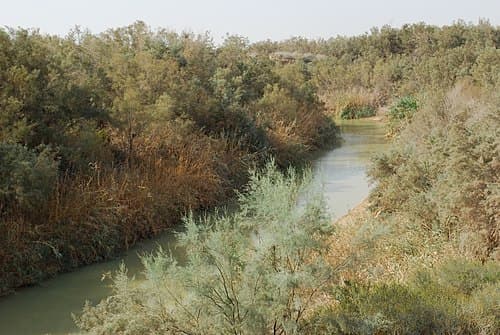
the Jordan River
LOCATION6 w/ Beersheva·6 w/ Mishmar
Mediterranean
LOCATION6 w/ Beersheva·6 w/ Mishmar
SH
Sharon
PERSON6 w/ Beersheva·6 w/ Mishmar
Fatah
ORGANIZATION6 w/ Beersheva·6 w/ Mishmar
Lebanon
LOCATION6 w/ Beersheva·6 w/ Mishmar
Benjamin Netanyahu
PERSON6 w/ Beersheva·6 w/ Mishmar
Rabin
PERSON6 w/ Beersheva·6 w/ Mishmar
Sinai
LOCATION6 w/ Beersheva·6 w/ Mishmar
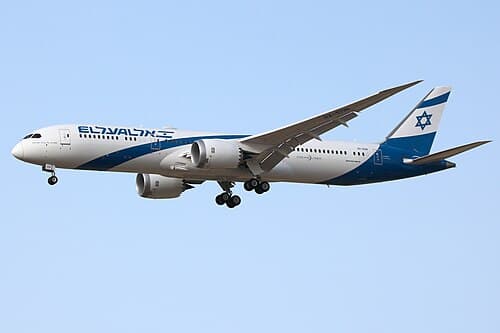
El Al
ORGANIZATION6 w/ Beersheva·6 w/ Mishmar
Michael Cohen
PERSON6 w/ Beersheva·6 w/ Mishmar
Ehud Barak
PERSON6 w/ Beersheva·6 w/ Mishmar
Yasser Arafat
PERSON6 w/ Beersheva·6 w/ Mishmar
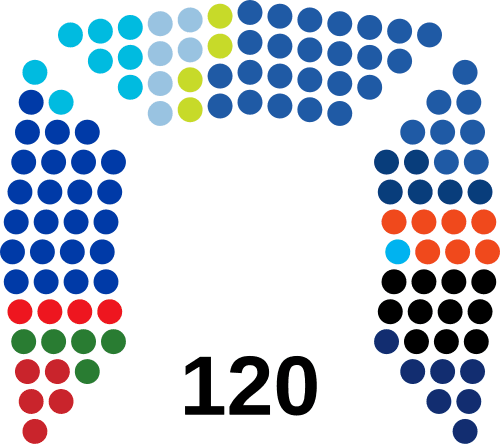
Knesset
ORGANIZATION6 w/ Beersheva·6 w/ Mishmar
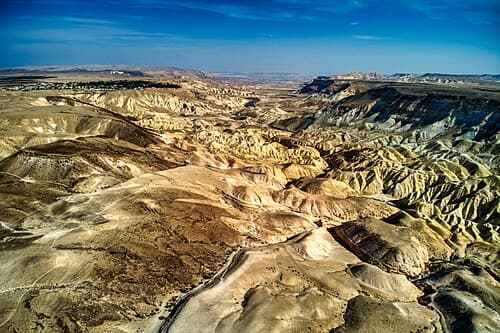
Negev
LOCATION6 w/ Beersheva·6 w/ Mishmar
Haifa
LOCATION6 w/ Beersheva·6 w/ Mishmar