Back to Network




5
Shared Docs
4
Same-Page
5 / 5
Mentions
Document Mentions (5 shared documents)
2 mentions1 same-page
Page ?Same page
aratus—continues to show a semblance of stability, the country is likely to face long- term instability in the form of isolated terrorist campaigns. Tunisia: Tunisia's rival political parties have set themselves a January 14th deadline to adopt a new constitution (the third anniversary of the Tunisian re
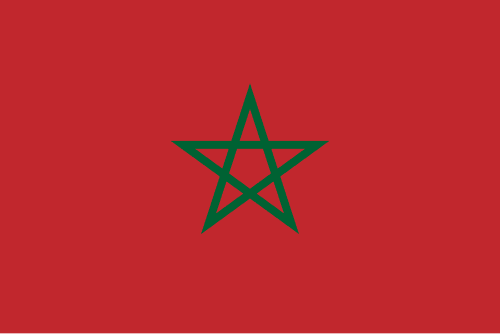
ing nuclear-related sanctions in November 2011. Morocco and Qatar: Emir Tamim bin Hamad Al Thani paid a visit to Morocco and held meetings with King Mohammed VI and the elected government just before the new year. This visit brought together two of the Middle East's youngest leaders: Sheikh Tamim is in his
2 mentions1 same-page
Page ?Same page
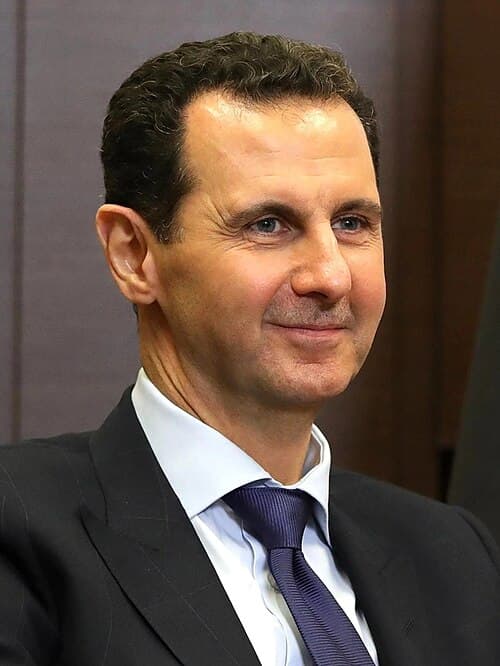
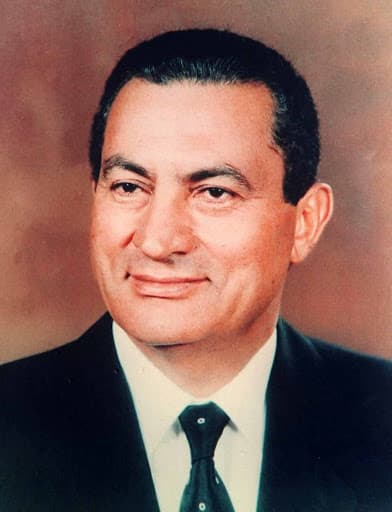
e through offspring: sons who had not risen through the military or other bureaucracies, and thus had no legitimacy. Marcus Aurelius was one thing; Tunisia's Zine el- Abidine Ben Ali, Egypt's Hosni Mubarak and Syria's Bashar al- Assad, quite another. Certainly, the Arab Spring has proved much: that ther
the Middle East, monarchy has found a way over the decades and centuries to engender a political legitimacy of its own, allowing leaders like King Mohammed VI in Morocco, King Abdullah in Jordan and Sultan Qaboos bin Said in Oman to grant their subjects a wide berth of individual liberties without fear of
2 mentions1 same-page
Page ?Same page
discredited for having collaborated with the Mubarak regime — dozens of organisations have been legalised or are in the process of being so. As in Tunisia, it is hard to know how much influence each of these parties has. There are many organisations with liberal, secular leanings, such as the social
cisive trend than piquancy as a defining moment in the endangered history of Arab royalties. The most effective monarchical coping comes from King Mohammed VI of Morocco, who from the beginning of his reign in 1999 has tried to anticipate the people's needs, liberalizing the family code and rights for wom
Sponsored
2 mentions1 same-page
Page ?Same page
amists in government," Danin says. In Egypt, the Muslim Brotherhood's Freedom and Justice Party now controls roughly 45% of parliamentary seats. In Tunisia, recent elections propelled Islamists to the top. Carnegie's Ottaway says it is "inevitable" that the Muslim Brotherhood will become major players
what happened in Morocco as well," says Marina Ottaway of the Carnegie Endowment for International Peace about the North African nation whose King Mohammed VI retained control after implementing reforms last year. Analysts say the situation in Jordan is shakier than it seems. "In the short term, things a
Page HOUSE_OVERSIGHT_032194
ule through offspring: sons who had not risen through the military or other bureaucracies, and thus had no legitimacy. Marcus Aurelius was one thing; Tunisia's Zine el- Abidine Ben Ali, Egypt's Hosni Mubarak and Syria's Bashar al- Assad, quite another. Certainly, the Arab Spring has proved much: that there
Page: HOUSE_OVERSIGHT_032194 →Page HOUSE_OVERSIGHT_032196
in the Middle East, monarchy has found a way over the decades and centuries to engender a political legitimacy of its own, allowing leaders like King Mohammed VI in Morocco, King Abdullah in Jordan and Sultan Qaboos bin Said in Oman to grant their subjects a wide berth of individual liberties without fear of b
Page: HOUSE_OVERSIGHT_032196 →Sponsored
Mutual Connections (154)
Entities connected to both Tunisia and Mohammed VI
Barack Obama
PERSON120 w/ Tunisia·6 w/ Mohammed
Bashar al-Assad
PERSON112 w/ Tunisia·6 w/ Mohammed
United States
LOCATION97 w/ Tunisia·3 w/ Mohammed
Lebanon
LOCATION95 w/ Tunisia·5 w/ Mohammed
Hosni Mubarak
PERSON89 w/ Tunisia·4 w/ Mohammed
George W. Bush
PERSON84 w/ Tunisia·5 w/ Mohammed
Yemen
LOCATION82 w/ Tunisia·6 w/ Mohammed
Damascus
LOCATION82 w/ Tunisia·3 w/ Mohammed
Tehran
LOCATION77 w/ Tunisia·6 w/ Mohammed
Cairo
LOCATION78 w/ Tunisia·4 w/ Mohammed
Bill Clinton
PERSON76 w/ Tunisia·4 w/ Mohammed
Marc Rich
PERSON73 w/ Tunisia·4 w/ Mohammed
Morocco
LOCATION67 w/ Tunisia·8 w/ Mohammed
Terje Rod-Larsen
PERSON64 w/ Tunisia·4 w/ Mohammed
Saddam Hussein
PERSON65 w/ Tunisia·2 w/ Mohammed
Middle East
LOCATION64 w/ Tunisia·3 w/ Mohammed
Fatah
ORGANIZATION56 w/ Tunisia·4 w/ Mohammed
Hillary Clinton
PERSON56 w/ Tunisia·4 w/ Mohammed
Bahrain
LOCATION56 w/ Tunisia·3 w/ Mohammed
Jerusalem
LOCATION50 w/ Tunisia·4 w/ Mohammed