Back to Network




















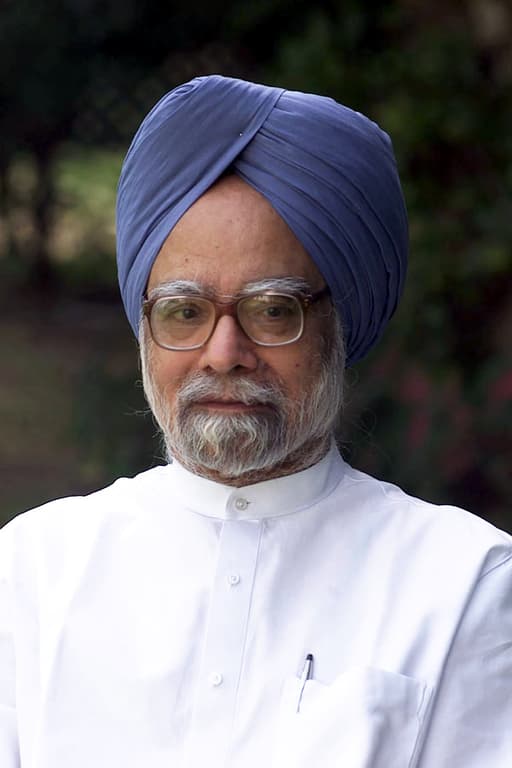
5
Shared Docs
5
Same-Page
5 / 5
Mentions
Document Mentions (5 shared documents)
2 mentions1 same-page
Page ?Same page
an and Morocco. The new regional order aligned Arab royal regimes in a cluster that left out countries experiencing uprisings (Egypt, Libya, Syria, Tunisia and Yemen) or facing instability (Iraq, Somalia and Sudan) or extreme poverty (Djibouti and Mauritania) -- hardly a winning hand. Enter the Palest
y off its obsession with India and jihad are well known. A concerted effort to end the Indo-Pakistani conflict is essential. Indian Prime Minister Manmohan Singh, despite Mumbai, is trying to do just that. But it is a hard challenge. Talks to resolve the relatively simple issue of the disputed Siachen Glacie
2 mentions1 same-page
Page ?Same page
an and Morocco. The new regional order aligned Arab royal regimes in a cluster that left out countries experiencing uprisings (Egypt, Libya, Syria, Tunisia and Yemen) or facing instability (Iraq, Somalia and Sudan) or extreme poverty (Djibouti and Mauritania) -- hardly a winning hand. Enter the Palest
y off its obsession with India and jihad are well known. A concerted effort to end the Indo-Pakistani conflict is essential. Indian Prime Minister Manmohan Singh, despite Mumbai, is trying to do just that. But it is a hard challenge. Talks to resolve the relatively simple issue of the disputed Siachen Glacie
2 mentions1 same-page
Page ?Same page
an and Morocco. The new regional order aligned Arab royal regimes in a cluster that left out countries experiencing uprisings (Egypt, Libya, Syria, Tunisia and Yemen) or facing instability (Iraq, Somalia and Sudan) or extreme poverty (Djibouti and Mauritania) -- hardly a winning hand. Enter the Palest
y off its obsession with India and jihad are well known. A concerted effort to end the Indo-Pakistani conflict is essential. Indian Prime Minister Manmohan Singh, despite Mumbai, is trying to do just that. But it is a hard challenge. Talks to resolve the relatively simple issue of the disputed Siachen Glacie
Sponsored
2 mentions1 same-page
Page ?Same page
al shift toward re-imagining a wider Muslim polity (no one for now is suggesting dissolving their own nation-states, although the prime minister of Tunisia has suggested he anticipates the beginning of the Fourth Caliphate) holds important implications for the Palestinian-Israeli conflict too. Over re
. The real picture of dogged progress is far removed from the perception of a government beset by inaction and policy paralysis. As Prime Minister Manmohan Singh modestly put it: "I will be the first to say we need to do better. But let no one doubt that we have achieved much." Shashi Tharoor, a member of I
2 mentions1 same-page
Page ?Same page
an and Morocco. The new regional order aligned Arab royal regimes in a cluster that left out countries experiencing uprisings (Egypt, Libya, Syria, Tunisia and Yemen) or facing instability (Iraq, Somalia and Sudan) or extreme poverty (Djibouti and Mauritania) -- hardly a winning hand. Enter the Palest
y off its obsession with India and jihad are well known. A concerted effort to end the Indo-Pakistani conflict is essential. Indian Prime Minister Manmohan Singh, despite Mumbai, is trying to do just that. But it is a hard challenge. Talks to resolve the relatively simple issue of the disputed Siachen Glacie
Sponsored
Mutual Connections (183)
Entities connected to both Tunisia and Manmohan Singh
Barack Obama
PERSON120 w/ Tunisia·7 w/ Manmohan
Bashar al-Assad
PERSON112 w/ Tunisia·6 w/ Manmohan
United States
LOCATION97 w/ Tunisia·6 w/ Manmohan
Lebanon
LOCATION95 w/ Tunisia·6 w/ Manmohan
Hosni Mubarak
PERSON89 w/ Tunisia·5 w/ Manmohan
George W. Bush
PERSON84 w/ Tunisia·7 w/ Manmohan
Yemen
LOCATION82 w/ Tunisia·5 w/ Manmohan
Damascus
LOCATION82 w/ Tunisia·5 w/ Manmohan
Cairo
LOCATION78 w/ Tunisia·5 w/ Manmohan
Tehran
LOCATION77 w/ Tunisia·6 w/ Manmohan
Bill Clinton
PERSON76 w/ Tunisia·5 w/ Manmohan
Benjamin Netanyahu
PERSON72 w/ Tunisia·4 w/ Manmohan
Morocco
LOCATION67 w/ Tunisia·4 w/ Manmohan
Saddam Hussein
PERSON65 w/ Tunisia·2 w/ Manmohan
Terje Rod-Larsen
PERSON64 w/ Tunisia·2 w/ Manmohan
Bahrain
LOCATION56 w/ Tunisia·5 w/ Manmohan
Hillary Clinton
PERSON56 w/ Tunisia·5 w/ Manmohan
Fatah
ORGANIZATION56 w/ Tunisia·4 w/ Manmohan
al-Qaeda
ORGANIZATION43 w/ Tunisia·4 w/ Manmohan
Jeffrey Epstein
PERSON42 w/ Tunisia·2 w/ Manmohan