Back to Network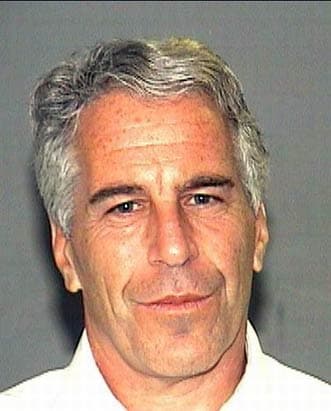



9
Shared Docs
8
Same-Page
9 / 13
Mentions
Document Mentions (9 shared documents)
3 mentions1 same-page
Page ?Same page
ce, we would only very occasionally get verbatim transcripts of his conversations as he brought first the Saudis and other Gulf states on board, then Morocco, and eventually even Syria. More often, I’d see the President’s deft diplomacy second-hand, through intercepts of Arab leaders’ communications with o
our position was that, assuming all our own negotiating concerns were addressed, we accepted that peace with Syria would include withdrawing from the Golan. The formula was agreed in a meeting in Israel between Rabin and the Clinton Administration’s Middle East negotiator, Dennis Ross. Rabin didn’t tell
or the promise, or maybe only the hope, of peace. It was the same problem Yitzhak had faced over the Americans’ misuse of our “pocket deposit” on the Golan. I realized that, having come this far with Oslo, neither he nor the government was likely to back away from approving the Gaza-Jericho accord. But h
3 mentions1 same-page
Page ?Same page
nning and zoning, and law- enforcement. For the mosques on the Temple Mount, I proposed a shared custodianship to include the new state of Palestine, Morocco and the chair of the Higher Islamic Commission in Jerusalem. I also agreed to consider Palestinian sovereignty over both the Muslim and Christian qua
Bibi what successive Israeli leaders had learned: a deal might be possible, but only if Israel was willing to commit in advance to pulling out of the Golan. Assad told Lauder to come back to him with a detailed map setting out Bibi’s view on delineating the Israeli-Syrian border under a peace agreement.
outbursts, and they won’t do you any good.” He challenged Bibi to just “look me in the eye” and admit what he really thought about the future of the Golan. The media verdict was unanimous. Mordechai had won. Which meant I had won. Though my American and British brains’ trust had little input into our d
3 mentions1 same-page
Page ?Same page
ce, we would only very occasionally get verbatim transcripts of his conversations as he brought first the Saudis and other Gulf states on board, then Morocco, and eventually even Syria. More often, I'd see the President's deft diplomacy second-hand, through intercepts of Arab leaders' communications with o
our position was that, assuming all our own negotiating concerns were addressed, we accepted that peace with Syria would include withdrawing from the Golan. The formula was agreed in a meeting in Israel between Rabin and the Clinton Administration's Middle East negotiator, Dennis Ross. Rabin didn't tell
or the promise, or maybe only the hope, of peace. It was the same problem Yitzhak had faced over the Americans' misuse of our "pocket deposit" on the Golan. I realized that, having come this far with Oslo, neither he nor the government was likely to back away from approving the Gaza-Jericho accord But he
Sponsored
3 mentions1 same-page
Page ?Same page
nning and zoning, and law- enforcement. For the mosques on the Temple Mount, I proposed a shared custodianship to include the new state of Palestine, Morocco and the chair of the Higher Islamic Commission in Jerusalem. I also agreed to consider Palestinian sovereignty over both the Muslim and Christian qua
Bibi what successive Israeli leaders had learned: a deal might be possible, but only if Israel was willing to commit in advance to pulling out of the Golan. Assad told Lauder to come back to him with a detailed map setting out Bibi's view on delineating the Israeli-Syrian border under a peace agreement.
outbursts, and they won't do you any good." He challenged Bibi to just "look me in the eye" and admit what he really thought about the future of the Golan. The media verdict was unanimous. Mordechai had won. Which meant I had won. Though my American and British brains' trust had little input into our da
2 mentions1 same-page
Page ?Same page
s long funded Hamas and Hezbollah; recently, its scope of attempted interference has broadened to include the affairs of Arab states from Yemen to Morocco. This month the chief of staff of Iran's armed forces, Gen. Hasan Firouzabadi, harshly criticized Riyadh over its intervention in Bahrain, claiming
ld necessarily be a clean break in those relationships: an end to the Syrian alliance with Hezbollah and Iran. Otherwise Israel would be giving the Golan, in effect, to Iran—a suicidal act. No Israeli government would do it, which suggests that negotiations with Assad would have no purpose. Assad ma
2 mentions1 same-page
Page ?Same page
her West African countries and some non-African states. Core countries from the Sahel-Sahara region—including Algeria, Mauritania, Chad, Libya, and Morocco—also attended the Abuja summit. Algeria, Egypt, and Mauritania continued to express reservations about a military intervention, raising concerns abo
t of Patriot missiles. In a new development, the crisis has now hit the occupied Golan Heights. After a number of stray mortar shells landed in the Golan in the past week, Israeli tanks struck a Syrian artillery launcher on November le. This development reinforces the view that the Syrian government
Sponsored
2 mentions1 same-page
Page ?Same page
ews fled into Israel from Arab countries where they had lived for generations. More than 100,000 arrived from Iraq, and several hundred thousand from Morocco, Tunisia and Algeria in north Africa. Immediately after the war, about 50,000 were airlifted out of Yemen, where they had endured violent attacks eve
Syria. The special technology unit attached to military intelligence had developed a bugging device designed to be placed on a telephone pole on the Golan. The task of installing it was given to the most decorated, and respected, commando unit in the army: Company A in Sharon’s paratroop battalion, led
2 mentions1 same-page
Page ?Same page
ews fled into Israel from Arab countries where they had lived for generations. More than 100,000 arrived from Iraq, and several hundred thousand from Morocco, Tunisia and Algeria in north Africa. Immediately after the war, about 50,000 were airlifted out of Yemen, where they had endured violent attacks eve
Syria. The special technology unit attached to military intelligence had developed a bugging device designed to be placed on a telephone pole on the Golan. The task of installing it was given to the most decorated, and respected, commando unit in the army: Company A in Sharon’s paratroop battalion, led
Page HOUSE_OVERSIGHT_031837
ould necessarily be a clean break in those relationships: an end to the Syrian alliance with Hezbollah and Iran. Otherwise Israel would be giving the Golan, in effect, to Iran—a suicidal act. No Israeli government would do it, which suggests that negotiations with Assad would have no purpose. Assad may i
Page: HOUSE_OVERSIGHT_031837 →Page HOUSE_OVERSIGHT_031845
has long funded Hamas and Hezbollah; recently, its scope of attempted interference has broadened to include the affairs of Arab states from Yemen to Morocco. This month the chief of staff of Iran's armed forces, Gen. Hasan Firouzabadi, harshly criticized Riyadh over its intervention in Bahrain, claiming t
Page: HOUSE_OVERSIGHT_031845 →Sponsored
Mutual Connections (1,050)
Entities connected to both Morocco and Golan
Jeffrey Epstein
PERSON537 w/ Morocco·22 w/ Golan
Karyna Shuliak
PERSON155 w/ Morocco·2 w/ Golan
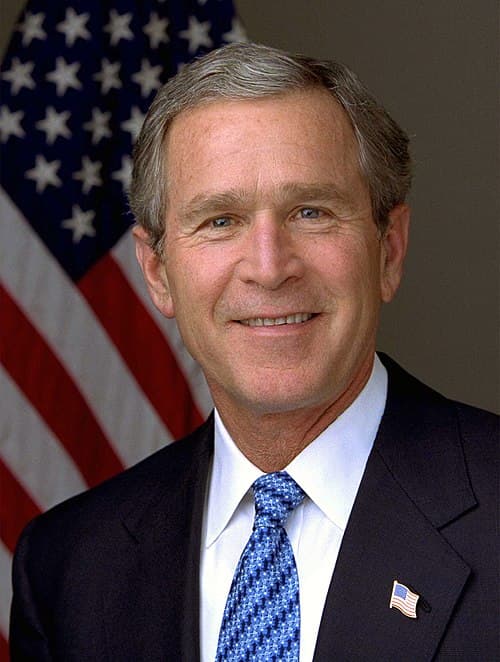
George W. Bush
PERSON95 w/ Morocco·22 w/ Golan
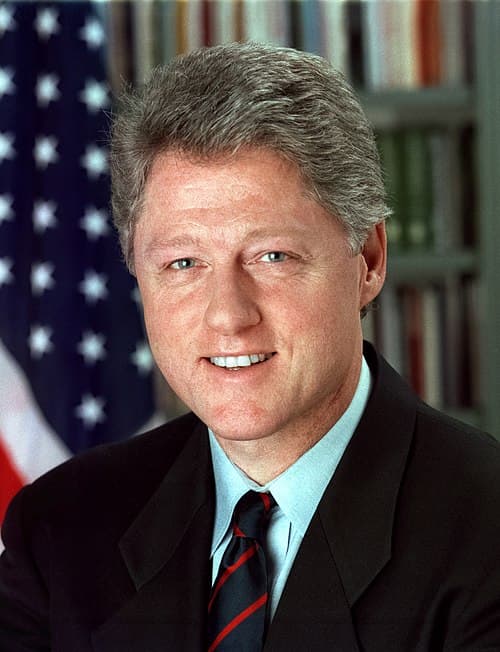
Bill Clinton
PERSON85 w/ Morocco·31 w/ Golan
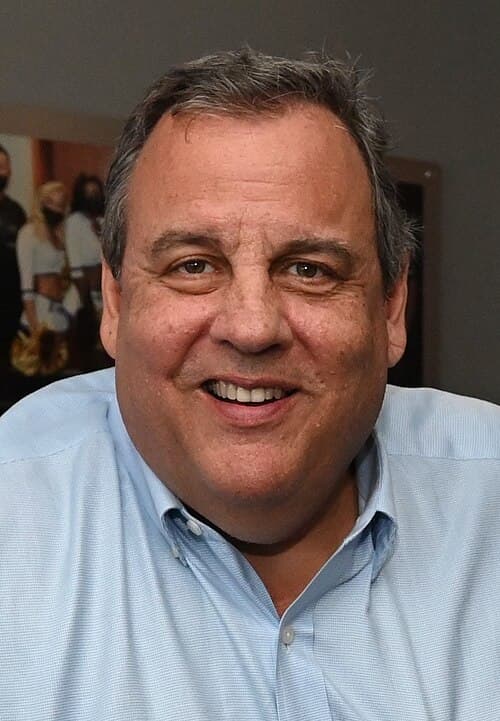
Chris Christie
PERSON103 w/ Morocco·2 w/ Golan
Marc Rich
PERSON90 w/ Morocco·11 w/ Golan
United States
LOCATION73 w/ Morocco·14 w/ Golan
Lebanon
LOCATION64 w/ Morocco·19 w/ Golan
Barack Obama
PERSON67 w/ Morocco·15 w/ Golan
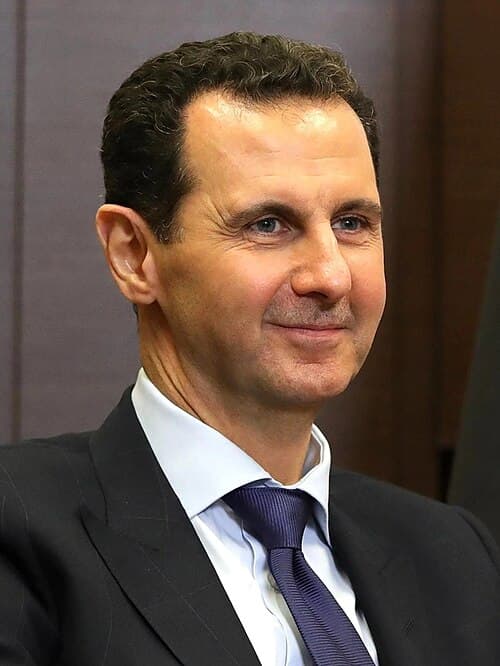
Bashar al-Assad
PERSON57 w/ Morocco·18 w/ Golan
Tunisia
LOCATION67 w/ Morocco·7 w/ Golan
Yemen
LOCATION57 w/ Morocco·11 w/ Golan
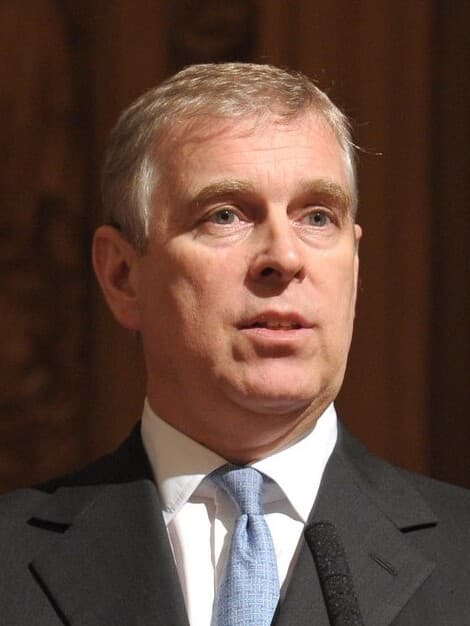
Prince Andrew
PERSON47 w/ Morocco·21 w/ Golan
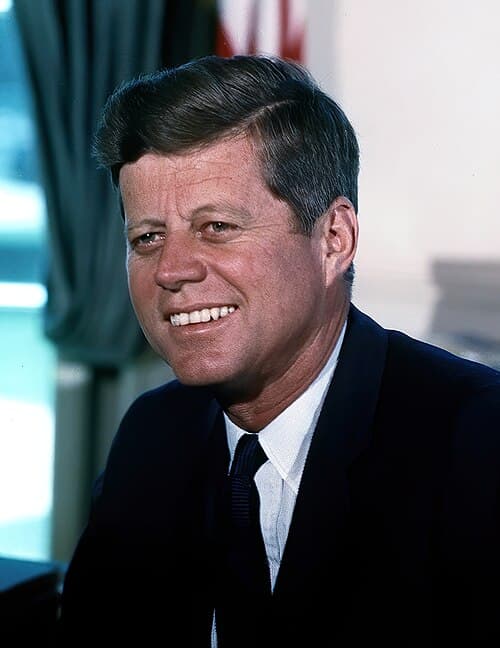
John F. Kennedy
PERSON56 w/ Morocco·12 w/ Golan
Bahrain
LOCATION56 w/ Morocco·7 w/ Golan
Tehran
LOCATION51 w/ Morocco·11 w/ Golan
LB
Leon Black
PERSON53 w/ Morocco·8 w/ Golan
Benjamin Netanyahu
PERSON42 w/ Morocco·15 w/ Golan
Damascus
LOCATION40 w/ Morocco·15 w/ Golan
Donald Trump
PERSON50 w/ Morocco·5 w/ Golan