Back to Network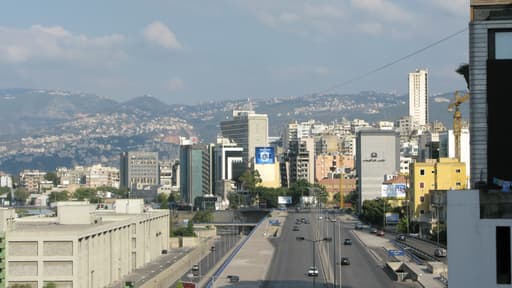



6
Shared Docs
6
Same-Page
10 / 8
Mentions
Document Mentions (6 shared documents)
3 mentions1 same-page
Page ?Same page
awn in Private Benjamin. The main misunderstanding, however, went deeper. The assumption appeared to be that my military achievements, especially in Sayeret Matkal, were down to a mix of brute force and raw courage. Courage, of course, was a requirement: the willingness to take risks, if the rewards for success,
ld War Two-vintage halftracks. Our training battalion was based, alongside the country’s main armored brigade, in a huge, hillside army camp outside Beersheva in the Negev. I knew that our fironut — basic training — would be tough. That was the whole point. But we endured a seemingly endless array of inspec
did, it had to be a step up from what lay ahead of me in the Negev. “Yeah. Sure,” I replied. I heard nothing further in the days after I got back to Beersheva. But at the end of the month, I was ordered to report to a small hut in an army base near Tel Aviv. It belonged to Maka Esser, the personnel departme
3 mentions1 same-page
Page ?Same page
advancement in Jerusalem. Though he would eventually return to Israel, he was teaching at Cornell when his sons became officers under my command in Sayeret Matkal. So there was a physical distance between father and sons. But what struck me was how large the father loomed in both of their lives. There was an al
ons within the PLO were ready to step into the breach if Arafat faltered. Israel needed to find an answer for all these threats. Uzi Yairi’s term as Sayeret Matkal commander had by now ended, but his successor was someone I knew well. Menachem Digli was the officer on whom I’d bestowed my stolen Syrian Mercedes
avy losses. Go see Tzipori.” Motke Tzipori was in charge of organizing the armored units. He sent me to Julis, the training base between Tel Aviv and Beersheva, where tanks from maintenance units around the country were being brought. Once they were reasonably operational, and as more reservists arrived from
3 mentions1 same-page
Page ?Same page
he summit’s collapse. My main concern was the possibility of violence. Even before returning home, I’d phoned Shaul Mofaz and Avi Dichter, the former Sayeret Matkal officer who was now head of the Shin Bet. “Let’s hope the violence doesn’t come,” I told them. “But if it does, make sure we are ready.” Though there
eer by training, he was a reserve army general who, when I was chief of staff, had been in charge of the logistics branch of the military. I gave him Sayeret Matkal backup as well, in the person of Danny Yatom, my longtime friend and former sayeret deputy. But all that was process. Winning or losing would come d
sed. After 316 HOUSE_OVERSIGHT_011787 / BARAK / 31 Nava and I voted, we attended an event for Labor supporters north of Tel Aviv, before flying to Beersheva to spend the final hours in the Negev. I’d arranged for Shlomo Ben-Ami to go to Kiryat Shmona in the north — emphasizing, as throughout the campaign,
Sponsored
3 mentions1 same-page
Page ?Same page
awn in Private Benjamin. The main misunderstanding, however, went deeper. The assumption appeared to be that my military achievements, especially in Sayeret Matkal, were down to a mix of brute force and raw courage. Courage, of course, was a requirement: the willingness to take risks, if the rewards for success,
ld War Two-vintage halftracks. Our training battalion was based, alongside the country’s main armored brigade, in a huge, hillside army camp outside Beersheva in the Negev. I knew that our fironut — basic training — would be tough. That was the whole point. But we endured a seemingly endless array of inspec
did, it had to be a step up from what lay ahead of me in the Negev. “Yeah. Sure,” I replied. I heard nothing further in the days after I got back to Beersheva. But at the end of the month, I was ordered to report to a small hut in an army base near Tel Aviv. It belonged to Maka Esser, the personnel departme
3 mentions1 same-page
Page ?Same page
c advancement in Jerusalem. Though he would eventually return to Israel, he was teaching at Cornell when his sons became officers under my command in Sayeret Matkal. So there was a physical distance between father and sons. But what struck me was how large the father loomed in both of their lives. There was an al
ions within the PLO were ready to step into the breach if Arafat faltered. Israel needed to find an answer for all these threats. Uzi Yairi's term as Sayeret Matkal commander had by now ended, but his successor was someone I knew well. Menachem Digli was the officer on whom I'd bestowed my stolen Syrian Mercedes
avy losses. Go see Tzipori." Motke Tzipori was in charge of organizing the armored units. He sent me to Julis, the training base between Tel Aviv and Beersheva, where tanks from maintenance units around the country were being brought. Once they were reasonably operational, and as more reservists arrived from
3 mentions1 same-page
Page ?Same page
he summit's collapse. My main concern was the possibility of violence. Even before returning home, I'd phoned Shaul Mofaz and Avi Dichter, the former Sayeret Matkal officer who was now head of the Shin Bet. "Let's hope the violence doesn't come," I told them. "But if it does, make sure we are ready." Though there
eer by training, he was a reserve army general who, when I was chief of staff, had been in charge of the logistics branch of the military. I gave him Sayeret Matkal backup as well, in the person of Danny Yatom, my longtime friend and former sayeret deputy. *** But all that was process. Winning or losing would com
osed. After 316 HOUSE _OVERSIGHT_028164 / BARAK / 31 Nava and I voted, we attended an event for Labor supporters north of Tel Aviv, before flying to Beersheva to spend the final hours in the Negev. I'd arranged for Shlomo Ben-Ami to go to Kiryat Shmona in the north - emphasizing, as throughout the campaign,
Sponsored
Mutual Connections (750)
Entities connected to both Sayeret Matkal and Beersheva
Lebanon
LOCATION11 w/ Sayeret·6 w/ Beersheva
the West Bank
LOCATION11 w/ Sayeret·6 w/ Beersheva
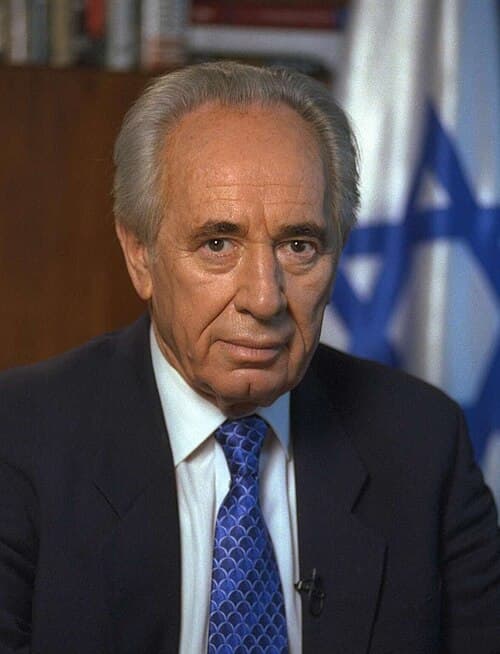
Shimon Peres
PERSON11 w/ Sayeret·6 w/ Beersheva
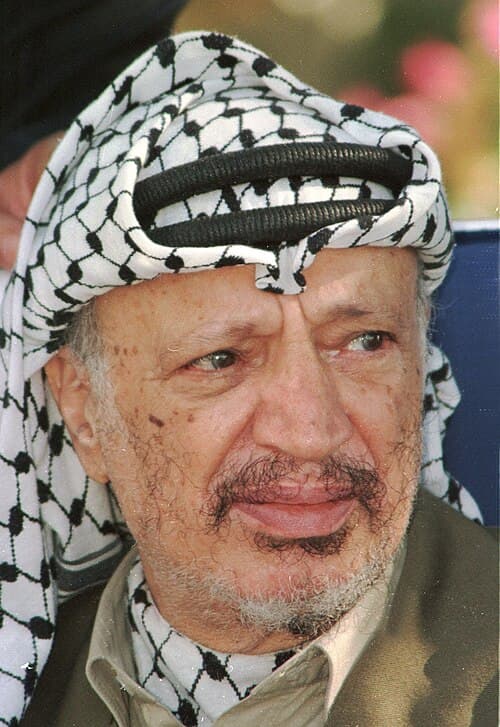
Yasser Arafat
PERSON11 w/ Sayeret·6 w/ Beersheva
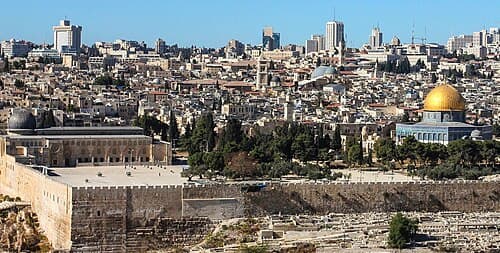
Jerusalem
LOCATION11 w/ Sayeret·6 w/ Beersheva
Likud
ORGANIZATION11 w/ Sayeret·6 w/ Beersheva
Benjamin Netanyahu
PERSON11 w/ Sayeret·6 w/ Beersheva
Ehud Barak
PERSON11 w/ Sayeret·6 w/ Beersheva
Knesset
ORGANIZATION11 w/ Sayeret·6 w/ Beersheva
Bibi Netanyahu
PERSON10 w/ Sayeret·6 w/ Beersheva
Haifa
LOCATION10 w/ Sayeret·6 w/ Beersheva
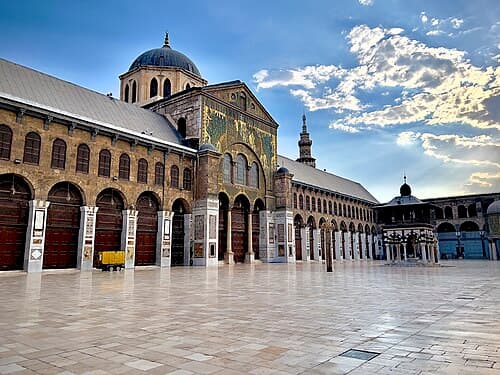
Damascus
LOCATION10 w/ Sayeret·6 w/ Beersheva
Mossad
ORGANIZATION10 w/ Sayeret·6 w/ Beersheva
Fatah
ORGANIZATION10 w/ Sayeret·6 w/ Beersheva
Sinai
LOCATION10 w/ Sayeret·6 w/ Beersheva
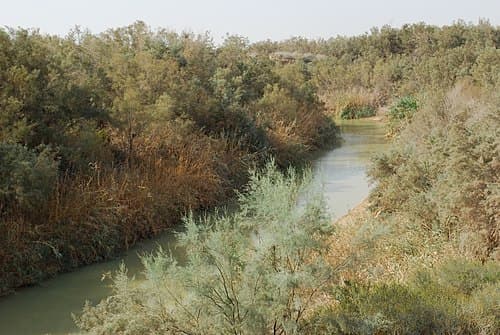
the Jordan River
LOCATION9 w/ Sayeret·6 w/ Beersheva
SH
Sharon
PERSON9 w/ Sayeret·6 w/ Beersheva
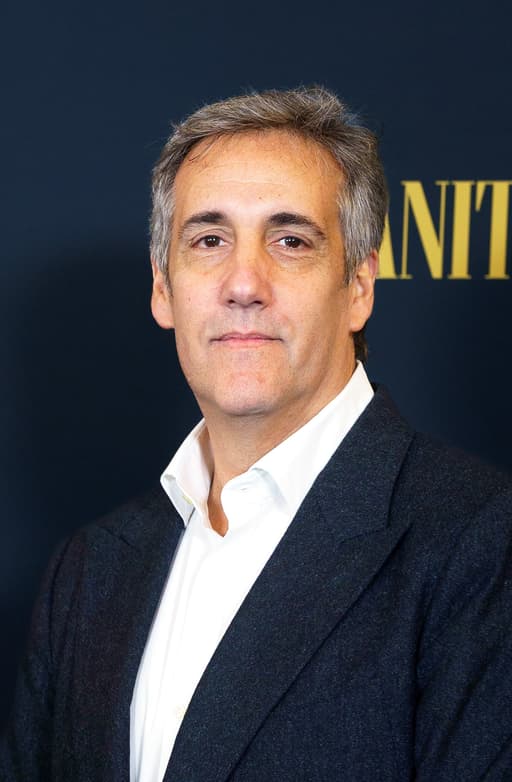
Michael Cohen
PERSON8 w/ Sayeret·6 w/ Beersheva
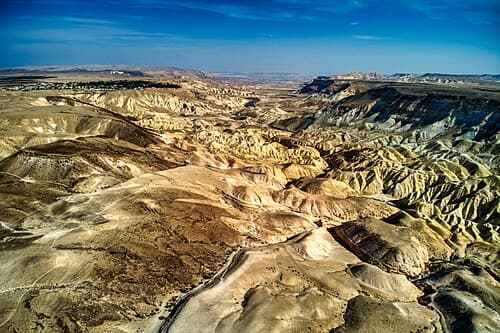
Negev
LOCATION8 w/ Sayeret·6 w/ Beersheva
the Golan Heights
LOCATION8 w/ Sayeret·6 w/ Beersheva