Back to Network
















4
Shared Docs
4
Same-Page
7 / 4
Mentions
Document Mentions (4 shared documents)
3 mentions1 same-page
Page HOUSE_OVERSIGHT_026841Same page
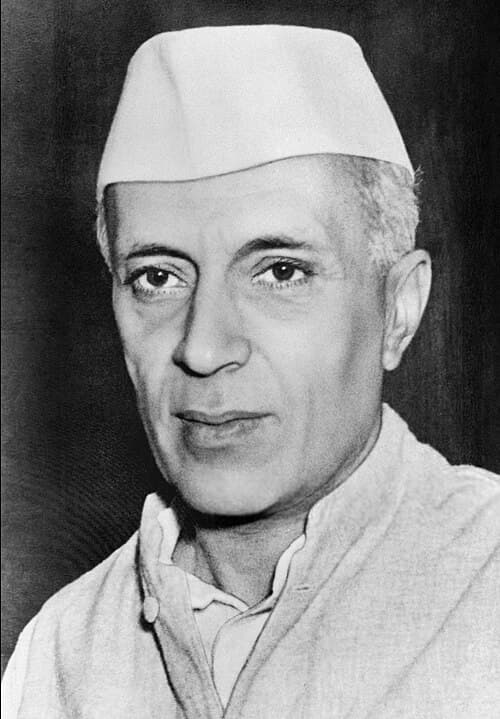
ere, but today such a view would be laughed at. The market economy has made Chinese and Indian workers today far more productive than they were under Mao Zedong or Jawaharlal Nehru, India's first prime minister. Societies now accept the simple fact that workers need material incentives to be productive, which
Page: HOUSE_OVERSIGHT_026841 →such a view would be laughed at. The market economy has made Chinese and Indian workers today far more productive than they were under Mao Zedong or Jawaharlal Nehru, India's first prime minister. Societies now accept the simple fact that workers need material incentives to be productive, which has led to increase
Page: HOUSE_OVERSIGHT_026841 →Page HOUSE_OVERSIGHT_026844
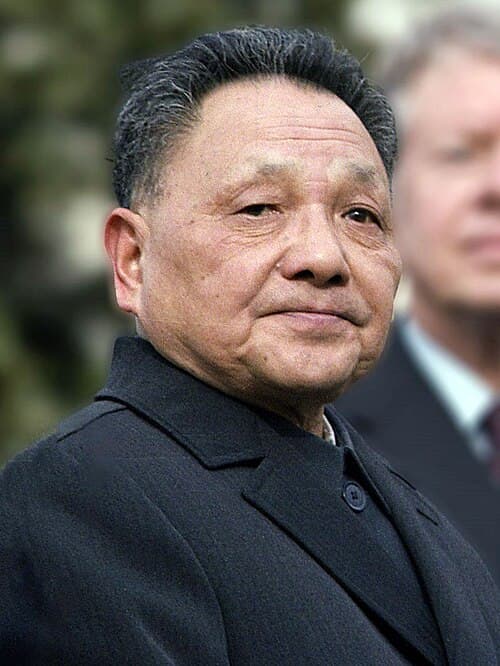
the Chinese story is reflected in the West's schizophrenic response to it. The Nixon administration eagerly sought better relations with China under Mao, and when Deng Xiaoping doubled down by opening up the country, the West applauded the change. The United States generously accepted Chinese products
Page: HOUSE_OVERSIGHT_026844 →3 mentions1 same-page
Page ?Same page
e, but today such a view would be laughed at. The market economy has made Chinese and Indian workers today far more productive than they were under Mao Zedong or Jawaharlal Nehru, India's first prime minister. Societies now accept the simple fact that workers need material incentives to be productive, whi
he Chinese story is reflected in the West's schizophrenic response to it. The Nixon administration eagerly sought better relations with China under Mao, and when Deng Xiaoping doubled down by opening up the country, the West applauded the change. The United States generously accepted Chinese produc
uch a view would be laughed at. The market economy has made Chinese and Indian workers today far more productive than they were under Mao Zedong or Jawaharlal Nehru, India's first prime minister. Societies now accept the simple fact that workers need material incentives to be productive, which has led to incre
3 mentions1 same-page
Page ?Same page
e, but today such a view would be laughed at. The market economy has made Chinese and Indian workers today far more productive than they were under Mao Zedong or Jawaharlal Nehru, India's first prime minister. Societies now accept the simple fact that workers need material incentives to be productive, whi
he Chinese story is reflected in the West's schizophrenic response to it. The Nixon administration eagerly sought better relations with China under Mao, and when Deng Xiaoping doubled down by opening up the country, the West applauded the change. The United States generously accepted Chinese produc
uch a view would be laughed at. The market economy has made Chinese and Indian workers today far more productive than they were under Mao Zedong or Jawaharlal Nehru, India's first prime minister. Societies now accept the simple fact that workers need material incentives to be productive, which has led to incre
Sponsored
2 mentions1 same-page
Page ?Same page
nty over the Tibetan plateau. In 1962, flimsy history, confusion over the border's very location and the imperatives of two relatively young states—Mao's People's Republic and newly independent India led by Prime Minister Jawaharlal Nehru—led to China humiliating India in a crushing defeat where, b
border's very location and the imperatives of two relatively young states—Mao's People's Republic and newly independent India led by Prime Minister Jawaharlal Nehru—led to China humiliating India in a crushing defeat where, by some accounts, EFTA00711393 both sides lost upwards of 2,000 soldiers. In 1962, TIM
Sponsored
Mutual Connections (51)
Entities connected to both Mao Zedong and Jawaharlal Nehru
Jeffrey Epstein
PERSON289 w/ Mao·2 w/ Jawaharlal
United States
LOCATION148 w/ Mao·3 w/ Jawaharlal
Marc Rich
PERSON100 w/ Mao·3 w/ Jawaharlal
Bill Clinton
PERSON84 w/ Mao·4 w/ Jawaharlal
Deng Xiaoping
PERSON60 w/ Mao·3 w/ Jawaharlal
Kofi Annan
PERSON59 w/ Mao·3 w/ Jawaharlal
John F. Kennedy
PERSON46 w/ Mao·4 w/ Jawaharlal
Cynthia Nixon
PERSON31 w/ Mao·3 w/ Jawaharlal
Lawrence Krauss
PERSON28 w/ Mao·2 w/ Jawaharlal
Bashar al-Assad
PERSON26 w/ Mao·2 w/ Jawaharlal
Lesley Groff
PERSON25 w/ Mao·2 w/ Jawaharlal
Middle East
LOCATION22 w/ Mao·2 w/ Jawaharlal
Lebanon
LOCATION22 w/ Mao·2 w/ Jawaharlal
Robert Gates
PERSON22 w/ Mao·2 w/ Jawaharlal
Larry Summers
PERSON20 w/ Mao·3 w/ Jawaharlal
United Kingdom
LOCATION20 w/ Mao·3 w/ Jawaharlal
Damascus
LOCATION19 w/ Mao·2 w/ Jawaharlal
Morocco
LOCATION18 w/ Mao·3 w/ Jawaharlal
Tehran
LOCATION19 w/ Mao·2 w/ Jawaharlal
the Soviet Union
LOCATION12 w/ Mao·3 w/ Jawaharlal