Back to Network


















5
Shared Docs
5
Same-Page
5 / 9
Mentions
Document Mentions (5 shared documents)
3 mentions1 same-page
Page ?Same page
tebbe, he said that if we couldn’t be reasonably confident of success, we would negotiate. Now that we knew where Waschsman was being held, I ordered Shaul Mofaz, the commander with responsibility for the West Bank, to prepare for a possible rescue. Before going to brief Rabin, I arranged for another commando
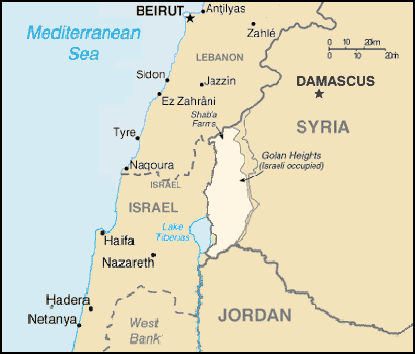
our position was that, assuming all our own negotiating concerns were addressed, we accepted that peace with Syria would include withdrawing from the Golan. The formula was agreed in a meeting in Israel between Rabin and the Clinton Administration’s Middle East negotiator, Dennis Ross. Rabin didn’t tell
or the promise, or maybe only the hope, of peace. It was the same problem Yitzhak had faced over the Americans’ misuse of our “pocket deposit” on the Golan. I realized that, having come this far with Oslo, neither he nor the government was likely to back away from approving the Gaza-Jericho accord. But h
3 mentions1 same-page
Page ?Same page
s difficult as possible. They were also targeting our local surrogates, the Maronite-led South Lebanese Army militia. I’d been meeting regularly with Shaul Mofaz, the former paratroop officer who 337 HOUSE_OVERSIGHT_011808 / BARAK / 52 was now chief of staff, to ensure we had a plan to get our troops out as
Bibi what successive Israeli leaders had learned: a deal might be possible, but only if Israel was willing to commit in advance to pulling out of the Golan. Assad told Lauder to come back to him with a detailed map setting out Bibi’s view on delineating the Israeli-Syrian border under a peace agreement.
outbursts, and they won’t do you any good.” He challenged Bibi to just “look me in the eye” and admit what he really thought about the future of the Golan. The media verdict was unanimous. Mordechai had won. Which meant I had won. Though my American and British brains’ trust had little input into our d
3 mentions1 same-page
Page ?Same page
tebbe, he said that if we couldn't be reasonably confident of success, we would negotiate. Now that we knew where Waschsman was being held, I ordered Shaul Mofaz, the commander with responsibility for the West Bank, to prepare for a possible rescue. Before going to brief Rabin, I arranged for another commando
our position was that, assuming all our own negotiating concerns were addressed, we accepted that peace with Syria would include withdrawing from the Golan. The formula was agreed in a meeting in Israel between Rabin and the Clinton Administration's Middle East negotiator, Dennis Ross. Rabin didn't tell
or the promise, or maybe only the hope, of peace. It was the same problem Yitzhak had faced over the Americans' misuse of our "pocket deposit" on the Golan. I realized that, having come this far with Oslo, neither he nor the government was likely to back away from approving the Gaza-Jericho accord But he
Sponsored
3 mentions1 same-page
Page ?Same page
s difficult as possible. They were also targeting our local surrogates, the Maronite-led South Lebanese Army militia. I'd been meeting regularly with Shaul Mofaz, the former paratroop officer who 337 HOUSE _OVERSIGHT_028185 / BARAK / 52 was now chief of staff, to ensure we had a plan to get our troops out as
Bibi what successive Israeli leaders had learned: a deal might be possible, but only if Israel was willing to commit in advance to pulling out of the Golan. Assad told Lauder to come back to him with a detailed map setting out Bibi's view on delineating the Israeli-Syrian border under a peace agreement.
outbursts, and they won't do you any good." He challenged Bibi to just "look me in the eye" and admit what he really thought about the future of the Golan. The media verdict was unanimous. Mordechai had won. Which meant I had won. Though my American and British brains' trust had little input into our da
2 mentions1 same-page
Page ?Same page
t Bank might permit the same sort of terrorist takeover that withdrawal had allowed in Gaza and in south Lebanon. Now that former Defense Minister Shaul Mofaz -- who had previously presented a peace plan that would result in the creation of a Palestinian state in 60 percent of the West Bank's land -- has
em but divided over what to do with its newfound gains. Israel withdrew from the Sinai in 1982 and from Gaza in 2007, and no one is discussing the Golan these days due to Syria's internal crisis. But the future of Jerusalem and the West Bank remains a matter of intense international -- including Ame
Sponsored
Mutual Connections (494)
Entities connected to both Shaul Mofaz and Golan
Bill Clinton
PERSON7 w/ Shaul·31 w/ Golan
George W. Bush
PERSON8 w/ Shaul·22 w/ Golan
Lebanon
LOCATION8 w/ Shaul·19 w/ Golan
Bashar al-Assad
PERSON8 w/ Shaul·18 w/ Golan
Prince Andrew
PERSON4 w/ Shaul·21 w/ Golan
Jeffrey Epstein
PERSON3 w/ Shaul·22 w/ Golan
Benjamin Netanyahu
PERSON8 w/ Shaul·15 w/ Golan
Damascus
LOCATION7 w/ Shaul·15 w/ Golan
the Golan Heights
LOCATION5 w/ Shaul·16 w/ Golan
Sinai
LOCATION7 w/ Shaul·13 w/ Golan
United States
LOCATION6 w/ Shaul·14 w/ Golan
Yasser Arafat
PERSON7 w/ Shaul·12 w/ Golan
Fatah
ORGANIZATION7 w/ Shaul·12 w/ Golan
Jerusalem
LOCATION5 w/ Shaul·14 w/ Golan
Barack Obama
PERSON4 w/ Shaul·15 w/ Golan
Michael Cohen
PERSON5 w/ Shaul·13 w/ Golan
Hosni Mubarak
PERSON5 w/ Shaul·12 w/ Golan
Ehud Barak
PERSON5 w/ Shaul·12 w/ Golan
West Bank
LOCATION8 w/ Shaul·9 w/ Golan
Ronald Reagan
PERSON5 w/ Shaul·11 w/ Golan