Back to Network



8
Shared Docs
7
Same-Page
8 / 16
Mentions
Document Mentions (8 shared documents)
4 mentions1 same-page
Page ?Same page
ar policy against Slobodan Milosevic. We advocated military intervention in Bosnia much sooner than it happened. I remember a lively exchange with Colin Powell when I questioned the Powell doctrine of "we do deserts but we don't do mountains." I was very supportive of Madeleine Albright's activism on Kosov
for the possibility that we may be wrong, and he has no tolerance for dissenting opinion. If you are not with us you are against us, he proclaims. Donald Rumsfeld berates our European allies who disagree with him on Iraq in no uncertain terms, and he has a visceral aversion to international cooperation, be i
iban and al-Qaeda were alien oppressors. But having won a resounding military victory, we failed to follow through with nation building. Secretary Rumsfeld opposed the extension of UN peacekeeping beyond Kabul, and, as a result, law and order have still not been fully established outside the capital.
e failed to follow through with nation building. Secretary Rumsfeld opposed the extension of UN peacekeeping beyond
3 mentions1 same-page
Page ?Same page
Pentagon's hesitation to put "boots on the ground" in Bosnia, then- Secretary of State Madeline Albright famously demanded of Secretary of Defense Colin Powell, "What good is this marvellous military force if we can never use it?" In 2009, the Obama administration unthinkingly proposed a troop surge in Afg
g infantries and saturation bombing, and apparently capable of regenerating itself at minimal expense. From the perspective of Secretary of Defense Donald Rumsfeld and his White House cronies, this would not do. Since the US was accustomed to fighting other nation-states — geopolitical entities containing such
such identifiable targets as capital cities, airports, military bases, and munitions plants — we would have to find a nation-state to fight, or as Rumsfeld put it, a "target-rich environment". Iraq, pumped up by alleged stockpiles of "weapons of mass destruction" became the designated surrogate for an
3 mentions1 same-page
Page ?Same page
Pentagon's hesitation to put "boots on the ground" in Bosnia, then- Secretary of State Madeline Albright famously demanded of Secretary of Defense Colin Powell, "What good is this marvellous military force if we can never use it?" In 2009, the Obama administration unthinkingly proposed a troop surge in Afg
g infantries and saturation bombing, and apparently capable of regenerating itself at minimal expense. From the perspective of Secretary of Defense Donald Rumsfeld and his White House cronies, this would not do. Since the US was accustomed to fighting other nation-states — geopolitical entities containing such
such identifiable targets as capital cities, airports, military bases, and munitions plants — we would have to find a nation-state to fight, or as Rumsfeld put it, a "target-rich environment". Iraq, pumped up by alleged stockpiles of "weapons of mass destruction" became the designated surrogate for an
Sponsored
3 mentions1 same-page
Page ?Same page
resigned in 2004 just "when the going got tough," a decision he calls "unfair to the president." He wrote that he believes that Secretary of State Colin L. Powell tried to undermine President Bush by privately expressing doubts about the Iraq war, and he confirms that he pushed to have Mr. Powell removed from
Mr. Bush said he wanted him to stay. But in the Bush administration's second term, Mr. Cheney's influence waned. When Mr. Bush decided to replace Donald H. Rumsfeld as secretary of defense after the 2006 midterm elections, Mr. Cheney said he was not given a chance to object. Mr. Cheney praised Barack Obama's su
aned. When Mr. Bush decided to replace Donald H. Rumsfeld as secretary of defense after the 2006 midterm el
3 mentions1 same-page
Page ?Same page
resigned in 2004 just "when the going got tough," a decision he calls "unfair to the president." He wrote that he believes that Secretary of State Colin L. Powell tried to undermine President Bush by privately expressing doubts about the Iraq war, and he confirms that he pushed to have Mr. Powell removed from
Mr. Bush said he wanted him to stay. But in the Bush administration's second term, Mr. Cheney's influence waned. When Mr. Bush decided to replace Donald H. Rumsfeld as secretary of defense after the 2006 midterm elections, Mr. Cheney said he was not given a chance to object. Mr. Cheney praised Barack Obama's su
aned. When Mr. Bush decided to replace Donald H. Rumsfeld as secretary of defense after the 2006 midterm el
3 mentions1 same-page
Page ?Same page
his ideas so magnetically appealing. The circulation lists on his lecture notes were the Chinese equivalent of a roster that included Ben Bernanke, Colin Powell, and Warren Buffett. They reflected the breadth of curiosity about his ideas, and the hunger to understand and digest changes in China and the world.
ging the most expensive war on terrorism in human history, the US was uneasily discovering that it was creating more terrorists. Secretary of Defense Donald Rumsfeld had sketched the nature of this puzzle in an October, 2003 memo with acid clarity. He asked: “Are we capturing, killing or deterring and dissuading m
yond what the soldiers and analysts could match or even fully monitor. “Is our current situation such that ‘the harder we work, the behinder we get?” Rumsfeld asked in 2003.38 To be constantly behind. This was a commander’s nightmare. Among other things it was that sense of never quite catching up that had
Sponsored
3 mentions1 same-page
Page ?Same page
Stanford University; former U.S. Secretary of Defense Michael E. J. Phelps, Chairman and Chief Executive Officer Westcoast Energy Inc., Vancouver Colin L. Powell, U.S. Secretary of State Alessandro Profumo, Managing Director, Unicredito Italiano, Milan http://www.biblebelievers.org.au/weektc.htm 12/7/2005
e Chairman Citicorp/Citibank, Brussels Donald H. Rumsfeld, U.S. Secretary of Defense Arthur F. Ryan, CEO,
or Development, Mexico City William D. Ruckershaus, Chairman, CEO, Browning-Ferris Ind. H. Onno Ruding, vice Chairman Citicorp/Citibank, Brussels Donald H. Rumsfeld, U.S. Secretary of Defense Arthur F. Ryan, CEO, The Prudential Insurance Co. of America Rusdu Saracoglu, President of the Finance Group, Turkey Si
Page HOUSE_OVERSIGHT_024615
y, resigned in 2004 just “when the going got tough,” a decision he calls “unfair to the president.” He wrote that he believes that Secretary of State Colin L. Powell tried to undermine President Bush by privately expressing doubts about the Iraq war, and he confirms that he pushed to have Mr. Powell removed from t
Page: HOUSE_OVERSIGHT_024615 →Page HOUSE_OVERSIGHT_024617
h said he wanted him to Stay. But in the Bush administration’s second term, Mr. Cheney’s influence waned. When Mr. Bush decided to replace Donald H. Rumsfeld as secretary of defense after the 2006 midterm elections, Mr. Cheney said he was not given a chance to object. Mr. Cheney praised Barack Obama’s sup
Page: HOUSE_OVERSIGHT_024617 →Sponsored
Mutual Connections (533)
Entities connected to both Colin Powell and Donald Rumsfeld
George W. Bush
PERSON31 w/ Colin·47 w/ Donald
Barack Obama
PERSON24 w/ Colin·40 w/ Donald
Bill Clinton
PERSON21 w/ Colin·37 w/ Donald
Donald Trump
PERSON24 w/ Colin·32 w/ Donald
United States
LOCATION20 w/ Colin·31 w/ Donald
Hillary Clinton
PERSON9 w/ Colin·34 w/ Donald
Jeffrey Epstein
PERSON12 w/ Colin·31 w/ Donald
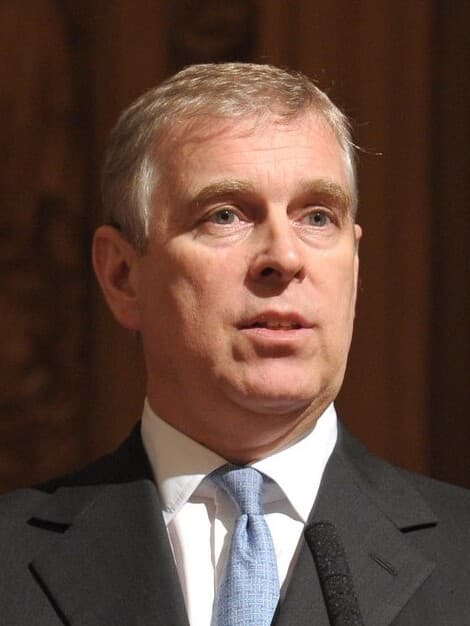
Prince Andrew
PERSON18 w/ Colin·24 w/ Donald
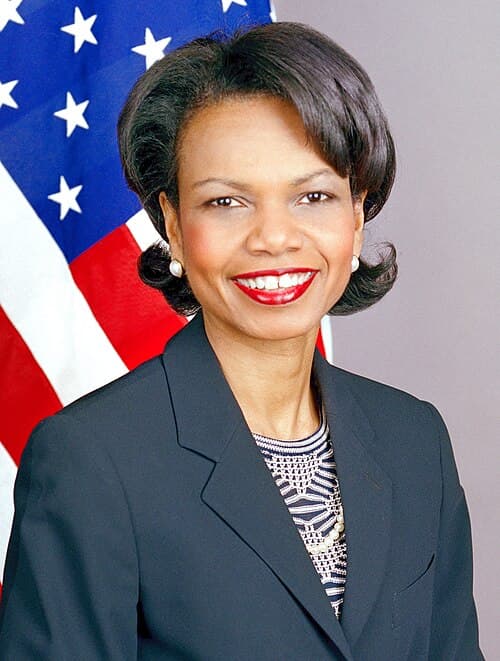
Condoleezza Rice
PERSON15 w/ Colin·26 w/ Donald
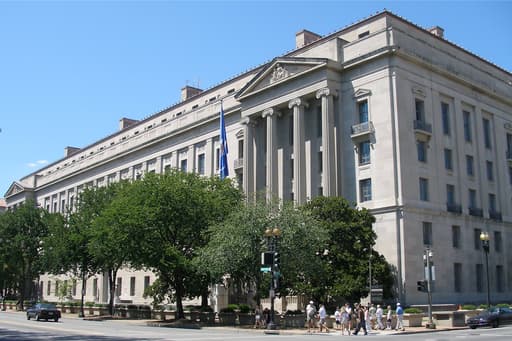
Department of Justice
ORGANIZATION13 w/ Colin·28 w/ Donald
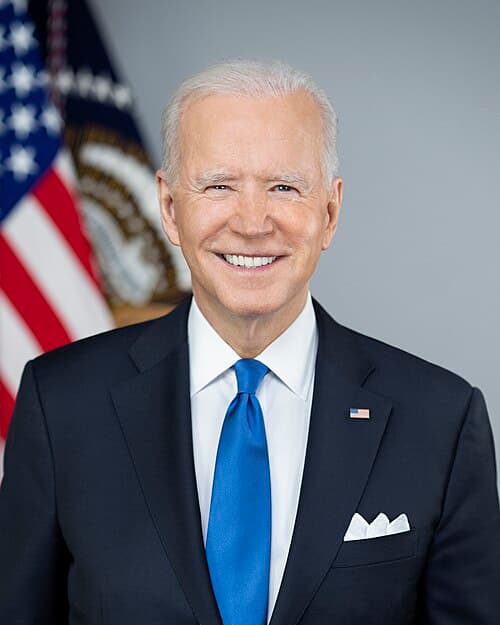
Joe Biden
PERSON16 w/ Colin·21 w/ Donald
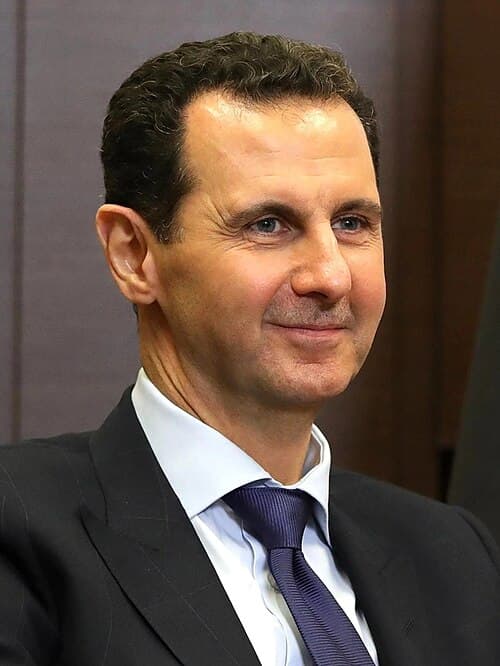
Bashar al-Assad
PERSON18 w/ Colin·18 w/ Donald
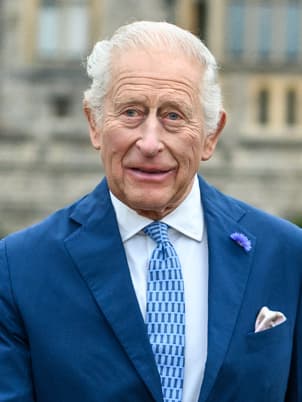
Prince Charles
PERSON12 w/ Colin·24 w/ Donald
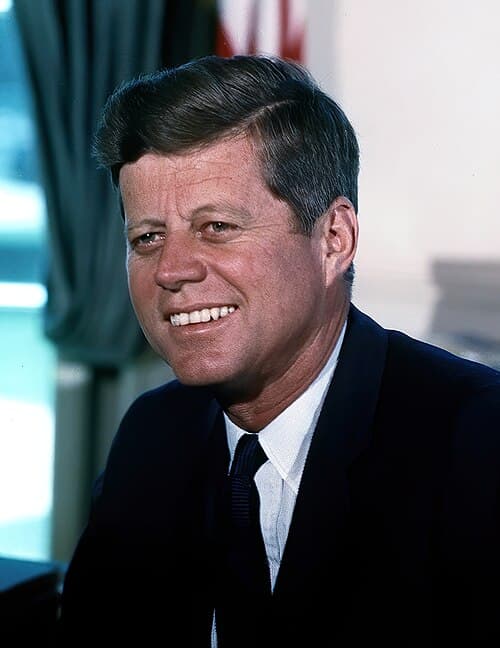
John F. Kennedy
PERSON14 w/ Colin·21 w/ Donald
Stephen Hawking
PERSON13 w/ Colin·22 w/ Donald
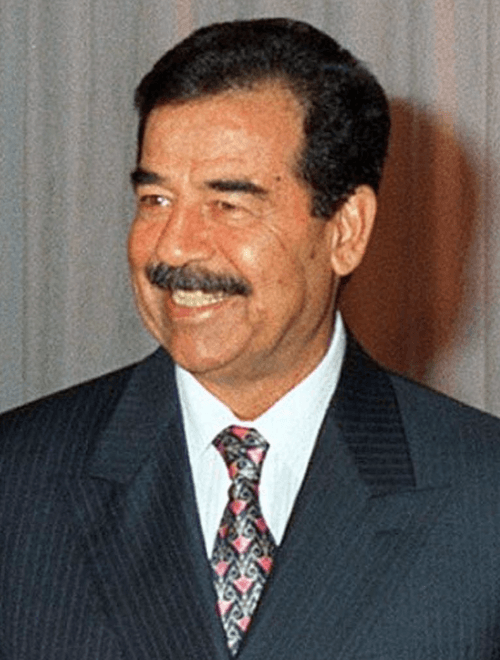
Saddam Hussein
PERSON14 w/ Colin·20 w/ Donald
Marc Rich
PERSON16 w/ Colin·18 w/ Donald
Samantha Power
PERSON15 w/ Colin·17 w/ Donald
Dick Cheney
PERSON16 w/ Colin·15 w/ Donald
Michael Cohen
PERSON13 w/ Colin·18 w/ Donald