Back to Network


















3
Shared Docs
3
Same-Page
4 / 3
Mentions
Document Mentions (3 shared documents)
3 mentions1 same-page
Page ?Same page
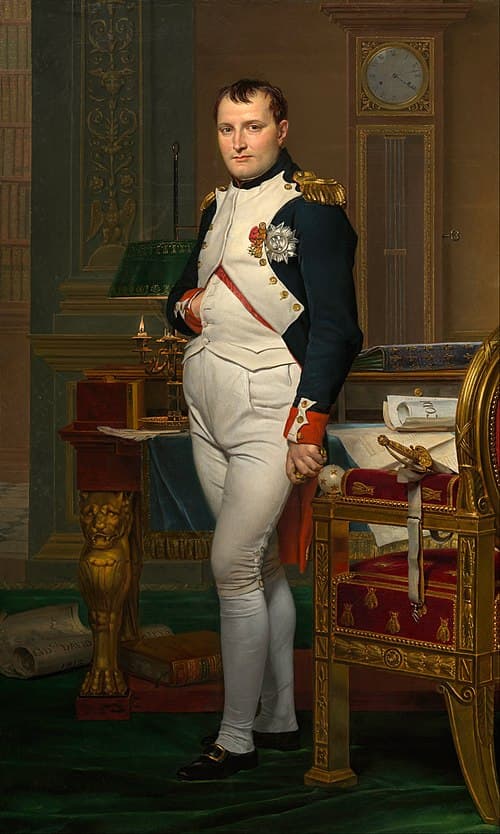
decisive mark of leadership and success in revolutionary periods. Consider, for instance, Charles, the Duke of Brunswick-Wolfenbuttel who faced down Napoleon on the fields of Jena in what is now central Germany in October 1806. Brusnwick-Wolfenbuttel was then 71 years old. He was considered one of the most
rs to one. His men were masters of the subtle techniques of Frederick the Great, tactics that had delivered victory in far more perilous moments. But Napoleon, less than half the Duke’s age at 37, stared across the same undulating land, the same poised armies and saw in the landscape something completely 4
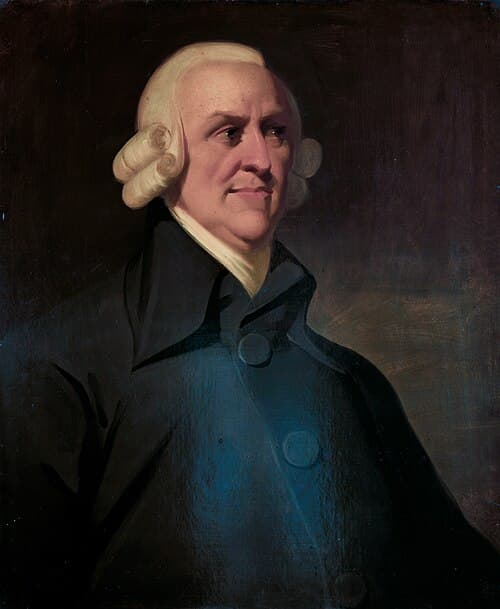
d. And the sum of all these interacting pieces made sustained economic growth into a reality for the first time in history. Ina “commercial society,” Adam Smith explained in The Wealth of Nations, “Every man lives by exchanging, or becomes in some measure a merchant.” Smith didn’t mean everyone was really a m
2 mentions1 same-page
Page ?Same page
progress. In fact, dictators have sometimes acted as agents of deep economic reforms, often because international threats forced their hands. After Napoleon defeated EFTA00712912 Prussia in 1806 at the Battle of Jena, Prussia's authoritarian rulers embarked on administrative and economic reforms in an
of rain-fed agriculture, and shortage of coal, among others -- long impeded the formation of centralized states, urbanization, and economic growth. Adam Smith recognized Africa's transportation obstacles back in 1776 in The Wealth of Nations. These transport problems, along with ecological and resource-re
2 mentions1 same-page
Page ?Same page
progress. In fact, dictators have sometimes acted as agents of deep economic reforms, often because international threats forced their hands. After Napoleon defeated Prussia in 1806 at the Battle of Jena, Prussia's authoritarian rulers embarked on administrative and economic reforms in an effort to str
f rain-fed agriculture, and shortage of coal, among others -- long impeded the formation of centralized states, urbanization, and economic growth. Adam Smith recognized Africa's transportation obstacles back in 1776 in The Wealth of Nations. These transport problems, along with ecological and resource-re
Sponsored
Mutual Connections (236)
Entities connected to both Napoleon and Adam Smith
Jeffrey Epstein
PERSON30 w/ Napoleon·31 w/ Adam
Barack Obama
PERSON17 w/ Napoleon·19 w/ Adam
George W. Bush
PERSON14 w/ Napoleon·19 w/ Adam
Marc Rich
PERSON16 w/ Napoleon·15 w/ Adam
United States
LOCATION14 w/ Napoleon·14 w/ Adam
Samantha Power
PERSON10 w/ Napoleon·17 w/ Adam
Bill Clinton
PERSON10 w/ Napoleon·17 w/ Adam
LB
Leon Black
PERSON6 w/ Napoleon·19 w/ Adam
Joe Biden
PERSON8 w/ Napoleon·17 w/ Adam
Stephen Hawking
PERSON5 w/ Napoleon·19 w/ Adam
Donald Trump
PERSON3 w/ Napoleon·20 w/ Adam
Julie K. Brown
PERSON3 w/ Napoleon·19 w/ Adam
Department of Justice
ORGANIZATION3 w/ Napoleon·18 w/ Adam
Michael Cohen
PERSON7 w/ Napoleon·14 w/ Adam
Virginia Giuffre
PERSON4 w/ Napoleon·17 w/ Adam
Bashar al-Assad
PERSON12 w/ Napoleon·8 w/ Adam
Benjamin Netanyahu
PERSON12 w/ Napoleon·8 w/ Adam
Prince Andrew
PERSON4 w/ Napoleon·16 w/ Adam
Prince Charles
PERSON4 w/ Napoleon·15 w/ Adam
Lebanon
LOCATION11 w/ Napoleon·8 w/ Adam