Back to Network



7
Shared Docs
6
Same-Page
7 / 11
Mentions
Document Mentions (7 shared documents)
3 mentions1 same-page
Page ?Same page
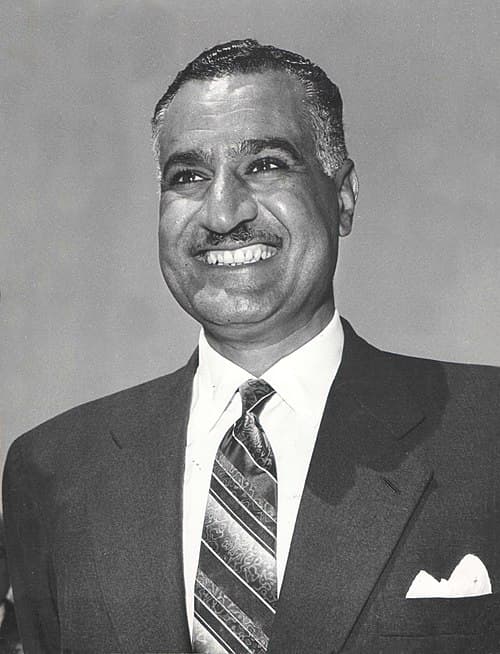
displays characterized all the major candidate rallies, and could reflect the old authoritarian rallies, or a desire for a galvanizing leader like Gamal Abdel Nasser, the nationalist colonel who took power in a 1952 coup, or simply the enthusiasm of voters who for the first time in their lives will likely get to
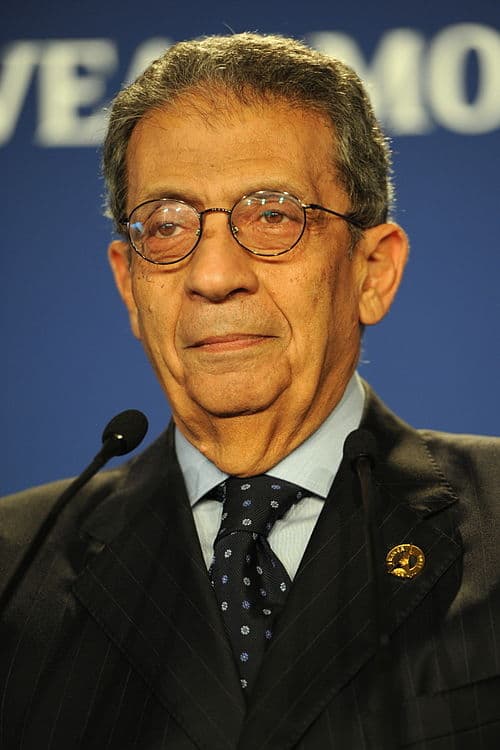
the economy, and health care, long live Egypt!). Men pushed over chairs and slammed one another into the walls of the narrow alley to get closer to Moussa and touch his sleeve. The oaths of loyalty felt a tad staged and excessive, but similar displays characterized all the major candidate rallies, and
turned out in even the minutest villages. "He has a special charisma," gushed an English teacher named Ahmed Abdel Lahib, during a pit stop by the Amr Moussa campaign in a Nile Delta hamlet called Mit Fares. "Egypt needs a man like him," he said of the former Arab League secretary-general. EFTA00630288
3 mentions1 same-page
Page ?Same page
will retain power. A career in the Army or Air Force has been the EFTA_R1_02205163 EFTA02721243 stepping-stone for Egyptian political life since Gamel Abdel Nasser. It was often said that "the best and brightest" could be found in Egypt's young officer corps. One of the reasons, besides anti-dynastic feelings
homever gets the presidential post. Enter Amr Moussa, former Mubarak foreign minister and Secretary General of the Arab League. The cigar- smoking Moussa is one of the best known Egyptians on the international scene. Smart, tough and smooth- as-silk, the multi-lingual Moussa has no shortage of financ
violet, openly attacked the military commission for being behind his black ball. He'll be trouble for whomever gets the presidential post. Enter Amr Moussa, former Mubarak foreign minister and Secretary General of the Arab League. The cigar- smoking Moussa is one of the best known Egyptians on the inte
3 mentions1 same-page
Page ?Same page
displays characterized all the major candidate rallies, and could reflect the old authoritarian rallies, or a desire for a galvanizing leader like Gamal Abdel Nasser, the nationalist colonel who took power in a 1952 coup, or simply the enthusiasm of voters who for the first time in their lives will likely get to
the economy, and health care, long live Egypt!). Men pushed over chairs and slammed one another into the walls of the narrow alley to get closer to Moussa and touch his sleeve. The oaths of loyalty felt a tad staged and excessive, but similar displays characterized all the major candidate rallies, and
st Moussa. The nephew, 37-year- old Ahmed Burma, smiled benevolently. "My uncle jumped on the revolutionary bandwagon," he said. "But I'm supporting Amr Moussa. I run a business with 90 employees. Let's give this guy a chance to work." Still, the polls and predictions are little more than guesswork. Most
Sponsored
3 mentions1 same-page
Page ?Same page
year. In one scenario, army chief Gen. Abdul-Fattah al-Sissi would become president with the traditional 90 percent vote claimed by dictators from Gamal Abdul-Nasser to Mubarak. Moussa, a former apparatchik of the Nasserist regime, is already peddling that scenario. "Gen. al-Sissi is the best man for Egypt right
ief Gen. Abdul-Fattah al-Sissi would become president with the traditional 90 percent vote claimed by dictators from Gamal Abdul-Nasser to Mubarak. Moussa, a former apparatchik of the Nasserist regime, is already peddling that scenario. "Gen. al-Sissi is the best man for Egypt right now," he said las
's next battle: Freedom is the biggest loser Amir Taheri EFTA_R1_02211222 EFTA02724395 January 19, 2014 -- `We can go back to normal now," says Amr Moussa, the elder statesman of the Egyptian establishment who supervised the drafting of a new constitution. "What we now need is a good president." The
2 mentions1 same-page
Page ?Same page
ing Foreign Policy Richard Javad Heydarian June 21, 2011 -- Egypt was once a major player in the Middle East, particularly under the leadership of Gamal Abdel Nasser in the 1950s and 1960s. Over the last decades, Egypt gradually lost its prestige and influence in the region as it became an introverted autocratic
two countries began to consider the resumption of direct flights between the two nations after 32 years. Also in 2010, the head of the Arab League, Amr Moussa, urged member countries to acknowledge the new geopolitical realities in the region: namely, the rise of non-Arab countries such as Turkey and Iran
2 mentions1 same-page
Page ?Same page
s parties in Parliament. Our fears often reflect our own mental hobgoblins. For a generation, we were terrified of secular Arab nationalists, like Gamal Abdel Nasser, who ruled Egypt in the '60s. The fears of the secularists proved overblown, and I think the same is true of anxieties about Islamic parties in Egy
it. Let's also remember that the Egyptian Army remains a force for secularism. And there's a reasonable chance that a more secular president like Amr Moussa, a former foreign minister and Arab League secretary general, will be elected to balance religious parties in Parliament. Our fears often reflect
Sponsored
Page HOUSE_OVERSIGHT_030171
olving Foreign Policy Richard Javad Heydarian June 21, 2011 -- Egypt was once a major player in the Middle East, particularly under the leadership of Gamal Abdel Nasser in the 1950s and 1960s. Over the last decades, Egypt gradually lost its prestige and influence in the region as it became an introverted autocratic r
Page: HOUSE_OVERSIGHT_030171 →Page HOUSE_OVERSIGHT_030174
o countries began to consider the resumption of direct flights between the two nations after 32 years. Also in 2010, the head of the Arab League, Amr Moussa, urged member countries to acknowledge the new geopolitical realities in the region: namely, the rise of non-Arab countries such as Turkey and Iran.
Page: HOUSE_OVERSIGHT_030174 →Sponsored
Mutual Connections (348)
Entities connected to both Gamal Abdel Nasser and Amr Moussa
Hosni Mubarak
PERSON24 w/ Gamal·29 w/ Amr
Barack Obama
PERSON25 w/ Gamal·24 w/ Amr
Bashar al-Assad
PERSON24 w/ Gamal·24 w/ Amr
Lebanon
LOCATION22 w/ Gamal·21 w/ Amr
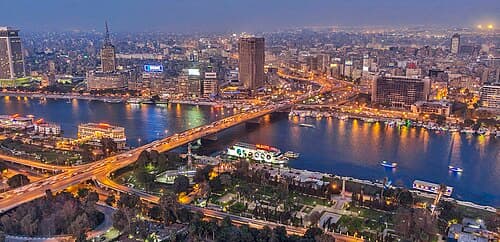
Cairo
LOCATION22 w/ Gamal·20 w/ Amr
Yemen
LOCATION12 w/ Gamal·29 w/ Amr
Bahrain
LOCATION12 w/ Gamal·28 w/ Amr
Tunisia
LOCATION18 w/ Gamal·22 w/ Amr
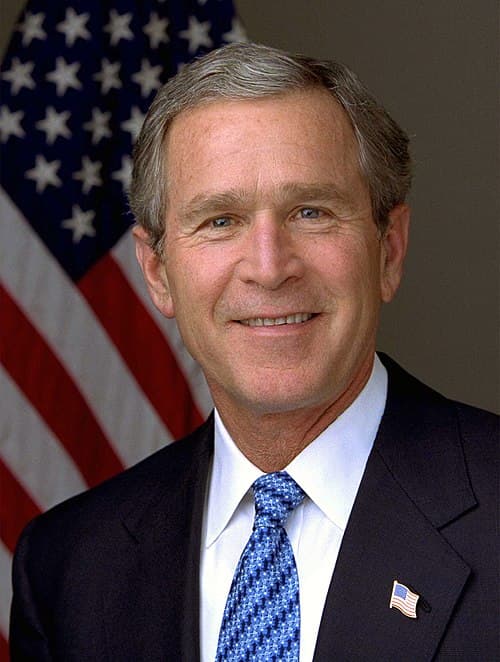
George W. Bush
PERSON18 w/ Gamal·21 w/ Amr
United States
LOCATION17 w/ Gamal·21 w/ Amr
Terje Rod-Larsen
PERSON15 w/ Gamal·23 w/ Amr
Tehran
LOCATION18 w/ Gamal·19 w/ Amr
Saddam Hussein
PERSON22 w/ Gamal·15 w/ Amr
Damascus
LOCATION16 w/ Gamal·19 w/ Amr
Morocco
LOCATION5 w/ Gamal·25 w/ Amr
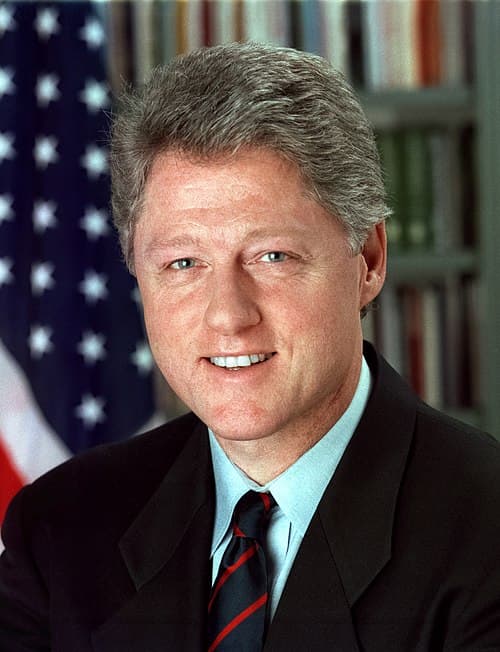
Bill Clinton
PERSON14 w/ Gamal·15 w/ Amr
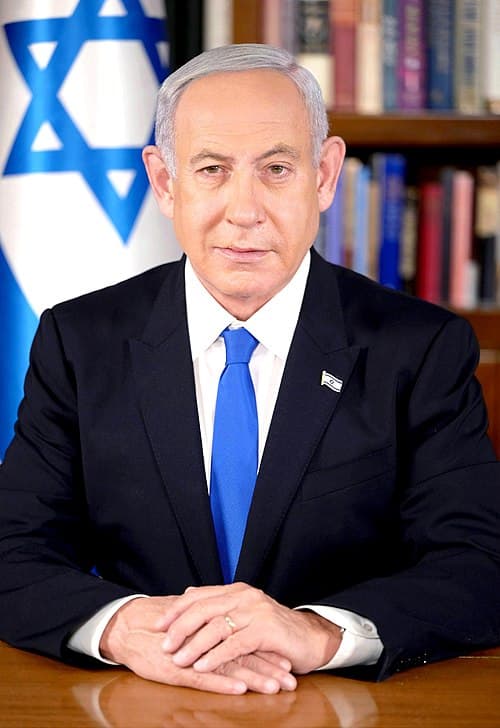
Benjamin Netanyahu
PERSON14 w/ Gamal·14 w/ Amr
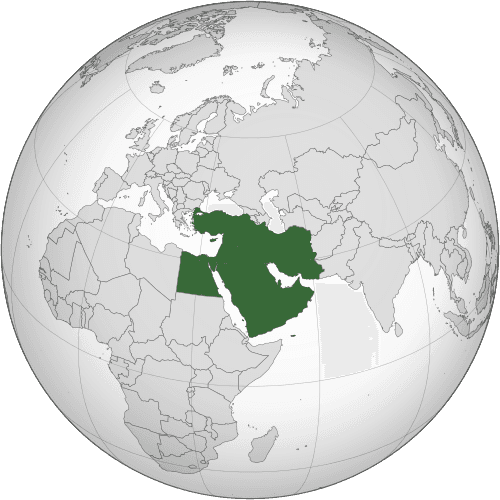
Middle East
LOCATION18 w/ Gamal·7 w/ Amr
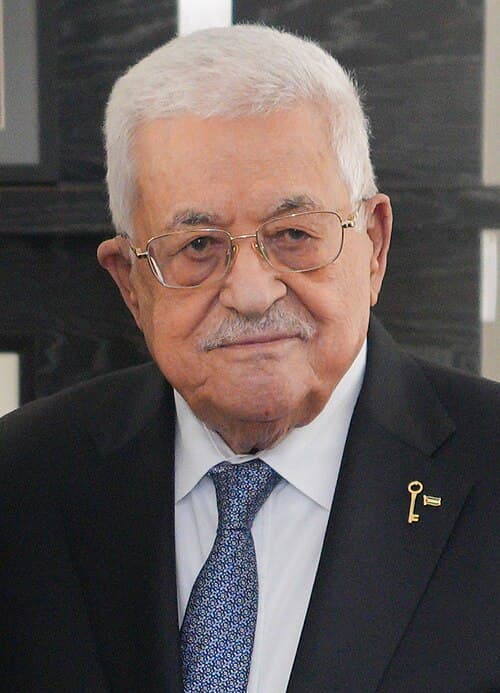
Mahmoud Abbas
PERSON6 w/ Gamal·18 w/ Amr
Fatah
ORGANIZATION9 w/ Gamal·15 w/ Amr