Back to Network














3
Shared Docs
1
Same-Page
6 / 3
Mentions
Document Mentions (3 shared documents)
3 mentions1 same-page
Page ?Same page
ssed domestic Islamic movements, marginalized democratic forces, and confronted regional powers such as Iran. However, with the political demise of Hosni Mubarak the country's foreign policy is gradually moving in a direction that better reflects popular sentiments. The new Egypt is looking to normalize rel
Domestic factors like corruption, political repression, and desperate economic conditions galvanized the populace against the Egyptian state. But Mubarak's foreign policy doctrine also contributed to the erosion of his political base. The democratic revolution was also a response to the government's
hereas most Islamist exiles were confined to places like Iran and Syria), seemed not to understand how democracy works: people like Iyad Allawi and Ahmed Chalabi had an air of entitlement, assuming that people would vote for them merely because they were modern, progressive and famous. They didn't bother to
Page HOUSE_OVERSIGHT_030171
ressed domestic Islamic movements, marginalized democratic forces, and confronted regional powers such as Iran. However, with the political demise of Hosni Mubarak the country's foreign policy is gradually moving in a direction that better reflects popular sentiments. The new Egypt is looking to normalize relati
Page: HOUSE_OVERSIGHT_030171 →ake Domestic factors like corruption, political repression, and desperate economic conditions galvanized the populace against the Egyptian state. But Mubarak's foreign policy doctrine also contributed to the erosion of his political base. The democratic revolution was also a response to the government's co
Page: HOUSE_OVERSIGHT_030171 →Page HOUSE_OVERSIGHT_030184
(whereas most Islamist exiles were confined to places like Iran and Syria), seemed not to understand how democracy works: people like Iyad Allawi and Ahmed Chalabi had an air of entitlement, assuming that people would vote for them merely because they were modern, progressive and famous. They didn't bother to cr
Page: HOUSE_OVERSIGHT_030184 →Page HOUSE_OVERSIGHT_031917
xtended and significant resistance against the regime having emerged. Meanwhile, Egypt is struggling with internal tension over the fall of President Hosni Mubarak and the future of the military junta that replaced him. Add to this the U.S. withdrawal from Iraq and the potential rise of Iranian power, and the po
Page: HOUSE_OVERSIGHT_031917 →Page HOUSE_OVERSIGHT_031918
ple. The Pan-Arab rising is moribund. Where it once threatened the existence of Muslim states, like the Arab monarchies, it is now itself threatened. Mubarak, Syrian President Bashar al Assad and Libyan leader Moammar Gadhafi all represented the old Pan-Arab vision. A much better way to understand the "Ara
Page: HOUSE_OVERSIGHT_031918 →Page HOUSE_OVERSIGHT_031926
pposition activists in meetings at the White House and US state department. Yet such movements have led us astray before, as when politicians such as Ahmed Chalabi misled the US about realities in Iraq. In truth, Mr Assad's regime is much less likely to fall than that of Muammer Gaddafi: there have been no high-
Page: HOUSE_OVERSIGHT_031926 →Sponsored
Mutual Connections (67)
Entities connected to both Hosni Mubarak and Ahmed Chalabi
Barack Obama
PERSON139 w/ Hosni·3 w/ Ahmed
Bashar al-Assad
PERSON122 w/ Hosni·3 w/ Ahmed
Cairo
LOCATION107 w/ Hosni·2 w/ Ahmed
Lebanon
LOCATION97 w/ Hosni·3 w/ Ahmed
United States
LOCATION96 w/ Hosni·3 w/ Ahmed
Tunisia
LOCATION89 w/ Hosni·3 w/ Ahmed
Yemen
LOCATION88 w/ Hosni·3 w/ Ahmed
Tehran
LOCATION87 w/ Hosni·3 w/ Ahmed
Saddam Hussein
PERSON73 w/ Hosni·3 w/ Ahmed
Middle East
LOCATION70 w/ Hosni·2 w/ Ahmed
Fatah
ORGANIZATION63 w/ Hosni·3 w/ Ahmed
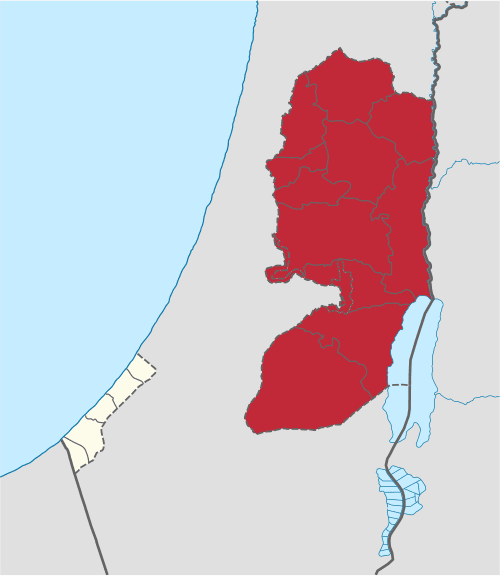
West Bank
LOCATION54 w/ Hosni·2 w/ Ahmed
Muslim Brotherhood
ORGANIZATION51 w/ Hosni·3 w/ Ahmed
the Gaza Strip
LOCATION46 w/ Hosni·2 w/ Ahmed
al-Qaeda
ORGANIZATION41 w/ Hosni·2 w/ Ahmed
Recep Tayyip Erdogan
PERSON38 w/ Hosni·3 w/ Ahmed
Department of Justice
ORGANIZATION38 w/ Hosni·2 w/ Ahmed
Osama bin Laden
PERSON38 w/ Hosni·2 w/ Ahmed
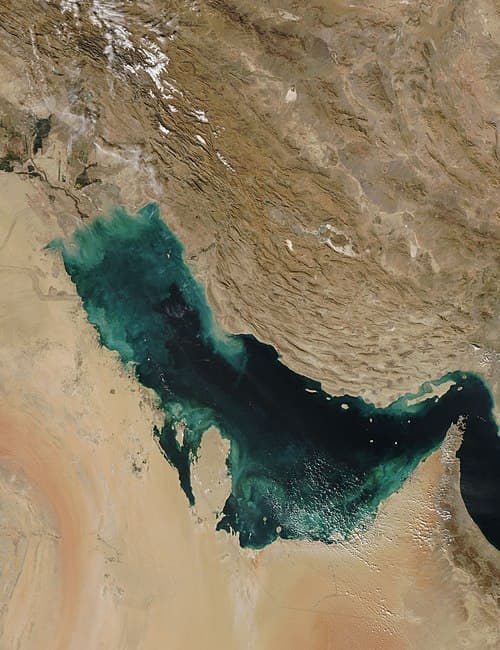
the Persian Gulf
LOCATION37 w/ Hosni·2 w/ Ahmed
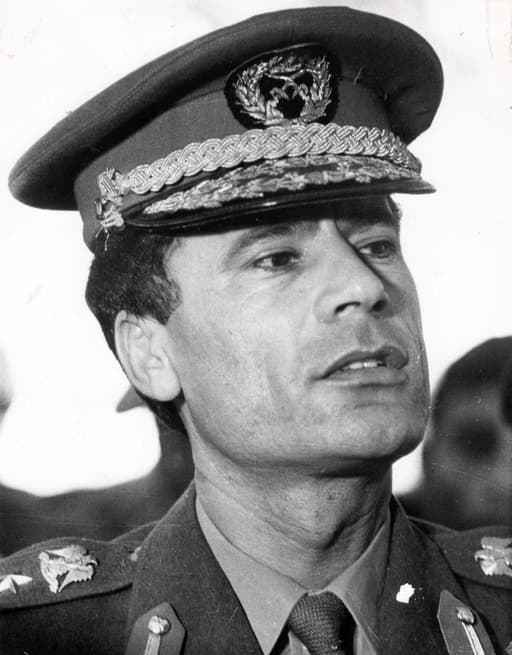
Muammar Gaddafi
PERSON35 w/ Hosni·3 w/ Ahmed