Back to Network


6
Shared Docs
6
Same-Page
19 / 6
Mentions
Document Mentions (6 shared documents)
6 mentions1 same-page
Page ?Same page
o other officers, whom I knew less well at first but who would become key members of my team. In their case, it was the younger one who joined first. Binyamin Netanyahu — Bibi, as everyone called him — had been a member of Amiram Levin’s team when I was Digli’s deputy. He’d also been a part of one of our several — th
m I knew less well at first but who would become key members of my team. In their case, it was the younger one who joined first. Binyamin Netanyahu — Bibi, as everyone called him — had been a member of Amiram Levin’s team when I was Digli’s deputy. He’d also been a part of one of our several — thankfull
training teams. When Danny Yatom left the following year to train as an armored officer, I made Yoni my deputy. However different in some ways, the Netanyahu brothers were close. They seemed almost driven, to excel and to succeed. As I got to know them both, I sensed that the drive did not come merely from
come up through the unit and was one of our most experienced team leaders. And Danny Yatom. Born not far from Mishmar Hasharon, but a city boy, from Netanya, he was smart, level-headed and a sure-handed organizer, and with whom I’d somehow clicked from time he arrived in the sayeret. I made him my deputy
rael’s finest sons, one of its most courageous warriors, one of its most promising commanders.” The first evening I was back, however, I visited the Netanyahus at their family home in Jerusalem: Ben-Zion and Tzila, the parents; Ido, the youngest of the three children, and Bibi, who was still at MIT. It was a
get whoever was at the sayeret base to Lod as soon as possible. But most of the men were on training exercises, including one team with Yoni deep in the Negev Desert. He immediately began calling them back. When I got to the airport, I found Dayan and Dado huddling in a room below the control tower, unfurnished ex
5 mentions1 same-page
Page ?Same page
oats held together by nylon cord, with the assistance of Shayetet 13, Israel's 112 HOUSE_OVERSIGHT_027960 equivalent of the American navy SEALs. But Bibi's dinghy got tangled up, and he found himself in the canal, being tugged down by the current. Only the SEALs, and Bibi's mix of calm and endurance, a
r training teams. When Danny Yatom left the following year to train as an armored officer, I made Yoni my deputy. However different in some ways, the Netanyahu brothers were close. They seemed almost driven, to excel and to succeed. As I got to know them both, I sensed that the drive did not come merely from
come up through the unit and was one of our most experienced team leaders. And Danny Yatom. Born not far from Mishmar Hasharon, but a city boy, from Netanya, he was smart, level-headed and a sure-handed organizer, and with whom I'd somehow clicked from time he arrived in the sayeret. I made him my deputy
srael's finest sons, one of its most courageous warriors, one of its most promising commanders." The first evening I was back, however, I visited the Netanyahus at their family home in Jerusalem: Ben-Zion and Tzila, the parents; Ido, the youngest of the three children, and Bibi, who was still at MIT. It was a
get whoever was at the sayeret base to Lod as soon as possible. But most of the men were on training exercises, including one team with Yoni deep in the Negev Desert. He immediately began calling them back. When I got to the airport, I found Dayan and Dado huddling in a room below the control tower, unfurnished ex
4 mentions1 same-page
Page ?Same page
igence and a sardonic sense of humor. Both had tested the patience of our teachers to breaking point. Ido had been sent off to a vocational school in Netanya. Moshe was moved to Mikveh Israel, a school which focused mostly on agriculture. On Friday evenings and Saturdays in the kibbutz, however, they fille
e, Bibi Netanyahu. Much of what I say in this book about war and peace, security and Israel’s future challenges, will make uncomfortable reading for Bibi. But very little of it will surprise him, or his own Likud rivals further to the right, like Foreign Minister Avigdor Lieberman and the Economy Minis
ures and chart a way forward. So what is that way? It begins with the mindset. On more than one occasion in the past few years, after Prime Minister Netanyahu had warned our country of a nuclear Iran or the spread of Al Qaeda-style hatred and violence, as if prophesying the coming of Armageddon, I would say
nd just 40 from the outskirts of Tel AVIV. Israel did secure control of the entire Galilee, up to the pre-war borders with Lebanon and Syria, and of the Negev Desert in the south. The territory of our new state was about a third larger than the area proposed under the UN partition plan rejected by the Arabs. Yet t
Sponsored
4 mentions1 same-page
Page ?Same page
igence and a sardonic sense of humor. Both had tested the patience of our teachers to breaking point. Ido had been sent off to a vocational school in Netanya. Moshe was moved to Mikveh Israel, a school which focused mostly on agriculture. On Friday evenings and Saturdays in the kibbutz, however, they fille
e, Bibi Netanyahu. Much of what I say in this book about war and peace, security and Israel’s future challenges, will make uncomfortable reading for Bibi. But very little of it will surprise him, or his own Likud rivals further to the right, like Foreign Minister Avigdor Lieberman and the Economy Minis
ures and chart a way forward. So what is that way? It begins with the mindset. On more than one occasion in the past few years, after Prime Minister Netanyahu had warned our country of a nuclear Iran or the spread of Al Qaeda-style hatred and violence, as if prophesying the coming of Armageddon, I would say
nd just 40 from the outskirts of Tel AVIV. Israel did secure control of the entire Galilee, up to the pre-war borders with Lebanon and Syria, and of the Negev Desert in the south. The territory of our new state was about a third larger than the area proposed under the UN partition plan rejected by the Arabs. Yet t
3 mentions1 same-page
Page ?Same page
Clinton invited Israeli Prime Minister Banjamin Netanyahu and Palestinian leader Yasser Arafat to sign an
ent building proved neither side was actively implementing the peace agreements. In 1998, US President Bill Clinton invited Israeli Prime Minister Banjamin Netanyahu and Palestinian leader Yasser Arafat to sign an agreement to implement the procedures outlined in the Oslo Accords. After days of intense debate, t
Palestinians refused anything less than a return to the 1967 borders, while Israel only offered the Gaza Strip, much of the West Bank and parts of the Negev Desert. The failure of the meetings ushered in a new Palestinian uprising, known as the Second Intifada. 8. Road Map to Peace and Geneva Accords (2003)
3 mentions1 same-page
Page ?Same page
blic, for a bombing of the nuclear facilities at Natanz, Fordu and Isfahan using cutting-edge conventional, bunker-busting weapons. Prime Minister Benjamin Netanyahu and his Defense Minister Ehud Barak are convinced that the "window" is closing in which such an attack would be effective, as Iran is in the proces
he poem met with international protests. Comparing Israel and Iran was "not brilliant, but absurd," said German Foreign Minister Guido Westerwelle. Netanyahu spoke of an "absolute scandal" and his interior minister banned Grass from entering Israel. But some people agreed with the author. Gansel, the SP
nd 1,500 kilometers (940 miles) and which could reach Iran with a warhead weighing up to 200 kilograms (440 pounds). The nuclear payload comes from the Negev Desert, where Israel has operated a reactor and an underground plutonium separation plant in Dimona since the 1960s. The question of how developed the Isr
Sponsored
Mutual Connections (617)
Entities connected to both Benjamin Netanyahu and the Negev Desert
Barack Obama
PERSON272 w/ Benjamin·6 w/ the
George W. Bush
PERSON214 w/ Benjamin·5 w/ the
United States
LOCATION203 w/ Benjamin·6 w/ the
Bill Clinton
PERSON199 w/ Benjamin·4 w/ the
Jerusalem
LOCATION160 w/ Benjamin·8 w/ the
Bashar al-Assad
PERSON154 w/ Benjamin·6 w/ the
Lebanon
LOCATION146 w/ Benjamin·8 w/ the
Tehran
LOCATION145 w/ Benjamin·4 w/ the
Ehud Barak
PERSON136 w/ Benjamin·5 w/ the
Marc Rich
PERSON133 w/ Benjamin·5 w/ the
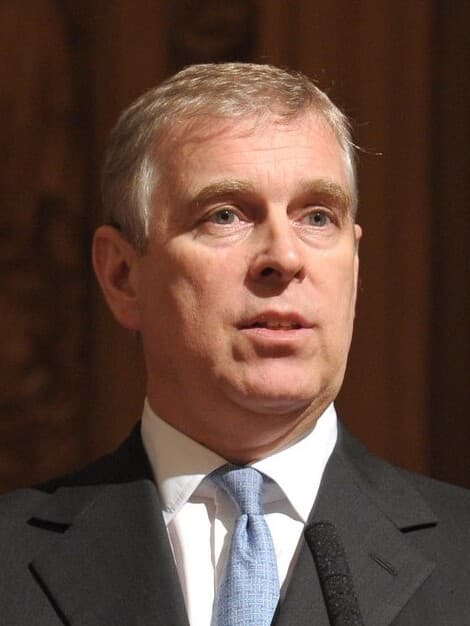
Prince Andrew
PERSON126 w/ Benjamin·3 w/ the
LB
Leon Black
PERSON123 w/ Benjamin·4 w/ the
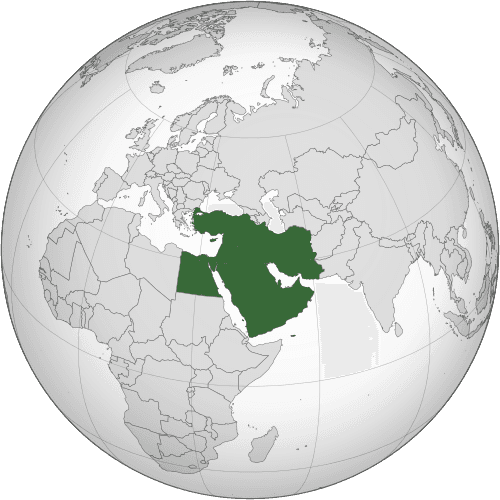
Middle East
LOCATION115 w/ Benjamin·4 w/ the
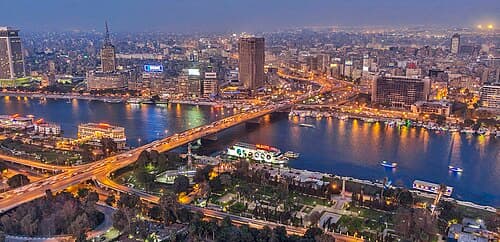
Cairo
LOCATION113 w/ Benjamin·5 w/ the
Terje Rod-Larsen
PERSON108 w/ Benjamin·4 w/ the
Hosni Mubarak
PERSON98 w/ Benjamin·8 w/ the
West Bank
LOCATION102 w/ Benjamin·4 w/ the
Virginia Giuffre
PERSON103 w/ Benjamin·2 w/ the
Michael Cohen
PERSON99 w/ Benjamin·5 w/ the
Damascus
LOCATION98 w/ Benjamin·6 w/ the