Back to Network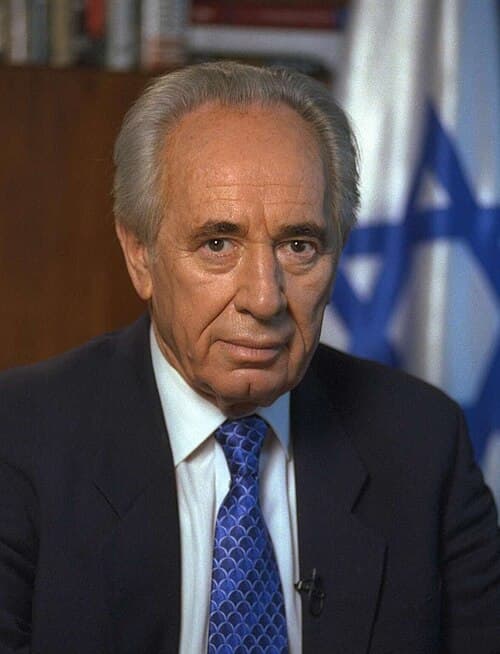




4
Shared Docs
4
Same-Page
4 / 7
Mentions
Document Mentions (4 shared documents)
3 mentions1 same-page
Page ?Same page
hen I left the army. Also, Shlomo Ben-Ami, the Moroccan-born, Oxford-educated historian and diplomat who had run against me for the Labor leadership. Shlomo had a gift for systematic analysis and keen judgement, especially on security issues, which I highly valued. It did not escape the attention of Isra
’d agree on a unity government. To my amusement, if not altogether to my surprise, I got word that Bibi was putting out separate political feelers to Shimon Peres. But before long, it became clear there was a specific political motivation behind his approaching me. It was indeed the peace process. But it
And while I did make a brief attempt to return as party leader later in the year, when it was clear I wasn’t going to win, I threw my support behind Shimon and against the other challenger, the longtime labor- union leader Amir Peretz, who was running on a platform to take Labor out of Sharon’s governmen
3 mentions1 same-page
Page ?Same page
assumed a kind of historical inevitability of Israeli triumph. Though we'd ending up prevailing in 1973, it was impossible not to wonder whether, as Shlomo suggested, we had missed the signs of a possible peace beforehand. Now, however, we were facing an escalating challenge from an enemy with no interes
rces, it was critical to keep him in the picture. I told them all that we'd be working through the night, and that I had to be able to tell Motta and Shimon by the morning whether we really could mount a rescue mission. I still thought I'd end up having to tell them no. However difficult the obstacles we'
inly Ben-Zion and Bibi, would expect me to say. Not only was Yoni being mourned across Israel after Entebbe. He was being elevated - in the spirit of Shimon's words at the funeral -to something approaching sainthood. I did not want to detract from his evolving status as national hero, or his importance as
3 mentions1 same-page
Page ?Same page
hen I left the army. Also, Shlomo Ben-Ami, the Moroccan-born, Oxford-educated historian and diplomat who had run against me for the Labor leadership. Shlomo had a gift for systematic analysis and keen judgement, especially on security issues, which I highly valued. It did not escape the attention of Israe
'd agree on a unity government. To my amusement, if not altogether to my surprise, I got word that Bibi was putting out separate political feelers to Shimon Peres. But before long, it became clear there was a specific political motivation behind his approaching me. It was indeed the peace process. But it
GHT_028163 / BARAK / 30 I'd tried not to pay too much attention to newspaper polls during the campaign, perhaps because even the "good" ones, to use Shimon's phrase, had me with just a narrow lead, with Yitzhik Mordechai's 10 or 11 percent still likely to prevent outright victory in the first round. But
Sponsored
2 mentions1 same-page
Page ?Same page
assumed a kind of historical inevitability of Israeli trtumph. Though we’d ending up prevailing in 1973, it was impossible not to wonder whether, as Shlomo suggested, we had missed the signs of a possible peace beforehand. Now, however, we were facing an escalating challenge from an enemy with no intere
inly Ben-Zion and Bibi, would expect me to say. Not only was Yoni being mourned across Israel after Entebbe. He was being elevated — in the spirit of Shimon’s words at the funeral —to something approaching sainthood. I did not want to detract from his evolving status as national hero, or his importance as
Sponsored
Mutual Connections (529)
Entities connected to both Shlomo and Shimon
Shimon Peres
PERSON7 w/ Shlomo·12 w/ Shimon
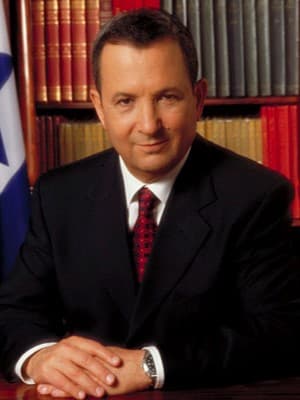
Ehud Barak
PERSON7 w/ Shlomo·11 w/ Shimon
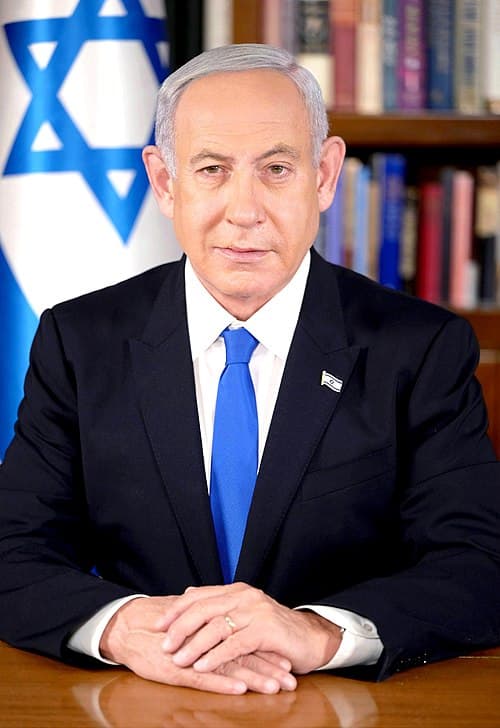
Benjamin Netanyahu
PERSON7 w/ Shlomo·11 w/ Shimon
Fatah
ORGANIZATION6 w/ Shlomo·11 w/ Shimon
Likud
ORGANIZATION6 w/ Shlomo·11 w/ Shimon
Lebanon
LOCATION6 w/ Shlomo·11 w/ Shimon
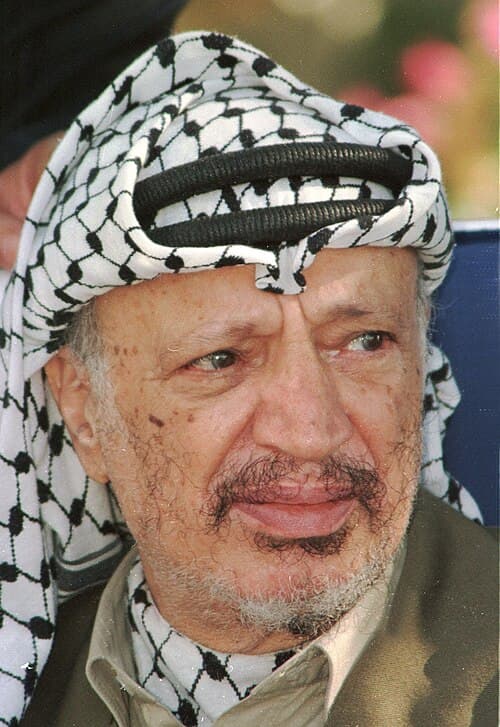
Yasser Arafat
PERSON6 w/ Shlomo·11 w/ Shimon
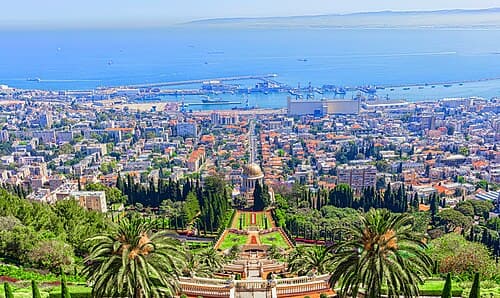
Haifa
LOCATION7 w/ Shlomo·9 w/ Shimon
George W. Bush
PERSON4 w/ Shlomo·12 w/ Shimon
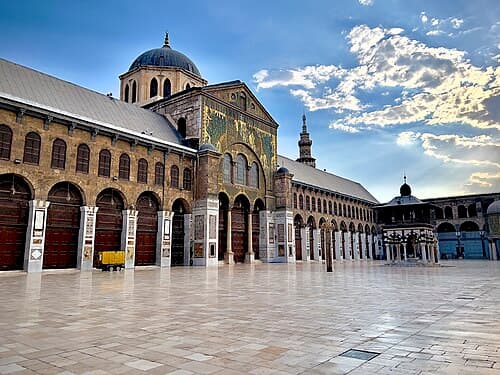
Damascus
LOCATION6 w/ Shlomo·9 w/ Shimon
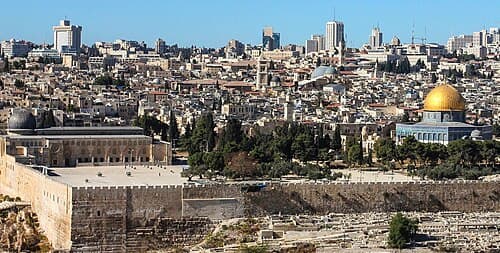
Jerusalem
LOCATION6 w/ Shlomo·9 w/ Shimon
Knesset
ORGANIZATION6 w/ Shlomo·9 w/ Shimon
Sinai
LOCATION6 w/ Shlomo·9 w/ Shimon
Rabin
PERSON7 w/ Shlomo·8 w/ Shimon
Yitzhak Rabin
PERSON6 w/ Shlomo·8 w/ Shimon
Bibi Netanyahu
PERSON6 w/ Shlomo·8 w/ Shimon
the West Bank
LOCATION6 w/ Shlomo·8 w/ Shimon
Sayeret Matkal
LOCATION6 w/ Shlomo·8 w/ Shimon
Mossad
ORGANIZATION6 w/ Shlomo·8 w/ Shimon
Saddam Hussein
PERSON5 w/ Shlomo·9 w/ Shimon