Back to Network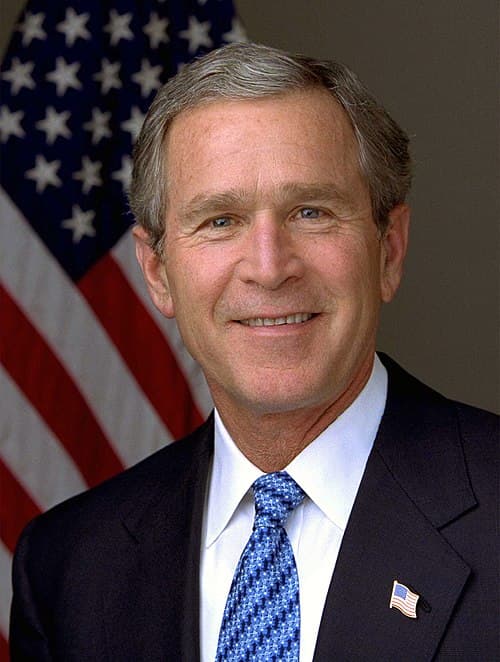


6
Shared Docs
6
Same-Page
15 / 6
Mentions
Document Mentions (6 shared documents)
5 mentions1 same-page
Page ?Same page
rab world was given up. The autocracies had survived the brief moment of American assertiveness. And soon, a new standard-bearer of American power, Barack Obama, came with a reassuring message: the United States was done with change; it would make its peace with the status quo, renewing its partnership wit
ut the greater Middle East would be left to its Furies. When a revolt erupted in Iran against the theocrats in the first summer of his presidency, Obama was caught flatfooted by the turmoil. Determined to conciliate the rulers, he could not find the language to speak to the rebels. Meanwhile, the Sy
he last State of the Union address, we applauded President Obama for challenging the Republicans' blame-governmen
d soon, a new standard-bearer of American power, Barack Obama, came with a reassuring message: the Unite
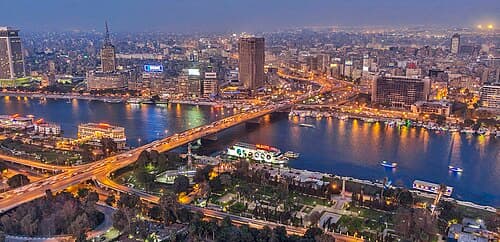
in Tahrir Square demanding to be rid of him. The senior commanders of the armed forces cast him aside, and he joined his fellow despot, Tunisia's Zine el-Abidine Ben Ali, who had fallen a month earlier. From Cairo, the awakening became a pan-Arab affair, catching fire in Yemen and Bahrain. As a monarchy, th
5 mentions1 same-page
Page ?Same page
ating former senator George Mitchell's departure as envoy. The new Palestinian configuration further hamstrings our position. A speech by President Obama this Thursday, focusing on the Mideast writ large, with a possible mention of U.S. principles to end the conflict, is far less preferable than subs
nd Jewish ethics alike. Once upon a time, when the Arabs were hapless and America was omnipotent, Israel could get away with that. Not anymore. If Barack Obama cannot get Benjamin Netanyahu to endorse—and work toward—a Palestinian state near 1967 lines, events will pass them both by. Others will take the i
ion further hamstrings our position. A speech by President Obama this Thursday, focusing on the Mideast writ larg
Israel could get away with that. Not anymore. If Barack Obama cannot get Benjamin Netanyahu to endorse—a
that in fact Hamdi had not struck him—and she was acquitted). But there was enough tension and discontent within the country—and in particular with Zine el-Abidine Ben Ali— that had it not been for the unfortunate Bouazizi, some other incident might well have caused the overthrow of the regime. Next, for a rev
4 mentions1 same-page
Page ?Same page
lapping up in Florida, Louisiana, and Mississippi. Moreover, politically speaking, if a similar spill occurred before the 2012 elections, President Barack Obama could face a serious backlash. Yet is the answer zero new drilling in the Gulf? If a new set of rules were devised that enabled new drilling
up in Florida, Louisiana, and Mississippi. Moreover, politically speaking, if a similar spill occurred before the 2012 elections, President Barack Obama could face a serious backlash. Yet is the answer zero new drilling in the Gulf? If a new set of rules were devised that enabled new drilling in the
tests, quickly shifting from calling for calm to recognizing the legitimacy of demonstrators' demands. In his State of the Union address, President Barack Obama stated, "Tonight, let us be clear: the United States of America stands with the people of Tunisia and supports the democratic aspirations of all pe
s. The government was authoritarian but also determinedly secular and pro- Western. The cracks, however, were larger than anyone thought: President Zine el-Abidine Ben Ali had carefully hidden the extent to which illness had weakened his control of the government; his ties with other centers of power, such as
Sponsored
3 mentions1 same-page
Page ?Same page
fighters throughout the conflict also hailed Colonel Qaddafi's demise. "We can definitely say that the Qaddafi regime has come to an end," President Obama said. "The dark shadow of tyranny has been lifted, and with this enormous promise the Libyan people now have a great responsibility to build an inc
say that the Qaddafi regime has come to an end," President Obama said. "The dark shadow of tyranny has been lifte
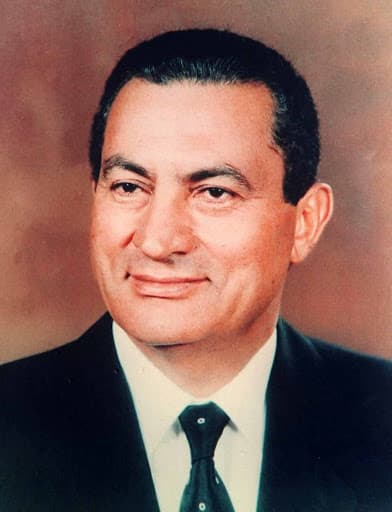
risings — most notably President Ali Abdullah Saleh of Yemen and President Bashar al-Assad of Syria. One of them, also referring to former President Zine el-Abidine Ben Ali of Tunisia and former President Hosni Mubarak of Egypt, read: "Ben Ali escaped, Mubarak is in jail, Qaddafi was killed. Which fate do you p
2 mentions1 same-page
Page ?Same page
tuate the unhappiness of their people is going to require more than mere oratory from the White House. It is going to mean doing something that the Obama administration promised when it first took office but then turned away from shortly thereafter. It is going to mean embracing and leading a compreh
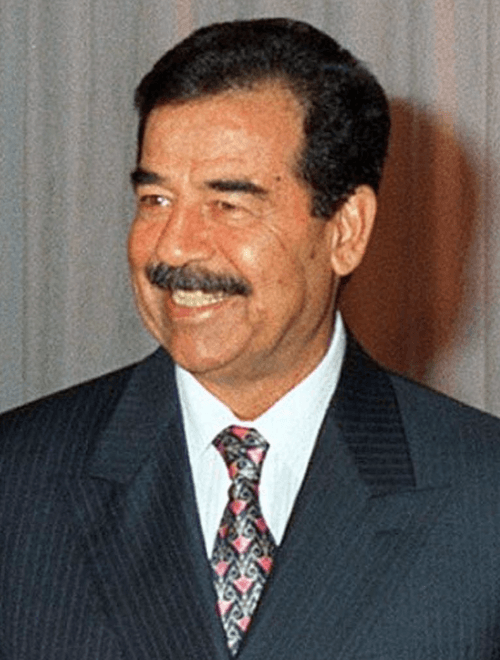
he public space, there was now the cult of the rulers, the unbounded power of Saddam Hussein and Muammar el-Qaddafi and Hafez al-Assad in Syria and Zine el-Abidine Ben Ali in Tunisia. The traditional restraints on power had been swept away, and no new social contract between ruler and ruled had emerged. Fear
2 mentions1 same-page
Page ?Same page
tuate the unhappiness of their people is going to require more than mere oratory from the White House. It is going to mean doing something that the Obama administration promised when it first took office but then turned away from shortly thereafter. It is going to mean embracing and leading a compreh
he public space, there was now the cult of the rulers, the unbounded power of Saddam Hussein and Muammar el-Qaddafi and Hafez al-Assad in Syria and Zine el-Abidine Ben Ali in Tunisia. The traditional restraints on power had been swept away, and no new social contract between ruler and ruled had emerged. Fear
Sponsored
Mutual Connections (81)
Entities connected to both Barack Obama and Zine el-Abidine
George W. Bush
PERSON635 w/ Barack·5 w/ Zine
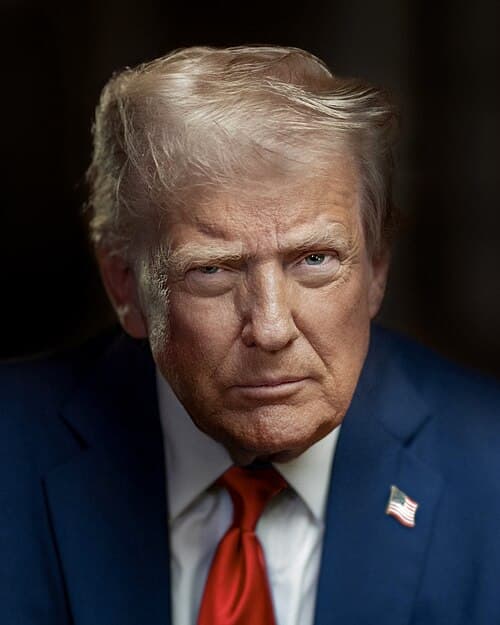
Donald Trump
PERSON522 w/ Barack·2 w/ Zine
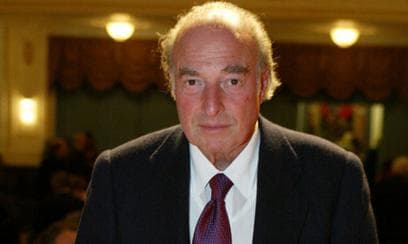
Marc Rich
PERSON373 w/ Barack·4 w/ Zine
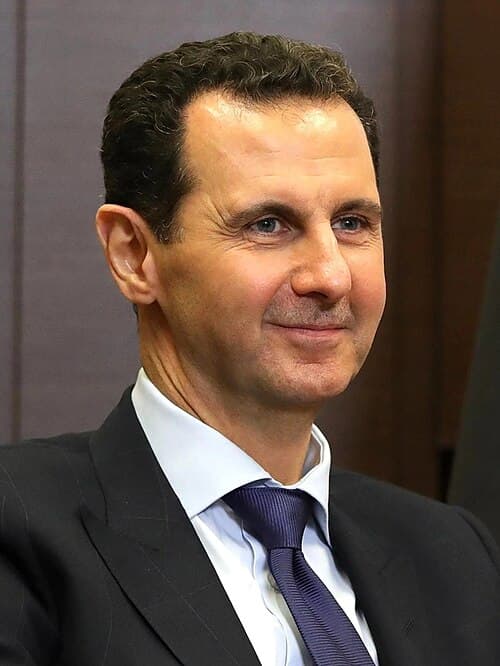
Bashar al-Assad
PERSON235 w/ Barack·6 w/ Zine
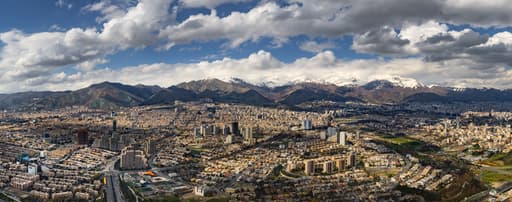
Tehran
LOCATION227 w/ Barack·4 w/ Zine
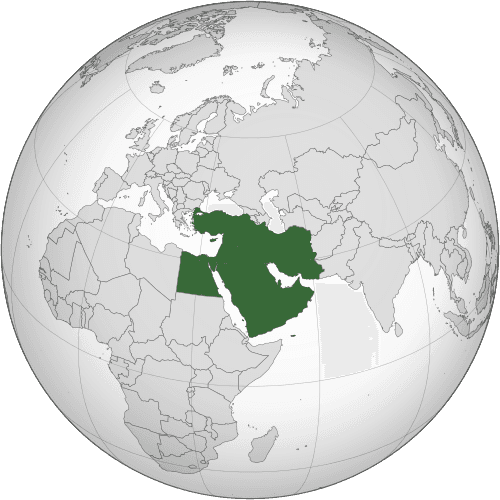
Middle East
LOCATION211 w/ Barack·5 w/ Zine
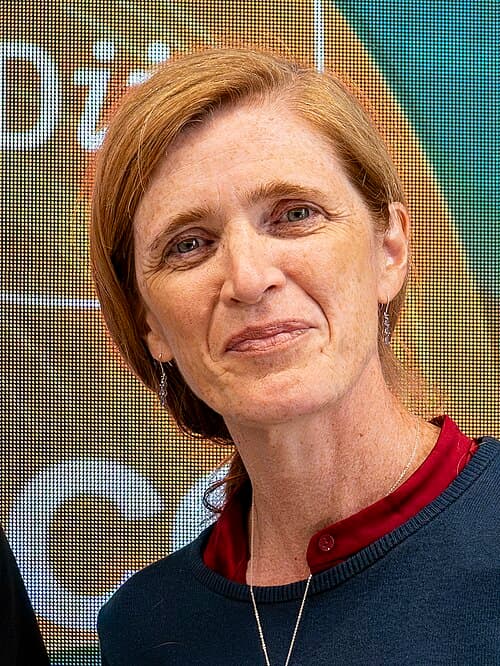
Samantha Power
PERSON204 w/ Barack·3 w/ Zine
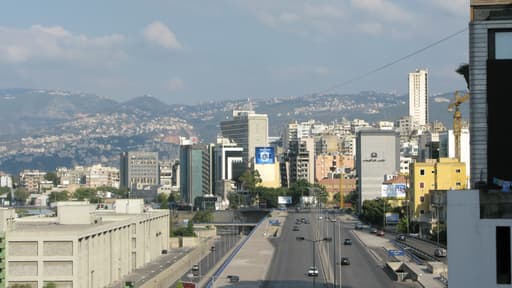
Lebanon
LOCATION197 w/ Barack·5 w/ Zine
Yemen
LOCATION165 w/ Barack·6 w/ Zine
Saddam Hussein
PERSON152 w/ Barack·5 w/ Zine
Cairo
LOCATION146 w/ Barack·5 w/ Zine
Hosni Mubarak
PERSON139 w/ Barack·6 w/ Zine
Damascus
LOCATION141 w/ Barack·4 w/ Zine
Tunisia
LOCATION120 w/ Barack·5 w/ Zine
Bahrain
LOCATION105 w/ Barack·4 w/ Zine
the Soviet Union
LOCATION88 w/ Barack·4 w/ Zine
al-Qaeda
ORGANIZATION88 w/ Barack·2 w/ Zine
Osama bin Laden
PERSON88 w/ Barack·2 w/ Zine
Bradley Cooper
PERSON87 w/ Barack·2 w/ Zine
Mediterranean
LOCATION86 w/ Barack·3 w/ Zine