Back to Network



3
Shared Docs
3
Same-Page
11 / 3
Mentions
Document Mentions (3 shared documents)
5 mentions1 same-page
Page ?Same page
ing in Syria Doyle McManus December 15, 2013 -- Here's how feeble U.S. influence on the outcome of Syria's dreadful civil war has become: For the Obama administration's diplomacy to succeed, it now needs help from an armed group with the unpromising name of the Islamic Front. That wasn't where the
litics, beyond the support of a few oilmen and arms manufacturers. The Saudi royals do not even enjoy the warm personal relationship with President Barack Obama that they once had with Presidents George Bush (both father and son) and Bill Clinton, who managed bilateral relations directly. Perhaps the most
wasn't where the administration hoped to be. When President Obama first got interested in Syria back in 2011, his
oy the warm personal relationship with President Barack Obama that they once had with Presidents George
lamic Front, a loose alliance of seven factions that wants Syrians to live under Sunni Muslim law. "They're Salafists but not extremists," explains Andrew J. Tabler, a Syria expert at the Washington Institute for Near East Policy. What that means is that although members of the front want a government dominated
5 mentions1 same-page
Page ?Same page
been evolving, but in what direction has been less clear. Analysts have therefore been dutifully reading between the lines of what the risk-averse Obama administration has been doing and saying to try to tease out the new American strategic vision for the region. Both the administration and the cou
came even more so. Yet these moves only hinted at where American strategy might be headed, and raised more questions than they answered. President Barack Obama, in his own words, has begun to EFTA_R1_02206846 EFTA02722150 explain what his administration sees as new American strategic policy goals and po
hat were within the limits of the NPT. Not until President Obama made it plain, beginning in 2009, that the US wa
sed more questions than they answered. President Barack Obama, in his own words, has begun to EFTA_R1_02
NYT WikiLeaks, Drought and Syria Thomas L. Friedman Article 3. The Washington Institute Avoiding Assad's Forced Solution to the Syria Crisis Andrew J. Tabler Article 4. Now Lebanon Does the US seek an Arab-Iranian "equilibrium?" Hussein Ibish Articles. The Christian Science Monitor As Egypt squeezes
4 mentions1 same-page
Page ?Same page
been evolving, but in what direction has been less clear. Analysts have therefore been dutifully reading between the lines of what the risk-averse Obama administration has been doing and saying to try to tease out the new American strategic vision for the region. Both the administration and the cou
came even more so. Yet these moves only hinted at where American strategy might be headed, and raised more questions than they answered. President Barack Obama, in his own words, has begun to explain what his administration sees as new American strategic policy goals and postures. And they will not please
sed more questions than they answered. President Barack Obama, in his own words, has begun to explain wha
. NYT WikiLeaks, Drought and Syria Thomas L. Friedman Article 3. The Washington Institute Avoiding Assad's Forced Solution to the Syria Crisis Andrew J. Tabler Article 4. Now Lebanon Does the US seek an Arab-Iranian "equilibrium?" Hussein Ibish Article 5. The Christian Science Monitor As Egypt squeeze
Sponsored
Mutual Connections (110)
Entities connected to both Barack Obama and Andrew J. Tabler
George W. Bush
PERSON635 w/ Barack·3 w/ Andrew
United States
LOCATION419 w/ Barack·3 w/ Andrew
Marc Rich
PERSON373 w/ Barack·2 w/ Andrew
Joe Biden
PERSON372 w/ Barack·2 w/ Andrew
Prince Andrew
PERSON353 w/ Barack·3 w/ Andrew
Department of Justice
ORGANIZATION337 w/ Barack·2 w/ Andrew
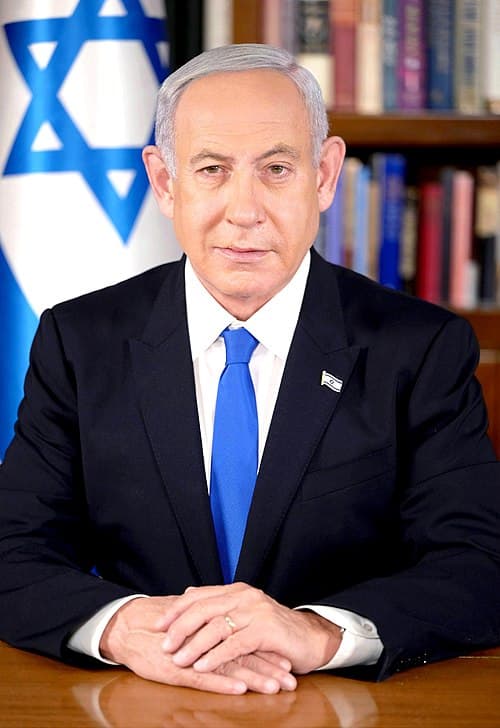
Benjamin Netanyahu
PERSON272 w/ Barack·3 w/ Andrew
Eric Trump
PERSON261 w/ Barack·2 w/ Andrew
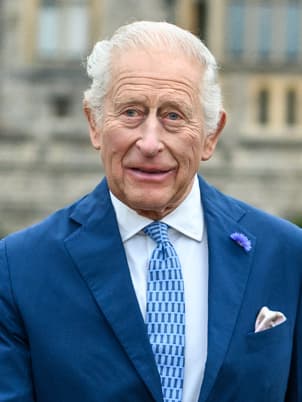
Prince Charles
PERSON255 w/ Barack·2 w/ Andrew
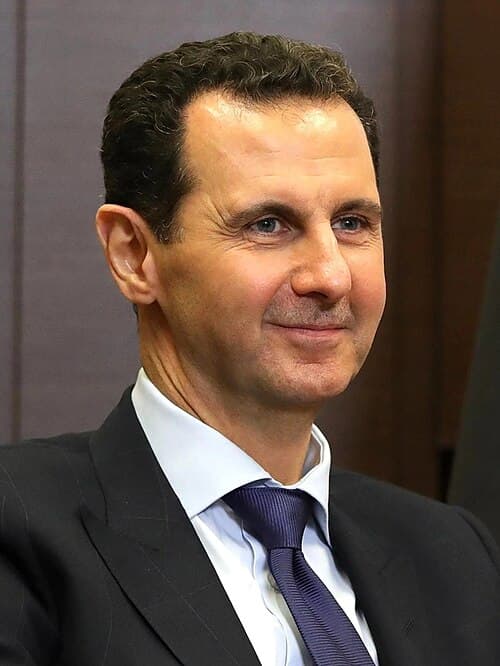
Bashar al-Assad
PERSON235 w/ Barack·3 w/ Andrew
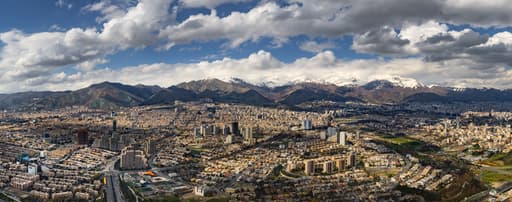
Tehran
LOCATION227 w/ Barack·3 w/ Andrew
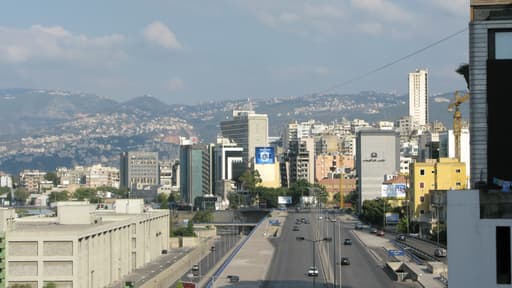
Lebanon
LOCATION197 w/ Barack·3 w/ Andrew
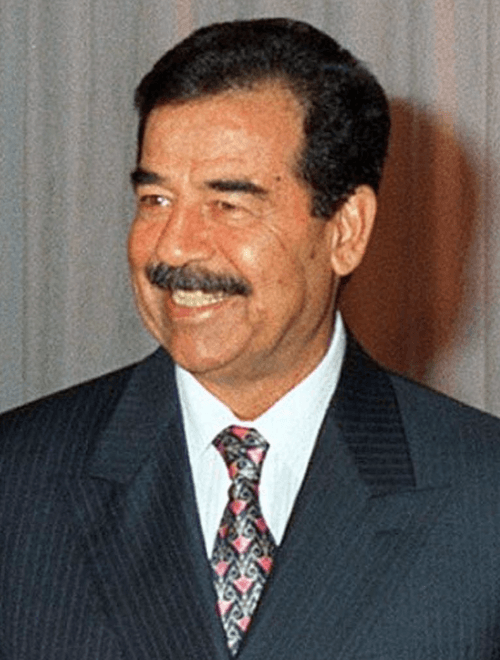
Saddam Hussein
PERSON152 w/ Barack·3 w/ Andrew
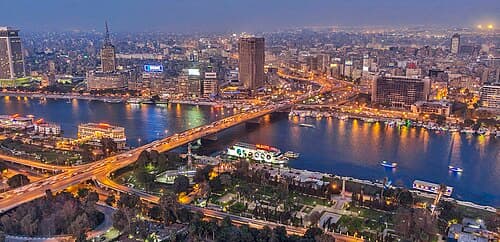
Cairo
LOCATION146 w/ Barack·3 w/ Andrew
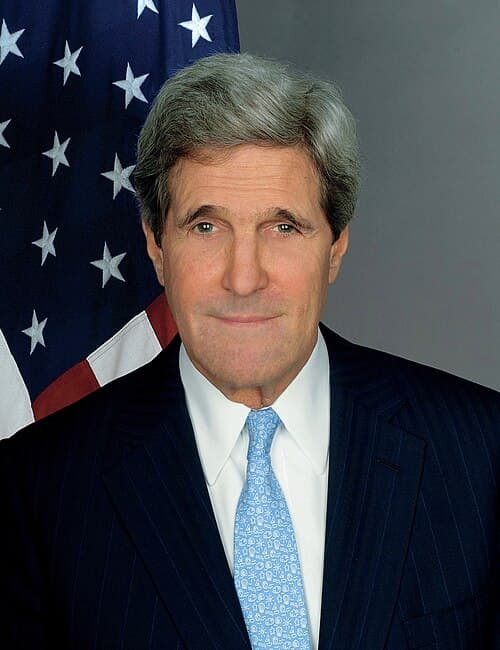
John Kerry
PERSON141 w/ Barack·3 w/ Andrew
Damascus
LOCATION141 w/ Barack·3 w/ Andrew
Terje Rod-Larsen
PERSON133 w/ Barack·2 w/ Andrew
Capitol Hill
ORGANIZATION126 w/ Barack·2 w/ Andrew
Tunisia
LOCATION120 w/ Barack·3 w/ Andrew
Mahmoud Abbas
PERSON86 w/ Barack·2 w/ Andrew