Back to Network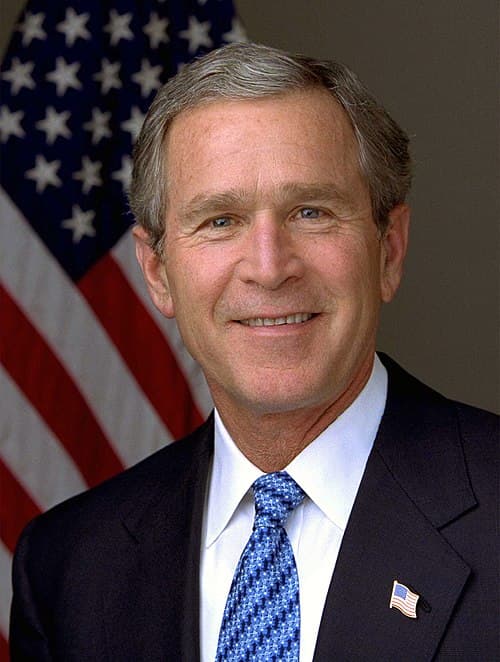




4
Shared Docs
4
Same-Page
8 / 4
Mentions
Document Mentions (4 shared documents)
5 mentions1 same-page
Page ?Same page
n variables of a post-Assad Syria appear to have created a divide between U.S. and Israeli strategies, as the Netanyahu government has not followed Obama's course EFTA00659881 on Syria. The Israeli concerns surrounding the collapse of Syria's Ba'athist party are legitimate. Washington should also c
persuaded the Sunni tribes to "flip" and start fighting the radicals rather than Americans. The surge changed the war in Iraq dramatically, even as Barack Obama, then a candidate for president, was promising to swing resources away from Iraq and into the "good war" in Afghanistan. President Obama fulfilled
John A. Nagl June 6, 2012 -- THIS Memorial Day, President Obama recognized veterans of all of the nation's wars,
rge changed the war in Iraq dramatically, even as Barack Obama, then a candidate for president, was promi
srael's qualitative superiority over its enemies for decades. Now we know it got some help from Berlin as well. Bruce Riedel is a senior fellow in the Saban Center for Middle East Policy at the Brookings Institution. A career CIA officer, he has advised four presidents on Middle East and South Asian issues in
3 mentions1 same-page
Page ?Same page
Rice Offers a More Modest Strategy for Mideast Mark Landler 26 October 2013 -- Each Saturday morning in July and August, Susan E. Rice, President Obama's new national security adviser, gathered half a dozen aides in her corner office in the White House to plot America's future in the Middle East. T
urday morning in July and August, Susan E. Rice, President Obama's new national security adviser, gathered half a
fraught history with Syria illustrates. "You can have your agenda, but you can't control what happens," said Tamara Cofman Wittes, the director of the Saban Center for Middle East Policy at the Brookings Institution. "The argument that we can't make a decisive difference, so we're not going to try, is wronghea
2 mentions1 same-page
Page ?Same page
tuate the unhappiness of their people is going to require more than mere oratory from the White House. It is going to mean doing something that the Obama administration promised when it first took office but then turned away from shortly thereafter. It is going to mean embracing and leading a compreh
ian people have shown us all the path, but it will take American leadership to reach the desired destination. Kenneth M. Pollack is the director of the Saban Center for Middle East Policy at the Brookings Institution and the author of "A Path Out of the Desert: A Grand Strategy for America in the Middle East."
Sponsored
2 mentions1 same-page
Page ?Same page
tuate the unhappiness of their people is going to require more than mere oratory from the White House. It is going to mean doing something that the Obama administration promised when it first took office but then turned away from shortly thereafter. It is going to mean embracing and leading a compreh
tian people have shown us all the path, but it will take American leadership to reach the desired destination. Kenneth M Pollack is the director of the Saban Center for Middle East Policy at the Brookings Institution and the author of "A Path Out of the Desert: A Grand Strategy for America in the Middle East."
Sponsored
Mutual Connections (77)
Entities connected to both Barack Obama and the Saban Center
George W. Bush
PERSON635 w/ Barack·4 w/ the
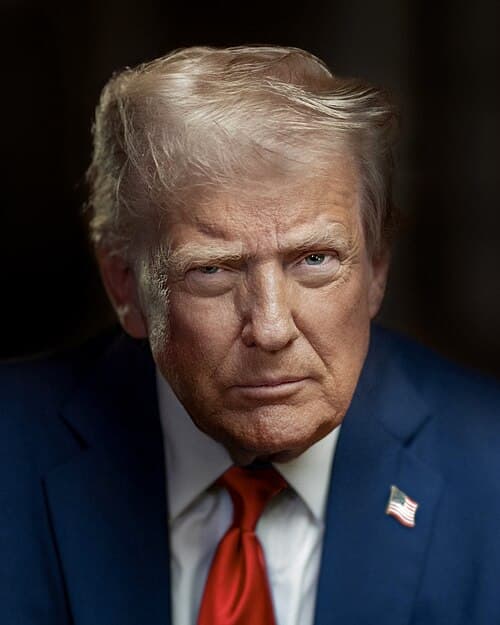
Donald Trump
PERSON522 w/ Barack·2 w/ the
United States
LOCATION419 w/ Barack·2 w/ the
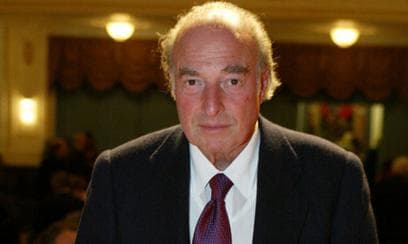
Marc Rich
PERSON373 w/ Barack·2 w/ the
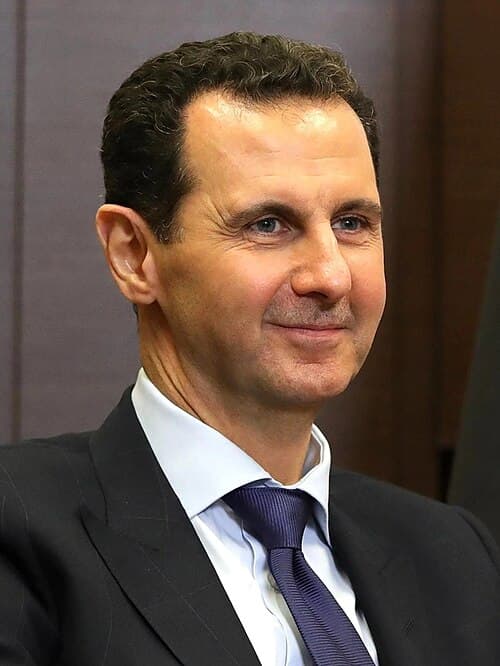
Bashar al-Assad
PERSON235 w/ Barack·4 w/ the
Tehran
LOCATION227 w/ Barack·3 w/ the
Middle East
LOCATION211 w/ Barack·3 w/ the
Samantha Power
PERSON204 w/ Barack·2 w/ the
Lebanon
LOCATION197 w/ Barack·3 w/ the
Yemen
LOCATION165 w/ Barack·3 w/ the
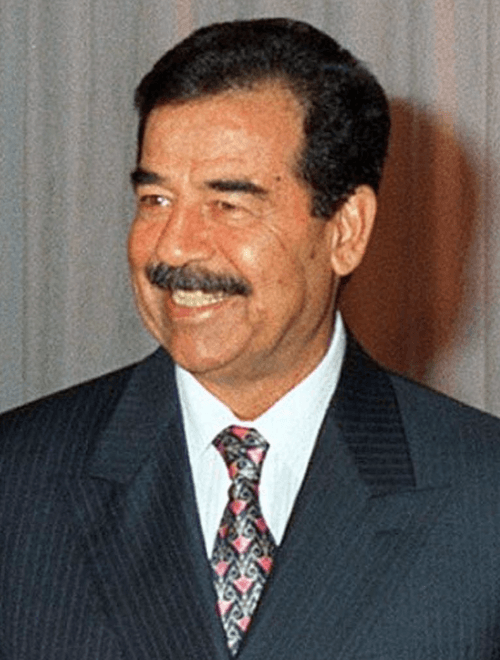
Saddam Hussein
PERSON152 w/ Barack·3 w/ the
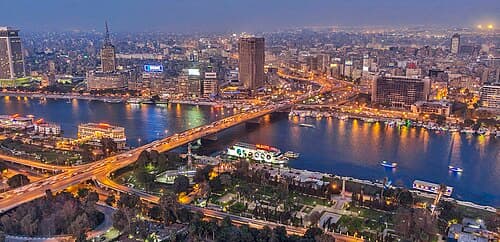
Cairo
LOCATION146 w/ Barack·3 w/ the
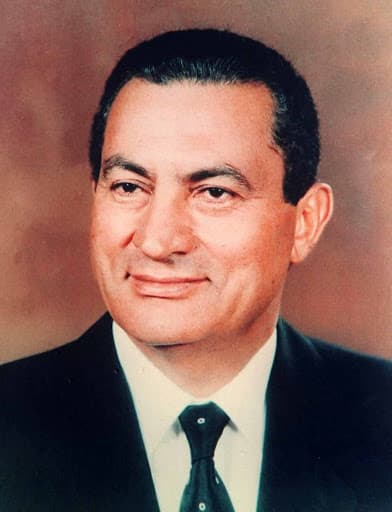
Hosni Mubarak
PERSON139 w/ Barack·2 w/ the
Vietnam
LOCATION133 w/ Barack·2 w/ the
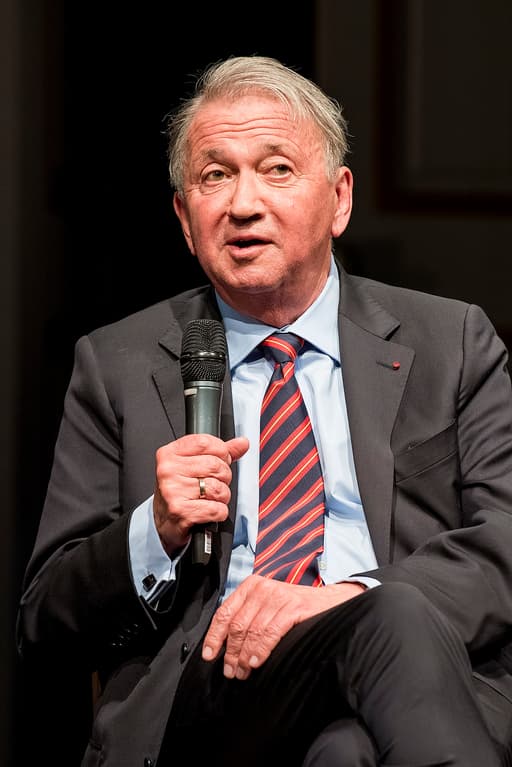
Terje Rod-Larsen
PERSON133 w/ Barack·2 w/ the
Tunisia
LOCATION120 w/ Barack·4 w/ the
Bahrain
LOCATION105 w/ Barack·4 w/ the
the Soviet Union
LOCATION88 w/ Barack·3 w/ the
Osama bin Laden
PERSON88 w/ Barack·3 w/ the
al-Qaeda
ORGANIZATION88 w/ Barack·2 w/ the