Back to Network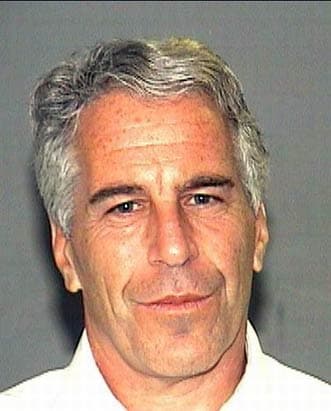


5
Shared Docs
5
Same-Page
5 / 5
Mentions
Document Mentions (5 shared documents)
2 mentions1 same-page
Page ?Same page
tic properties of light like a talisman. In his essay called Newton, the Man, the early 20" Century Cambridge Don and economic theorist, John Maynard Keynes, said that the Newton of the chapel followed “...certain mystic clues which God had laid about the world to allow a sort of philosopher’s treasure hu
s in it taking the shortest route possible from its initial to final position. The related 1650 Fermat’s “principle of least time” is about light. As Feynman explains in his Lectures in Physics, “...out of all possible paths that light might take from one point another, light takes the path that requires t
2 mentions1 same-page
Page ?Same page
ooking back on his formative years, before Europe was ground up in the First World War, the powerfully brilliant and sensitive economist John Maynard Keynes bitterly recalled the iron certainty of his set of friends and their confident, diffident arrogance: “We were not aware that civilization was a thin
was the time that Hillis asked Nobel-prize winning physicist Richard Feynman to tip him off about any smart scientists Thinking Machines might hire. Feynman, pushing 60, volunteered himself and spent his summer vacations for the next ten years with Hillis and his team.1?! When it came time to test the fir
2 mentions1 same-page
Page ?Same page
ods is largely automated, as are many services. What’s left for humans to do? In 1930—long before the advent of computers, let alone AI—John Maynard Keynes wrote, in an essay called “Economic Possibilities for our Grandchildren,” that as a result of improvements in productivity, society could produce all
ard Feynman, at which the celebrated physicist remarked, “That is positively the dopiest idea I ever heard.” Maybe “despite” is the wrong word, since Feynman had a well-known predilection for playing with dopey ideas. In the event, he showed up on the day the company was incorporated and stayed on, for sum
Sponsored
2 mentions1 same-page
Page ?Same page
ods is largely automated, as are many services. What’s left for humans to do? In 1930—long before the advent of computers, let alone AI—John Maynard Keynes wrote, in an essay called “Economic Possibilities for our Grandchildren,” that as a result of improvements in productivity, society could produce all
ard Feynman, at which the celebrated physicist remarked, “That is positively the dopiest idea I ever heard.” Maybe “despite” is the wrong word, since Feynman had a well-known predilection for playing with dopey ideas. In the event, he showed up on the day the company was incorporated and stayed on, for sum
2 mentions1 same-page
Page ?Same page
of motion and laid the basis for his theory of gravity, both of which form the foundation of much of modern physics. Never- theless, as John Maynard Keynes pointed out: Newton was not the first of the age of reason, he was the last of the magicians, the last of the Babylonians and Sumerians, the last
seems to offer hope of a world where any dream, no matter how outlandish, is realizable. Other familiar names, Bohr, Schrodinger, Dirac, and later Feynman and Dyson, each made great leaps into the unknown. But they weren't alone. Physics is a collaborative discipline. Too often science stories are wr
Sponsored
Mutual Connections (461)
Entities connected to both Keynes and Feynman
Jeffrey Epstein
PERSON9 w/ Keynes·32 w/ Feynman
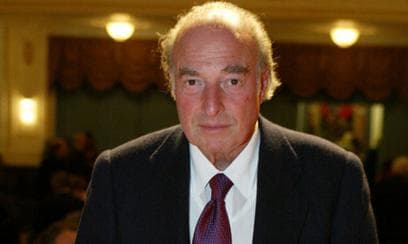
Marc Rich
PERSON18 w/ Keynes·11 w/ Feynman
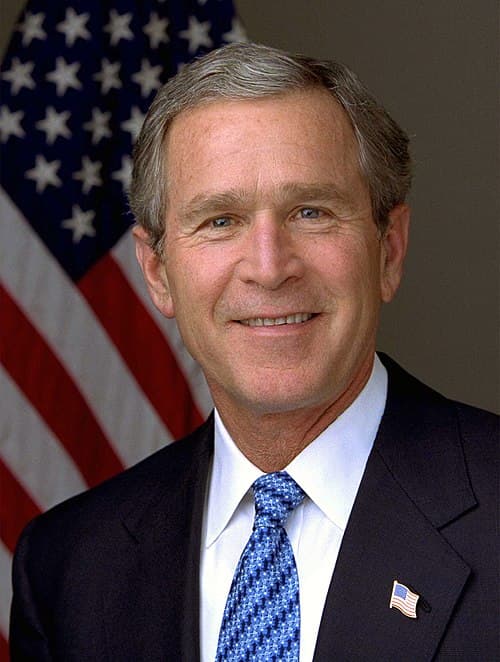
George W. Bush
PERSON19 w/ Keynes·9 w/ Feynman
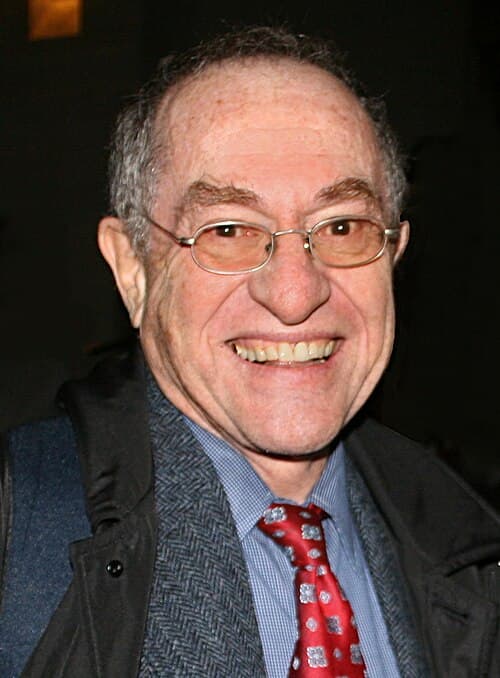
Alan Dershowitz
PERSON12 w/ Keynes·15 w/ Feynman
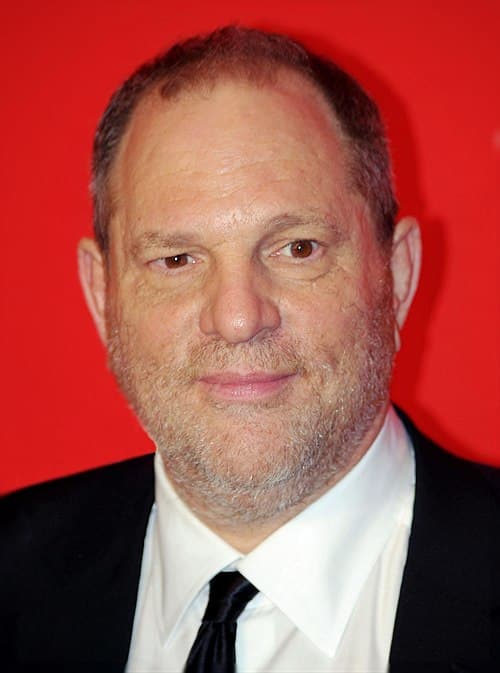
Harvey Weinstein
PERSON11 w/ Keynes·14 w/ Feynman
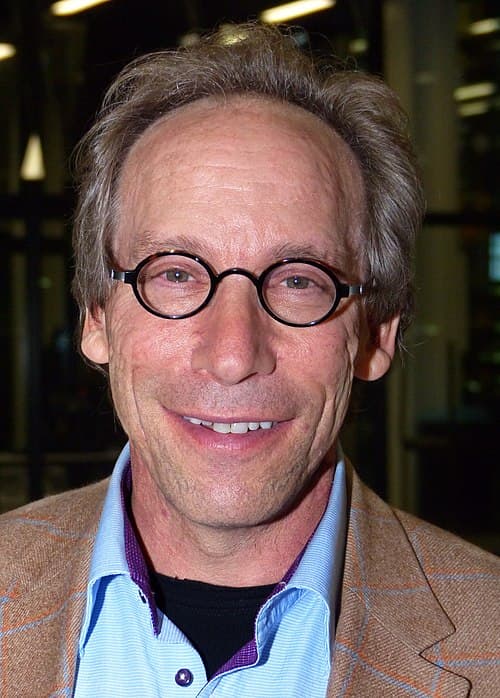
Lawrence Krauss
PERSON7 w/ Keynes·14 w/ Feynman
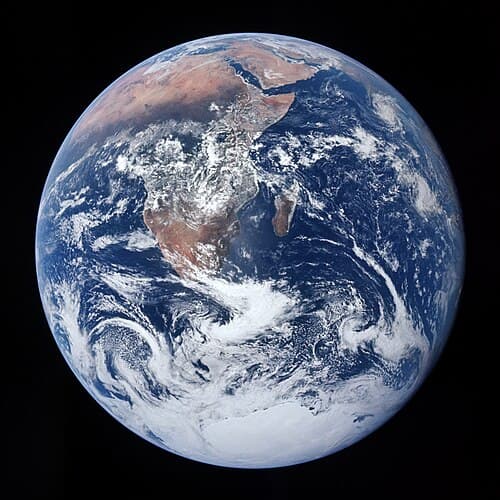
Earth
LOCATION7 w/ Keynes·14 w/ Feynman
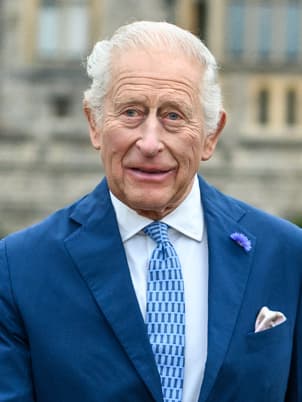
Prince Charles
PERSON13 w/ Keynes·8 w/ Feynman
Ghislaine Maxwell
PERSON11 w/ Keynes·10 w/ Feynman
Samantha Power
PERSON10 w/ Keynes·10 w/ Feynman
Stephen Hawking
PERSON7 w/ Keynes·13 w/ Feynman
DB
Doug Band
PERSON10 w/ Keynes·9 w/ Feynman
Eric Trump
PERSON8 w/ Keynes·11 w/ Feynman
LB
Leon Black
PERSON9 w/ Keynes·9 w/ Feynman
Julie K. Brown
PERSON8 w/ Keynes·10 w/ Feynman
Prince Andrew
PERSON7 w/ Keynes·10 w/ Feynman
Quantum
ORGANIZATION4 w/ Keynes·13 w/ Feynman
Richard Feynman
PERSON4 w/ Keynes·12 w/ Feynman
CW
Courtney Wild
PERSON7 w/ Keynes·8 w/ Feynman
William Shakespeare
PERSON6 w/ Keynes·9 w/ Feynman