Back to Network









7
Shared Docs
7
Same-Page
7 / 8
Mentions
Document Mentions (7 shared documents)
3 mentions1 same-page
Page ?Same page
GR, A. B-Ze editors. Good gossip Lawrence, KS: University of Kansas Press.; 1994, p. 34-46. 17. Kahneman D, Krueger AB, Schkade DA, Schwarz N, Stone AA. A Survey Method for Characterizing Daily Life Experience: The Day Reconstruction Method. Science 2004;306:1776-80. 18. Berscheid E. Interp
etween Greek philosophical psychology and Christianity can be found in the use of Stoic theories of desire by the apostle Paul, 3 the presence of Aristotle's family ethic — with its implicit psycho-biology - in the household codes of Ephesians and I Colossians, 4 and the gospel of John's identificati
cy (Cambridge: Cambridge University Press, 1995). Troels Engbert- Perdersen, Paul and the Stoics (Louisville, KY,: Westminster John Knox, 2000). °Aristotle, Nicomachean Ethics (New York: Random House, 1941), Bk. VIII, ch. 10. 3 The Interpreter's Bible: Luke and John, Vol. 8 (Nashville, TN.: Abingdon
2 mentions1 same-page
Page ?Same page
uin, 2000. Howell, E. From Darness Light/Land of Stone/Shadow Worlds. Centaur, 2010. “IBM100 - Deep Blu
pic principle 322 Anti-Ballistic Missile Treaty 79 Antikythera 15 Apple 56, 68, 224, 306 Arab world democracy 82 Arafat, Yasser 81, 82 Archimedes 343 Aristotle 149 ARM 224 ARNN 280 art being appreciated 142 creativity and 304 Artamene 129 Art of Fugue 259 ASCII 203 Asimov, Isaac 4 Association of Computer M
2 mentions1 same-page
Page ?Same page
it fooled many people for centuries. The Rosetta Stone was discovered in 1799 and became the key to thei
friends. Logical Beginnings The formal study of logic began in 3848c with the publication ofa treatise called the Organon by the Greek philosopher Aristotle. A student of Plato, Aristotle taught many of the famous leaders of his time, including Alexander The Great. Ancient Greece was not some idyllic thin
Sponsored
2 mentions1 same-page
Page ?Same page
Medicine at USC, and author of The Pattern on the Stone: The Simple Ideas That Make Computers Work. I ha
and decision making, they are the best learners in the universe. Much of the process of turning data into theories happens before we are five. Since Aristotle and Plato, there have been two basic ways of addressing the problem of how we know what we know, and they are still the main approaches in machine le
2 mentions1 same-page
Page ?Same page
Medicine at USC, and author of The Pattern on the Stone: The Simple Ideas That Make Computers Work. I ha
and decision making, they are the best learners in the universe. Much of the process of turning data into theories happens before we are five. Since Aristotle and Plato, there have been two basic ways of addressing the problem of how we know what we know, and they are still the main approaches in machine le
2 mentions1 same-page
Page ?Same page
on. In F. GR, A. B-Ze editors. Good gossip Lawrence, KS: University of Kansas Press.; 1994, p. 34-46. Kahneman D, Krueger AB, Schkade DA, Schwarz N, Stone AA. A Survey Method for Characterizing Daily Life Experience: The Day Reconstruction Method. Science 2004;306:1776-80. Berscheid E. Interpersonal at
is between Greek philosophical psychology and Christianity can be found in the use of Stoic theories of desire by the apostle Paul, * the presence of Aristotle’s family ethic — with its implicit psycho-biology - in the household codes of Ephesians and I Colossians, * and the gospel of John’s identification o
Sponsored
2 mentions1 same-page
Page ?Same page
rcoming Evil. New York, Oxford University Press. Stone, M. H. (2009). The Anatomy of Evil. New York, Pro
y we feel in witnessing another’s misfortune. Though the emotion is universally understood, recognized in our written records at least as far back as Aristotle, the German language is one of the few to capture the feeling by tapping the brain’s promiscuity, combining the word for harm (schaden) with the word
Sponsored
Mutual Connections (1,045)
Entities connected to both Oliver Stone and Aristotle
Jeffrey Epstein
PERSON1,079 w/ Oliver·10 w/ Aristotle
LB
Leon Black
PERSON346 w/ Oliver·10 w/ Aristotle
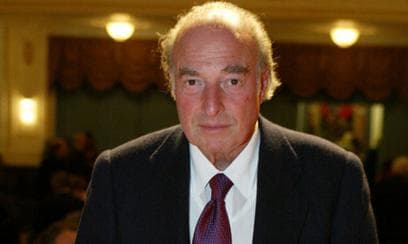
Marc Rich
PERSON329 w/ Oliver·13 w/ Aristotle
George W. Bush
PERSON320 w/ Oliver·13 w/ Aristotle
Donald Trump
PERSON264 w/ Oliver·3 w/ Aristotle
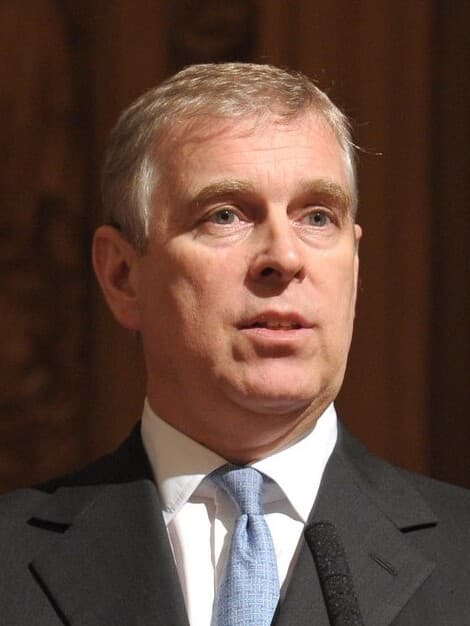
Prince Andrew
PERSON245 w/ Oliver·11 w/ Aristotle
Julie K. Brown
PERSON223 w/ Oliver·10 w/ Aristotle
Ghislaine Maxwell
PERSON223 w/ Oliver·4 w/ Aristotle
United States
LOCATION221 w/ Oliver·5 w/ Aristotle
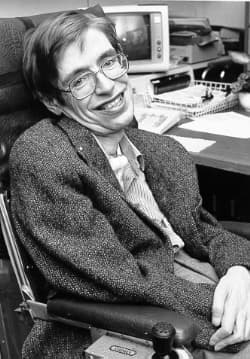
Stephen Hawking
PERSON212 w/ Oliver·13 w/ Aristotle
Alan Dershowitz
PERSON208 w/ Oliver·12 w/ Aristotle
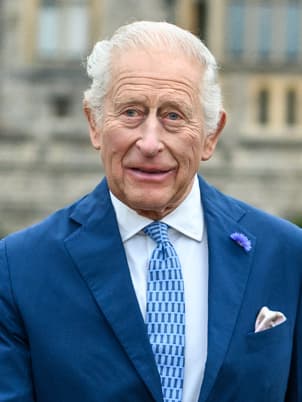
Prince Charles
PERSON204 w/ Oliver·14 w/ Aristotle
Richard Kahn
PERSON216 w/ Oliver·2 w/ Aristotle
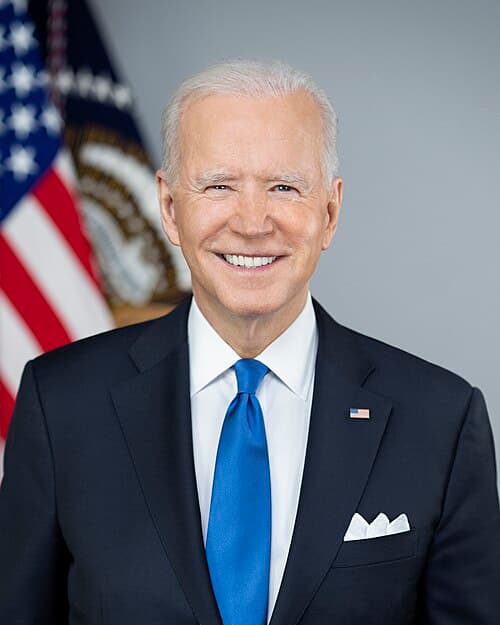
Joe Biden
PERSON197 w/ Oliver·4 w/ Aristotle
DB
Doug Band
PERSON181 w/ Oliver·9 w/ Aristotle
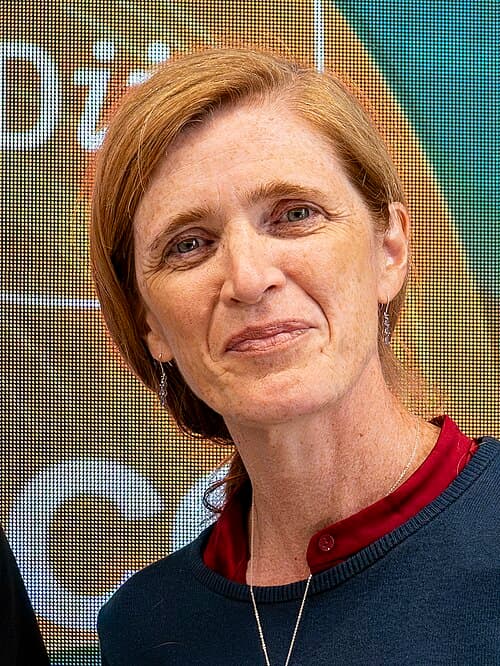
Samantha Power
PERSON173 w/ Oliver·9 w/ Aristotle
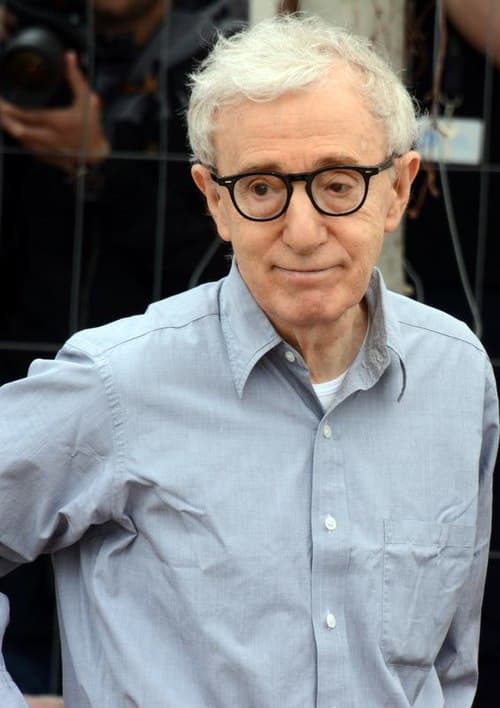
Woody Allen
PERSON170 w/ Oliver·3 w/ Aristotle
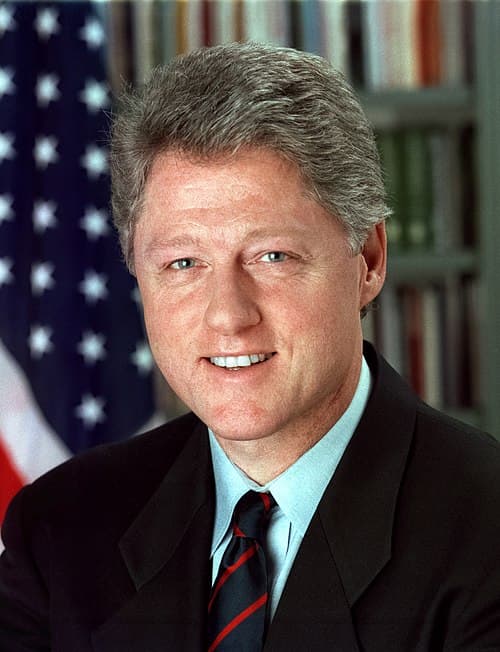
Bill Clinton
PERSON166 w/ Oliver·6 w/ Aristotle
Eric Trump
PERSON164 w/ Oliver·6 w/ Aristotle
Virginia Giuffre
PERSON157 w/ Oliver·5 w/ Aristotle