Back to Network






5
Shared Docs
3
Same-Page
5 / 6
Mentions
Document Mentions (5 shared documents)
2 mentions1 same-page
Page ?Same page
here is no support for CEOS's view that the courts or a jury should ultimately decide whether a "novel" construction of the law is correct. Instead, the Executive Branch itself has a non-delegable obligation not to exceed its authority; the power of other branches to check or remedy such usurpation does not legitimi
solicitation under State law. After all, prostitution, even when the allegations involve minors, is fundamentally a State concern, United States v. Evans, 476 F.3d 1176, n.1 (11th Cir. 2007) (noting that federal law "does not criminalize all acts of prostitution (a vice traditionally governed by state
2 mentions1 same-page
Page ?Same page
here is no support for CEOS's view that the courts or a jury should ultimately decide whether a "novel" construction of the law is correct. Instead, the Executive Branch itself has a non-delegable obligation not to exceed its authority; the power of other branches to check or remedy such usurpation does not legitimi
or intimidation. These arc the elements required by the statute, and they are not met here. Although CEOS could, perhaps, point to United Slat% v. Evans, 476 F.3d 1176 (11°' Cir. 2007) as a case that, standing alone, involved wholly intrastate conduct, the facts of that case are far different in key
2 mentions1 same-page
Page ?Same page
predators accountable. Boonma maintains that dismissing this case would clearly disregard United States public policy expressed by Congress and the Executive Branch. •10 Although the court recognizes that Congressional enactments and Administration policy evidence the intent to combat sex crimes again
se motive is often the critical issue, "summary judgment disposition re- mains appropriate if the (non-movantl can- not prevail as a matter of law." Evans v. Technologies Applications & Serv. Co., 80 F2d 954, 958-59 (4th Cir.1996); Ennis v. Nat Asa of Bus. and Edna Redick Inc., 53 F.3d, 55, 62 (4th
Sponsored
Page HOUSE_OVERSIGHT_012146
There is no support for CEOS’s view that the courts or a jury should ultimately decide whether a “novel” construction of the law is correct. Instead, the Executive Branch itself has a non-delegable obligation not to exceed its authority; the power of other branches to check or remedy such usurpation does not legitimize
Page: HOUSE_OVERSIGHT_012146 →Page HOUSE_OVERSIGHT_012195
or intimidation. These are the elements required by the statute, and they are not met here. Although CEOS could, perhaps, point to United States v. Evans, 476 F.3d 1176 (11" Cir. 2007) as a case that, standing alone, involved wholly intrastate conduct, the facts of that case are far different in key re
Page: HOUSE_OVERSIGHT_012195 →Page HOUSE_OVERSIGHT_012196
s co-conspirators. None of this type of activity comes close to the facts regarding Mr. Epstein. Finally, but significantly, the prostitution ring in Evans was not, in fact, entirely intrastate as the companion case of one of the Evans co-defendants makes clear. See, United States v. Madison, 477 F.3d 13
Page: HOUSE_OVERSIGHT_012196 →2 mentions
Page EFTA00013814
solicitation under State law. After all, prostitution, even when the allegations involve minors, is fundamentally a State concern, United States v. Evans, 476 F.3d 1176, n.1 (11th Cir. 2007) (noting that federal law "does not criminalize all acts of prostitution (a vice traditionally governed by state
Page: EFTA00013814 →Page EFTA00013815
here is no support for CEOS's view that the courts or a jury should ultimately decide whether a "novel" construction of the law is correct. Instead, the Executive Branch itself has a non-delegable obligation not to exceed its authority; the power of other branches to check or remedy such usurpation does not legitimi
Page: EFTA00013815 →Sponsored
Mutual Connections (253)
Entities connected to both the Executive Branch and Evans
Jeffrey Epstein
PERSON32 w/ the·128 w/ Evans
United States
LOCATION26 w/ the·87 w/ Evans
George W. Bush
PERSON11 w/ the·79 w/ Evans
LB
Leon Black
PERSON14 w/ the·71 w/ Evans
Department of Justice
ORGANIZATION13 w/ the·66 w/ Evans
Julie K. Brown
PERSON9 w/ the·68 w/ Evans
ET
Emmy Taylor
PERSON7 w/ the·67 w/ Evans
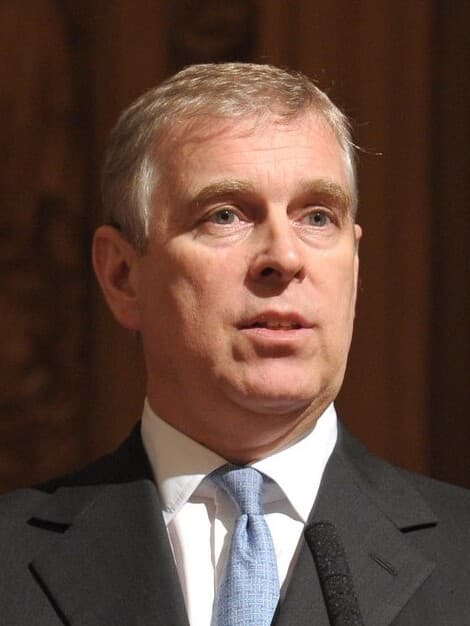
Prince Andrew
PERSON3 w/ the·66 w/ Evans
Scarlett Johansson
PERSON8 w/ the·58 w/ Evans
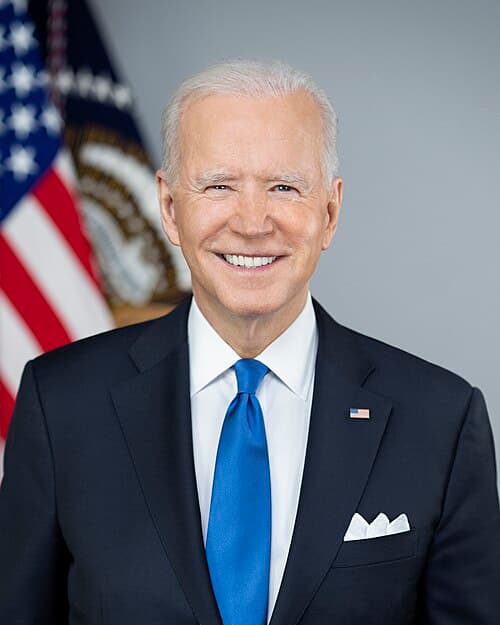
Joe Biden
PERSON5 w/ the·60 w/ Evans
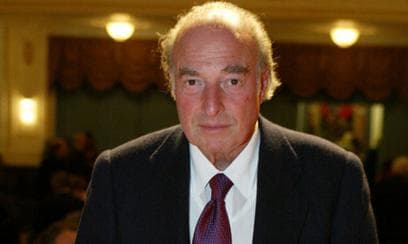
Marc Rich
PERSON7 w/ the·55 w/ Evans
Virginia Giuffre
PERSON5 w/ the·54 w/ Evans
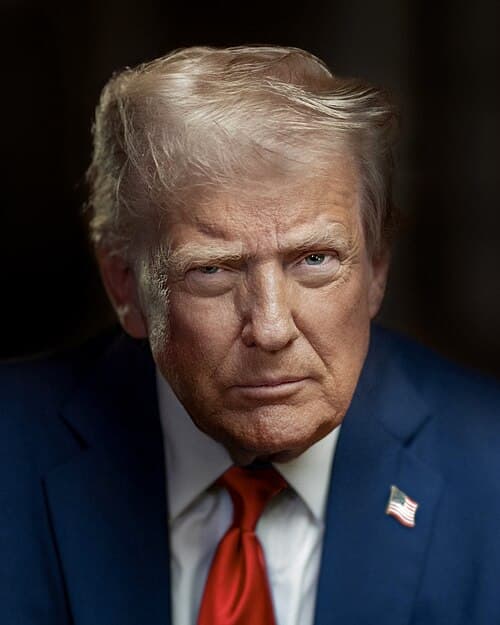
Donald Trump
PERSON5 w/ the·53 w/ Evans
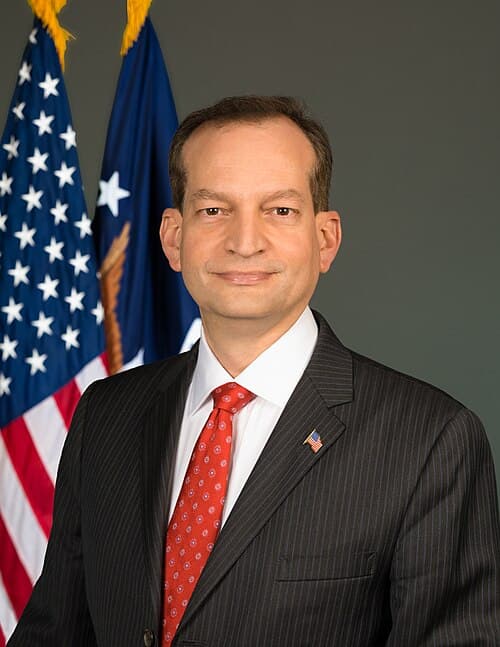
Alexander Acosta
PERSON9 w/ the·49 w/ Evans
New York
LOCATION3 w/ the·53 w/ Evans
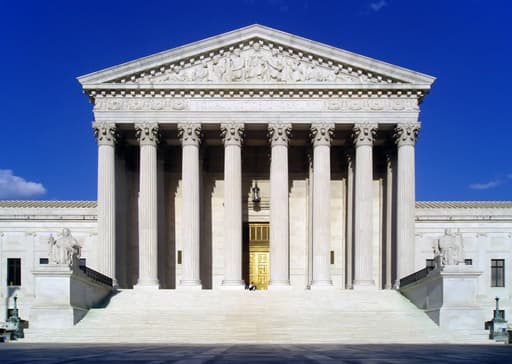
Supreme Court
ORGANIZATION11 w/ the·44 w/ Evans
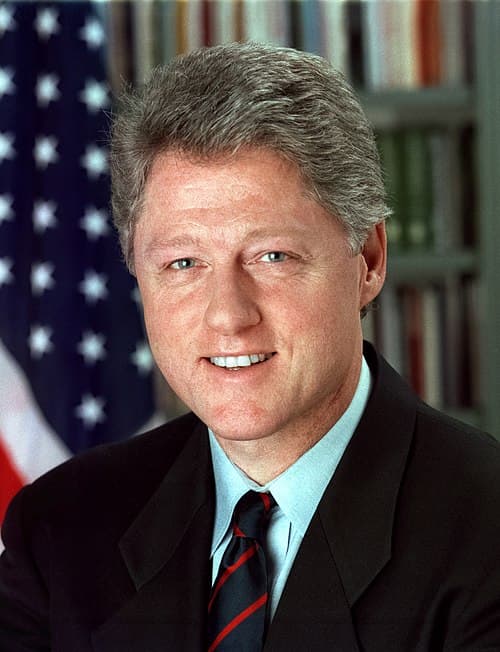
Bill Clinton
PERSON7 w/ the·45 w/ Evans
Michael Jackson
PERSON3 w/ the·48 w/ Evans
JD
Jane Doe
PERSON8 w/ the·43 w/ Evans
Barack Obama
PERSON4 w/ the·43 w/ Evans