Back to Network






5
Shared Docs
5
Same-Page
5 / 5
Mentions
Document Mentions (5 shared documents)
2 mentions1 same-page
Page ?Same page
here is no support for CEOS's view that the courts or a jury should ultimately decide whether a "novel" construction of the law is correct. Instead, the Executive Branch itself has a non-delegable obligation not to exceed its authority; the power of other branches to check or remedy such usurpation does not legitimi
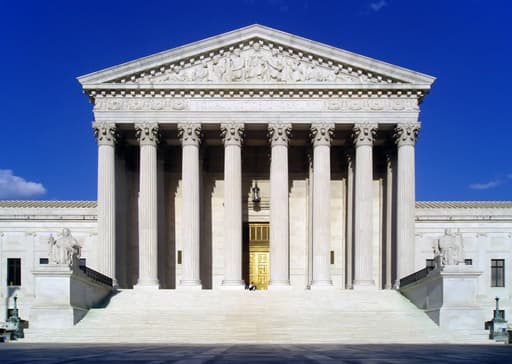
olations of 18 U.S.C. §§ 1591, 2422(b) and 2423(b). Since the limited review conducted by CEOS, two Supreme Court decisions—one authored by Justice Scalia and the other by Justice Thomas—have revitalized the bedrock principles that federal criminal statutes must be narrowly construed, that they may not
2 mentions1 same-page
Page ?Same page
here is no support for CEOS's view that the courts or a jury should ultimately decide whether a "novel" construction of the law is correct. Instead, the Executive Branch itself has a non-delegable obligation not to exceed its authority; the power of other branches to check or remedy such usurpation does not legitimi
olations of 18 U.S.C. §§ 1591, 2422(b) and 2423(b). Since the limited review conducted by CEOS, two Supreme Court decisions—one authored by Justice Scalia and the other by Justice Thomas—have revitalized the bedrock principles that federal criminal statutes must be narrowly construed, that they may not
2 mentions1 same-page
Page ?Same page
rri Ackerman, 444 U.S. 193, 202-03 (1979). The Constitution places the power to prosecute crimes in the hands of disinterested public officials in the Executive Branch. See U.S. Const. art. II, § 3 (duty to "take Care that the Laws be faithfully executed"); United States'. Armstrong, 517 U.S. 456, 467 (1996) ("powe
There is no history of "any private prosecution of federal crimes." Young'. United States ex rel. Vuitton et Rs S.A., 481 U.S. 787, 816 n.2 (1987) (Scalia, J., concurring). While victims clearly have an interest in the outcome of criminal litigation that deserves recognition, the Framers determined tha
Sponsored
2 mentions1 same-page
Page ?Same page
here is no support for CEOS's view that the courts or a jury should ultimately decide whether a "novel" construction of the law is correct. Instead, the Executive Branch itself has a non-delegable obligation not to exceed its authority; the power of other branches to check or remedy such usurpation does not legitimi
olations of 18 U.S.C. §§ 1591, 2422(b) and 2423(b). Since the limited review conducted by CEOS, two Supreme Court decisions—one authored by Justice Scalia and the other by Justice Thomas--have revitalized the bedrock principles that federal criminal statutes must be narrowly construed, that they may no
2 mentions1 same-page
Page ?Same page
regard this provision as legally binding would impair the Executive's constitutional role and would constitute an abdication of the responsibility of the Executive Branch." Id. at 734. It should be noted that the legislation in question was pending in Congress, and the possibility that President Carter would sign the l
issue agreed that the President has "the power to veto encroaching laws . . . or even to disregard them when they are unconstitutional." Id, at 906 (Scalia, J., concurring); see also Youngstown Sheet & Tube Co. v. Sawyer, 343 U.S. 579, 635-38 (1952) (Jackson, J., concurring) (recognizing existence of Pre
Sponsored
Mutual Connections (184)
Entities connected to both the Executive Branch and Scalia
Jeffrey Epstein
PERSON32 w/ the·32 w/ Scalia
United States
LOCATION26 w/ the·30 w/ Scalia
George W. Bush
PERSON11 w/ the·28 w/ Scalia
LB
Leon Black
PERSON14 w/ the·21 w/ Scalia
Supreme Court
ORGANIZATION11 w/ the·21 w/ Scalia
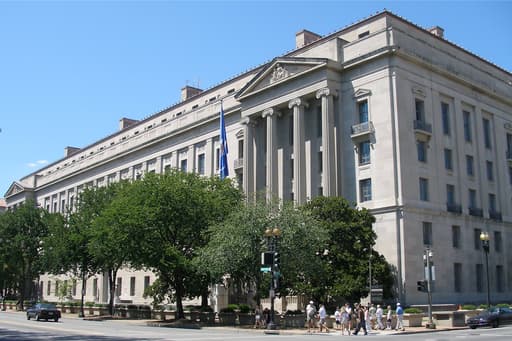
Department of Justice
ORGANIZATION13 w/ the·16 w/ Scalia
Julie K. Brown
PERSON9 w/ the·19 w/ Scalia
Scarlett Johansson
PERSON8 w/ the·18 w/ Scalia
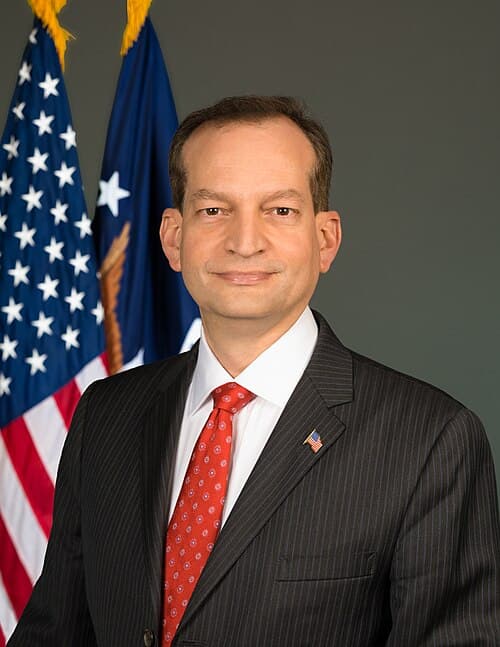
Alexander Acosta
PERSON9 w/ the·15 w/ Scalia
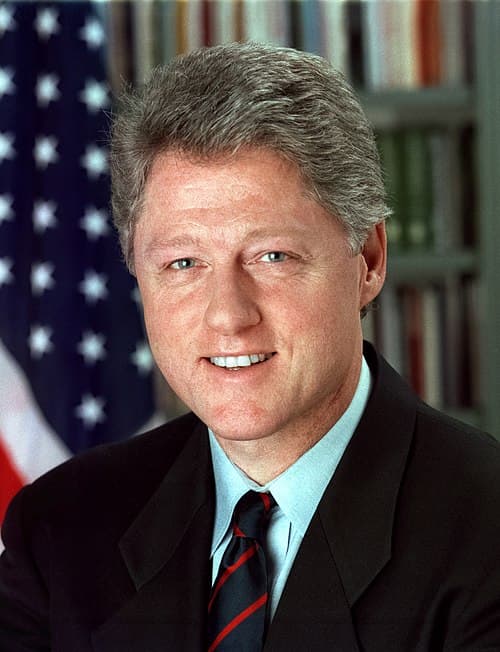
Bill Clinton
PERSON7 w/ the·17 w/ Scalia
JD
Jane Doe
PERSON8 w/ the·14 w/ Scalia
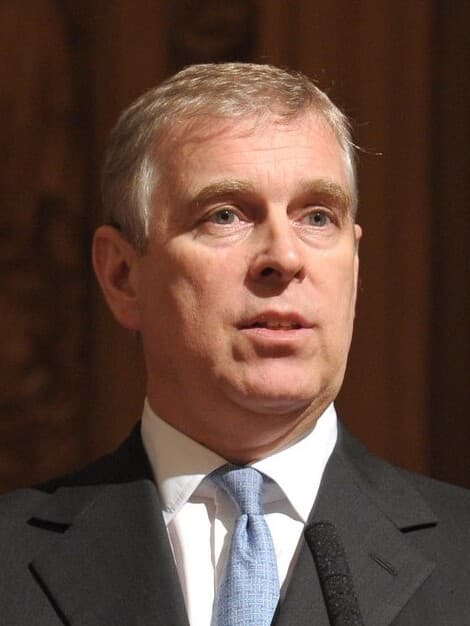
Prince Andrew
PERSON3 w/ the·17 w/ Scalia
Virginia Giuffre
PERSON5 w/ the·15 w/ Scalia
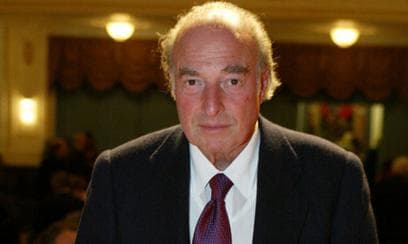
Marc Rich
PERSON7 w/ the·12 w/ Scalia
John F. Kennedy
PERSON8 w/ the·11 w/ Scalia
Brady
PERSON12 w/ the·7 w/ Scalia
Joe Biden
PERSON5 w/ the·13 w/ Scalia
Ghislaine Maxwell
PERSON7 w/ the·10 w/ Scalia
Donald Trump
PERSON5 w/ the·12 w/ Scalia
Alaska
LOCATION4 w/ the·12 w/ Scalia