Back to Network







5
Shared Docs
3
Same-Page
5 / 5
Mentions
Document Mentions (5 shared documents)
2 mentions1 same-page
Page ?Same page
here is no support for CEOS's view that the courts or a jury should ultimately decide whether a "novel" construction of the law is correct. Instead, the Executive Branch itself has a non-delegable obligation not to exceed its authority; the power of other branches to check or remedy such usurpation does not legitimi
l court decisions watering down the "for the purpose of " requi ment fly in the face of the two Suprems Court decisions addressing that element. See Hansen'. Huff, 291 U.S. 559 (1934); Mortensen. United States, 322 U.S. 369 (1944). Santos and Cuellar speak loudly and clearly against prosecutors seeing
2 mentions1 same-page
Page ?Same page
here is no support for CEOS's view that the courts or a jury should ultimately decide whether a "novel" construction of the law is correct. Instead, the Executive Branch itself has a non-delegable obligation not to exceed its authority; the power of other branches to check or remedy such usurpation does not legitimi
court decisions watering down the "for the purpose of " requirement fly in the face of the two Supreme Court decisions addressing that element. See Hansen v. Huff, 291 U.S. 559 (1934); Mortensen v. United States, 322 U.S. 369 (1944). Santos and Cuellar speak loudly and clearly against prosecutors seei
2 mentions1 same-page
Page ?Same page
here is no support for CEOS's view that the courts or a jury should ultimately decide whether a "novel" construction of the law is correct. Instead, the Executive Branch itself has a non-delegable obligation not to exceed its authority; the power of other branches to check or remedy such usurpation does not legitimi
court decisions watering down the "for the purpose of " requirement fly in the face of the two Supreme Court decisions addressing that element. See Hansen v. Huff, 291 U.S. 559 (1934); Mortensen v. United States, 322 U.S. 369 (1944). Santos and Cuellar speak loudly and clearly against prosecutors seei
Sponsored
Page HOUSE_OVERSIGHT_012146
There is no support for CEOS’s view that the courts or a jury should ultimately decide whether a “novel” construction of the law is correct. Instead, the Executive Branch itself has a non-delegable obligation not to exceed its authority; the power of other branches to check or remedy such usurpation does not legitimize
Page: HOUSE_OVERSIGHT_012146 →Page HOUSE_OVERSIGHT_012153
l court decisions watering down the “for the purpose of “ requirement fly in the face of the two Supreme Court decisions addressing that element. See Hansen v. Huff, 291 U.S. 559 (1934); Mortensen v. United States, 322 U.S. 369 (1944). Santos and Cuellar speak loudly and clearly against prosecutors seeing
Page: HOUSE_OVERSIGHT_012153 →2 mentions
Page EFTA00013815
here is no support for CEOS's view that the courts or a jury should ultimately decide whether a "novel" construction of the law is correct. Instead, the Executive Branch itself has a non-delegable obligation not to exceed its authority; the power of other branches to check or remedy such usurpation does not legitimi
Page: EFTA00013815 →Page EFTA00013822
court decisions watering down the "for the purpose of " requirement fly in the face of the two Supreme Court decisions addressing that element. See Hansen v. Huff, 291 U.S. 559 (1934); Mortensen v. United States, 322 U.S. 369 (1944). Santos and Cuellar speak loudly and clearly against prosecutors seei
Page: EFTA00013822 →Sponsored
Mutual Connections (201)
Entities connected to both the Executive Branch and Hansen
Jeffrey Epstein
PERSON32 w/ the·46 w/ Hansen
United States
LOCATION26 w/ the·33 w/ Hansen
LB
Leon Black
PERSON14 w/ the·22 w/ Hansen
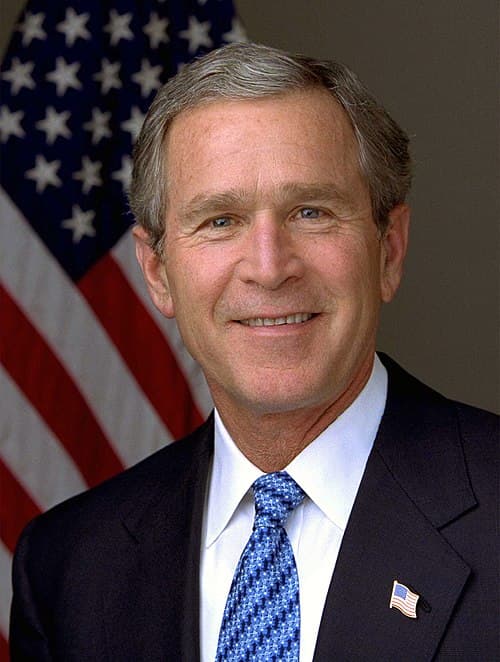
George W. Bush
PERSON11 w/ the·24 w/ Hansen
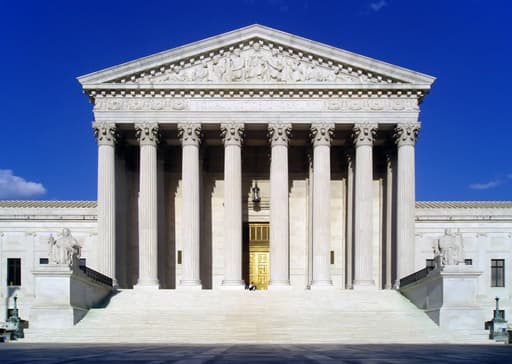
Supreme Court
ORGANIZATION11 w/ the·18 w/ Hansen
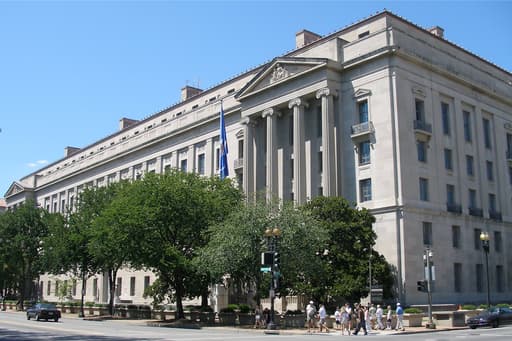
Department of Justice
ORGANIZATION13 w/ the·16 w/ Hansen
Scarlett Johansson
PERSON8 w/ the·18 w/ Hansen
Ghislaine Maxwell
PERSON7 w/ the·19 w/ Hansen
Julie K. Brown
PERSON9 w/ the·16 w/ Hansen
the Southern District
LOCATION5 w/ the·19 w/ Hansen
JD
Jane Doe
PERSON8 w/ the·16 w/ Hansen
Second Circuit
ORGANIZATION10 w/ the·14 w/ Hansen
EV
Evans
PERSON5 w/ the·17 w/ Hansen
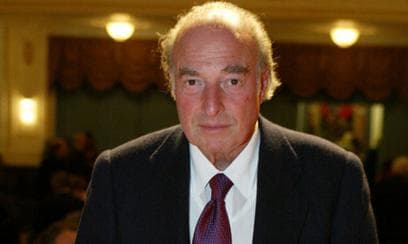
Marc Rich
PERSON7 w/ the·15 w/ Hansen
Southern District of New York
ORGANIZATION6 w/ the·14 w/ Hansen
ET
Emmy Taylor
PERSON7 w/ the·13 w/ Hansen
Michael Jackson
PERSON3 w/ the·17 w/ Hansen
Michael Cohen
PERSON2 w/ the·17 w/ Hansen
Bill Clinton
PERSON7 w/ the·12 w/ Hansen
Prince Andrew
PERSON3 w/ the·16 w/ Hansen