Back to Network













4
Shared Docs
4
Same-Page
10 / 4
Mentions
Document Mentions (4 shared documents)
5 mentions1 same-page
Page ?Same page
inappropriate. The money laundering statute was designed to be used and has been construed as a "concealment" statute, not a spending statute. See United Stales v. Shepard, 396 F.3d 1116 (10th Cir.), cert. denied, 545 U.S. 1110 (2005); United States v. Hall, 434 F.3d 42 (1st Cir. 2006) (money laundering sta
d terrorism. The type of business contemplated by Congress is one which, for a fee, accepts funds for transfer within or outside the United States. See United States v. Talebnejad 460 F.3d 563, 565 (4th Cir. 2006); United States v. Velastegui, 199 F.3d 590 (2d Cir. 1999). Once the money transmitter receives the
tes v. Holland, 381 F.3d 80 (2d Cir. 2004) (woman running prostitution business convicted for recruiting and transport of prostitutes under § 2421); United States v. Footman, 215 F.3d 145 (1s1 Cir. 2000) (pimp who ran a prostitution ring convicted of violating § 2421). Likewise, in keeping with its purpose and
prostituting underage persons, either by force, fraud, or coercion. These cases bear no relationshijo to the circumstance at issue here. See, e.g., United Slates v. Norris, 188 Fed. Appx. 822 (11 Cir. 2006) (unpublished)(prosecution of several men for conspiracy to hold young women in peonage, and to traffi
prostitution, concubinage, or other forms of immorality. Hoke v. United States, 227 U.S. 308 (1913); Wilson v. United States, 232 U.S. 563 (1914); Caminetti v. United States, 242 U.S. 470 (1917). The statute's primary purpose was to address the so-called commercial case of transporting females for immora
3 mentions1 same-page
Page ?Same page
first enacted by Congress in 1910 to prevent the use of interstate commerce to facilitate prostitution, concubinage, or other forms of immorality. Hoke I United States, 227 U.S. 308 (1913); Wilson I United States, 232 U.S. 563 (1914); Caminetti I United States, 242 U.S. 470 (1917). The statute's primary purpose was
illicit sexual conduct was an "important" "purpose of the travel, a significant motivating factor", or in other words, more than merely incidental. See United States' J!orschauer, 2007 WL 979931 (11th Cir. 2007) (unpublished). We understand from conversations with Ms. Villafaiia that she believes that Mr. Epstein
te prostitution, concubinage, or other forms of immorality. Hoke I United States, 227 U.S. 308 (1913); Wilson I United States, 232 U.S. 563 (1914); Caminetti I United States, 242 U.S. 470 (1917). The statute's primary purpose was to address the so-called commercial case of transporting females for immoral
3 mentions1 same-page
Page ?Same page
d terrorism. The type of business contemplated by Congress is one which, for a fee, accepts funds for transfer within or outside the United States. See United States v. Talebnejad, 460 F.3d 563, 565 (4th Cir. 2006); United States v. Velastegui, 199 F.3d 590 (2d Cir. 1999). Once the money transmitter receives the
tes v. Holland, 381 F.3d 80 (2d Cir. 2004) (woman running prostitution business convicted for recruiting and transport of prostitutes under § 2421); United States v. Footman, 215 F.3d 145 (Ig Cir. 2000) (pimp who ran a prostitution ring convicted of violating § 2421). Likewise, in keeping with its purpose and
prostitution, concubinage, or other forms of immorality. Hoke v. United States, 227 U.S. 308 (1913); Wilson v. United States, 232 U.S. 563 (1914); Caminetti v. United States, 242 U.S. 470 (1917). The statute's primary purpose was to address the so-called commercial case of transporting females for immora
Sponsored
3 mentions1 same-page
Page ?Same page
d terrorism. The type of business contemplated by Congress is one which, for a fee, accepts funds for transfer within or outside the United States. See United States v. Talebnejad, 460 F.3d 563, 565 (4th Cir. 2006); United States v. Velastegui, 199 F.3d 590 (2d Cir. 1999). Once the money transmitter receives the
ates v. Holland 381 F.3d 80 (2d Cir. 2004) (woman running prostitution business convicted for recruiting and transport of prostitutes under § 2421); United States v. Footman, 215 F.3d 145 (1th Cir. 2000) (pimp who ran a prostitution ring convicted of violating § 2421). Likewise, in keeping with its purpose and
prostitution, concubinage, or other fonns of immorality. Hoke v. United States, 227 U.S. 308 (1913); Wilson v. United States, 232 U.S. 563 (1914); Caminetti v. United States, 242 U.S. 470 (1917). The statute's primary purpose was to address the so-called commercial case of transporting females for immora
Sponsored
Mutual Connections (70)
Entities connected to both United States and Caminetti
Jeffrey Epstein
PERSON4,786 w/ United·5 w/ Caminetti
George W. Bush
PERSON2,223 w/ United·4 w/ Caminetti
Department of Justice
ORGANIZATION1,116 w/ United·4 w/ Caminetti
LB
Leon Black
PERSON927 w/ United·4 w/ Caminetti
Prince Andrew
PERSON906 w/ United·2 w/ Caminetti
Alan Dershowitz
PERSON875 w/ United·5 w/ Caminetti
Alexander Acosta
PERSON805 w/ United·4 w/ Caminetti
Kenneth Marra
PERSON746 w/ United·2 w/ Caminetti
Julie K. Brown
PERSON494 w/ United·4 w/ Caminetti
Southern District
LOCATION438 w/ United·4 w/ Caminetti
Joe Biden
PERSON414 w/ United·4 w/ Caminetti
RB
Roy Black
PERSON335 w/ United·4 w/ Caminetti
ET
Emmy Taylor
PERSON296 w/ United·4 w/ Caminetti
GL
Gerald Lefcourt
PERSON280 w/ United·3 w/ Caminetti
Palm Beach Police Department
ORGANIZATION267 w/ United·4 w/ Caminetti
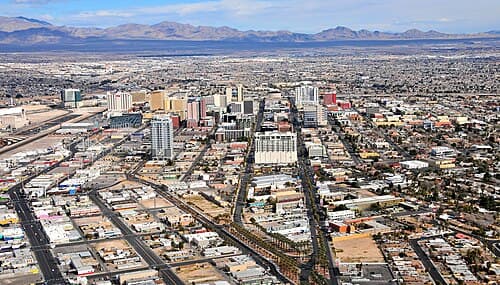
Las Vegas
LOCATION238 w/ United·4 w/ Caminetti
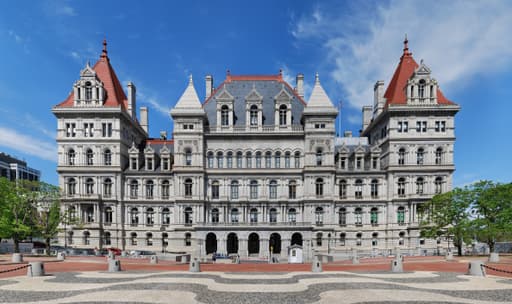
New York State
LOCATION178 w/ United·4 w/ Caminetti
Jennifer Lopez
PERSON144 w/ United·3 w/ Caminetti
Alberto Gonzales
PERSON129 w/ United·4 w/ Caminetti
Cleveland
LOCATION127 w/ United·4 w/ Caminetti