Back to Network
















3
Shared Docs
2
Same-Page
6 / 3
Mentions
Document Mentions (3 shared documents)
3 mentions1 same-page
Page ?Same page
n officials talk frequently about China in domestic contexts, the president's policy toward Beijing is fundamentally incoherent. Two recent books, Henry Kissinger's On China and Aaron Friedberg's A Contest for Supremacy: China, America, and the Struggle for Mastery in Asia, suggest two very different interpret
a, and the Struggle for Mastery in Asia, suggest two very different interpretations of Chinese conduct and propose alternative American responses. Kissinger views China as a rising but thus far moderate power and warns against creating a self-fulfilling prophecy that could lead to zero-sum competition b
e secrecy of internal deliberations a hallmark of his time in office, divulges a number of conflicts with others in the inner circle. He wrote that George J. Tenet, the director of the Central Intelligence Agency, resigned in 2004 just "when the going got tough," a decision he calls "unfair to the president."
Page HOUSE_OVERSIGHT_024611
ion officials talk frequently about China in domestic contexts, the president’s policy toward Beijing is fundamentally incoherent. Two recent books, Henry Kissinger’s On China and Aaron Friedberg’s A Contest for Supremacy: China, America, and the Struggle for Mastery in Asia, suggest two very different interpretati
Page: HOUSE_OVERSIGHT_024611 →rica, and the Struggle for Mastery in Asia, suggest two very different interpretations of Chinese conduct and propose alternative American responses. Kissinger views China as a rising but thus far moderate power and warns against creating a self-fulfilling prophecy that could lead to zero-sum competition bet
Page: HOUSE_OVERSIGHT_024611 →Page HOUSE_OVERSIGHT_024615
he secrecy of internal deliberations a hallmark of his time in office, divulges a number of conflicts with others in the inner circle. He wrote that George J. Tenet, the director of the Central Intelligence Agency, resigned in 2004 just “when the going got tough,” a decision he calls “unfair to the president.” He
Page: HOUSE_OVERSIGHT_024615 →Sponsored
Mutual Connections (134)
Entities connected to both Henry Kissinger and George J. Tenet
George W. Bush
PERSON66 w/ Henry·3 w/ George
Donald Trump
PERSON55 w/ Henry·3 w/ George
United States
LOCATION55 w/ Henry·3 w/ George
Barack Obama
PERSON53 w/ Henry·3 w/ George
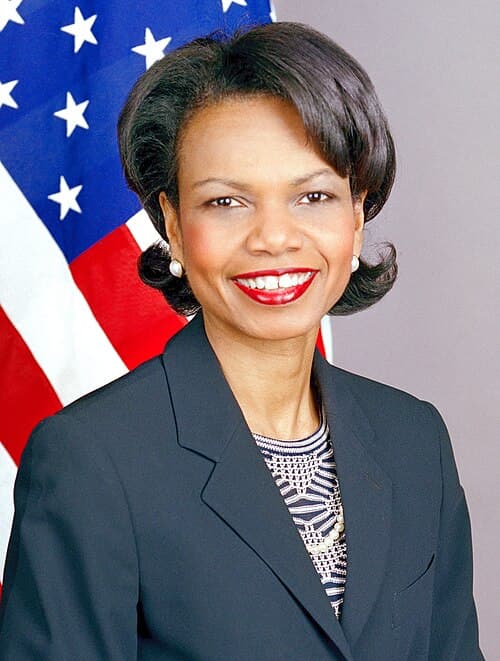
Condoleezza Rice
PERSON43 w/ Henry·3 w/ George
Bashar al-Assad
PERSON38 w/ Henry·3 w/ George
Samantha Power
PERSON37 w/ Henry·2 w/ George
Hosni Mubarak
PERSON32 w/ Henry·3 w/ George
Middle East
LOCATION32 w/ Henry·2 w/ George
Saddam Hussein
PERSON30 w/ Henry·3 w/ George
Benjamin Netanyahu
PERSON30 w/ Henry·3 w/ George
Jerusalem
LOCATION30 w/ Henry·3 w/ George
Yemen
LOCATION28 w/ Henry·3 w/ George
Tunisia
LOCATION27 w/ Henry·3 w/ George
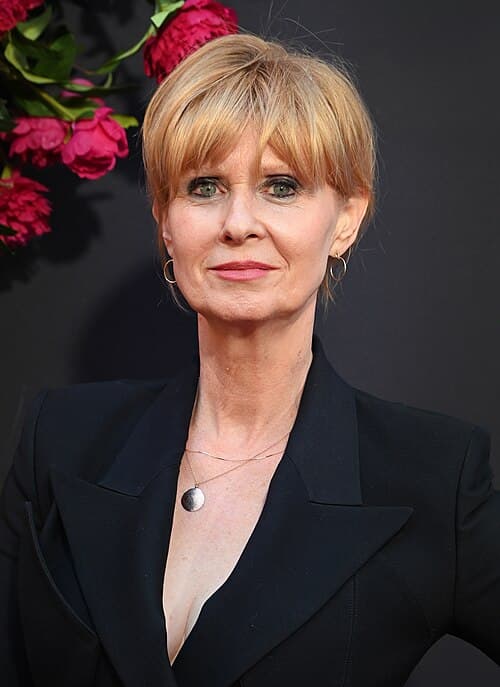
Cynthia Nixon
PERSON25 w/ Henry·3 w/ George
Department of Justice
ORGANIZATION26 w/ Henry·2 w/ George
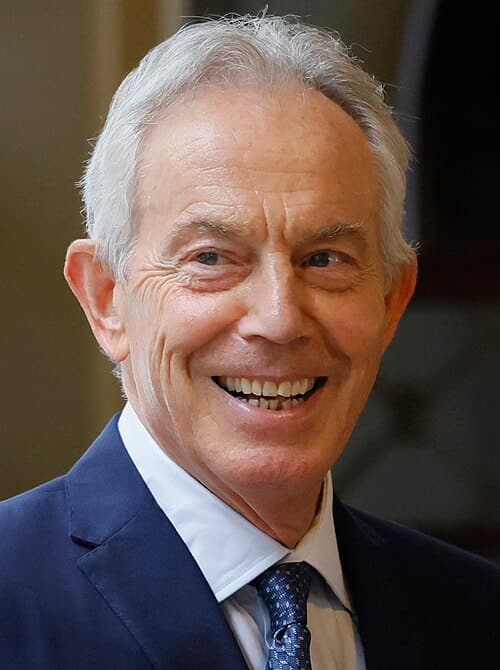
Tony Blair
PERSON22 w/ Henry·3 w/ George
Cairo
LOCATION22 w/ Henry·3 w/ George
North Korea
LOCATION22 w/ Henry·3 w/ George
al-Qaeda
ORGANIZATION18 w/ Henry·3 w/ George