Back to Network















3
Shared Docs
3
Same-Page
9 / 3
Mentions
Document Mentions (3 shared documents)
4 mentions1 same-page
Page ?Same page
me during this critical stage of Israel’s history, had guided me from the moment I became Prime Minister. In my very first discussions with President Clinton a year earlier — a long weekend, beginning at the White House and moving on to Camp David — I had mapped out at great length, in great detail, every
ut with guns and explosives — would be only a matter of time. I knew something else as well. This would be a moment of truth not just for me. Or for Bill Clinton, a man who understood our conflict more deeply, and was more determined to help us end it, than any other president before him. It was a moment of tr
Prime Minister. In my very first discussions with President Clinton a year earlier — a long weekend, beginning at the
before the arrival of the Jewish Sabbath, sitting with Rabin, who was then Israel’s Defence Minister. Our offices were along the same hallway of the Airya, the ministry’s headquarters in the heart of Tel Aviv. Rabin had a very low table in his office, with two chairs. We would sit across from each other
4 mentions1 same-page
Page ?Same page
central role meant the threat to Israel would be dramatically reduced. I’m much less sure whether the elder President Bush, whose election defeat to Bill Clinton came just two days before our final exercise in the Negev, would have agreed with the attack. After the victory in the Gulf War, Bush had deliberatel
ut international politics. I remember one afternoon in the summer of 1992 when he mentioned the then US presidential candidate Bill Clinton. He’d met Clinton for the first time in Washington, after two days of talks with President Bush at his summer home in Maine. Rabin was naturally more comfortable deali
ld go on to forge a much closer relationship with President Clinton than between any previous Israeli and US leader.
e were completing their takeover of Beirut airport. “You were right,” I told Uri and Yossi. They had been in charge of the simulation exercise in the Airya, predicting how Arik’s ostensibly more limited invasion plan would inevitably develop into Big Pines. Even as we were talking, 201 HOUSE_OVERSIGHT_0
4 mentions1 same-page
Page ?Same page
me during this critical stage of Israel’s history, had guided me from the moment I became Prime Minister. In my very first discussions with President Clinton a year earlier — a long weekend, beginning at the White House and moving on to Camp David — I had mapped out at great length, in great detail, every
ut with guns and explosives — would be only a matter of time. I knew something else as well. This would be a moment of truth not just for me. Or for Bill Clinton, a man who understood our conflict more deeply, and was more determined to help us end it, than any other president before him. It was a moment of tr
Prime Minister. In my very first discussions with President Clinton a year earlier — a long weekend, beginning at the
before the arrival of the Jewish Sabbath, sitting with Rabin, who was then Israel’s Defence Minister. Our offices were along the same hallway of the Airya, the ministry’s headquarters in the heart of Tel Aviv. Rabin had a very low table in his office, with two chairs. We would sit across from each other
Sponsored
Mutual Connections (366)
Entities connected to both Bill Clinton and Airya
George W. Bush
PERSON800 w/ Bill·2 w/ Airya
Barack Obama
PERSON648 w/ Bill·2 w/ Airya
Marc Rich
PERSON599 w/ Bill·2 w/ Airya
LB
Leon Black
PERSON566 w/ Bill·3 w/ Airya
DB
Doug Band
PERSON246 w/ Bill·3 w/ Airya
Michael Cohen
PERSON239 w/ Bill·4 w/ Airya
Ehud Barak
PERSON222 w/ Bill·4 w/ Airya
CW
Courtney Wild
PERSON201 w/ Bill·3 w/ Airya
Benjamin Netanyahu
PERSON199 w/ Bill·4 w/ Airya
Ronald Reagan
PERSON186 w/ Bill·2 w/ Airya
Lebanon
LOCATION146 w/ Bill·4 w/ Airya
Middle East
LOCATION146 w/ Bill·2 w/ Airya
Bashar al-Assad
PERSON143 w/ Bill·3 w/ Airya
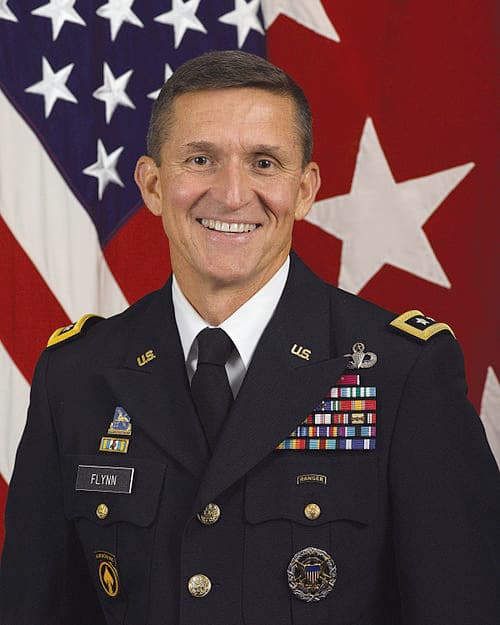
Michael Flynn
PERSON120 w/ Bill·2 w/ Airya
Saddam Hussein
PERSON113 w/ Bill·4 w/ Airya
Yemen
LOCATION112 w/ Bill·2 w/ Airya
Jerusalem
LOCATION109 w/ Bill·4 w/ Airya
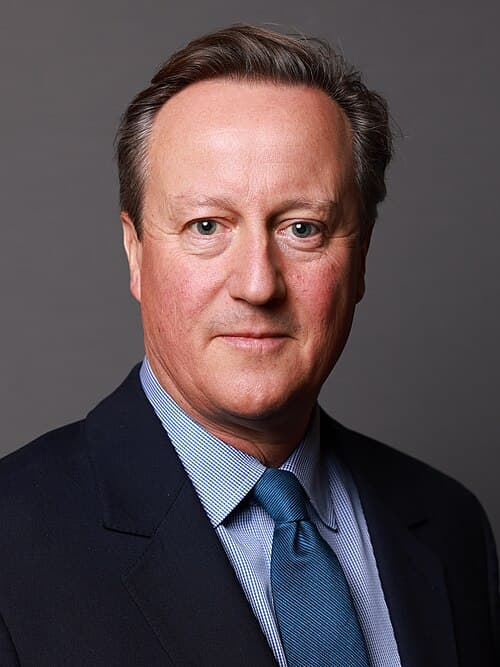
David Cameron
PERSON111 w/ Bill·2 w/ Airya
Damascus
LOCATION103 w/ Bill·4 w/ Airya
New Hampshire
LOCATION92 w/ Bill·2 w/ Airya