Back to Network




5
Shared Docs
5
Same-Page
5 / 5
Mentions
Document Mentions (5 shared documents)
2 mentions1 same-page
Page ?Same page
ute but omits it in another . . . it is generally presumed that Congress acts intentionally and purposely in the disparate inclusion or exclusion." Keene Corp. v. United States, 508 U.S. 200, 208 (1993). Even when plea negotiations result in a guilty plea, not all statements made during those negotiations
al courts to `continue the evolutionary development of [evidentiary] privileges." Adkins v. Christie, 488 F.3d 1324, 1328 (11th Cir. 2007), quoting Trammel v. United States, 445 U.S. 40, 47 (1980). The "central feature" of Rule 410 "is that the accused is encouraged candidly to discuss his or her situation in order to
2 mentions1 same-page
Page ?Same page
orp. v. United States, 509 U.S. 905 (1993) 22 Jasper v. State, 871 So.2d 729 (Miss. 2004) 43 *Jaffee v. Redmond, 518 U.S. 1 (1996) passim Keene Corp. v. United States, 508 U.S. 200 (1993) 27 *Lafler v. Cooper, 132 S. Ct. 1376 (2012) 8, 12 Long v. Raymond Corp., 245 Fed. Appx. 912 (11th Cir.
, 682 N.W.2d 578 (Minn. 2004) 43 State v. Boggs, 741 N.W.2d 492 (Iowa 2007) 42 State v. Trujillo, 93 N.M. 724, 605 P.2d 232 (N.M.1980) 43 Trammel v. United States, 445 U.S. 40 (1980) 29, 45 United States v. Al-Arian, 514 F.3d 1184 (11th Cir.), cert. denied, 555 U.S. 887(2008) 16 United States v. Castan
2 mentions1 same-page
Page ?Same page
ute but omits it in another . . . it is generally presumed that Congress acts intentionally and purposely in the disparate inclusion or exclusion." Keene Corp. v. United States, 508 U.S. 200, 208 (1993). Even when plea negotiations result in a guilty plea, not all statements made during those negotiations
al courts to `continue the evolutionary development of [evidentiary] privileges!" Adkins v. Christie, 488 F.3d 1324, 1328 (11th Cir. 2007), quoting Trammel v. United States, 445 U.S. 40, 47 (1980). The "central feature" of Rule 410 "is that the accused is encouraged candidly to discuss his or her situation in order to
Sponsored
2 mentions1 same-page
Page ?Same page
ute but omits it in another . . . it is generally presumed that Congress acts intentionally and purposely in the disparate inclusion or exclusion." Keene Corp. v. United States, 508 U.S. 200, 208 (1993). B. The Common Law Privilege Under Rule 501. The district court rejected intervenors' contention that
l courts to `continue the evolutionary development of [evidentiary] privileges.'" Adkins v. Christie, 488 F.3d 1324, 1328 (11th Cir. 2007), quoting Trammel v. United States, 445 U.S. 40, 47 (1980). The Supreme Court has recognized that "Rules 410 and 11(e)(6) `creat[e], in effect, a privilege of the defendant . . . ."'
2 mentions1 same-page
Page ?Same page
ute but omits it in another . . . it is generally presumed that Congress acts intentionally and purposely in the disparate inclusion or exclusion." Keene Corp. v. United States, 508 U.S. 200, 208 (1993). Even when plea negotiations result in a guilty plea, not all statements made during those negotiations
al courts to `continue the evolutionary development of [evidentiary] privileges!" Adkins v. Christie, 488 F.3d 1324, 1328 (11th Cir. 2007), quoting Trammel v. United States, 445 U.S. 40, 47 (1980). The "central feature" of Rule 410 "is that the accused is encouraged candidly to discuss his or her situation in order to
Sponsored
Mutual Connections (61)
Entities connected to both Keene Corp. and Trammel v. United States
Jeffrey Epstein
PERSON7 w/ Keene·9 w/ Trammel
RB
Roy Black
PERSON7 w/ Keene·9 w/ Trammel
LB
Leon Black
PERSON7 w/ Keene·9 w/ Trammel
Kenneth Marra
PERSON7 w/ Keene·8 w/ Trammel
MW
Martin Weinberg
PERSON7 w/ Keene·8 w/ Trammel
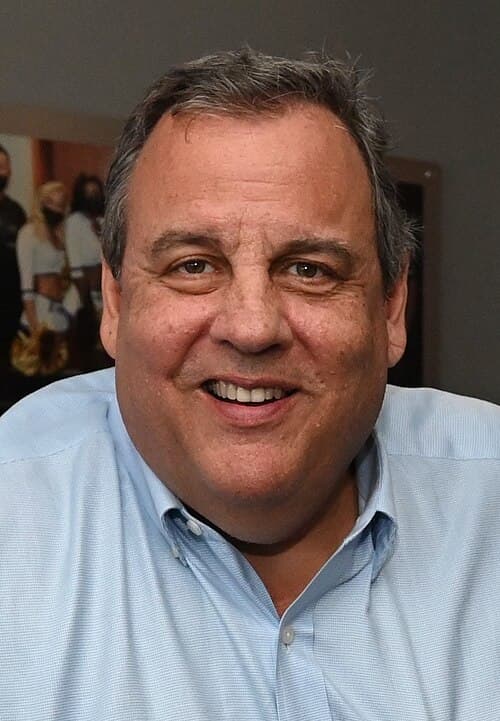
Chris Christie
PERSON7 w/ Keene·8 w/ Trammel
JD
Jane Doe
PERSON7 w/ Keene·8 w/ Trammel
AD
Adkins
PERSON7 w/ Keene·8 w/ Trammel
PA
Paden
PERSON7 w/ Keene·7 w/ Trammel
the Southern District
LOCATION6 w/ Keene·7 w/ Trammel
United States
LOCATION5 w/ Keene·7 w/ Trammel
HE
Herman
PERSON7 w/ Keene·5 w/ Trammel
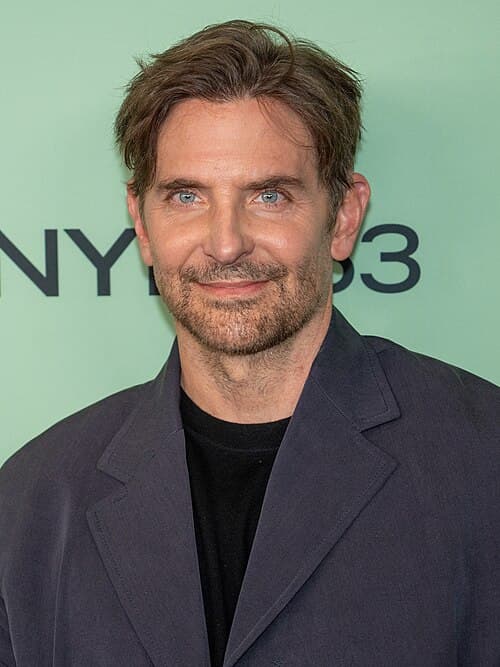
Bradley Cooper
PERSON7 w/ Keene·5 w/ Trammel
Columbia University
LOCATION7 w/ Keene·5 w/ Trammel
SA
Santobello
PERSON7 w/ Keene·5 w/ Trammel
Lafler
ORGANIZATION7 w/ Keene·5 w/ Trammel
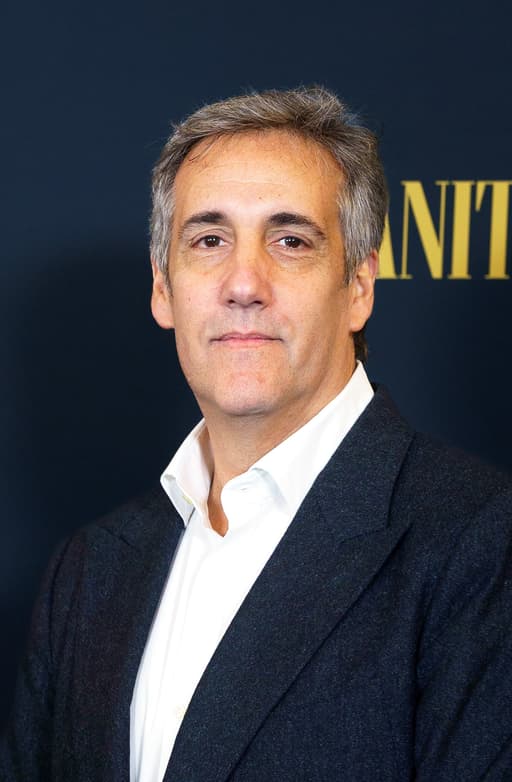
Michael Cohen
PERSON6 w/ Keene·5 w/ Trammel
Scarlett Johansson
PERSON5 w/ Keene·6 w/ Trammel
ET
Emmy Taylor
PERSON6 w/ Keene·5 w/ Trammel
Jay Lefkowitz
PERSON5 w/ Keene·5 w/ Trammel