Back to Network








9
Shared Docs
9
Same-Page
9 / 9
Mentions
Document Mentions (9 shared documents)
2 mentions1 same-page
Page ?Same page
decision theory, the comparative disparity theory, and the absolute disparity theory. See Rioux, 97 F.3d at 655. Although no method is perfect, see Berghuis v. Smith, 559 U.S. 314, 329 (2010), the Second Circuit has made clear that the comparative disparity theory is disfavored and strongly suggested that the ab
ndicated that it will make the required disclosure two weeks prior to trial, a practice that typically comports with Rule 404(b)); United States v. Fennell, 496 F. Supp. 2d 279, 284 (S.D.N.Y. 2007) ("The government has in good faith noted its obligations under Rule 404(b), and indicated that it intends
2 mentions1 same-page
Page ?Same page
1080 (2d Cir. 1989) 106, 119, 149 Arizona v. Youngblood, 488 U.S. 51 (1988) 76 Aronson v. K. Arakelian, Inc., 154 F.2d 231 (7th Cir. 1946) 19 Berghuis v. Smith, 559 U.S. 314 (2010) 299, 302 Blaszczak, 17 Cr. 357 (LAK) 275 Blissett v. Lefevre, 924 F.2d 434 (2d Cir. 1991) 158 Blum v. Yaretsky, 457 U.
10 (2d Cir. 2008) United States v. Fanner, 137 F.3d 1265 (10th Cir. 1998) United States v. Feldman, 939 F.3d 182 (2d Cir. 2019) United States v. Fennell, 166, 169 179, 180 8, 20, 27 496 F. Supp. 2d 279 (S.D.N.Y. 2007) 284, 286 United States v. Figueroa, 618 F.2d 934 (2d Cir. 1980) 255 United
2 mentions1 same-page
Page ?Same page
decision theory, the comparative disparity theory, and the absolute disparity theory. See Biota, 97 F.3d at 655. Although no method is perfect, see Berghuis v. Smith, 559 U.S. 314, 329 (2010), the Second Circuit has made clear that the comparative disparity theory is disfavored and strongly suggested that the ab
ndicated that it will make the required disclosure two weeks prior to trial, a practice that typically comports with Rule 404(6)); United States v. Fennell, 496 F. Supp. 2d 279, 284 (S.D.N.Y. 2007) ("The government has in good faith noted its obligations under Rule 404(b), and indicated that it intends
Sponsored
2 mentions1 same-page
Page ?Same page
1080 (2d Cir. 1989) 106, 119, 149 Arizona v. Youngblood, 488 U.S. 51 (1988) 76 Aronson v. K. Arakelian, Inc., 154 F.2d 231 (7th Cir. 1946) 19 Berghuis v. Smith, 559 U.S. 314 (2010) 299, 302 Blaszczak, 17 Cr. 357 (LAK) 275 Blissett v. Lefevre, 924 F.2d 434 (2d Cir. 1991) 158 Blum v. Yaretsky, 457 U.
10 (2d Cir. 2008) United States v. Fanner, 137 F.3d 1265 (10th Cir. 1998) United States v. Feldman, 939 F.3d 182 (2d Cir. 2019) United States v. Fennell, 166, 169 179, 180 8, 20, 27 496 F. Supp. 2d 279 (S.D.N.Y. 2007) 284, 286 United States v. Figueroa, 618 F.2d 934 (2d Cir. 1980) 255 United
2 mentions1 same-page
Page ?Same page
decision theory, the comparative disparity theory, and the absolute disparity theory. See Biota, 97 F.3d at 655. Although no method is perfect, see Berghuis v. Smith, 559 U.S. 314, 329 (2010), the Second Circuit has made clear that the comparative disparity theory is disfavored and strongly suggested that the ab
ndicated that it will make the required disclosure two weeks prior to trial, a practice that typically comports with Rule 404(6)); United States v. Fennell, 496 F. Supp. 2d 279, 284 (S.D.N.Y. 2007) ("The government has in good faith noted its obligations under Rule 404(b), and indicated that it intends
2 mentions1 same-page
Page ?Same page
Arizona v. Youngblood, 488 U.S. 51 (1988) 179 59 141 26, 29 104 84, 103 52 Aronson v. K. Arakelian, Inc., 154 F.2d 231 (7th Cir. 1946) 17 Berghuis v. Smith, 559 U.S. 314 (2010) 207, 210 Blissett v. Lefevre, 924 F.2d 434 (2d Cir. 1991) 108 Blum v. Yaretsky, 457 U.S. 991 (1982) 99 Bochese v. Town
ited States v. Fanner, 137 F.3d 1265 (10th Cir. 1998) 120, 121 United States v. Feldman, 939 F.3d 182 (2d Cir. 2019) 6, 18, 22 United States v. Fennell, 496 F. Supp. 2d 279 (S.D.N.Y. 2007) 192, 194 United States v. Figueroa, 618 F.2d 934 (2d Cir. 1980) 167 United States v. Fiumano, No. 14 Cr.
Sponsored
2 mentions1 same-page
Page ?Same page
decision theory, the comparative disparity theory, and the absolute disparity theory. See Rioux, 97 F.3d at 655. Although no method is perfect, see Berghuis v. Smith, 559 U.S. 314, 329 (2010), the Second Circuit has made clear that the comparative disparity theory is disfavored and strongly suggested that the ab
ndicated that it will make the required disclosure two weeks prior to trial, a practice that typically comports with Rule 404(b)); United States v. Fennell, 496 F. Supp. 2d 279, 284 (S.D.N.Y. 2007) ("The government has in good faith noted its obligations under Rule 404(b), and indicated that it intends
2 mentions1 same-page
Page ?Same page
1080 (2d Cir. 1989) 106, 119, 149 Arizona v. Youngblood, 488 U.S. 51 (1988) 76 Aronson v. K. Arakelian, Inc., 154 F.2d 231 (7th Cir. 1946) 19 Berghuis v. Smith, 559 U.S. 314 (2010) 299, 302 Blaszczak, 17 Cr. 357 (LAK) 275 Blissett v. Lefevre, 924 F.2d 434 (2d Cir. 1991) 158 Blum v. Yaretsky, 457 U.
10 (2d Cir. 2008) United States v. Farmer, 137 F.3d 1265 (10th Cir. 1998) United States v. Feldman, 939 F.3d 182 (2d Cir. 2019) United States v. Fennell, 166, 169 179, 180 8, 20, 27 496 F. Supp. 2d 279 (S.D.N.Y. 2007) 284, 286 United States v. Figueroa, 618 F.2d 934 (2d Cir. 1980) 255 United
2 mentions1 same-page
Page ?Same page
decision theory, the comparative disparity theory, and the absolute disparity theory. See Biota, 97 F.3d at 655. Although no method is perfect, see Berghuis v. Smith, 559 U.S. 314, 329 (2010), the Second Circuit has made clear that the comparative disparity theory is disfavored and strongly suggested that the ab
ndicated that it will make the required disclosure two weeks prior to trial, a practice that typically comports with Rule 404(b)); United States v. Fennell, 496 F. Supp. 2d 279, 284 (S.D.N.Y. 2007) ("The government has in good faith noted its obligations under Rule 404(b), and indicated that it intends
Sponsored
Mutual Connections (454)
Entities connected to both Berghuis v. Smith and Fennell
Jeffrey Epstein
PERSON10 w/ Berghuis·11 w/ Fennell
United States
LOCATION10 w/ Berghuis·11 w/ Fennell
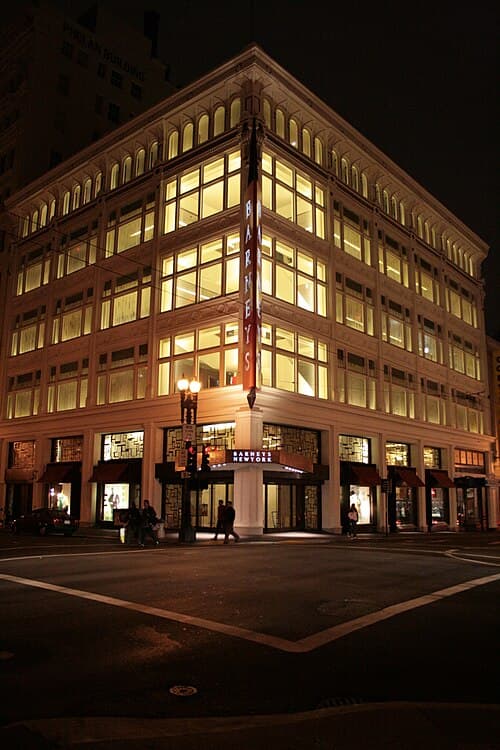
Barneys New York
ORGANIZATION10 w/ Berghuis·10 w/ Fennell
Ghislaine Maxwell
PERSON10 w/ Berghuis·10 w/ Fennell
Giglio
PERSON10 w/ Berghuis·10 w/ Fennell
Scarlett Johansson
PERSON10 w/ Berghuis·10 w/ Fennell
Southern District of New York
ORGANIZATION10 w/ Berghuis·10 w/ Fennell
ET
Emmy Taylor
PERSON10 w/ Berghuis·10 w/ Fennell
the Second Circuit's
ORGANIZATION10 w/ Berghuis·10 w/ Fennell
John F. Kennedy
PERSON10 w/ Berghuis·10 w/ Fennell
PE
Perez
PERSON10 w/ Berghuis·9 w/ Fennell
ZI
Zicarelli
PERSON10 w/ Berghuis·9 w/ Fennell
NS
NORMAN SEABROOK
PERSON10 w/ Berghuis·9 w/ Fennell
RE
Reeves
PERSON10 w/ Berghuis·9 w/ Fennell
JI
Jimenez
PERSON10 w/ Berghuis·9 w/ Fennell
TH
Thompson
PERSON10 w/ Berghuis·9 w/ Fennell
MA
Mandell
PERSON10 w/ Berghuis·9 w/ Fennell
SO
Soares
PERSON10 w/ Berghuis·9 w/ Fennell
Florence
LOCATION10 w/ Berghuis·9 w/ Fennell
Bill Richardson
PERSON10 w/ Berghuis·9 w/ Fennell