Back to Network










11
Shared Docs
11
Same-Page
11 / 11
Mentions
Document Mentions (11 shared documents)
2 mentions1 same-page
Page ?Same page
allegations related to one of the alleged victims from the S I superseding indictment as surplusage. The Court declines to do so at this juncture. Federal Rule of Criminal Procedure 7(d) allows a court to strike surplusage from an indictment on a defendant's motion. "Motions to strike surplusage from an indictment will
age twenty-five, applied to past conduct. See United States v. Jeffries, 405 F.3d 682, 684-85 (8th Cir. 2005). The Second Circuit has observed that the Higher Education Technical Amendments of 1991, Pub. L. No. 102-26, 105 Stat. 123, illustrates language that requires a statute's application to past conduct. See Enter. Mortg. Acceptance C
Sponsored
2 mentions1 same-page
Page ?Same page
allegations related to one of the alleged victims from the S I superseding indictment as surplusage. The Court declines to do so at this juncture. Federal Rule of Criminal Procedure 7(d) allows a court to strike surplusage from an indictment on a defendant's motion. "Motions to strike surplusage from an indictment will
age twenty-five, applied to past conduct. See United States v. Jeffries, 405 F.3d 682, 684-85 (8th Cir. 2005). The Second Circuit has observed that the Higher Education Technical Amendments of 1991, Pub. L. No. 102-26, 105 Stat. 123, illustrates language that requires a statute's application to past conduct. See Enter. Mortg. Acceptance C
Sponsored
2 mentions1 same-page
Page ?Same page
allegations related to one of the alleged victims from the S I superseding indictment as surplusage. The Court declines to do so at this juncture. Federal Rule of Criminal Procedure 7(d) allows a court to strike surplusage from an indictment on a defendant's motion. "Motions to strike surplusage from an indictment will
age twenty-five, applied to past conduct. See United States v. Jeffries, 405 F.3d 682, 684-85 (8th Cir. 2005). The Second Circuit has observed that the Higher Education Technical Amendments of 1991, Pub. L. No. 102-26, 105 Stat. 123, illustrates language that requires a statute's application to past conduct. See Enter. Mortg. Acceptance C
Sponsored
Mutual Connections (81)
Entities connected to both Federal Rule of Criminal and the Higher Education Technical Amendments of
Jeffrey Epstein
PERSON56 w/ Federal·11 w/ the
United States
LOCATION41 w/ Federal·11 w/ the
the Southern District
LOCATION40 w/ Federal·11 w/ the
Ghislaine Maxwell
PERSON37 w/ Federal·11 w/ the
FBI
ORGANIZATION24 w/ Federal·11 w/ the
Scarlett Johansson
PERSON21 w/ Federal·11 w/ the
Supreme Court
ORGANIZATION19 w/ Federal·11 w/ the
Southern District of New York
ORGANIZATION17 w/ Federal·11 w/ the
ET
Emmy Taylor
PERSON16 w/ Federal·11 w/ the
ALISON J. NATHAN
ORGANIZATION16 w/ Federal·11 w/ the
SA
Santobello
PERSON15 w/ Federal·11 w/ the
Adriana Ross
PERSON14 w/ Federal·11 w/ the
WA
Walker
PERSON13 w/ Federal·11 w/ the
Reid Weingarten
PERSON13 w/ Federal·11 w/ the
CU
Cunningham
PERSON12 w/ Federal·11 w/ the
The Eighth Circuit
ORGANIZATION12 w/ Federal·11 w/ the
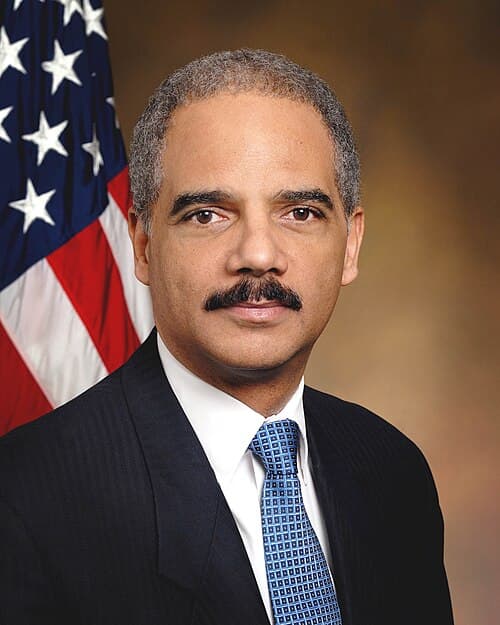
Eric Holder
PERSON12 w/ Federal·11 w/ the
Brady
PERSON12 w/ Federal·11 w/ the
White Plains
LOCATION12 w/ Federal·11 w/ the
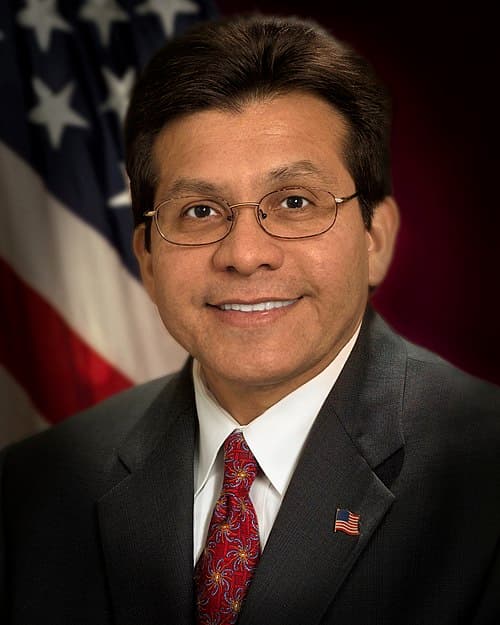
Alberto Gonzales
PERSON12 w/ Federal·11 w/ the