Back to Network




5
Shared Docs
5
Same-Page
5 / 5
Mentions
Document Mentions (5 shared documents)
2 mentions1 same-page
Page ?Same page
as recognized that federal courts have a limited inherent authority to suppress evidence obtained in "willful disobedience of law." United States v. Payner, 447 U.S. 727, 735 n.7 (1980) (quoting McNabb v. United States, 318 U.S. 332, 345 (1943)). But it has also cautioned that courts must exercise this
il case. She acknowledges that she could have, but did not, invoke her Fifth Amendment rights to avoid providing incriminating testimony. See, e.g., Pillsbury Co. v. Conboy, 459 U.S. 248, 263-24 & n.24 (1983). However, she contends that she testified only because she believed the protective order in that case
2 mentions1 same-page
Page ?Same page
as recognized that federal courts have a limited inherent authority to suppress evidence obtained in "willful disobedience of law." United States v. Payner, 447 U.S. 727, 735 n.7 (1980) (quoting McNabb v. United States, 318 U.S. 332, 345 (1943)). But it has also cautioned that courts must exercise this
il case. She acknowledges that she could have, but did not, invoke her Fifth Amendment rights to avoid providing incriminating testimony. See, e.g., Pillsbury Co. v. Conboy, 459 U.S. 248, 263-24 & n.24 (1983). However, she contends that she testified only because she believed the protective order in that case
2 mentions1 same-page
Page ?Same page
as recognized that federal courts have a limited inherent authority to suppress evidence obtained in "willful disobedience of law." United States v. Payner, 447 U.S. 727, 735 n.7 (1980) (quoting McNabb v. United States, 318 U.S. 332, 345 (1943)). But it has also cautioned that courts must exercise this
il case. She acknowledges that she could have, but did not, invoke her Fifth Amendment rights to avoid providing incriminating testimony. See, e.g., Pillsbury Co. v. Conboy, 459 U.S. 248, 263-24 & n.24 (1983). However, she contends that she testified only because she believed the protective order in that case
Sponsored
2 mentions1 same-page
Page ?Same page
as recognized that federal courts have a limited inherent authority to suppress evidence obtained in "willful disobedience of law." United States v. Payner, 447 U.S. 727, 735 n.7 (1980) (quoting McNabb v. United States, 318 U.S. 332, 345 (1943)). But it has also cautioned that courts must exercise this
il case. She acknowledges that she could have, but did not, invoke her Fifth Amendment rights to avoid providing incriminating testimony. See, e.g., Pillsbury Co. v. Conboy, 459 U.S. 248, 263-24 & n.24 (1983). However, she contends that she testified only because she believed the protective order in that case
2 mentions1 same-page
Page ?Same page
as recognized that federal courts have a limited inherent authority to suppress evidence obtained in "willful disobedience of law." United States v. Payner, 447 U.S. 727, 735 n.7 (1980) (quoting McNabb v. United States, 318 U.S. 332, 345 (1943)). But it has also cautioned that courts must exercise this
il case. She acknowledges that she could have, but did not, invoke her Fifth Amendment rights to avoid providing incriminating testimony. See, e.g., Pillsbury Co. v. Conboy, 459 U.S. 248, 263-24 & n.24 (1983). However, she contends that she testified only because she believed the protective order in that case
Sponsored
Mutual Connections (40)
Entities connected to both Payner and Pillsbury Co.
Jeffrey Epstein
PERSON13 w/ Payner·5 w/ Pillsbury
Ghislaine Maxwell
PERSON13 w/ Payner·5 w/ Pillsbury
CM
Colleen McMahon
PERSON13 w/ Payner·5 w/ Pillsbury
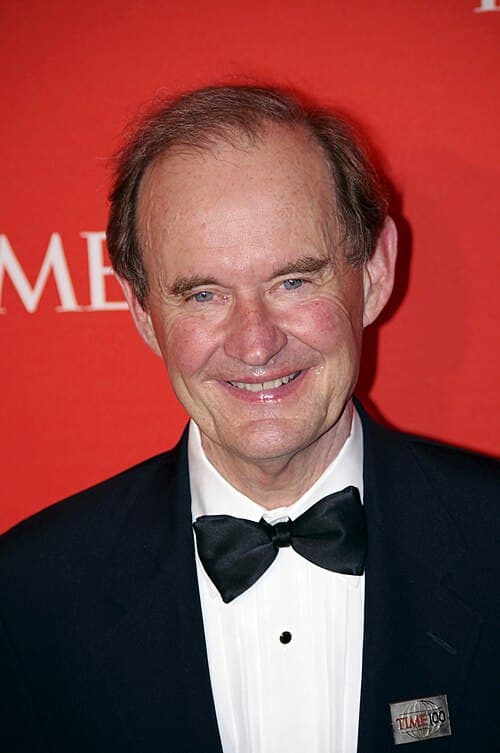
David Boies
PERSON13 w/ Payner·5 w/ Pillsbury
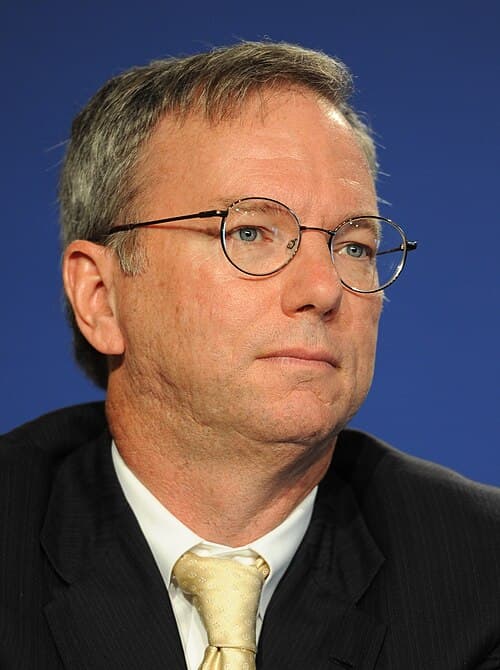
Eric Schmidt
PERSON13 w/ Payner·5 w/ Pillsbury
MA
Martindell
PERSON12 w/ Payner·5 w/ Pillsbury
Julie K. Brown
PERSON12 w/ Payner·5 w/ Pillsbury
United States
LOCATION11 w/ Payner·5 w/ Pillsbury
the Southern District
LOCATION11 w/ Payner·5 w/ Pillsbury
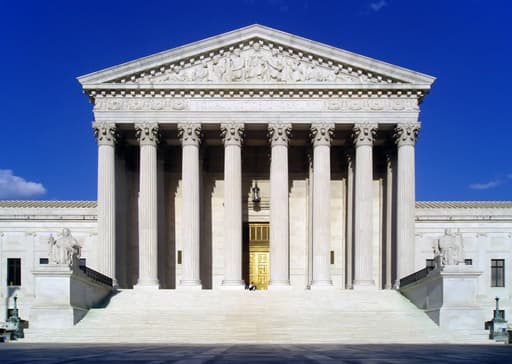
Supreme Court
ORGANIZATION10 w/ Payner·5 w/ Pillsbury
FI
Fisher
PERSON10 w/ Payner·5 w/ Pillsbury
CA
Canfield
PERSON10 w/ Payner·5 w/ Pillsbury
Carpenter
PERSON10 w/ Payner·5 w/ Pillsbury
the Second Circuit's
ORGANIZATION10 w/ Payner·5 w/ Pillsbury
Andover Data Servs
ORGANIZATION9 w/ Payner·5 w/ Pillsbury
Second Circuit
ORGANIZATION8 w/ Payner·5 w/ Pillsbury
Boies Schiller
ORGANIZATION8 w/ Payner·5 w/ Pillsbury
SA
Salameh
PERSON7 w/ Payner·5 w/ Pillsbury
MC
McNabb
PERSON6 w/ Payner·5 w/ Pillsbury
Andover
LOCATION5 w/ Payner·5 w/ Pillsbury