Back to Network



5
Shared Docs
5
Same-Page
5 / 5
Mentions
Document Mentions (5 shared documents)
2 mentions1 same-page
Page ?Same page
uld ordinarily be assessed under the law that existed when the conduct took place has timeless and universal appeal." Kaiser Alum. & Chem. Corp. v. Bonjorno, 494 U.S. 827, 855 (1990) (Scalia, J., concurring). Id. at 265 (footnote omitted). Courts therefore apply the statute in effect at the time of the
e of an antecedent criminal conviction. Given that "Congress is understood to legislate against a background of common-law adjudicatory principles," Astoria Fed. Say. & Loan Assn. v. Solimino, 501 U.S. 104, 108 (1991), "the courts may take it as given that Congress has legislated with an expectation that th
2 mentions1 same-page
Page ?Same page
uld ordinarily be assessed under the law that existed when the conduct took place has timeless and universal appeal." Kaiser Alum. & Chem. Corp. v. Bonjorno, 494 U.S. 827, 855 (1990) (Scalia, J., concurring). Id. at 265 (footnote omitted). Courts therefore apply the statute in effect at the time of the
e of an antecedent criminal conviction. Given that "Congress is understood to legislate against a background of common-law adjudicatory principles," Astoria Fed. Say. & Loan Assn. v. Solimino, 501 U.S. 104, 108 (1991), "the courts may take it as given that Congress has legislated with an expectation that th
2 mentions1 same-page
Page ?Same page
uld ordinarily be assessed under the law that existed when the conduct took place has timeless and universal appeal." Kaiser Alum. & Chem. Corp. v. Bonjorno, 494 U.S. 827, 855 (1990) (Scalia, J., concurring). Id. at 265 (footnote omitted). Courts therefore apply the statute in effect at the time of the
e of an antecedent criminal conviction. Given that "Congress is understood to legislate against a background of common-law adjudicatory principles," Astoria Fed. Say. & Loan Assn. v. Solimino, 501 U.S. 104, 108 (1991), "the courts may take it as given that Congress has legislated with an expectation that th
Sponsored
2 mentions1 same-page
Page ?Same page
uld ordinarily be assessed under the law that existed when the conduct took place has timeless and universal appeal." Kaiser Alum. & Chem. Corp. v. Bonjorno, 494 U.S. 827, 855 (1990) (Scalia, J., concurring). Id. at 265 (footnote omitted). Courts therefore apply the statute in effect at the time of the
e of an antecedent criminal conviction. Given that "Congress is understood to legislate against a background of common-law adjudicatory principles," Astoria Fed. Say. & Loan Assn. v. Solimino, 501 U.S. 104, 108 (1991), "the courts may take it as given that Congress has legislated with an expectation that th
2 mentions1 same-page
Page ?Same page
uld ordinarily be assessed under the law that existed when the conduct took place has timeless and universal appeal." Kaiser Alum. & Chem. Corp. v. Bonjorno, 494 U.S. 827, 855 (1990) (Scalia, J., concurring). Id. at 265 (footnote omitted). Courts therefore apply the statute in effect at the time of the
e of an antecedent criminal conviction. Given that "Congress is understood to legislate against a background of common-law adjudicatory principles," Astoria Fed. Say. & Loan Assn. v. Solimino, 501 U.S. 104, 108 (1991), "the courts may take it as given that Congress has legislated with an expectation that th
Sponsored
Mutual Connections (101)
Entities connected to both Bonjorno and Astoria Fed
Jeffrey Epstein
PERSON7 w/ Bonjorno·6 w/ Astoria
Ashcroft
PERSON7 w/ Bonjorno·6 w/ Astoria
the Senate Judiciary Committee
ORGANIZATION6 w/ Bonjorno·6 w/ Astoria
Bowen
PERSON6 w/ Bonjorno·6 w/ Astoria
Schumer
PERSON6 w/ Bonjorno·6 w/ Astoria
Supreme Court
ORGANIZATION6 w/ Bonjorno·6 w/ Astoria
H.R.
PERSON6 w/ Bonjorno·6 w/ Astoria
LB
Leon Black
PERSON6 w/ Bonjorno·6 w/ Astoria
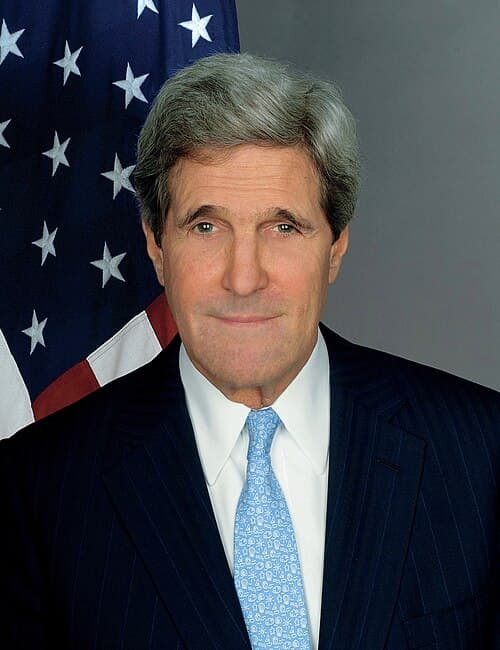
John Kerry
PERSON5 w/ Bonjorno·6 w/ Astoria
EV
Evans
PERSON5 w/ Bonjorno·6 w/ Astoria
HA
Hansen
PERSON5 w/ Bonjorno·6 w/ Astoria
Mortensen
PERSON5 w/ Bonjorno·6 w/ Astoria
Searcy
PERSON5 w/ Bonjorno·6 w/ Astoria
Estelle
PERSON5 w/ Bonjorno·6 w/ Astoria
Griffith
PERSON5 w/ Bonjorno·6 w/ Astoria
WA
Walker
PERSON5 w/ Bonjorno·6 w/ Astoria
WE
Weaver
PERSON5 w/ Bonjorno·6 w/ Astoria
SI
Siljander
PERSON5 w/ Bonjorno·6 w/ Astoria
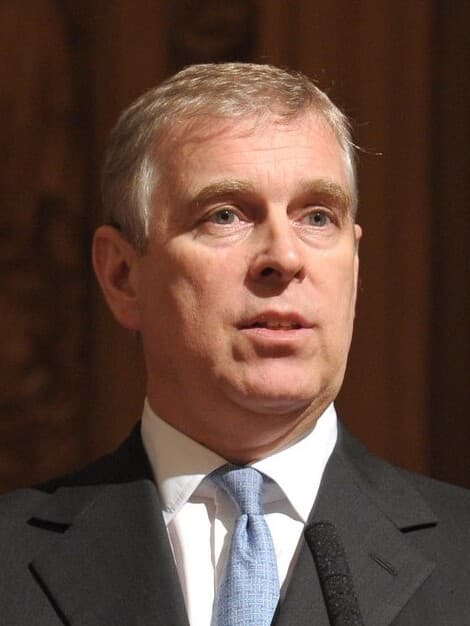
Prince Andrew
PERSON5 w/ Bonjorno·6 w/ Astoria
Alan Dershowitz
PERSON5 w/ Bonjorno·6 w/ Astoria