Back to Network








6
Shared Docs
6
Same-Page
12 / 6
Mentions
Document Mentions (6 shared documents)
3 mentions1 same-page
Page ?Same page
where the party was not, by law, liable to any punishment." After (but not before) the original statute of limitations had expired, a party such as Stogner was not "liable to any punishment." California's new statute therefore "aggravated" Stogner's alleged crime, or made it "greater than it was, when
ention of the Er Post Facto clause. The Supreme Court's decision in California v. Stogner, 539 U.S. 607 (2003), perfectly illustrates the point. In Stogner, the defendant was charged in 1998 based on sex crimes that he allegedly committed between 1955 and 1973. While the original three-year statute of l
rls for the purpose of coercing them into acts of prostitution." 18 U.S.C. § 2242(b). These bald allegations cannot survive a motion to dismiss. See Jabal, slip op. at 14 ("Threadbare recitals of the elements of a cause of action, supported by mere conclusory statements, do not suffice."); Twombly, 55
3 mentions1 same-page
Page ?Same page
where the party was not, by law, liable to any punishment." After (but not before) the original statute of limitations had expired, a party such as Stogner was not "liable to any punishment." California's new statute therefore "aggravated" Stogner's alleged crime, or made it "greater than it was, when
ention of the Er Post Facto clause. The Supreme Court's decision in California v. Stogner, 539 U.S. 607 (2003), perfectly illustrates the point. In Stogner, the defendant was charged in 1998 based on sex crimes that he allegedly committed between 1955 and 1973. While the original three-year statute of l
rls for the purpose of coercing them into acts of prostitution." 18 U.S.C. § 2242(b). These bald allegations cannot survive a motion to dismiss. See Jabal, slip op. at 14 ("Threadbare recitals of the elements of a cause of action, supported by mere conclusory statements, do not suffice."); Twombly, 55
3 mentions1 same-page
Page ?Same page
where the party was not, by law, liable to any punishment." After (but not before) the original statute of limitations had expired, a party such as Stogner was not "liable to any punishment." California's new statute therefore "aggravated" Stogner's alleged crime, or made it "greater than it was, when
ention of the Er Post Facto clause. The Supreme Court's decision in California v. Stogner, 539 U.S. 607 (2003), perfectly illustrates the point. In Stogner, the defendant was charged in 1998 based on sex crimes that he allegedly committed between 1955 and 1973. While the original three-year statute of l
rls for the purpose of coercing them into acts of prostitution." 18 U.S.C. § 2242(b). These bald allegations cannot survive a motion to dismiss. See Jabal, slip op. at 14 ("Threadbare recitals of the elements of a cause of action, supported by mere conclusory statements, do not suffice."); Twombly, 55
Sponsored
3 mentions1 same-page
Page ?Same page
where the party was not, by law, liable to any punishment." After (but not before) the original statute of limitations had expired, a party such as Stogner was not "liable to any punishment." California's new statute therefore "aggravated" Stogner's alleged crime, or made it "greater than it was, when
ention of the Er Post Facto clause. The Supreme Court's decision in California v. Stogner, 539 U.S. 607 (2003), perfectly illustrates the point. In Stogner, the defendant was charged in 1998 based on sex crimes that he allegedly committed between 1955 and 1973. While the original three-year statute of l
rls for the purpose of coercing them into acts of prostitution." 18 U.S.C. § 2242(b). These bald allegations cannot survive a motion to dismiss. See Jabal, slip op. at 14 ("Threadbare recitals of the elements of a cause of action, supported by mere conclusory statements, do not suffice."); Twombly, 55
3 mentions1 same-page
Page ?Same page
where the party was not, by law, liable to any punishment." After (but not before) the original statute of limitations had expired, a party such as Stogner was not "liable to any punishment." California's new statute therefore "aggravated" Stogner's alleged crime, or made it "greater than it was, when
ention of the Er Post Facto clause. The Supreme Court's decision in California v. Stogner, 539 U.S. 607 (2003), perfectly illustrates the point. In Stogner, the defendant was charged in 1998 based on sex crimes that he allegedly committed between 1955 and 1973. While the original three-year statute of l
rls for the purpose of coercing them into acts of prostitution." 18 U.S.C. § 2242(b). These bald allegations cannot survive a motion to dismiss. See Jabal, slip op. at 14 ("Threadbare recitals of the elements of a cause of action, supported by mere conclusory statements, do not suffice."); Twombly, 55
3 mentions1 same-page
Page ?Same page
where the party was not, by law, liable to any punishment." After (but not before) the original statute of limitations had expired, a party such as Stogner was not "liable to any punishment." California's new statute therefore "aggravated" Stogner's alleged crime, or made it "greater than it was, when
Post Facto clause precludes the revival of claims predicated on past crimes. The precise concerns animating Stogner are present in this case. As in Stogner Defendant was "liable to punishment" under § 2255 before Plaintiff turned 18, but once she attained that age, he no was longer "liable to punishmen
ng in illicit activities with Plaintiff) or that his travel was specifically "designed to bring about such a result." Mortenson, 322 U.S. at 374. As Jabal and Twombly make clear, plaintiffs cannot withstand a motion to dismiss by baldy asserting that an offense occurred and holding out hope that they
Sponsored
Mutual Connections (104)
Entities connected to both Stogner and Jabal
Jeffrey Epstein
PERSON13 w/ Stogner·8 w/ Jabal
United States
LOCATION13 w/ Stogner·7 w/ Jabal
WA
Walker
PERSON13 w/ Stogner·6 w/ Jabal
Supreme Court
ORGANIZATION13 w/ Stogner·6 w/ Jabal
Ashcroft
PERSON10 w/ Stogner·8 w/ Jabal
Scarlett Johansson
PERSON10 w/ Stogner·7 w/ Jabal
Prince Andrew
PERSON10 w/ Stogner·7 w/ Jabal
JD
Jane Doe
PERSON9 w/ Stogner·7 w/ Jabal
George W. Bush
PERSON10 w/ Stogner·6 w/ Jabal
TW
Twombly
PERSON6 w/ Stogner·8 w/ Jabal
AI
Ahsan Iqbal
PERSON6 w/ Stogner·8 w/ Jabal
Jennifer Lopez
PERSON9 w/ Stogner·5 w/ Jabal
JG
Jack Goldberger
PERSON6 w/ Stogner·7 w/ Jabal
United States District Court
ORGANIZATION6 w/ Stogner·7 w/ Jabal
Atterbury Goldberger & Weiss
ORGANIZATION6 w/ Stogner·7 w/ Jabal
MP
Michael J. Pike
PERSON6 w/ Stogner·7 w/ Jabal
Griffith
PERSON7 w/ Stogner·6 w/ Jabal
Alan Dershowitz
PERSON6 w/ Stogner·7 w/ Jabal
GU
Gustafson
PERSON6 w/ Stogner·6 w/ Jabal
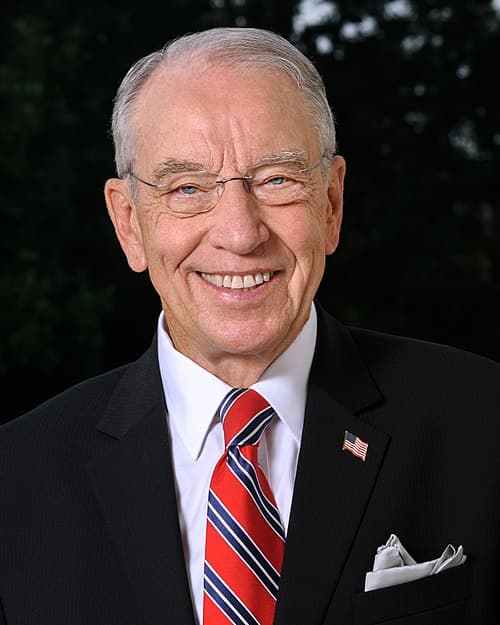
Chuck Grassley
PERSON6 w/ Stogner·6 w/ Jabal