Back to Network







5
Shared Docs
5
Same-Page
5 / 5
Mentions
Document Mentions (5 shared documents)
2 mentions1 same-page
Page ?Same page
ants is without a basis in Florida law. We fmd no evidence that the Florida courts derive an evidentiary privilege from Fla.Stat. 905.27. Indeed, the Florida Supreme Court has noted that [t]he rule of secrecy concerning matters transpiring in the grand jury room is not designed for the protection of witnesses bef
[1][2][3] It is well-established that a federal grand jury is to be afforded wide latitude in conducting its investigation. See United States v. R. Enters., Inc., 498 U.S. 292, 297-98, 111 S.Ct. 722, 726, 112 L.Ed.2d 795 (1991); United States v. Calandra, 414 U.S. 338, 94 S.Ct. 613, 38 L.Ed.2d 561
2 mentions1 same-page
Page ?Same page
ts is without a basis in Florida law. We fmd no evidence that the Florida courts derive an evidentiary privilege from Fla.Stat. § 905.27. Indeed, the Florida Supreme Court has noted that [t]he rule of secrecy concerning matters transpiring in the grand jury room is not designed for the protection of witnesses bef
cordance with its broad mandate to investigate possible criminal activity, a federal grand jury has few limitations placed on its subpoena powers. R. Enters., 498 U.S. at 297-98, Ill S.Ct. at 726. "A grand jury 'may compel the production of evidence or the testimony of witnesses as it considers appropr
2 mentions1 same-page
Page ?Same page
s is without a basis in Florida law. We find no evidence that the Florida courts derive an evidentiary privilege from Fla.Stat. § 905.27. Indeed, the Florida Supreme Court has noted that It)he rule of secrecy concerning matters transpiring in the grand jury room is not designed for the protection of witnesses b
[1][2][3] It is well-established that a federal grand jury is to be afforded wide latitude in conducting its investigation. See United States v. R. Enters., Inc.. 498 U.S. 292. 297-98, Ill S.Ct. 722, 726, 112 L.Ed.2d 795 (1991); United States v. Calandra, 414 U.S. 338, 94 S.Ct. 613, 38 L.Ed.2d 561
Sponsored
2 mentions1 same-page
Page ?Same page
s is without a basis in Florida law. We find no evidence that the Florida courts derive an evidentiary privilege from F1a.Stat. § 905.27. Indeed, the Florida Supreme Court has noted that [t]he rule of secrecy concerning matters transpiring in the grand jury room is not designed for the protection of witnesses b
[1][2][3] It is well-established that a federal grand jury is to be afforded wide latitude in conducting its investigation. See United States v. R. Enters., Inc., 498 U.S. 292, 297-98, 111 S.Q. 722, 726, 112 L.Ed.2d 795 (1991); United Stares v. Calandra, 414 U.S. 338, 94 S.Ct. 613, 38 L.Ed.2d 561 (
2 mentions1 same-page
Page ?Same page
nts is without a basis in Florida law. We find no evidence that the Florida courts derive an evidentiary privilege from Fla.Stat. 905.27. Indeed, the Florida Supreme Court has noted that Mlle rule of secrecy concerning matters transpiring in the grand jury room is not designed for the protection of witnesses bef
(11(21(3) It is well-established that a federal grand jury is to be afforded wide latitude in conducting its investigation. See United States v. R. Enters., Inc.. 498 U.S. 292, 297.98, Ill S.Ct. 722, 726, 112 L.Ed.2d 795 (1991); United States v. Calandra. 414 U.S. 338, 94 S.Ct. 613. 38 L.Ed.2d 561
Sponsored
Mutual Connections (126)
Entities connected to both the Florida Supreme Court and R. Enters
Jeffrey Epstein
PERSON56 w/ the·6 w/ R.
United States
LOCATION31 w/ the·6 w/ R.
George W. Bush
PERSON30 w/ the·6 w/ R.
Alan Dershowitz
PERSON23 w/ the·6 w/ R.
Kenneth Marra
PERSON19 w/ the·2 w/ R.
Scarlett Johansson
PERSON13 w/ the·6 w/ R.
Department of Justice
ORGANIZATION11 w/ the·6 w/ R.
LB
Leon Black
PERSON11 w/ the·6 w/ R.
Alexander Acosta
PERSON13 w/ the·4 w/ R.
Oliver Stone
PERSON11 w/ the·5 w/ R.
Southern District
LOCATION12 w/ the·4 w/ R.
Julie K. Brown
PERSON10 w/ the·5 w/ R.
Donald Trump
PERSON13 w/ the·2 w/ R.
New York State
LOCATION8 w/ the·5 w/ R.
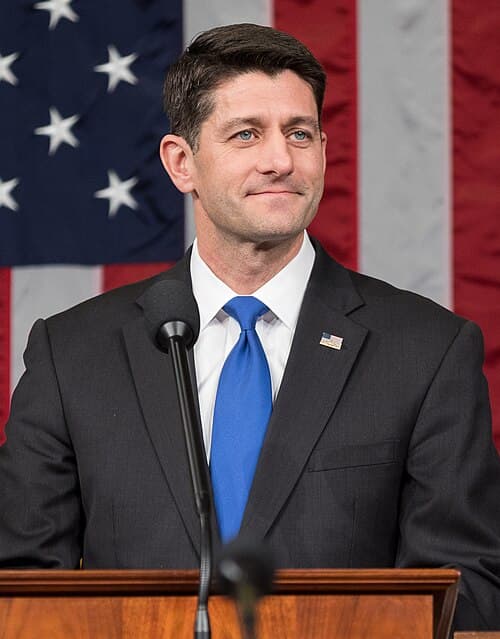
Paul Ryan
PERSON7 w/ the·5 w/ R.
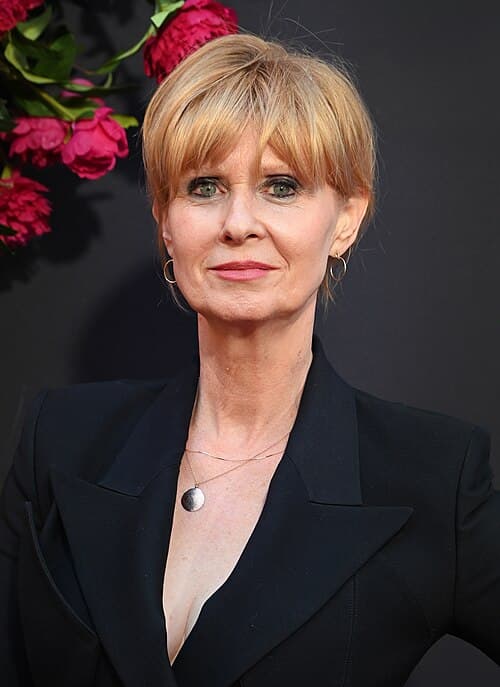
Cynthia Nixon
PERSON6 w/ the·6 w/ R.
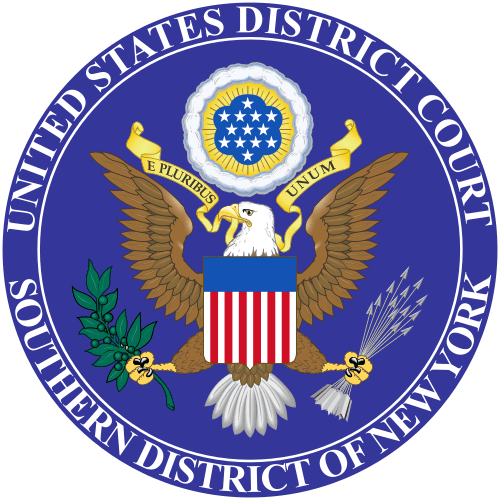
Southern District of New York
ORGANIZATION6 w/ the·6 w/ R.
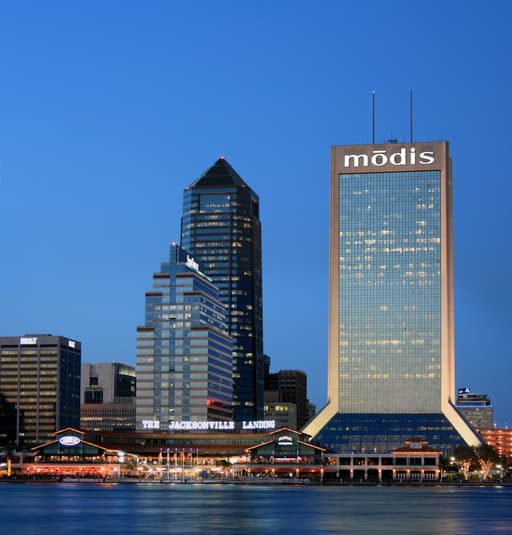
Jacksonville
LOCATION7 w/ the·5 w/ R.
West's
LOCATION6 w/ the·5 w/ R.
UA
U.S. Atty
PERSON6 w/ the·5 w/ R.