Back to Network














7
Shared Docs
7
Same-Page
7 / 8
Mentions
Document Mentions (7 shared documents)
3 mentions1 same-page
Page ?Same page
ng control of their own towns and cities. They won't necessarily push for independence, but their alignment with the political leadership in Iraqi Kurdistan — and reports that their fighters have already taken control of many key Syrian Kurdish cities — suggests that they may be staking out an autonomou
sustainable outcomes, of course, but they could map the outlines of a next phase of warfare after Assad loses control of the Syrian state. But the Alawites aren't the only breakup threat. The consensus among Syria's Kurdish political factions, encouraged by Iraqi Kurd leader Massoud Barzani, who has ho
e Assad clan, and the country's majority of Sunni Muslims. That's why the opposite of the Assad dictatorship could be the breakup of Syria — as the Alawites retreat to their coastal redoubt — and a permanent civil war. There are two things that could divert us from that outcome. One is the Iraq alterna
2 mentions1 same-page
Page ?Same page
absence — which is why Ankara might have the biggest share when reaping the fruits of the Arab spring, from Iraq where Turkish presence is wide in Kurdistan, to Syria via the opposition forces, Lebanon in the future and Tunisia, not to mention Turkish presence in Central Asia and the Balkans. Moreover,
ome sort of a settlement granting tripartite attention to Syria's Sunnis, while Tehran and Moscow will find a way to tend to their interest and the Alawites' affairs. But is it too late for settlements? The New Yorker Two Presidents find a mutual advantage Ryan Lizza September 10, 2012 -- Barack Obama
2 mentions1 same-page
Page ?Same page
ged as collateral. This would be of little consolation to Israeli strategists if not for parallel listening posts widely believed to exist in Iraqi Kurdistan, Turkmenistan and even elsewhere in coordination with the United States But more importantly, this also means that a conflict with Iran may be muc
e held. Even that could be optimistic, experts say. A third of Syria's population belongs to religious or ethnic minorities, among them Christians, Alawites, Shiites and Kurds, who share concerns about the potential rise of Sunni Islamism. It is in large part a measure of the dysfunction of the rest of
Sponsored
2 mentions1 same-page
Page ?Same page
ionally been concentrated in regions in the south. There would also be a strong temptation on the part of the country's Kurds to carve out a Syrian Kurdistan in the northeast. And unlike in Libya, where any negative consequences from the overthrow of Moammar Gadhafi could be minimized in terms of the imp
in the 1990s, could surface here. As in Iraq, there are different geographic regions where Syria's minority groups form the local majority. For the Alawites, the coastal areas around the city of Lattakia -- where, incidentally, the last remaining Russian military base outside the former Soviet Union, th
2 mentions1 same-page
Page ?Same page
ons in the EFTA_R1_00228282 EFTA01841746 south. There would also be a strong temptation on the part of the country's Kurds to carve out a Syrian Kurdistan in the northeast. And unlike in Libya, where any negative consequences from the overthrow of Moammar Gadhafi could be minimized in terms of the im
in the 1990s, could surface here. As in Iraq, there are different geographic regions where Syria's minority groups form the local majority. For the Alawites, the coastal areas around the city of Lattakia -- where, incidentally, the last remaining Russian military base outside the former Soviet Union, t
2 mentions1 same-page
Page ?Same page
that they would be treated with dignity and fairness as partners in governing the country. Second, relations between the central government and the Kurdistan region also deteriorated to the extent that Kurdish leaders became convinced that Iraq's federal structure had failed because the Maliki government
acking at the internal lines of fracture colonial overseers chose to disregard. They were in a state of postponed decomposition. Sunnis in Iraq and Alawites in Syria, minorities both, believed (and believe) they had some irreversible right to rule. They do not. President Obama should use targeted milita
Sponsored
2 mentions1 same-page
Page ?Same page
ged as collateral. This would be of little consolation to Israeli strategists if not for parallel listening posts widely believed to exist in Iraqi Kurdistan, Turkmenistan and even elsewhere in coordination with the United States But more importantly, this also means that a conflict with Iran may be muc
held. Even that could be optimistic, experts say. A third of Syria's population belongs to religious or ethnic minorities, among them Christians, Alawites, Shiites and Kurds, who share concerns about the potential rise of Sunni Islamism. It is in large part a measure of the dysfunction of the rest of
Sponsored
Mutual Connections (307)
Entities connected to both Kurdistan and Alawites
Bashar al-Assad
PERSON18 w/ Kurdistan·26 w/ Alawites
Barack Obama
PERSON19 w/ Kurdistan·22 w/ Alawites
Lebanon
LOCATION17 w/ Kurdistan·21 w/ Alawites
Saddam Hussein
PERSON16 w/ Kurdistan·20 w/ Alawites
Tehran
LOCATION16 w/ Kurdistan·20 w/ Alawites
United States
LOCATION17 w/ Kurdistan·19 w/ Alawites
Damascus
LOCATION14 w/ Kurdistan·20 w/ Alawites
Terje Rod-Larsen
PERSON14 w/ Kurdistan·18 w/ Alawites
George W. Bush
PERSON15 w/ Kurdistan·16 w/ Alawites
Baghdad
LOCATION21 w/ Kurdistan·9 w/ Alawites
Benjamin Netanyahu
PERSON14 w/ Kurdistan·16 w/ Alawites
Tunisia
LOCATION15 w/ Kurdistan·14 w/ Alawites
Marc Rich
PERSON13 w/ Kurdistan·13 w/ Alawites
Hosni Mubarak
PERSON12 w/ Kurdistan·14 w/ Alawites
Middle East
LOCATION10 w/ Kurdistan·14 w/ Alawites
Bill Clinton
PERSON6 w/ Kurdistan·17 w/ Alawites
Yemen
LOCATION13 w/ Kurdistan·9 w/ Alawites
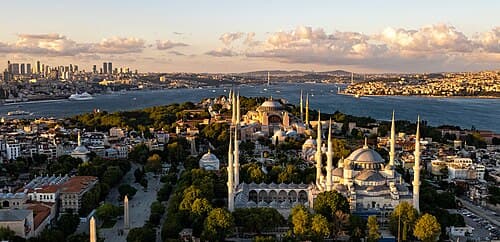
Istanbul
LOCATION8 w/ Kurdistan·13 w/ Alawites
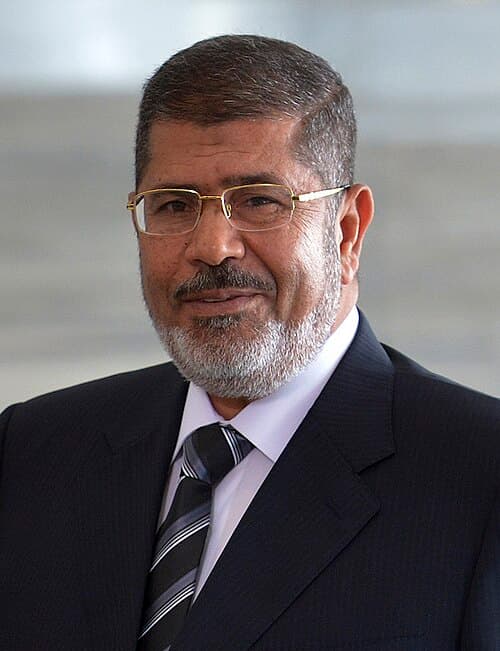
Mohamed Morsi
PERSON8 w/ Kurdistan·11 w/ Alawites
Hillary Clinton
PERSON5 w/ Kurdistan·14 w/ Alawites