Back to Network













4
Shared Docs
4
Same-Page
7 / 4
Mentions
Document Mentions (4 shared documents)
3 mentions1 same-page
Page ?Same page
t something. Everything. The billionaires had to rethink. So did everyone in the Trump orbit. The campaign staff, now suddenly in a position to snag West Wing jobs—career- and history-making jobs—had to see this odd, difficult, even ridiculous, and, on the face of it, ill-equipped person in a new light. He
he newly appointed deputy chief of staff, Katie Walsh, Reince Priebus’s deputy at the RNC, and together they had peeled off to inspect the now vacant West Wing. The carpet had been shampooed, but little else had changed. It was a warren of tiny offices in need of paint, not rigorously cleaned on a regular ba
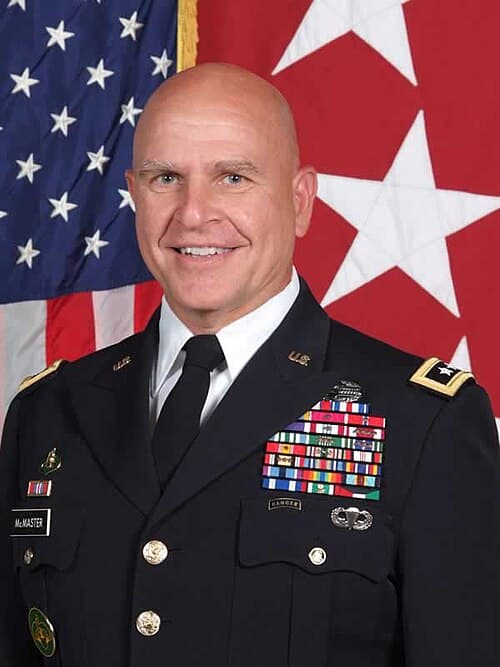
sidestep the people in your organization and to dominate them. It was just one irony of his courtship of admired military figures like James Mattis, H. R. McMaster, and John Kelly: they found themselves working in an administration that was in every way inimical to basic command principles. 7 OK Ok Almost from
3 mentions1 same-page
Page ?Same page
as not only known by people outside the White House for the alacrity with which it returned calls and for the ease with which it seemed to accomplish West Wing tasks, it also seemed to be comprised of people who liked each other and who were dedicated to a common goal: eliminating as much friction as possibl
n Sachs, too, that in the middle of a Republican-controlled Washington and a virulent, if not anti-Semitic (at least toward liberal Jews), right-wing West Wing, the Kushner-Cohn Democrats appeared to be ascendant. Part of the credit went to Kushner, who showed an unexpected tenacity. Conflict averse—in the K
invariably incurred Trump’s annoyance.) Kushner enlisted Scarborough and Brzezinski in something of a regular morning television Bannon slag-a-thon. H. R. McMaster, the three-star general who had replaced Michael Flynn as National Security Advisor, had secured the president’s pledge that he could veto members of
3 mentions1 same-page
Page ?Same page
Republican Party had now become the symbol of its civil war. On that Monday, the president’s son-in-law appeared at the microphones in front of the West Wing to preview his statement to Senate investigators about the Trump campaign’s connections to Russia. Having almost never spoken before in public, he no
l influence with the president, but important members of the staff saw them as having this juice, and hence believed that they were the true north of West Wing advancement and power. Curiously, for all their callowness, Jared and Ivanka had become quite a fearsome presence, as feared by others as the two of
was “not taking a pencil to anything.” Nearby, in a small conference room watching the movie Fargo, were Dina Powell, Gary Cohn, Stephen Miller, and H. R. McMaster, all of whom would later insist that they were, however physically close to the unfolding crisis, removed from it. And, indeed, anyone “in the room”
Sponsored
2 mentions1 same-page
Page ?Same page
ct ... but we live in a world of imperfect." * * * Costa's story, which was posted online later that day, described Bannon as "pitching a plan to West Wing aides and congressional allies to cripple the federal probe into Russian interference in the 2016 election, according to four people familiar with
on people carrying Bannon's message as well as the president's. What's more, his enemies in the White House were moving out, includ- ing Hope Hicks, H. R. McMaster, the former national security advisor, and the ever shrinking circle of allies supporting the president's son-in- law and daughter. Bannon was ofte
Sponsored
Mutual Connections (266)
Entities connected to both West Wing and H. R. McMaster
Hillary Clinton
PERSON14 w/ West·4 w/ H.
Bill Clinton
PERSON14 w/ West·4 w/ H.
Donald Trump
PERSON13 w/ West·4 w/ H.
Barack Obama
PERSON13 w/ West·4 w/ H.
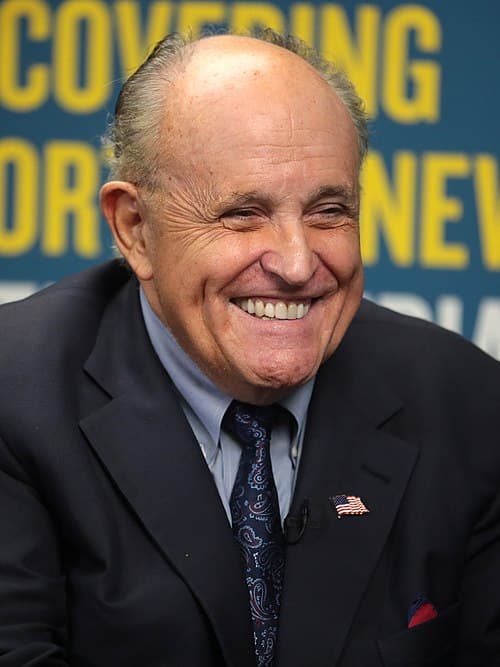
Rudy Giuliani
PERSON12 w/ West·4 w/ H.
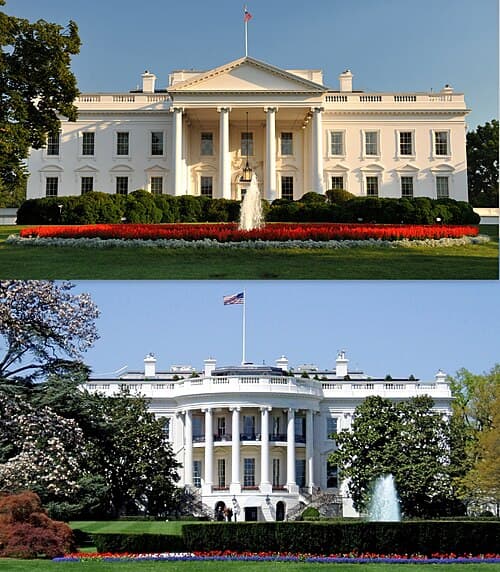
White House
ORGANIZATION12 w/ West·4 w/ H.
George W. Bush
PERSON12 w/ West·4 w/ H.
Prince Andrew
PERSON11 w/ West·4 w/ H.
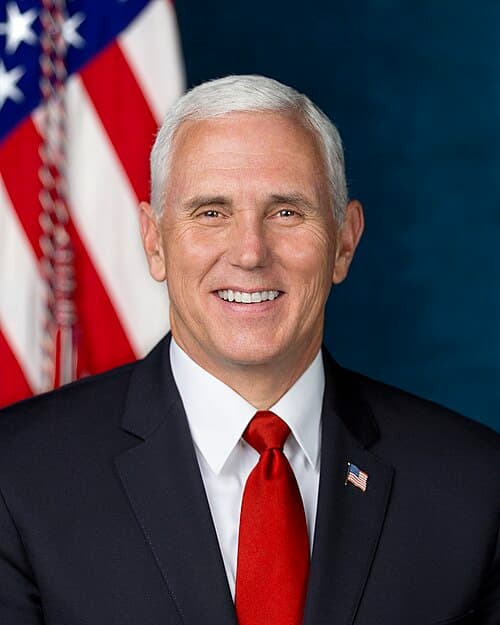
Mike Pence
PERSON11 w/ West·4 w/ H.
Capitol Hill
ORGANIZATION11 w/ West·4 w/ H.
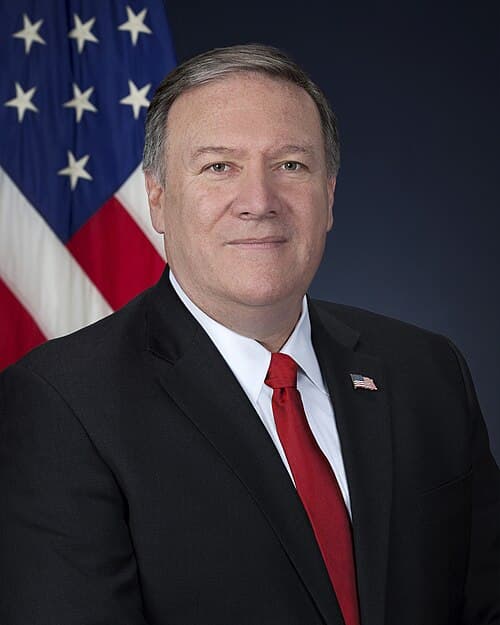
Mike Pompeo
PERSON11 w/ West·4 w/ H.
Paul Ryan
PERSON11 w/ West·4 w/ H.
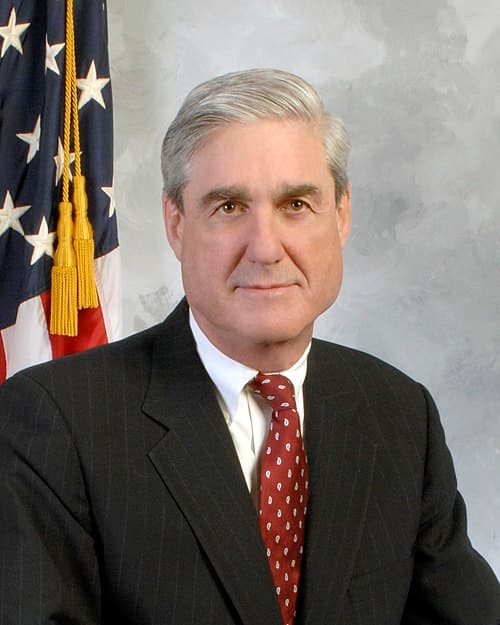
Robert Mueller
PERSON11 w/ West·3 w/ H.
Mitch McConnell
PERSON11 w/ West·3 w/ H.
Joe Biden
PERSON11 w/ West·3 w/ H.
Cynthia Nixon
PERSON10 w/ West·4 w/ H.
Vladimir Putin
PERSON10 w/ West·4 w/ H.
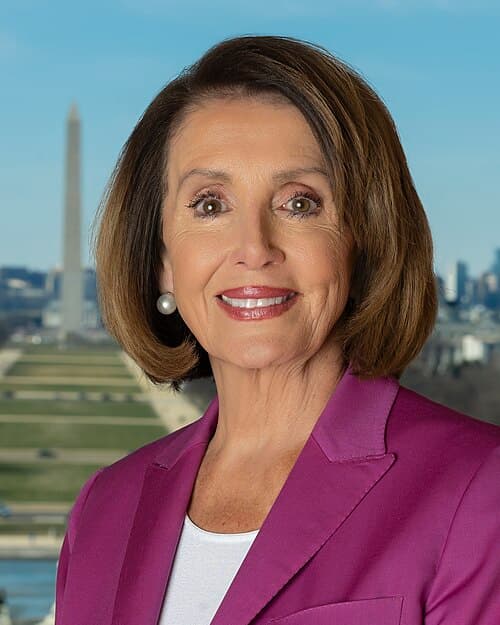
Nancy Pelosi
PERSON11 w/ West·3 w/ H.
Jeffrey Epstein
PERSON11 w/ West·3 w/ H.
Stephen Hawking
PERSON10 w/ West·4 w/ H.